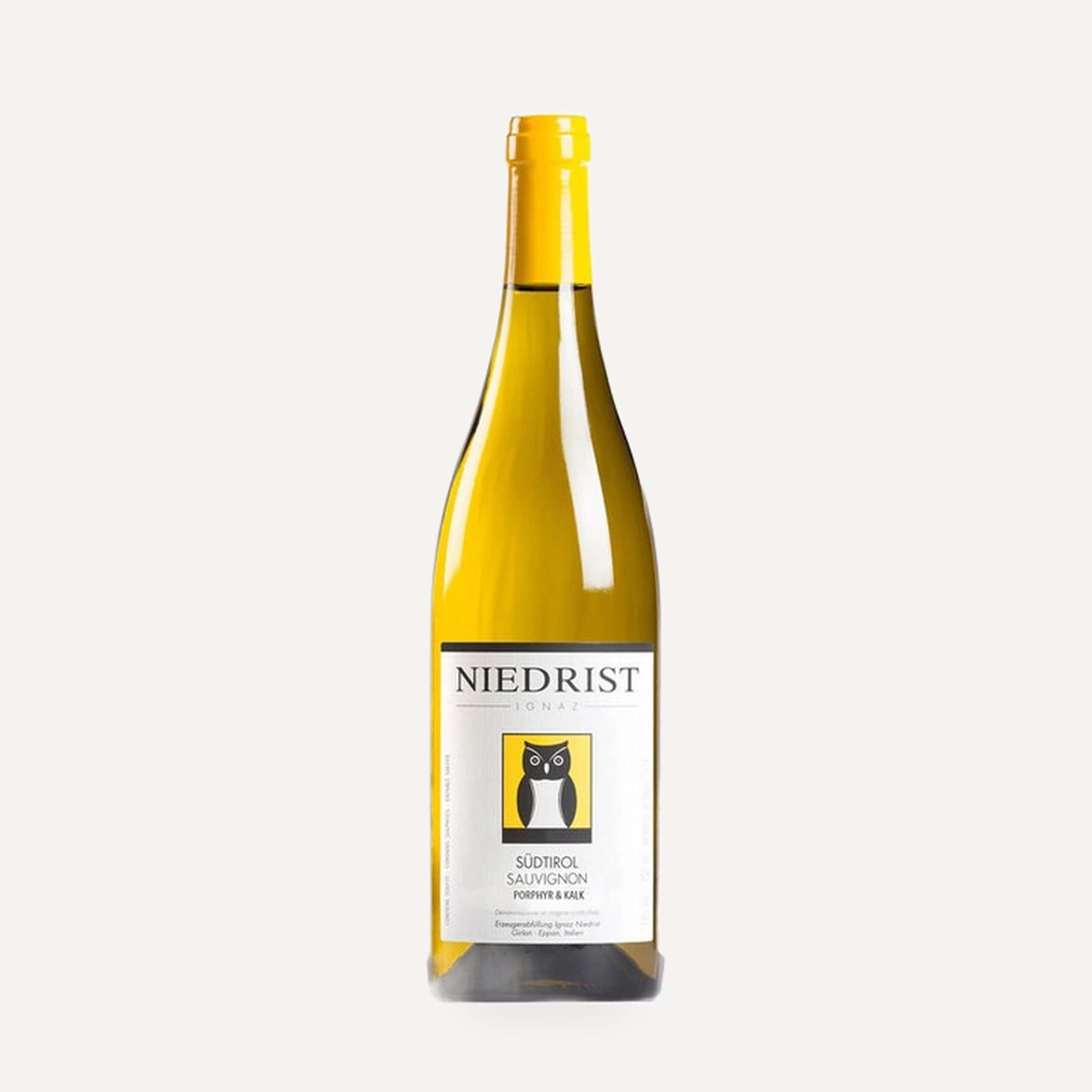
Questo vino
Vineyard and terroir
The wine comes from two sites with different aspects, at 440–600 m above sea level. One has stony soil with plenty of gravel and several types of rock, including porphyry, granite and gneiss. The other has clay soil with a significant amount of lime and gravel. Vines are 25 years old on average, planted at 6,000–7,000 vines per hectare, with yields kept below 50 hl/ha.
Grapes
Several different Sauvignon Blanc clones are used.
Vinification
Alcoholic fermentation takes place in stainless steel tanks. The wine does not undergo malolactic fermentation.
Ageing
The wine ages for six months on clarified lees, in the same stainless steel tanks and in wooden vats.
Label / history
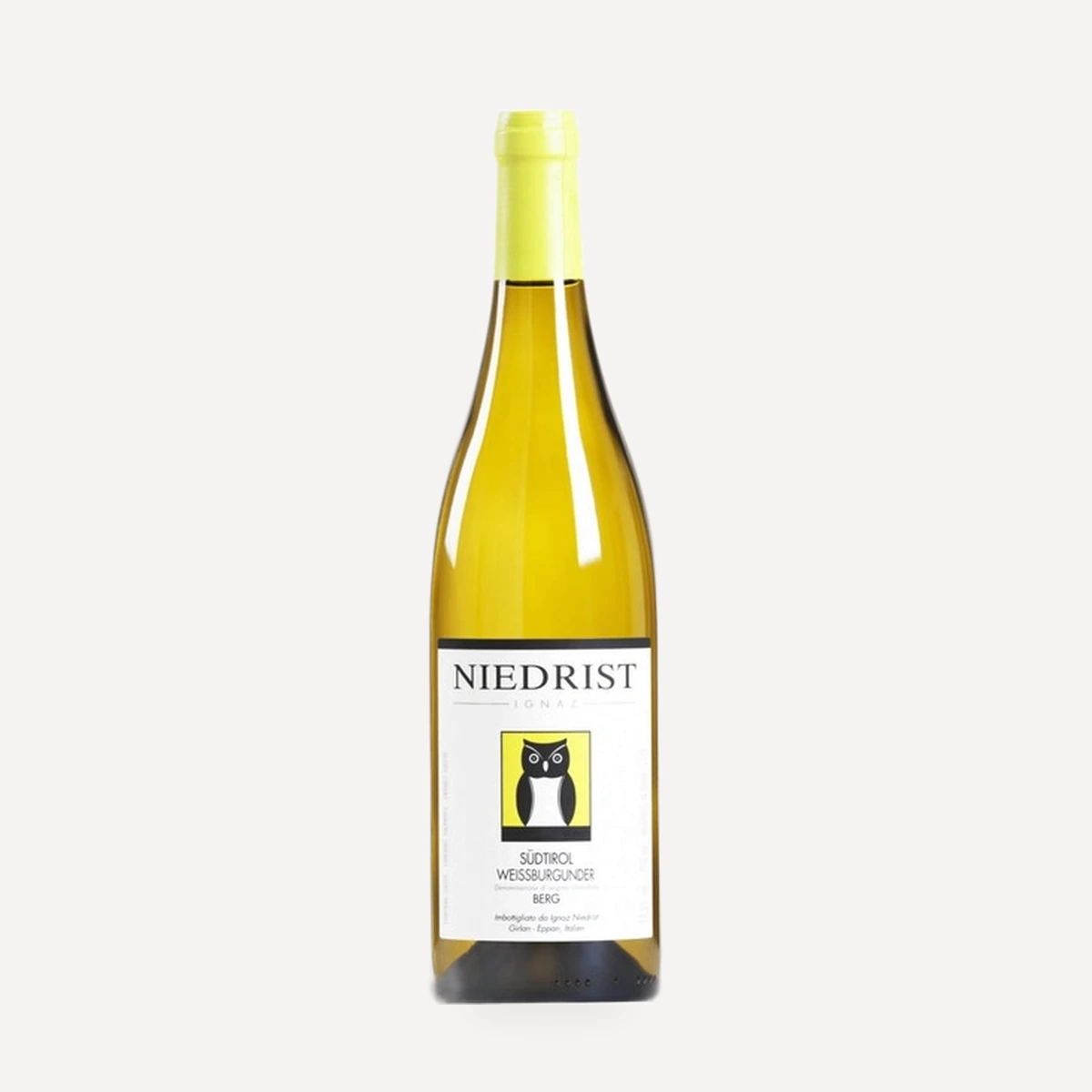
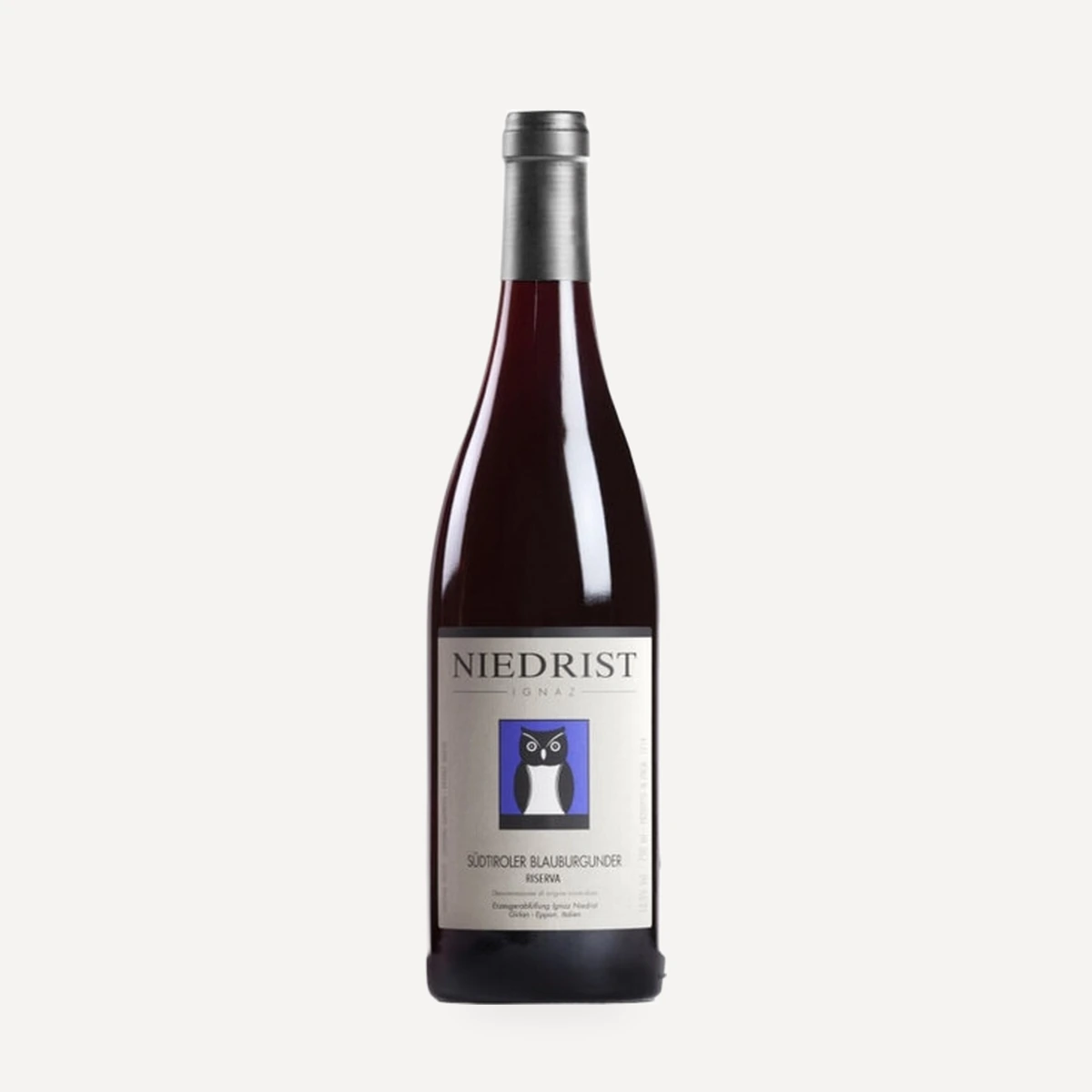
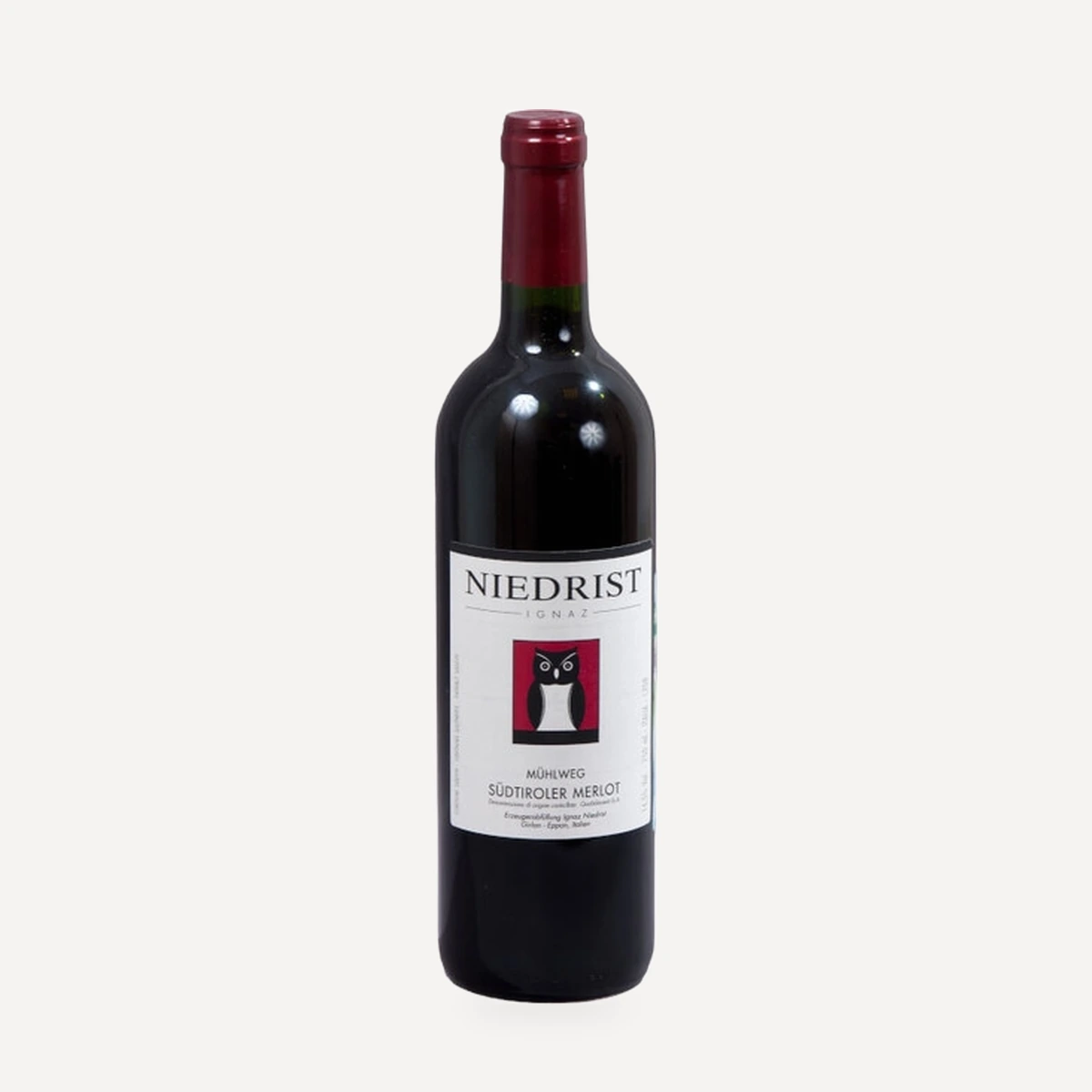
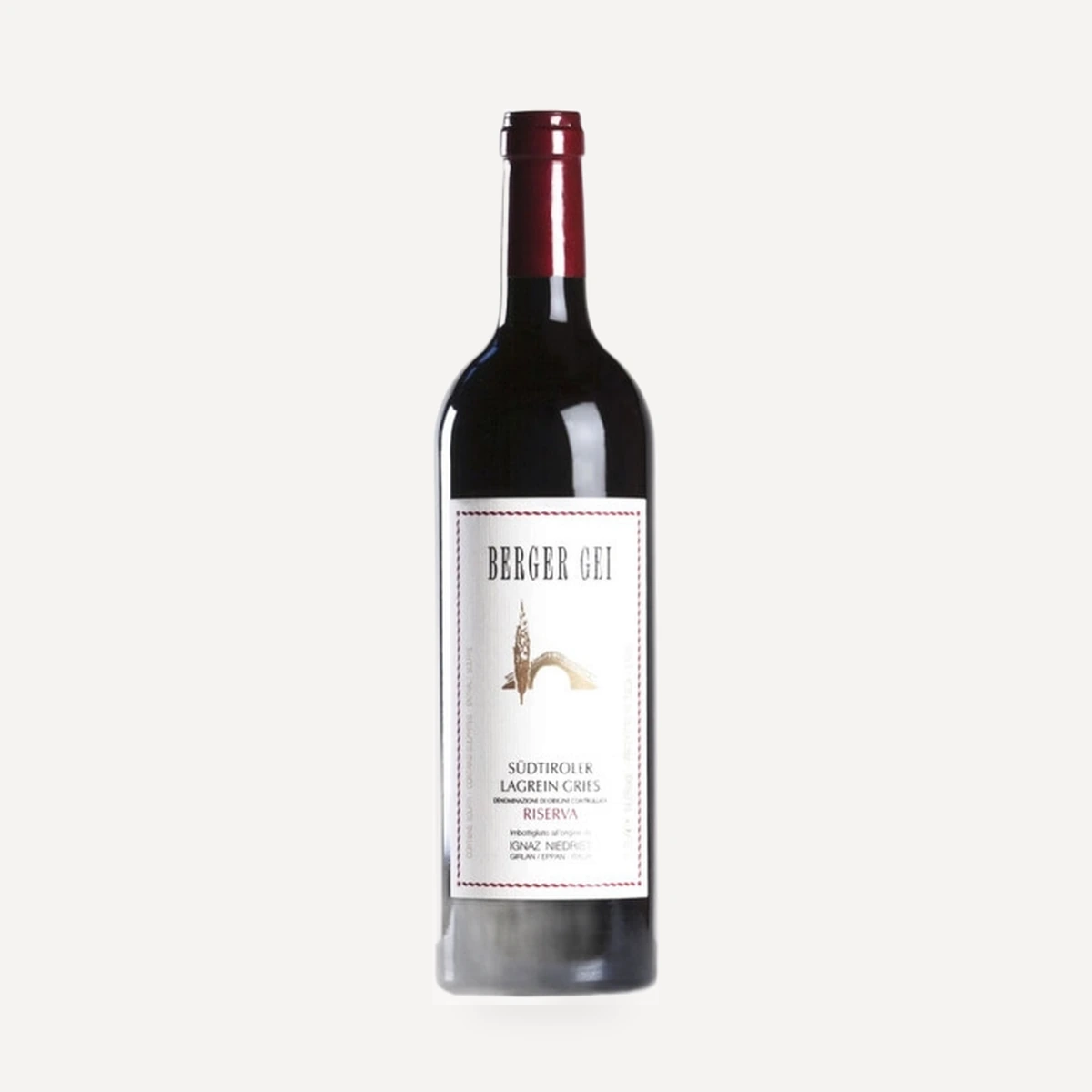
The name means "Porphyry & Lime" in German and refers to the two soil types. The Niedrist winery was officially established in 1870; Ignaz Niedrist began bottling and selling wine in 1989 after inheriting the family vineyards. The estate produces 25–30 thousand bottles a year from 8 ha of vineyards in total. Its 5 ha of white varieties (Sauvignon, Weissburgunder and Riesling) surround the winery and cellars on Rungg hill, at 500 m above sea level. Lagrein is grown on Berger Gei in Gries, a vineyard that officially belongs to the parents of Ignaz's wife, which is why those wines carry a different label and brand name. Ignaz was one of the first winemakers in Girlan to replace the traditional Pergola training system, which gave high yields with minimal labour, with the more demanding Guyot system, which gives lower yields but better grapes. He also stopped growing Vernatsch in favour of varieties he found more complex and interesting.