Storia
Family roots and an early introduction to wine
Samuele Bianchi was born in 1971 and grew up in Lucca. His first connection with farming came through his grandfather, who took him to a small holding where he made wine and olive oil. These childhood visits introduced Bianchi to wine and helped establish the interest that later developed from drinking and appreciation into formal tasting and work as a sommelier.
The older vineyard
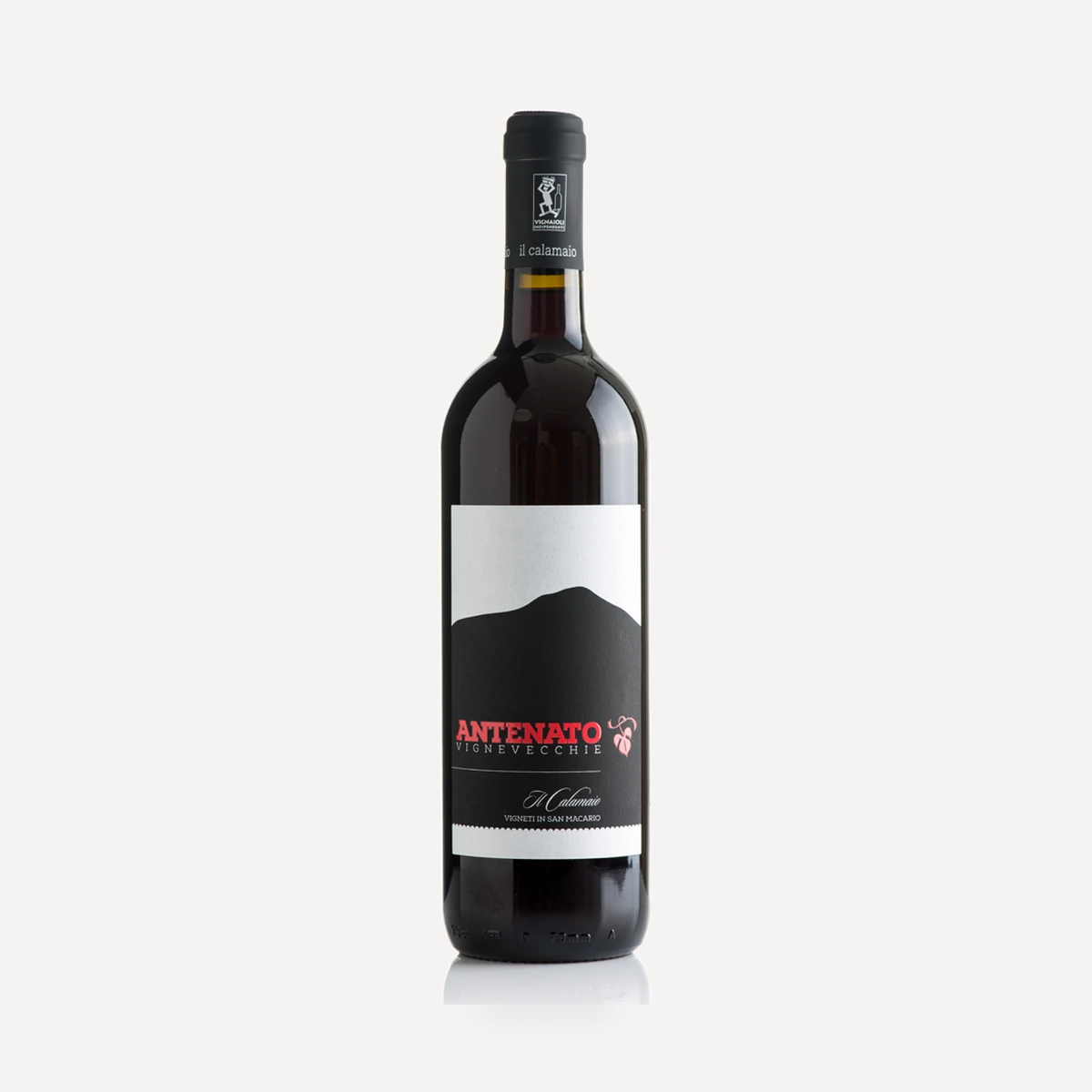
The estate retains an old mixed vineyard planted approximately between 1945 and 1950. Trained in the traditional capovolto alla toscana system, it contains Bonamico, Colorino, Mazzese, Aleatico and Sangiovese. This surviving planting became the basis of Antenato and preserves the local and Tuscan field-blend tradition associated with Lucca.
2003: the beginning of Il Calamaio
In 2003, while looking for a home, Bianchi encountered the property called Il Calamaio. It comprised a house requiring restoration and a vineyard that needed rehabilitation. He took on both projects and progressively transformed the property into a small agricultural estate while continuing his engineering career and balancing the work with family life.
New plantings
Sangiovese blocks were planted in 2004 on sites with different aspects. They are trained to spur-pruned cordon and now supply both a red wine and a rosé. In 2006, an east-facing Chardonnay and Petit Manseng block was established with a double-Guyot-derived training system, while a south-facing Merlot block was planted and trained to spur-pruned cordon.
Organic certification
Organic cultivation preceded formal certification. In 2016, Il Calamaio obtained ICEA organic certification, formalizing its established rejection of synthetic herbicides, fertilizers and systemic treatments. The same low-input principle extends to the cellar through the use of indigenous yeasts, sulphur and no processing aids.
Continuing vineyard work
By December 2018, the estate was documenting the renewal of deteriorated chestnut end posts during the winter season. The work involved lightly charring the portion of each new post destined for the soil, disconnecting the trellis wires, removing the rotten post, opening a new hole, setting the replacement and reconnecting the wires. The intermediate posts are iron, while the end posts remain chestnut.
Terroir
Il Calamaio lies at San Macario in Monte in the Lucchesia area of Tuscany, a few kilometres from Lucca and approximately 8 km from its historic centre and the A11 motorway exit.
The hillside estate has a broad east–west orientation that exposes the vines to sunlight throughout the day. Individual plantings extend across east-, south- and west-facing positions: the old mixed vineyard faces east and south; the Sangiovese red-wine block spans east, south and west; the rosé block faces west; Chardonnay and Petit Manseng face east; and Merlot faces south.
Air arriving from the Versilia coast provides ventilation and assists organic vineyard management. The steep slope and the composition of the ground allow the soils to retain moisture while avoiding stagnant water. Across the described blocks, the soil contains sand, silt and clay.
Vinificazione
Organic farming is central to the estate’s work. Il Calamaio cultivated organically before obtaining ICEA certification in 2016. Its approach excludes synthetic chemical inputs, including herbicides, fertilizers and systemic treatments, and seeks to work without forcing natural processes in an artificial direction. The purpose is both environmental and social: to protect the land and the people living around it.
The broad east–west hillside exposure supplies sunlight through the day, while breezes from the Versilia coast support organic management. Sloping ground and sand-, silt- and clay-based soils retain useful moisture without creating stagnant water.
All five described production blocks are harvested manually. The Sangiovese rosé and Merlot are normally picked in mid-September; Sangiovese for the red wine, the old mixed planting, Chardonnay and Petit Manseng are harvested from late September into early October.
Winter maintenance includes replacing the chestnut end posts that carry the strain of the trellis and can rot over time. New posts are lightly charred below ground to make that section more water-resistant. Workers detach the wires, remove the deteriorated post, dig a new hole, install the replacement and reconnect the trellis. Intermediate posts are made of iron.
Cellar work follows the same restrained approach as the organic vineyard program. Fermentations use indigenous yeasts, sulphur is the only stated addition, and no processing aids are employed. The aim is to keep the grapes and their place of origin at the centre of the finished wines.
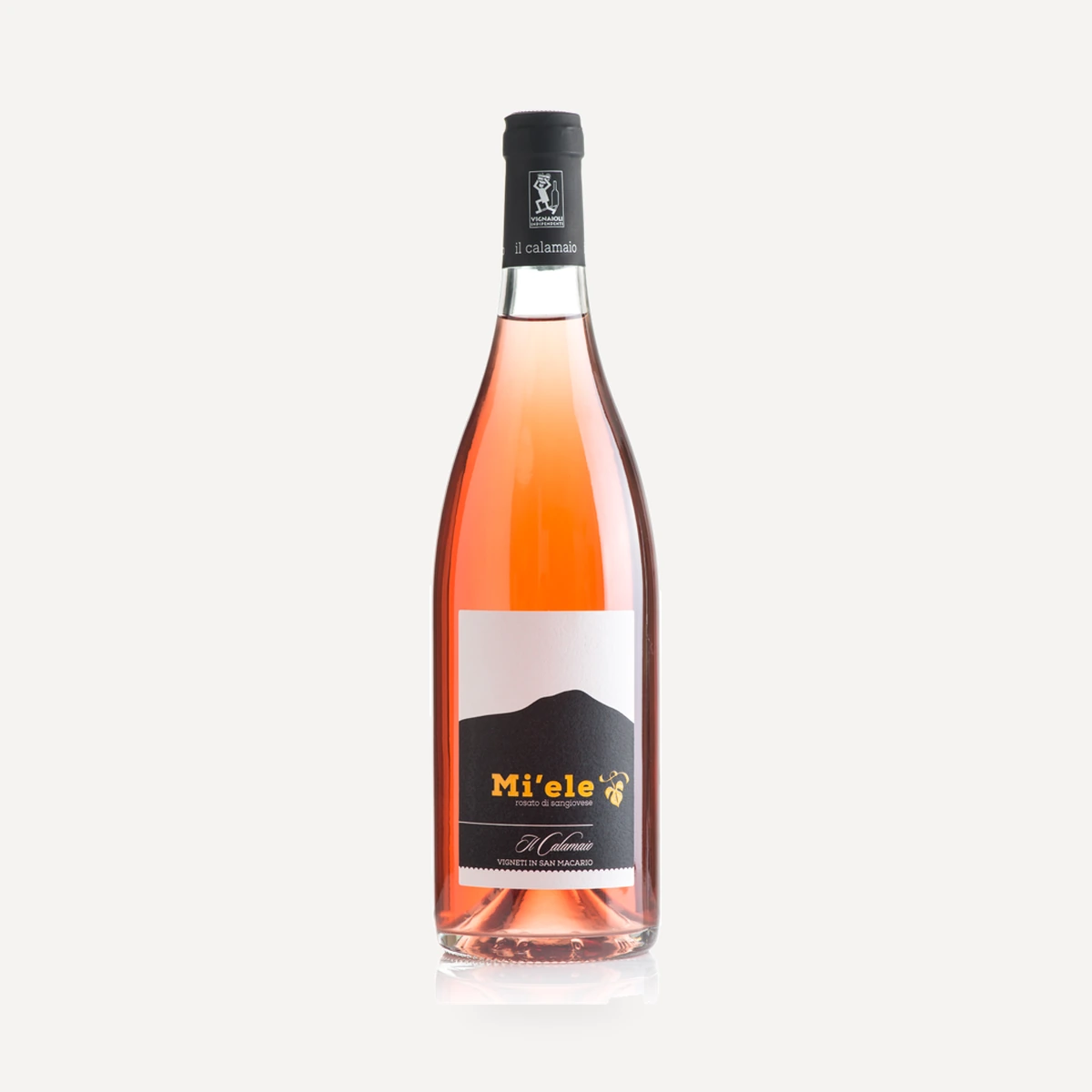
The estate works with stainless steel as its principal fermentation and maturation vessel, supplemented by used wood where appropriate. The old mixed red remains in steel for 8–10 months before four months in bottle. The Sangiovese red is divided between steel and tonneaux or barriques for 8–10 months, followed by two months in bottle; the use of seasoned wood is intended to retain acidity while softening tannin. The Chardonnay–Petit Manseng white undergoes malolactic fermentation and is matured solely in stainless steel. The Sangiovese rosé receives three hours of skin contact, drains by gravity in the press and then spends approximately six months in steel. Merlot completes alcoholic and malolactic fermentation in steel before approximately ten months in a third-use barrique.
Filosofia
Il Calamaio’s philosophy joins passion for wine with respect for nature, the territory of Lucca and the people who live there. Organic cultivation is treated as the natural expression of that position rather than simply a certification standard. The estate rejects synthetic chemical inputs and aims to avoid directing nature through artificial intervention.
The same principle governs cellar work: indigenous yeasts, sulphur and the exclusion of processing aids are intended to let the fruit and its place of origin remain recognizable. Il Calamaio presents wine as a record not only of climate, soil and labour, but also of the character of the surrounding community.
Tradition and selective modernity coexist in the range. The old mixed vineyard preserves Bonamico and other local or Tuscan grapes in a traditional Lucca blend, while newer plantings include both Sangiovese and international varieties. The estate’s guiding phrase, “love at first sight,” recalls Samuele Bianchi’s encounter with the property in 2003 and his decision to restore its house and vineyard.
Vini
Mi'ele