Storia
The path to winegrowing
Marco Durante’s path to Il Signor Kurtz included more than 25 years of exploring wine as an enthusiast, taster, writer and occasional communicator. He describes an association of approximately two decades with natural wine, followed by four years in which vineyard cultivation, winemaking and learning occupied him completely. This transition brought him to the hill below what he calls his mountain and marked the beginning of a personal, largely solitary search for his own route as a winegrower.
The project was established on a deliberately small scale. Durante cultivates his vineyard on a hill at Vallupina, near Lake Trasimeno, while occasionally working in other demanding places within his immediate geography. The work extends beyond his own wines: when circumstances permit, he makes wine with other growers to challenge his ideas, and he sometimes helps fellow winegrowers create wines according to their own intentions.
2018
The 2018 vintage included fruit from a vineyard portion planted with old mixed white and red varieties. White and red grapes were macerated separately for three days in open vats, blended after alcoholic fermentation and matured for five months in steel. Other work that year ranged from direct pressing and open-vat fermentation without skins to four- and 20-day macerations. Maturation vessels included fiberglass, demijohn and, for the collaborative Il Capitano, an 85-year-old chestnut barrique. Il Capitano was made at Tierra Alta by Laureano Serres and celebrated the old Umbrian farming culture represented by the grandfather of Durante’s wife, remembered as “Il Capitano.”
2019
The 2019 work continued the exploration of short macerations, direct pressing and low-intervention élevage. Red grapes from Durante’s vineyard were divided between immediate pressing and four-day skin contact before separate maturation in fiberglass and a final blend on 21 December. Another early-picked red lot underwent seven nights of maceration, fiberglass maturation and spontaneous refermentation in bottle. A white field blend of Trebbiano, Grechetto and Malvasia was harvested together, macerated overnight and matured for six months in stainless steel.
2020
By the 2020 vintage, the recurring cellar framework was explicit: spontaneous fermentation with native yeasts, no temperature control, no added sulfur dioxide, no filtration and no fining. Steel was the principal vessel, with limited racking before bottling and, for several lots, fine lees retained in suspension from November through March. The vintage also included a 2019 Sangiovese that departed from its original conception and followed an extended, self-directed maturation through fiberglass and steel. Durante named it Accade and treated its development as an example of waiting for a wine rather than forcing it toward a predefined outcome.
2021–2022
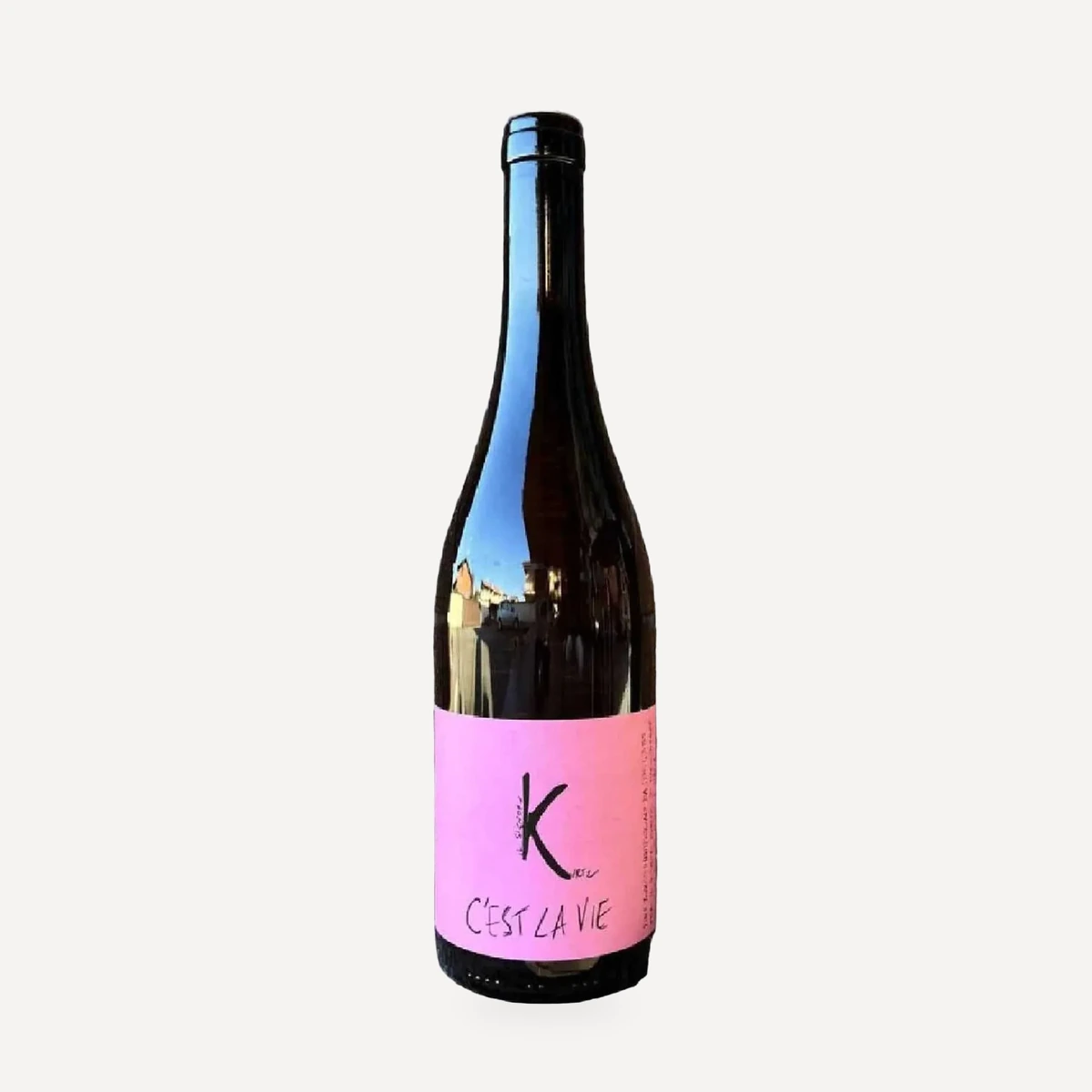
The 2021 wines continued the same native-yeast, no-added-sulfur approach. Sangiovese and Merlot came from clay soils around 330 metres, while Trebbiano sites were identified around 300 metres. Harvest dates and skin contact were adjusted to the fruit: examples ranged from direct pressing to seven-day, 20-day and longer macerations in open vats. The Trebbiano-based C’est La Vie extended skin contact to approximately 45 days, beyond the end of alcoholic fermentation, before steel maturation.
2023
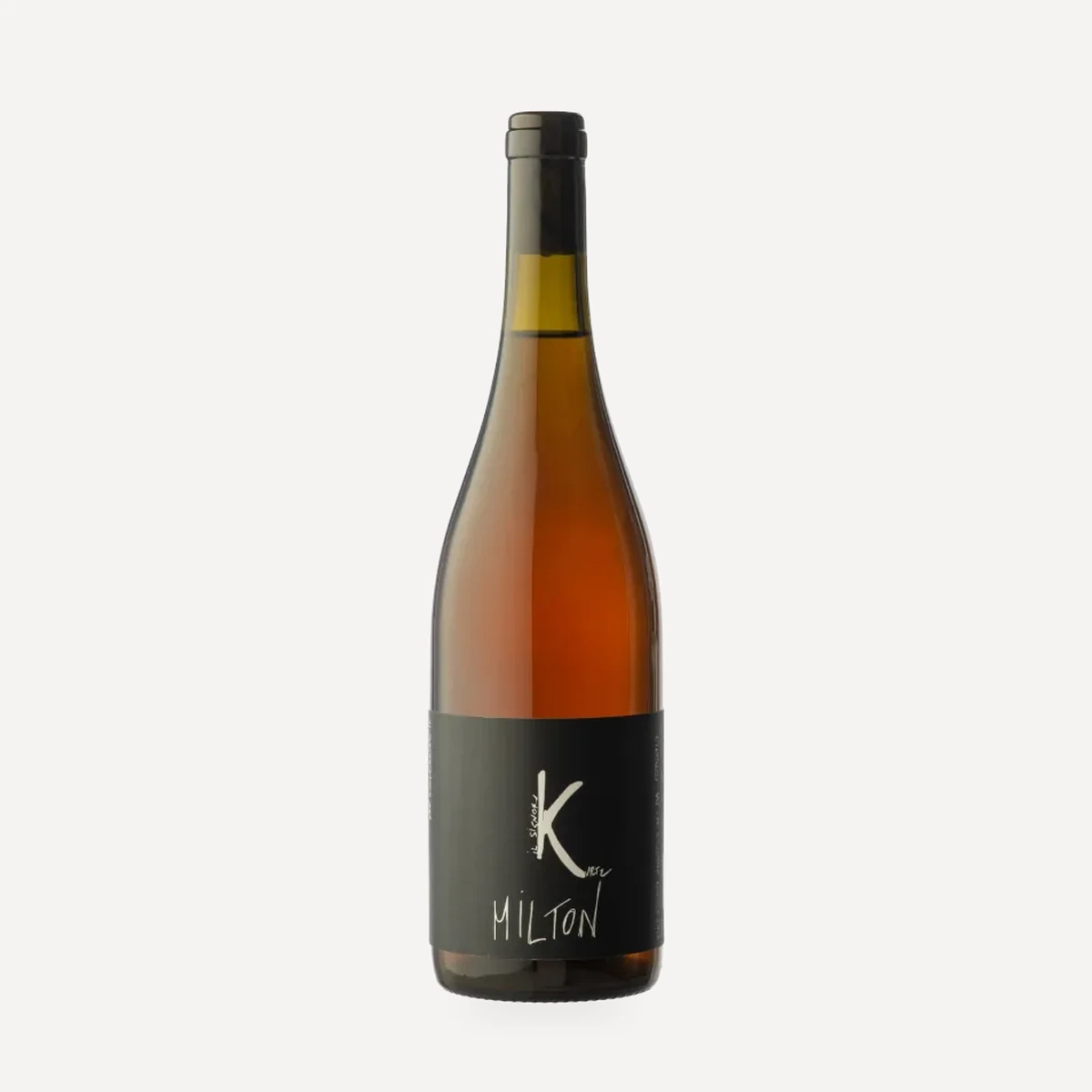
The 2023 season was marked by a severe shortage of grapes. The loss was substantial enough that Milton was not harvested that year. Later descriptions consistently contrast the difficulties and scarcity of 2023 with the generosity of 2024.
2024
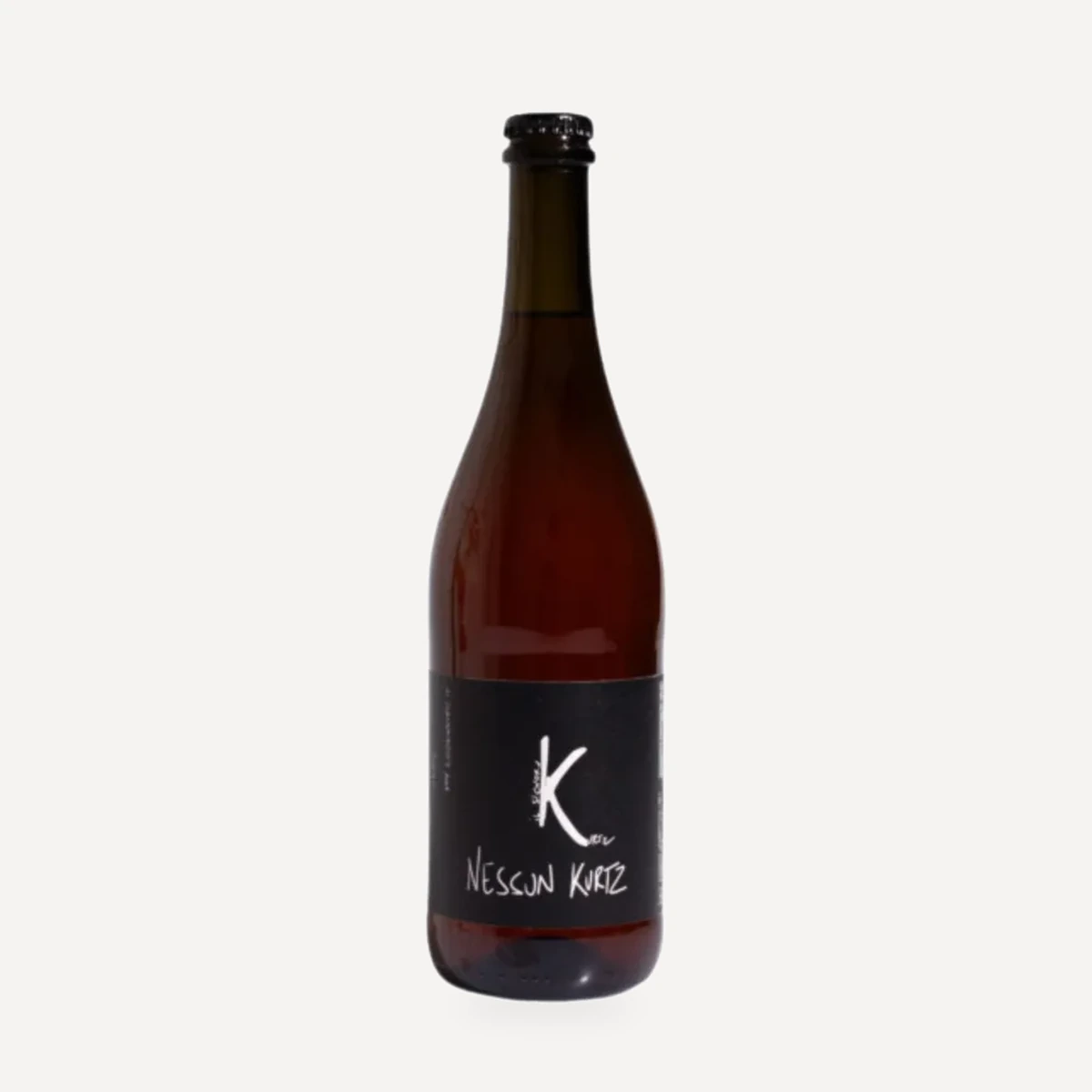
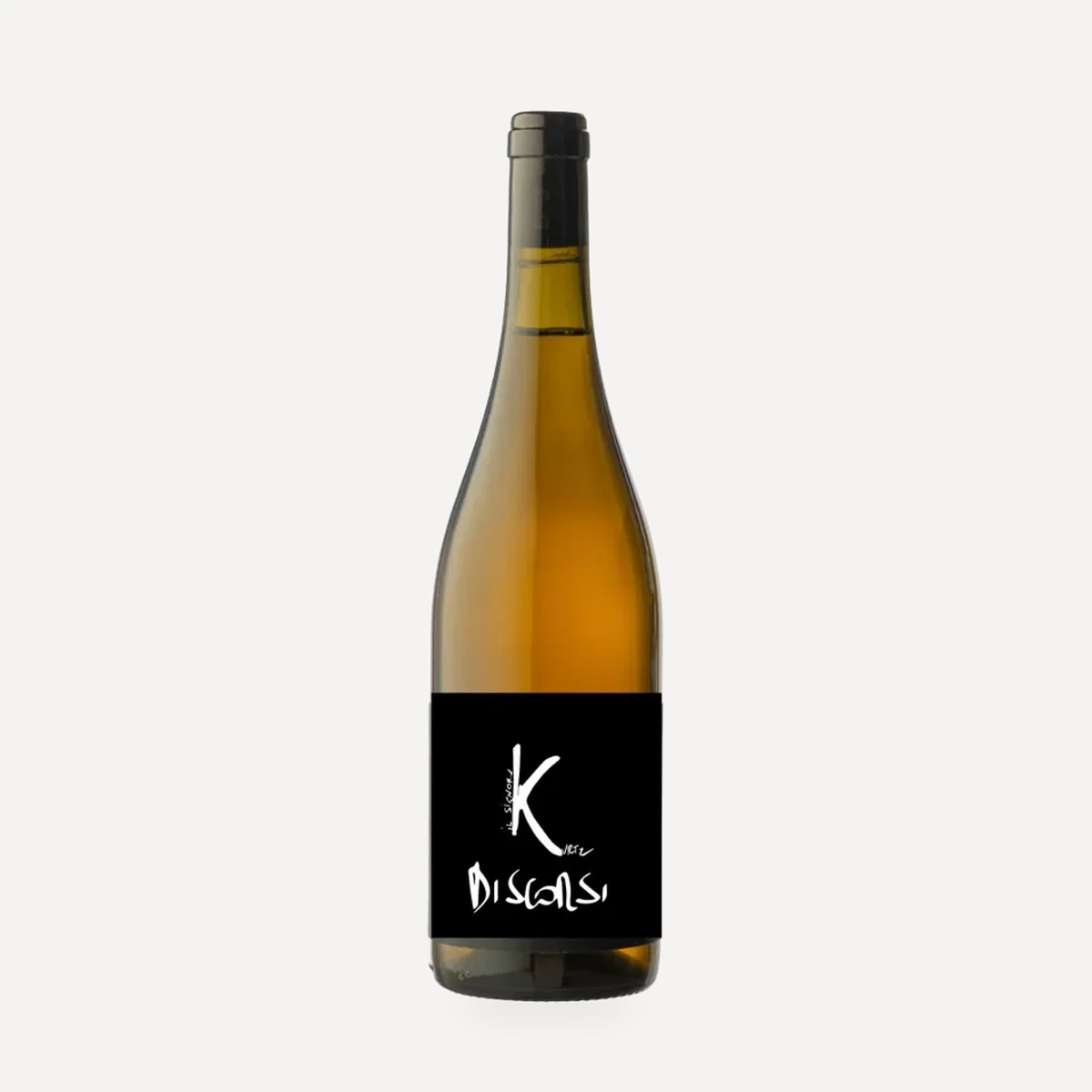
The 2024 vintage brought a generous crop after the preceding shortage. It introduced Discorsi from a 60-year-old vineyard at 550 metres, planted with Procanico and non-aromatic Malvasia. The range combined direct pressing, whole-berry infusion, whole-cluster maceration, open vats, stainless steel and fiberglass. One Trebbiano Spoletino lot developed flor during its stay in fiberglass. The sparkling rosé Nessun Kurtz underwent spontaneous refermentation in bottle.
2025
The 2025 growing season was described as balanced in comparison with both the difficulties of 2023 and the richness of 2024. The vintage continued work with the 60-year-old Procanico–Malvasia vineyard, Trebbiano Toscano at 300 metres and the red varieties at 330 metres. Methods included partial white-wine pressing combined with whole-berry infusion, whole-cluster maceration in open vats, direct pressing, gentle infusion of intact Merlot berries with pressed Sangiovese, and maturation in stainless steel. Depending on the lot, two or three rackings preceded bottling. The current group comprises Discorsi, Nîsta, Milton, Bardamu and Settembre.
Terroir
Il Signor Kurtz is rooted in Vallupina, on a hill near Lake Trasimeno in Umbria. Marco Durante describes this as the place beneath his mountain, while also acknowledging occasional work in other rugged locations within his small personal geography.
The identified vineyard soils are clay. Red varieties are associated principally with sites around 330 metres, although an earlier-ripening portion of Merlot was recorded at 300 metres. Trebbiano sites are also identified at approximately 300 metres. A separate 60-year-old vineyard at 550 metres contains Procanico and Malvasia non aromatica.
The vineyard material represented across the vintages includes Sangiovese, Merlot, Trebbiano, Trebbiano Spoletino, Trebbiano Toscano, Procanico, Malvasia, Malvasia non aromatica and Grechetto. The 2018 work also drew on a vineyard portion containing unnamed old mixed white and red varieties. One Merlot section is distinguished by earlier ripening, while Trebbiano has at times been harvested to retain a less warm, less comfortable expression.
Vinificazione
Marco Durante maintains a direct physical relationship with the vineyard. Cultivation, harvesting and grape selection remain in his hands, with no delegation of the central work and only a small amount of carefully selected assistance. The daily cycle of rows, soil, weather and labour is treated as the beginning of the wine rather than a stage separate from the cellar.
Copper and sulfur are used for vineyard disease prevention. Harvesting decisions respond to variety, site and season rather than a fixed calendar. Recorded picking windows run from late August for early-ripening Merlot and some rosé components, through early or mid-September for Sangiovese and Trebbiano, to late September or early October for Procanico, Malvasia and some Trebbiano selections.
Selection takes place during harvest, when Durante decides how individual lots will be handled. Different portions may be picked early, at fuller maturity or in a deliberately less warm position. The 2023 shortage and the generous 2024 crop were allowed to shape the resulting range, including the decision not to harvest Milton when too little fruit was available.
Production is small-scale and personally directed by Marco Durante. He harvests, selects, ferments, waits and bottles, regarding the wine as beginning with the handling of the fruit before it reaches the cellar.
Fermentations are spontaneous and proceed with the grapes’ native yeasts. Temperature is not controlled. The recurring cellar approach excludes added sulfur dioxide, filtration and fining. Depending on the lot, one to three rackings take place before bottling.
Fruit handling is adapted to each harvest. Methods represented across the vintages include direct pressing; destemming and crushing; vertical pressing; separate vinification of white and red grapes; whole-cluster maceration; intact-berry infusion; and fermentation without skins. Skin contact has ranged from a single night or a few days to approximately 45 days, sometimes continuing beyond the end of alcoholic fermentation. Open vats are used for numerous macerations.
Stainless steel is the principal fermentation and maturation vessel. Fiberglass has also been used for élevage, including a Trebbiano Spoletino that developed flor. Historical and experimental vessels include demijohn and an 85-year-old chestnut barrique used for the collaborative 2018 Il Capitano. Some wines remained with fine lees in suspension from November through March. Individual lots have been matured separately and blended later, while others were assembled during fermentation by combining pressed juice with intact berries.
Sparkling work relies on spontaneous refermentation in bottle. Still wines generally move directly from steel or fiberglass to bottle after the chosen maturation period. No fixed stylistic template governs the process: vintage conditions, the grapes, spontaneous fermentation and Durante’s response to the developing wine determine the final route.
Filosofia
A mental method
For Marco Durante, Il Signor Kurtz is less a fixed recipe than a mental method. Each year begins in the vineyard, and each harvest introduces a decision that he does not yet know. He follows the wine—sometimes pursuing it—and believes it reveals itself when he stops imposing and lets it complete the process. Recognition comes after listening, waiting and respect; the name comes afterward as well.
Durante presents wine as the voice of its soil and grapes, but also as the voice of his own interior life and way of seeing. He values essential, disciplined and incisive gestures. He rejects shortcuts, technical aids adopted merely to simplify production and an obsessive drive toward a predetermined style. Predictable wines shaped by fashion, technology, fear or expectation are contrary to this approach.
An initial idea never functions as a binding project. Vintage, grapes, spontaneous fermentation and the emotions surrounding the work determine the wine’s profile. The aim is to preserve the energy given by nature without arresting a wine simply because it moves toward difficult territory. Freedom is nevertheless balanced by discipline: Durante distinguishes living unpredictability from folklore or carelessness.
Physical proximity is fundamental. His body and attention remain with the vineyard and wine, a choice made possible by the project’s small scale. He values tradition without nostalgia or rhetoric, seeking future-facing wines made with respect for time. He also conceives wine in relation to the table and treats food as inseparable from its purpose.
The Kurtz figure represents the courage to exist as nature—energy, terror and magic together. Attempting to cage that nature would destroy it. Durante consequently relies on his senses, hands and instinct while testing both his own limits and those of the wine.
Vini
C'est La Vie
Nessun Kurtz
Settantasette
Discorsi