Storia
The historic estate
Inserrata occupies a rural property in the wooded hills near San Miniato. Its name derives from the enclosure that once marked the boundaries of the farm: the Italian expression in serrata refers to land contained within that perimeter.
At the end of the nineteenth century, a hunting lodge was built on the property for Sidney Sonnino, the statesman and future Italian prime minister. The lodge served both as a hunting residence and as a private retreat from political life. At that time it stood within a farm of approximately 100 hectares comprising woods, olive groves, vineyards, orchards and vegetable gardens. Sonnino often stayed there alone, while his wife and children lived at Villa Sonnino, also known as Villa Castelvecchio, in nearby Cigoli. The Sonnino family had acquired that villa around 1880.
1997: acquisition by the family
The present family's history at Inserrata began in 1997, when Gabriele Dolfi's parents purchased the farm. Its numerous olive trees initially led them to concentrate on extra virgin olive oil. Organic and regenerative cultivation developed from the beginning of this period, including green manuring between the vineyard rows.
The inherited vineyard comprised approximately 12 hectares of old, poorly productive vines, including Colorino, Malvasia, Sangiovese and Canaiolo. These vineyards were subsequently removed and replanted, principally with Sangiovese, Chardonnay and Merlot. By 2020 the vineyard area had been reduced to approximately 5 hectares, with an intention to plant additional vines after several years in which the wines had sold out.
2005–2008: certification and the first wine
Inserrata obtained ICEA organic certification in 2005. Wine production began in the same year with an earlier project carrying a different name, label and style. This wine was made from 2005 through 2008 and then discontinued; Gabriele Dolfi described it as an exploratory project undertaken largely for enjoyment.
2016: the contemporary wine project
A new phase began in 2016 through collaboration with an oenologist from Florence who had worked extensively in France. The winery simultaneously invested in e-commerce, digital communication and sales beyond the traditional local market. The resulting business focused on private clients and premium restaurants in Italy and abroad.
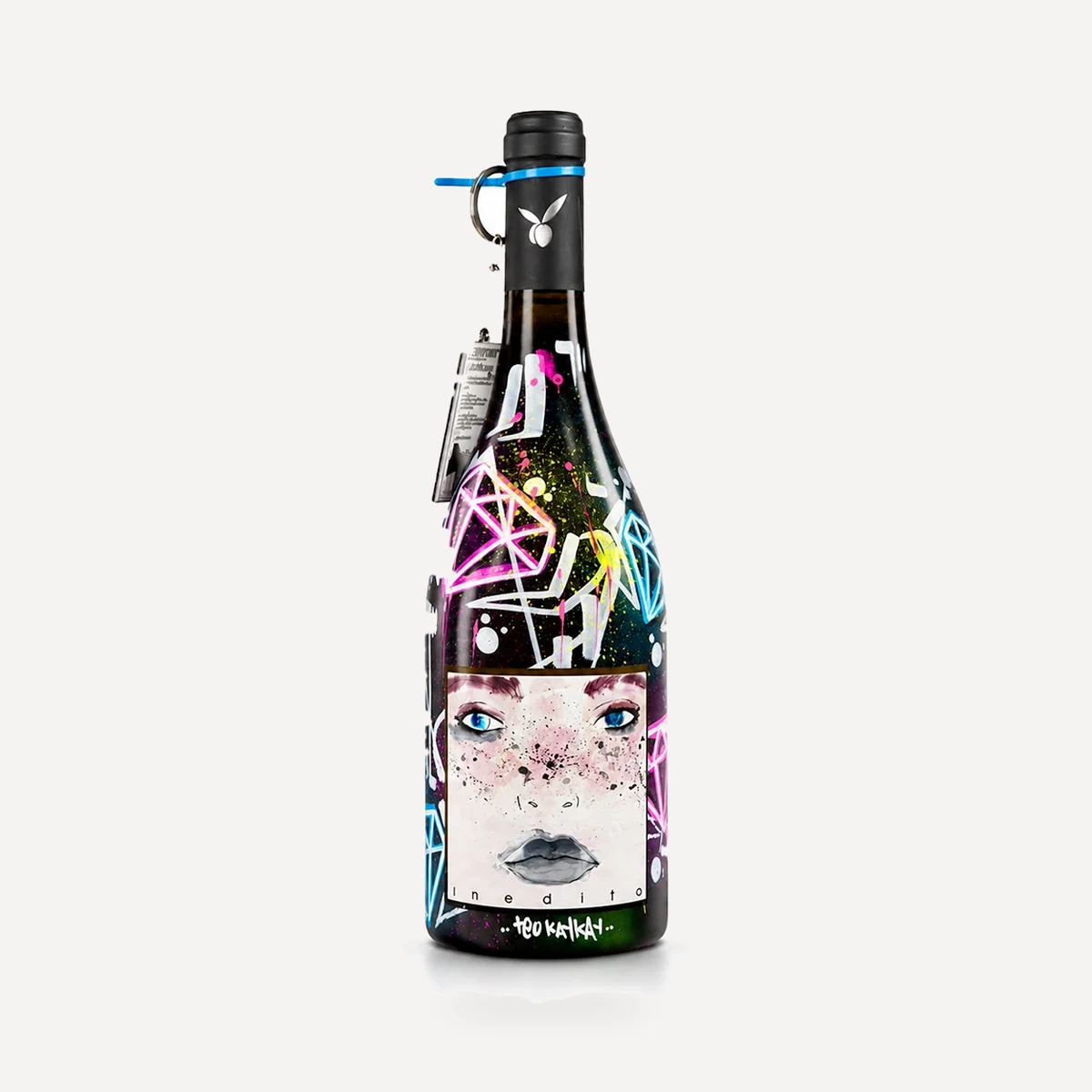
British artist Alexandria Coe created the principal label artwork. Its face portrays Gabriele Dolfi's mother, whose initiative had inspired the family's wine project. The collaboration established the continuing dialogue among wine, visual art and identity that characterizes Inserrata's presentation.
The estate deliberately emphasized whites and rosés alongside its reds. This direction was connected both to the fossil-rich soils and to a desire to interpret Tuscan varieties differently from the region's conventional red-wine image. By 2020 production stood at approximately 15,000 bottles annually.
2023–2026: sustainability, art and international activity
In 2023 Inserrata introduced Organic ArdeaSeal closures made with bioplastic derived from renewable biomass. The change was intended to reduce dependence on fossil-derived materials while providing consistent ageing and protection against chemical contamination. That August, founder Gabriele Dolfi led a tasting and live-drawing event at High Street Italia in Seoul, where Young Lee guided participants in painting Inserrata bottles.
During Shanghai Fashion Week in 2024, Inserrata presented its wines in collaboration with the sustainable Chinese fashion brand SENSEAWEEK and its first exclusive importer in China. The same year, the estate published a detailed account of its longstanding cover-cropping programme and its role in soil regeneration, water retention, biodiversity and natural weed control.
In 2025 Inserrata entered a partnership with WineTourism.com to make its estate tastings and visits available to a wider international audience. Hospitality also developed around the restored Palazzina di Caccia, the nineteenth-century hunting lodge surrounded by the estate's woods, vineyards and olive groves.
Artistic projects continued in 2026. The campaign What Is Real? contrasted virtual imagery with the physical experience of wine and included artwork by Teo KayKay. Later that year, Lisa Suki created the campaign The Bottle Becomes the Bouquet, presenting a bottle of wine as a thoughtful object carried to a shared occasion.
Terroir
Inserrata lies in the hills of San Miniato, in the province of Pisa, between Florence and Pisa. Its landscape combines vineyards, organically cultivated olive groves, private woods, orchards and other agricultural ground.
The vineyard soils contain abundant fossils and limestone together with sandy components. This composition influenced the estate's decision to emphasize white and rosé wines as well as alternative interpretations of Sangiovese. The olive groves occupy hillsides at approximately 150 metres above sea level.
The estate's private woodland has tufaceous ground and mature trees, including old oaks. Its soils and vegetation support the symbiotic relationships through which several seasonal truffle varieties grow naturally.
Vinificazione
Inserrata has been certified organic by ICEA since 2005 and describes its farming as both organic and regenerative. Protection of the land, environmental resources and biodiversity forms the basis of vineyard management.
Green manuring, or cover cropping, has been practised since 1997. Legumes, grasses and brassicas are sown between the vine rows, then mown and incorporated into the soil. Legumes fix atmospheric nitrogen and return nutrients to the ground, reducing dependence on chemical fertilizers. The roots of the cover plants improve porosity, aeration and drainage, alleviate compaction and increase the soil's ability to retain water during dry periods.
The permanent or seasonal vegetation also provides habitat for beneficial insects and soil organisms. This greater biological diversity supports natural pest control and reduces the need for pesticides. Cover crops compete with weeds, limiting reliance on chemical herbicides, and help prevent erosion while building the vineyard's long-term resilience.
The estate regards this cycle as a form of circular agriculture: plant material produced within the vineyard is returned to the soil, improving structure and fertility rather than being treated as waste. Stronger, more resilient vines and healthier soils are intended to yield grapes with greater aromatic and flavour concentration. Grapes for at least some of the estate's wines are harvested by hand.
Inserrata follows a low-intervention approach in the cellar. Indigenous yeasts are favoured for fermentation. When filtration is used, it is non-sterile rather than an attempt to eliminate all microbial life. Decisions are adjusted to the condition of each wine and vintage, so low intervention is treated as a flexible working principle rather than a claim that no intervention ever occurs.
The objective is to retain the expression of the grapes and the fossil- and limestone-rich San Miniato terroir. Time is used as an active winemaking tool: different lengths of skin contact allow Sangiovese to be interpreted as a white, rosé or lightly extracted red, while the wider range includes both stainless-steel and barrel-aged expressions.
Since 2023, Inserrata has used Organic ArdeaSeal closures made from renewable-biomass bioplastic. The closures were selected to protect against chemical contamination, provide consistent mechanical performance during ageing and reduce reliance on petroleum- or natural-gas-derived polymers.
Filosofia
Inserrata presents winegrowing as a relationship among agriculture, creativity and place. The estate's environmental principles centre on respect for the land, protection of biodiversity and the return of organic material to the soil through circular, regenerative practices.
In the cellar, the goal is limited, responsive intervention rather than an absolute absence of intervention. Indigenous yeasts and non-sterile filtration are intended to preserve the character of the grapes and the San Miniato terroir, while decisions remain dependent on the wine and the vintage.
Tradition is treated as material for experimentation. The estate does not seek to abandon Sangiovese's Tuscan identity, but to explore how differently it can be expressed through changes in skin contact and vinification. Its emphasis on whites and rosés also represents a deliberate alternative to Tuscany's predominantly red-wine image.
Contemporary art is integral to this identity rather than simply decorative packaging. Collaborations with international artists, special editions, exhibitions and campaigns connect each wine's perceived personality with a visual face or narrative. This combination is described through Inserrata's “Bio & Art” philosophy.
Vini
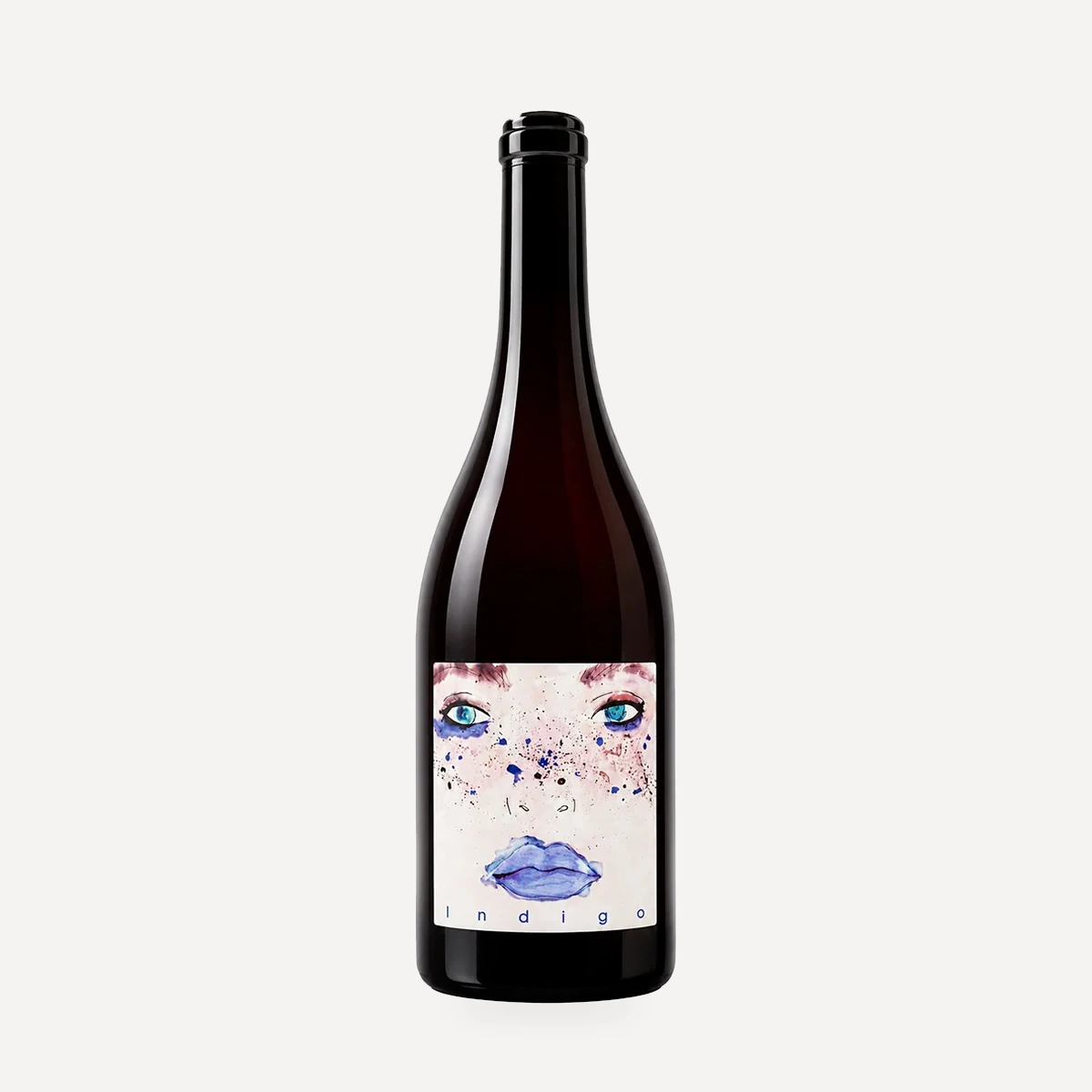
Indigo Vino Rosso Biologico Merlot Sangiovese IGT
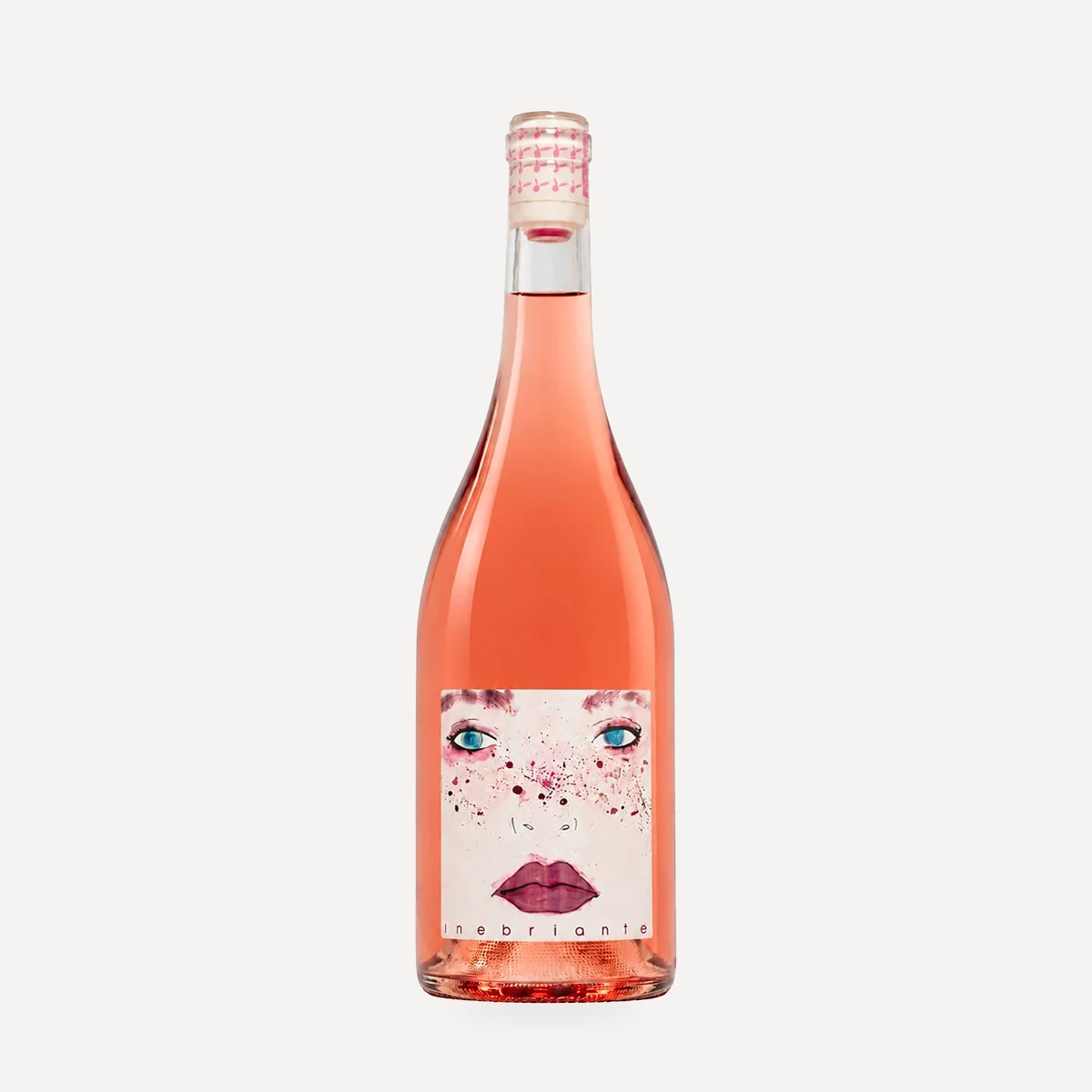
Inebriante Vino Rosato Biologico Sangiovese IGT
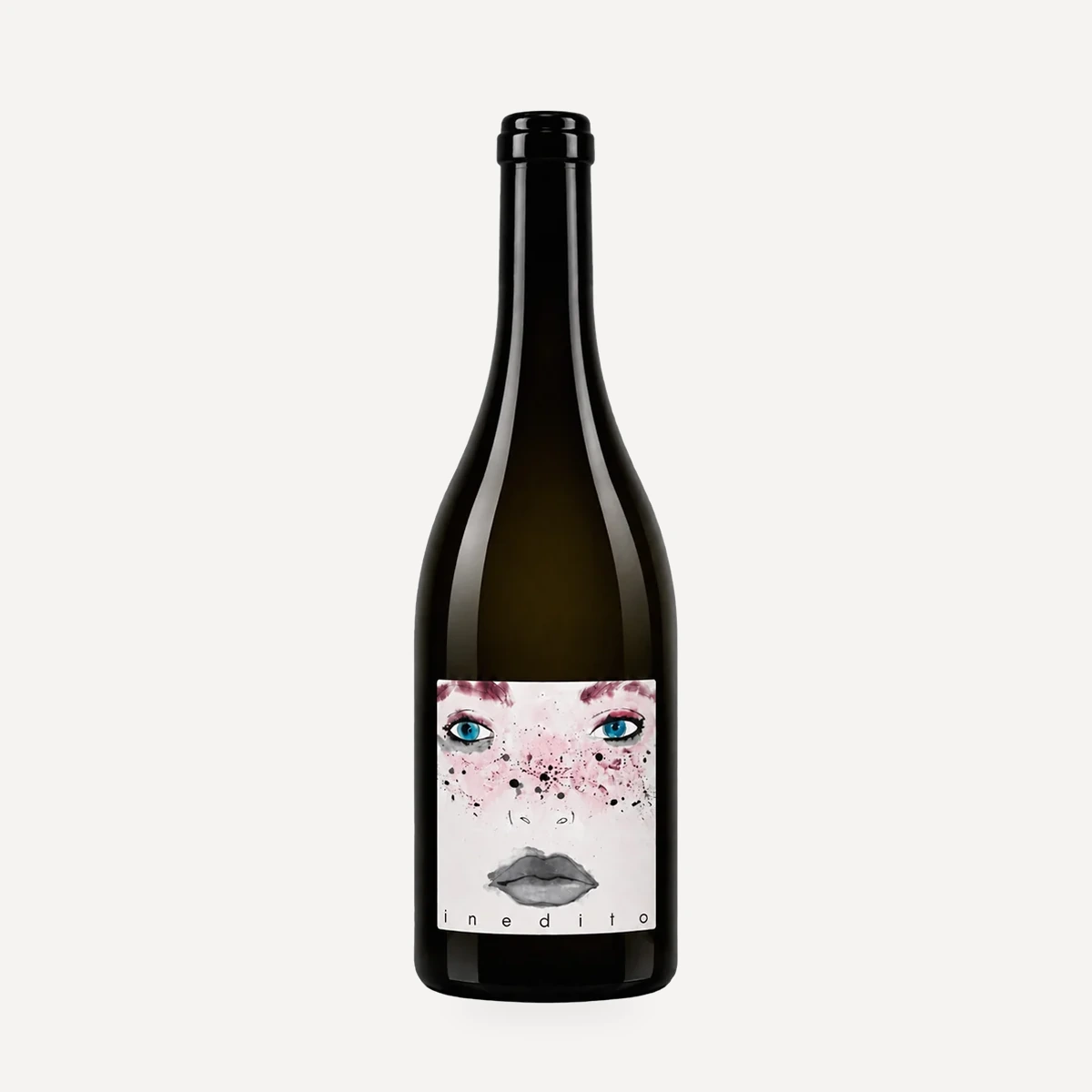
Inedito Vino Bianco Biologico Chardonnay IGT
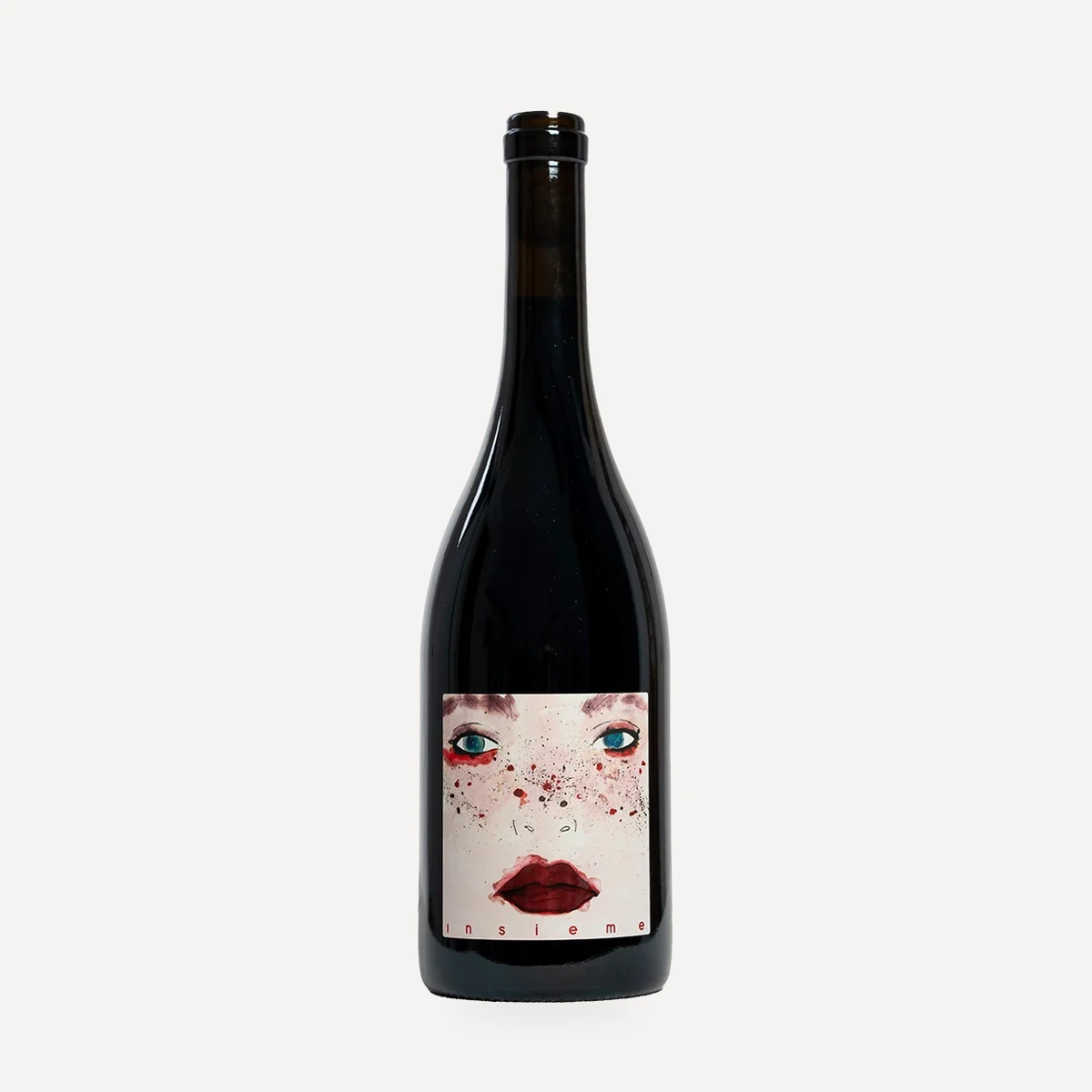
Insieme Vino Rosso Biologico Merlot IGT
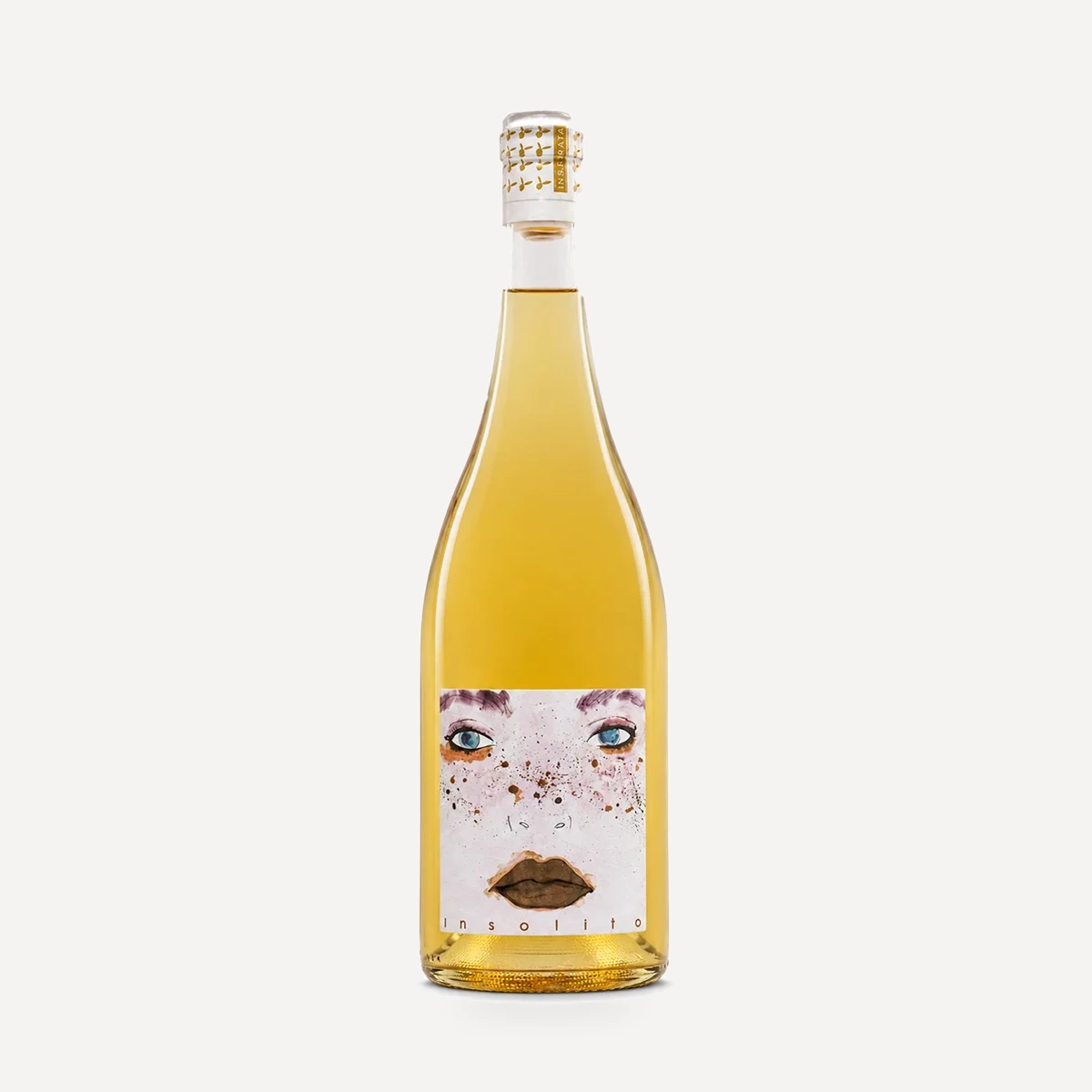
Insolito Vino Bianco Macerato Biologico Trebbiano Vermentino IGT
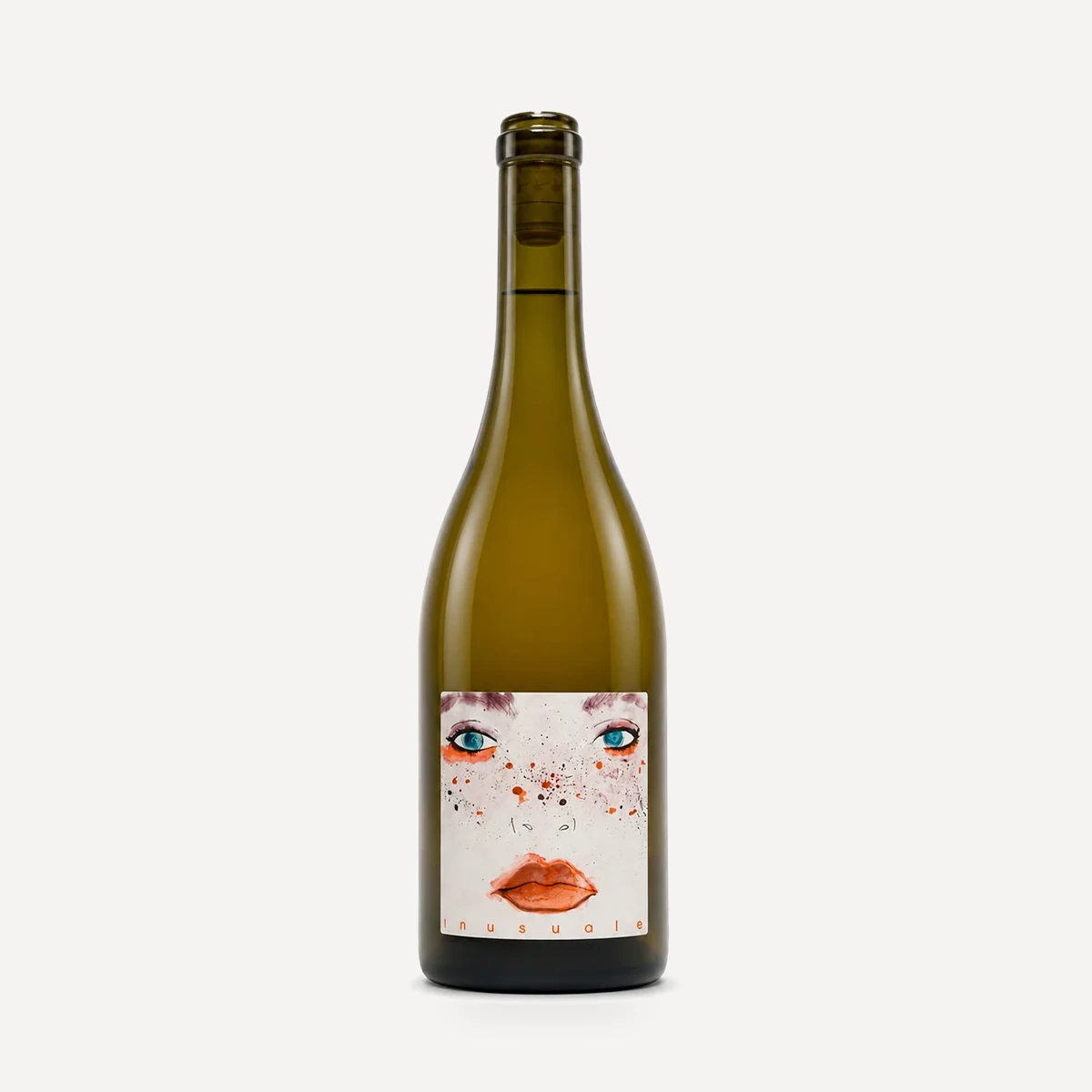
Inusuale Vino Bianco Biologico Sangiovese IGT