Storia
Sandra Vezza’s return to her roots
L’Astemia grew from the personal project of Sandra Vezza, a Piedmontese entrepreneur originally from Levice, a small village in Alta Langa. Her attachment to vineyards began during childhood walks among the rows with her grandfather, who taught her about the vines. After building an entrepreneurial career spanning food, pharmaceuticals and design—including work associated with Gufram, Memphis and Meritalia—she decided to establish an unconventional winery in Barolo.
The name is knowingly paradoxical: Vezza describes herself as astemia, the Italian word for a teetotaller. The project became both a return to her origins and an attempt to interpret the landscape of the Langhe through wine, architecture and design.
2010: first vinification
The first vintage was vinified in 2010. From that point, the winery pursued continued study and refinement of its work in both the vineyards and cellar. Its productive vineyard holdings subsequently expanded, with ownership of the vineyards forming the basis of its commitment to the land, landscape and grapes.
2020: organic conversion
Organic conversion began in 2020, ten years after the first vinification. The change reflected a developing emphasis on respect for the territory and its inhabitants, healthy fruit and progressively less intervention in the grapes during production.
2023: first certified vintage
The 2023 vintage was the first certified-organic release. The change consolidated an approach based on organic fertilisation, low yields, individual vinification of crus and close attention to the raw material, while seeking a more direct correspondence between the wines and the characteristics of their vineyards.
Terroir
L’Astemia owns 30 ha of vineyards divided between the municipalities of Barolo and Monforte d’Alba. The winery itself stands in Barolo, at the point where the Cannubi ridge begins to rise toward the centre of the village.
The Barolo holdings comprise 5 ha and encompass four historic vineyards recognised as Menzioni Geografiche Aggiuntive: Cannubi, Terlo, Crosia and Sarmassa. Conditions can change markedly from one vineyard track to another, and Nebbiolo is treated as particularly responsive to these pedoclimatic differences.
Cannubi
The estate’s Cannubi vines lie at the beginning of the hill, between the two roads leading into Barolo. This is the lower-altitude part of Cannubi. The vineyards face south and southeast and reach approximately 220 m. The combination of this exposure and the soils distinguishes the site within the estate’s Barolo holdings.
Terlo
Terlo is a 20 ha MGA, of which L’Astemia owns 1 ha. Its vines face east at 330–350 m. The soils consist of grey-blue marls of Tortonian origin. They are subalkaline, calcareous and well supplied with macro- and microelements.
Monforte d’Alba
The Monforte vineyards include the Tiradoss hill. Viognier is grown near the Bussia MGA on hills composed of marl and sand. The rows follow the contours of the terrain and are exposed to the sun and winds of the Langhe.
Vinificazione
Organic conversion began in 2020, leading to the first certified vintage in 2023. The vineyard programme uses organic fertilisation, limits production and gives close attention to the condition of the grapes. Healthy fruit is intended to permit the separate vinification of individual crus and preserve the distinguishing characteristics of each vineyard.
The 30 ha estate is planted principally to native grapes. Its indigenous varieties are Nebbiolo, Barbera, Dolcetto and Nascetta. The estate also experiments with Sauvignon Blanc, Pinot Nero, Riesling, Viognier and Chardonnay in the Langhe. Vineyard work is directed toward varietal and territorial identity and toward allowing differences among seasons and sites to remain perceptible in the finished wines.
The production facility is located entirely underground. Its design combines the visual language of the vineyards with advanced technology while keeping the working cellar beneath the architectural structure visible above ground.
Individual crus can be vinified separately, with the objective of preserving the characteristics of each vineyard. Since the first vinification in 2010, process improvements have focused on intervening as little as possible in the grapes and strengthening the correspondence between the wine and its place of origin.
The Barolo range follows a traditional maturation approach using large Slavonian oak casks. This choice is intended to preserve Nebbiolo’s characteristics and transmit the identity of the vineyards rather than obscure it. The sparkling range is produced by the Metodo Classico method.
Filosofia
L’Astemia brings together winemaking, architecture and design as different ways of interpreting the Langhe. Wine is conceived as a medium for conveying the culture, beauty and identity of the territory, while the estate’s responsibility extends to protecting its land and landscape.
The winemaking objective is to bottle the best wine possible in the most natural manner, preserving a strong territorial and varietal identity. Organic cultivation, healthy grapes, individual cru vinification and reduced intervention are intended to make the finished wines more faithful to their origins.
Vintage variation is treated as part of that identity: the wines are intended to retain the changing influence of seasons, time and the energy of their vineyards from one year to the next. Tradition and technology are therefore complementary. Traditional varieties and large Slavonian oak casks coexist with an underground, technologically advanced production facility.
Sensory and emotional experience is integral to the project. Vezza’s concept links the contents of the bottle with its form and setting, using surreal, dreamlike design and architecture to offer a contemporary interpretation of an ancestral landscape.
Vini
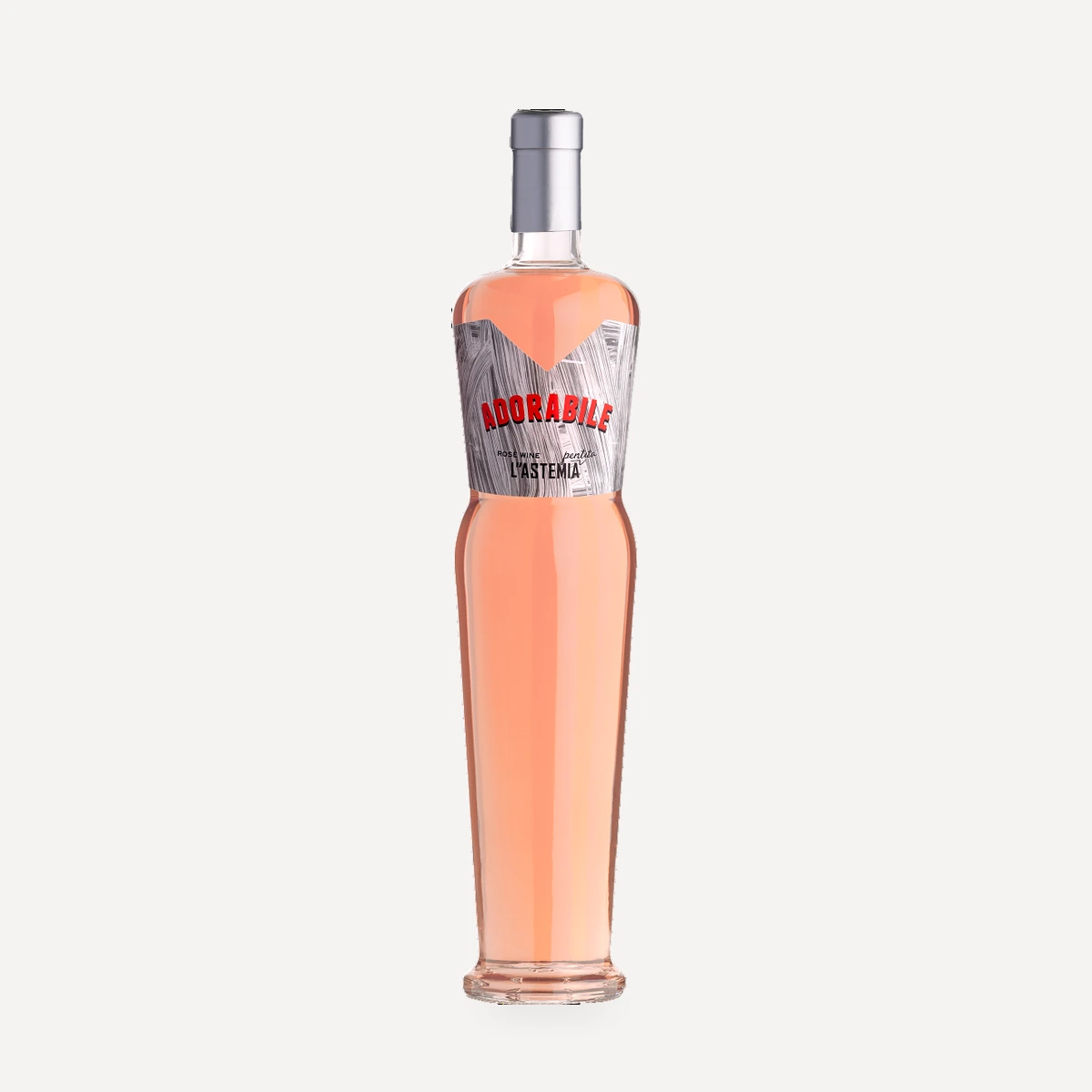
Adorabile Vino Rosato
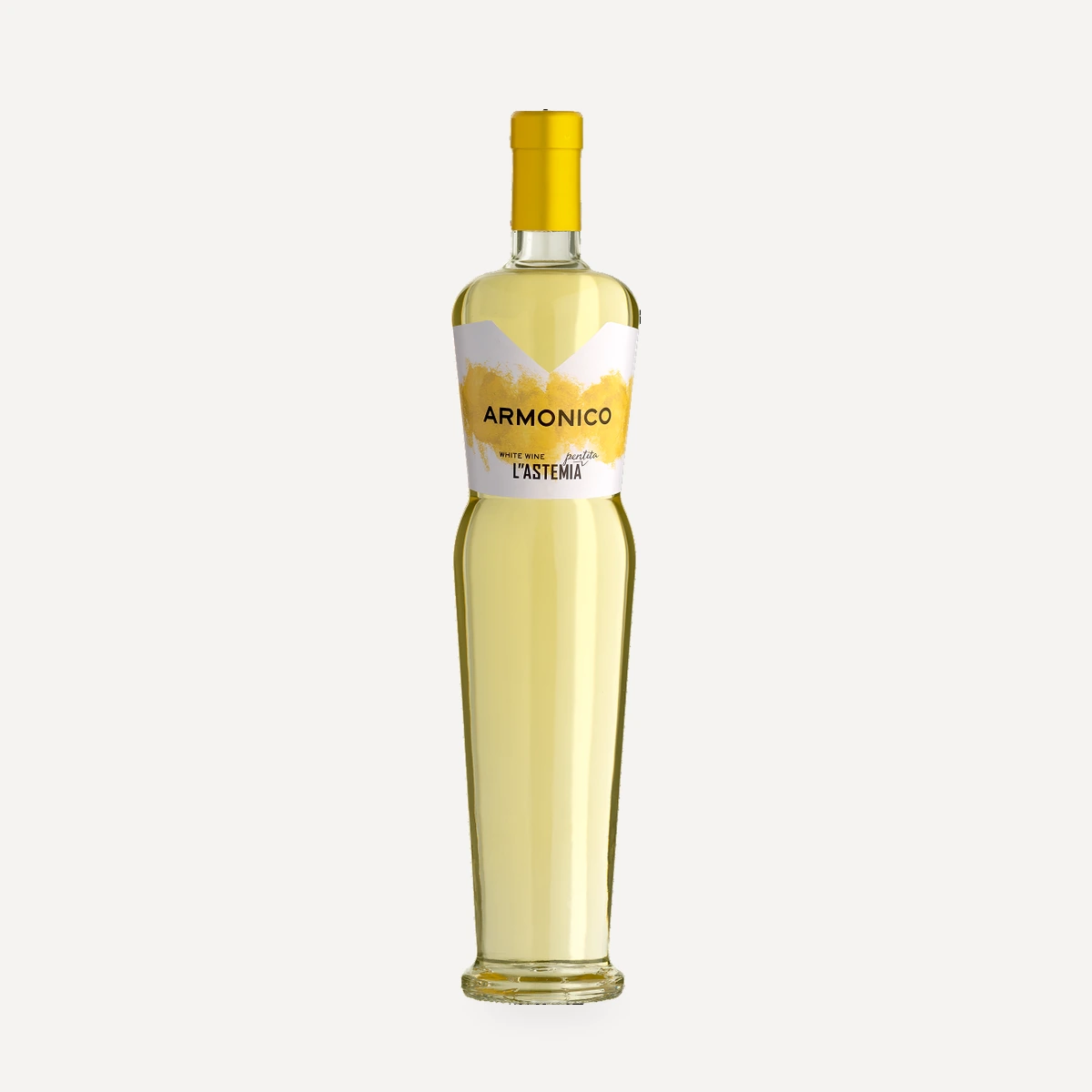
Armonico Vino Bianco
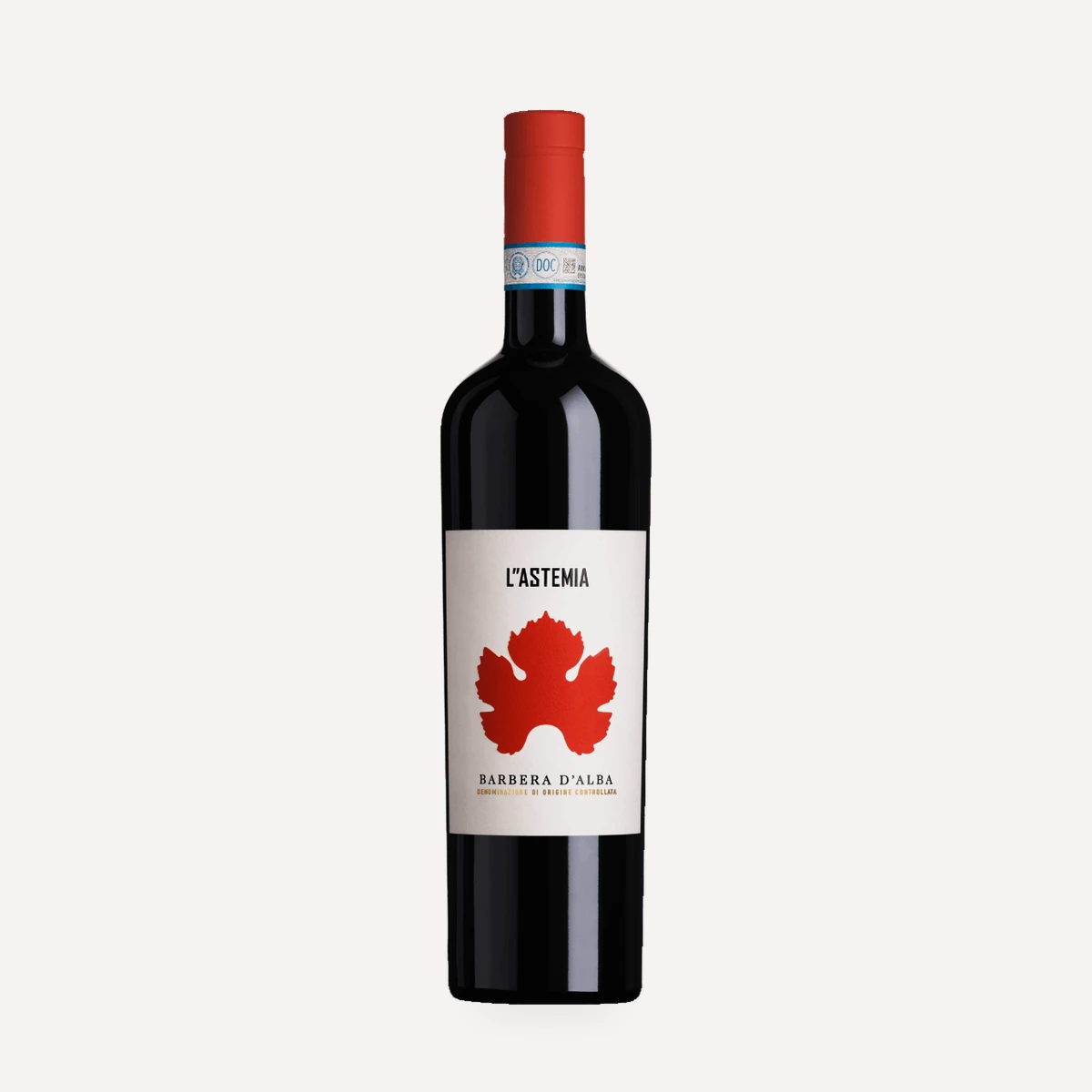
Barbera D’Alba DOC
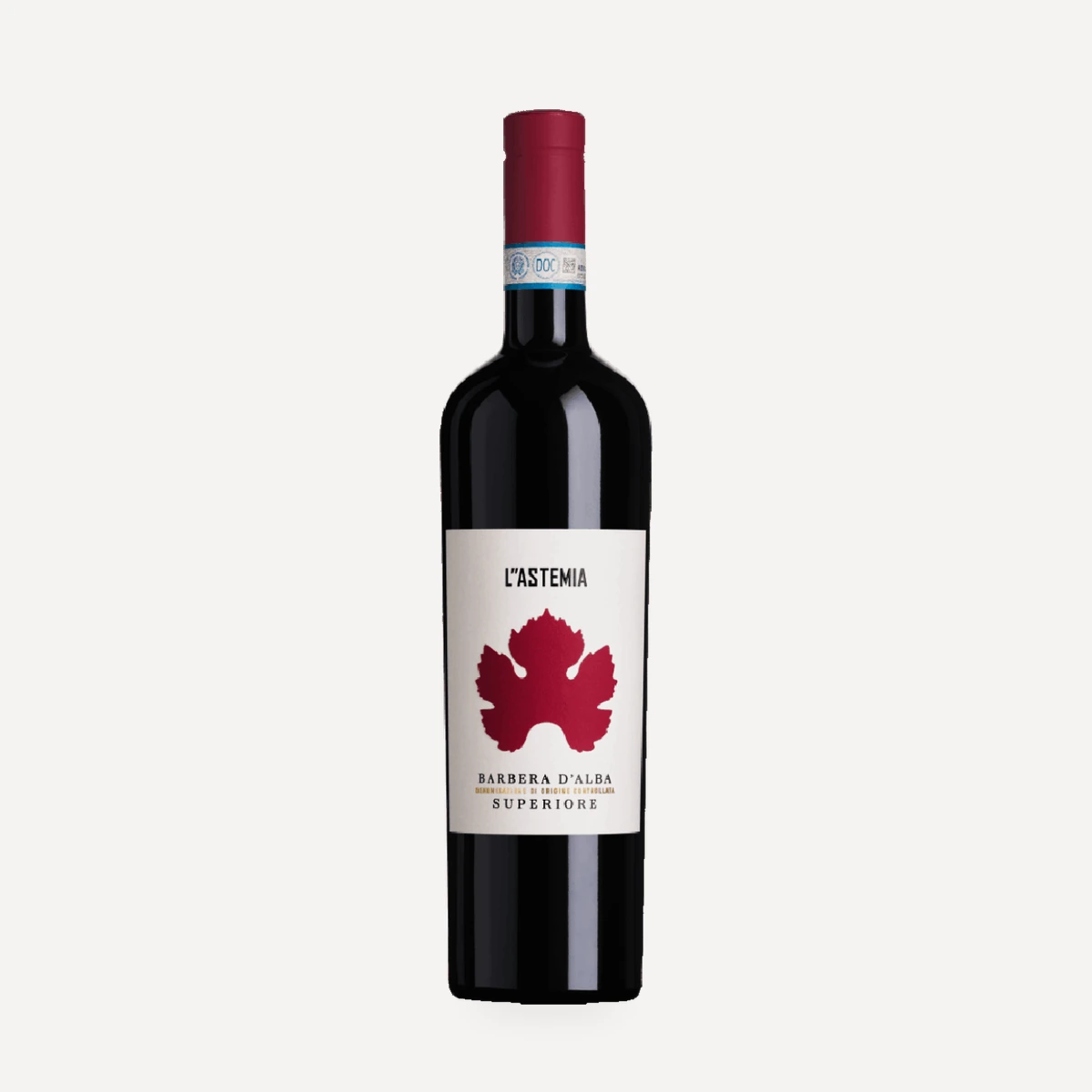
Barbera D’Alba DOC Superiore
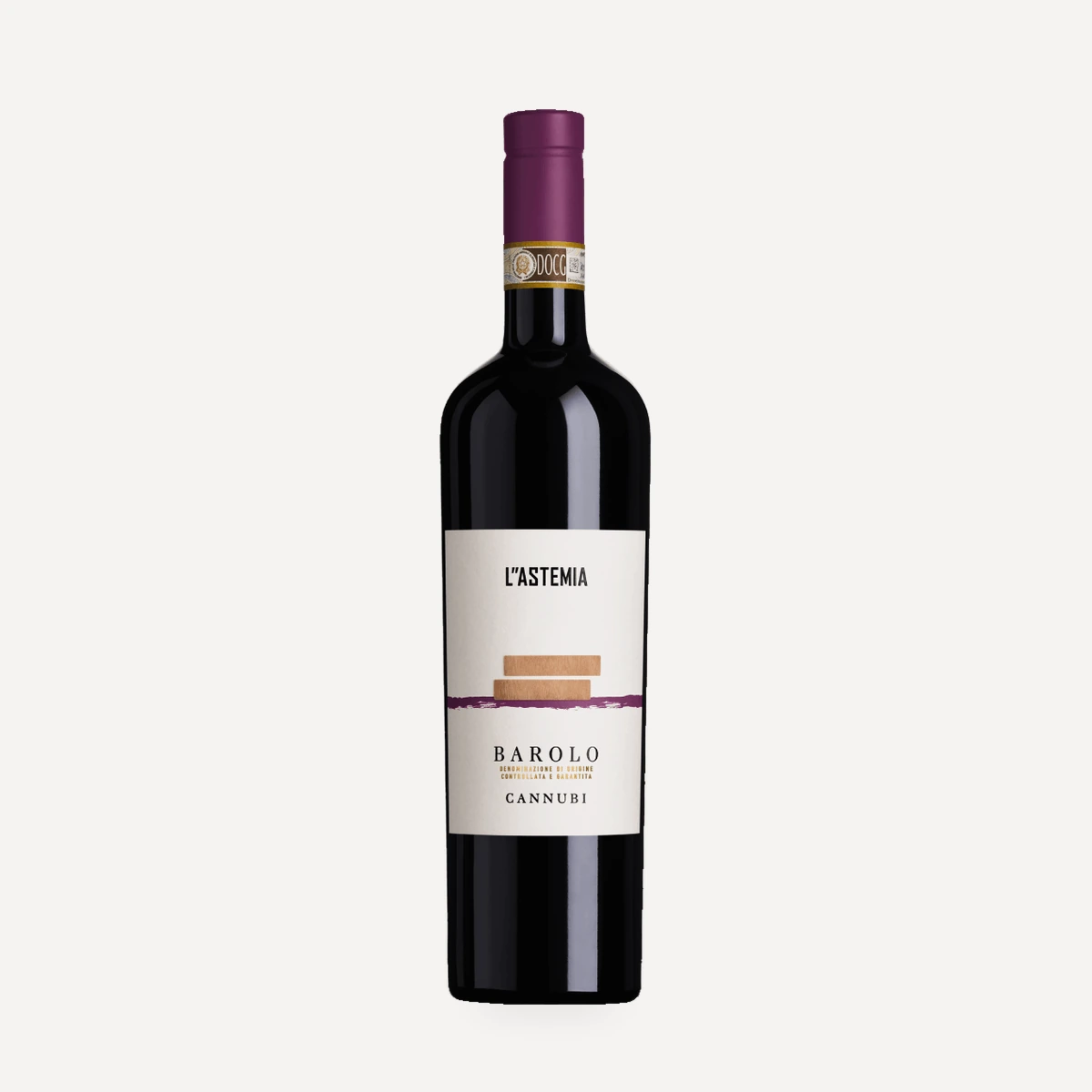
Barolo Cannubi DOCG
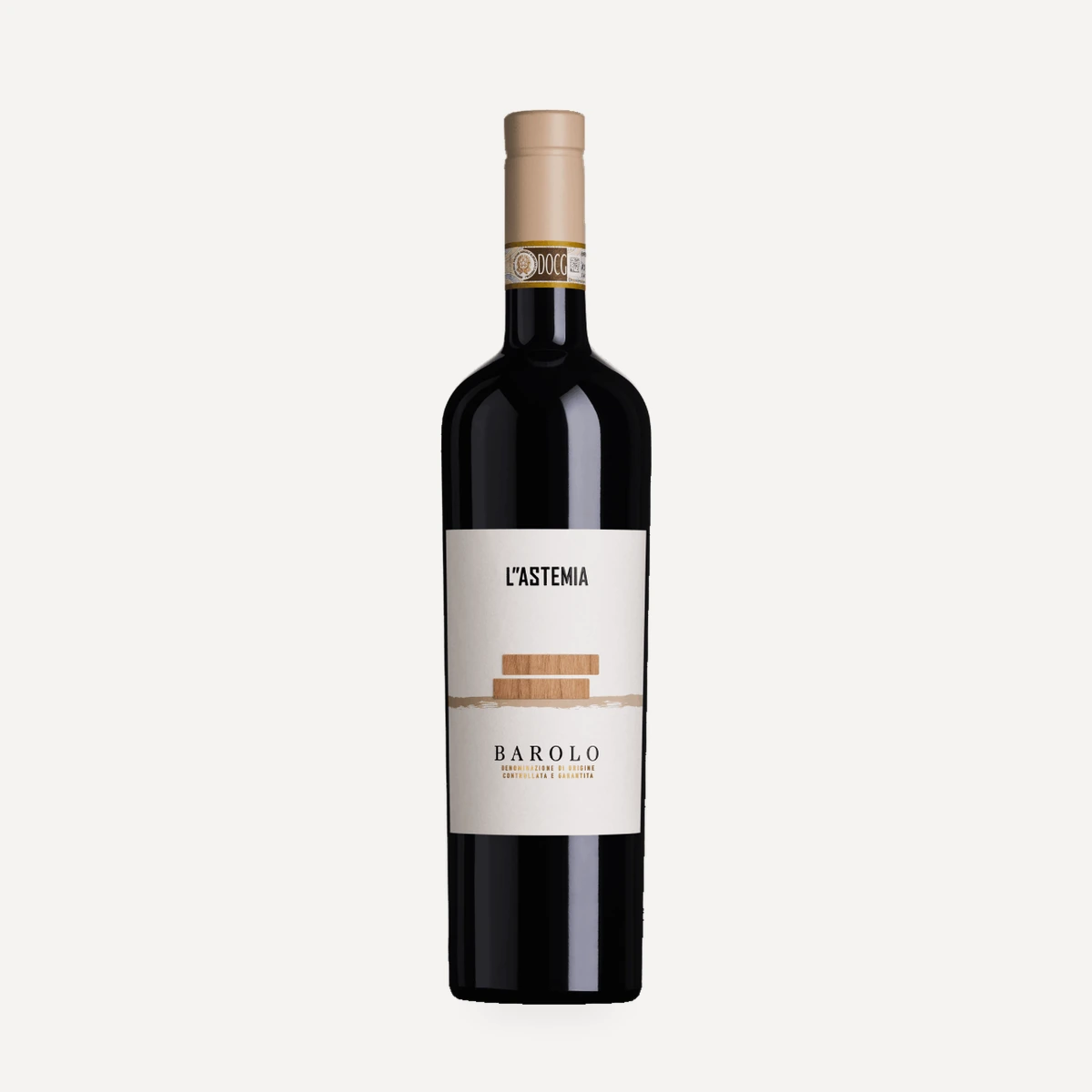
Barolo DOCG
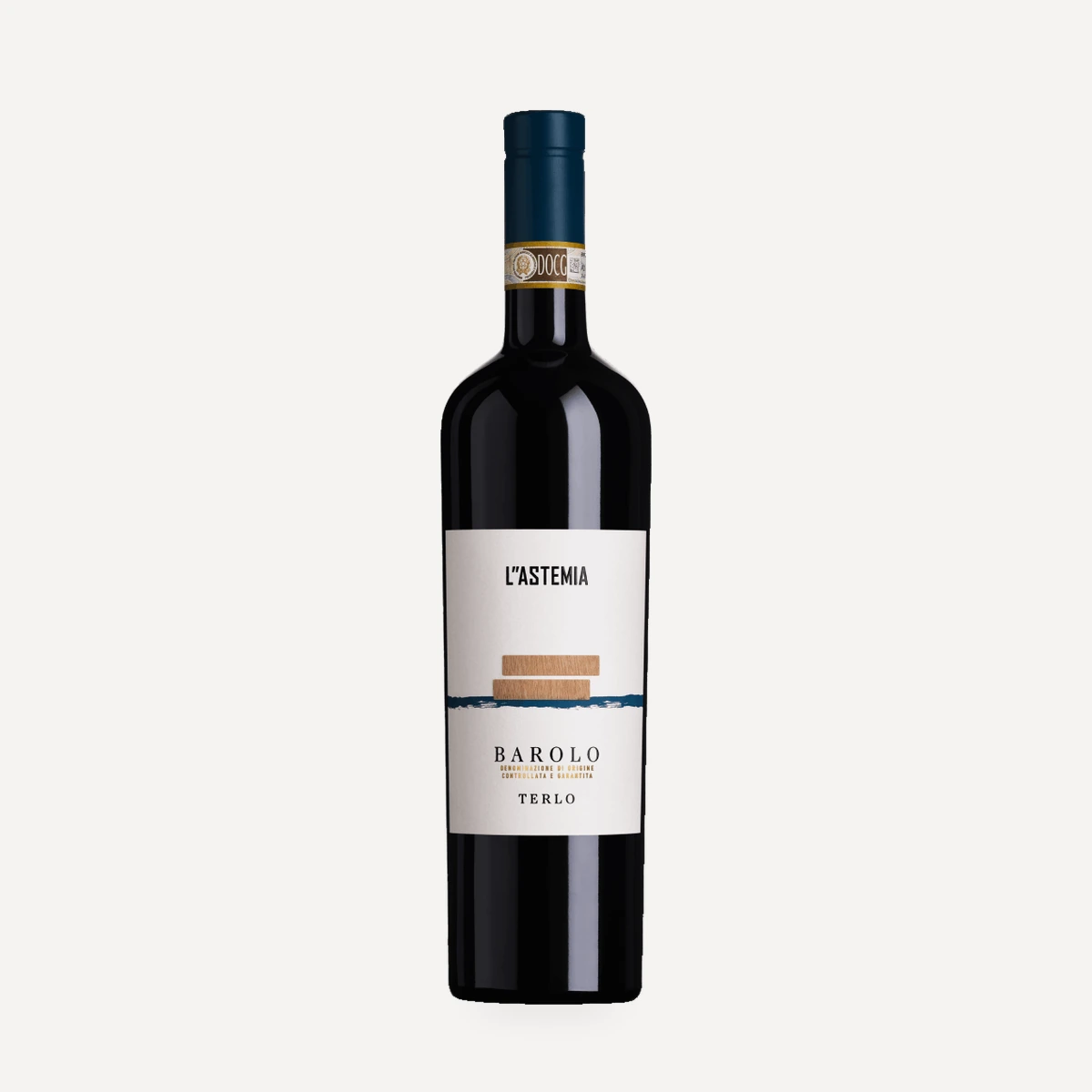
Barolo Terlo DOCG
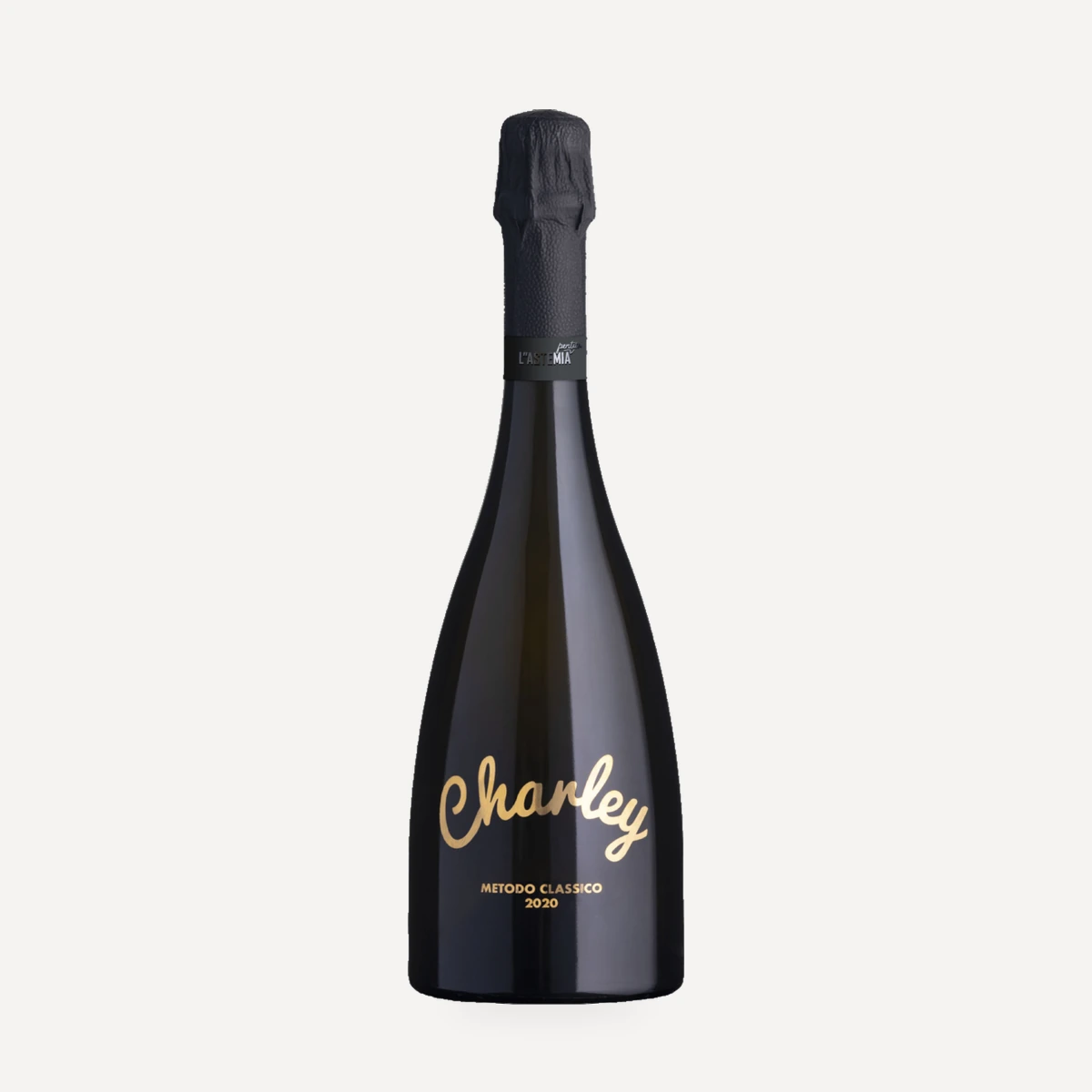
Charley VSQ Metodo Classico
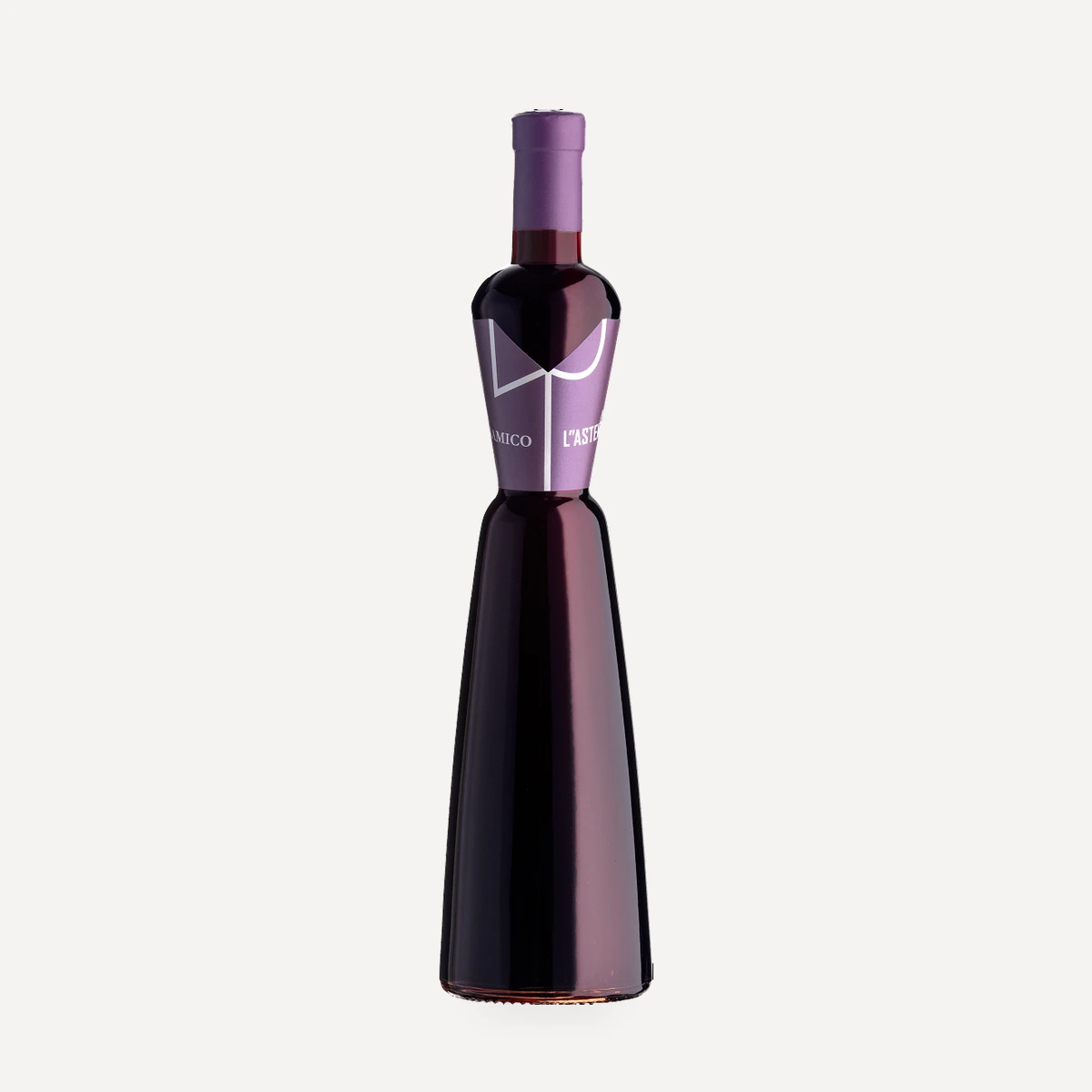
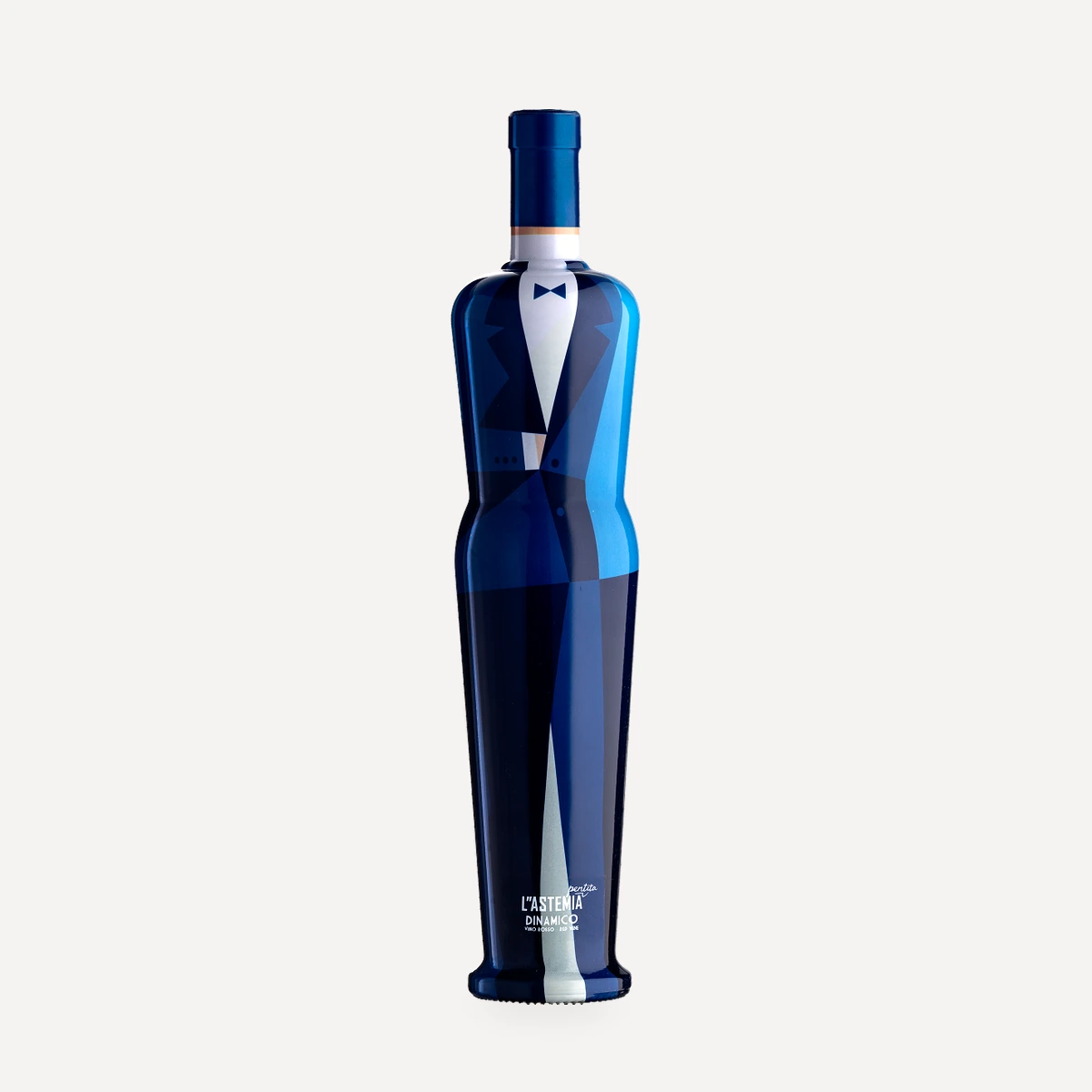
Dinamico Vino Rosso
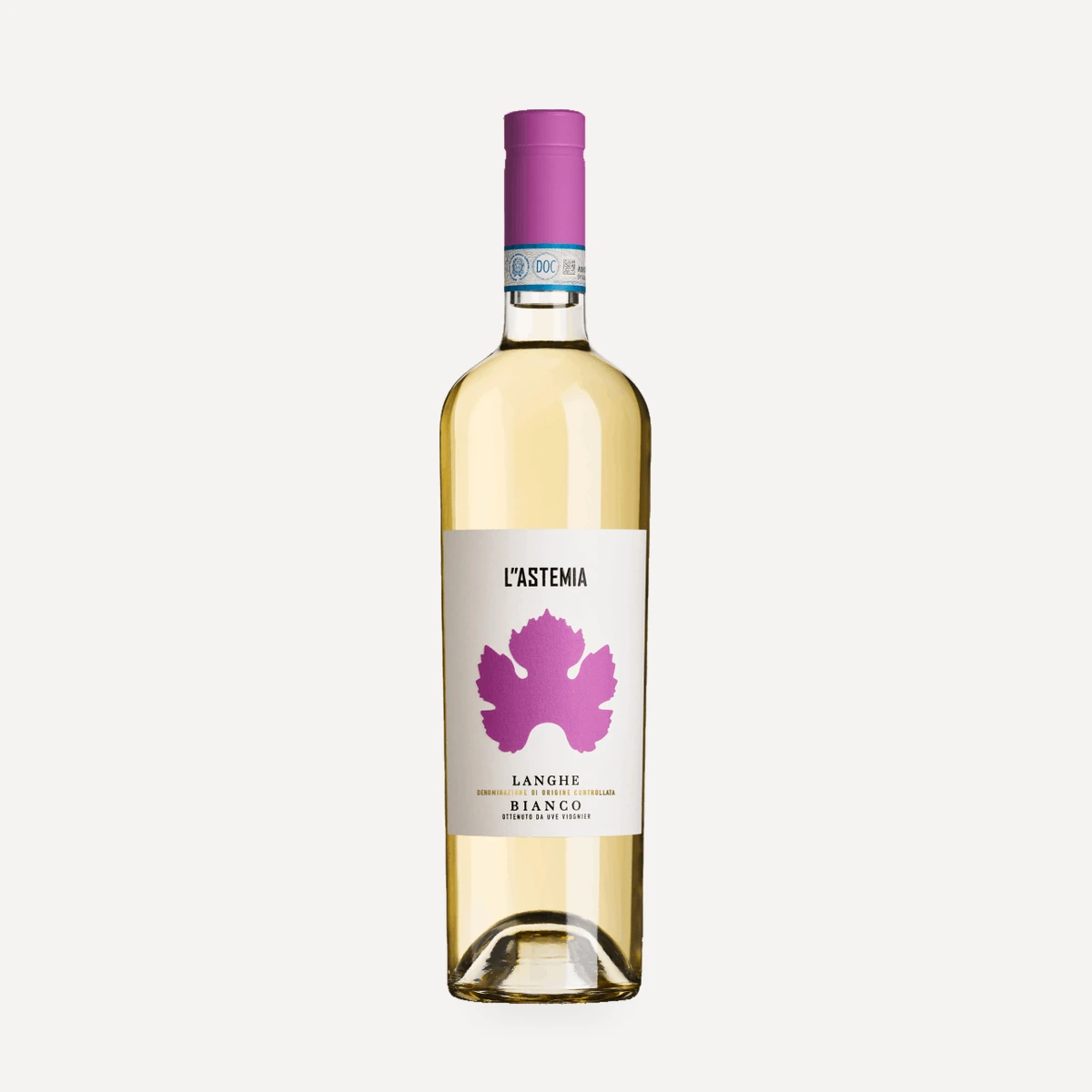
Langhe DOC Bianco
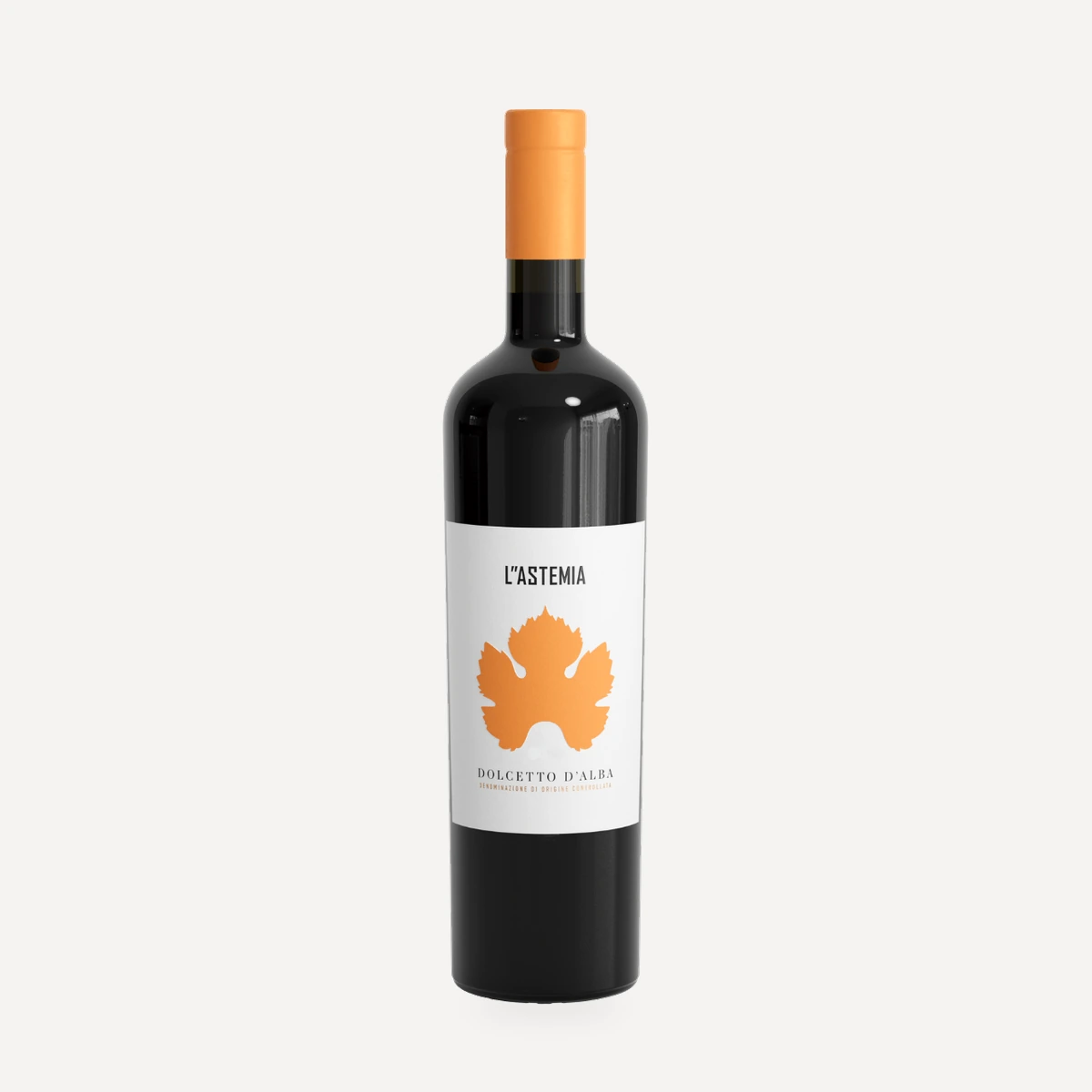
Langhe DOC Dolcetto
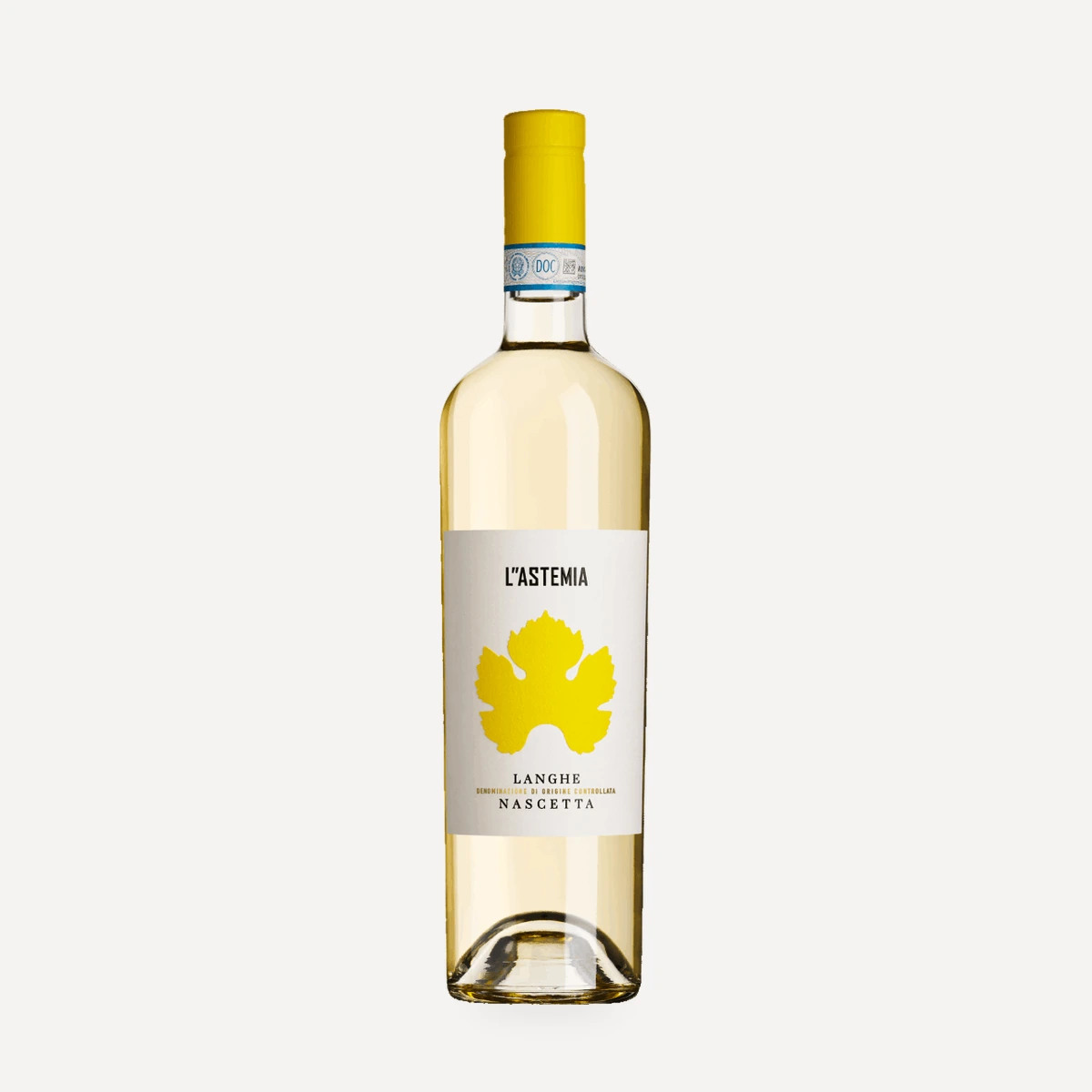
Langhe DOC Nascetta
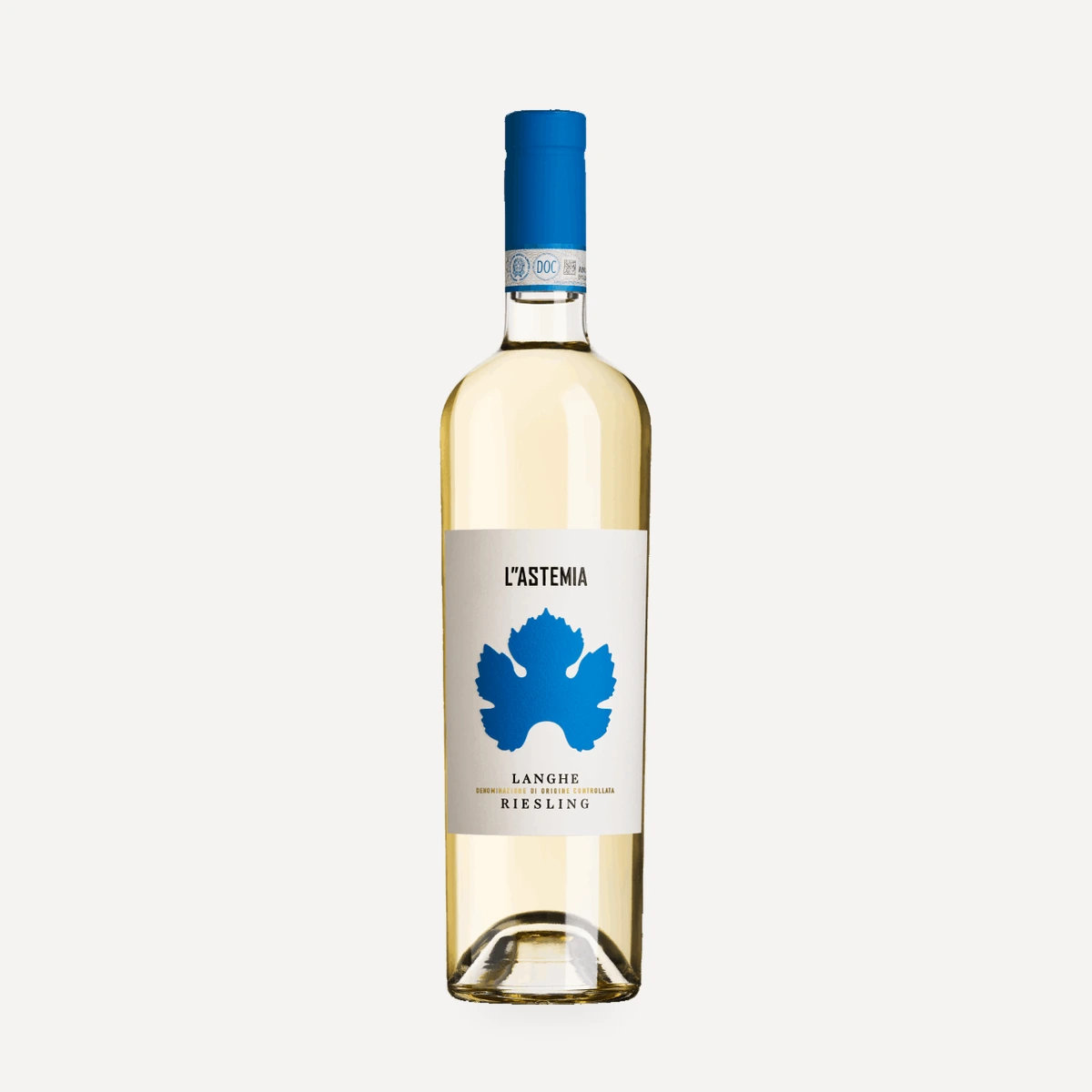
Langhe DOC Riesling
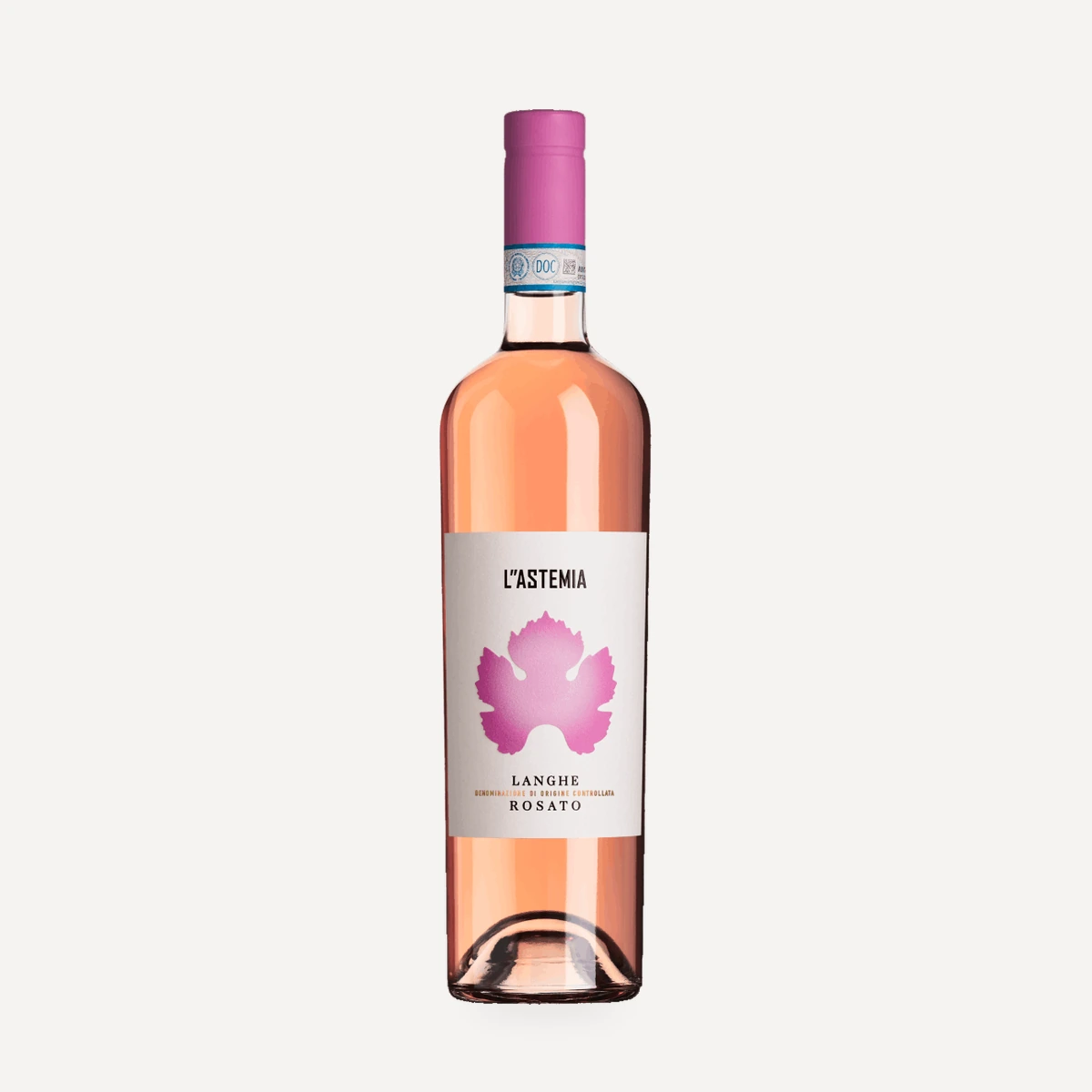
Langhe DOC Rosato
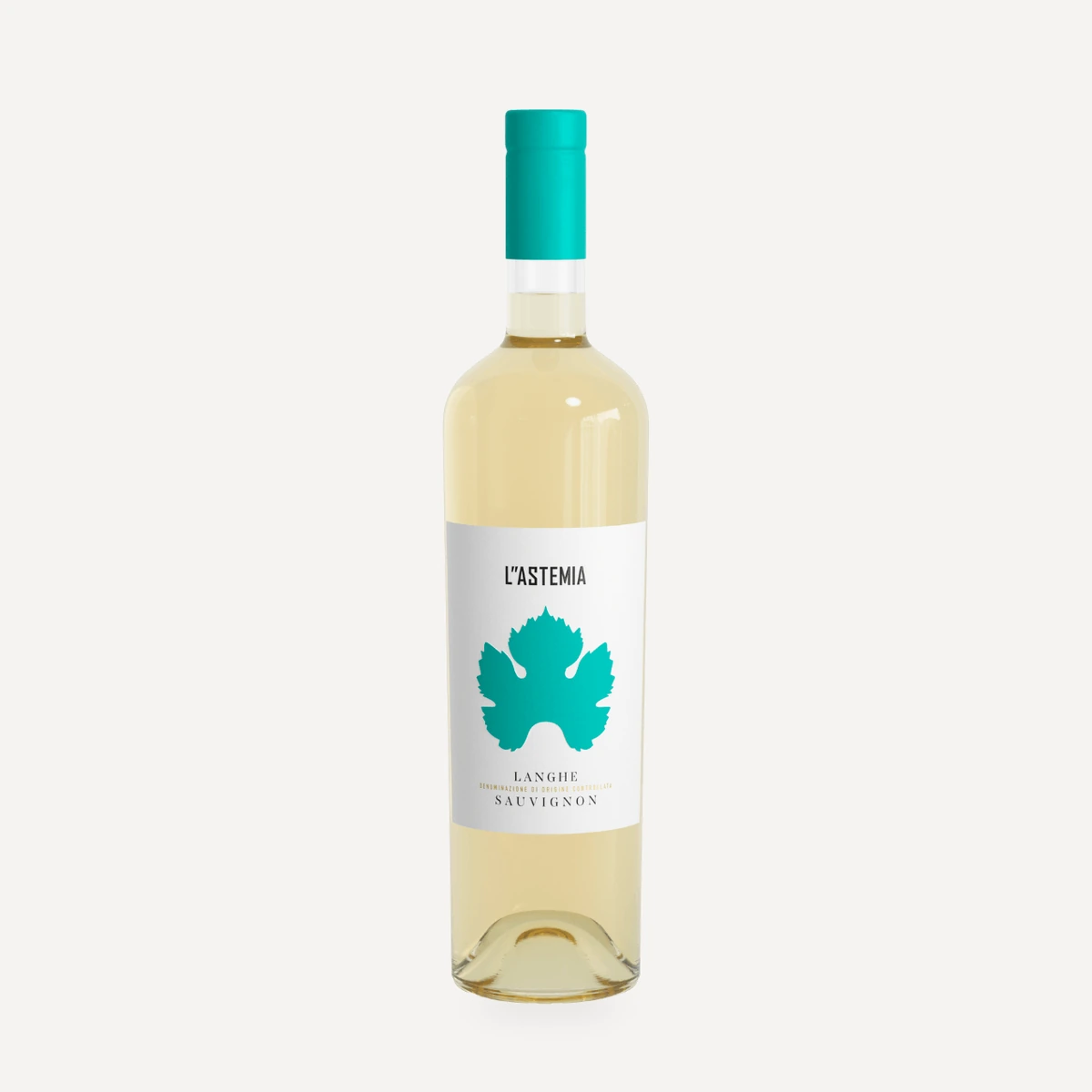
Langhe DOC Sauvignon
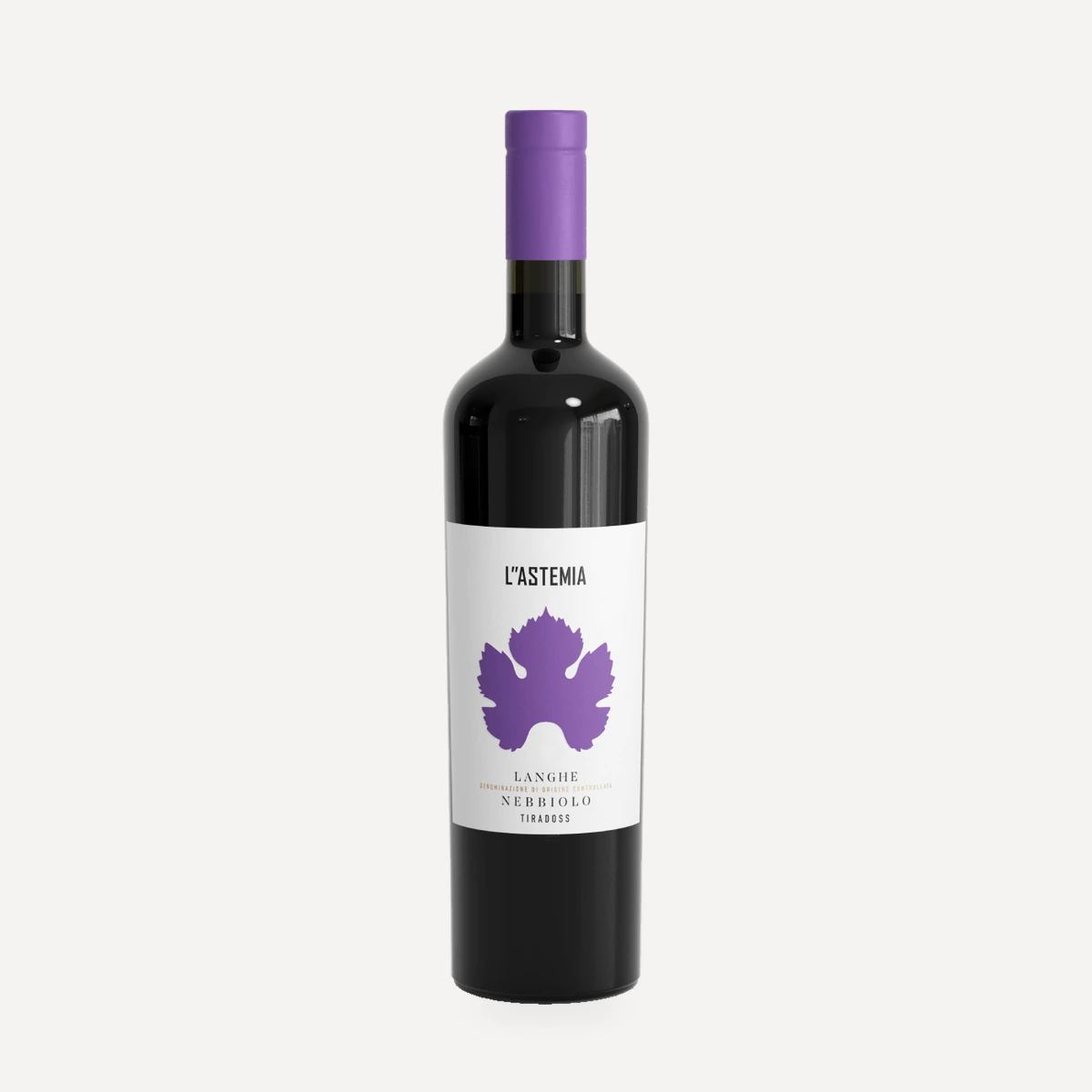
Langhe Nebbiolo Tiradoss