Storia
Family origins: the 1940s–1967
The family’s wine history begins with Gualtiero, a farmer from Castelleone di Suasa, an area associated with Verdicchio. He moved to Ancona in the mid-1940s, prompted by both personal ties and the hope of finding new opportunities.
In 1948, Gualtiero, his wife Erina and his father-in-law Agostino opened a combined cellar and osteria in Via Torresi, Ancona. It was conceived as a social place where people could meet, share everyday life and drink wine.
In 1965, Gualtiero and his family moved to Candia and planted their first Montepulciano vineyard. When Rosso Conero obtained DOC status in 1967, this vineyard became one of the first entered in the denomination’s official vineyard register.
Creation of La Calcinara: 1997–2000
La Calcinara began as a distinct project in 1997 with the purchase of 20 ha of land. Three years were devoted to preparing the soil. In 2000, Mario, the father of Paolo and Eleonora, planted the first 4.4 ha vineyard, now called Vigna Vecchia, together with 650 olive trees. Vigna Vecchia subsequently supplied the earliest editions of Folle and Terra Calcinara.
New vineyards and the cellar: 2003–2007
Vigna della Luna was planted in 2003 with Montepulciano. The plantings grouped as Vigne dei Bianchi also began in 2003 and continued through 2012. The 2.4 ha Vigna di Sirolo, planted with Montepulciano on the southern side of Monte Conero, dates from 2003 as well.
The estate produced its first extra-virgin olive oil in 2005, initially as a blend of Raggia and Leccino. In the same year, the partially underground winemaking cellar began to take shape. Construction was completed in 2007, when the first Folle was harvested and vinified.
The current family project: 2012 onward
The inaugural 2007 Folle was released commercially in 2012. That year also brought the planting of Vigna Bibetto and Vigna delle Ortiche, both with Montepulciano. Vigna Bibetto preserved older family material through massal propagation: its cuttings came from Gualtiero’s old vines, whose own propagation material had been collected during the 1960s from old vineyards near the Bay of Portonovo.
Paolo, born in 1981, and Eleonora, born in 1987, both graduated in Viticulture and Oenology. Before returning to their origins, Eleonora gained experience in Bordeaux, while Paolo worked in New Zealand and Chile. Their project is shaped by the tension between attachment—to family, place and the wines of the Conero—and the freedom to travel, experiment and create a new chapter. The whole family participates in the estate’s work.
Terroir
Contrada Calcinara
The principal vineyards lie in Contrada Calcinara at Candia, within the municipality of Ancona. Vineyard material associated with the estate’s current wines places these sites around 200 m above sea level. Their soils vary from plot to plot but repeatedly combine clay or blue clay, limestone or chalk, sandstone, sand, marl and marine fossils. The white-grape vineyards and Vigna Bibetto contain particularly fossil-rich sandstone and a substantial coarse, stony fraction. Vigna Vecchia becomes progressively richer in sandstone toward the olive grove.
Aspect and the surrounding vegetation create distinct site conditions. Vigna Vecchia faces south and southeast. Vigna della Luna faces west and is shaded by an oak wood during the first hours of the morning. Vigna Bibetto faces west and southwest, while Vigna delle Ortiche faces north and northwest. The white vineyards have mixed exposures, predominantly west with a portion facing northwest.
Monte Conero and Sirolo
Monte Conero rises to 572 m and is the highest point on the Marche coast. Its resistant limestone formations alternate with gentler slopes formed in predominantly marly-clayey ground. The eastern side falls steeply toward the Adriatic, while the western side descends more gradually toward the Aspio valley. The Aspio is described as the only river in Marche flowing north to south rather than west to east.
The name Conero derives from the ancient Greek komaros, meaning strawberry tree, a shrub abundant on its slopes. The promontory is a major biogeographical divide on the Adriatic coast: its northern side receives continental and Apennine influences, whereas the southern side lies on the route of southerly winds and carries the character of Mediterranean scrub.
The geological sequence corresponds to that of the Umbrian-Marche Apennines. The central promontory contains carbonate formations ranging from the Cretaceous—Maiolica, Marne a Fucoidi and Scaglia Bianca—through the Eocene Scaglia Rossa and its calcarenitic Marchesini marker level. These are followed by Oligocene calcareous-marly and marly Scaglia Cinerea, Miocene Bisciaro and Schlier, and younger marly-sandstone and clay lithologies from the lower and middle Pliocene and lower Pleistocene. Extensive Quaternary detrital, alluvial and eluvial-colluvial covers lie above them. Limestone and marl are especially concentrated across the Conero area, whose luminous white stone was historically quarried for buildings and monuments in Ancona.
The 6,000 ha Parco Naturale del Conero contains about 1,000 botanical species, predominantly Mediterranean. Coastal cliffs support prickly juniper (Juniperus oxycedrus), tree spurge (Euphorbia dendroides), Adriatic spurge (Euphorbia characias subsp. wulfenii) and Greek reed (Arundo pliniana). Holm oak (Quercus ilex) dominates the wooded promontory alongside strawberry tree, alaterno, laurotino, Phyllirea media, manna ash and Mediterranean honeysuckle. Aleppo pine reflects reforestation begun in the early twentieth century.
Vigna di Sirolo lies on Monte Conero’s southern side at approximately 250 m, directly above the sea and within the woodland of the natural park. Its annual mean temperature is about 3 °C higher than on the Ancona side. The soil is white, rocky and marly-calcareous, with high active-limestone values. Winds, marine salinity, woodland and the Adriatic directly shape the site.
Thermophilic spontaneous plants grow among the rows, including Calendula suffruticosa, wild fennel, alaterno, Dittrichia viscosa, Euphorbia helioscopia and Ampelodesmos mauritanicus. The vineyard’s two parcels have contrasting settings: one is openly exposed to the sea, while the cooler parcel lies within the woods and is enriched with organic matter by the passage of wild animals.
Vinificazione
La Calcinara practices certified organic agriculture across its vineyards. Synthetic products are excluded. Grass beneath and between the vines is cut mechanically, and green-canopy operations are kept to a minimum; the objective is to obtain results through the vine’s own vegetative balance rather than repeated intervention.
Vineyard treatments are limited to sulphur, the smallest practicable quantities of copper according to each season’s conditions, and plant-derived preparations intended to reinforce the vines’ natural resistance.
The work is directed toward healthy, receptive, humus-rich soil in which roots can develop extensive networks of exchange. Biodynamic principles provide an additional point of reference: fladen and horn manure are applied to support the humification of organic matter. The estate treats the plant and soil as parts of one agricultural organism and regards vitality in both as essential to transmitting the character of Contrada Calcinara.
Planting densities range from 2,700 vines/ha at Sirolo to 3,700–4,000 vines/ha in Contrada Calcinara. Guyot is used in Vigna Bibetto, Vigna delle Ortiche, Vigne dei Bianchi and Vigna di Sirolo; Vigna Vecchia is trained to spurred cordon, while Vigna della Luna combines Guyot and spurred cordon.
The partially underground winemaking cellar was begun in 2005 and completed for the 2007 harvest.
The estate’s general cellar approach is based on accompaniment rather than imposing a predetermined form on the wine. Fermentations are spontaneous, and wines are allowed to develop in contact with air. This relationship with oxygen is considered part of maintaining the wine’s vitality and accepting the different character of each vintage.
Sulphur dioxide is not categorically rejected, but its use is kept as low as possible. The aim is to preserve the wine’s integrity and wholesomeness, avoid suppressing individuality during fermentation, and retain the microbiological complexity developed through vineyard work. Individual cuvées use differing vessels and élevage regimes, but those wine-specific protocols are not treated as a single estate-wide recipe.
Filosofia
Belonging and freedom
La Calcinara defines its identity through a dual impulse: belonging to family, history and the wines of the Conero, while retaining the freedom to cross boundaries, travel, experiment and create something new. Paolo and Eleonora’s return after studying and working abroad was a choice to remain connected to their land without abandoning this outward-looking instinct.
Wine as an expression of place
The objective is to make joyful, complex and sincere wines that feel good to drink and carry a direct connection to Contrada Calcinara. Sandstone, white rock, the sea and woodland are treated as the essential vocabulary of the wines. The estate seeks a liquid expression of its territory and regards wine as a point of connection between peoples and cultures.
Montepulciano is understood as a variety with a wild, candid character, shaped by both Adriatic proximity and the wooded, steep terrain of the Conero. Working with it is compared to returning to childhood friends: communication requires sincerity, naturalness and simple, direct gestures rather than artifice.
Care without domination
Cellar work follows the artisan principle of caring for wine without imposing upon it. Observation, accompaniment and a willingness to relinquish control are central. Each vintage is expected to differ, and the task is to accept and respect the resulting wine rather than force it into a fixed model.
The same principle informs agriculture. Organic farming, living soil, vegetative balance and the smallest feasible interventions are intended to preserve the vineyard’s complexity. Agriculture is also placed within the history and traditions of the local community rather than treated as an isolated technical activity.
The maritime Conero
The family identifies with a territory of sea, sunlight and Mediterranean scrub. Its aspiration is to keep local roots while engaging with other cultures, reflecting Ancona’s historic orientation toward the Adriatic and the eastern Mediterranean. Monte Conero functions as the project’s geographical and emotional reference point.
Vini
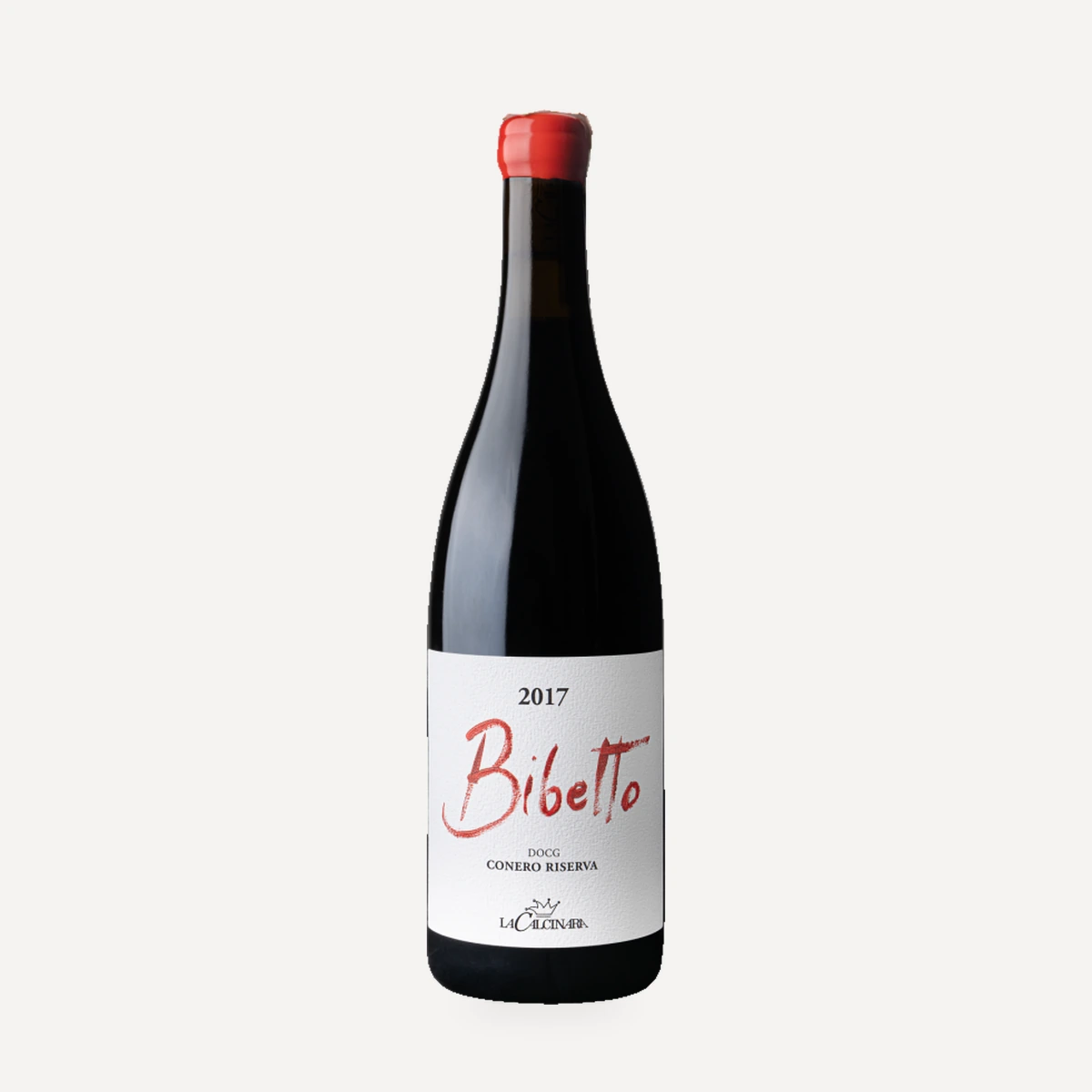
Bibetto
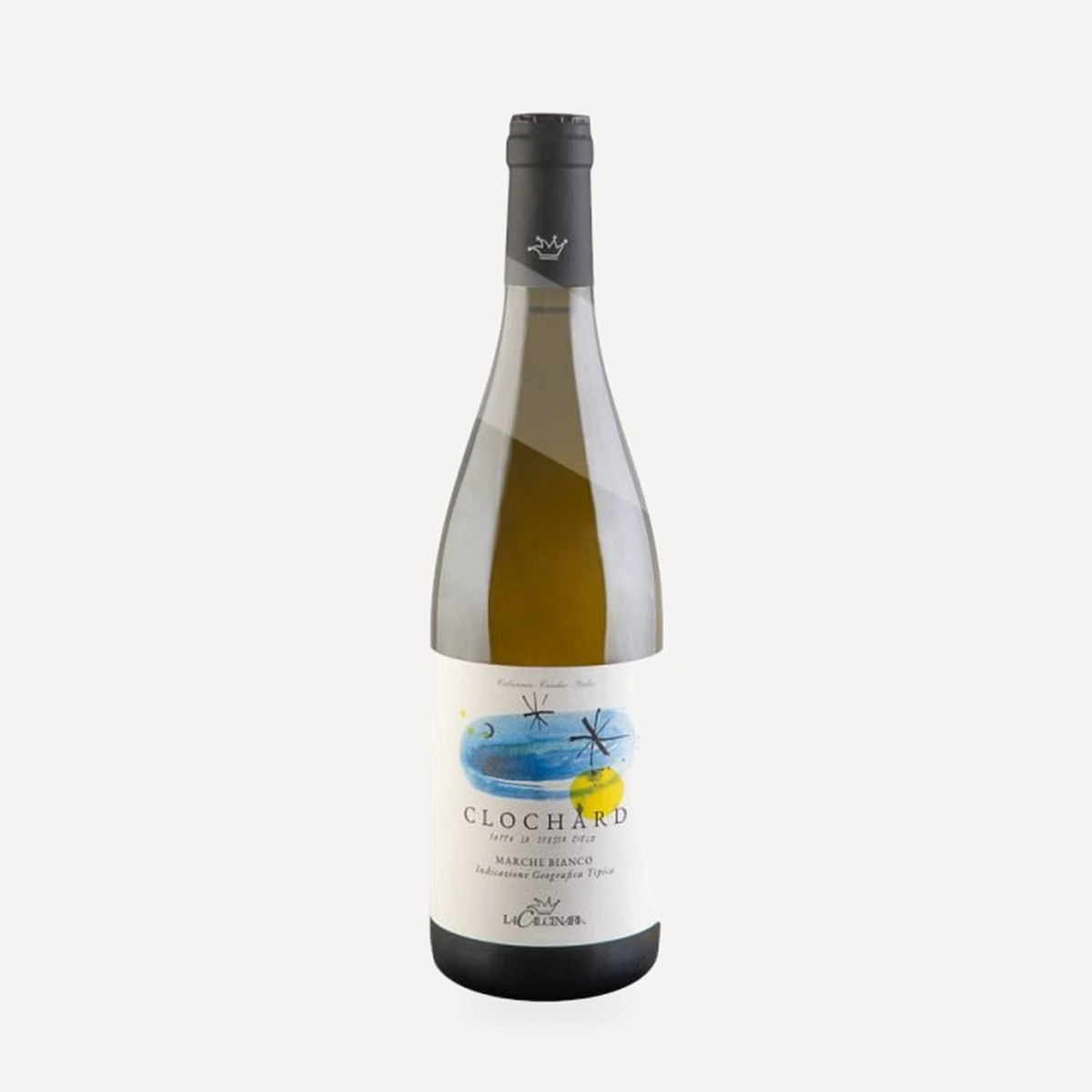
Clochard – Sotto lo stesso cielo
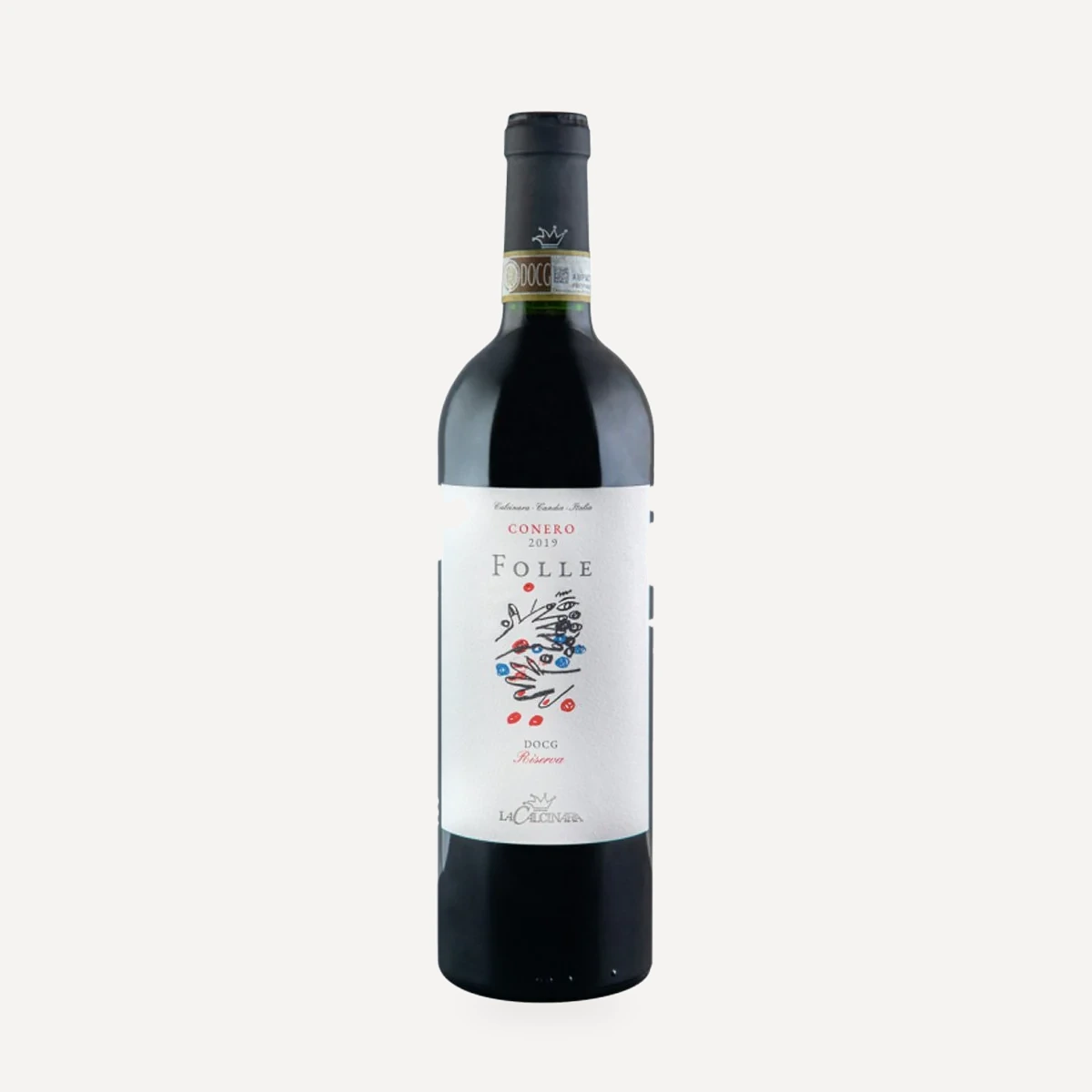
Folle
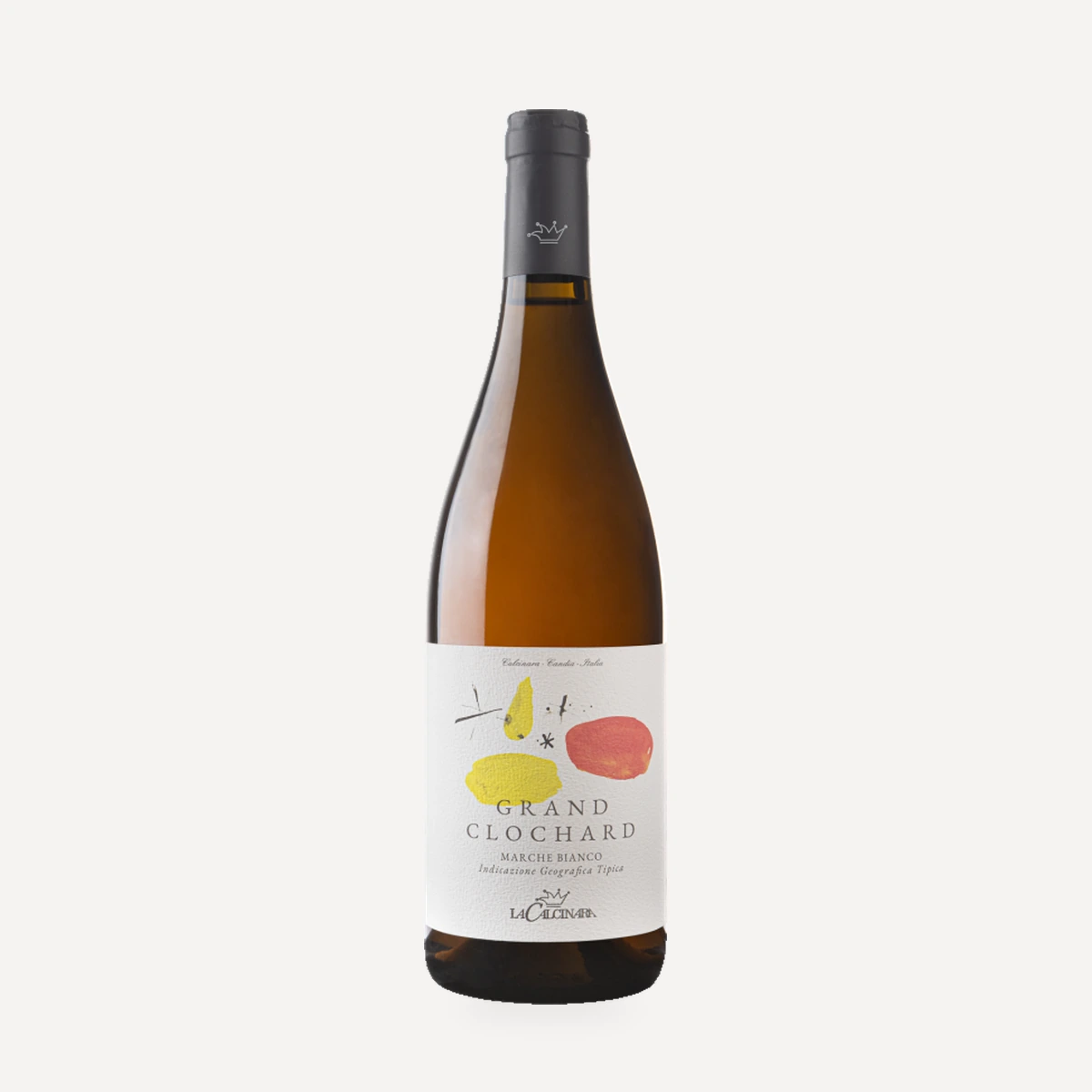
Gran Clochard