Storia
Roots in the mid-20th century
The people behind La Colombina have worked with wine since the middle of the 20th century. The family already possessed properties in several parts of the Castelnuovo dell'Abate area, holdings that had passed down through generations.
1997: the creation of La Colombina
Annamaria established the enterprise in 1997 to give new value to those inherited properties. She chose the name La Colombina in memory of her maternal grandmother, Colomba Fanti.
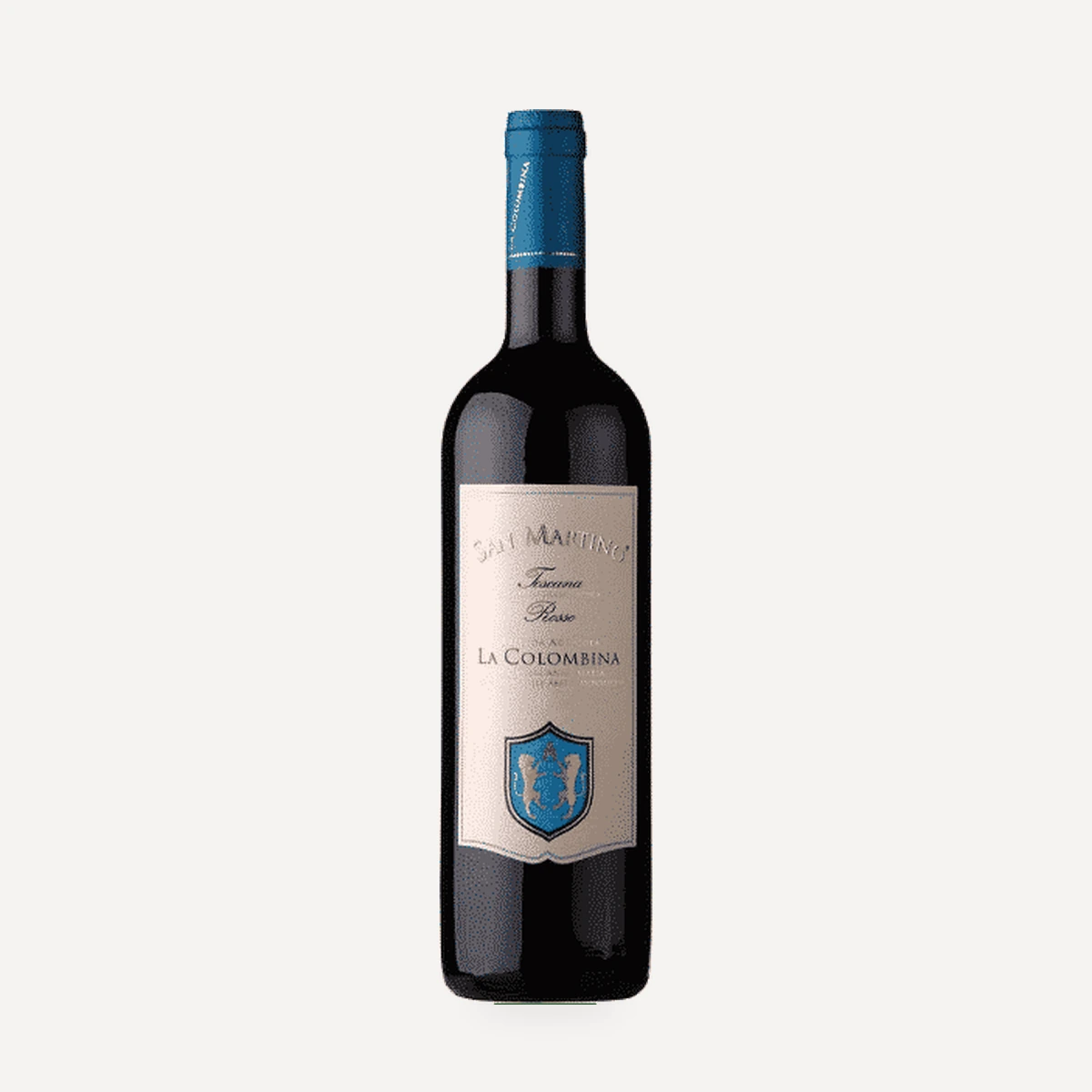
Family memory also shaped the identity of the first wine. Annamaria named it San Martino after her grandfather, Martino Caselli.
Development of the estate and the Brunello era
Following the creation of La Colombina, the family began a continuing programme of vineyard conversion and modernization. The purpose was to develop the scattered inherited properties around Castelnuovo dell'Abate and establish the estate's production of Brunello di Montalcino. Reconversion, technical updating and new projects have remained continuing objectives rather than a single completed phase.
Organic production
Organic production subsequently became an achieved objective. The approach centres on preserving the biodiversity of the soil and the wider ecosystem as the basis for healthy, high-quality grapes. At the same time, the estate progressively refined its oenological techniques and developed a range encompassing Brunello di Montalcino, Rosso di Montalcino and Toscana IGT wines.
Terroir
La Colombina occupies the northwestern spur of the hilltop village of Castelnuovo dell'Abate, directly above the Abbazia di Sant'Antimo. The village was once a fortified possession of the abbey, and the estate overlooks the valley containing the abbey, among hills planted with vines, olive trees and cypresses.
The approximately 5 ha of vineyards are distributed among several sites around Sant'Antimo rather than concentrated in a single block. Their differing locations and elevations create distinct growing conditions. The prevailing exposure is south to south-southeast, providing favourable sunlight, while a constant marine breeze contributes another differentiating influence. These variations give the grapes from the different vineyard sites distinct characteristics.
Soil composition, landform and exposure are treated as fundamental determinants of grape quality. Together with attentive vineyard care, these natural conditions support the production of ripe, healthy and aromatic fruit.
Vinificazione
Vineyard work is continuous and follows the progression of the seasons, guided by knowledge of and respect for the environment. Organic production is an achieved objective, with the preservation of biodiversity in both the soil and the surrounding ecosystem forming a central part of the approach.
Pruning is regarded as decisive both for crop quality and for the longevity of the vines and vineyard plots. Soil cultivation and attentive care of the plants are intended to support vine performance, while soil management is treated as indispensable to both sound vineyard management and grape quality.
Harvest timing is determined vineyard by vineyard according to the ripeness of the grapes. Picking is carried out exclusively by hand, using small crates described in the general production material as 15-litre containers. Fruit for selected vinifications receives a further selection after picking.
La Colombina's modern winery was built using materials characteristic of its setting. Its design combines advanced technology and modern equipment with natural materials, with the aim of limiting unnecessary movement and reducing physical stress on both grapes and wine.
Knowledge of the incoming grapes and of the land from which they originate guides vinification. Fermentation vessels have electronic temperature control. The general cellar process divides fermentation between stainless-steel tanks and oak vats. The must becomes wine through yeast activity; once fermentation is complete, the wine undergoes its first racking and begins the longer path toward maturation and refinement.
During maturation, wines rest in wood and are monitored, tasted, racked and topped up as required. The cellar uses a selected range of French and Slavonian oak vessels. Contact with the wood contributes aromas and flavours while the wine develops its colour, taste and overall character.
Bottling takes place inside the winery, allowing a direct transfer from barrel to bottle while the wine remains in a controlled environment and undergoes minimal movement. Bottle refinement follows; the general conservation process allows at least four months before the wine is considered ready to drink.
Filosofia
La Colombina presents wine as the result of an inseparable relationship among soil, climate, grape variety and human experience. Its approach begins with understanding the individual estate and then refining vineyard work, cellar practice and conservation around that knowledge.
Harmony with the territory and its traditions is paired with modern technology. Advanced equipment and contemporary systems are used alongside natural materials, with the stated aim of minimizing stress caused by moving grapes and wine. Quality is understood to originate in the vineyard and continue through every production stage.
Environmental respect is expressed through organic production and the preservation of soil and ecosystem biodiversity. Pruning, soil care, harvest timing, fermentation, maturation and bottling are treated as connected parts of one process rather than isolated operations. Continuous tasting and monitoring during maturation provide the practical control behind that philosophy.
Vini
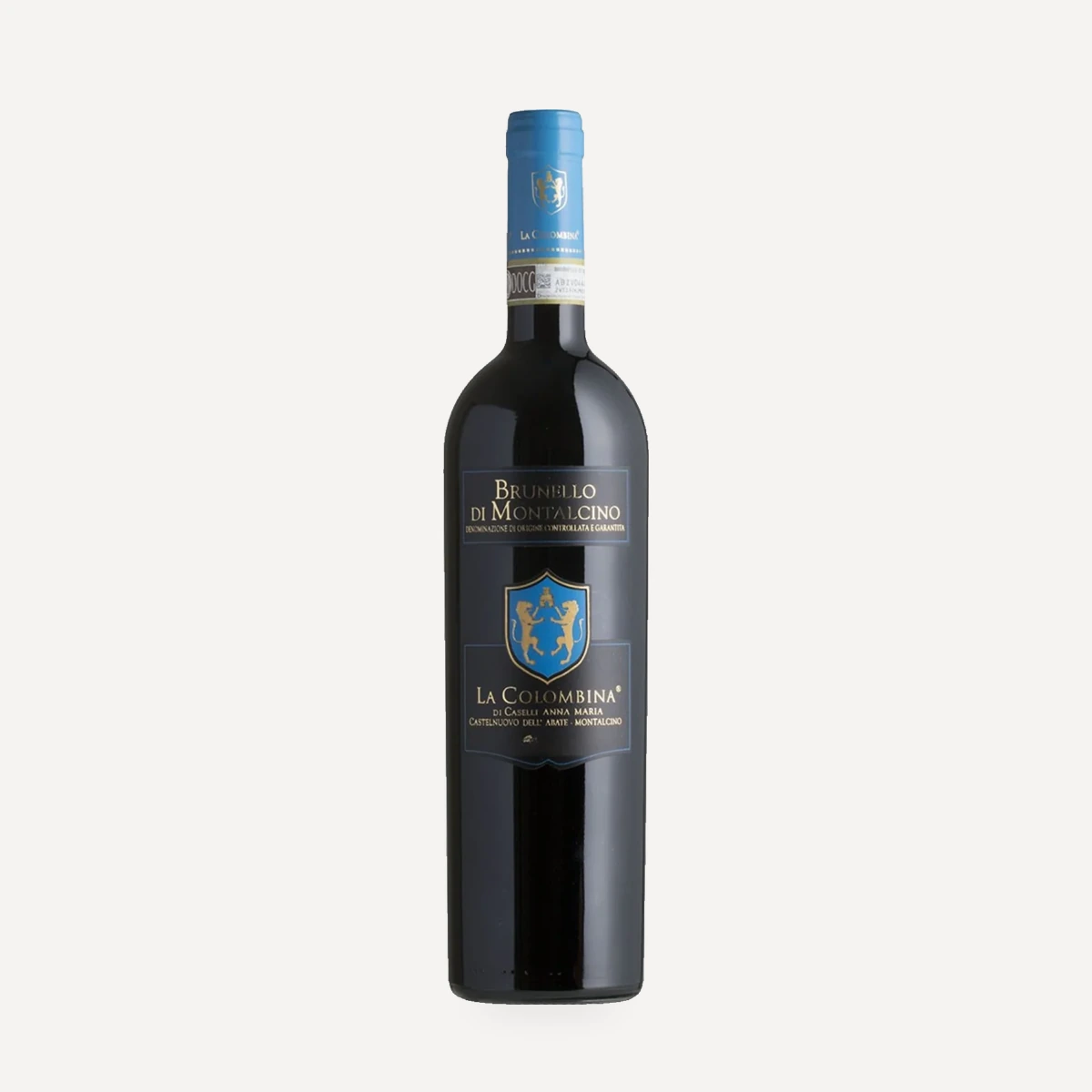
Brunello di Montalcino DOCG
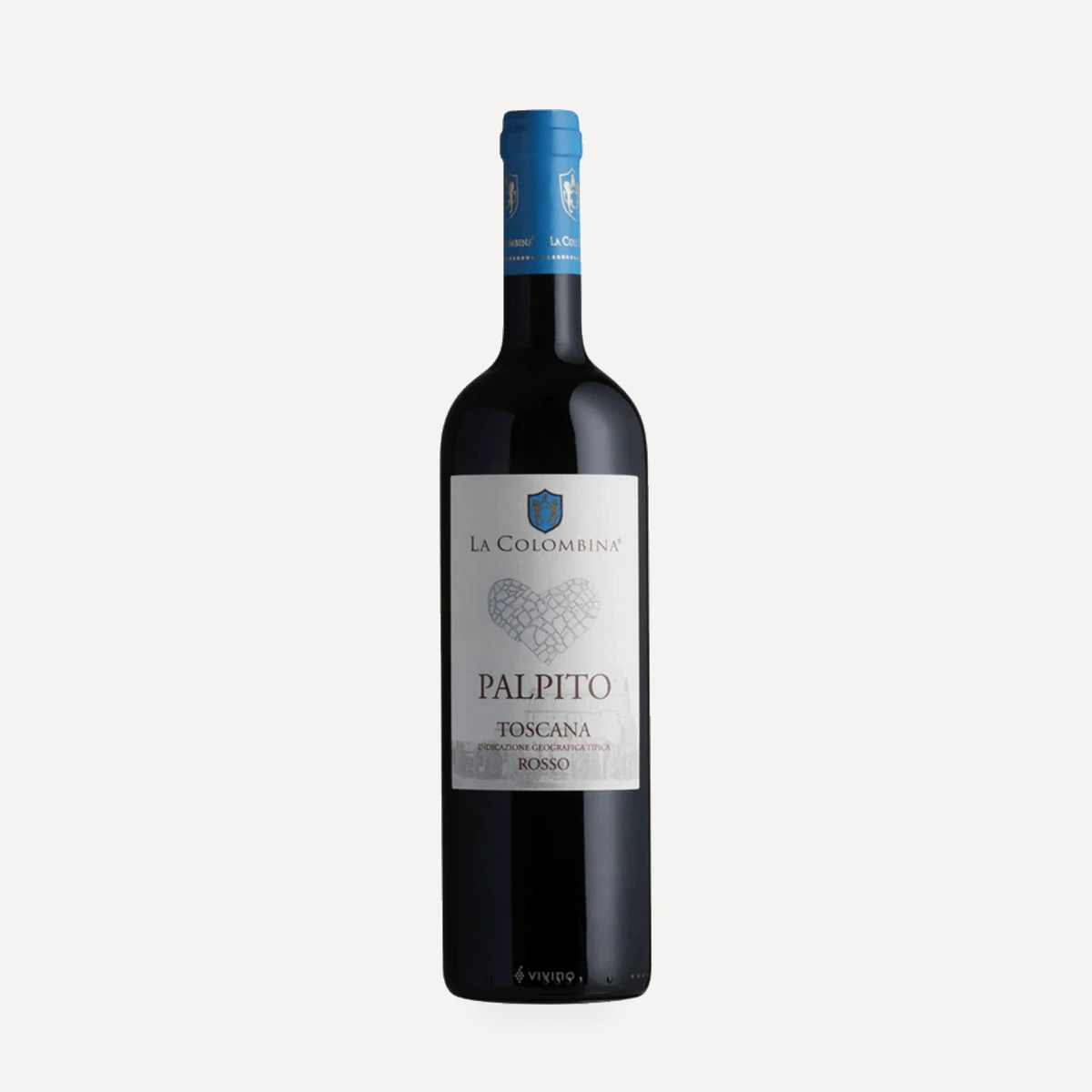
Palpito IGT Toscana