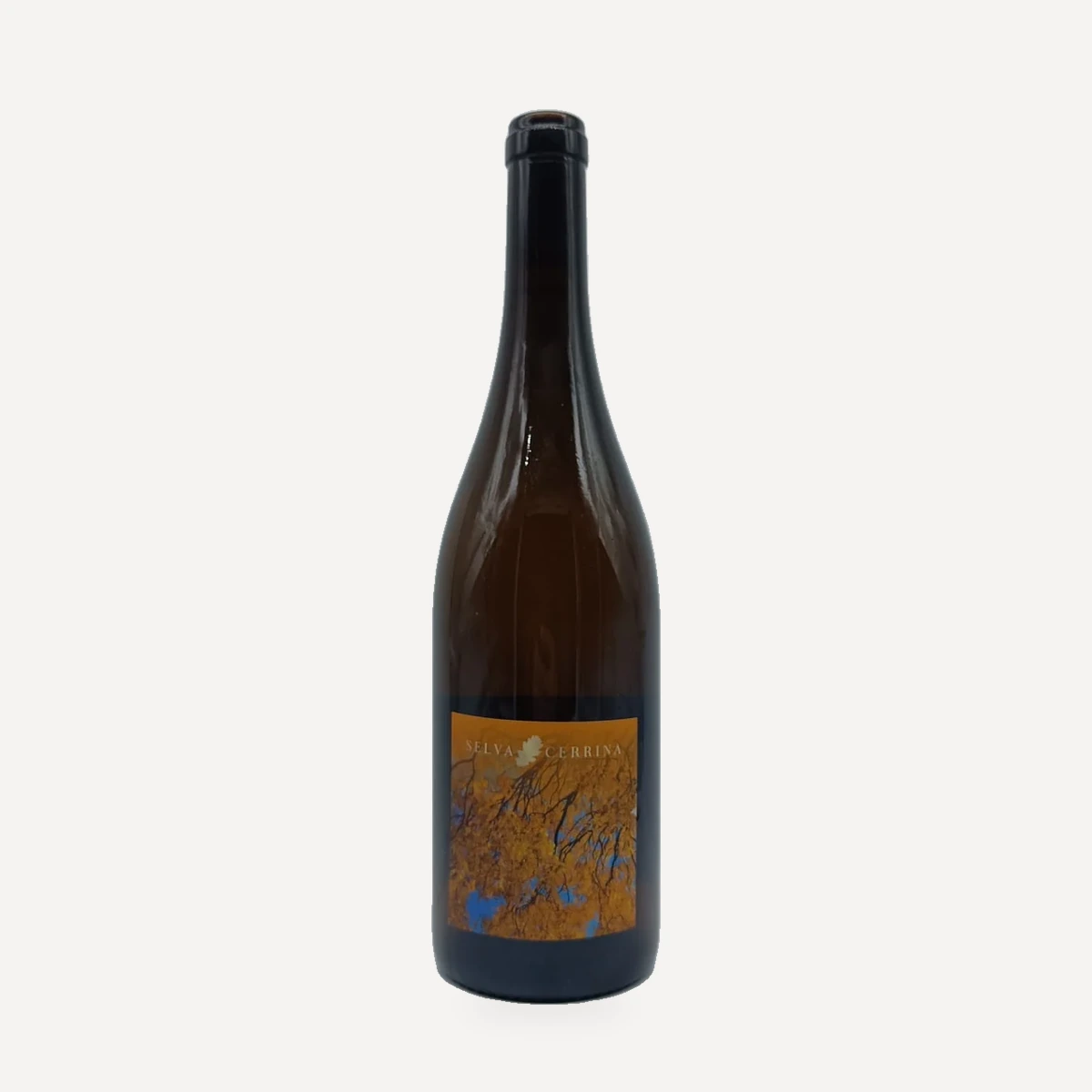
Storia
2021: the first Selva Cerrina
The 2021 vintage marked La Dolce Vita’s first wine under the Selva Cerrina name. The name revives the historic place-name of the locality occupied by the vineyard. Production amounted to 4,750 bottles. The grapes travelled in a temperature-controlled truck to the cellar of oenologist Gaspare Buscemi, known as “l’artigiano del vino,” where they were directly pressed and fermented spontaneously with indigenous yeasts. Buscemi also designed and built the press used to increase and accelerate the extraction of free-run must. The finished wine contained approximately 40 mg/L of total sulfites and was closed with a single-piece cork treated through Buscemi’s proprietary process.
2023: a different cellar and vinification
For the 2023 vintage, the grapes were taken to winegrower Andrea Occhipinti’s cellar. They were destemmed and macerated for three to four days in concrete vessels before spontaneous fermentation with indigenous yeasts in small tanks. A modest sulfite addition was made at bottling, keeping total sulfur dioxide below 30 mg/L, and the wine was bottled without filtration.
2024: expansion of the range
The range subsequently expanded beyond the original Selva Cerrina white. The 2024 wines presented under the same family of names comprise Selva Cerrina Nut Rosato IGT, Selva Cerrina Poggio Rota and Selva Cerrina Thoth Rosso IGT.
Terroir
La Dolce Vita’s historic vineyard lies among the volcanic hills of Pitigliano in the Maremma area of Tuscany. Its soil is volcanic and composed of layers of tuff, a defining geological feature of the Bianco di Pitigliano DOC production zone.
The broader farm landscape combines vineyards and olive groves with a small woodland and a stream. The vines receive the favorable sunlight exposure associated with grape ripening in this part of Maremma.
Vinificazione
The 1.5 ha historic vineyard is managed according to organic-farming principles. Organic grapes are grown without pesticides or other synthetic chemical substances. Vineyard protection is based on sulfur and copper, with five treatments in total, accompanied by green manure practices.
Guyot is the stated training system. Old vines and restrained yields—approximately 40 quintals per hectare—are central features of the vineyard. Harvesting is manual, with bunches selected in the vineyard and placed in 20 kg crates. The documented harvest period is the second half of September.
Organic management extends across the agricultural holding, which is controlled by Bioagricert. Elsewhere on the farm, the same ecological approach includes a synergistic vegetable garden based on soil self-fertility, planted forage and water for pollinators, and free-ranging chickens.
La Dolce Vita has used specialist external cellars for its documented vintages.
2021 vinification
The hand-harvested fruit was transported by temperature-controlled truck to Gaspare Buscemi’s cellar. Vinification was in white, with direct pressing in a press designed and built by Buscemi to increase and accelerate the recovery of free-run must. Fermentation proceeded spontaneously with indigenous yeasts. Total sulfites were approximately 40 mg/L. The wine was closed with a single-piece cork purified using Buscemi’s proprietary technology.
2023 vinification
The fruit was transported to Andrea Occhipinti’s cellar and destemmed. Skin maceration lasted three to four days in concrete vessels, followed by spontaneous fermentation with indigenous yeasts in small tanks. A modest quantity of sulfites was added at bottling, with total sulfur dioxide remaining below 30 mg/L. The wine was bottled without filtration.
Filosofia
La Dolce Vita presents time, contact with nature and distance from everyday noise as central to life on the farm. Its stated objective is to make the agricultural holding progressively more environmentally sustainable and to accept responsibility for creating a meaningful ecological difference.
Organic methods guide the estate’s production, with an emphasis on avoiding pesticides and synthetic chemical substances. The synergistic vegetable garden expresses a related principle: cultivation should work with the soil’s capacity for self-fertility. Pollinator habitat, water provision, periodically planted forage and free-ranging farm animals extend this approach beyond the vineyard.
In the cellar, the documented approach favors spontaneous indigenous-yeast fermentation, low sulfite levels and, for the 2023 vintage, unfiltered bottling. The 2023 wine is presented as a natural expression of this low-input approach.
Vini
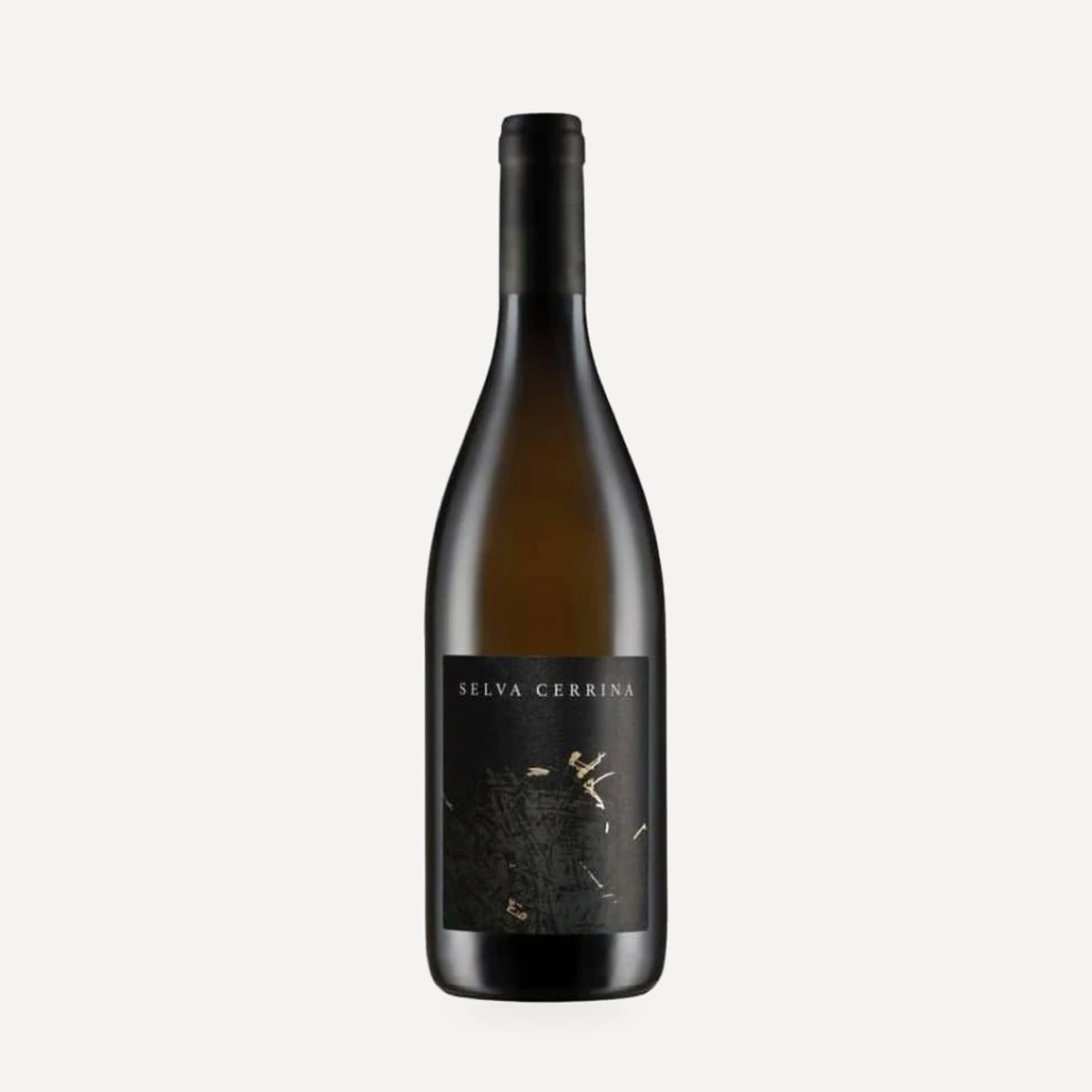
Selva Cerrina 2021
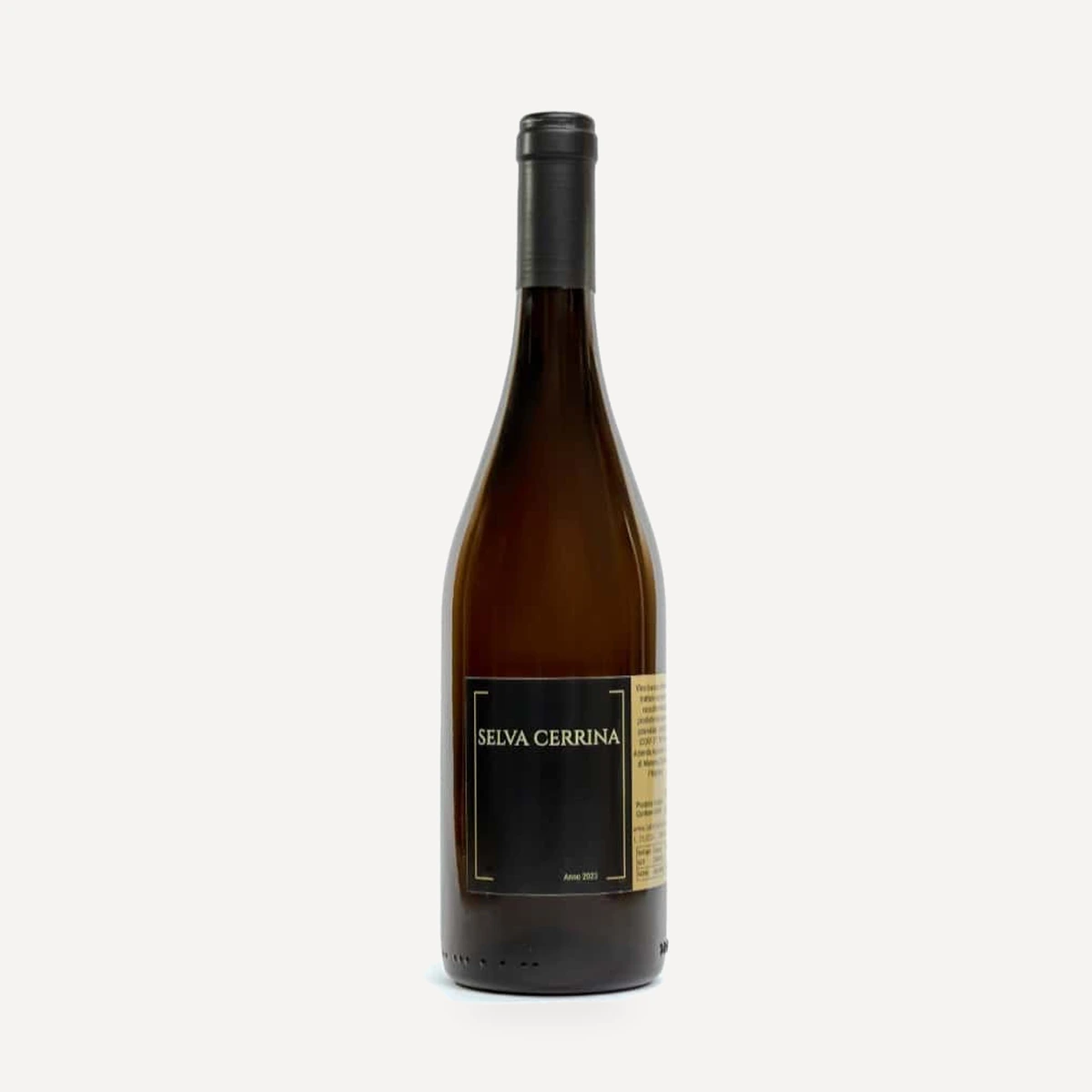
Selva Cerrina 2023 non filtrato