Storia
Foundation and early development
La Fiorita was founded in the early 1990s with a focus on Brunello di Montalcino. From the outset, the estate pursued aromatic complexity and longevity through Sangiovese grown across sites with differing soils, elevations, exposures and microclimates.
Roberto Cipresso subsequently served as wine consultant and co-owner. In the early 2000s, he was introduced to Natalie Oliveros, and they collaborated on a series of Italian wines under her Sogno label—the name means “dream.”
Natalie Oliveros and the change of ownership
In 2011, Cipresso separated from his business partners, giving Oliveros the opportunity to acquire his interest. Her arrival that year also marked the beginning of the estate’s conversion to organic viticulture. Working with business partner Louis Camilleri, she expanded the vineyard holdings and began reshaping the property’s production facilities.
An agreement initiated in 2014 set in motion Oliveros’s acquisition of the entire estate. That year also produced La Fiorita’s first Rosso di Montalcino vintage, made from the estate’s younger Sangiovese vines.
The 2015 Brunello marked a technical transition: it was the first vintage aged entirely in used French and Slavonian oak vessels of approximately 25–36 hl, without barriques, and the first credited entirely to consultant winemaker Maurizio Castelli. The estate began working with Castelli in 2016.
Organic certification and the new cantina
Construction of a new vinification and ageing cellar began in early 2018 on La Fiorita’s original site. The sharply designed building also incorporated local Tuscan architectural traditions and was arranged over two levels so that grapes and wine could move by gravity.
The cantina was completed and inaugurated for the 2019 harvest. The 2019 vintage was therefore the first made in the new cellar and the first released from organically certified vineyards. Organic certification was granted in 2019, eight years after conversion began.
New wines and the present team
In 2020, Oliveros introduced two wines bearing her personal imprint: Fiore di NO, a Brunello assembled from selected micro-parcels and produced only in suitable vintages, and Ninfalia, a Sangiovese rosato fermented and matured in an egg-shaped concrete vessel.
Oliveros now owns La Fiorita and leads a team comprising managing director Luigi Peroni, administrator Carlotta Ceciarini, winemaker and agronomist Vincenzo Pirrone, and vineyard-machinery and warehouse specialists Emanuele Neri and Federico Bellugi. The estate continues to vinify vineyard selections separately, using their differences to construct precise Brunello blends while retaining the identity of each vintage.
Terroir
La Fiorita’s vineyards lie in Montalcino, around Castelnuovo dell’Abate, and occupy distinct sectors with materially different soils, elevations, exposures and microclimates. The present vineyard description identifies five production zones covering 10 ha: La Fiorita, Pian Bossolino, Giardinello, Collesorbo and Osteriaccia.
The documented elevation range extends from approximately 220 m at Collesorbo to 360 m at Pian Bossolino. Collesorbo faces south and has calcareous red and grey clay. Pian Bossolino faces southeast and combines clay loam with galestro, calcareous material and siltstone. Giardinello lies around 280 m and has sandy clay-loam soils. Osteriaccia is at approximately 310 m, faces south and has sandy clay. Estate Sangiovese soils are collectively described as clay loam, sandy clay and calcareous formations.
These variations allow individual sections to reach maturity at different times. Harvest dates are therefore chosen block by block, and the selections are vinified separately before blending. For the principal reds, picking generally falls between the final ten days of September and the first ten days of October, although warmer, lower sites can be harvested earlier. The contrasting parcels are used to balance texture, aromatic character, freshness and vintage expression in the final Brunello blends.
Vinificazione
Organic conversion began in 2011 and certification was granted in 2019. Sangiovese is cultivated across sites that differ in soil, altitude, exposure and microclimate.
Spurred cordon is used at Collesorbo and Pian Bossolino, while Giardinello and Osteriaccia include Guyot-trained vines. Recent parcel data give a density of approximately 6,500 plants per hectare; the broader historical vineyard description gives averages between 6,000 and 7,000 plants per hectare. Estate-wide yield is approximately 6,000 kg/ha. Recent individual selections range from about 0.8 to 1 kg of grapes per vine.
Maturity is followed parcel by parcel rather than through a single estate-wide picking date. Individual vineyard sections may be harvested at different moments and vinified separately. The main Sangiovese harvest generally begins during the last ten days of September and continues into the first ten days of October, while grapes intended for Ninfalia are picked earlier, generally in mid-September. Recent examples show Collesorbo beginning in early September, Giardinello being picked in several passes during September, Osteriaccia later in September and Pian Bossolino around the end of September or beginning of October.
The cantina stands on La Fiorita’s original estate site and was completed for the 2019 harvest. Its two-level layout permits gravity-fed movement through vinification and ageing. Vineyard blocks are picked and fermented separately so that their differing soils, elevations, exposures and maturity profiles can be evaluated before blending.
For the current Brunello program, alcoholic fermentation takes place in 50–70 hl concrete or cement tanks, with the must kept at a maximum of approximately 24–25°C. Indigenous yeasts are used in recent vintages. Skin contact generally lasts 14–20 days, reaching 30 days for recent Pian Bossolino Riserva lots. Pump-overs and délestage manage extraction during fermentation and maceration, a response to Sangiovese’s relatively low concentration of anthocyanins.
Brunello is matured in large oak botti rather than small new barriques. Recent vessels range from 26 to 52 hl, while the broader cellar description includes 25, 35 and 50 hl French and Slavonian oak casks. The 2015 vintage marked the first complete move to used 25–36 hl French and Slavonian vessels without barriques. Earlier protocols had included 5 hl French oak and large Slavonian oak.
Ageing varies by wine and vintage. The 2021 Brunello spent 36 months in wood followed by four months in concrete before bottling. The 2020 single-vineyard Riserva followed the same 36 months in wood and four months in cement, then received 20 months in bottle before release. The estate’s broader protocol describes a return to concrete for several months after 24–30 months in oak, followed by two years in bottle.
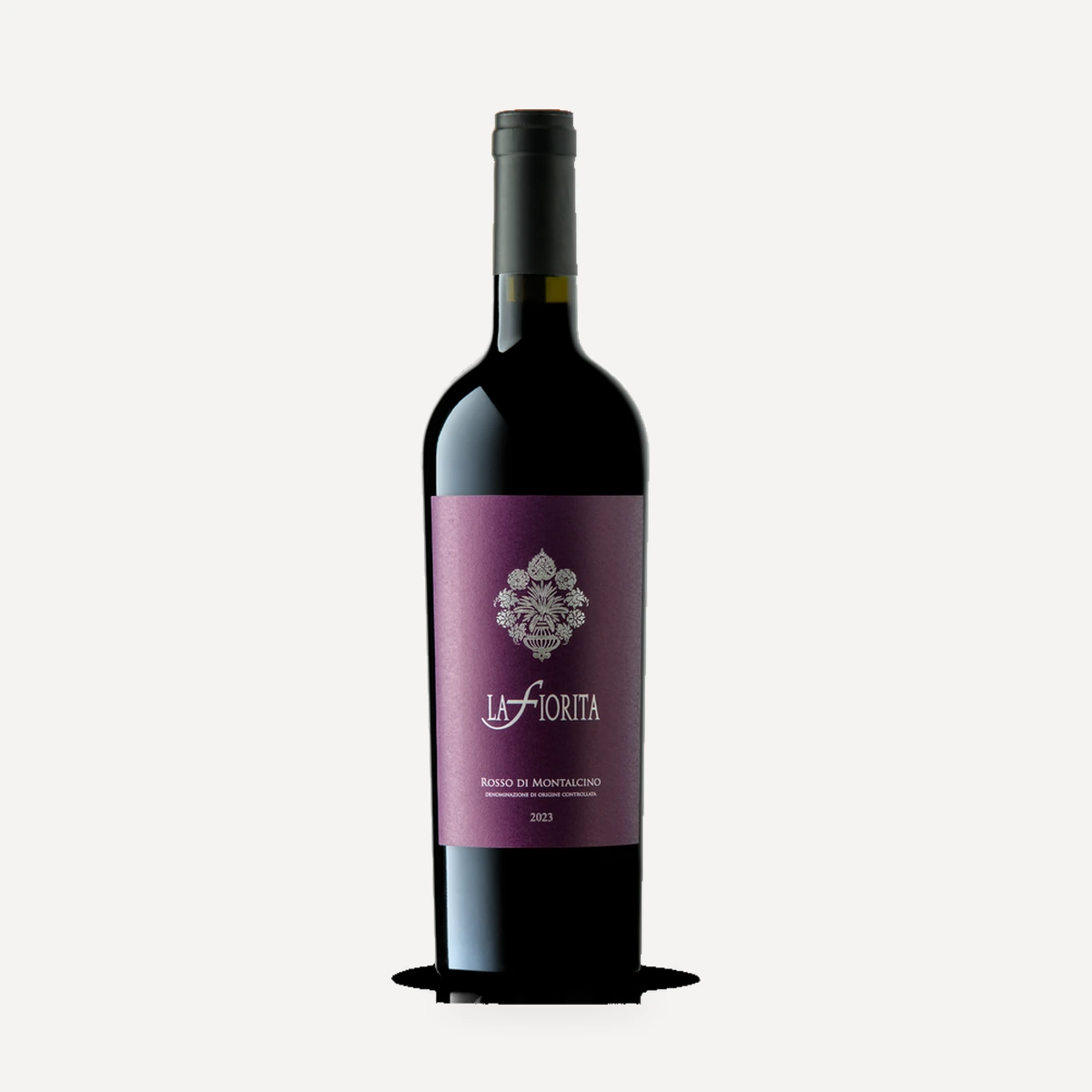
Rosso di Montalcino is also fermented in concrete with indigenous yeasts; the 2023 vintage underwent a 20-day fermentation and maceration with délestage. Its maturation included large French-oak botti and concrete, while the range description presents it as a wine released after approximately 20 months.
Ninfalia follows a distinct process. Early-picked Sangiovese supplies free-run juice without pressing or skin maceration. Fermentation proceeds at approximately 16°C with native yeasts, and the wine remains for about six months in an egg-shaped concrete vessel to develop its polysaccharide-derived texture; the overall vinification and maturation cycle is approximately seven months.
Filosofia
La Fiorita seeks to express Sangiovese through the contrasts among Montalcino’s soils, elevations, exposures and microclimates. Its approach treats separate vineyard extractions as components of a precise blend: each block is harvested and vinified independently, then combined in a way intended to preserve both harmony and the character of the vintage.
The estate frames longevity, aromatic complexity and freshness as central objectives for Brunello. Natalie Oliveros describes her role as “tailoring” wines to reveal different facets of Sangiovese while respecting the Brunello di Montalcino denomination. Fiore di NO applies that idea to selected micro-parcels and is made only in suitable vintages; the Riserva isolates a single vineyard.
Organic viticulture, gravity-fed cellar design, concrete fermentation, indigenous yeasts and large-format oak support a low-compromise translation from vineyard to bottle. The cellar combines traditional materials and extended ageing with controlled concrete vinification and a modern gravity-flow layout. Vintage differences are retained through flexible harvest dates, separate fermentations and blends that change according to the performance of each parcel.
Vini
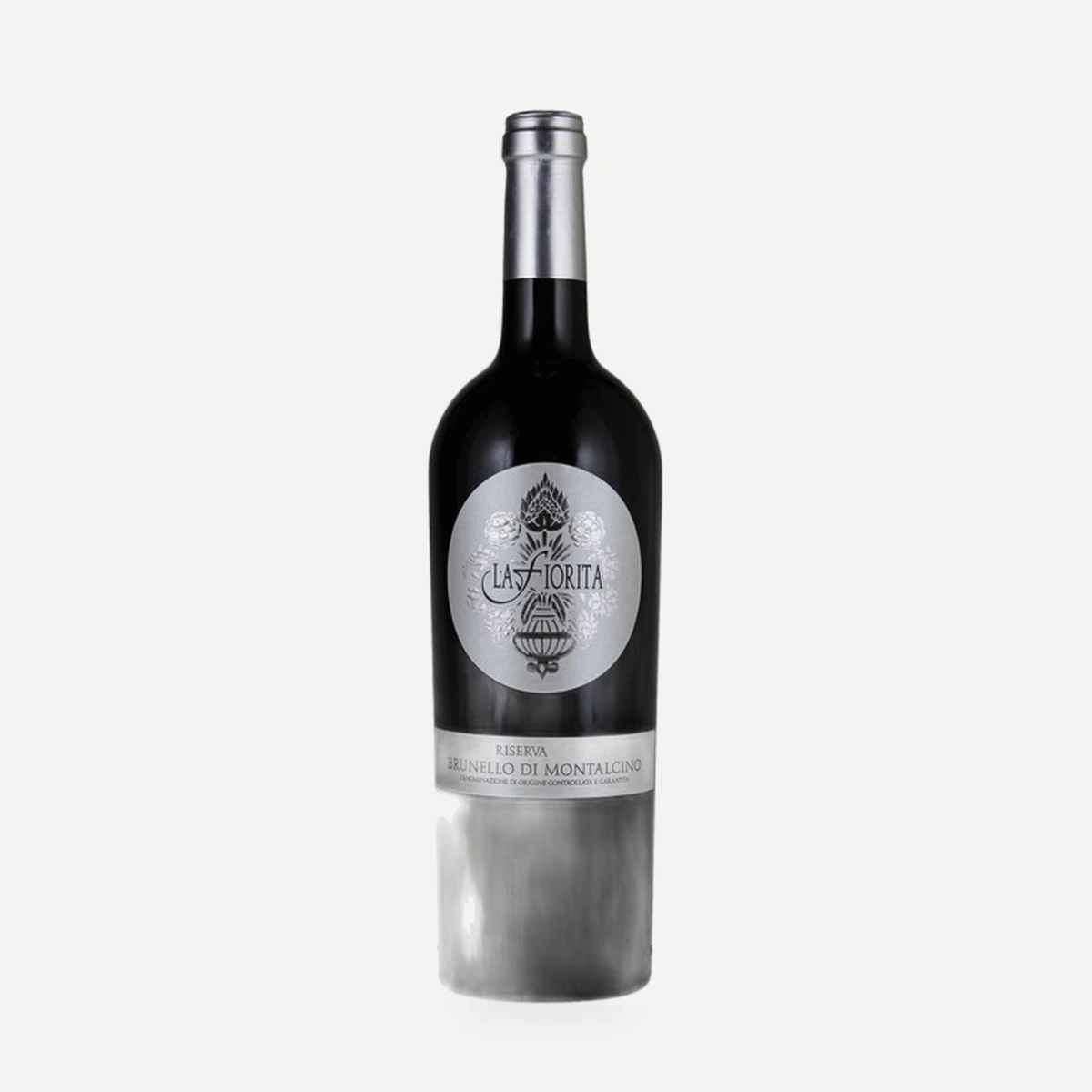
Brunello di Montalcino Riserva DOCG
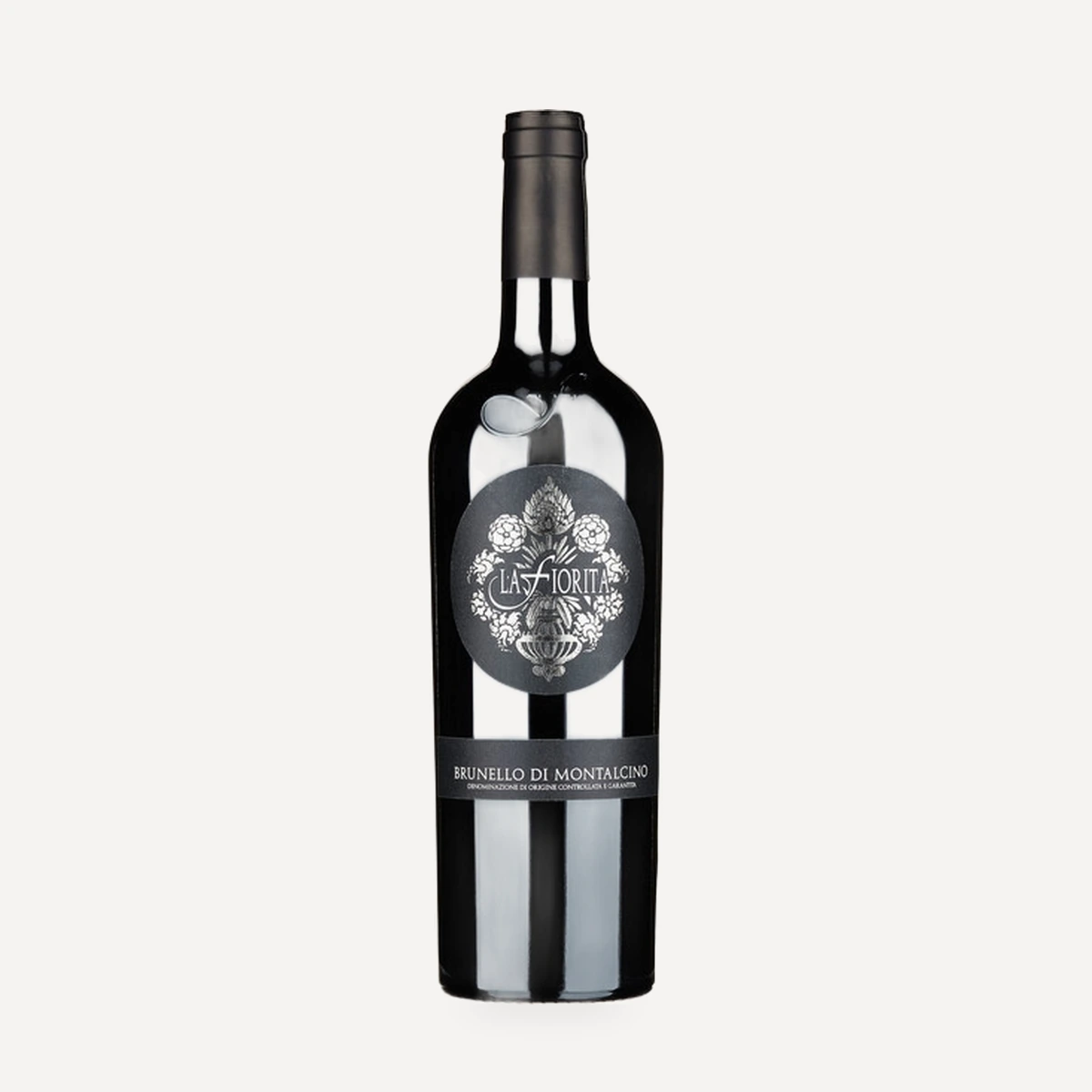
Brunello di Montalcino DOCG
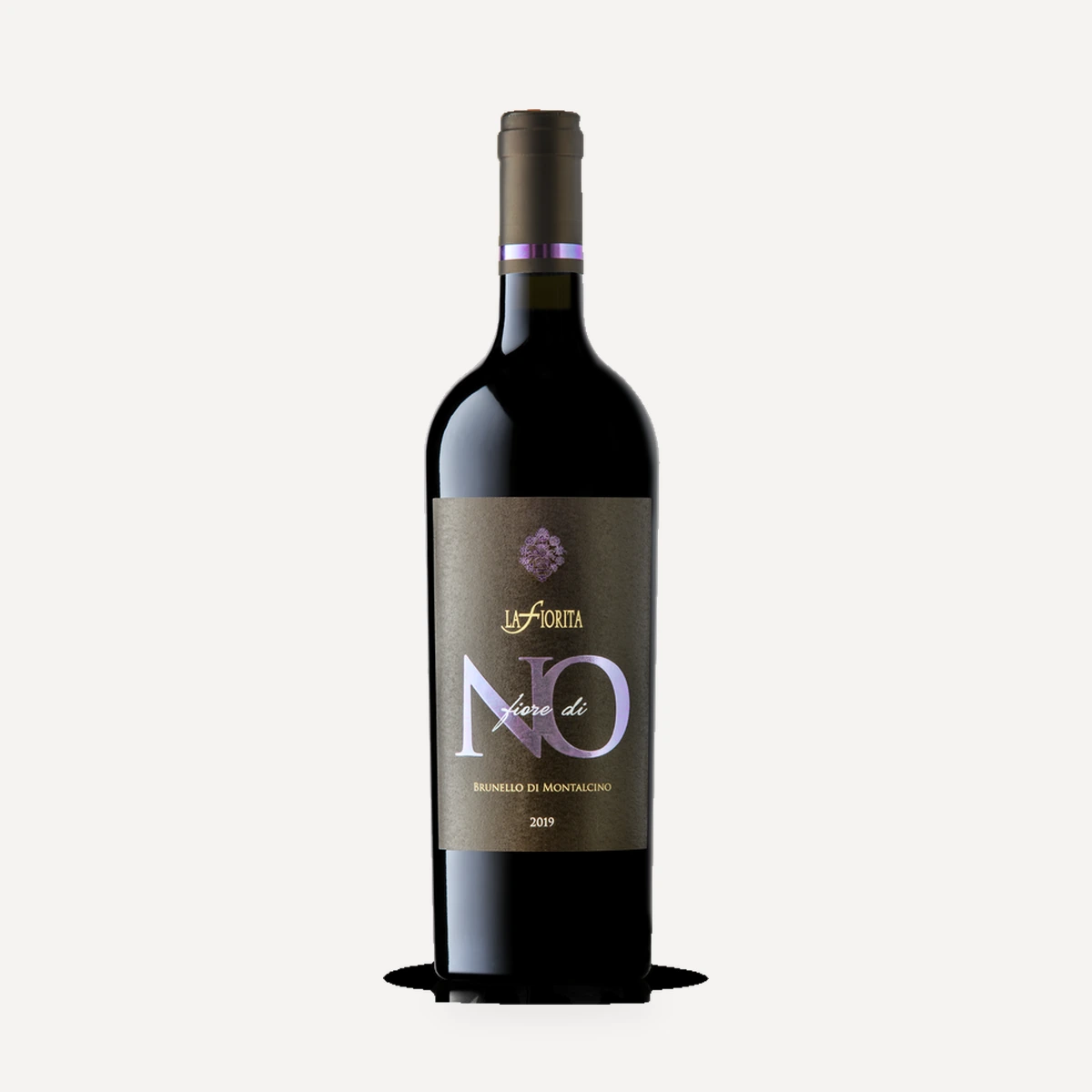
Fiore di NO
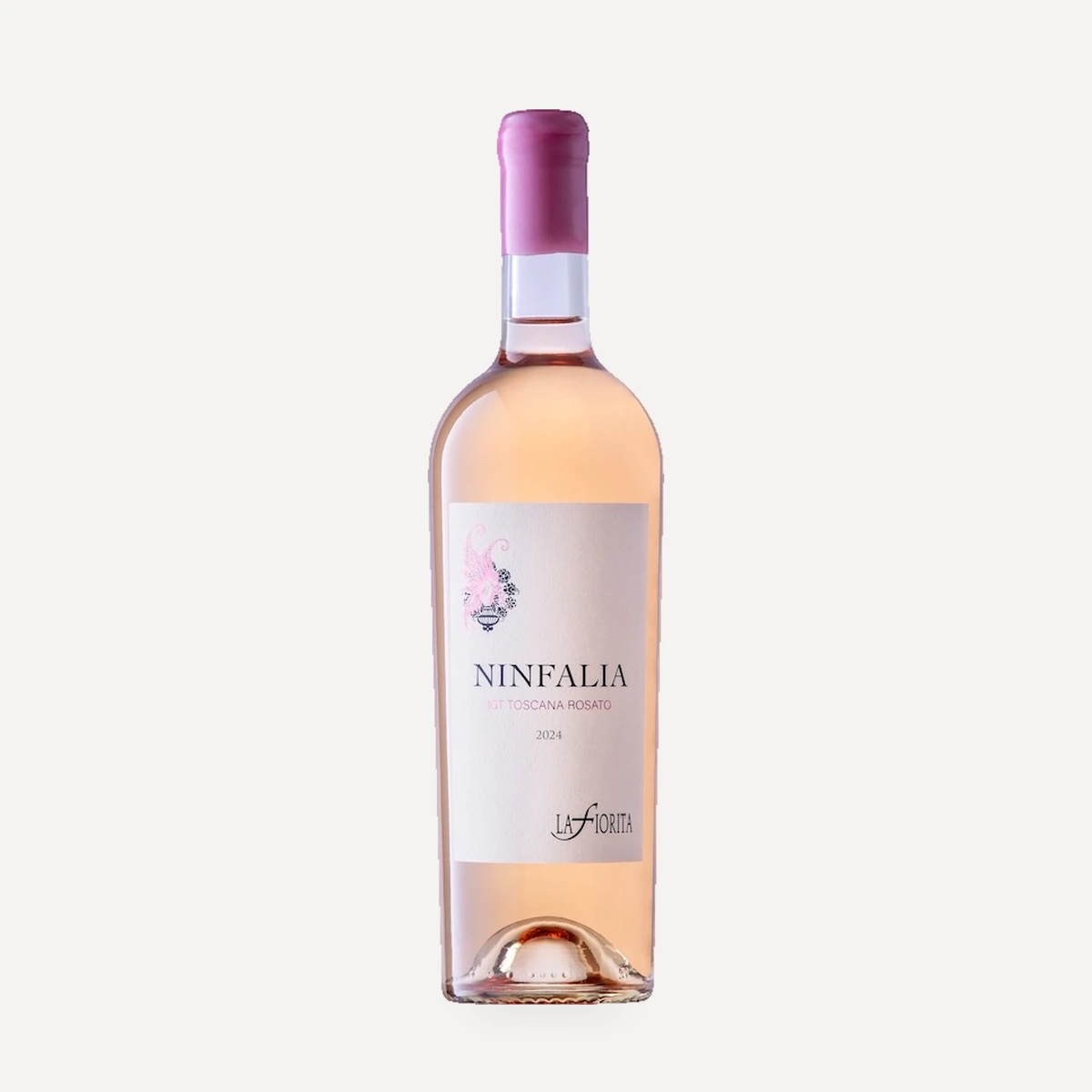
Ninfalia