Storia
Childhood inspiration
Fabrizio Zanfi’s desire to make wine dates to childhood. At seven or eight years old, he watched his father unload crates of grapes from the roof rack of the family car. The grapes were crushed in the garage of a farmer who had moved to the city, producing Lambrusco for relatives and friends. The memory established a lasting connection between wine, farming and family life.
Acquisition of La Mercareccia
Many years later, Zanfi bought the La Mercareccia farm. He saw the acquisition as an opportunity to return to farming and embraced the work with enthusiasm.
A working winegrower
Harvest after harvest, Zanfi came to regard himself as a winegrower through direct involvement in pruning, grape harvesting and vinification. His father remained involved in farm life at the age of 92, helping with the olive harvest and marking the occasion by baking bread according to an old family practice.
La Mercareccia now combines three hectares of organically farmed vines with two hectares of olive groves. Its small-scale production encompasses wine and extra-virgin olive oil.
Terroir
La Mercareccia lies at Via di Pereta in Casale Marittimo, in the province of Pisa, on Tuscany’s Tyrrhenian coast. The property is eight kilometres from the sea, and the vineyards surround the farmhouse.
The soils consist of yellow sandstone rich in fossil shells, evidence of their ancient marine origin. Maritime proximity is associated with a laurel-like expression in Sangiovese, while Syrah benefits from Mediterranean sunlight and expresses changing combinations of fruit and spice from one season to another. Ciliegiolo contributes colour and structure.
Seasonal conditions alternate between rainfall and periods of dry heat. These variations are treated as an integral part of each vintage rather than something to be erased through standardisation.
A Vermentino planting of less than one hectare faces east. Its position on the Tuscan coast forms the setting for Albachiara, the estate’s pure Vermentino bottling.
Vinificazione
The estate farms three hectares of vines organically. Sangiovese, Syrah and Ciliegiolo are trained to spur-pruned cordon at a density of 6,000 vines per hectare; Vermentino occupies a separate east-facing area of less than one hectare.
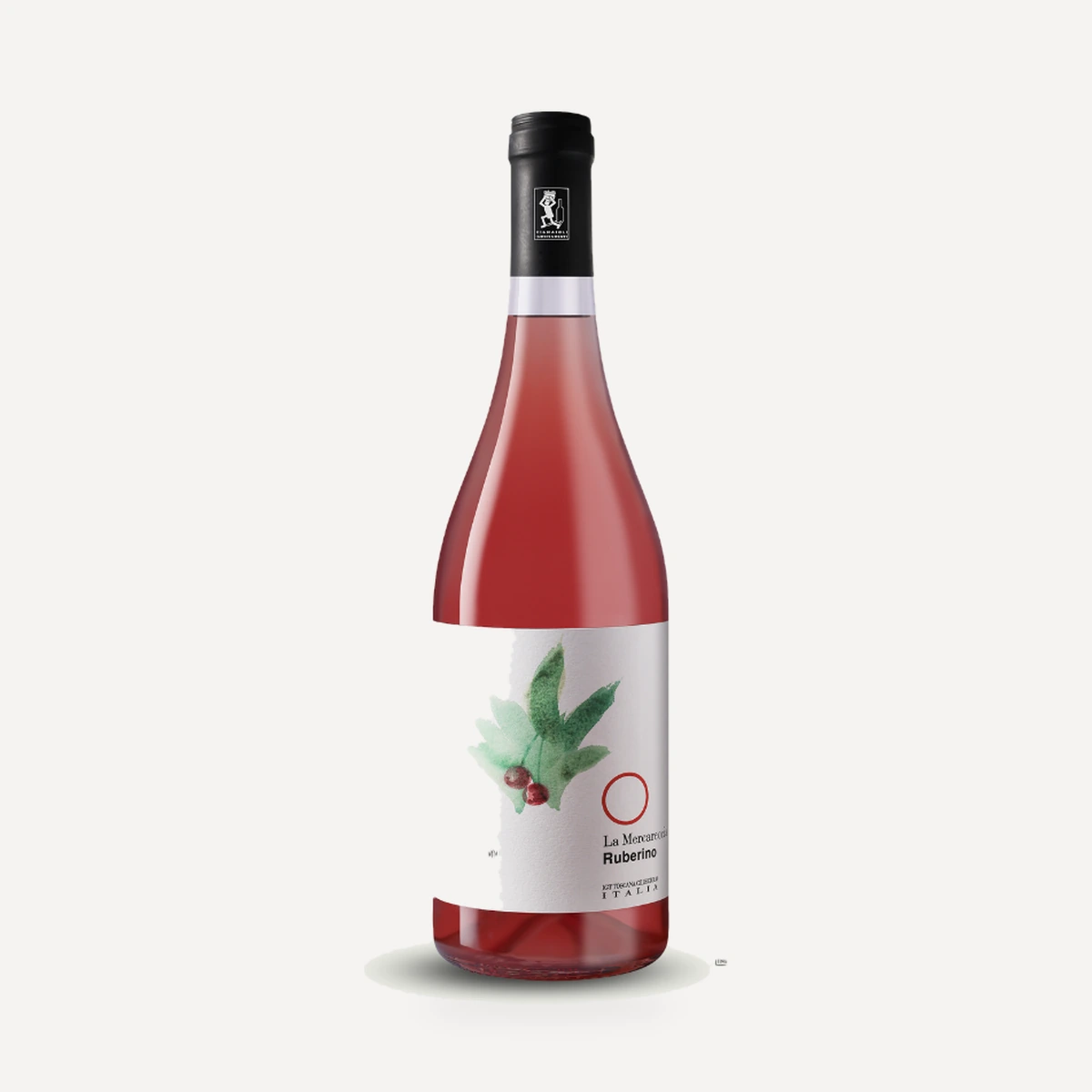
Fabrizio Zanfi takes part personally in pruning and harvesting. Grapes for the estate’s principal red and rosé bottlings are harvested by hand. Some lots are picked into 15 kg crates, while the rosé harvest is deliberately early to retain acidity and moderate potential alcohol.
Seasonal adaptation is central to the work. Zanfi calls this the “science of the vintage”: adjusting decisions to each year’s particular sequence of rainfall and drought-related heat rather than pursuing an identical result in every season.
La Mercareccia works on a small scale and uses what Fabrizio Zanfi considers only the necessary level of technology. He describes the wines as “natural,” made from organic grapes through simple processing, with the course of each season allowed to remain perceptible.
Cellar practice varies by bottling. Fermentations are spontaneous and proceed without added yeast. Red-wine lots may ferment in 1,000-litre vats or stainless-steel tanks, generally without temperature control. Some reds remain in contact with their skins for 15 days and receive daily pump-overs. After draining, gentle pressing may be followed by malolactic fermentation either in stainless steel or in second-use French oak barriques.
Ageing choices include stainless-steel tanks and second-use barriques. The longer-aged red bottlings can spend 18 months in second-use French oak. The rosé is principally made by direct pressing of whole bunches, followed by spontaneous fermentation and four months on fine lees. Ciliegiolo is also used for a directly pressed wine made from freshly destemmed bunches with minimal intervention. Vermentino is fermented in stainless steel without additions.
The overall approach is deliberately responsive rather than formulaic: vineyard conditions determine the work, and vintage variation is retained in the finished wines.
Filosofia
Fabrizio Zanfi’s philosophy begins with direct agricultural work: pruning, harvesting and vinifying are the activities through which he defines himself as a winegrower. His guiding phrase is that he supplies the work while time does the rest.
He describes his approach as the “science of the vintage”—the ability to adapt vineyard and cellar decisions to the season’s alternating rain and drought-related heat. The objective is not to reproduce the same flavour profile every year, but to allow wines to follow the changing character of their harvest.
Zanfi characterises the wines as “natural,” based on organic grapes and simple processing. He favours minimal intervention and restrained use of technology, seeking wines with a distinct identity rather than what he calls standardised or “barcode” wines. Respect for the characteristics of the place also governs the estate’s small production of wine and olive oil.
Vini
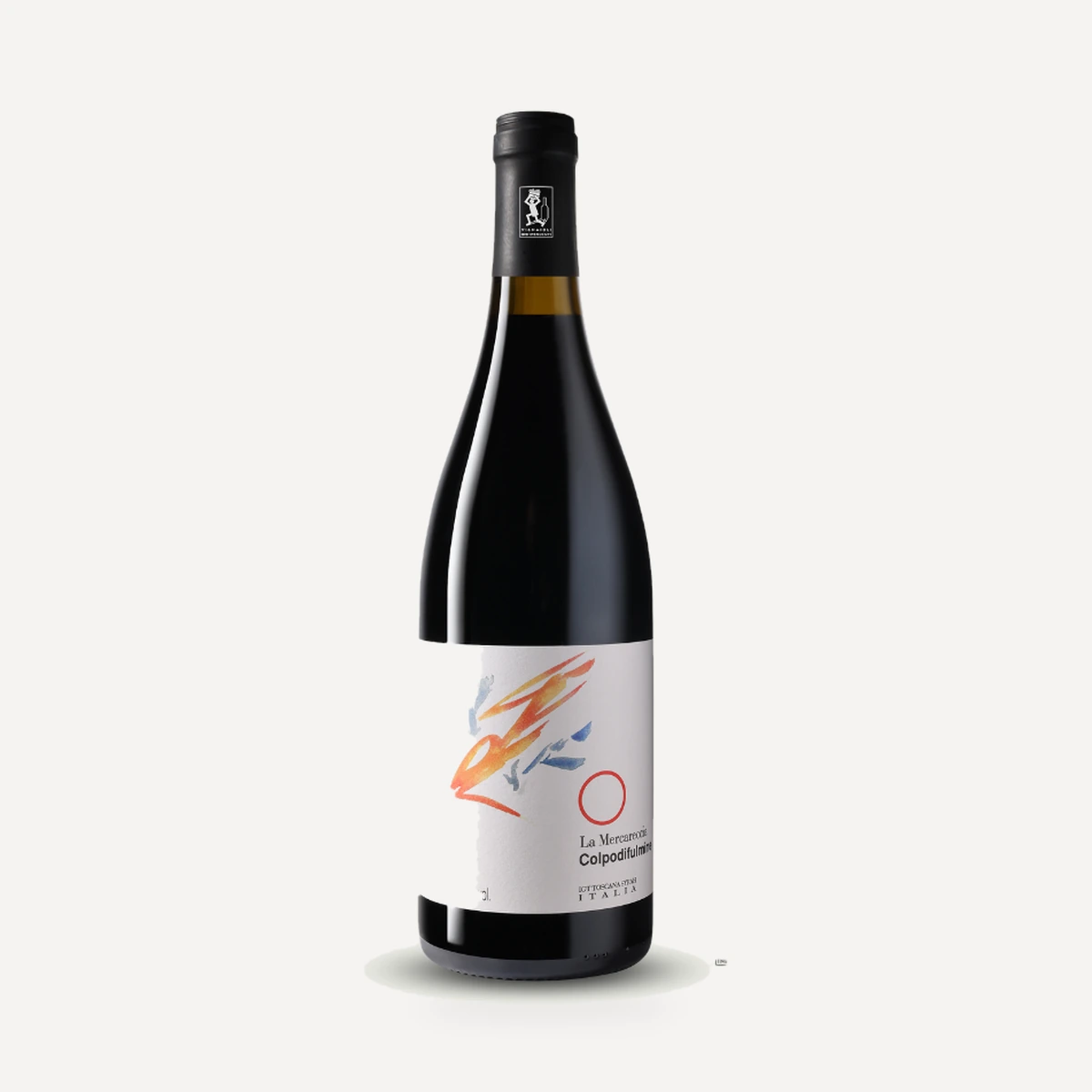
Colpodifulmine IGT
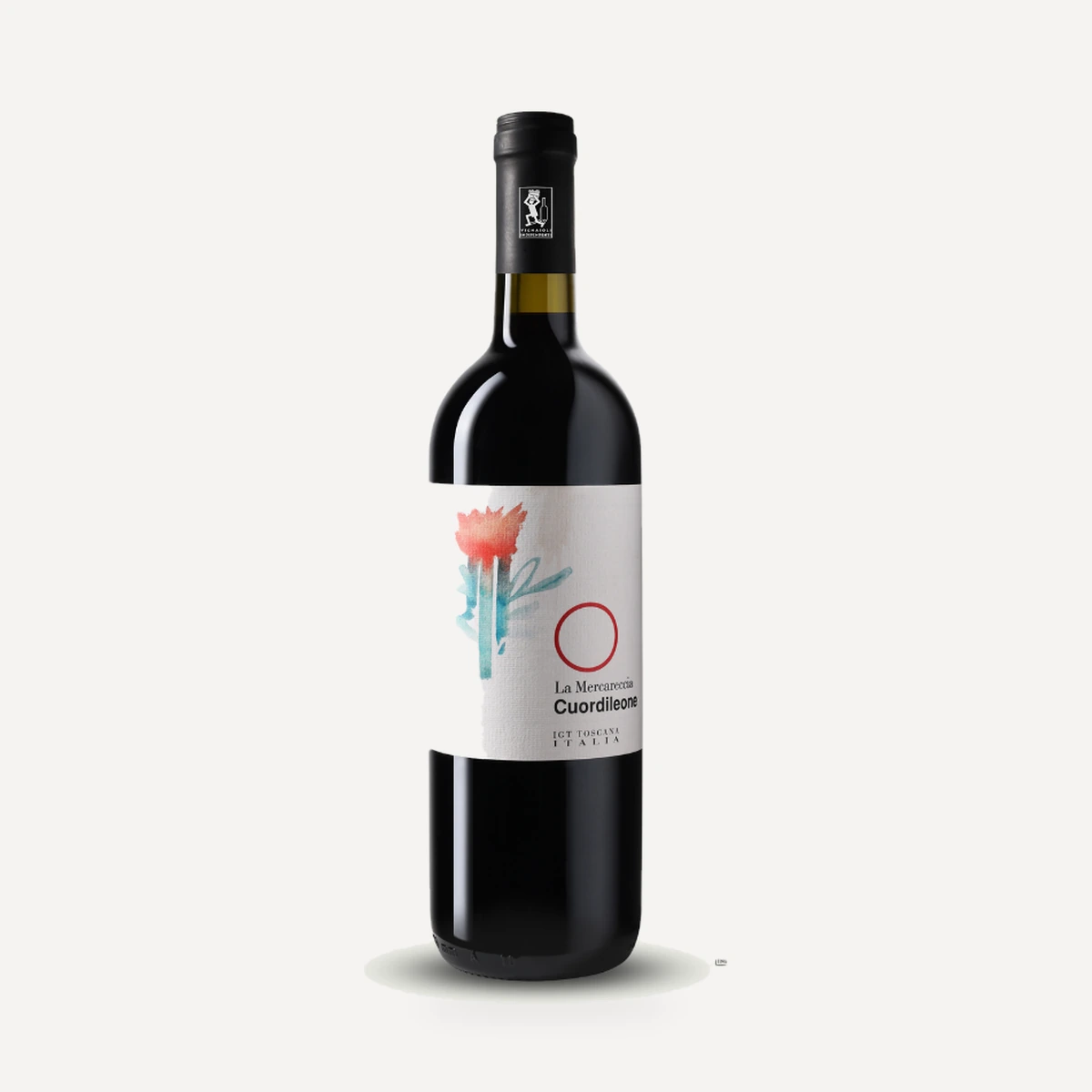
Cuordileone IGT Toscana
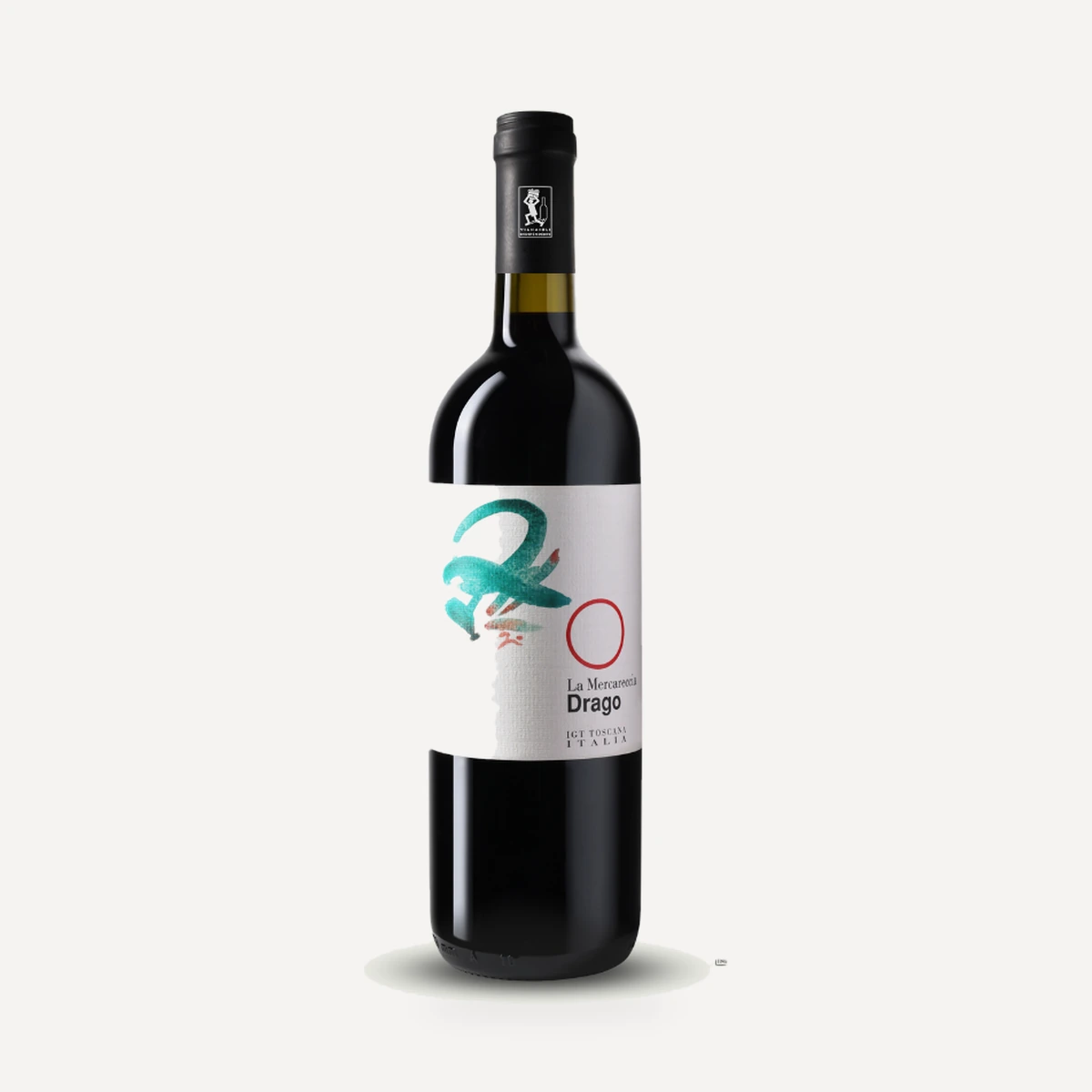
Drago IGT Toscana
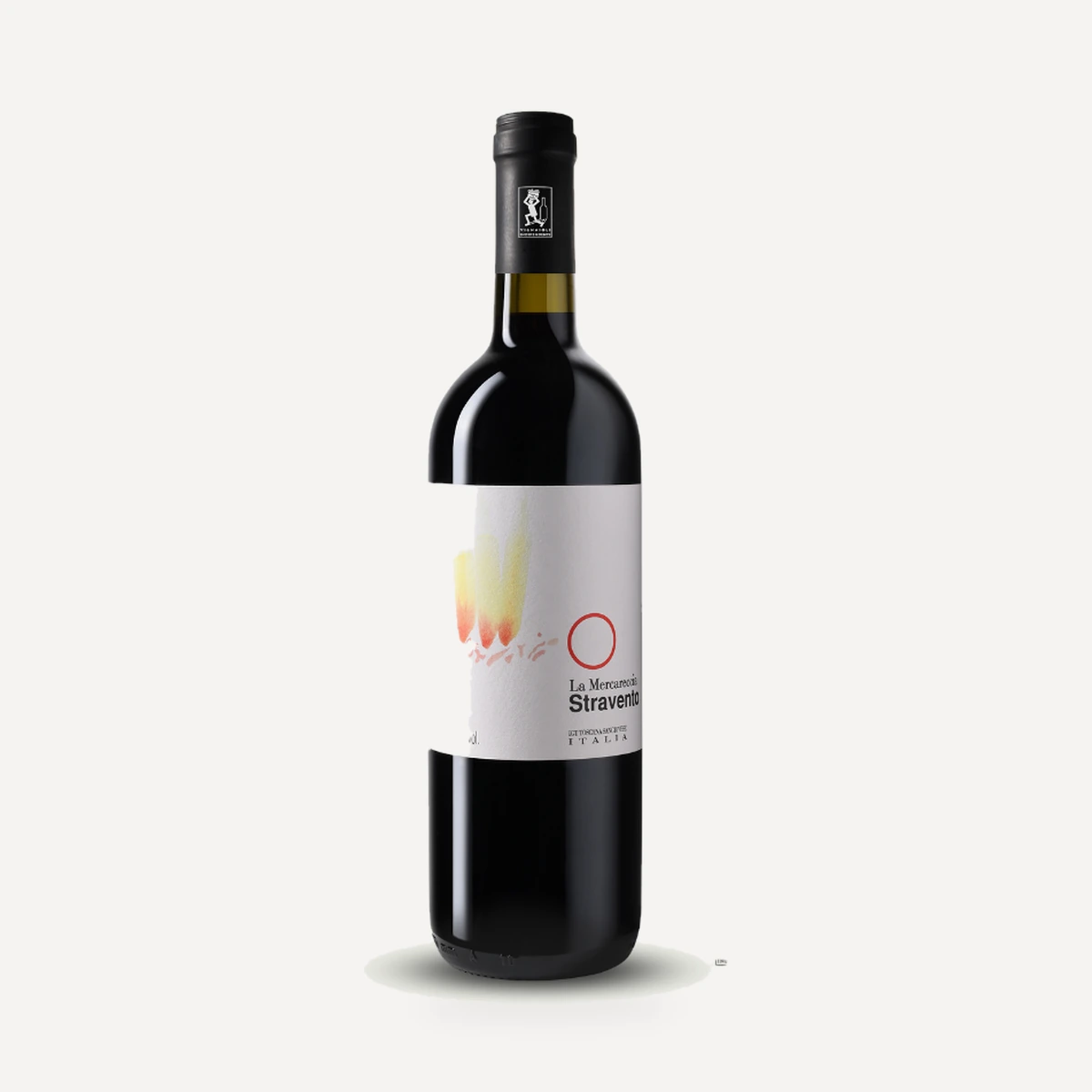
Stravento IGT Toscana
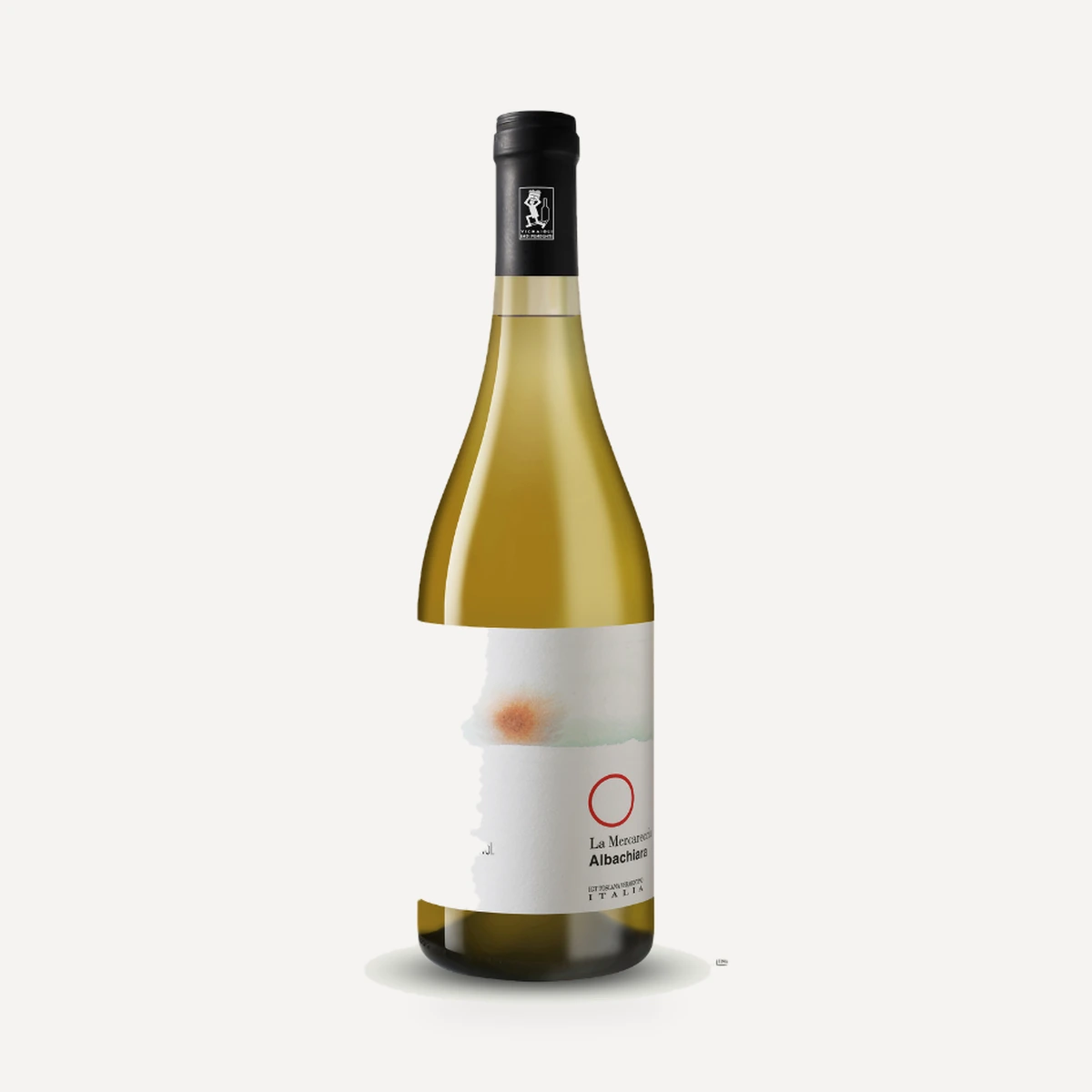
Albachiara IGT Toscana Vermentino