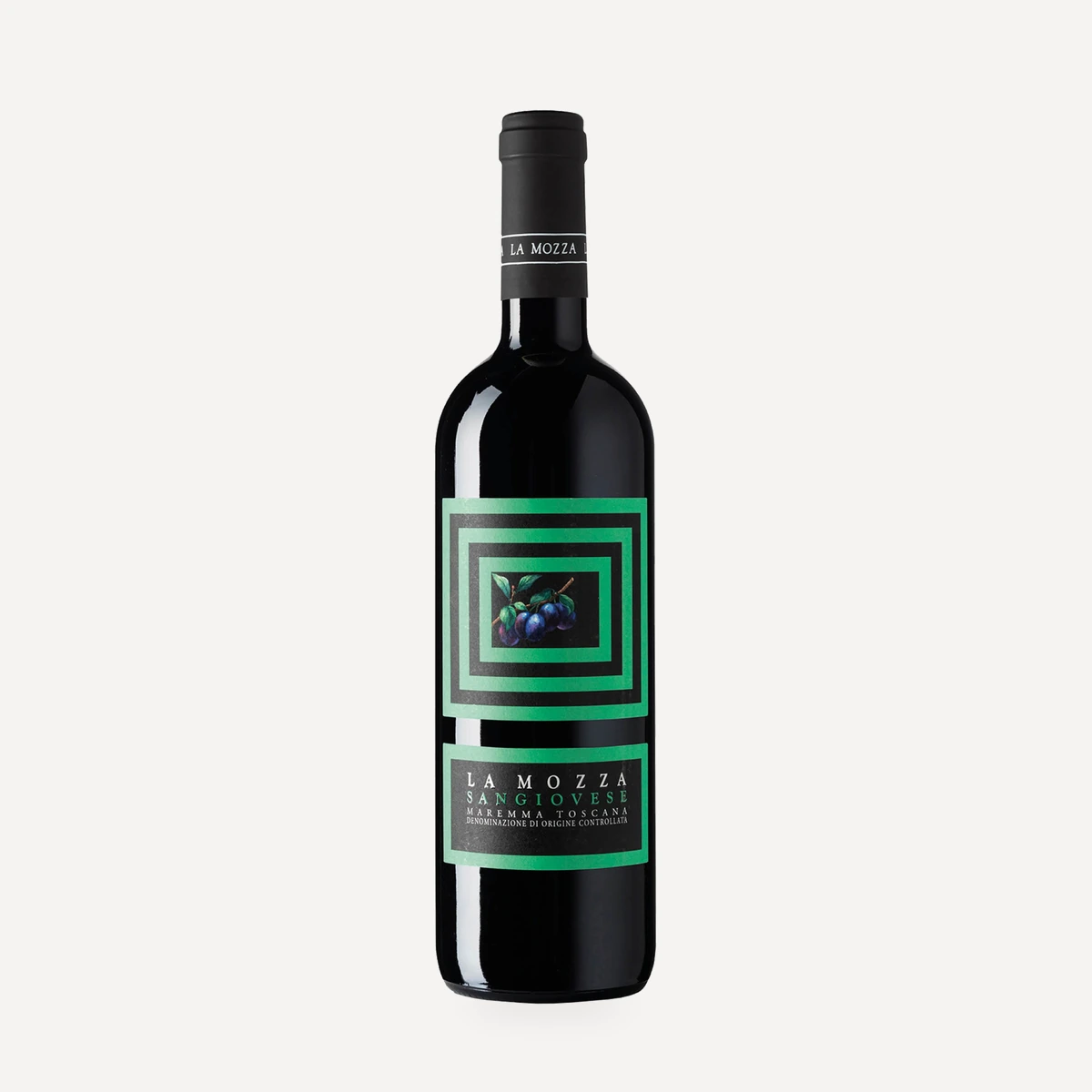
Chi è
La Mozza is a winery in Tuscany, Italy.
History, winemaking, wines and news for this producer are being prepared. Meanwhile, visit the official website.
Terroir
Setting
La Mozza lies in Maremma, within the municipality of Magliano in Toscana. Its vineyards are associated more specifically with Montiano. The 36-hectare property includes 16 hectares under vine and is surrounded by pasture, arable fields and woodland. The landscape retains a notably wild character, with numerous free-ranging animals.
Climate
The growing area has a dry climate, intense sunlight, constant breezes and limited rainfall. Sun reaches the grapes from early morning through sunset, supporting full ripening and concentrated fruit. These conditions are suited to Sangiovese and to a broader Mediterranean assortment that includes Syrah, Alicante, Carignano, Mammolo and Ciliegiolo. Sangiovese retains its acidic profile while developing pronounced fruit concentration and colour.
Elevation and soils
Vineyards supplying most of the range are at approximately 300 metres above sea level, while Cabernet Sauvignon is associated with a site at approximately 280 metres. Two soil profiles are identified: medium-textured soils rich in sandstone and calcareous schist, and sandy, calcareous and clay-rich soils over a sandstone subsoil.
Vinificazione
The vineyards were established and managed to balance maximum quality with appropriate production. Planting density varies by site: some vineyards are densely planted, while old-vine areas can be more widely spaced. The vines are continuously tended and monitored, and cultivation is directed toward deliberately limited yields and greater fruit concentration.
Old vines are preserved for the distinctive finesse and elegance associated with their fruit. Guyot is the identified training system. Reported planting densities are 6,060 vines/ha for most selections and 5,000 vines/ha for Cabernet Sauvignon. Reported yields range from approximately 6 to 7 t/ha.
Fruit is selected in the vineyard and harvested by hand in crates, generally during the cooler hours of the day or early morning. Varieties destined for a blend may be harvested separately.
Environmental management is framed around awareness of the impact of both vineyard and cellar activity. Vineyard cultivation and cellar work are intended to safeguard local biodiversity, improve the estate’s environmental resources and protect consumer health. Sangiovese, Ciliegiolo and Morellino di Scansano are presented as organic wines.
Harvest and reception
Fruit is allowed to ripen fully and is selected in the vineyard. Harvesting is performed by hand in crates, commonly during the coolest part of the day or in the early morning. The grapes are destemmed and crushed before fermentation.
Fermentation and extraction
Temperature-controlled stainless-steel tanks are central to production. Depending on the program, fermentation may also involve open, vertically positioned 500-litre tonneaux. Indigenous yeasts and spontaneous fermentation are identified for the tonneaux-fermented approach. Fermentation temperatures are gradually allowed or encouraged to rise, with stated maxima ranging from 28 to 30°C.
Skin contact varies across the range. Current technical programs describe periods of approximately 15 to 30 days. Extraction is managed through short daily pump-overs, manual punch-downs and déléstage. In the latter operation, must is temporarily separated from the skins before being returned over the cap.
Malolactic fermentation and maturation
Malolactic fermentation generally takes place in stainless steel, although used barriques are employed for the Cabernet Sauvignon maturation program. The available élevage options include stainless steel, stainless steel with fine-lees contact, large 40-hl Slavonian oak casks, French oak tonneaux and used barriques.
The long French-oak program uses first- and second-passage tonneaux for approximately 18 months. Stainless-steel maturation on fine lees lasts approximately 10 months in one program. Another divides maturation between large Slavonian oak and stainless steel, including an approximately 10-month fine-lees period. Cabernet Sauvignon completes malolactic fermentation and matures in used barriques for 8–10 months.
Blending, racking or decanting as appropriate, stabilization and bottling follow maturation. Several wines are bottled during the summer after harvest; longer-matured selections are assembled and bottled after their extended élevage.
Filosofia
Maremma and the Mediterranean
La Mozza’s identity is built around the combination of Tuscany, the Tyrrhenian setting, Sangiovese and Mediterranean grape varieties. The estate seeks wines that express their Maremma origin while interpreting its own grapes with an outward-looking, international perspective.
Balance rather than spectacle
The intended style combines complexity and structure with balance, integrity, elegance and finesse. Territorial character and the ability to develop over time are central goals. The philosophy explicitly rejects conspicuous modern “special effects” in favour of what it describes as qualitative beauty.
Vineyard priorities
Planting patterns and vineyard work are designed around the relationship between quality and production rather than maximum volume. Dense plantings, close monitoring, controlled yields and the preservation of old vines all serve this objective.
Environmental responsibility
Daily production decisions are intended to respect the surrounding natural conditions. Environmental and health-related projects, careful cultivation and responsible cellar practices form part of a continuing effort to protect biodiversity, strengthen the estate’s environmental resources and consider the health of the final consumer.
Vini
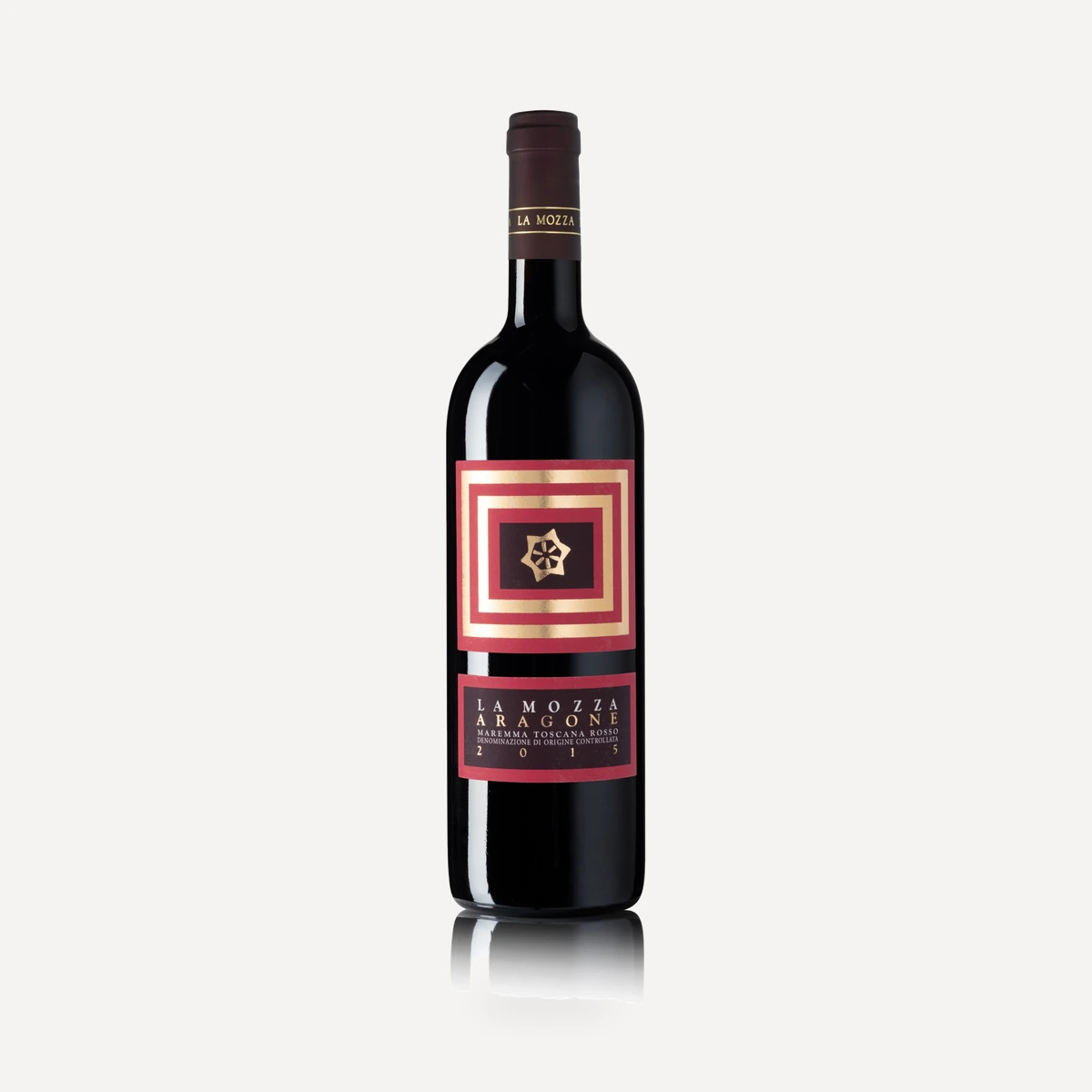
Aragone
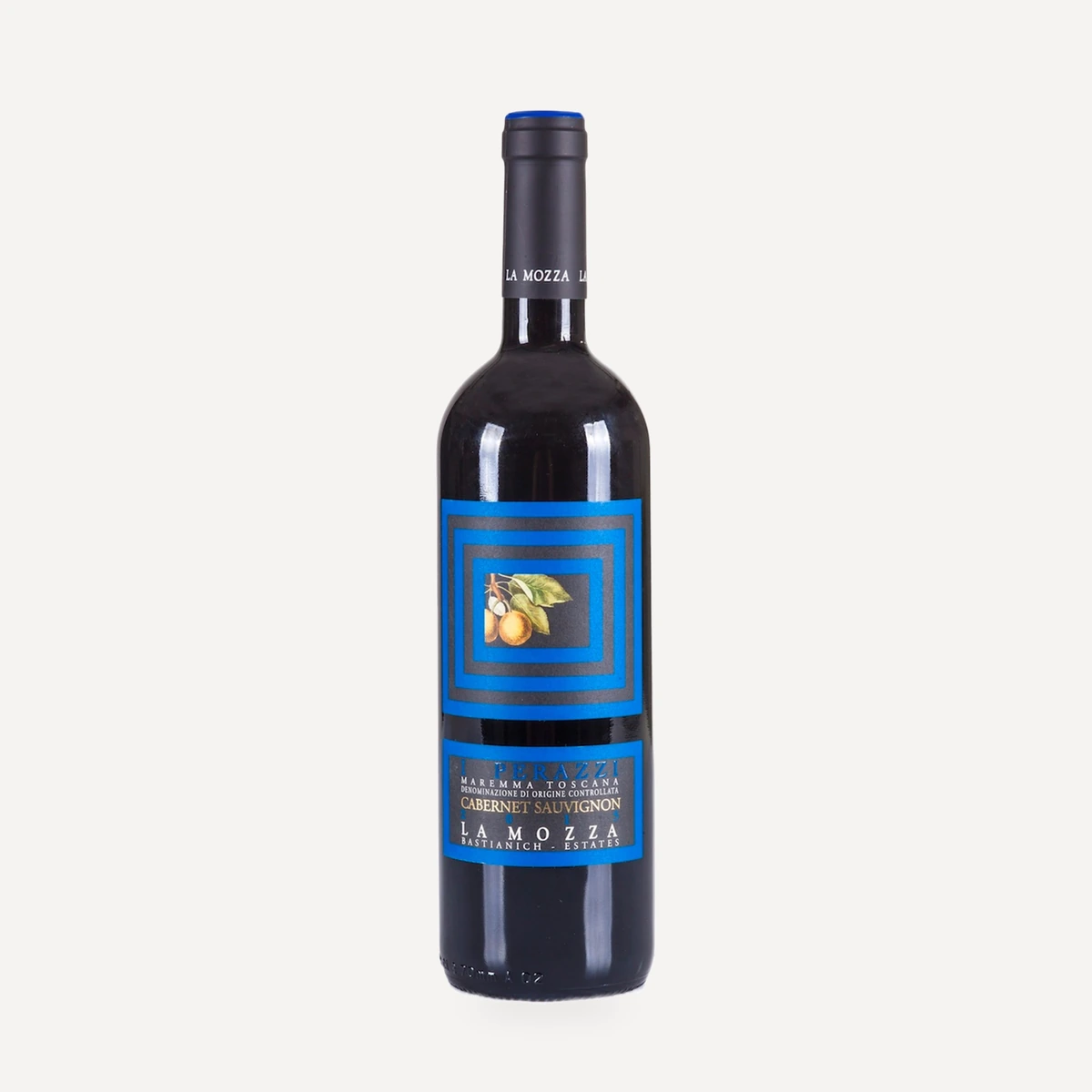
Cabernet Sauvignon
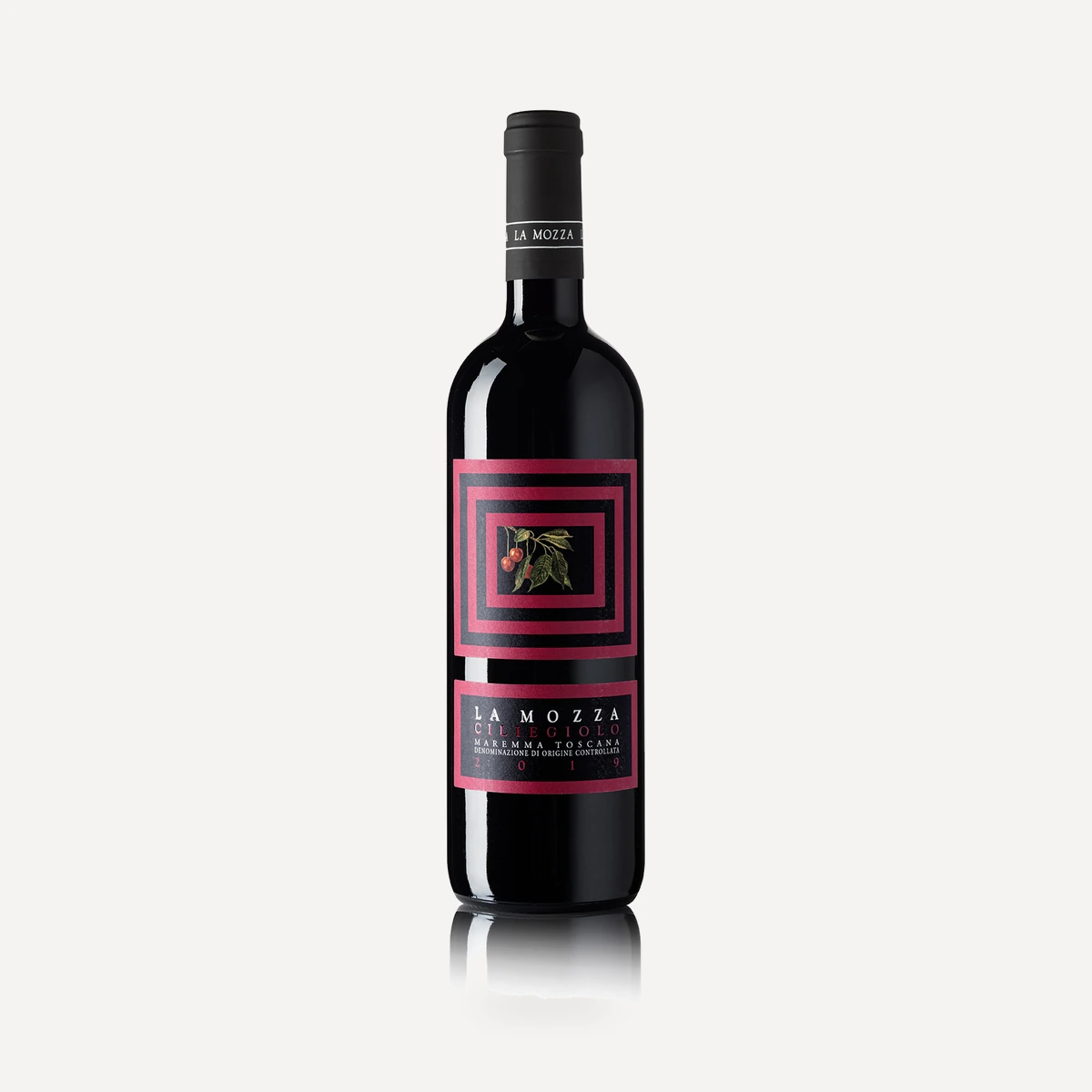
Ciliegiolo Biologico
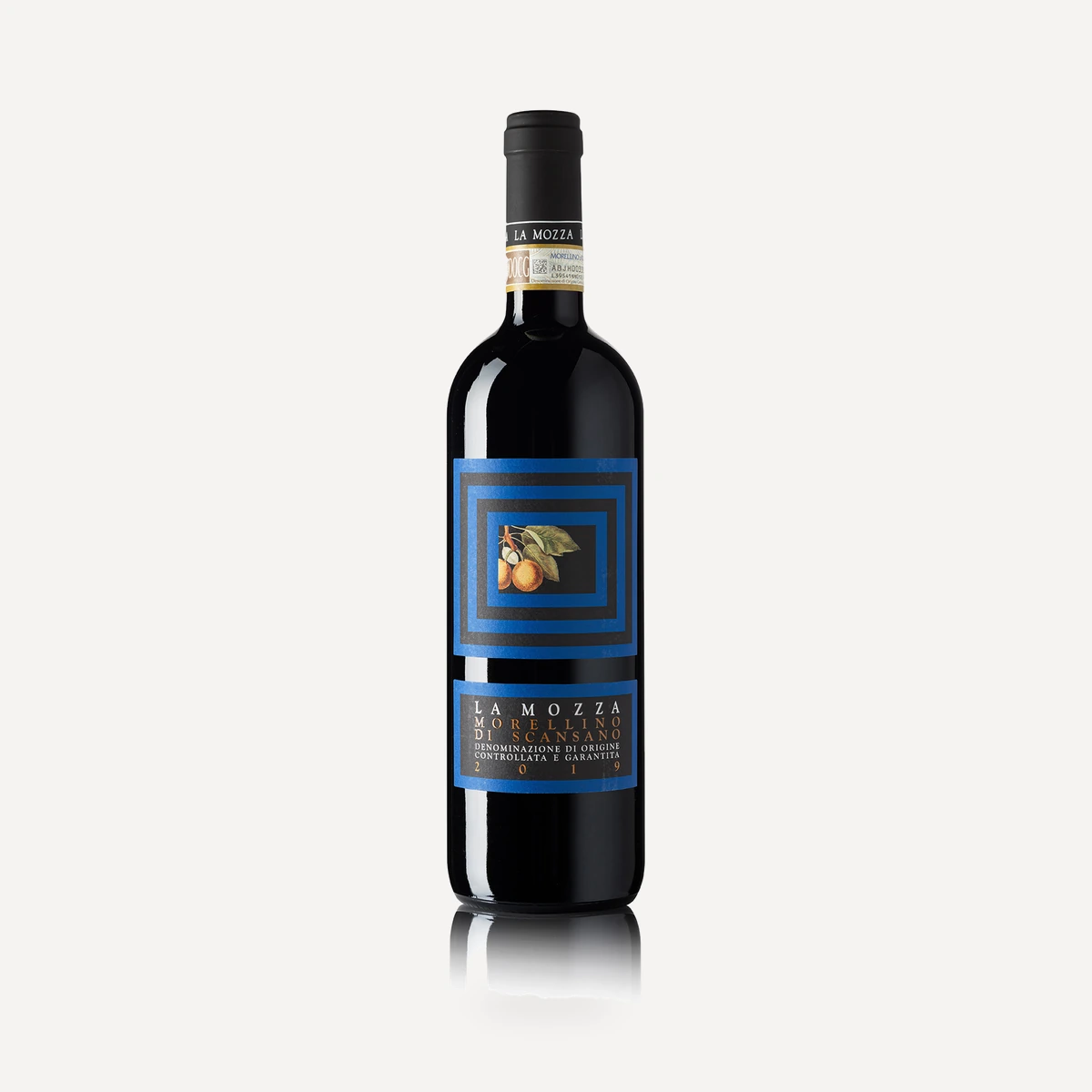
Morellino di Scansano Biologico