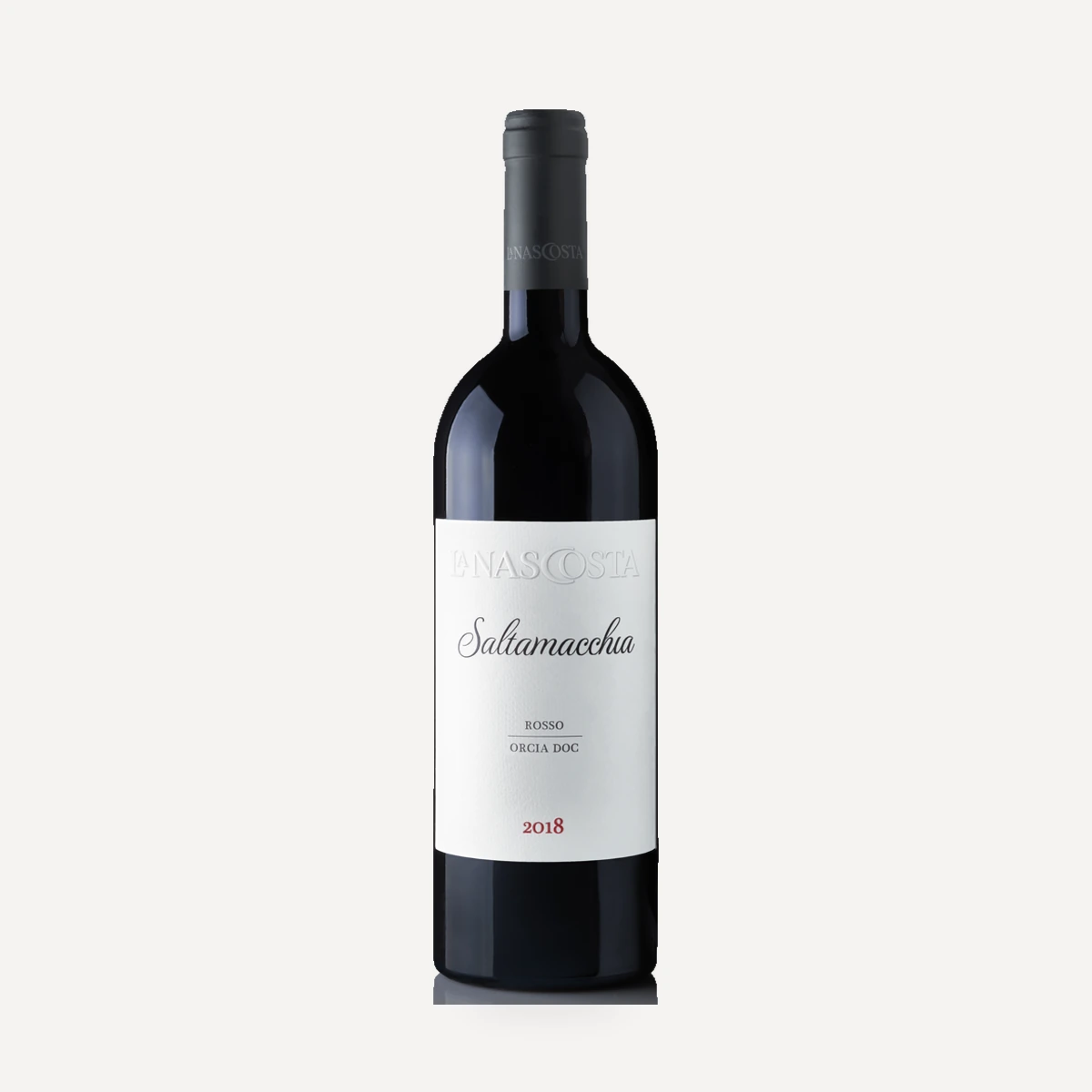
Storia
The Mastrojanni family’s winemaking background
La Nascosta grew out of the Mastrojanni family’s earlier experience in Montalcino. In the mid-1970s, Gabriele Mastrojanni and his wife Delia acquired land southeast of Montalcino, near Castel Nuovo dell'Abbate. The initial years were difficult and the project developed slowly. A decisive change came when their son Antonio Mastrojanni joined the business and the family chose to concentrate exclusively on wine production.
Antonio managed the Mastrojanni estate from 1980 until 2003. The first encouraging results arrived after several years, and from 1990 the family’s Brunello di Montalcino became an established reference within its appellation, receiving national and international recognition. Following Gabriele Mastrojanni’s death, family circumstances led to the sale of that estate in 2008. Illy Caffè Group acquired it in full and retained the Mastrojanni name.
2011: the creation of La Nascosta
Antonio launched La Nascosta in 2011, a few kilometres from Montalcino in the Val d'Orcia, after identifying the area’s potential for viticulture. He assembled the estate progressively by acquiring small plots that had once been cultivated by local villagers but had become virtually abandoned as the population emigrated.
Drawing on his agronomic experience, Antonio judged the land suitable for Sangiovese Grosso while identifying particular plots with potential for white varieties. During the estate’s initial development he planted Sauvignon Blanc, Chardonnay and Gewürztraminer alongside Moscato and Malvasia. The decision to introduce international white grapes departed from the prevailing preference for exclusively local varieties and became a defining element of the project.
2015–2019: a family project takes shape
In 2015 Antonio’s eldest son, Luca Mastrojanni, joined him in the estate’s agronomic and oenological work. As Luca’s involvement increased, Antonio entrusted him with the role of company administrator.
After an extended planning phase, a new cellar was built to a design by Luca’s brother, architect Nicola Mastrojanni, who also directed its construction. The building was integrated into the Val d'Orcia terrain to follow the land’s slopes and reduce its visual and environmental impact.
The La Nascosta brand was created in 2018, coinciding with the first vintage bottled under its name. In 2019 Gerhard Sanin was appointed winemaker. Originally from Caldaro, Sanin brought experience with Sauvignon Blanc, Gewürztraminer and Chardonnay and became involved throughout the production cycle.
La Nascosta consequently developed as a collective Mastrojanni family enterprise led principally by Antonio and Luca. Concha contributes three decades of experience as an international economist, while Nicola combines his work as an architect with an interest in wine and design.
Terroir
La Nascosta lies on the slopes below the medieval village of Castiglione d'Orcia, in the southern part of the Province of Siena and a few kilometres from Montalcino. The 52-hectare estate faces the southern hills of the Val d'Orcia. Although close to Castiglione d'Orcia, it is concealed from the village.
The extinct Monte Amiata volcano dominates the landscape. The estate also borders the Onsola torrent and lies near the Orcia River. These influences contribute to long, dry summers and pronounced differences between daytime and nighttime temperatures.
Past volcanic and seismic activity produced substantial geological variation between plots. Soils are generally rich in stones and clay, with marine sediments also present. Individual sites include clayey marl-schist formations interlayered with argilloscisti and flaky galestro, whose colours range from deep red to grey. Other plots contain clay rich in calcareous lithoids, Mio-Pliocene marine sediments and volcanic rocks associated with Monte Amiata’s Pleistocene activity.
Vineyards are dispersed across the estate in small units generally measuring 0.4–1.6 hectares and lying between approximately 400 and 460 metres. Differences in elevation, exposure, soil composition and soil colour create multiple distinct terroirs rather than a single uniform site.
Vinificazione
The estate’s guiding expression is “Camminare la Vigna” — “Walking the Vineyard.” It describes close, continuous attention to each vine and each individual plot throughout the cycle from soil to grape and bottle.
La Nascosta practises precision viticulture, adapting work to the contrasting elevations, exposures and soils of its small vineyards. Skilled workers from the village spend substantial time among the vines and perform almost all operations manually. This labour-intensive approach is intended to reduce reliance on chemical treatments and heavy machinery.
Harvest dates are determined by optimal ripeness and may therefore vary by variety, plot and vintage. Harvesting is manual, with selection in the vineyard. White grapes may be collected in baskets, rapidly transferred to refrigerated storage and subjected to a second selection once cooled. The red grapes are picked at temperatures no higher than 20°C and selected again before processing.
Yields are deliberately low and vary by site: approximately 50–60 quintals per hectare in several white and rosé vineyards, 45–60 for the Chardonnay site, 40–50 for the Saltamacchia vineyards and 35–45 for the oldest Sangiovese Grosso vineyard.
Cellar and micro-vinification
The cellar is embedded into the contours of the Val d'Orcia terrain and was designed to protect the wines, provide suitable storage conditions and limit visual and environmental impact. Authentic materials, natural light and a direct relationship with the surrounding land form part of its architectural concept.
Grapes from different varieties and plots are handled separately in small lots. Vinification and maturation employ temperature-controlled stainless steel, cement vats and 500-litre tonneaux. Temperature and humidity are monitored throughout the process.
White and rosé production
White and rosé grapes are processed according to variety and vintage. Fruit is rapidly cooled after harvest—to 6°C, 8°C or 10°C in the processes described for different lots—and may undergo a second selection before processing. Depending on the vintage, cold maceration can last 6–12 hours. Some lots are destemmed at rates of 75–90%.
Separate micro-vinifications take place principally in temperature-controlled steel. Selected yeasts are used at precisely controlled temperatures for some lots. Sauvignon Blanc from different vineyards is fermented and matured separately before blending. Steel-aged wines may remain on their lees for approximately eight to ten months, with weekly bâtonnage in several cases.
Chardonnay is divided between stainless steel and 500-litre French oak tonneaux. Only the tonneaux-fermented component undergoes malolactic fermentation. It remains on gross lees with initially daily and subsequently weekly bâtonnage for about three months, followed by further maturation in tonneaux. The French oak and its bespoke toast are selected in collaboration with the cooperages to maintain balance.
Depending on the cuvée, bottle maturation takes place under controlled temperature and humidity and without light for at least five or six months, or for approximately eight to twelve months.
Red production
Red grapes are picked at no more than 20°C, selected again at the cellar and initially macerated at low temperature in cement. A proportion of whole bunches may be retained according to the season. Cap management includes punch-downs, pump-overs and délestage, with technology used to maintain gentle extraction.
One red-wine protocol lasts two to three weeks before a further 15–25 days of maceration. Another begins with a special yeast at low temperature, followed after 48 hours by a second, traditional yeast. Alcoholic and malolactic fermentations precede wood maturation.
Red wines mature in 500-litre French and Austrian oak tonneaux. Depending on the lot, wood ageing lasts approximately 12–18 months or about 24 months, followed by at least six or as much as twelve months in bottle under controlled temperature and humidity and without light.
Wood cellar control
The barrel cellar has precise thermo-hygrometric control. After work with international cooperages, La Nascosta concentrated its wood-ageing programme on 500-litre tonneaux. The surrounding air is treated periodically to maintain humidity suitable for oxygen and aroma exchange. A patented treatment system also controls airborne bacteria to prevent mould from developing on surfaces.
Filosofia
La Nascosta expresses its philosophy through the intentionally unconventional phrase “Camminare la Vigna”, or “Walking the Vineyard.” The motto presents winegrowing as a continuous physical presence among the vines, combining manual skill and precision from the soil through grape-growing, vinification and bottling.
The family’s central conviction is that excellent wine begins with excellent grapes. Quality is understood as the result of healthy fruit, the individuality of each terroir, accumulated experience, technical knowledge and patience. Vintage and site differences are preserved through separate harvest decisions and small-lot vinification rather than treating the estate as a single uniform terroir.
The project combines an artisanal, family-led approach with controlled cellar technology. Manual vineyard work and close plot-by-plot observation are paired with temperature and humidity management, precise micro-vinification and carefully controlled wood ageing. The cellar’s architecture follows the same principle: it is intended to function as a continuation of the landscape, protect the wines and minimize visual and environmental impact.
The family also presents wine as an expression of land and time and as a form of culture and belonging. Respect for the earth, artisanal care and the continuing pursuit of quality form the stated basis of its relationship with visitors and Wine Club members.
Vini
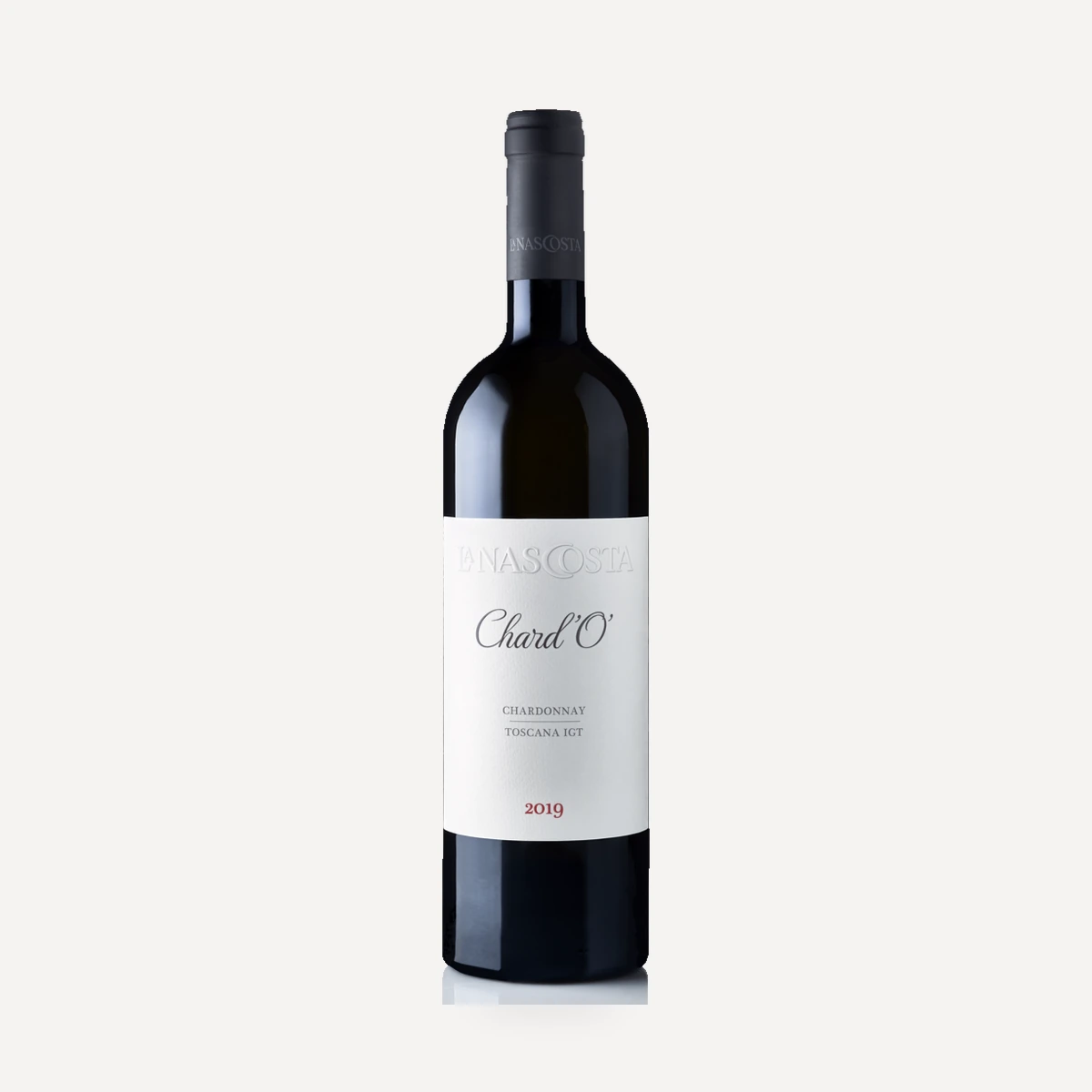
Chard'O
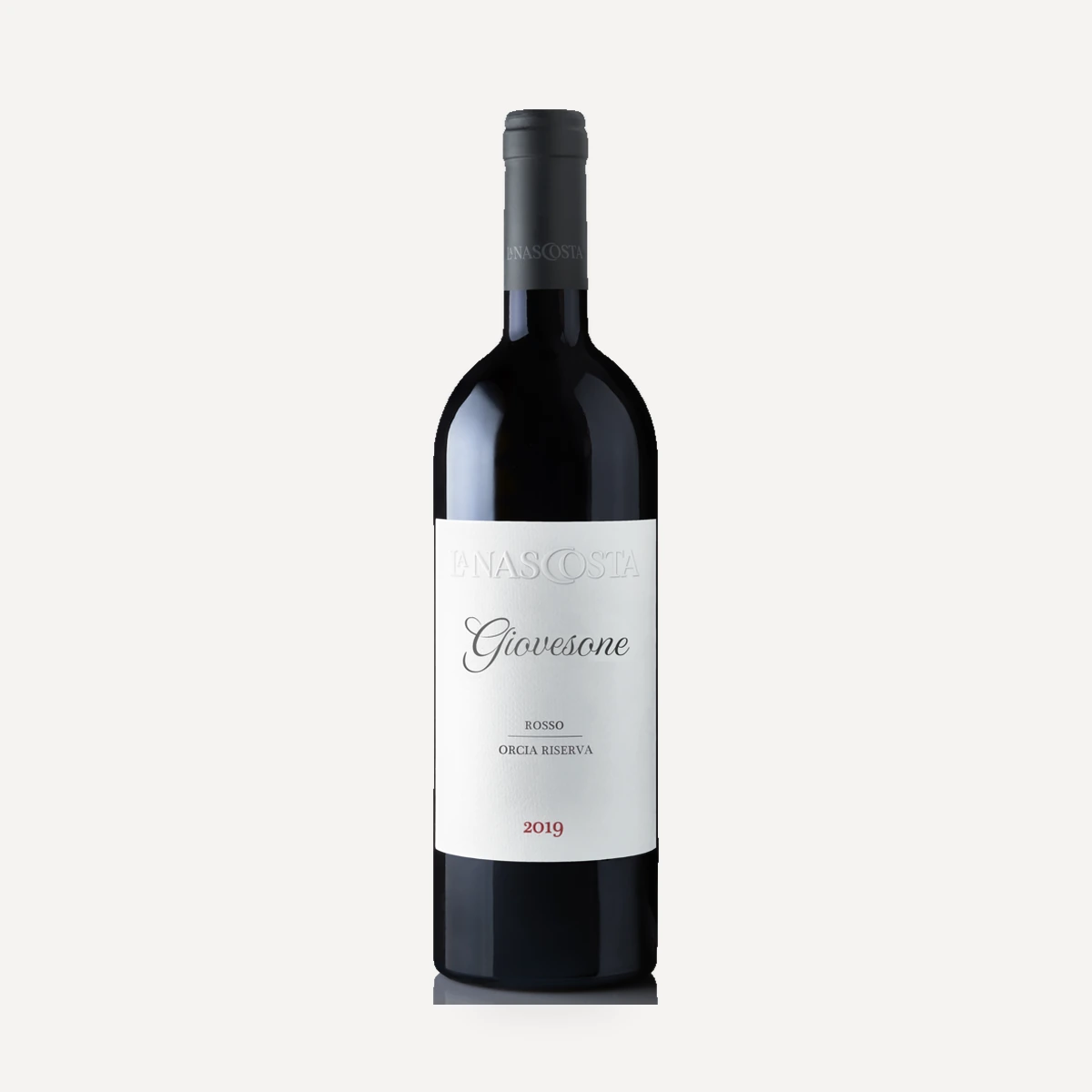
Giovesone
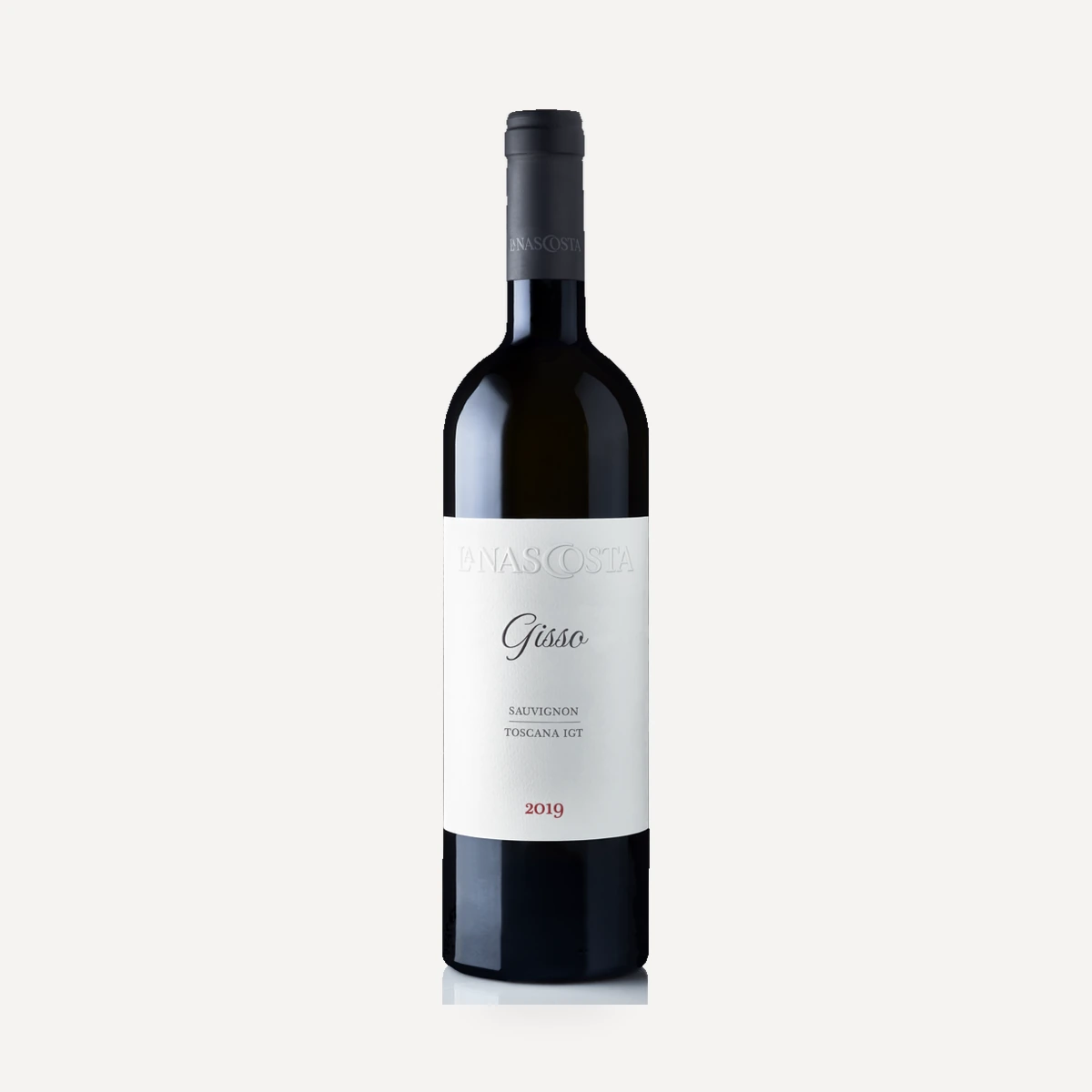
Gisso
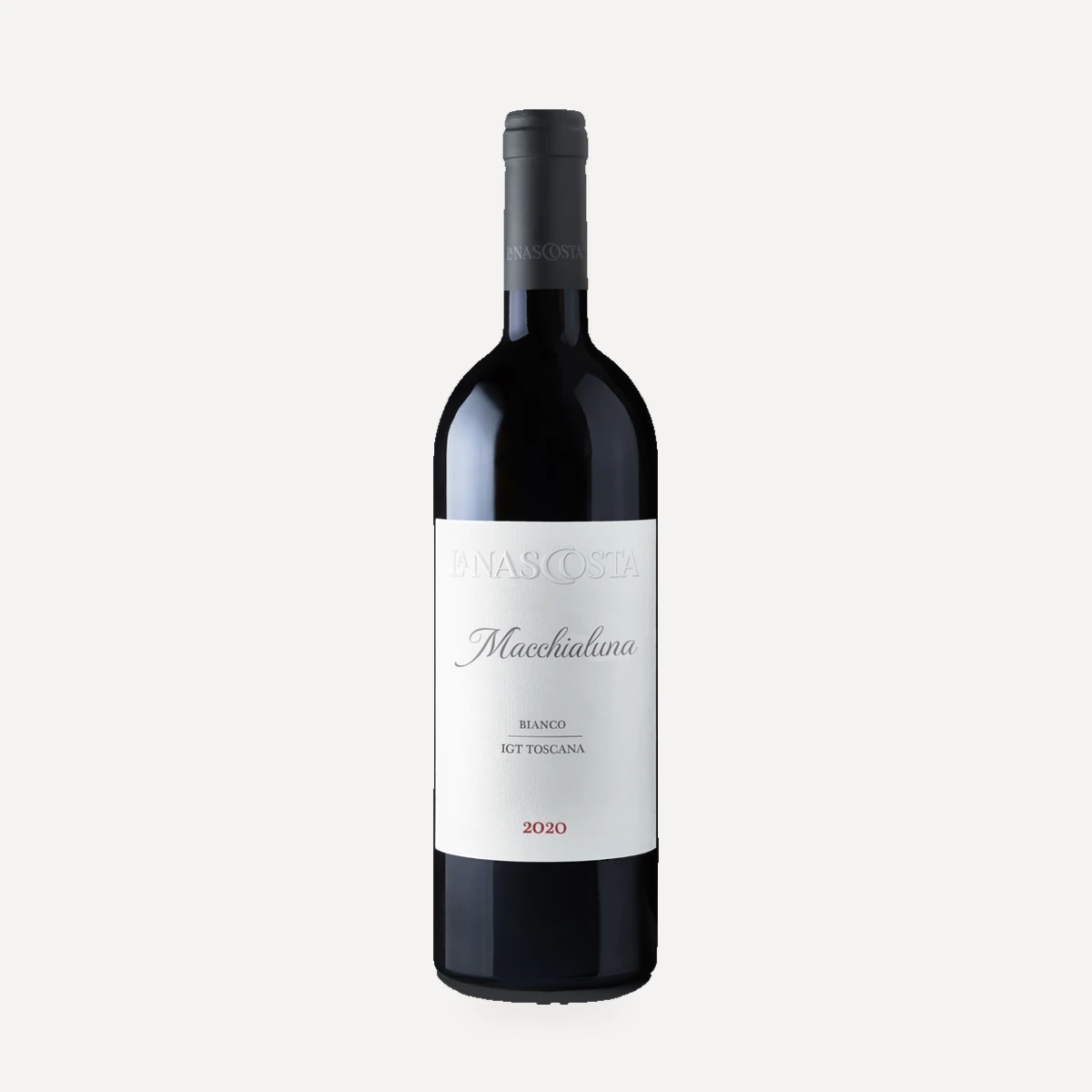
Macchialuna
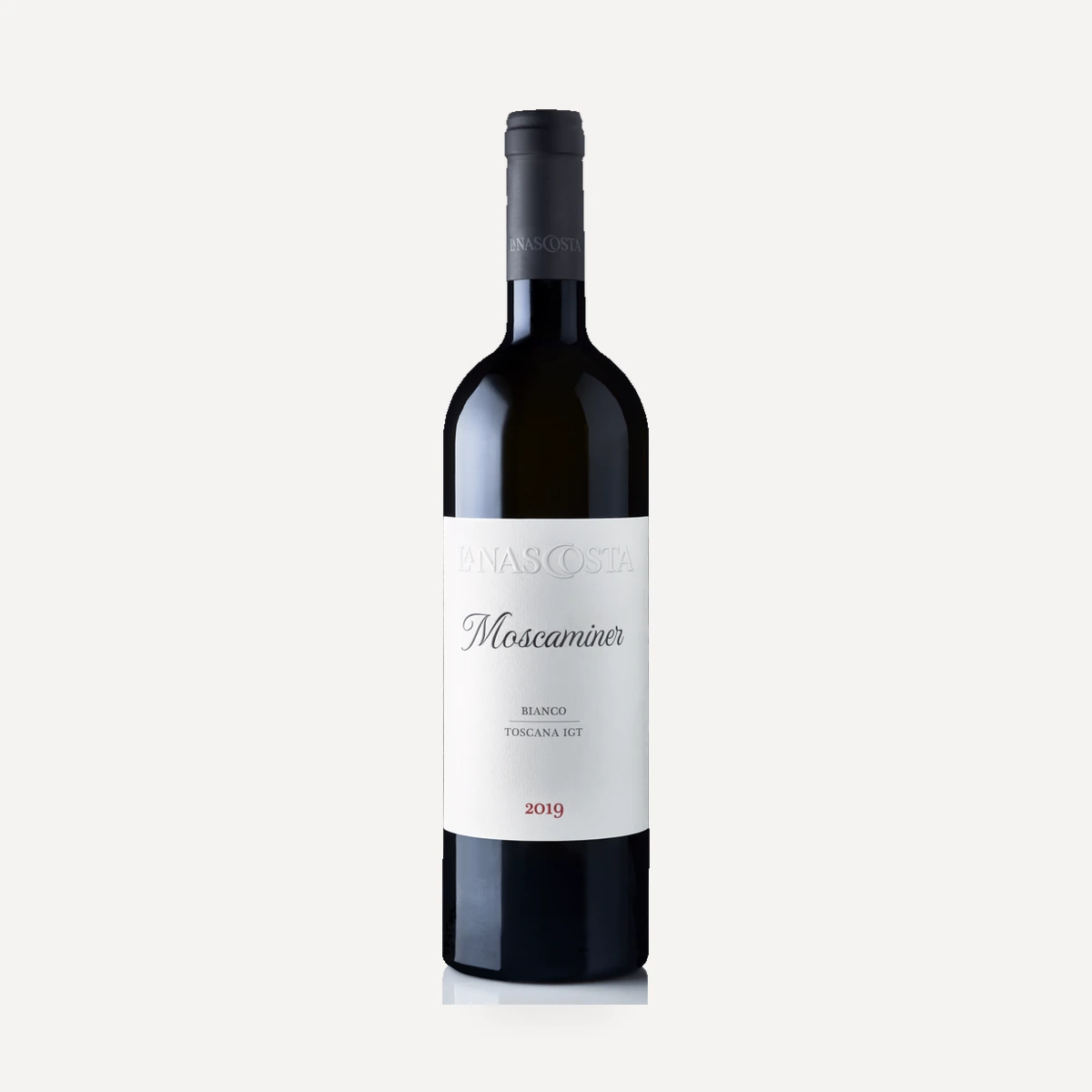
Moscaminer
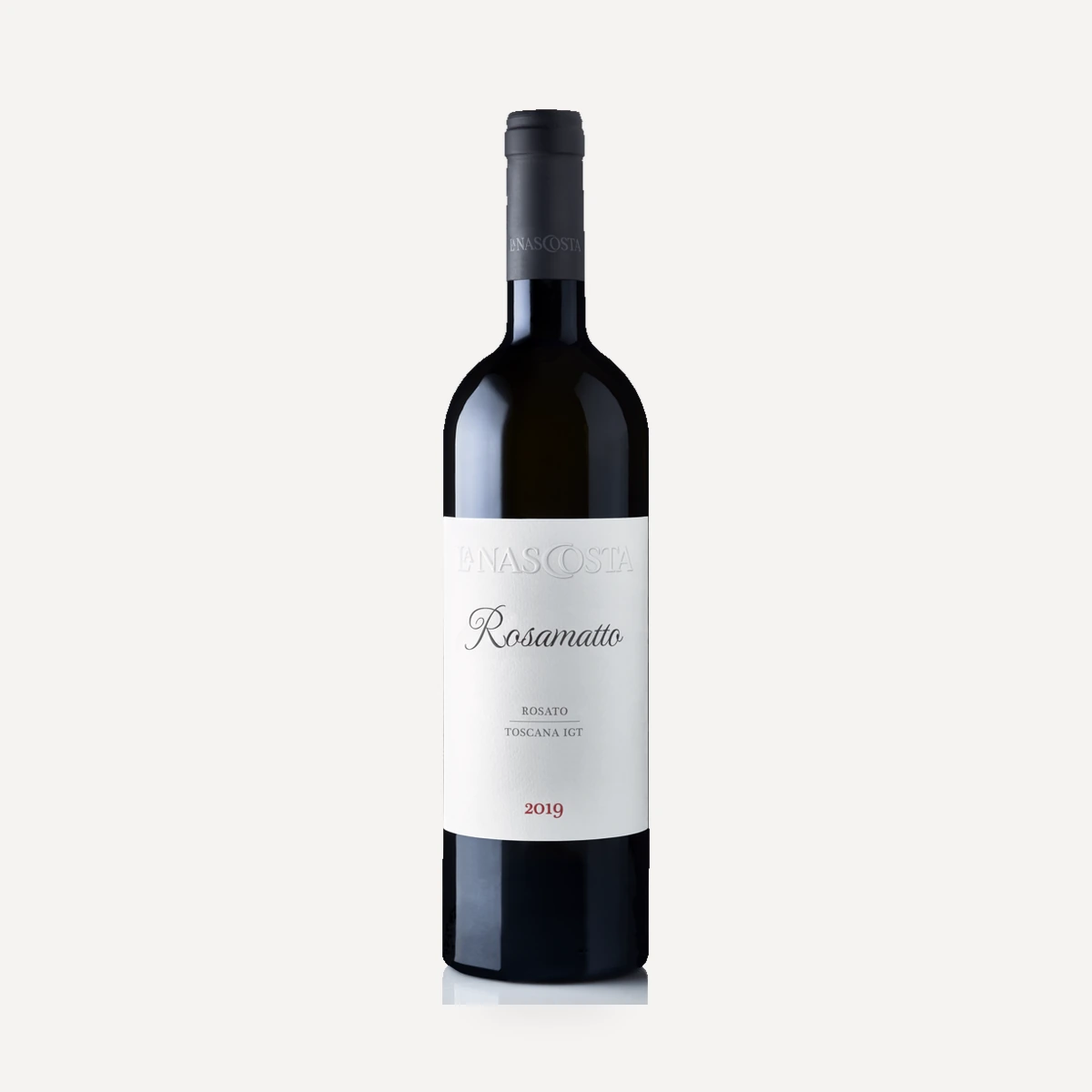
Rosamatto