Storia
1930: the origin of the farm
Giovanni and Ines acquired the property in 1930. They cultivated vegetables and cereals and raised pigs and poultry to sustain their family. Wine, olive oil and other farm products were already being made in substantial quantities during this first period.
1975: full-time agriculture and viticulture
In 1975, their son Zelindo committed himself and the property to full-time agriculture, viticulture and wine production.
The 1980s: wine becomes the principal activity
By the 1980s, wine sales had become the main source of income for the Papini farm. Production reached approximately 800–900 hL per year. Zelindo acquired a manual bottling machine so that part of the production could be sold in bottle, a development that increased the value of the property.
1994: organic farming and agritourism
In 1994, Zelindo and his wife Lidia converted the farm to organic cultivation, seeking a healthier and more balanced agricultural system. They also began welcoming travellers who shared their interest in farming and food. Lidia established a Tuscan-style restaurant on the property, which became a venue for weddings, special occasions and community celebrations.
The 2000s: expansion and biodynamic specialization
Following the farm's growth, the business became Azienda Agricola Agrituristica La Pievuccia. During the 2000s, Riccardo Papini—identified as the son of Mario and Lidia—and his wife Ulrike reshaped the estate's agricultural and hospitality activities. They built additional guest apartments, added a swimming pool and constructed a new cellar. New vineyards were planted with the assistance of external agronomic and oenological consultants. The agricultural work became increasingly specialized in organic and biodynamic methods, while the agriturismo established a relationship with the Austrian BIO HOTELS association.
Riccardo Papini also trained later members of the team in cellar operations and vineyard work. His guidance contributed to the development of both Riccardo Chiaradia and Carla Gallorini.
2022: the DePizzo family
Jennifer and Stephen DePizzo acquired La Pievuccia Agriturismo in 2022 and moved to Italy to live and work full-time on the farm in Castiglion Fiorentino. A new Italian company, Vista Castello Fattoria e Vigneti, was formed to continue the La Pievuccia brand and its tradition of regenerative organic agriculture.
The move also represented a return to Stephen's Italian agricultural roots. His maternal family came from Capua in Campania, while his paternal family came from Colobraro, a mountain community in present-day Basilicata. Farming had provided both income and sustenance for the family before its migration to the United States in the early 1920s and settlement in Youngstown, Ohio.
Stephen and Jennifer's own path to La Pievuccia began with a visit to a small vineyard in Texas, where they fell in love and imagined owning a vineyard themselves. They later met through the hospitality sector at a restaurant in Austin, bringing a combined three decades of service and hospitality experience to the estate.
Under their ownership, the agricultural team combines Stephen's viticultural and beekeeping training with Riccardo Chiaradia's agronomic and cellar management and the work of enologist Antonio Mori. The farm continues to make wine and olive oil while operating its agriturismo, gardens and apiaries.
Terroir
La Pievuccia's four vineyards occupy a total of 5 ha in the hills around Castiglion Fiorentino, at elevations ranging from 200 to 350 m. The vines are between 15 and 40 years old and have deep root systems that explore mineral-bearing subsoil.
The estate presents the seasons, rainfall, wind and sunlight as the principal natural forces shaping the fruit and expressing the character of its hills. Conditions vary with each vintage, while the common geographical imprint remains recognizable across the vineyards.
The property overlooks the valley and the medieval Castello di Montecchio Vesponi. Its olive groves occupy well-drained terraced hillsides where elevation, sunlight and wind also influence the farm's olive crop.
Vinificazione
La Pievuccia has practiced organic agriculture since 1994 and has held organic certification since 2004. Its current cited organic certification was issued by ABCert on 19 December 2022 under identifier 1LG5YKSQBQEPS. Biodynamic certification was issued by AgriBioDinamica on 14 June 2022.
The agricultural system is described as organic, biodynamic, regenerative and sustainable. Synthetic pesticides are excluded from vine management, while chemical treatments and fertilizers are replaced with phytotherapeutic approaches. Soil fertility is supported through cover crops, endemic flower populations, farmyard manure and biodynamic compost. Medicinal plant preparations are applied to compost to encourage microbial activity. Crop and grazing rotations also form part of the biodynamic framework.
These practices are intended to rebuild ecological balance, enrich soil biodiversity and protect the environmental and cultural diversity of the farm and surrounding territory. Vineyard work follows plant development and seasonal rhythms. Pruning takes place through the year and is performed by hand, as is the selection of grapes during harvest.
Biodiversity work extends beyond the vineyards. More than 2 ha of farmland and gardens contain vegetables, herbs, aromatic plants, fruit trees and nuts, all managed organically and biodynamically. Apiaries are distributed across several parcels planted with bee-friendly habitats; the bees support pollination of crops, trees and flowers as well as honey production.
The cellar is designed as a functional working facility equipped with vats, pumps, barrels and other traditional tools. Grapes are handled with natural methods, and the team deliberately avoids computer control of temperature, fermentation and other cellar processes. Fermentations are followed by listening to and physically feeling the vats, placing direct observation and experience at the centre of cellar work.
The estate's Vinsanto barrels rest in the Vinsantaia, an attic beneath traditional wooden beams and a roof of natural brick. Fermentation and maturation there proceed through the changing seasons, with time and seasonal temperature cycles treated as integral parts of the process.
Annual production is approximately 30,000 bottles. Wine is sold at the farm and through local shops and restaurants, with additional distribution in Europe and the United States.
Filosofia
La Pievuccia defines itself as more farm than factory. Wine and olive-oil production are approached as collective agricultural work involving the owners, the permanent team, guidance inherited from the Papini family and friends who assist during harvest.
Its farming philosophy centres on allowing natural conditions to follow their course. Seasonal variation, rain, wind and sunlight are accepted as the forces that give each vintage its character and connect the fruit to the surrounding hills. Riccardo Chiaradia summarizes his approach with the principle that wine is made in the vineyard rather than in the cellar.
Organic and biodynamic agriculture is understood as more than the exclusion of chemical inputs. It is presented as a holistic, ecological and ethical system intended to create healthy soil, encourage microbial life, restore ecosystem balance and protect local culture, tradition and biodiversity. Vineyard, garden and apiary are treated as interconnected parts of the farm.
In the cellar, the preference is for direct observation, simple inherited methods and minimal dependence on automated control. In hospitality, the DePizzo family seeks to make the working farm a place of welcome, cultural exchange and agricultural learning while maintaining its connection to food, land and seasonal work.
Vini
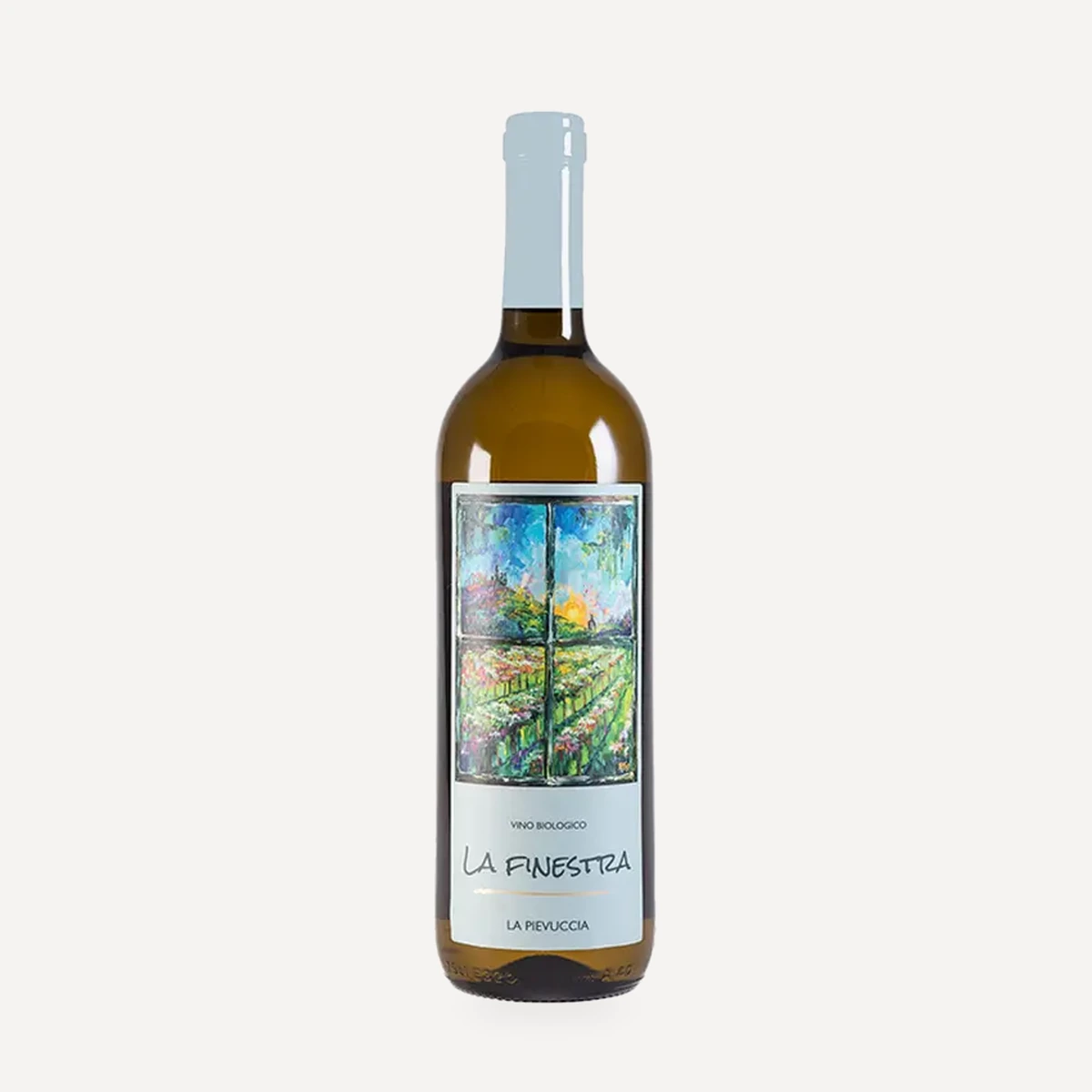
La Finestra – Toscana Chardonnay IGT
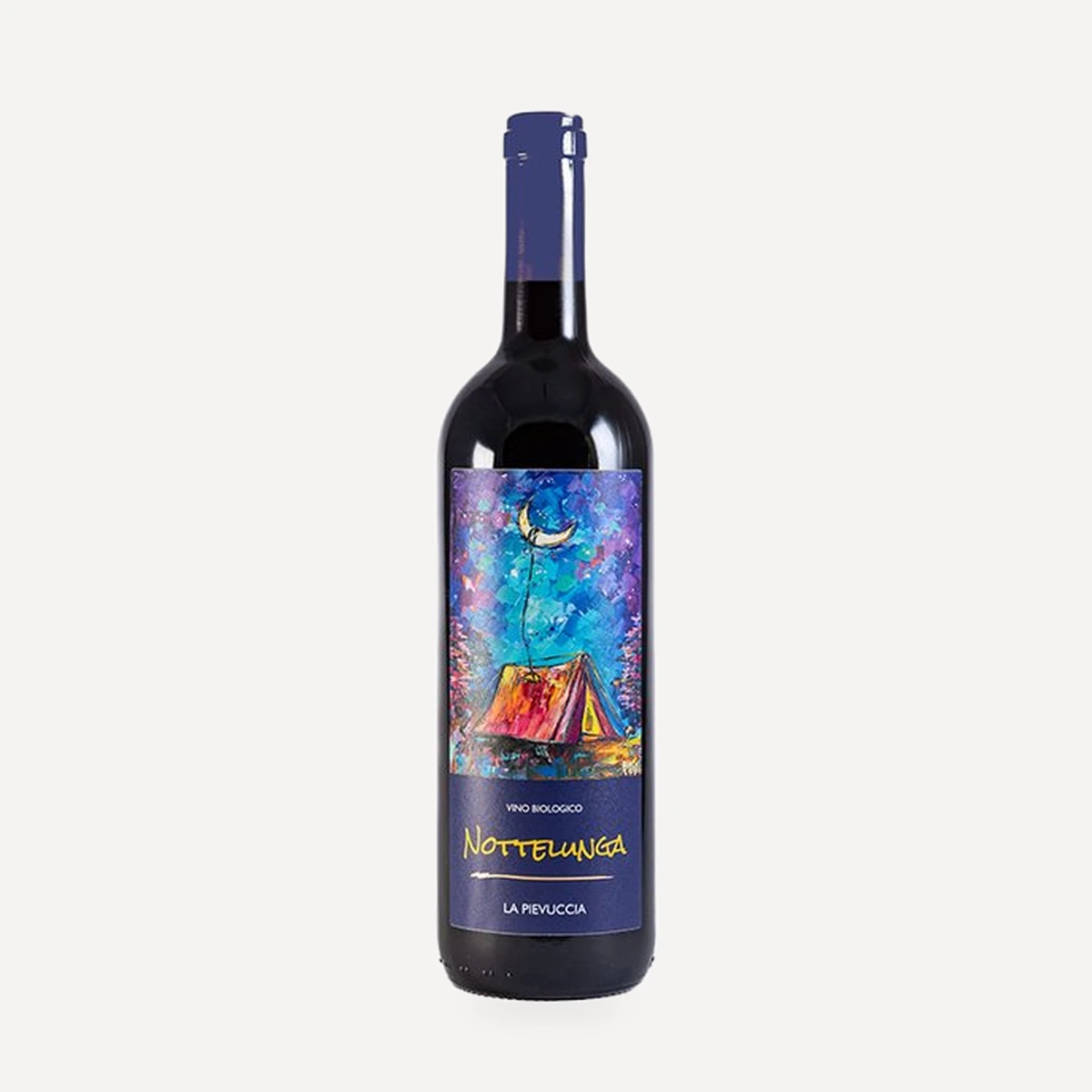
Nottelunga – Toscana Sangiovese IGT
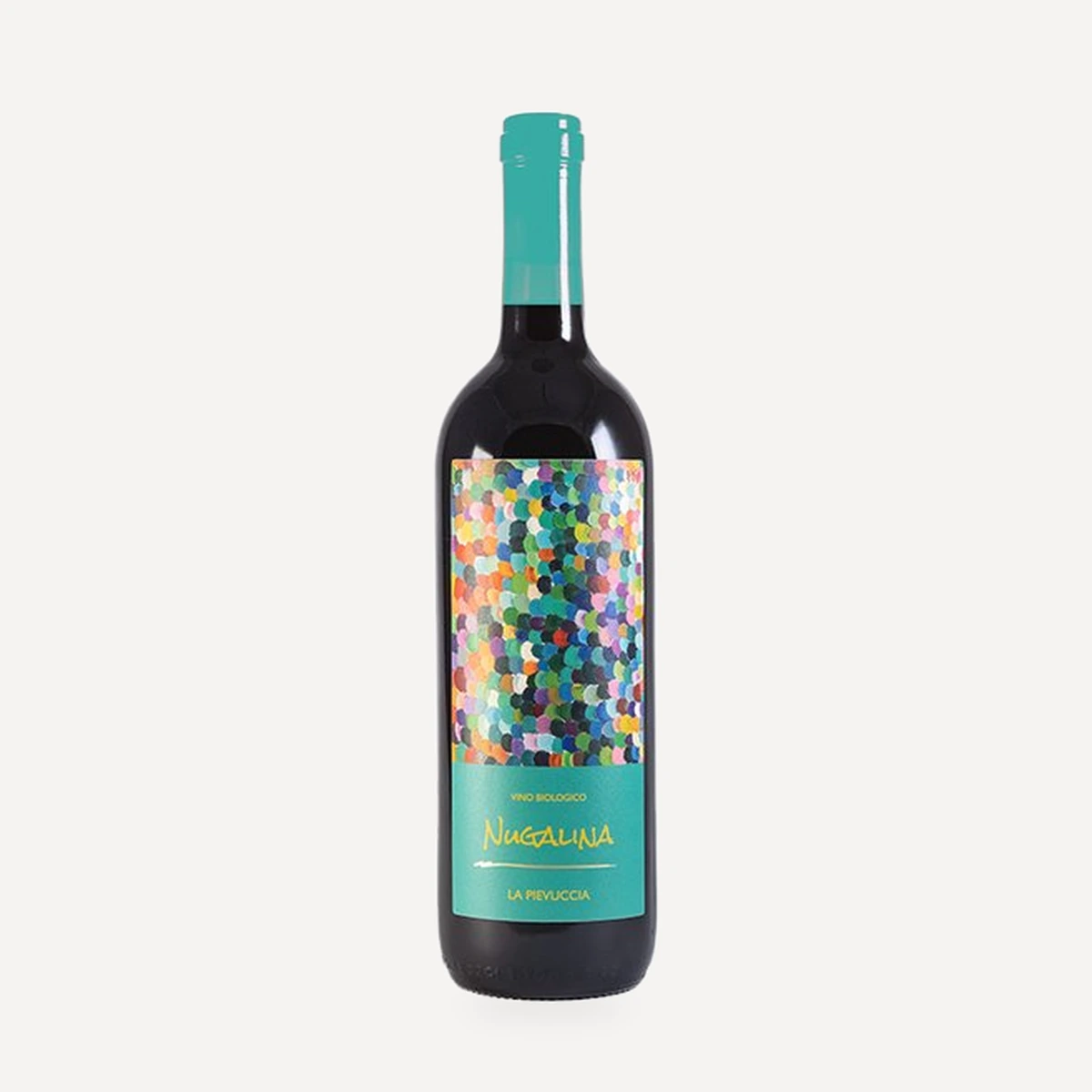
Nugalina – Toscana Rosso IGT
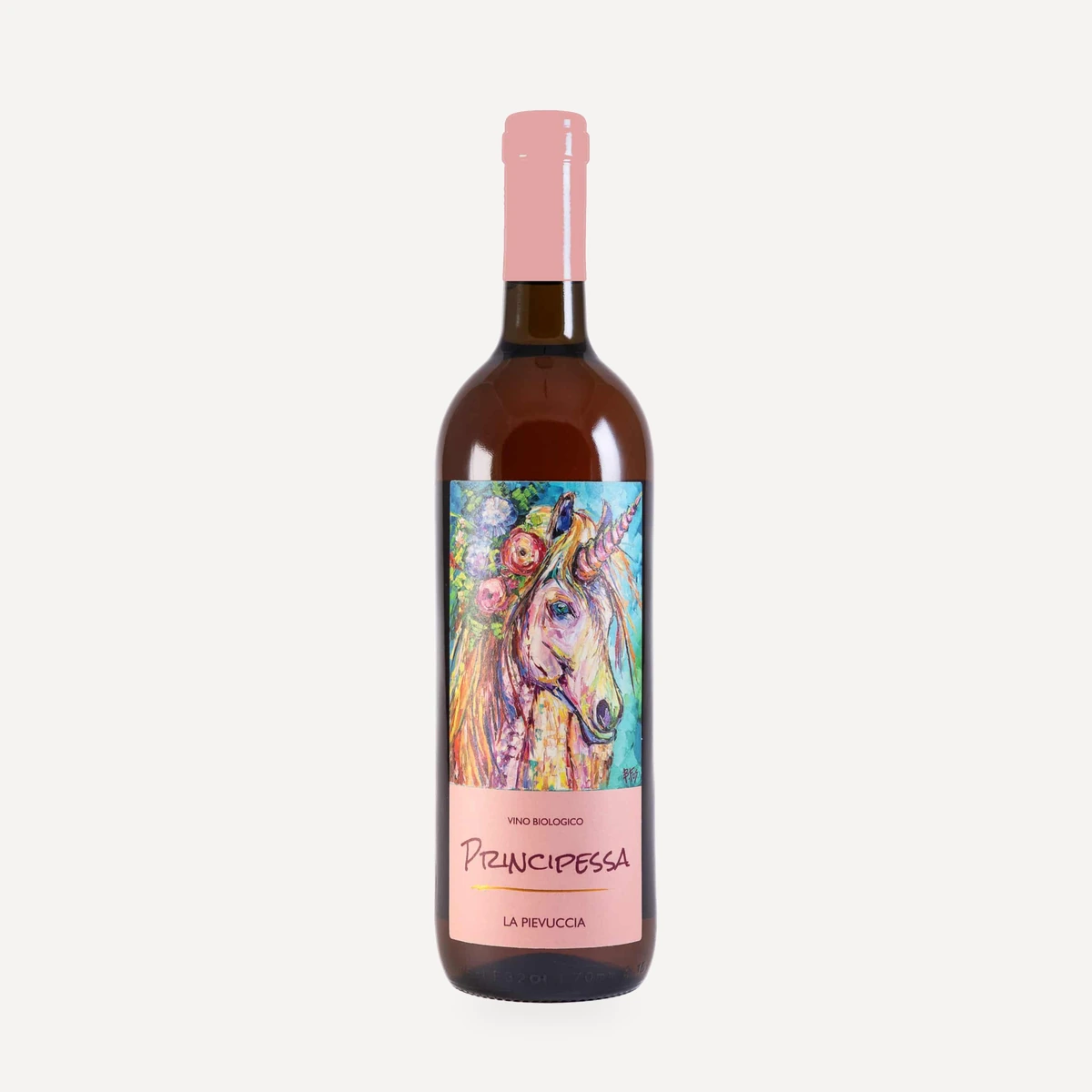
Principessa – Toscana Rosato IGT