Storia
Origins and the first harvest
The name La Scolca derives from Sfurca, a term associated with a viewpoint or lookout. A farm on the property formerly served as an observation point, giving the estate its name.
The estate entered the Soldati family’s possession between 1917 and 1919. In the more precise family account, Giorgio Soldati’s grandfather, who came from Genoa, acquired the first land at Gavi in 1919. The purchase was initially an agricultural investment rather than the continuation of an established wine business: the family had not previously worked in wine, and much of the land was wooded or planted with wheat. Choosing to invest in viticulture, and particularly in the locally rooted white variety Cortese within a Piedmontese landscape associated principally with red wine, represented a substantial commercial risk.
The family subsequently planted Cortese, judging the local conditions especially well suited to it. The first harvest bearing the La Scolca name took place in 1923.
Building an identity around Cortese
Successive generations continued to acquire woodland and vineyards, bringing nearly all the productive land under family ownership. The family concentrated on Cortese when the variety received comparatively little attention, developing La Scolca around the proposition that this native grape could produce structured, distinctive and ageworthy white wines.
In 1969, the family registered the Gavi dei Gavi® trademark in Europe. Registration followed in the United States in 1971, where the wine became widely identified as the “Black Label.”
Giorgio Soldati, the denomination and sparkling-wine research
Third-generation Giorgio Soldati devoted himself both to the recognition of Gavi and to technical research. At the age of thirty, he participated in the movement that secured DOC status in 1974. He also founded the Gavi consortium and served as its first president, promoting legal recognition and protection of the denomination.
Giorgio studied sparkling-wine methods and vineyard practices, drawing in part on instruction from a long-standing mentor at Martini & Rossi. That work sought dependable harvest standards while respecting the differences between vintages, including correct physiological maturity—often achieved earlier than the local norm—and consistent quantities of suitable grapes.
Ageing trials undertaken to prepare sparkling base wines showed that Cortese did more than retain freshness: it developed secondary aromas and greater sensory complexity over time. This insight led La Scolca to produce its first sparkling wine in 1975. The family later extended the principle through the long-aged D’Antan wines, including examples matured for ten to twelve years. Giorgio and Chiara Soldati developed the D’Antan concept together, including its hand-designed label.
The technological transition and Chiara Soldati
Chiara Soldati experienced her first harvest in 1993 and entered the family business during the international expansion and market saturation that transformed the wine sector in the 1990s. Her formal entry into the company is dated to 1995, and she has served as CEO since 1998.
In 1995, Giorgio completed the introduction of computerized, automated control throughout vinification. He also developed patented techniques for pressing and must handling intended to conserve Cortese’s aromatic precursors and transfer the original quality of the grapes into the finished wine. A computerized must-flow system enabled grapes from vineyards of different ages to remain separate during processing.
Chiara combined this technical inheritance with international development, communication, environmental and social sustainability, and the promotion of Gavi and Cortese abroad. Under her leadership, La Scolca expanded its presence to more than sixty countries while retaining family ownership.
Gavi attained DOCG status in 1998, reflecting the denomination’s growth in both production and quality.
Centenary, recognition and the fifth generation
La Scolca celebrated its centenary in 2019, marking one hundred years of investment in Gavi, Cortese, vineyard acquisition, research and family management.
In 2022, President Sergio Mattarella appointed Chiara Soldati a Cavaliere del Lavoro. The honour recognized her entrepreneurial work, international communication, advocacy of responsible consumption and contribution to the family enterprise.
The estate celebrated its 105th anniversary in 2024. The accompanying Milan event formally presented the entry of the fifth generation, represented by Chiara’s son Ferdinando Caracciolo di Vietri. Ferdinando committed himself to continuing the family business alongside his mother, preserving the work of earlier generations while developing a contemporary vision. His early responsibilities have included communicating wine culture and moderation to Generation Z.
La Scolca now combines fifth-generation participation with Chiara Soldati’s continuing role as owner and CEO. Current investment encompasses vineyard and cellar improvements, sustainable methods, biodiversity, hospitality, renewable energy and technologies designed to preserve grape quality with a low environmental impact.
Terroir
La Scolca lies in Gavi, Piedmont, in the province of Alessandria, with its principal vineyards in and around Rovereto di Gavi. The landscape stands near the foothills of the Ligurian Apennines and within reach of maritime influences.
The estate’s Cortese vineyards are rooted principally in clay-rich soils. Some vineyard areas, including those selected for Pinot Nero, are described more specifically as calcareous clay. Sea breezes and Apennine air moderate the hills, while favourable exposure gives the vines sunlight from dawn to sunset. The local pattern combines dry maritime air, sustained sunshine and short periods of dew.
Rovereto is treated within the estate’s tradition as the historic “Gran Cru del Gavi.” The combination of clay, maritime air, solar exposure and meticulous cultivation underpins the saline, mineral and intense character associated with La Scolca’s wines. The vineyard zone encompasses both Rovereto and other sites within the municipality and production territory of Gavi.
Vinificazione
La Scolca follows sustainable viticulture, presenting vineyard health, biodiversity, soil care and the preservation of Gavi’s terroir as long-term family responsibilities. Continuing purchases of woodland and vineyards have created a largely family-owned land base intended to protect environmental health and the estate’s natural balance.
Vineyard work is deliberately repetitive and detailed. Each row receives multiple passes, both on foot and by tractor, so that growth and ripening can be followed closely. The guiding principle is that wine quality originates with the grape; decisions in the cellar are therefore subordinate to the condition and maturity of the fruit.
Harvest is manual and timed for full ripeness, often earlier than the average date in the surrounding area. Bunches are placed in small baskets to preserve their integrity and normally reach the winery within 30 minutes. If conditions are warm, the fruit is cooled immediately. Vineyard lots and different vine-age groups can remain separate through a computerized must-flow system.
Environmental measures extend to renewable energy from a photovoltaic installation, energy-saving investments in the winery and free charging facilities for electric vehicles. Sustainability is also framed socially: the family treats the land as a heritage to be passed to future generations and connects wine culture with moderation and consumer education.
Winery and grape reception
The winery is built on three levels at the top of a hill. Its form follows the slope so that the building does not occupy or damage productive vineyard land. The design emphasizes traceability, environmental protection, energy efficiency and low ecological impact. Equipment is modern and continually updated to improve precision, production timing, energy use and finished-wine quality.
Hand-picked bunches arrive in small baskets, normally within thirty minutes of harvest. Warm fruit is cooled immediately. A house laboratory monitors grape condition before vinification and checks wine quality throughout production.
White-wine processing
Bunches undergo gentle pressing in modern pneumatic presses. Cooling is applied from the earliest operations to protect must from oxygen and preserve aromatic precursors. Cold fermentation takes place at a controlled 13–14°C in stainless-steel tanks.
A computerized flow-control system keeps musts from vineyards of different ages separate. The estate attributes the conservation of Cortese’s aromatic precursors to researched pressing and must-treatment techniques developed by Giorgio Soldati. Since 1995, vinification has operated through integrated computerized control intended to transfer grape quality as precisely as possible into the finished wine.
The principal white-wine method includes sur-lie ageing, with wine maintained in contact with the yeasts of primary fermentation until bottling. Some descriptions identify these as native yeasts. Keeping the yeasts in suspension supports aromatic complexity and permits lower sulphite additions.
Sauvignon Blanc receives a long pre-fermentation cryomaceration, followed by alcoholic fermentation in temperature-controlled stainless steel and ageing in contact with the lees.
Red and rosé production
Pinot Nero is vinified traditionally as a red wine and matured in French-oak tonneaux. Rosé production combines Cortese or other white fruit with Pinot Nero; brief contact between part of the skins and must supplies its cerasuolo colour.
Traditional-method sparkling wines
Research into sparkling production began in the vineyard and continued through trials with Cortese base wines. Bottle fermentation was first applied commercially in 1975. The principal traditional-method wines mature on their lees for more than 36 months; long-aged D’Antan releases can remain in bottle for ten to twelve years. Sediment from the secondary fermentation may be resuspended periodically to support aromatic development. Rosé versions receive a small component of estate Pinot Nero during preparation of the expedition liqueur at disgorgement.
Filosofia
La Scolca’s philosophy begins with the proposition that great wine is born in the vineyard. The grape is treated as the central actor, expressing the balance between nature and careful human work. Precise cultivation, harvest at full maturity and rapid transfer to the cellar are intended to retain the identity created in the vineyard.
The family defines its approach through native varieties, especially Cortese, and through confidence in the ageing potential of white wine. Its early commitment to an overlooked local grape, later research into long maturation and continued resistance to fashionable international varieties form a coherent principle: authenticity should outlast short-lived market trends.
Tradition and technology are regarded as complementary. Computerized control, patented processing research, modern presses, cooling and an analytical laboratory are employed to preserve grape quality rather than standardize it. The desired result is a technically precise wine with an individual personality, achieved without unnecessary cosmetic intervention.
Family ownership is presented as both inheritance and obligation. Determination, uncompromising quality, curiosity and continual improvement pass from one generation to the next. Mario Soldati’s idea that industrial intelligence should never overpower the artisan’s heart expresses the intended balance between modern organization and craftsmanship.
The estate also connects quality with environmental and social responsibility: maintaining biodiversity, preserving the land for future generations, reducing energy use and sulphite additions, educating consumers and encouraging moderation. Chiara Soldati’s outlook emphasizes authenticity and rootedness as responses to climate change, rapid shifts in consumption and the disengagement of younger European consumers.
The broader mission is to strengthen the viticultural, cultural and tourism heritage of Gavi while representing an Italian style based on craftsmanship, elegance, hospitality and respect. Fifth-generation participation is intended to renew that mission without abandoning the principles established by earlier generations.
Vini
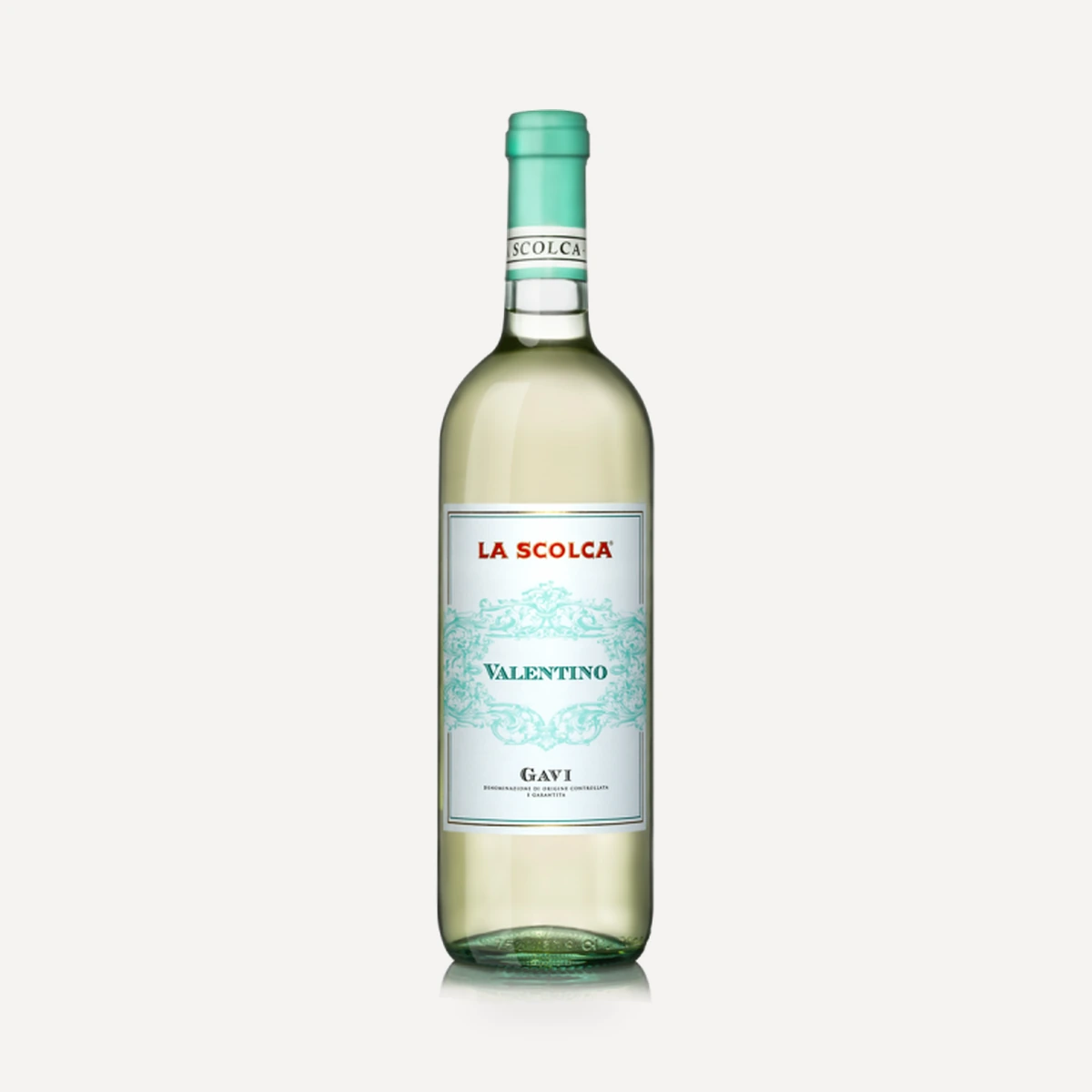
Il Valentino
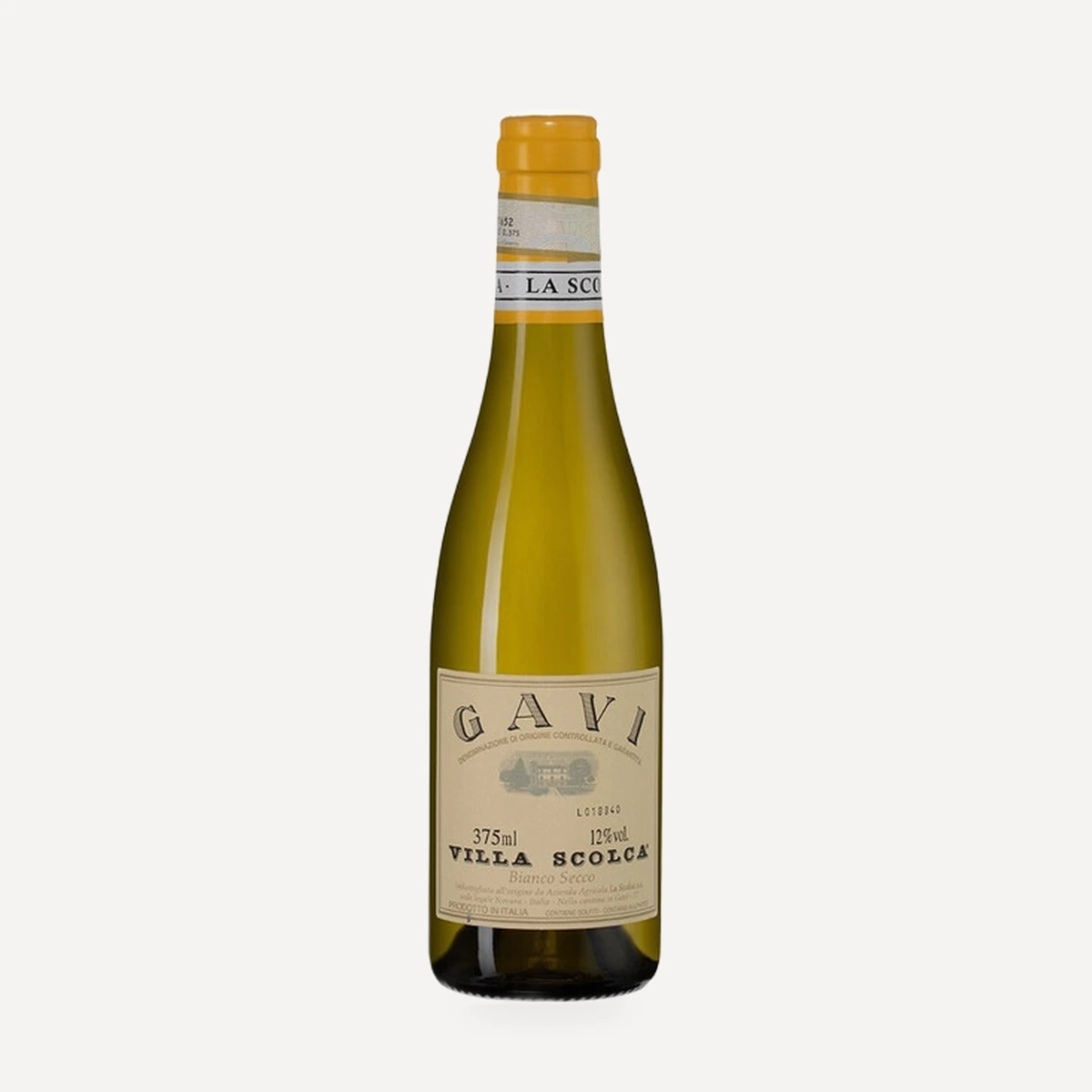
Gavi Villa Scolca
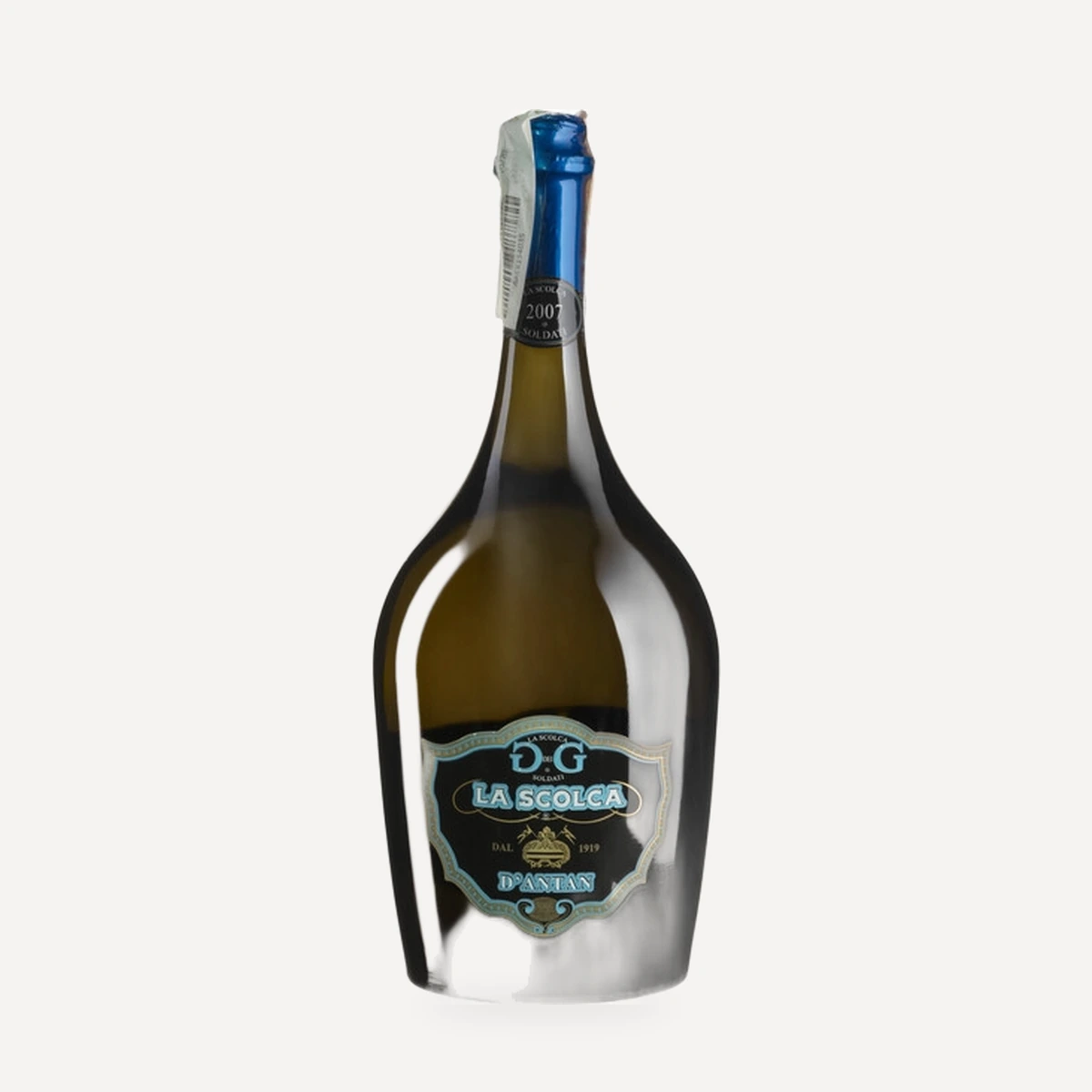
La Scolca D’Antan®
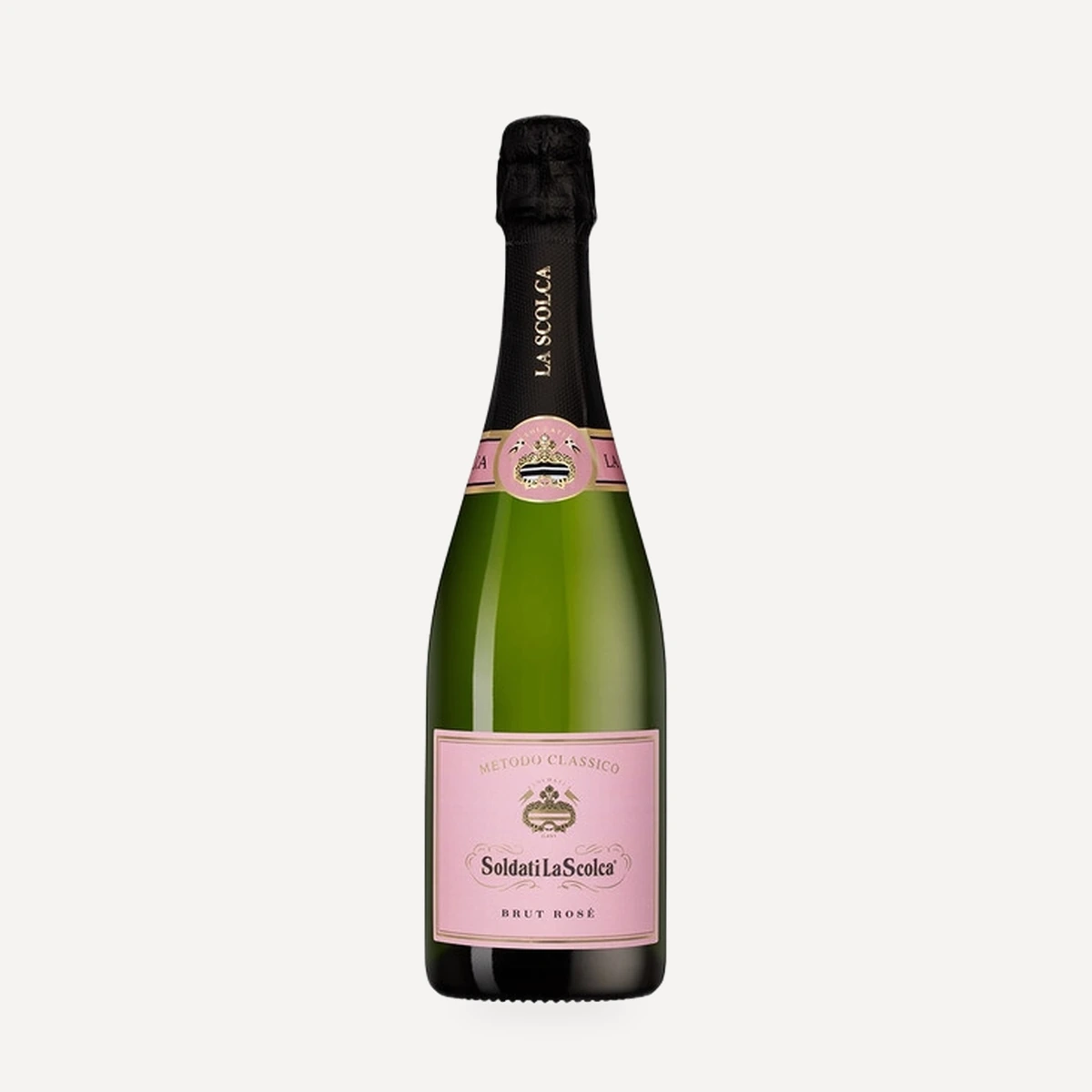
Brut Rosè
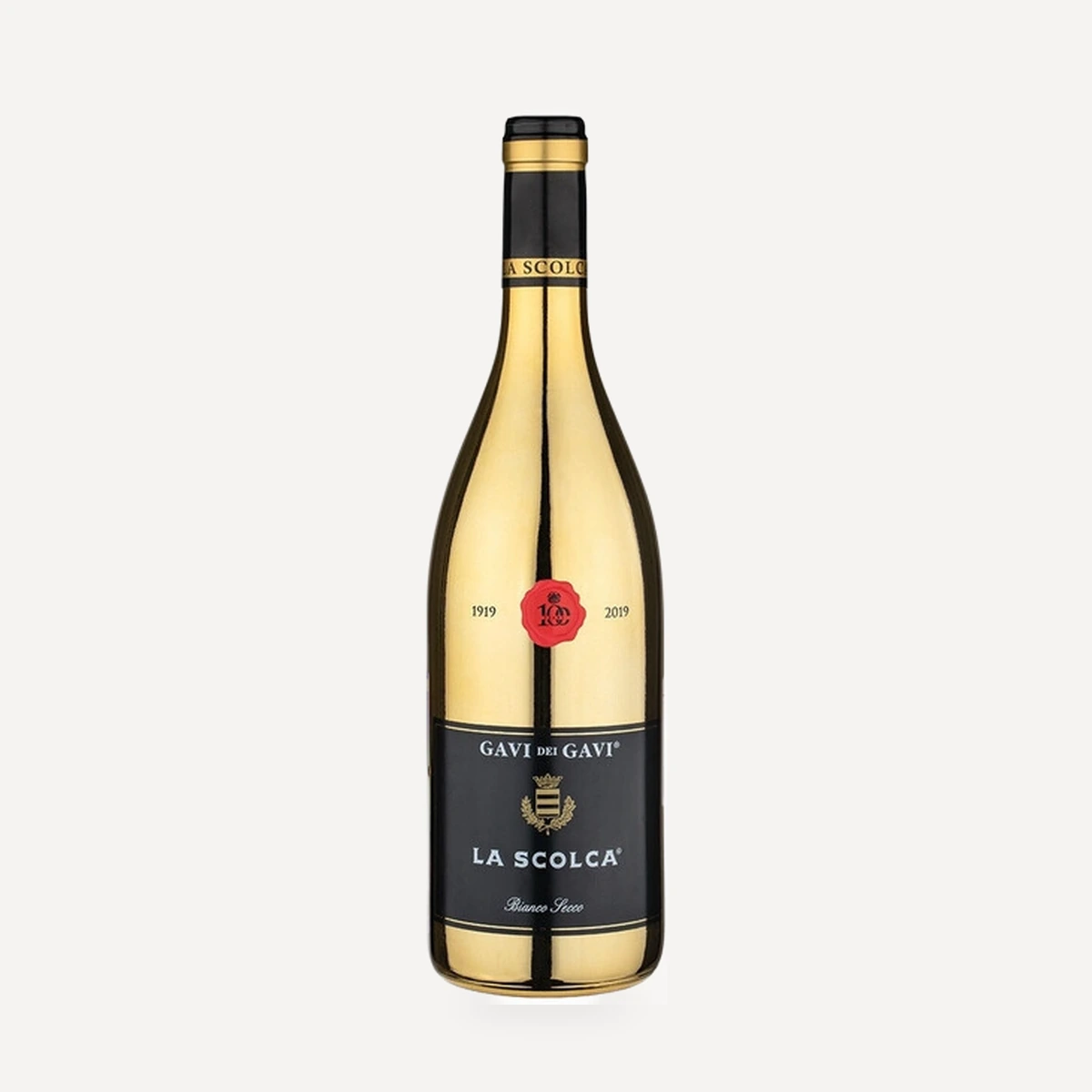
Gavi di Gavi Golden DOCG
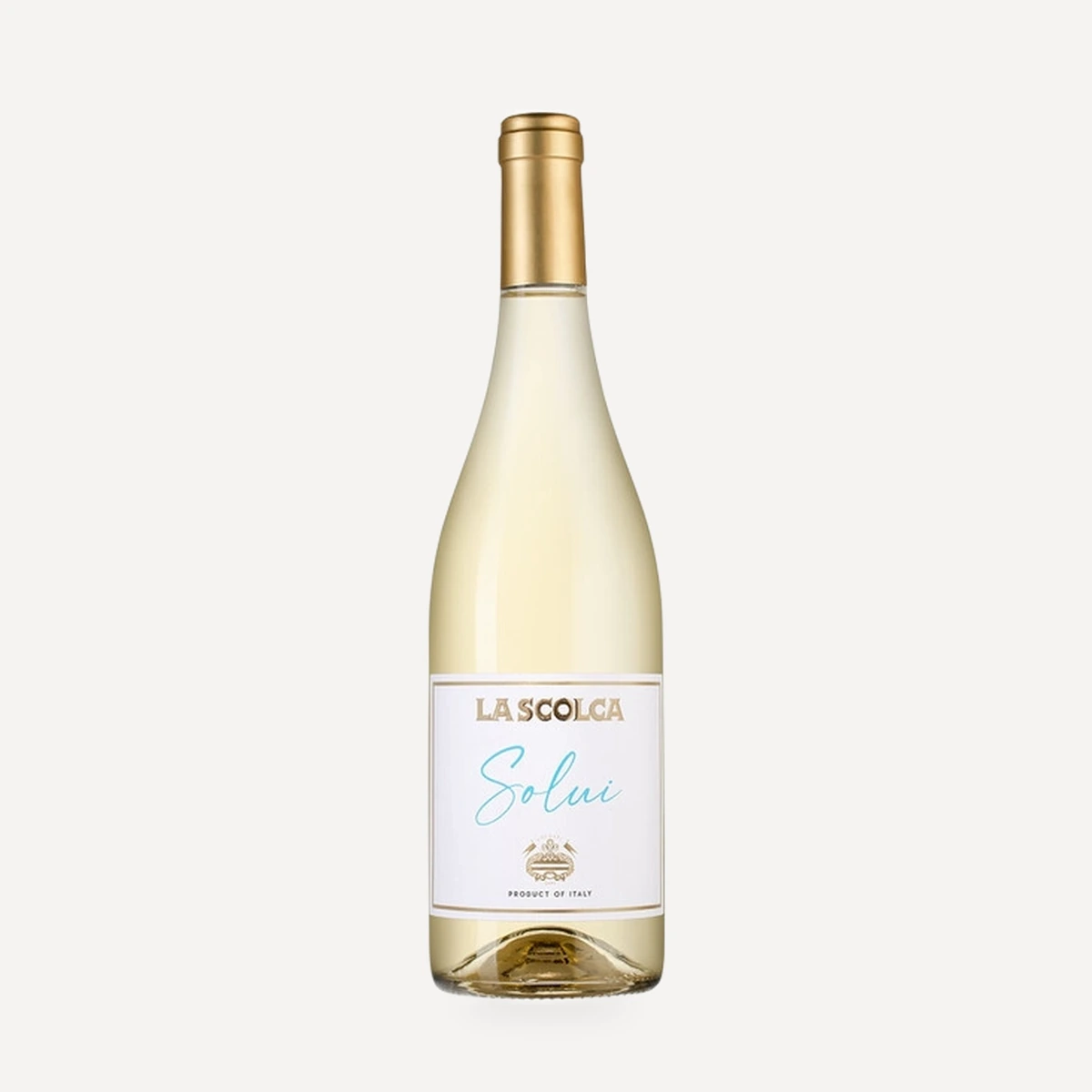
Solui Gavi DOCG
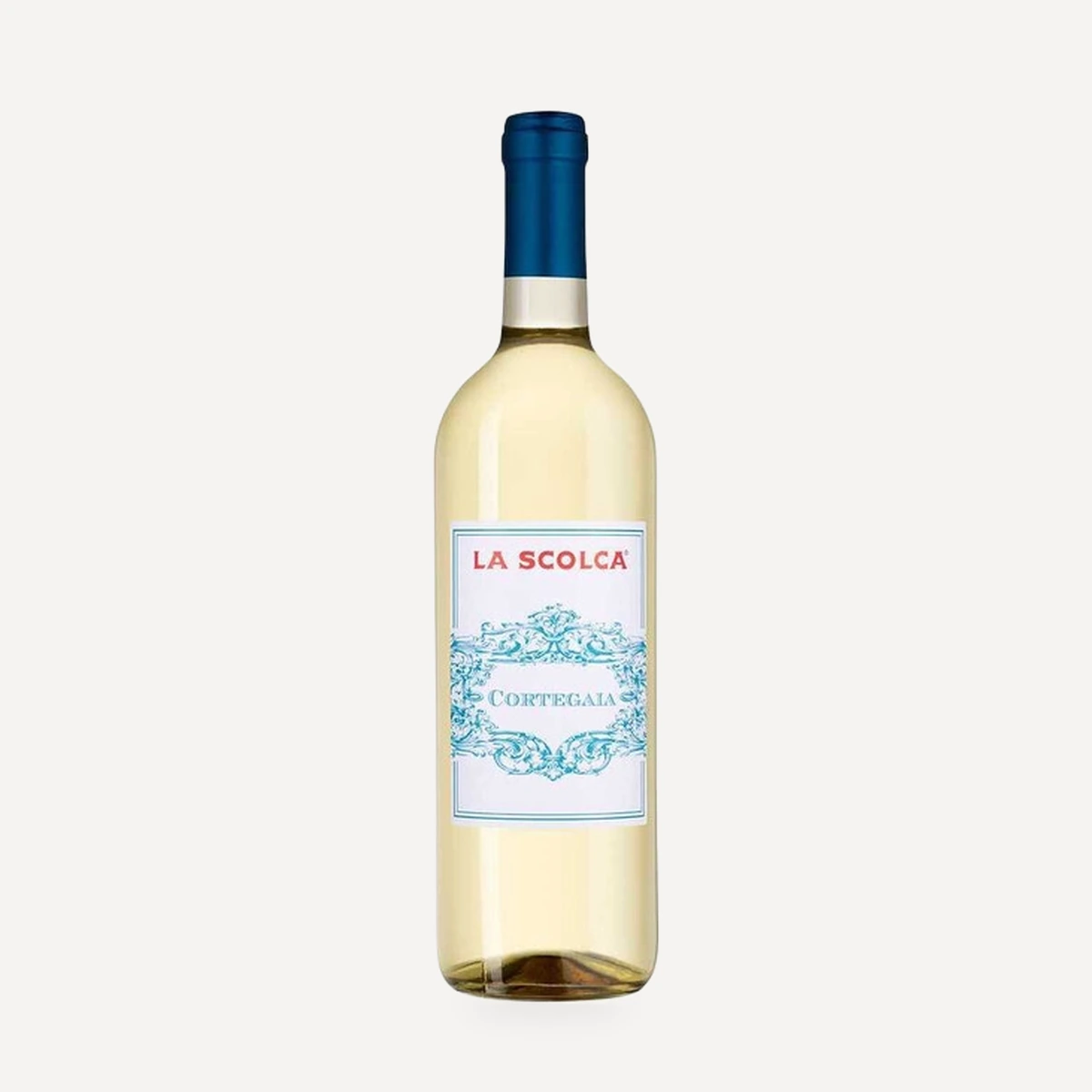
Cortegaia
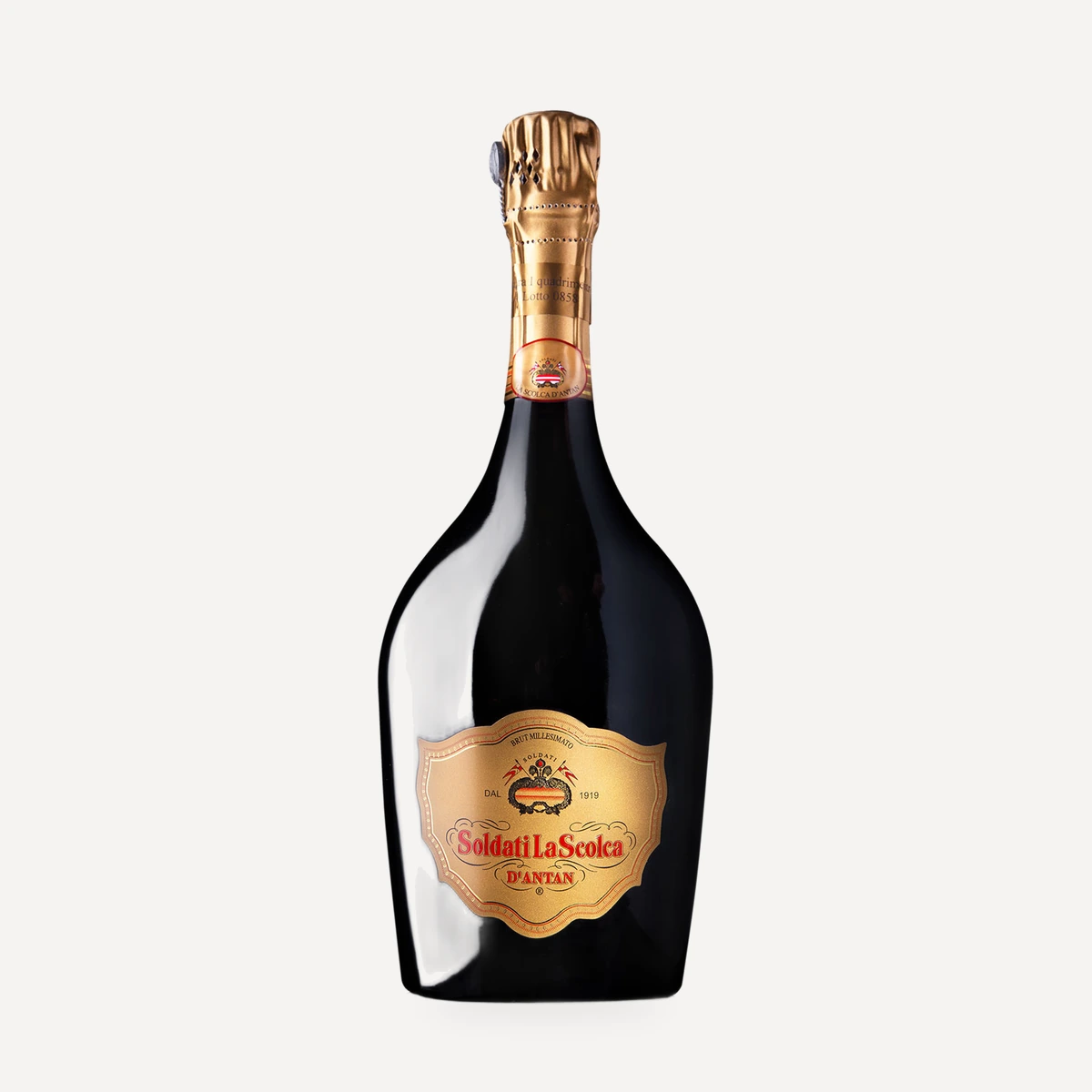
Brut Millesimato D’Antan®
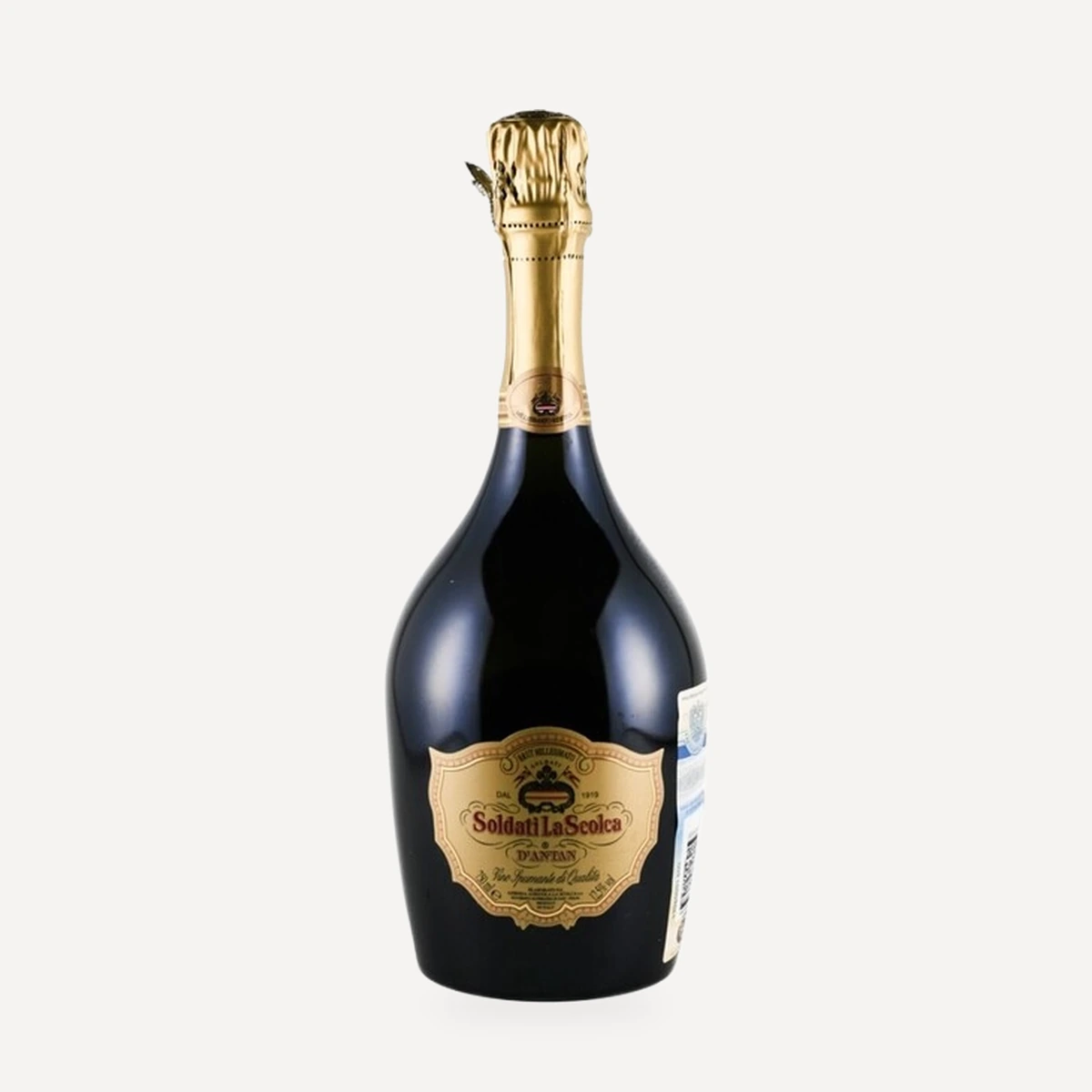
Brut Rosè Millesimato D’Antan®
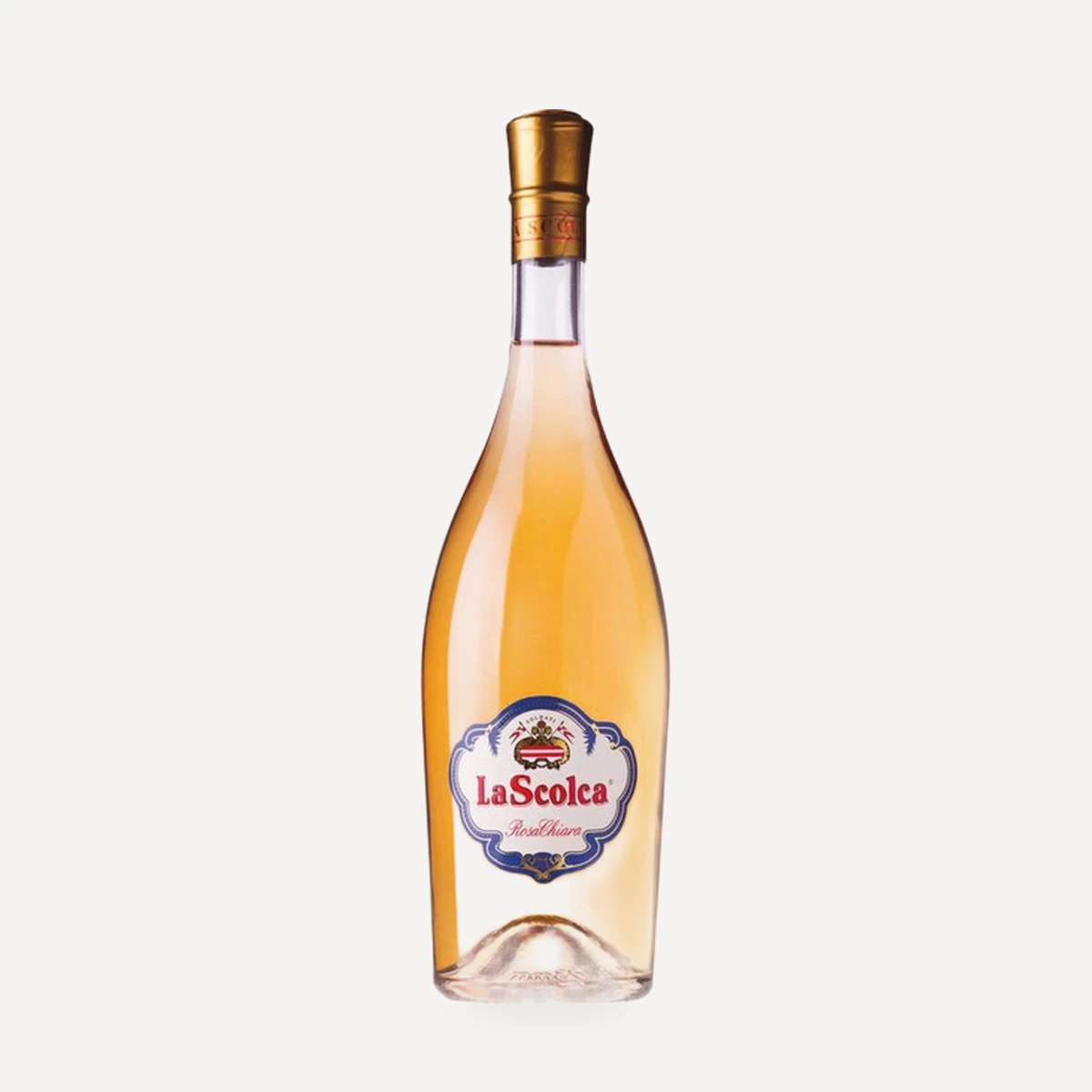
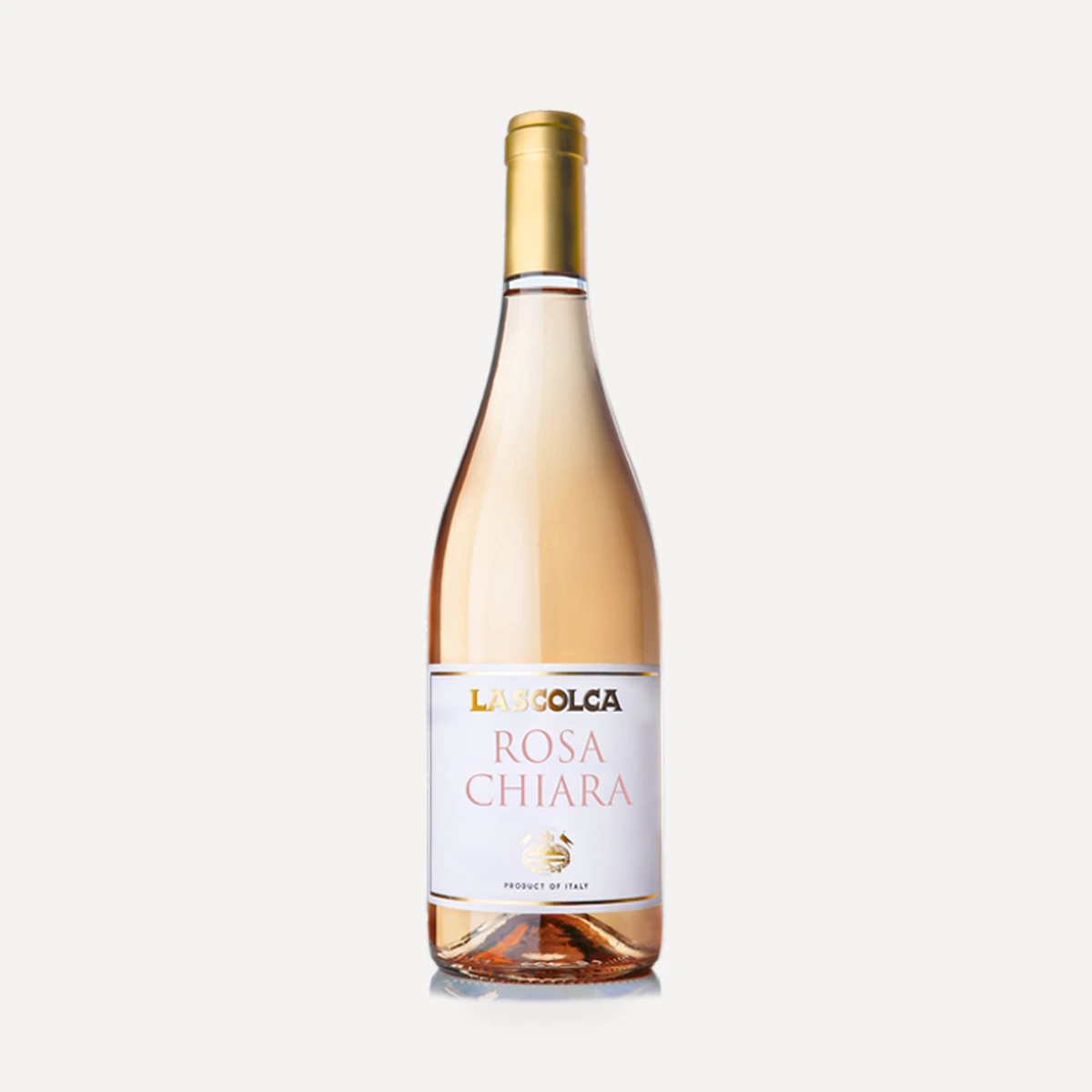
Rosa Chiara VdT
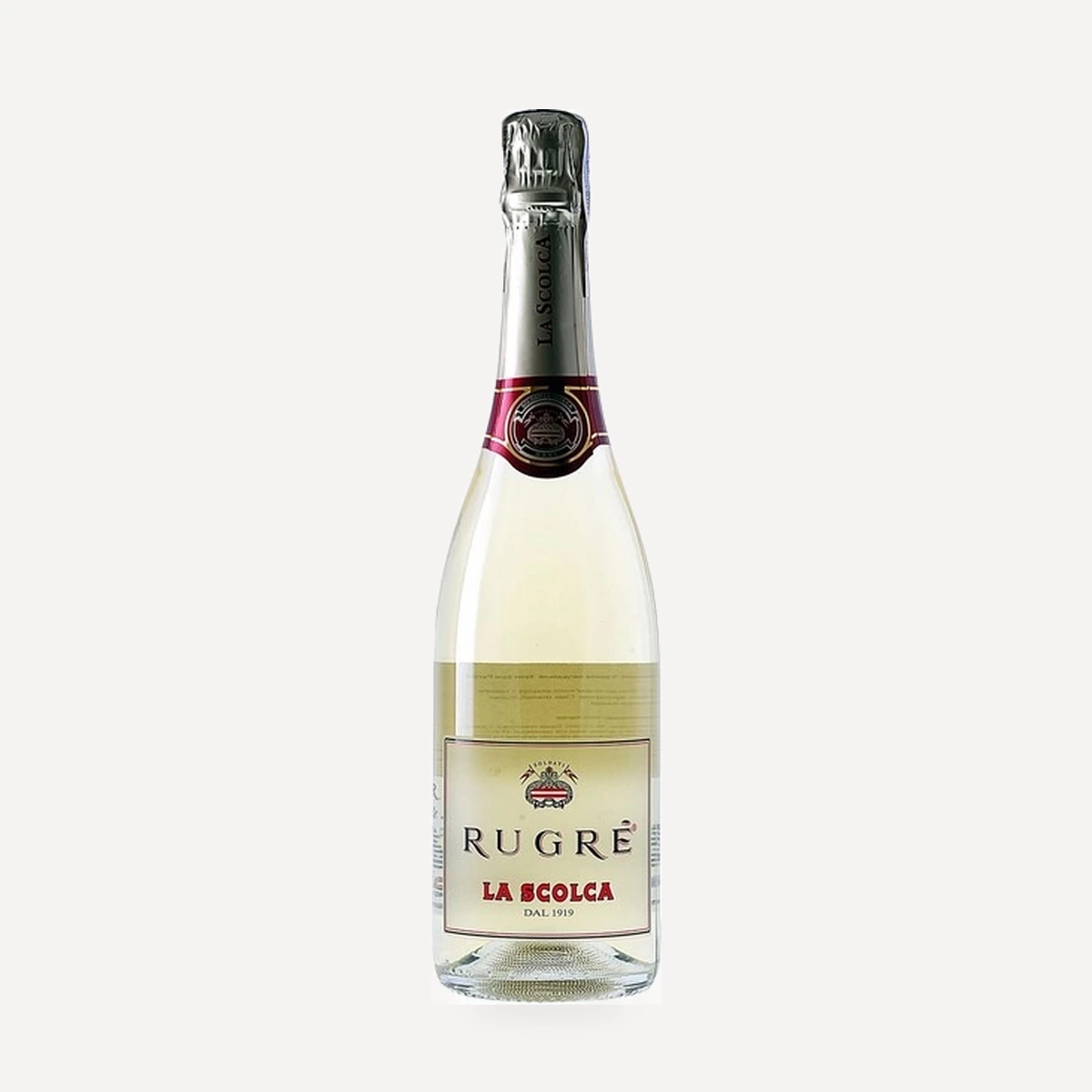
La Scolca Rugre
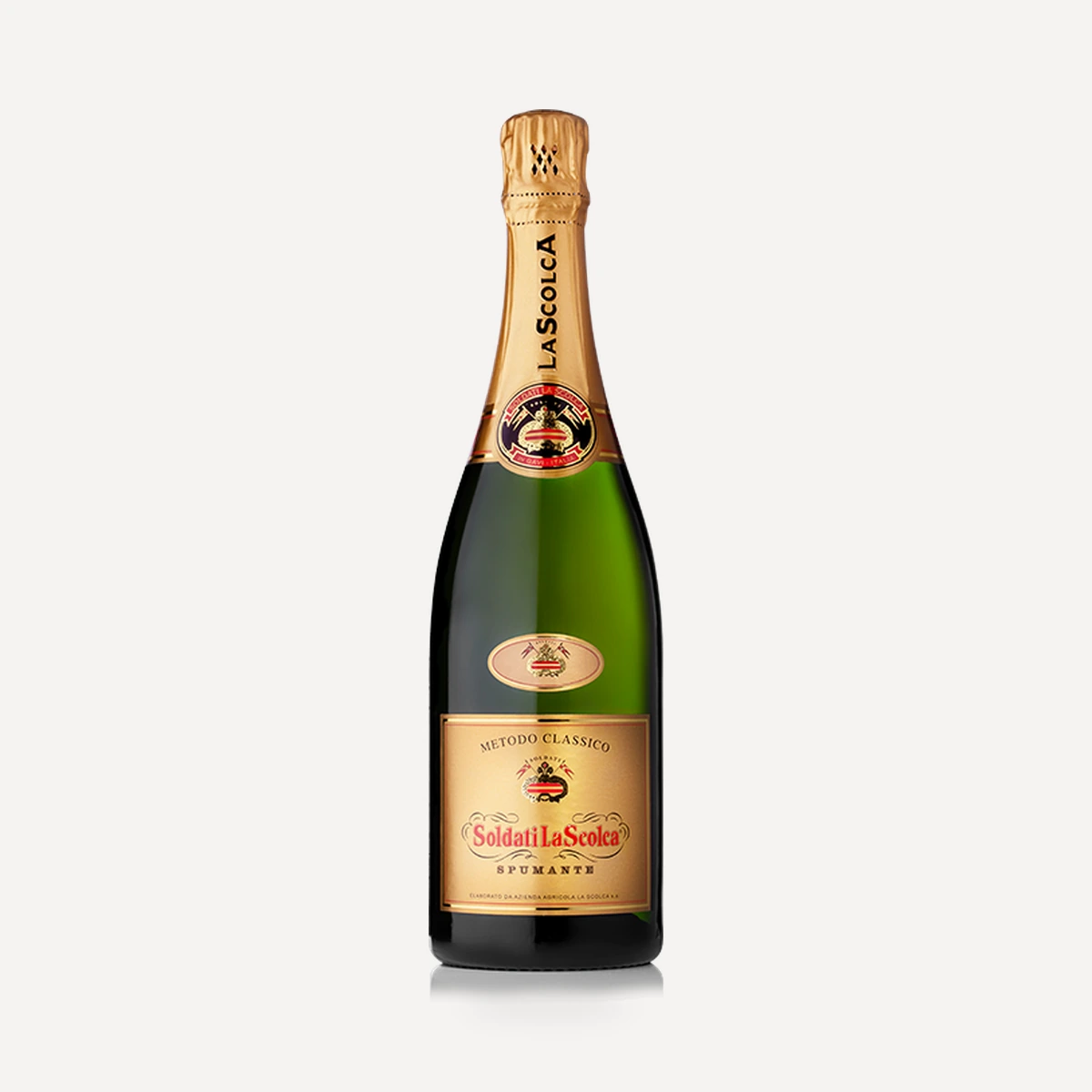
Soldati Brut Millesimato
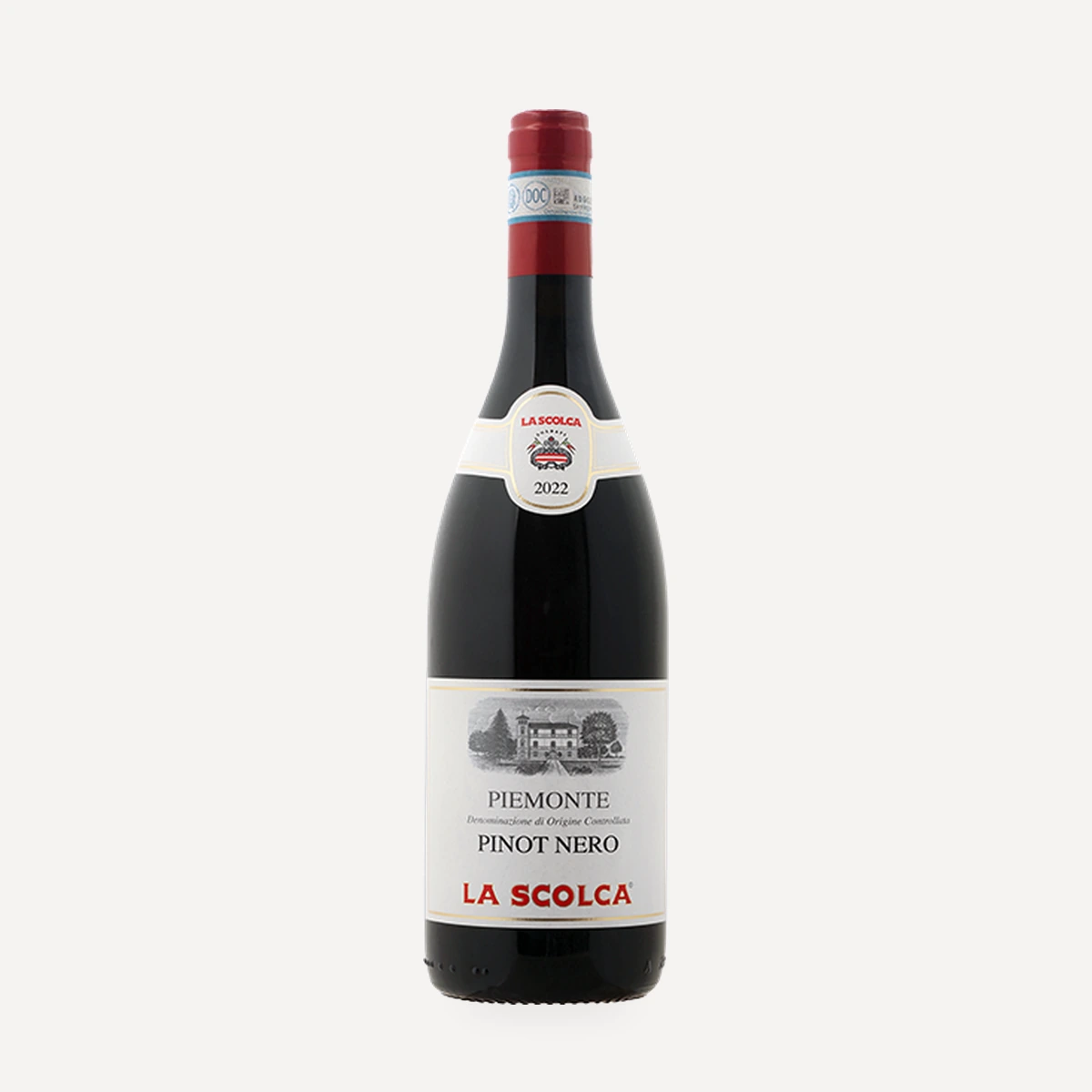
Pinot Nero
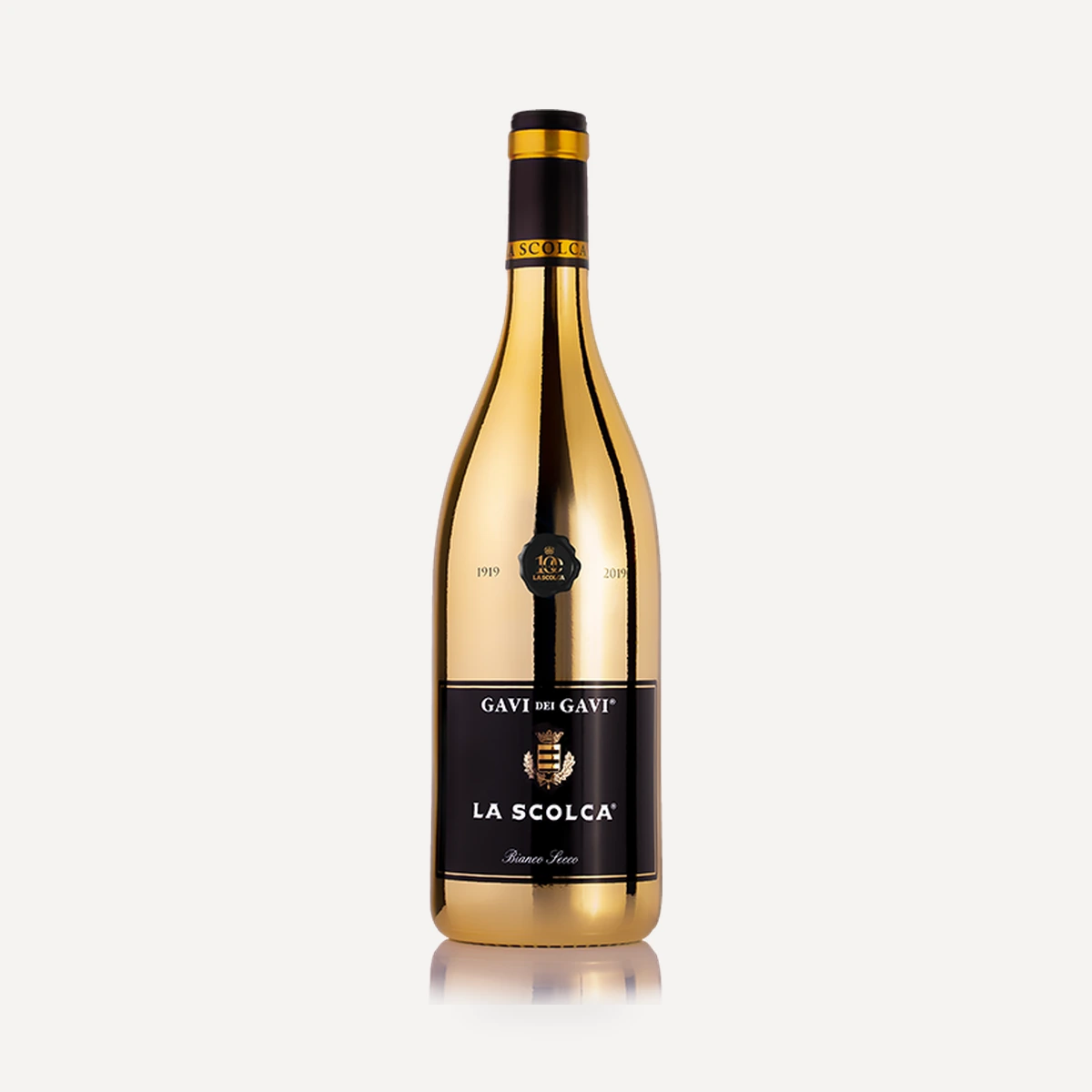
Gavi dei Gavi® Black Label Gold Edition
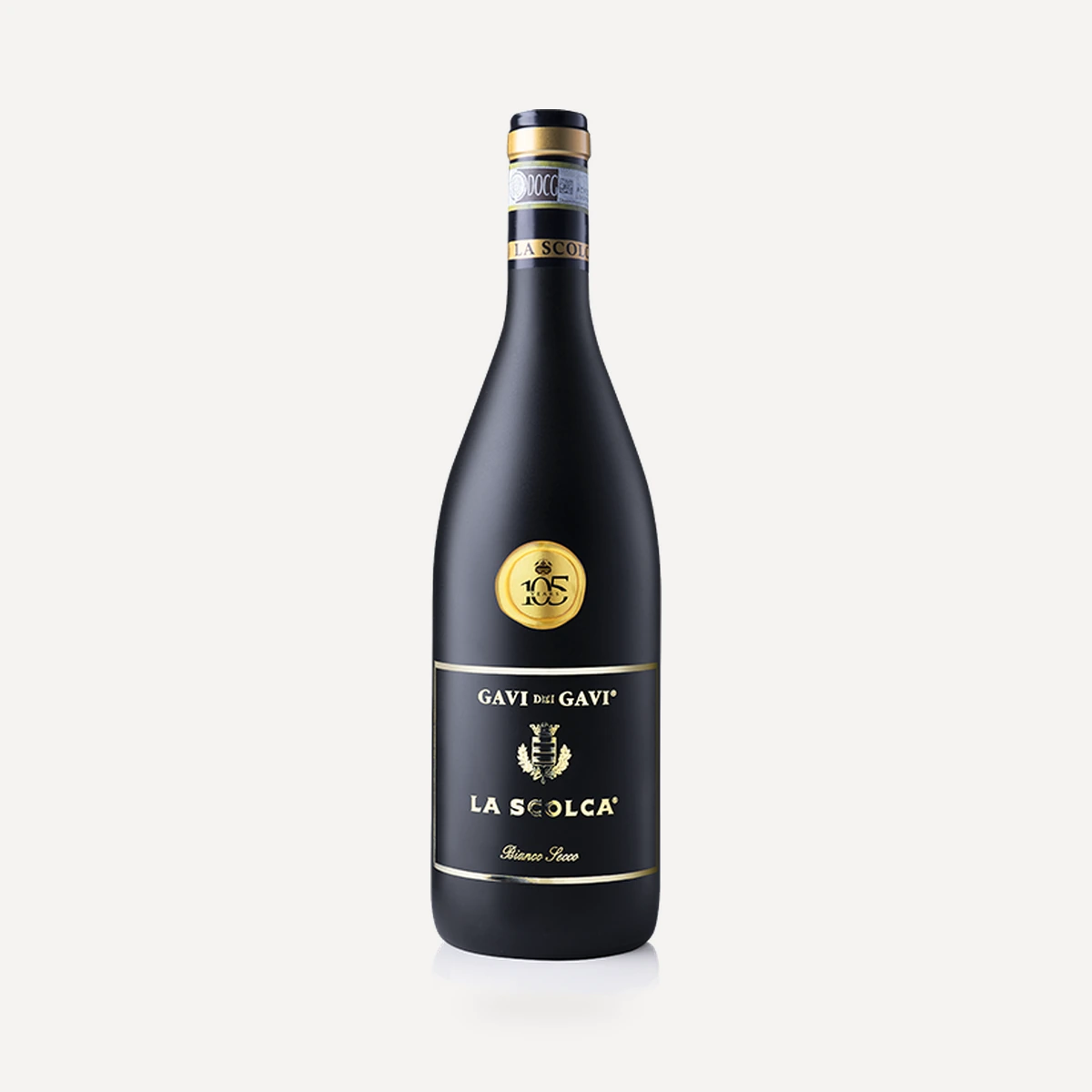
Gavi dei Gavi® Black Label Limited Edition