Storia
A family documented since 1568
The Moncelli family first appears in documents held by the Historical Archive of the Municipality of Montefalco in 1568. From that point onward, the family’s history became intertwined with the surrounding hills and with the cultivation of their land. La Veneranda traces its agricultural and winegrowing identity to this connection, which has continued for more than four centuries.
Maria Aloisa Moncelli and the origin of the name
In 1827, Maria Aloisa Moncelli inherited the property. Remembered as a highly cultured and wise figure, she became known as “La Veneranda” because of her foresight in managing the agricultural estate. The name subsequently became part of the property’s identity. Maria Aloisa also passed her interest in viticulture to later generations and established an approach to the estate that continues to influence it.
The estate today
La Veneranda is now managed by Eleonora Alessandrelli and Anna Rita Scarca, with the support of their families. Their work combines the promotion of Montefalco wines with careful stewardship of the surrounding landscape. The estate remains family-run and directly manages the complete wine chain: cultivation, harvesting, vinification, bottling, sale and labelling.
The family describes its contemporary direction through three linked commitments: preserving the history and traditions inherited from the past, expressing the identity of the territory in the present, and protecting the land for future generations through sustainable agriculture.
Renewable-energy development
In 2024, photovoltaic panels were installed to generate clean energy for the business. From 2025, the estate’s temperature-controlled heating and cooling system has been powered entirely by green energy. These measures form part of a continuing plan to expand environmental practices throughout the operation.
Terroir
La Veneranda lies near the medieval settlement of Montefalco in Umbria. Montefalco overlooks the plain of the Topino and Clitunno rivers, with views across the Valle Umbra toward the Monti Martani—a position that has given the town the sobriquet “Ringhiera dell’Umbria,” or Balcony of Umbria.
The principal 18 ha of vineyards are situated in the municipality of Montefalco at approximately 300 metres above sea level. Their soils are sedimentary in origin with a light clay component. A further 2 ha lie between Foligno and Spoleto and retain the same balance of soil and climatic conditions.
The vineyards are oriented predominantly southeast. The combination of altitude and exposure promotes effective drainage, balanced sunlight and gradual, even ripening. Differences between daytime and nighttime temperatures contribute to aromatic complexity and finesse in the grapes.
Vinificazione
La Veneranda follows a sustainable approach intended to preserve the land for later generations. Work in the vineyards includes preventive practices for plant protection and careful soil management.
Targeted pruning and close management of the leaf canopy are used to balance vegetative development with yield. Canopies are arranged to improve light penetration and provide sufficient air circulation around the bunches while reducing environmental impact. Woodland is retained around the vineyards as green habitat supporting local biodiversity.
The estate grows Sagrantino, Grechetto, Sangiovese and Merlot, whose different ripening cycles extend the harvest from September until late October. Harvesting is performed exclusively by hand, and every bunch is selected carefully. Vines reach up to 40 years of age and are trained to cordone speronato.
La Veneranda directly controls the complete process from vineyard to bottle, including cultivation, harvest, vinification, bottling, labelling and sale. Its production team encompasses different areas of expertise, from the enologist and cellar worker to vineyard operations and final labelling.
Vinification and maturation take place in both steel and wood according to the characteristics of the grapes. Stainless-steel tanks are used where a clean, precise vinification is desired, while oak barrels provide harmonious, balanced maturation. An advanced cellar system controls temperature and humidity to protect the wines’ organoleptic qualities throughout maturation.
Harvesting runs from September through late October to accommodate the differing ripening schedules of Sagrantino, Grechetto, Sangiovese and Merlot. All grapes are harvested by hand, with careful selection of each bunch before cellar processing.
Filosofia
La Veneranda’s philosophy joins inherited agricultural traditions to an evolving approach to wine production. The family seeks to keep its connection with the history of Montefalco alive while expressing the identity of the territory through its wines.
Protection of native varieties is central to this outlook, particularly Sagrantino, Grechetto and Sangiovese. The estate presents each wine as the result of the interaction among soil, climate, human work and a continually renewed craft.
Environmental stewardship is treated as a prerequisite for quality. Sustainable vineyard management, woodland preservation, photovoltaic generation and green energy for temperature control are intended to protect the land that sustains the estate. The long-term objective is to expand these practices until they become an integral part of everyday production.
Family continuity is expressed through three principles: transmit the past and respect its heritage, enhance the present by communicating the territory authentically, and build a responsible future for succeeding generations.
Vini
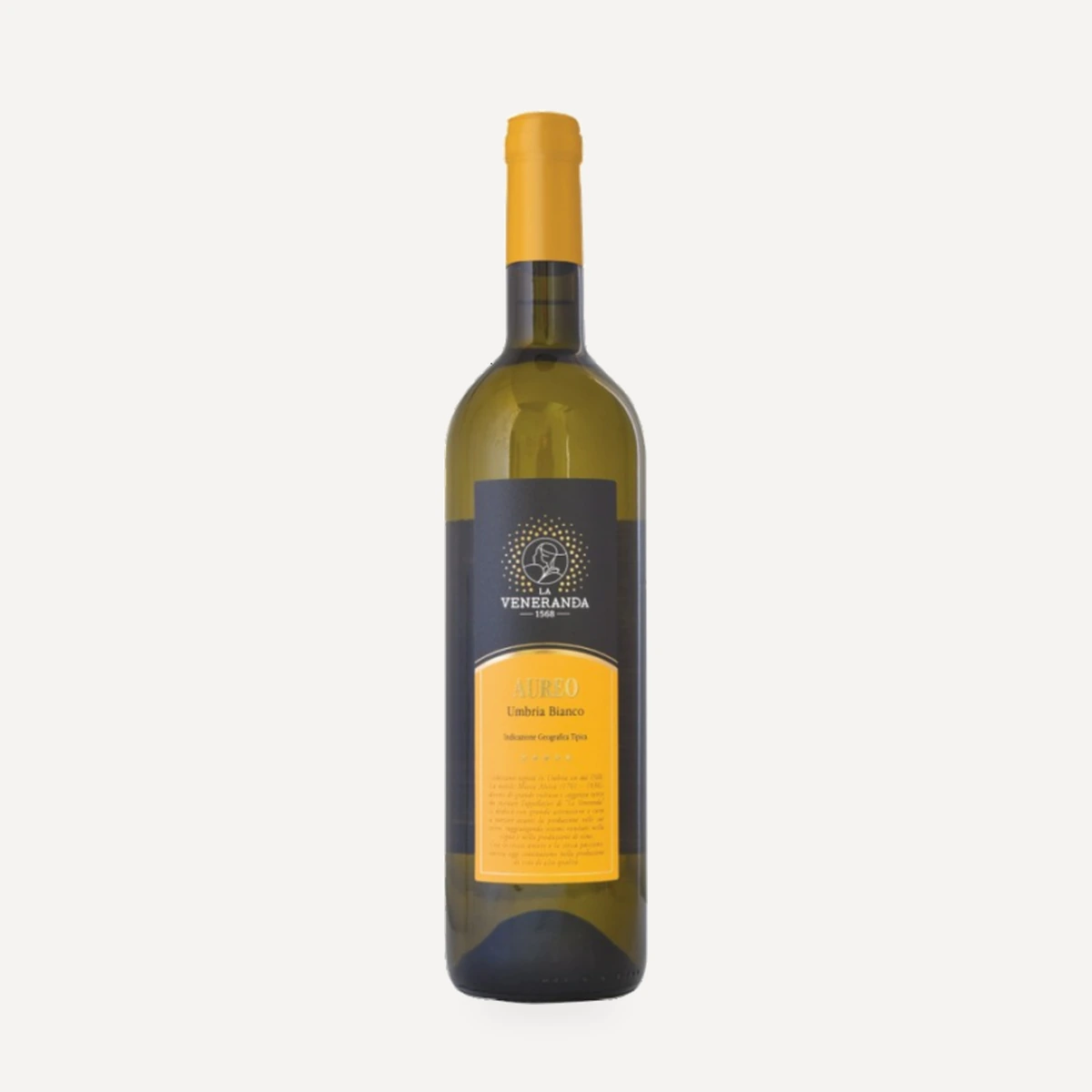
Aureo Umbria IGT Bianco
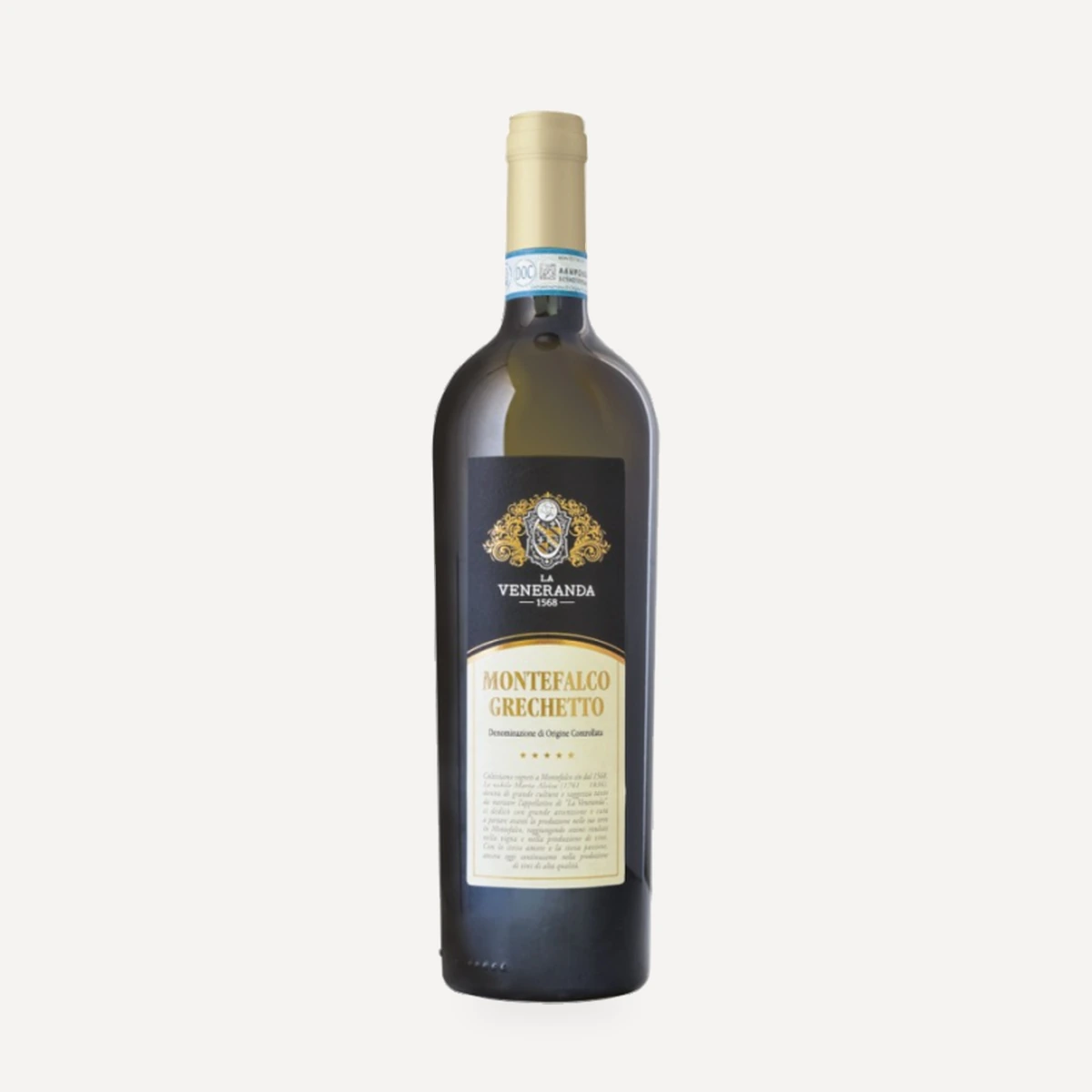
Montefalco DOC Grechetto
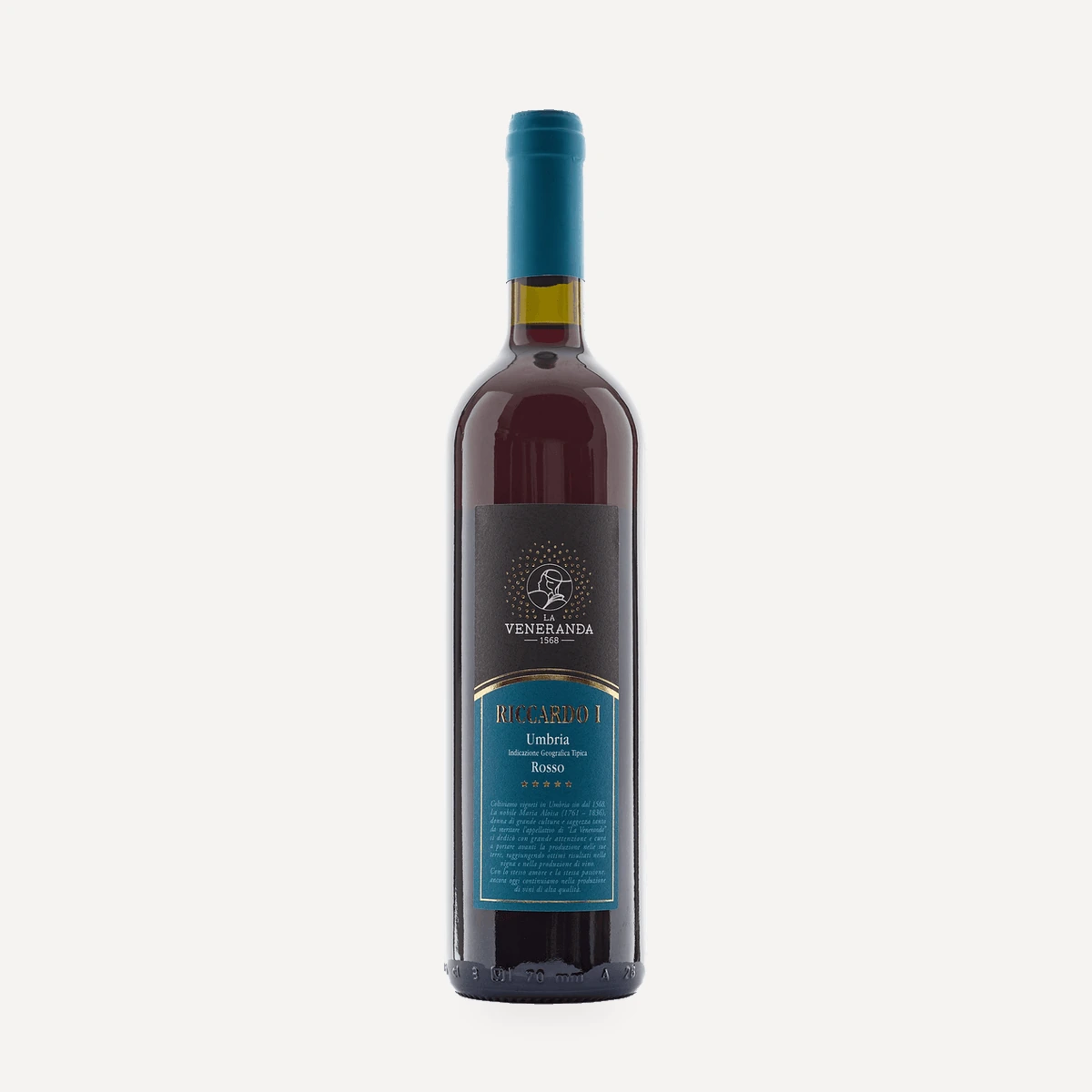
Riccardo I Umbria IGT Rosso
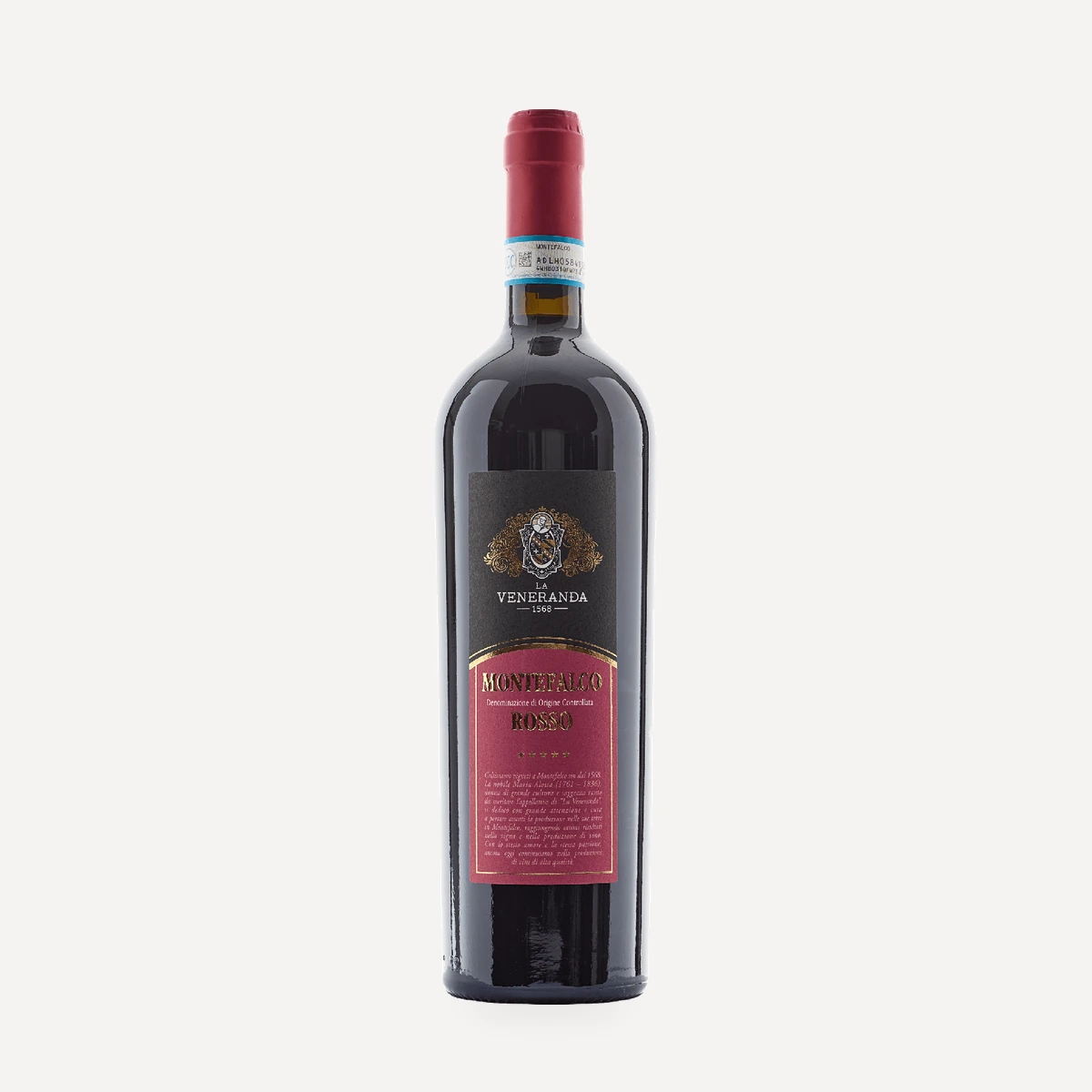
Montefalco DOC Rosso
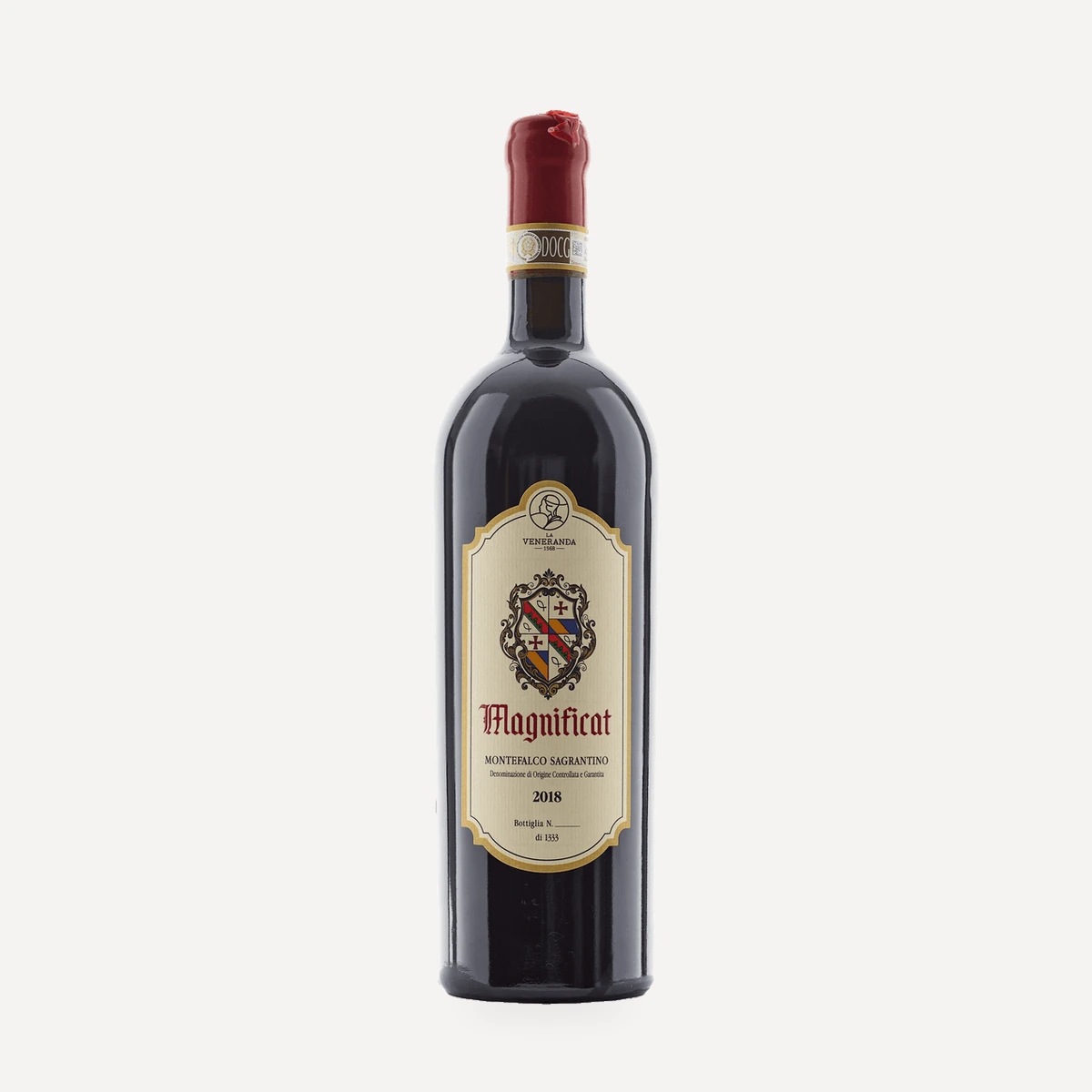
Montefalco Sagrantino DOCG “Magnificat”
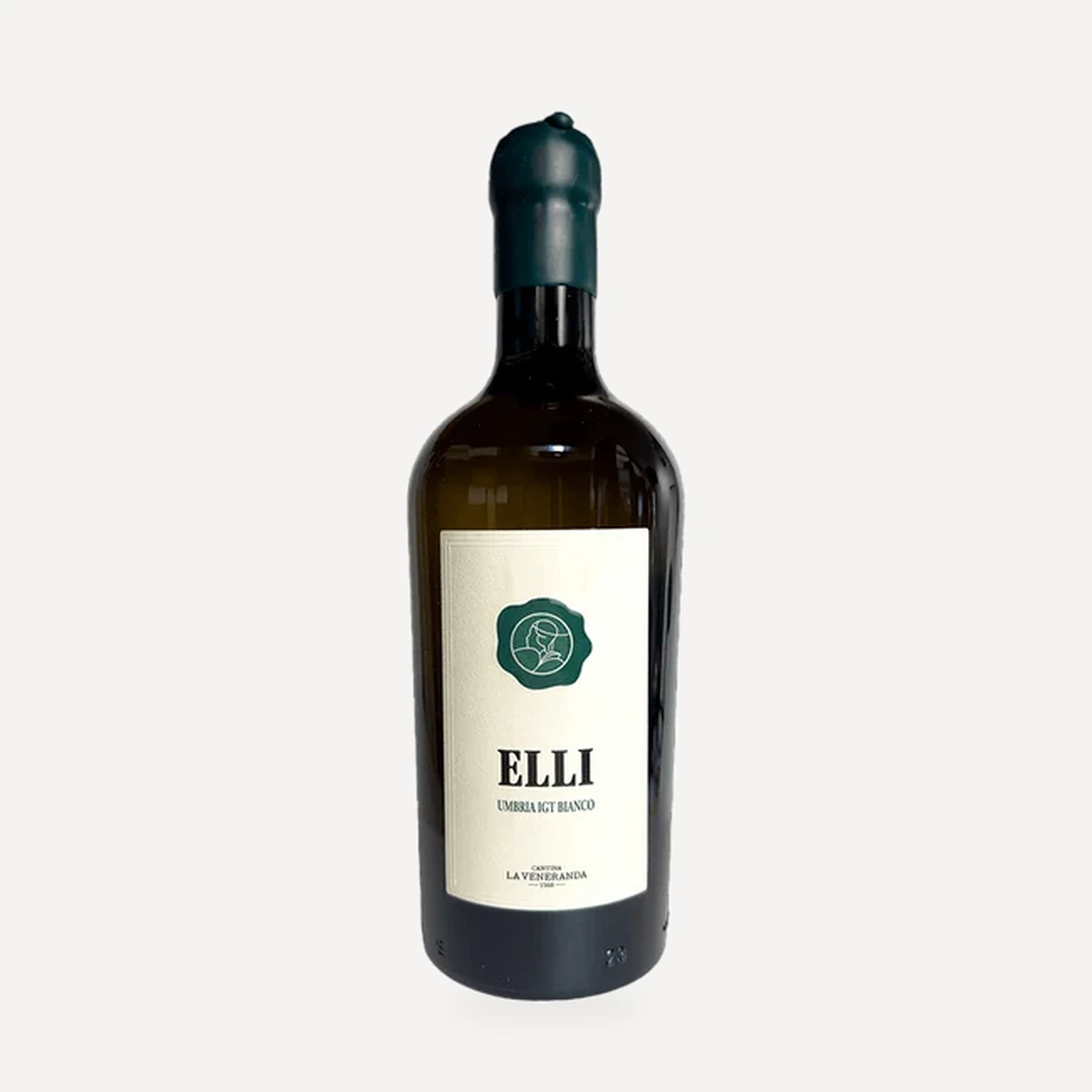
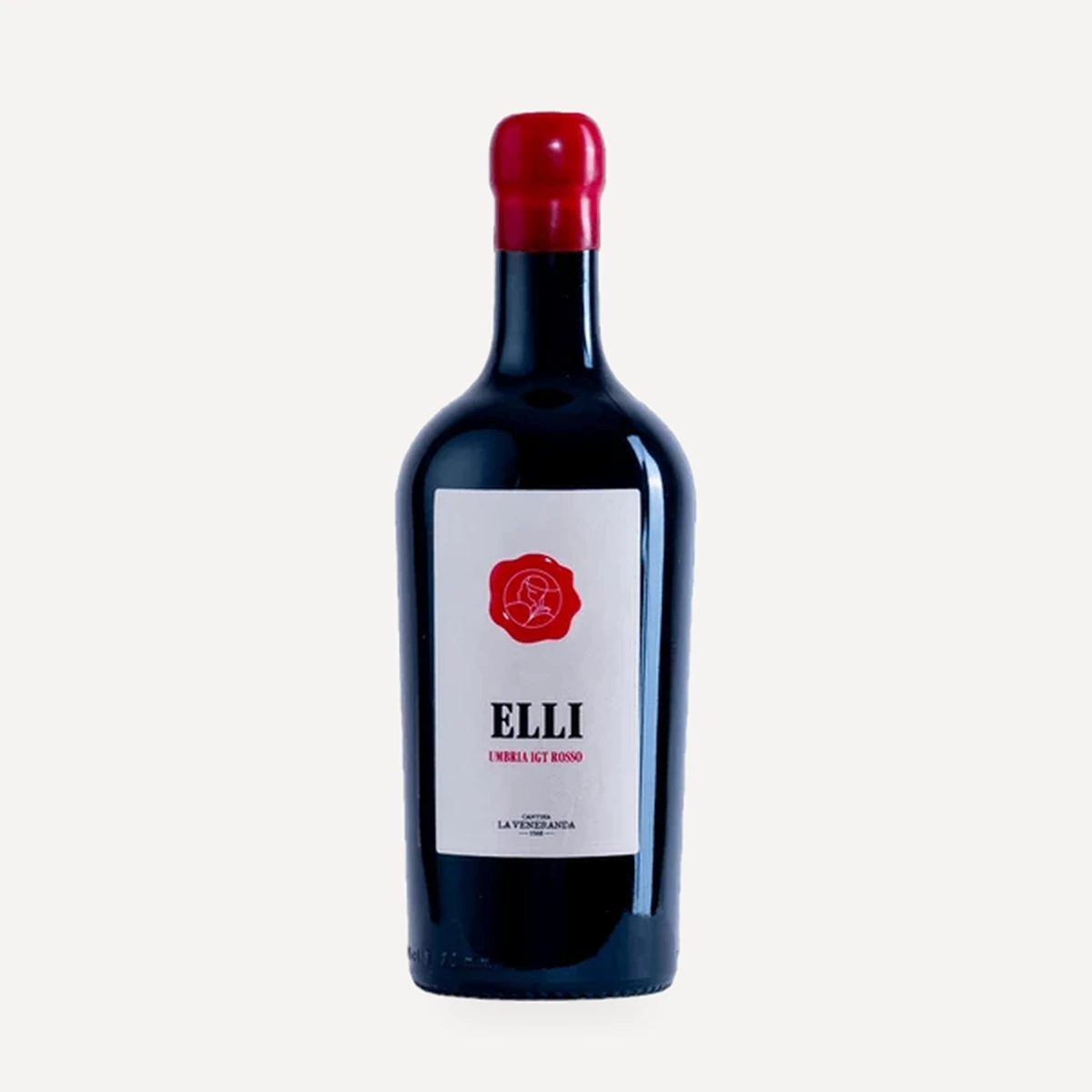
Elli Umbria IGT Bianco