Storia
1818: the beginning in Bignele
The Aldrighetti family’s agricultural history began in 1818 with the purchase of several plots in the locality of Bignele, near the village of Valgatara, now part of the municipality of Marano di Valpolicella. The family, already rooted in farming, began cultivating grapes alongside other crops.
Development of the estate
Successive generations continued to work the land as a family enterprise. The vineyard holding eventually reached 9 hectares, distributed through the valleys of Marano di Valpolicella, Negrar and San Pietro in Cariano, within Valpolicella Classica. Viticulture remained part of a mixed farm that also maintained cherry trees.
The estate’s production philosophy developed around the combination of inherited methods and modern techniques. Responsibility for the vineyard, cellar and commercial work remained within the family rather than being divided among outside managers.
The family today
The current management is led by siblings Nicola, Silvia and Cecilia Aldrighetti, with the active supervision of their father Luigi and uncle Angelo. Angelo follows the vineyards and soils through every phase of the vine’s cycle. Luigi is the family cellar master and oversees vinification. Nicola works across the production chain, dividing his time between vineyard and cellar and taking responsibility for bottling and labelling.
Silvia manages commercial and administrative activities and welcomes visitors with Debora for tours and tastings. Cecilia also conducts visits and tastings and manages the recently opened farm accommodation with Marta. Although responsibilities are divided according to individual interests and seasonal priorities, the entire family comes together during harvest, the most demanding period of the year.
Terroir
Le Bignele’s 9 ha of vineyards extend through the valleys of Marano di Valpolicella, Negrar and San Pietro in Cariano, in Valpolicella Classica.
The technical descriptions distinguish two principal settings. The Marano di Valpolicella vineyards occupy hillsides at approximately 300 m above sea level, where the soils are described as clayey and calcareous. Other vines lie between San Pietro in Cariano and Marano di Valpolicella: one sector occupies higher plain terrain at about 150 m, has a north-eastern exposure, and contains moderately calcareous soil with fluvial deposits; the associated hill sector rises to approximately 300 m.
The winery and adjoining terrace overlook the Marano di Valpolicella valley. The estate itself stands among vineyards at Via Biniele, near Valgatara, with recorded coordinates of 45.545185, 10.925119.
Vinificazione
Viticulture is carried out within the family. Angelo Aldrighetti is responsible for vineyard and soil care and follows the vines through their complete seasonal cycle; Nicola also works in the vineyards as part of his responsibility for the full production chain. Tasks change with the season and the immediate needs of the crop.
The documented training systems are Pergola Veronese and, for part of the vineyards, Pergola Trentina doppia. Vines represented in the estate’s technical material range from approximately 15 to 40 years old.
Harvesting is exclusively manual. Picking dates vary by intended production, beginning around the middle of September and extending to the middle of October. Fruit intended for drying is selected meticulously from the best bunches and placed in wooden crates. The family works together during harvest, combining its accumulated experience with modern technique.
The stated vineyard yield is 100 q/ha. Depending on the required selection, either 60 q/ha or 45 q/ha is retained for the relevant production.
Cellar work remains under direct family control. Luigi Aldrighetti oversees the stages of vinification, while Nicola Aldrighetti works throughout the chain, including cellar operations, bottling and labelling.
The cellar combines inherited practices with modern techniques. Documented operations include crushing with destemming, temperature-controlled fermentation in stainless-steel tanks and maturation either in steel or in large oak vessels. Oak ageing uses 25 hl and 38 hl casks.
Selected grapes for dried-grape production are placed in wooden crates and undergo at least 90 days of appassimento. They are crushed during winter, between December and January, followed by controlled fermentation and pump-overs in stainless steel. The cellar also practises the transfer of young base wine onto fresh pomace from dried-grape vinification.
For rosé production, skin contact lasts no more than three days; fermentation then continues with the must alone, followed by steel ageing to preserve the fruit’s characteristics. Depending on style, maturation ranges from stainless steel to extended ageing in large oak and subsequent bottle refinement.
Filosofia
Le Bignele defines itself through the continuity of Aldrighetti family farming and the pairing of methods inherited from earlier generations with modern technique. The objective is to produce the traditional wines of Valpolicella Classica without separating vineyard work, cellar work and hospitality from the family’s direct involvement.
The estate presents family participation as a working principle rather than only an ownership model. Seasonal priorities determine how tasks are shared, while individual responsibilities reflect personal interests: Angelo concentrates on vines and soils, Luigi on vinification, Nicola on the production chain, and Silvia and Cecilia on commercial work and hospitality. During harvest, these separate roles converge and the whole family participates.
The family also maintains the farm’s mixed agricultural identity through its cherry trees and transforms the fruit into preserves and nectar. Hospitality, tastings and accommodation are treated as extensions of the same family enterprise and as ways of introducing visitors to the wines, landscape and traditions of Valpolicella.
Vini
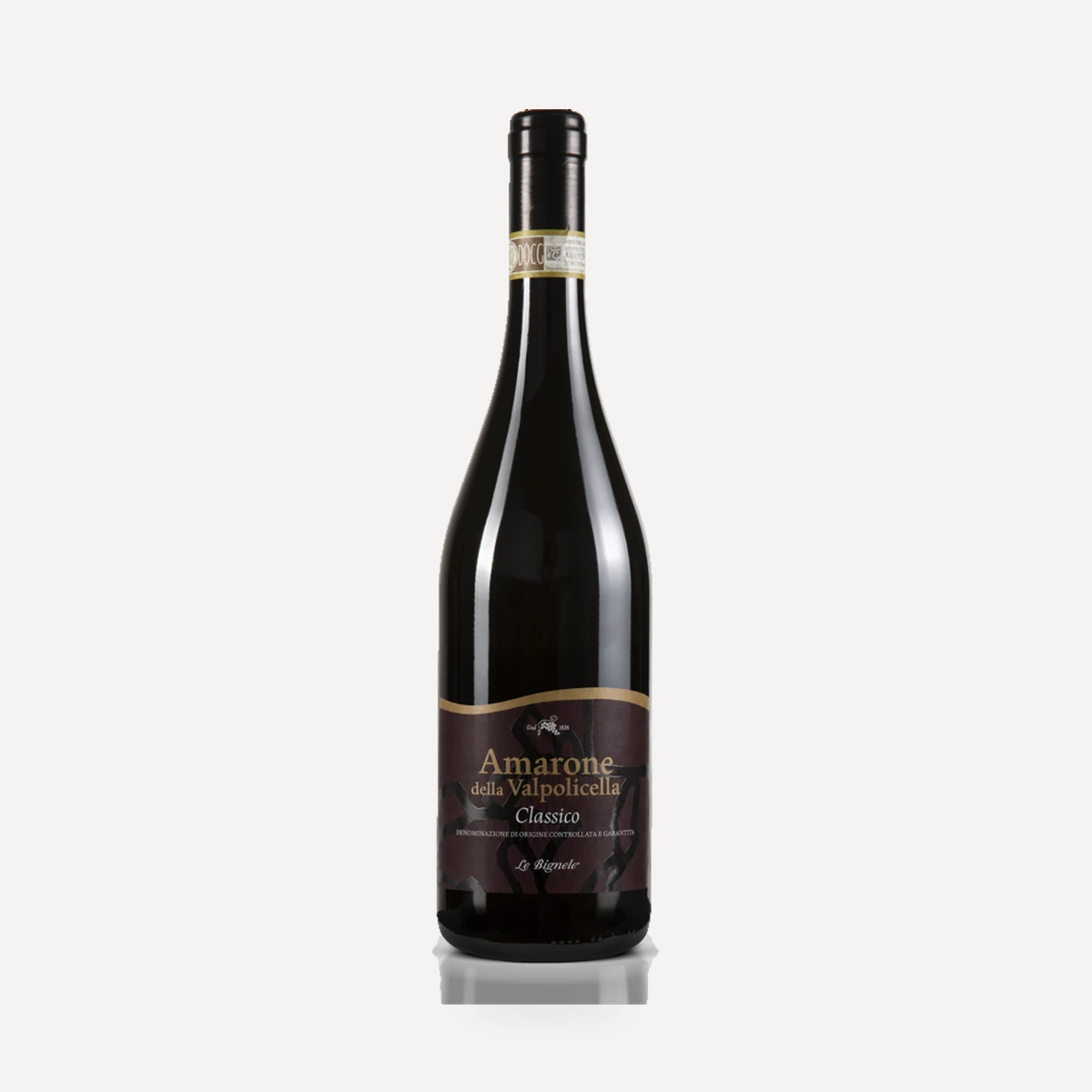
Amarone Classico della Valpolicella
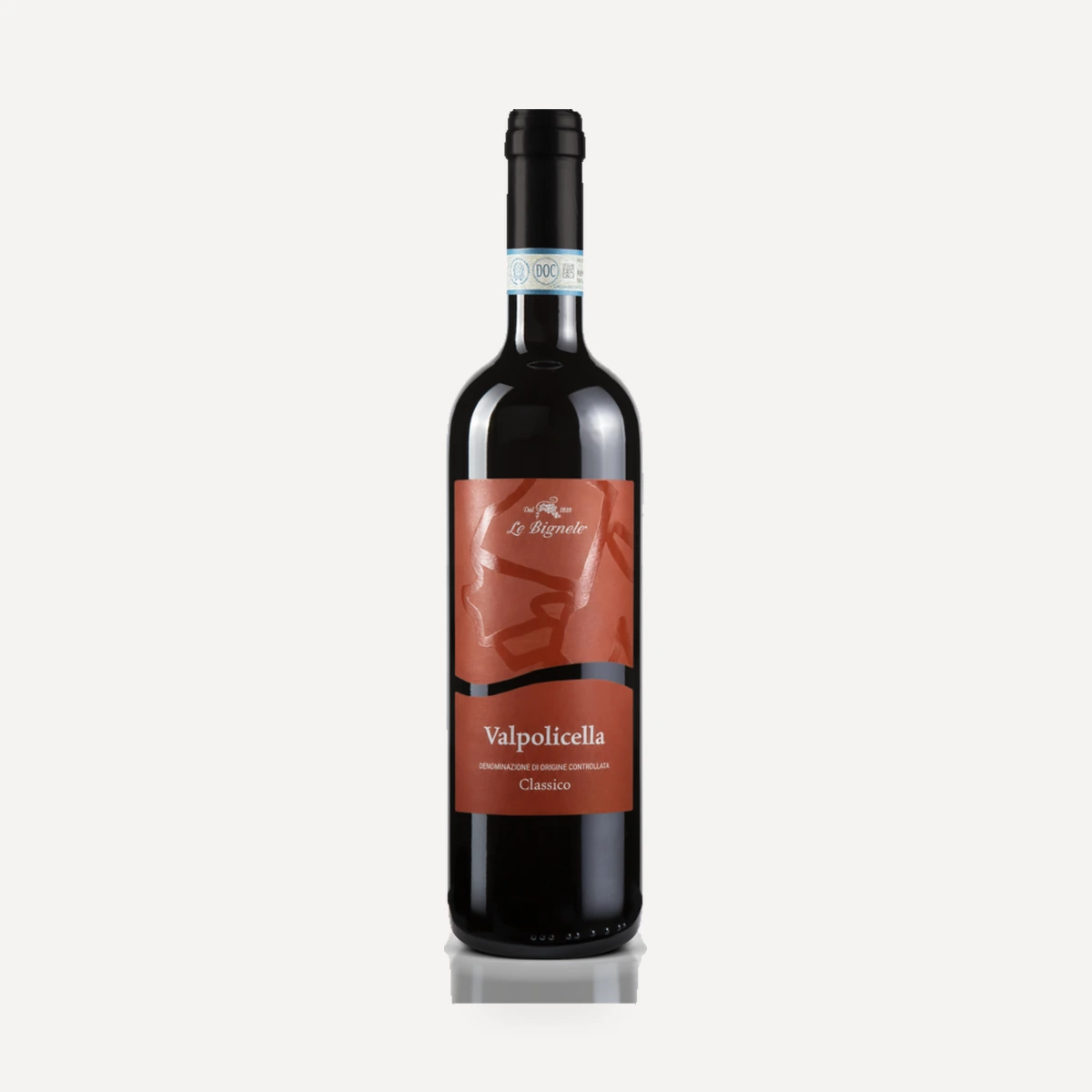
Valpolicella Classico
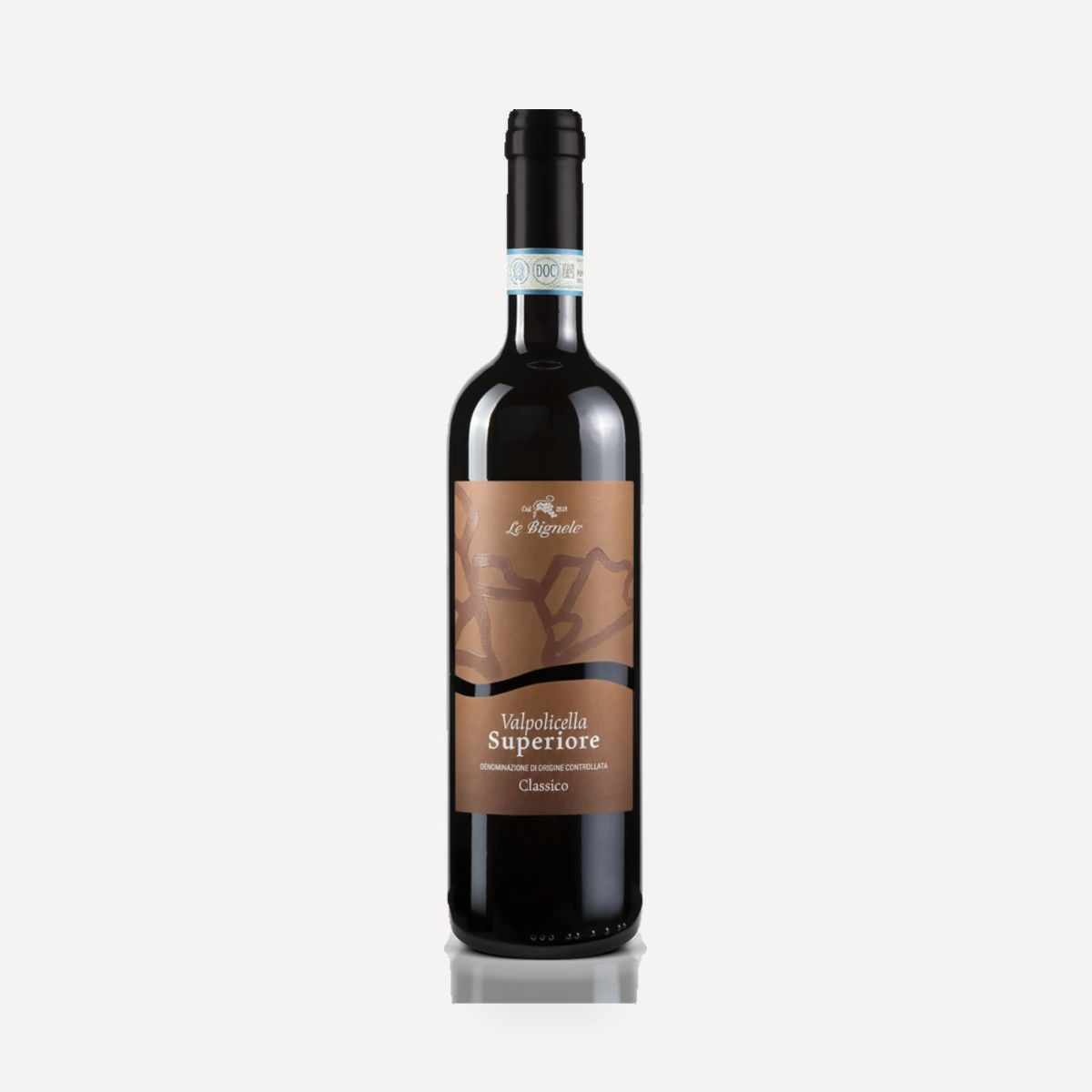
Valpolicella Classico Superiore
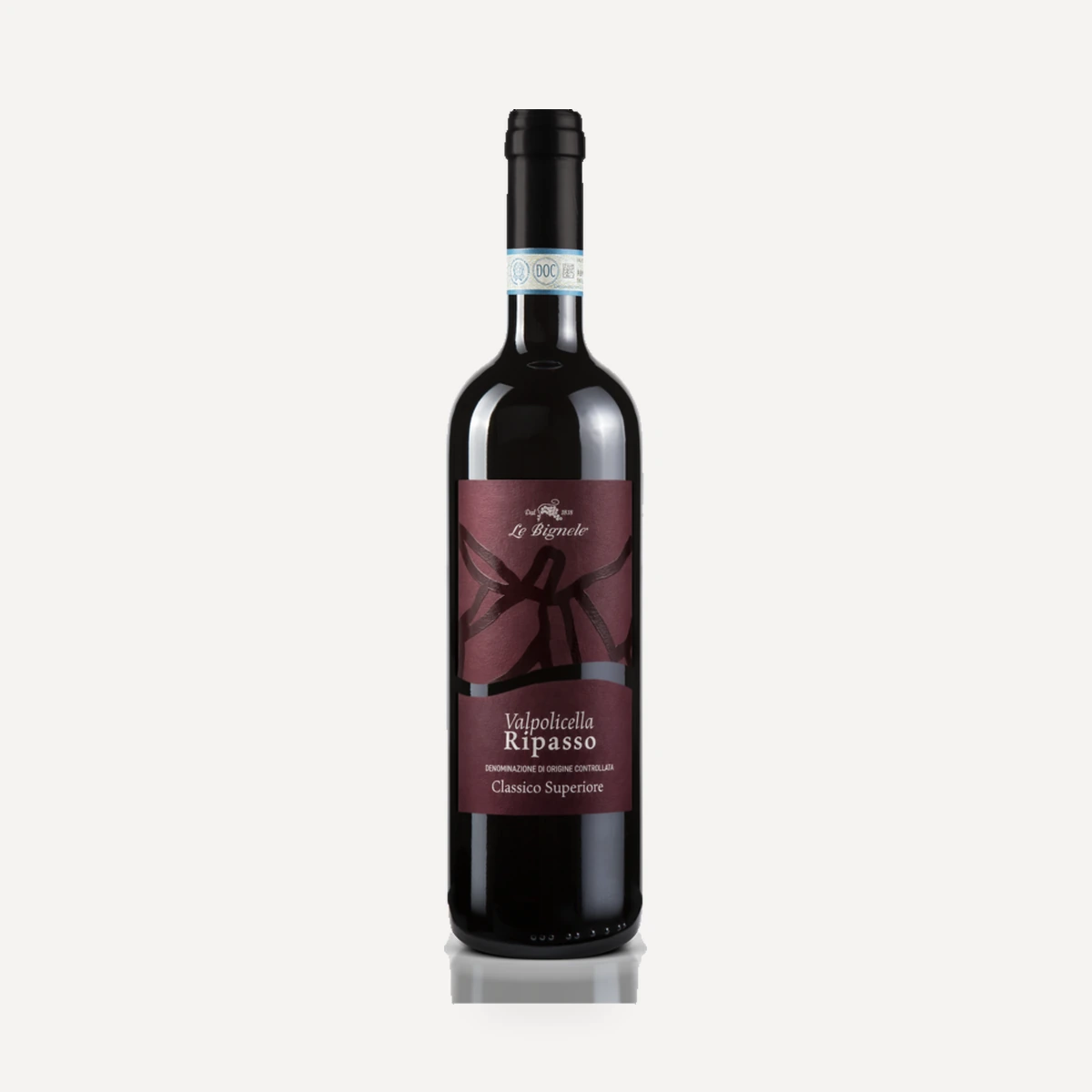
Valpolicella Classico Superiore "Ripasso"