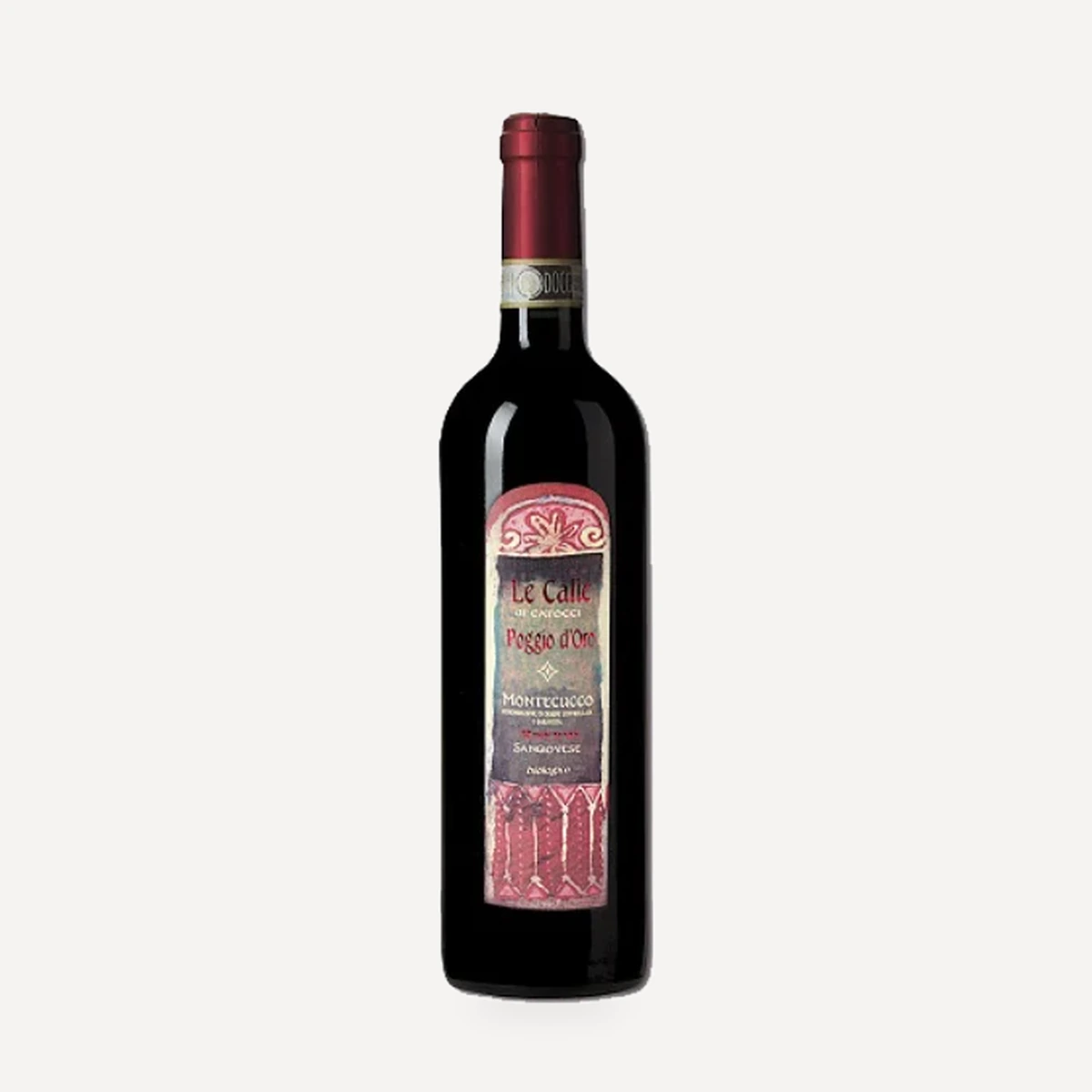
Storia
The Catocci family
The Catocci family established its roots in the hills around Poggi del Sasso and developed its agricultural knowledge over successive generations. The family combined farming with an agriturismo business at the rural settlement of La Cava.
The Le Calle identity
The estate took the name Le Calle from one of its own parcels, a name the family particularly liked. Its agricultural activity gradually incorporated a stronger interest in wine, shared among members of the family and directed toward expressing and increasing the value of the surrounding territory.
A diversified organic estate
Le Calle developed as a mixed agricultural and hospitality property encompassing 80 hectares, including 7 hectares of vineyards, estate olive groves and land used for other agricultural activities. Wine production, certified organic extra-virgin olive oil and rural accommodation now form the principal strands of the estate’s activity. The business is identified as Azienda Agricola Biologica Le Calle di Riccardo Catocci, with Riccardo Catocci associated directly with the winery and the family continuing its agritourism tradition.
Terroir
Le Calle lies in the hills of Poggi del Sasso, within the municipality of Cinigiano in the province of Grosseto. The property occupies the hilly belt of the Maremma and stands between Monte Amiata and the Tuscan Maremma, in the Montecucco wine-growing area.
The surrounding landscape alternates cereal fields, olive groves, vineyards and woodland. From parts of the property, the view extends across wooded Maremma uplands and cultivated hills dominated by Monte Amiata; the sea can be visible from the panoramic terrace on clear days.
The vineyards occupy sites at approximately 320–330 metres above sea level. Recorded exposures include southwest-facing vineyards at 320 metres, a southwest-facing Vermentino site at 330 metres and southeast-facing vineyards at 330 metres. The vineyard soils are described as medium-textured (medio impasto).
Vinificazione
Le Calle’s vineyards are managed under certified organic production, with QCcertificazioni srl identified as the control body. The estate also produces certified organic extra-virgin olive oil.
Vines are planted at 4,700 plants per hectare and trained either to simple Guyot or spur-pruned cordon, depending on the vineyard and variety. Harvesting is manual. Most wine grapes are picked in September; some fruit is collected in crates. Grapes intended for the late-harvest style remain on the vines until November.
Le Calle employs several vinification paths across its range.
Red grapes may be destemmed and crushed before fermentation in concrete tanks at 28–30°C for approximately 18–25 days. Another red-wine method uses skin maceration in stainless-steel tanks for approximately 12–15 days. The estate’s longer-aged red matures for 30 months in 20-hl Slavonian oak casks, followed by 12 months in bottle.
Rosé production begins with crushing and destemming followed by 36 hours of skin maceration. The juice is then fermented off the skins, completes malolactic fermentation and matures on its fine lees. Bottling takes place in March following the harvest, with one month of bottle ageing.
Vermentino is crushed and destemmed and then fermented on its skins for 12 days. It is bottled in March and receives at least three months of bottle ageing.
For the wine made from late-harvest Sangiovese, the grapes are crushed and then pressed in a hydraulic press. Fermentation and maturation take place in a small chestnut cask for three years. Bottling occurs in March, followed by one month in bottle.
March is the recurrent bottling period across the range. Depending on the wine, bottling may occur in the March after harvest or after a longer maturation period; stated bottle-ageing periods range from one month to twelve months.
Filosofia
Le Calle presents its production philosophy as one of deep respect for tradition and affection for the Tuscan land. The Catocci family links winegrowing to a shared desire to enhance the value of its territory rather than treating wine as an activity separate from the wider farm.
This approach combines successive generations of agricultural experience with organic farming, mixed cultivation and rural hospitality. The restoration of the agriturismo buildings follows the same emphasis on continuity: traditional architectural elements, including timber ceilings, terracotta floors, stone stairways and Maremman fireplaces, have been retained while the buildings have been adapted for guests.
Vini
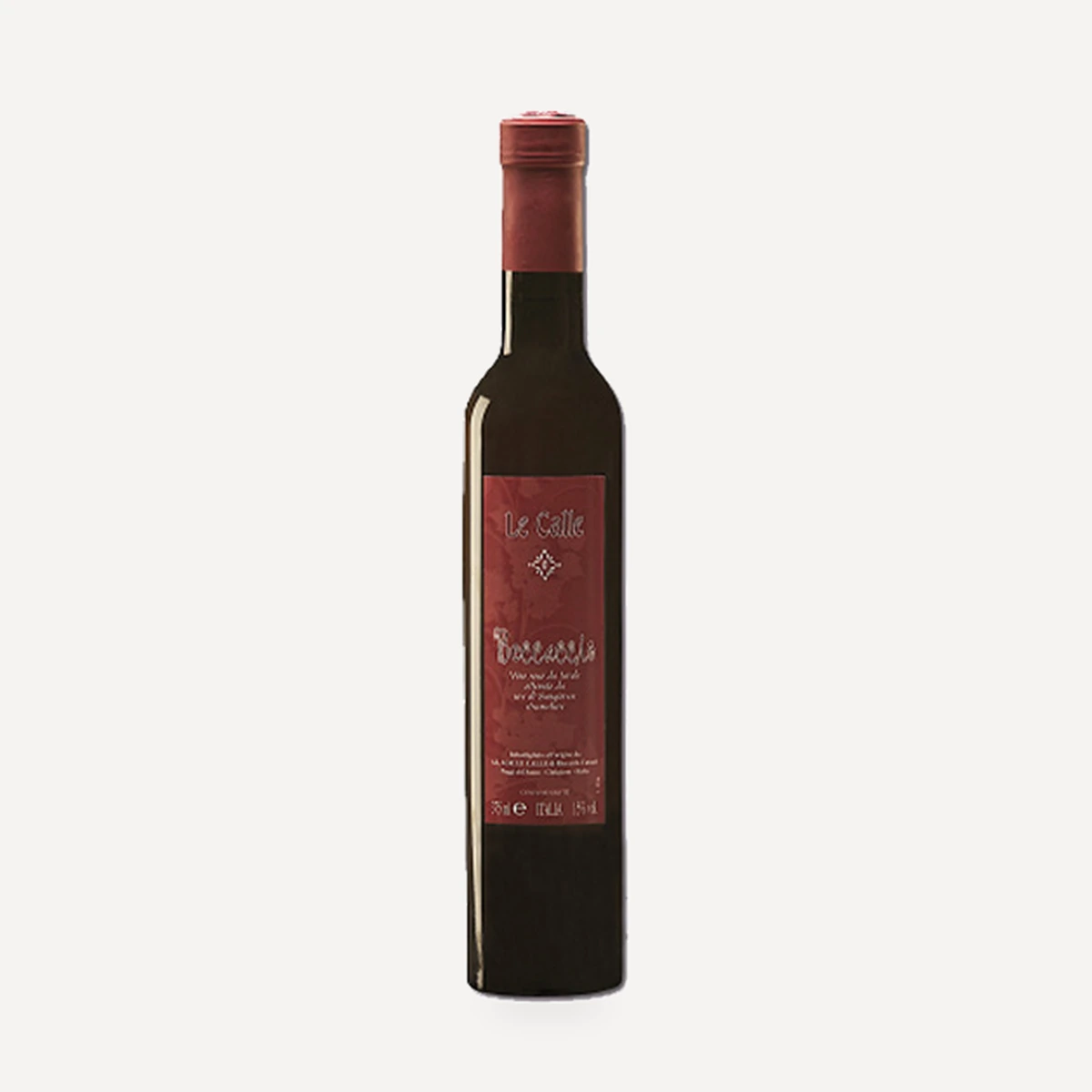
Beccaccio
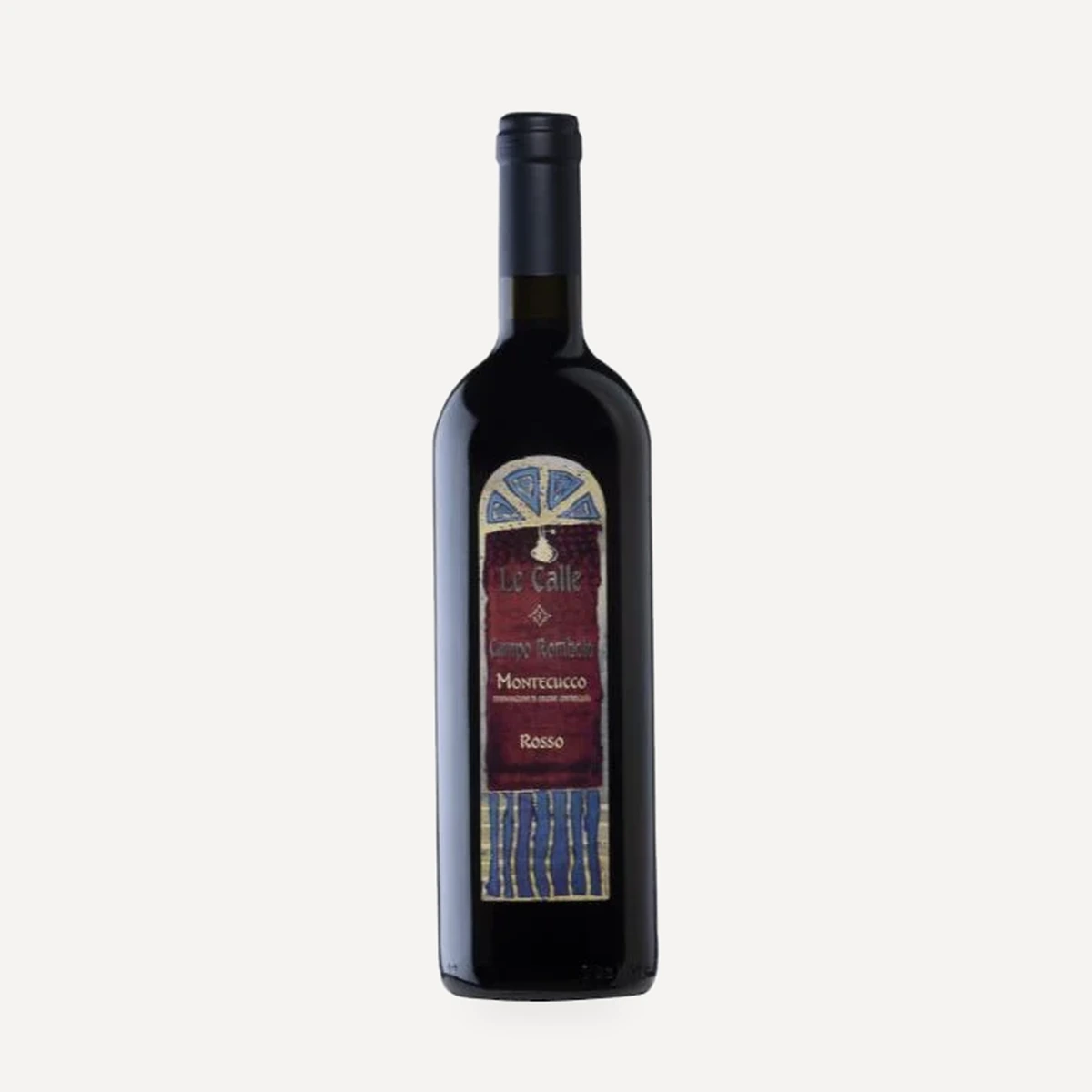
Campo Rombolo
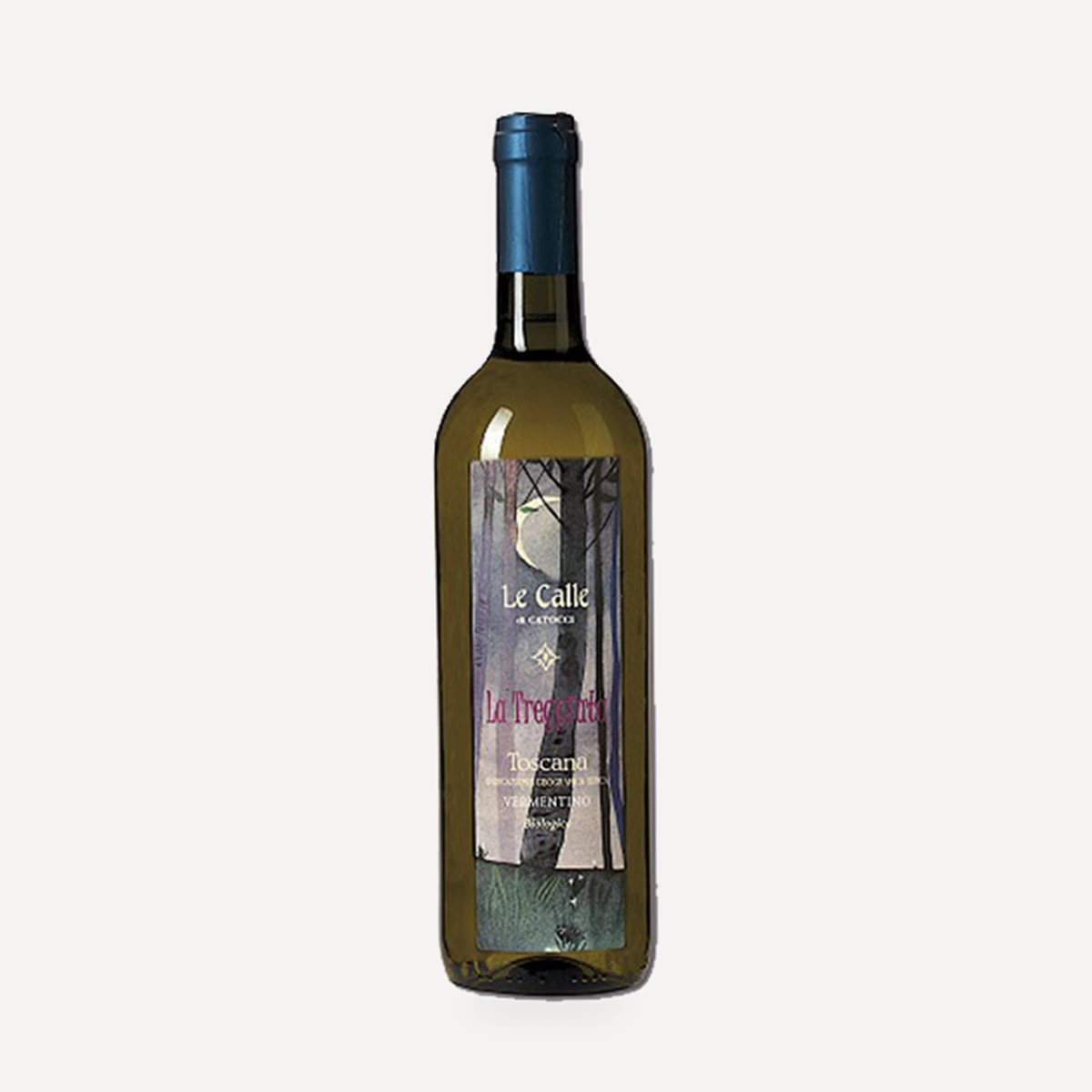
La Treggiata