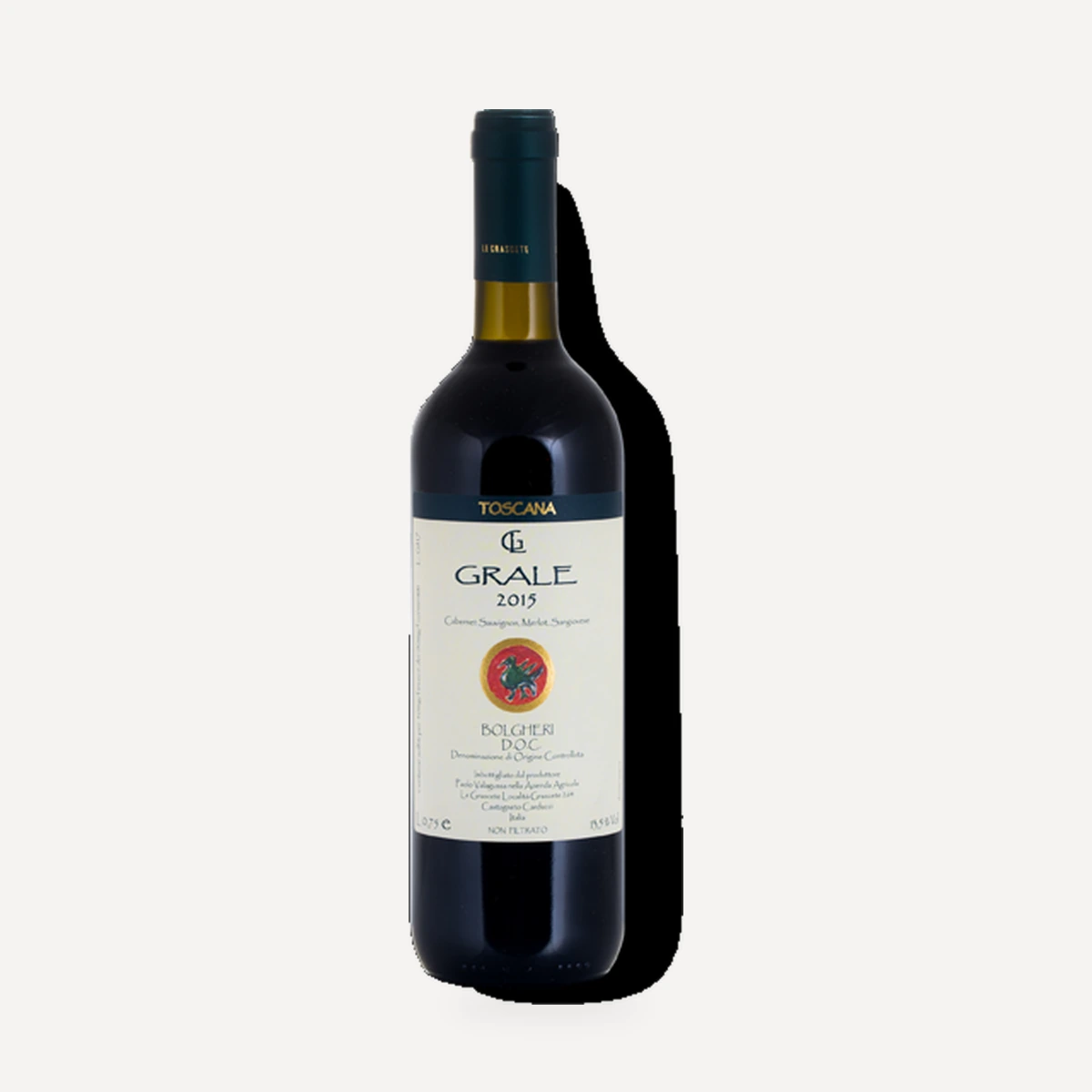
Storia
Late nineteenth century and later restoration
The estate includes a farmhouse dating from the late nineteenth century. It was subsequently fully restored while retaining its old walls and the characteristic form of a country house in maritime Tuscany. The restored building now contains three independent accommodations.
Terroir
The estate vineyard occupies sloping ground oriented toward the southwest in Bolgheri. Its soils are described as clay-rich and skeletal or stony.
Vinificazione
Vines are trained using spurred cordon and a personalized adaptation of the alberello system. Average production across the range is 60 q/ha, or approximately 1 kg of grapes per vine. The resulting wine yield is below 70%. No organic, biodynamic or other certified farming status is identified.
The range is made entirely from estate-grown grapes and follows several recurring cellar principles, although maceration and maturation vary by cuvée.
Alcoholic and malolactic fermentations are spontaneous. Most of the reds ferment in 20 hl vats. Maceration lasts between 10 and 25 days, with manual punch-downs and daily pump-overs. Extraction aids such as enzymes and added tannins are not introduced during maceration.
Oak-matured wines spend 12–18 months in French oak barrels, followed by several months in bottle; the longer-aged bottlings receive at least six months of bottle maturation. These wines are bottled without filtration and contain no more than 30 mg/L of sulphites.
A separate whole-cluster method is used within the range: intact Syrah bunches with stems undergo an approximately eight-day prefermentation, characterized in English as carbonic maceration. Pressing is followed by spontaneous alcoholic fermentation and spontaneous malolactic fermentation. The wine then matures for several months in bottle, without added sulphites and without filtration.
Across all four wines, the conversion yield is below 70% of the harvested grapes.
Filosofia
Le Grascete presents good wine as its interpretation of the scents and character of its corner of Tuscany. In the cellar, this is expressed through spontaneous fermentations, manual cap management, the exclusion of extraction aids during conventional maceration, low or absent additions of sulphites and bottling without filtration. Vineyard identity is reinforced by the exclusive use of estate-grown grapes and by a personalized adaptation of the alberello training system.
Vini
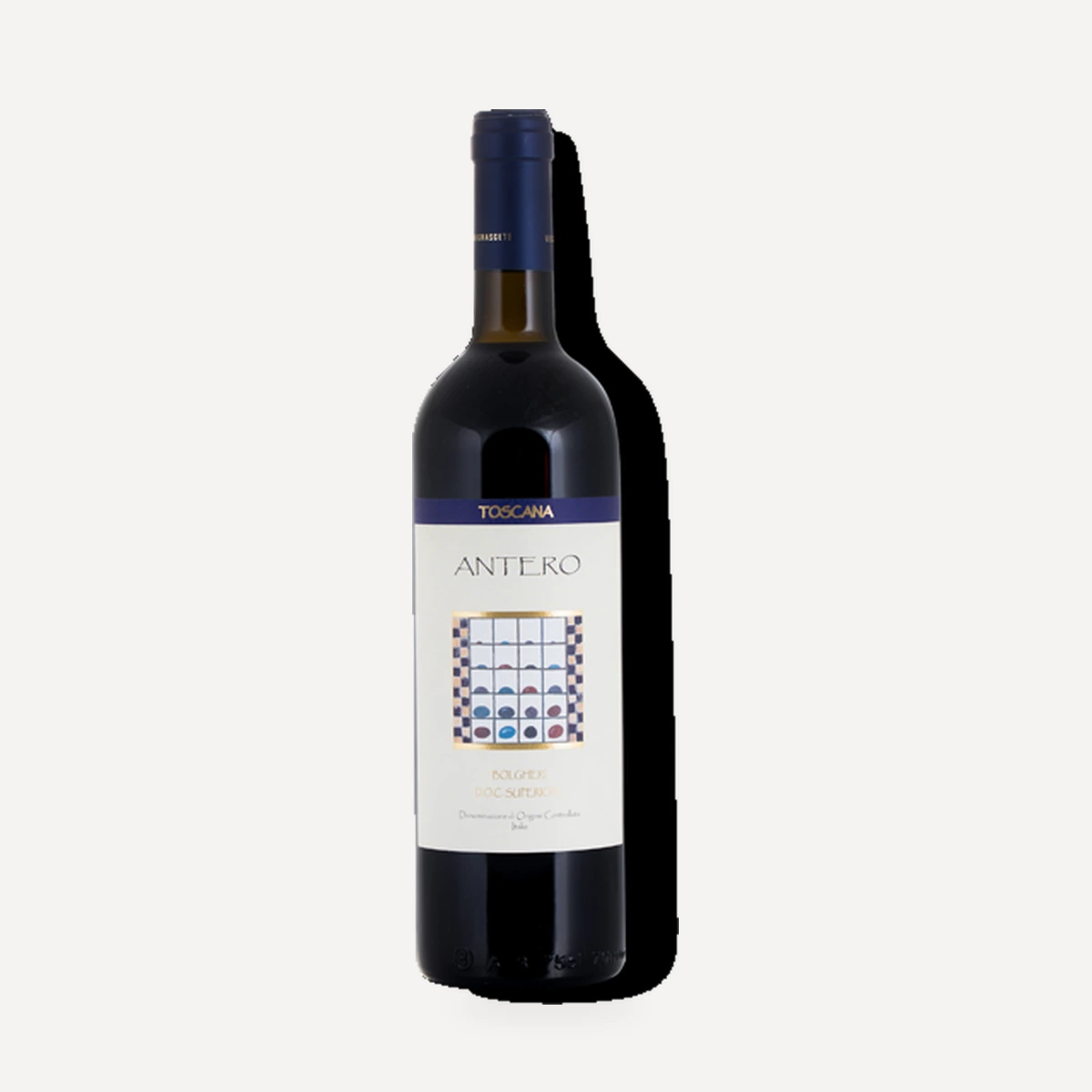
Antero
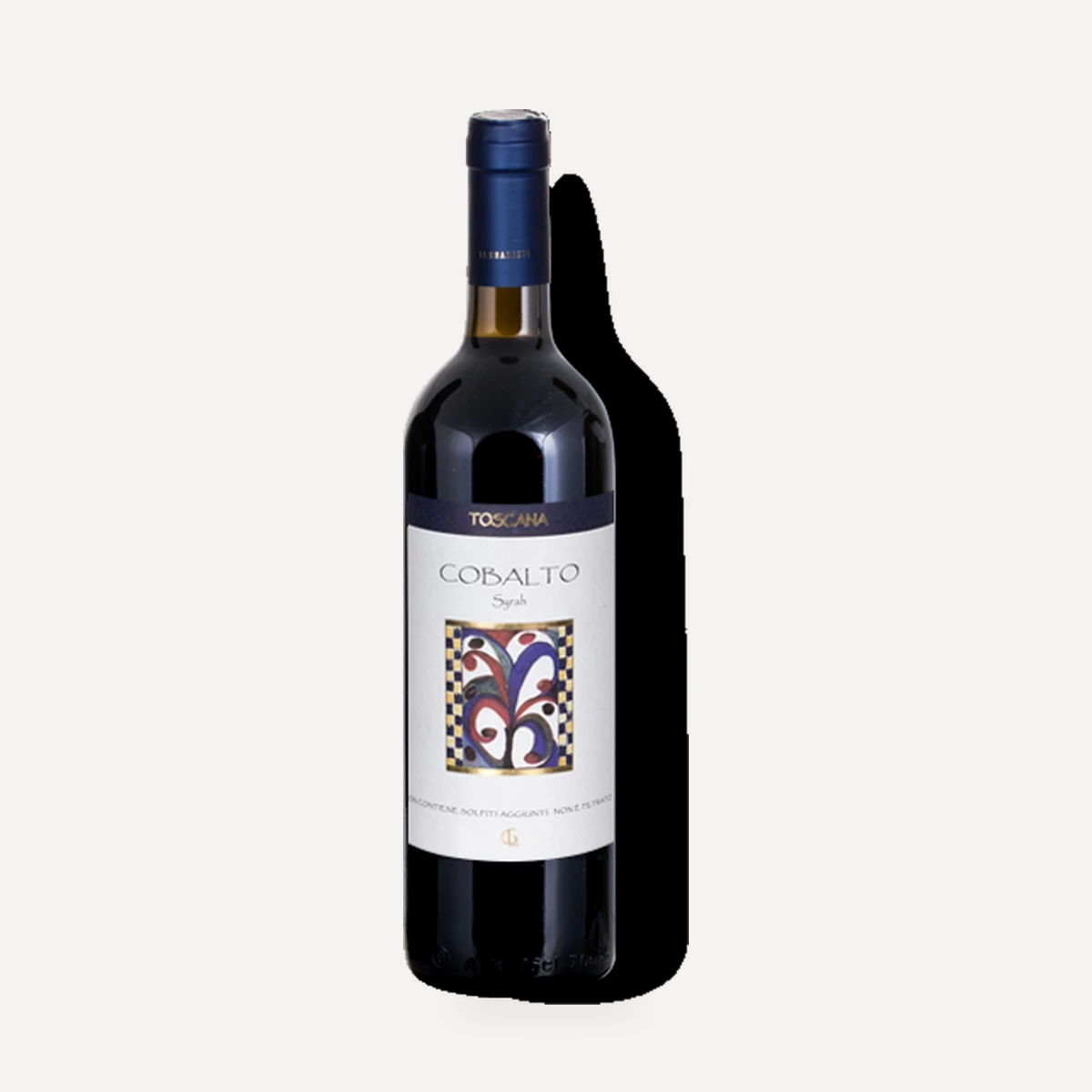
Cobalto