Storia
Agricultural origins and the land before Le Verzure
The family’s background is rooted in agriculture. Before the present project began, flocks of sheep had grazed the estate’s land for decades, helping to keep its soils living and clear. The property stands in a part of the Sienese countryside shaped by viticulture since the Etruscan period, around 600 BC.
The return to agriculture
At the beginning of the 2000s, the family returned to its agricultural roots by purchasing Le Verzure in the hills of Siena. The estate combined woodland, arable fields, olive groves and vineyards. Large fields previously planted with alfalfa were progressively converted into olive plantings and a vineyard of Sangiovese Grosso.
Development of the white vineyard
A few years after the initial conversion, the family replanted a small vineyard with Trebbiano and Malvasia. These varieties became the basis of the estate’s sole original white-wine expression.
2013: red-wine debut and replanting
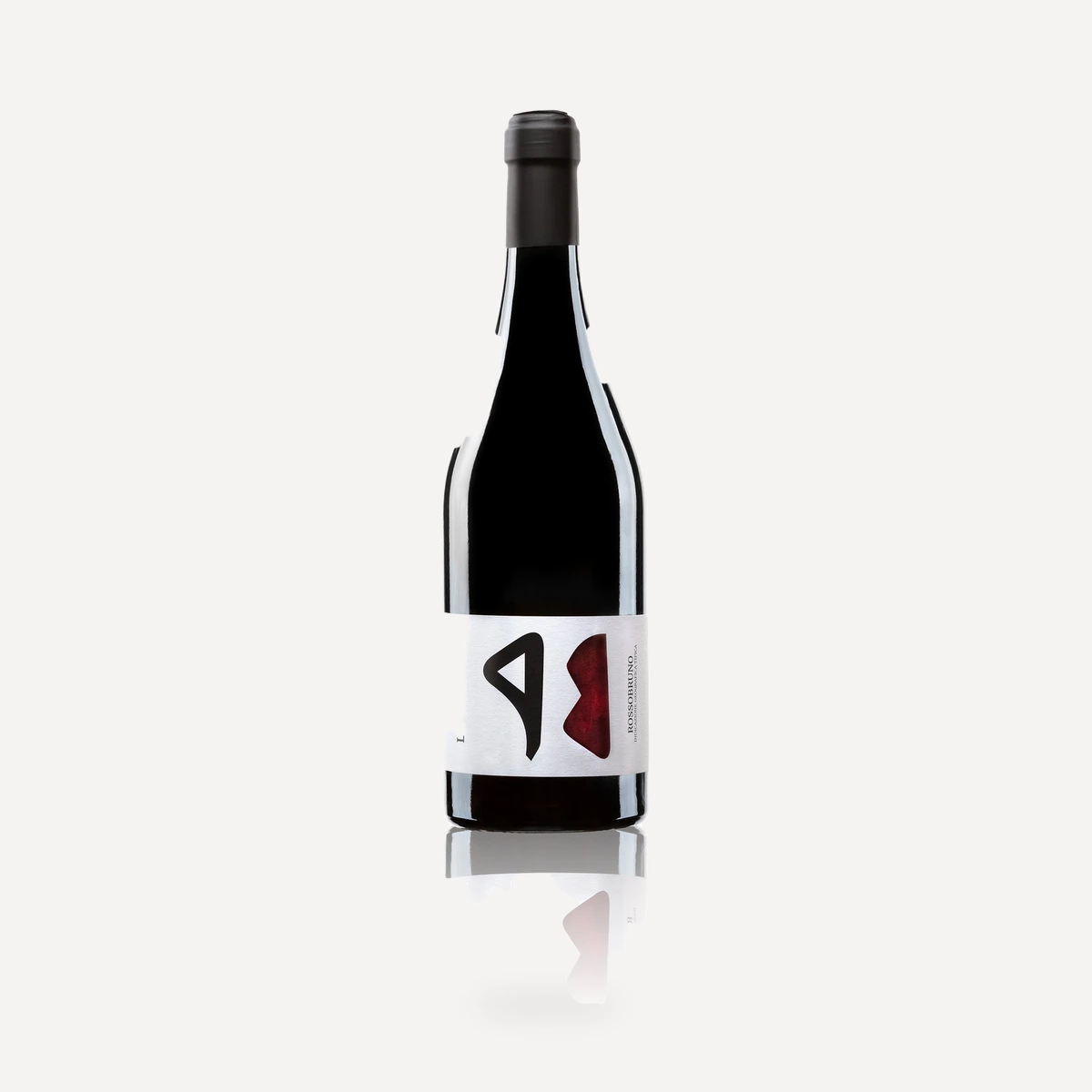
The first vintages of both estate Sangiovese reds, RossoBruno and IlBruno, were produced in 2013. In the same year, an old vineyard was replanted with Trebbiano and Malvasia.
2015: organic certification and the first white vintage
Le Verzure has been certified organic since 2015. That year also produced the first commercial vintage of BiancoAugusto, made from 70% Trebbiano and 30% Malvasia.
Terroir
Le Verzure lies in the Sienese hills at La Befa, near the Etruscan ruins of Murlo. The property is surrounded by olive groves, vineyards, cork-oak woodland and Mediterranean scrub, with views toward Montalcino and the Merse Valley. It stands approximately 3 km in a straight line from the northwestern boundary of the Brunello di Montalcino DOCG area.
The estate’s vineyards form a small biodiverse environment within the surrounding woodland and Mediterranean vegetation. The most detailed soil description concerns La Vignetta, whose proximity to the Crevole and Ombrone rivers has given it clay soil containing fine, free-draining stony material and river pebbles.
Vinificazione
Le Verzure practices certified organic farming and has held organic certification since 2015. Its approach excludes chemicals considered capable of harming or altering the ecosystem. Biodynamic principles, techniques and preparations are regularly incorporated to sustain soil fertility and vitality and to keep the vines healthy.
All vineyard operations are performed by hand, beginning with pruning and tying. After harvest, alternating rows are sown with legumes, medicinal herbs and grasses. During the vines’ dormant period, these plantings encourage insects and small animals to repopulate the soil, increase biological activity and compete with harmful insects.
Crop thinning takes place between flowering and veraison. Before the berries change colour, the crop is reduced to no more than five bunches per vine. Harvest occurs by hand in September or October, depending on the season. The grapes are carried to the cellar in small crates and undergo a final selection before destemming. The vineyards’ setting among cork-oak woods and Mediterranean scrub contributes to the estate’s biodiversity.
The cellar follows traditional natural-fermentation methods intended to preserve the identity of the grapes, vineyard and individual growing season. Hand-harvested fruit arrives in small crates and receives a final selection in the cellar. It is then destemmed and transferred to fermentation vats.
Alcoholic fermentation begins spontaneously. Selected yeasts are not used; fermentations rely exclusively on indigenous yeasts. The cellar is described as small and artisanal, reflecting an approach centred on natural fermentation and close continuity between farming and cellar work.
Filosofia
Le Verzure presents winegrowing as a relationship among people, vineyards and territory: an interconnected agricultural system requiring daily care and respect. Its idea of clean, responsible farming centres on maintaining soil fertility, protecting ecosystem life and avoiding chemicals capable of disrupting that system.
This principle continues in the cellar through traditional natural fermentations designed to emphasize the grapes’ characteristics rather than standardize them. Each vintage is approached as an individual expression with its own identity. The stated objective is to produce characterful wines while respecting Toscana’s long viticultural tradition.
Organic certification is complemented by the regular use of biodynamic ideas, techniques and preparations. These practices are treated as tools for keeping the soil living and fertile and the plants healthy, within a broader environment of woodland, Mediterranean scrub, insects and small animals.
Vini
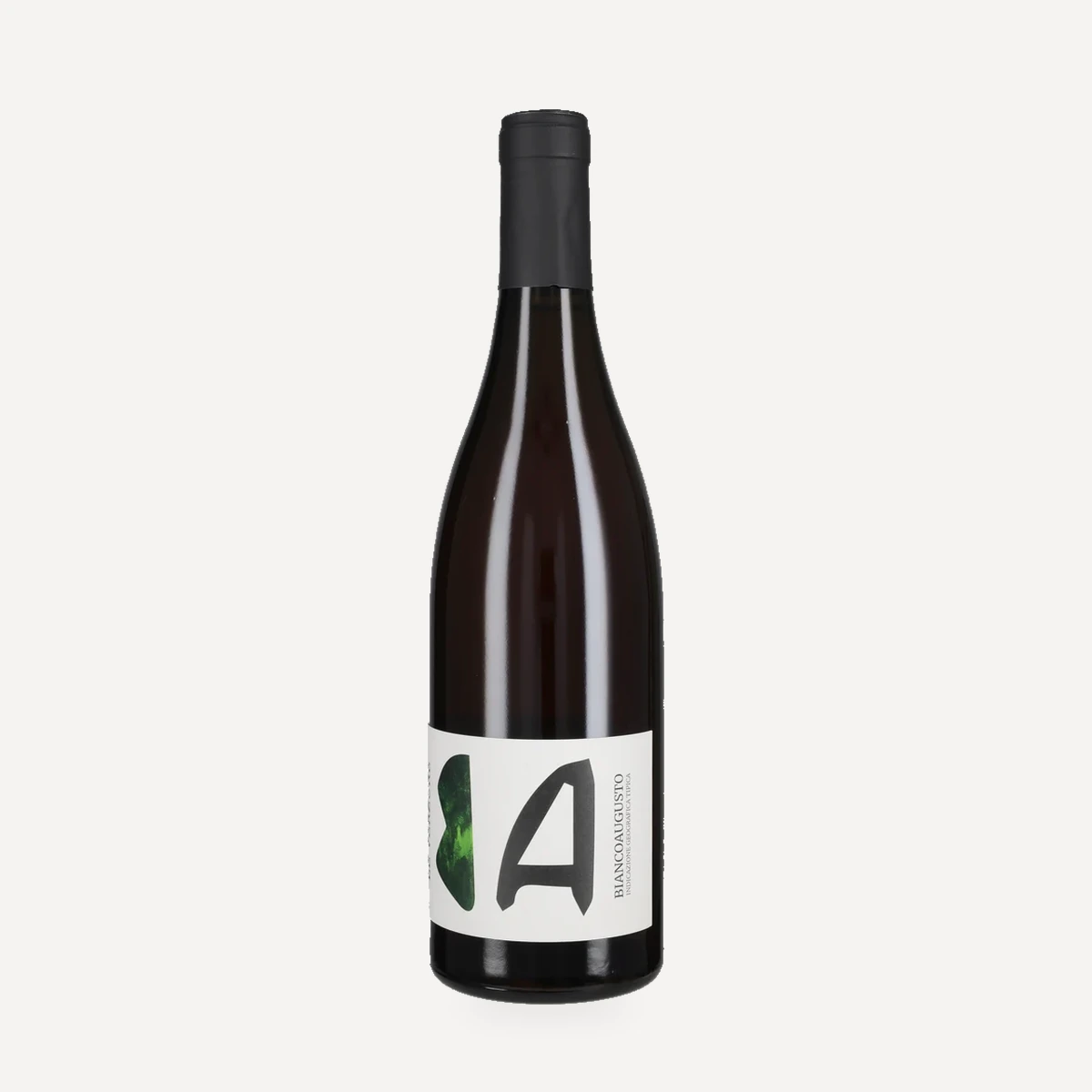
Biancoaugusto
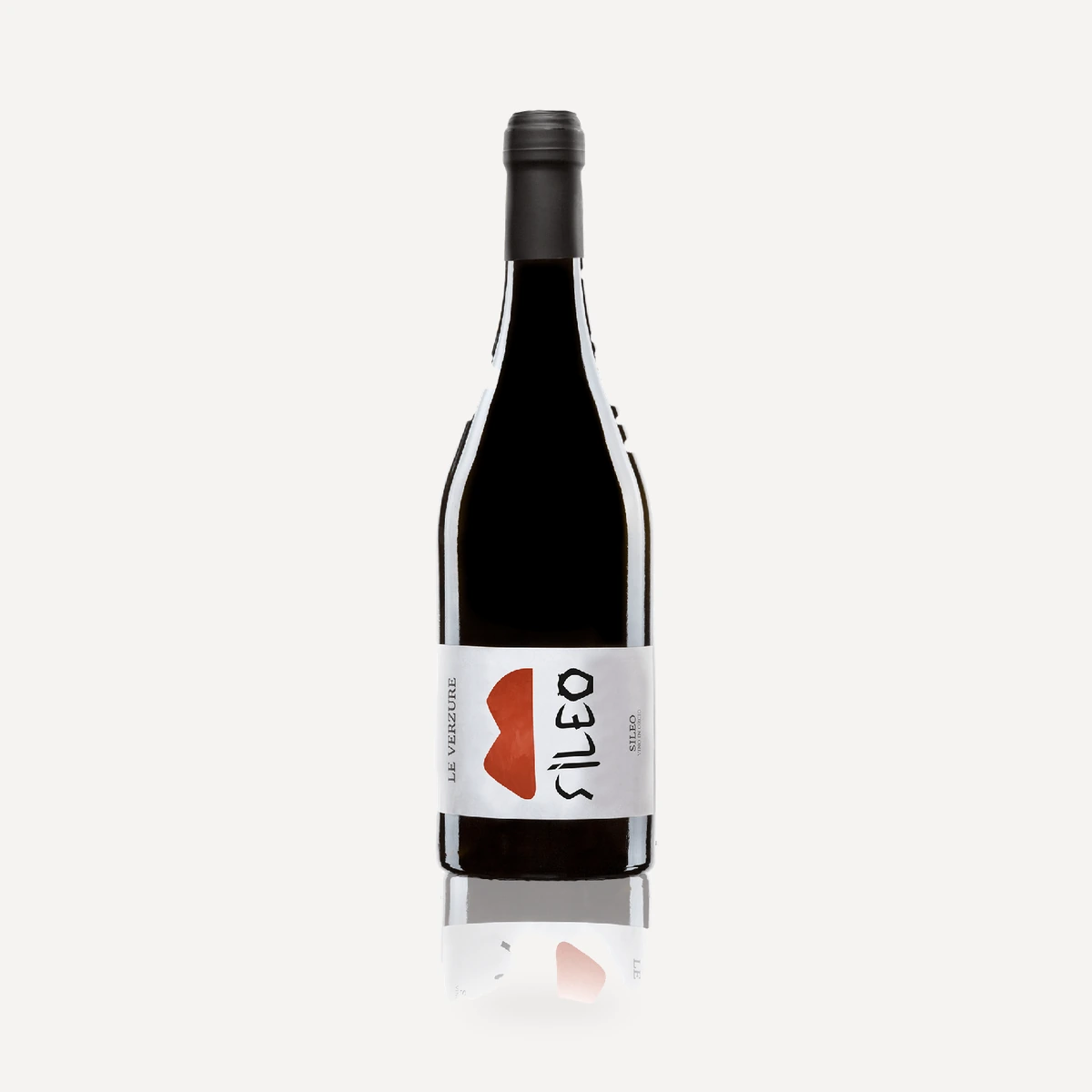
Sileo
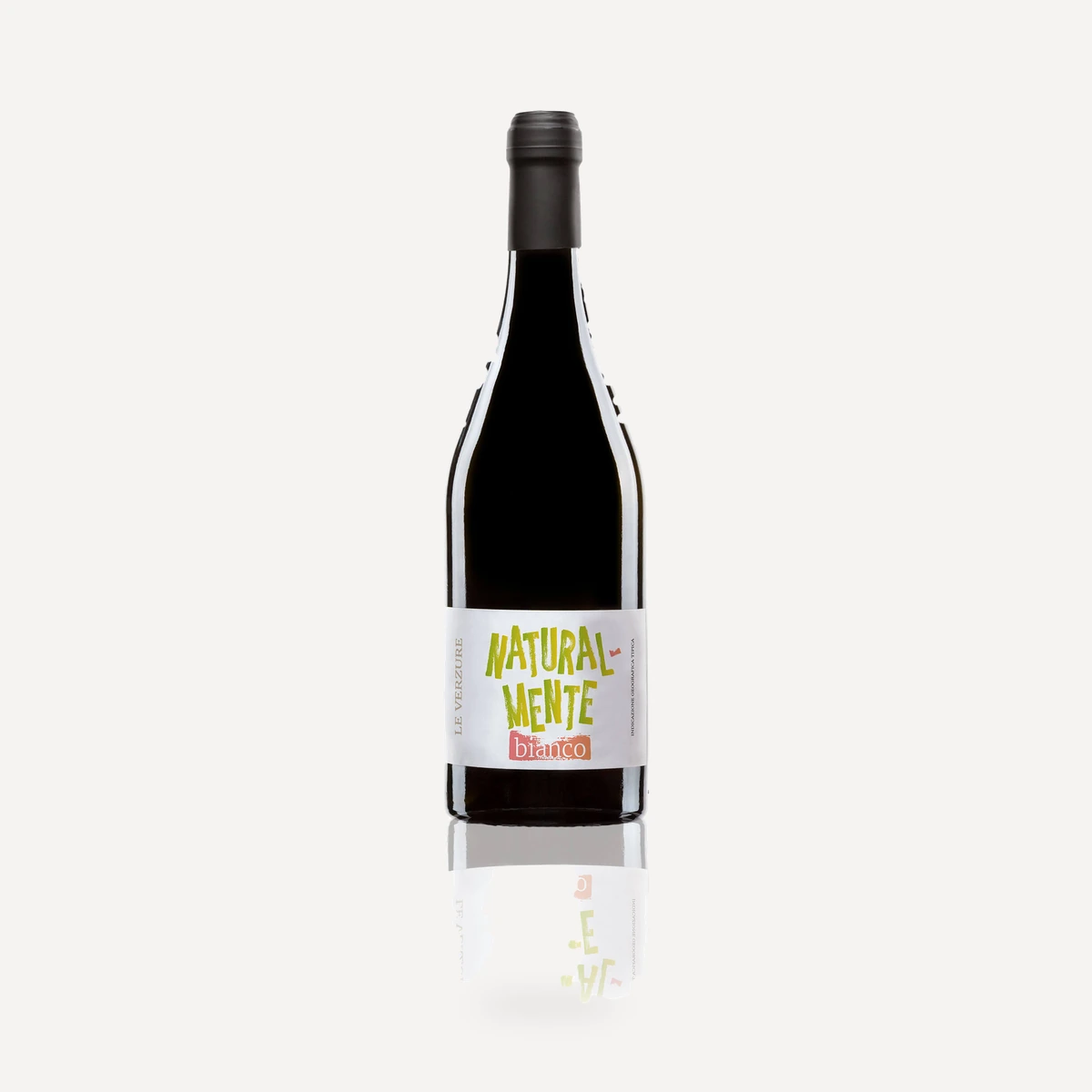
Naturalmente Bianco
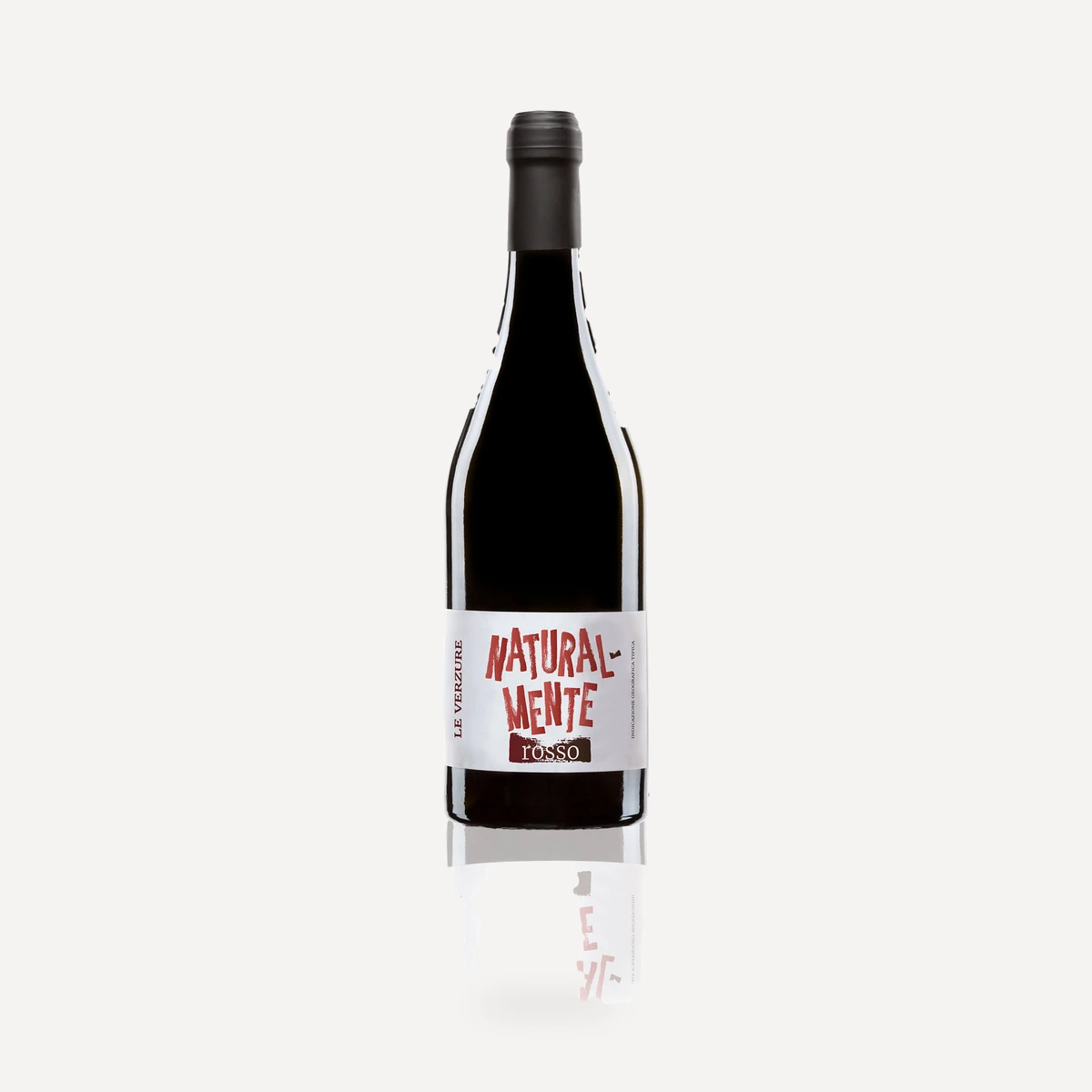
Naturalmente Rosso