Storia
From Grenoble to Aymavilles
The Charrère family moved in 1750 from Grenoble, near the Haute-Savoie border, to Aymavilles in the Valle d’Aosta. Across successive generations, the family developed a diversified agricultural and food-producing enterprise.
Bernardin, identified within the family history as Costantino Charrère’s great-great-grandfather, professionalised the agricultural activity. His successor Etienne expanded it into cider production, while Louis added the milling of local cereals. The family owned an eighteenth-century watermill and the ancient cellars of Via Moulins.
The historic house and its agricultural workshops
In 1800 the family erected its historic building. Alongside the old cellars, it contains the cor, an internal area traditionally devoted to producing and exchanging food. Its preserved equipment includes stone millstones for pressing walnut oil, mills for rye and original implements used to make cider and wine. In the local economy, the cor also served as a place of barter at a time when monetary trade was limited.
Antoine, Costantino’s father, specialised in walnut oil and cereal production. He continued until 1955, when olive oil arriving from other Italian regions created intense competition. The family consequently redirected its work toward quality wine.
Antoine’s vineyard work and the move into wine
Antoine sought to distinguish individual growing places through tailored cultivation and separate vinification of crus, identifying their geographical and historical origins. He also made the preservation of native Valle d’Aosta varieties a priority. His wife Ida participated in the family work and, together with Antoine, passed its culture to their son Costantino.
Costantino trained and worked as a physical-education teacher and ski instructor. His wife was also a teacher and came from a Piedmontese farming family. He left his profession to devote himself fully to viticulture, continuing the work of Antoine and Ida.
1970–1989: La Sabla and the creation of Les Crêtes
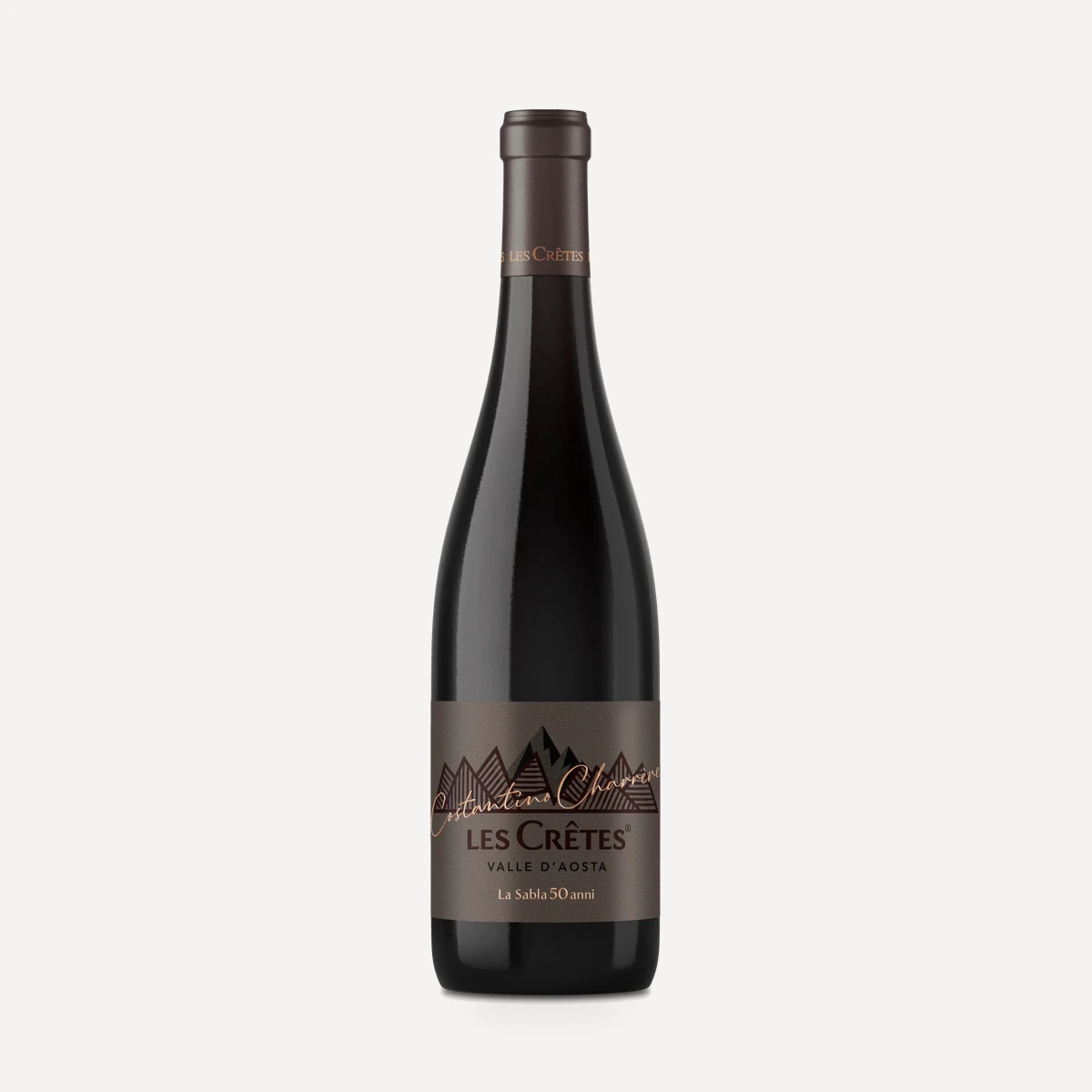
In 1970 Costantino first vinified Vin o Cru de la Sabla as a tribute to Antoine, his father and winemaking teacher. La Sabla subsequently became known both within the Valle d’Aosta and nationally. In 1976 Costantino presented it on Ave Ninchi and Luigi Veronelli’s television programme A tavola alle 7, where he also introduced the then little-known subject of Valle d’Aosta viticulture.
In 1983 the historic family building was declared to be of particularly important historical and artistic interest under Italian Law No. 1089 of 1 June 1939. It remains protected by the Valle d’Aosta authority responsible for cultural heritage as part of the community’s historic patrimony.
Costantino transformed the family activity into Les Crêtes in 1989, formally establishing the winery at Aymavilles. He continued selecting and tending varieties at risk of disappearing, including the exceptionally rare Premetta, also known as Prié Rouge, and Fumin.
Recovery of native grapes and new projects
Les Crêtes first vinified Fumin as a varietal wine in 1993. Costantino’s work with the grape gained national critical attention in 1999 through Luigi Veronelli’s Il Sole.
The original Pinot Grigio Brulant was produced from old vineyards in 1994. Syrah production began in 1995, initially as table wine because the grape was not recognised by the Valle d’Aosta denomination. A legislative change in 2007 made it possible to continue the wine under Valle d’Aosta D.O.P.
In 2005 the estate began making a traditional-method sparkling wine from Valle d’Aosta red grapes. In 2007 it also began producing clean energy through two photovoltaic installations.
The Rifugio del Vino and the new generation
The Rifugio del Vino was developed beside the historic winery as a meeting point for wine, mountain culture, contemporary architecture and hospitality. A 2015 architectural feature anticipated its inauguration in June of that year. Domenico Mazza of Courmayeur designed the building by reworking an expansion project that had already begun and incorporating existing reinforced-concrete structures. Its architecture received a special mention in the international Le Cattedrali del Vino competition associated with the Venice Biennale.
Management has passed to Costantino’s daughters Elena and Eleonora Charrère, born in 1977 and 1980, together with Giulio Corti. Their early involvement included collecting ladybirds in the mountain meadows near Ozein and releasing them in the vineyards to consume harmful mites—an early practical lesson in biological balance. The three now divide responsibility for vineyards, cellar, staff, communication, commerce, finance and investment while continuing six generations of family agricultural and food production.
Terroir
Alpine setting
Les Crêtes is based in Aymavilles at the foot of Mont Blanc. Its vineyards extend through 11 Valle d’Aosta communes at elevations of approximately 500–900 metres. The valley lies among Mont Blanc, the Matterhorn, Monte Rosa and Gran Paradiso. The Alps shelter the sites and contribute to a dry, ventilated microclimate.
The Dora Baltea runs west to east through the central valley and divides it into two principal slopes: the shaded, north-facing envers and the sunnier, drier, south-facing adret. Around twenty lateral valleys enter the central valley on a north–south axis. Vines occupy ventilated terraces and steps on the mountain slopes.
Climate and relief
The alpine climate combines low temperatures, short cool and breezy summers, long cold winters and pronounced day–night and seasonal temperature variations. Rainfall is low, commonly described for the vineyard sites as approximately 500–1,000 mm per year. Steep gradients fragment the land into terraces and stepped plantings, while the estate’s 2026 profile associates these conditions with high planting densities, low yields and low-impact cultivation.
Soils
The vineyard mosaic includes freely draining mountain soils. Documented sites include loose morainic soils with a granitic matrix, more than 50% sand, medium proportions of silt and limestone and abundant stones; loose sandy moraines on steep western and southern exposures; and glacial-alluvial silty deposits with north-west and south-east exposures.
Protected landscape
The Valle d’Aosta has a high concentration of protected land: parks, nature reserves and oases account for 13% of the region. Gran Paradiso National Park forms the largest protected area, followed by Mont Avic Regional Park. The vineyards are managed as elements of this alpine ecosystem.
Vinificazione
Les Crêtes describes its mountain viticulture as heroic and artisanal. The 35 ha holding is fragmented into 180 small vineyards, and the steep terraces require detailed manual care. The goal is healthy fruit at low yields, with cultivation adapted to the particular character of each small site.
Vineyards are integrated into the alpine ecosystem and managed with minimal intervention. Agronomic work is framed around respect for the vine, terroir and natural habitat. Plant-protection treatments follow European guidelines, with limited use of crop-protection products. The estate operates within the Sistema di Qualità Nazionale di Produzione Integrata (SQNPI), whose integrated-production rules address traceability, food safety, quality, environmental protection and human health.
Guyot is the documented training system. Individual sites commonly carry approximately 7,500 vines per hectare and may reach 8,000 vines per hectare. Rows follow both ciglione contour terraces and ritocchino alignments running with the slope. The combination of steep land, terracing and small parcels makes hand work central; documented harvests are manual.
Biological balance has long been part of the family’s practical approach. Elena and Eleonora Charrère collected ladybirds in mountain meadows around Ozein as children, carrying them to the vineyards so they could prey on damaging mites. Current environmental commitments also encompass biodiversity, landscape protection, energy conservation and support for the surrounding territory.
Les Crêtes operates one cellar dedicated to vinification and ageing, together with historic family cellars and a barrique cellar. Antoine Charrère established an early principle of vinifying crus separately and identifying each by its geographical and historical origin. The contemporary approach continues to treat small vineyard parcels individually.
The production philosophy favours delicate vinification intended to preserve the identity of healthy, low-yield mountain fruit. Traditional practices are combined with modern technical control and environmentally conscious working methods. Annual output averages approximately 225,000 bottles.
The cellar works with stainless-steel tanks and oak ageing vessels, including barriques, tonneaux and larger casks; the hospitality programme specifically includes visits to both the main cellar and barrique cellar. The range also demonstrates the estate’s ability to handle whole-cluster pressing, skin contact, controlled-temperature fermentation, lees ageing, partial malolactic fermentation, traditional-method bottle ageing, daily pumping over or punching down, and extended maturation in bottle. These techniques are applied selectively rather than as a single standard recipe across the portfolio.
Filosofia
Les Crêtes defines continuity and innovation as complementary. Its central principle is to carry forward the values of previous generations, interpreting terroir faithfully and respecting inherited traditions, while using innovation to reveal the potential of Valle d’Aosta mountain viticulture.
The family’s philosophy gives equal weight to craftsmanship, close attention to individual vineyards and care for the surrounding environment. Quality begins with small vineyards tended manually, healthy grapes and low yields, followed by restrained, precise vinification. The intended house profile emphasises freshness, savouriness, elegance, complexity, minerality and finesse.
Environmental responsibility extends from agronomy to the winery and packaging. The estate seeks to reduce intervention in the alpine ecosystem, limit plant-protection products, use renewable energy, lower transport and material impacts through lighter bottles, and select renewable, recyclable closures. Its stated social dimension includes landscape protection, human health and support for the local territory.
Hospitality is treated as another expression of the same identity: the Rifugio del Vino connects wine, mountain culture, architecture and welcome. The next generation presents this work as the continuation of concrete family practices rather than an abstract environmental programme.
Vini
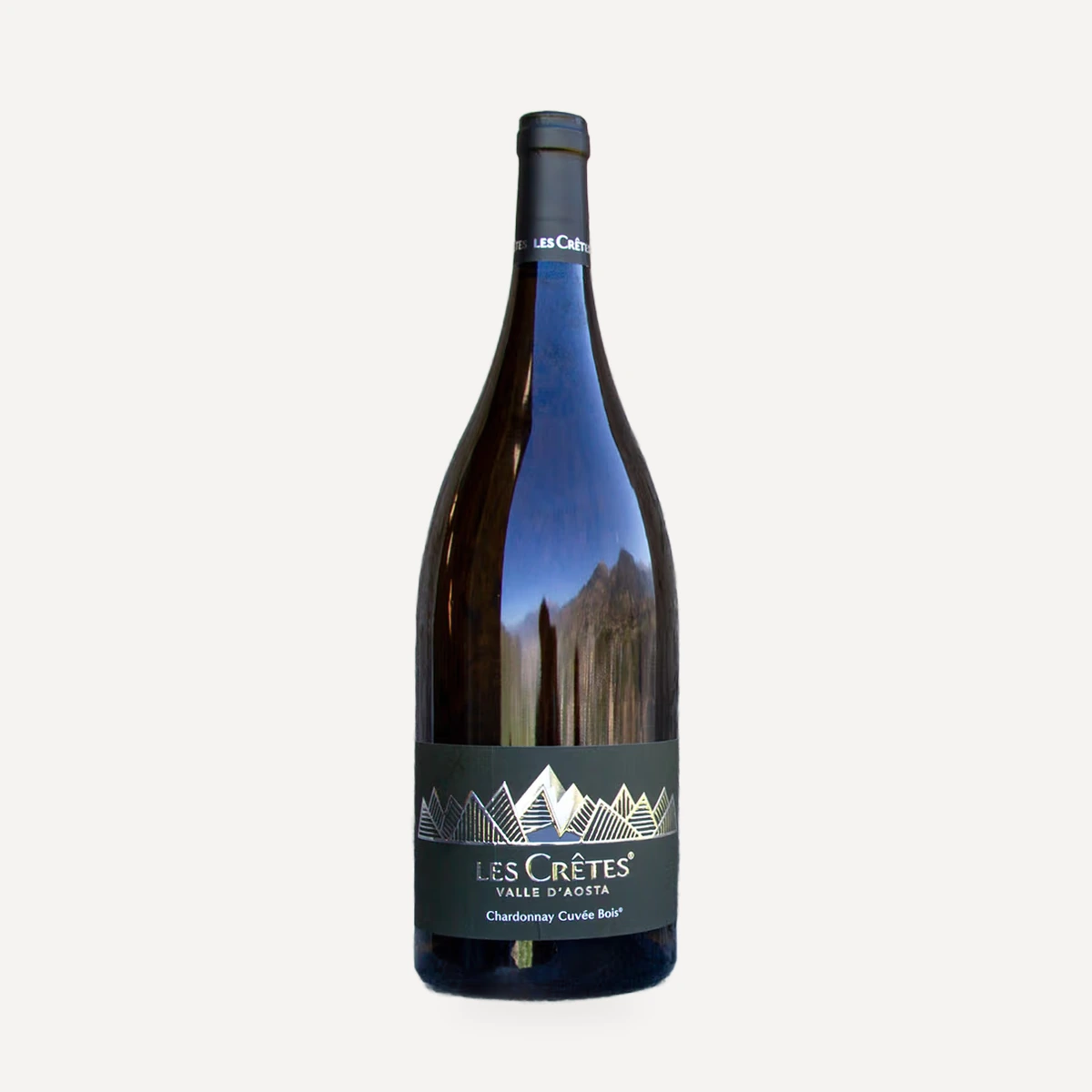
Chardonnay Cuvée Bois®
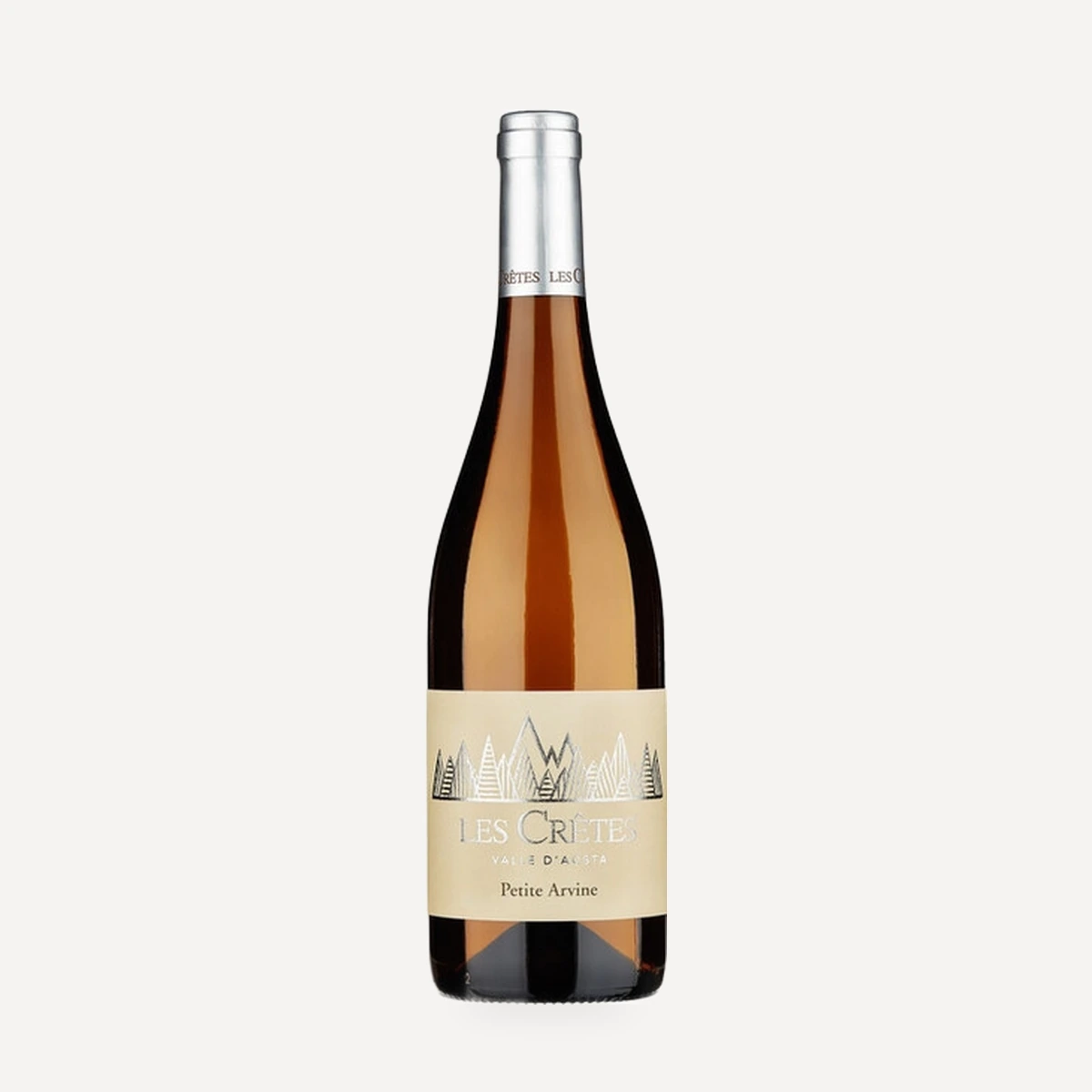
Petite Arvine
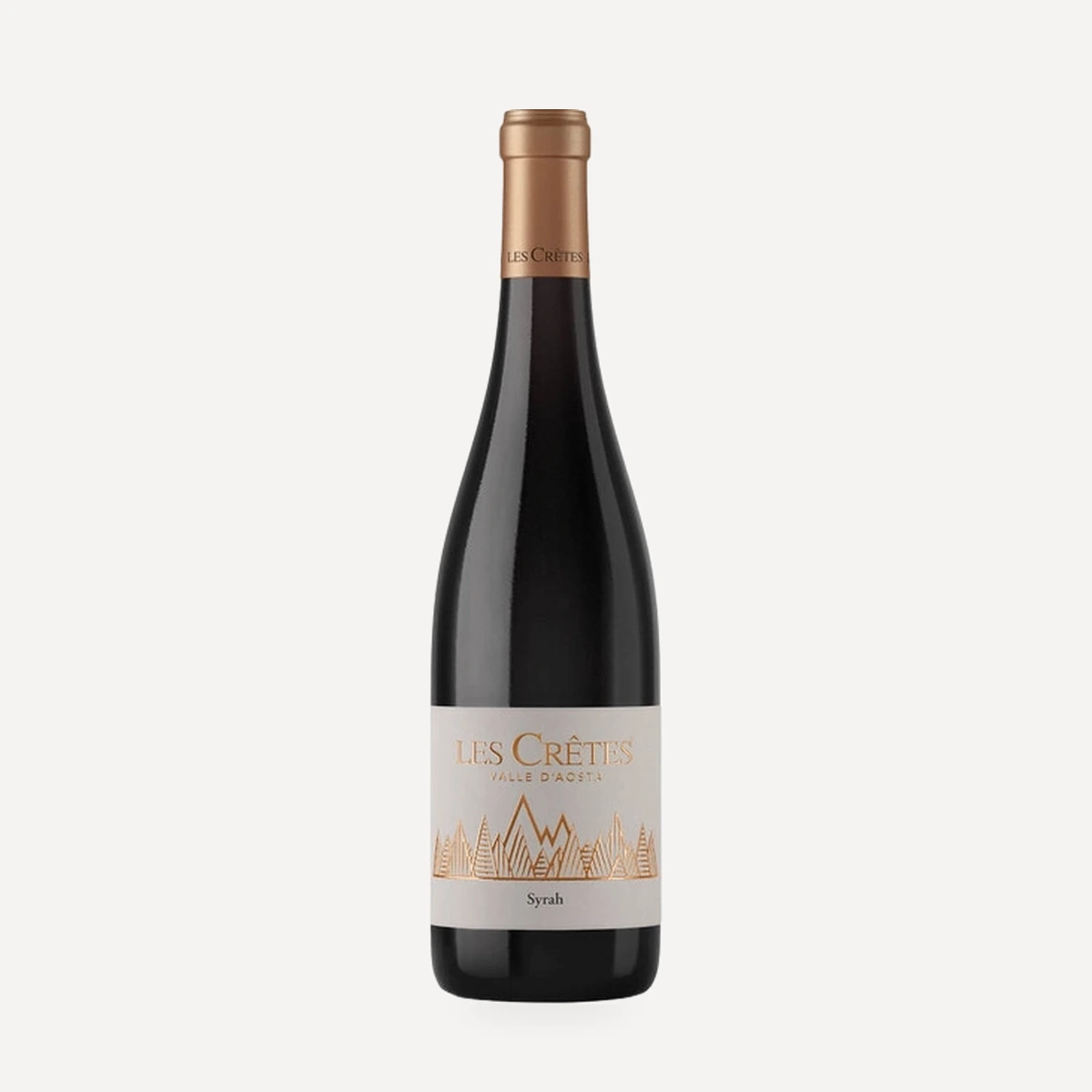
Syrah Valle d'Aosta DOP
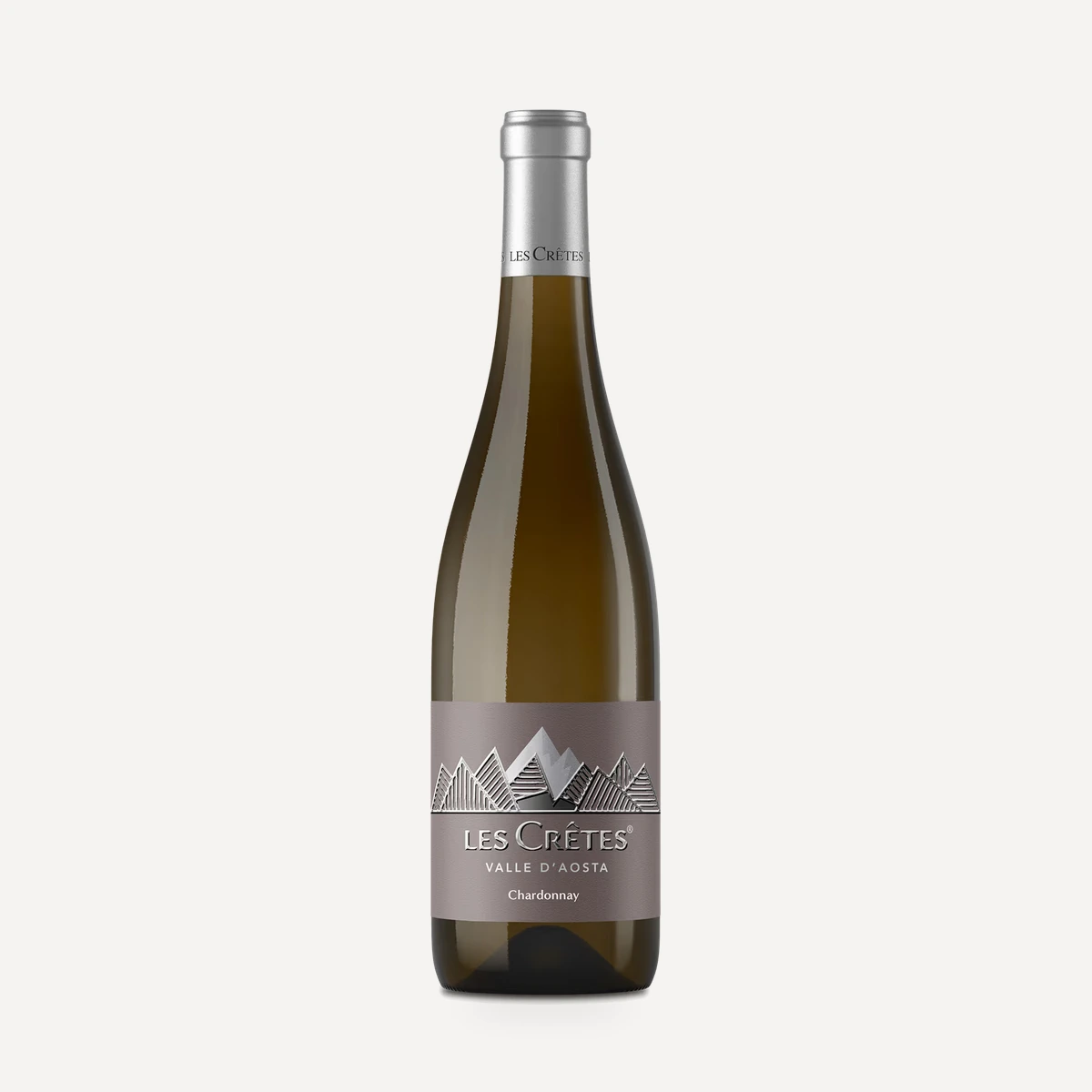
Chardonnay
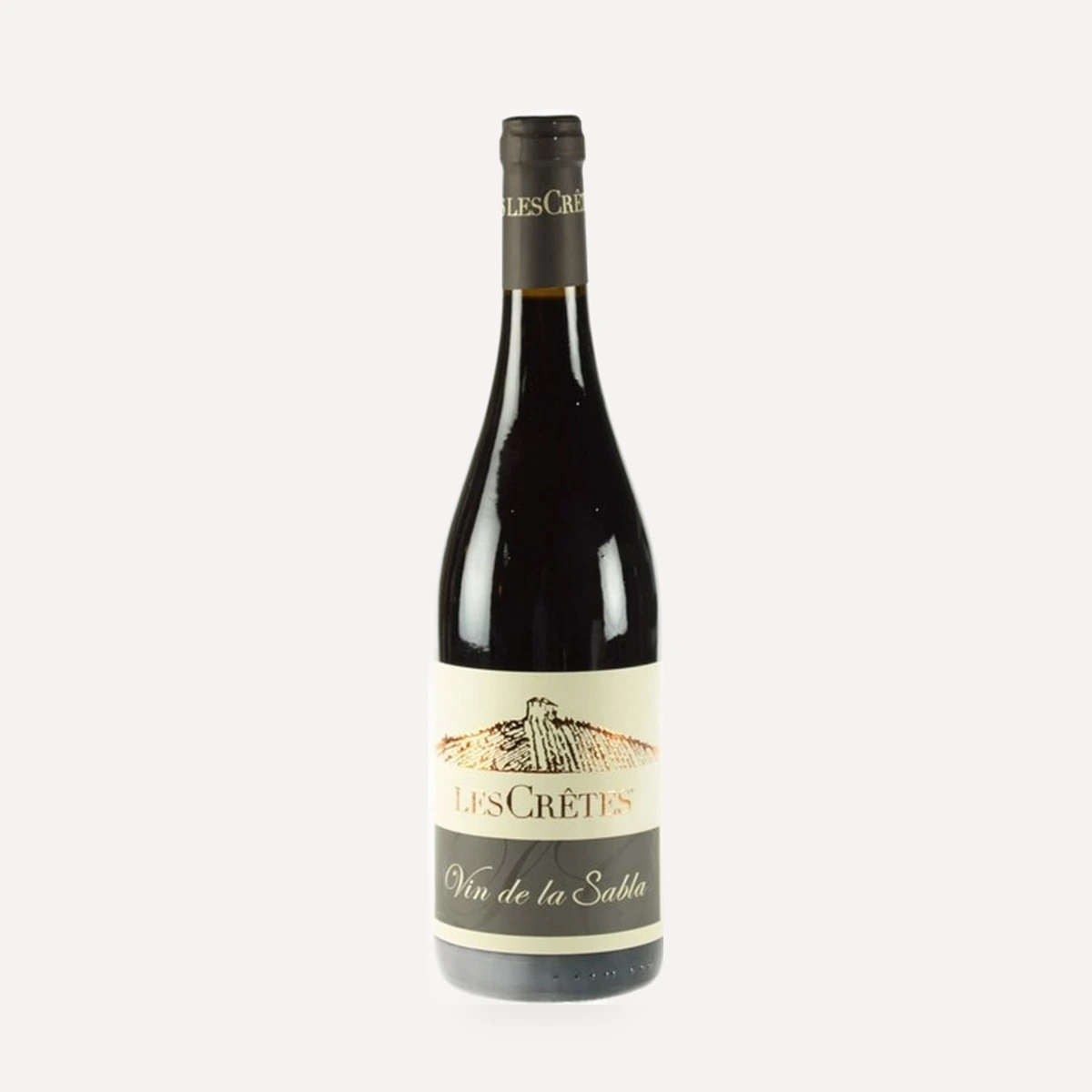
La Sabla®
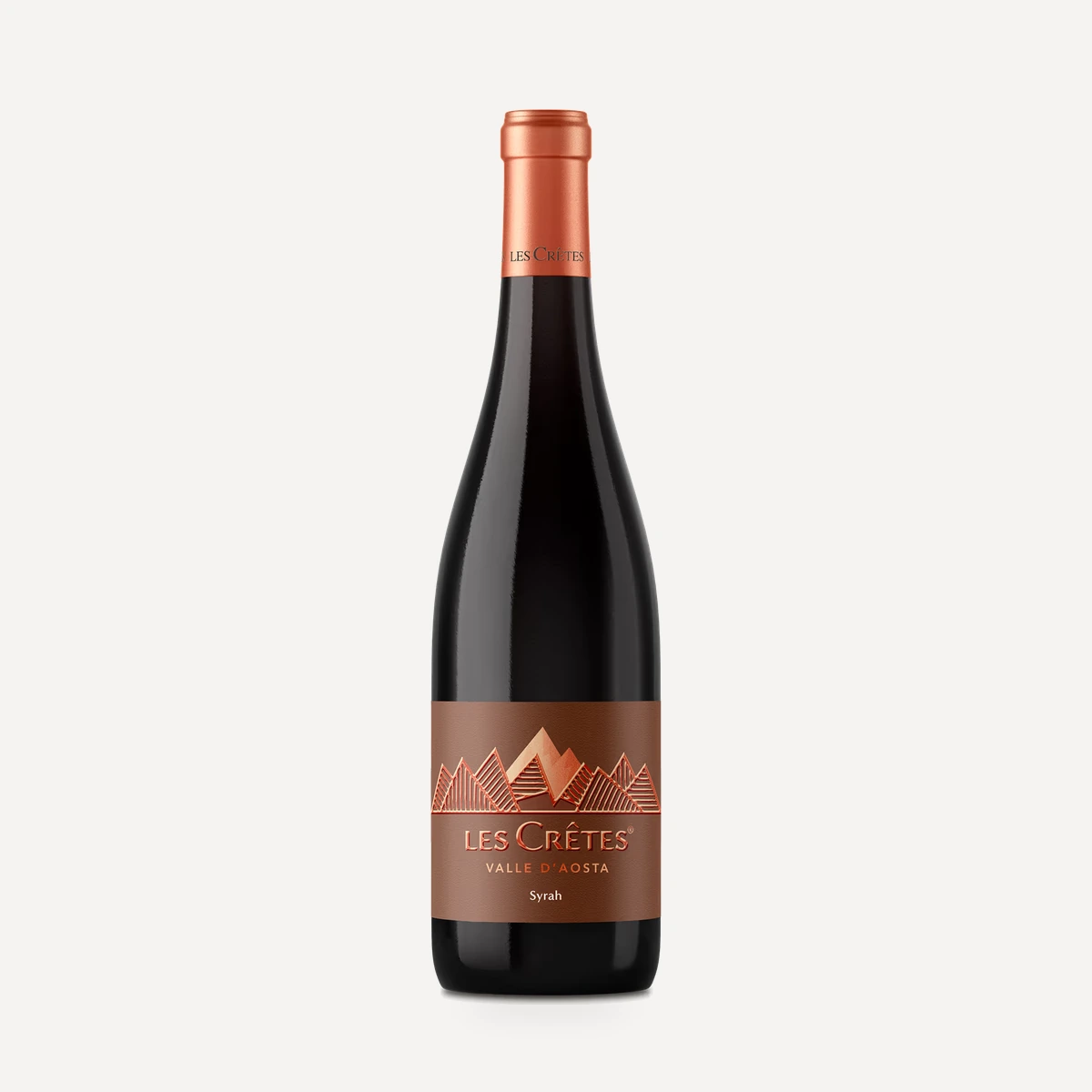
Syrah La Tour
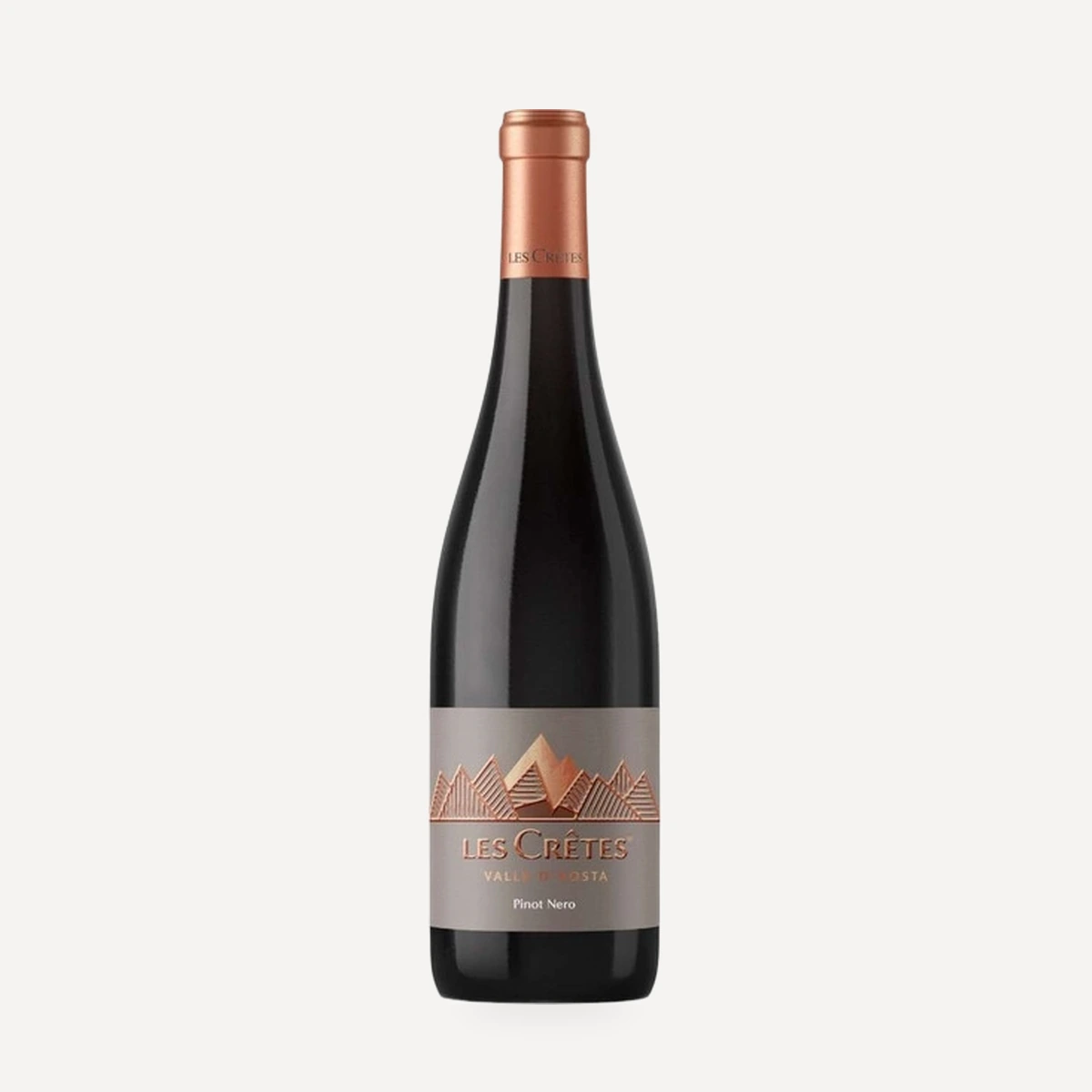
Pinot Noir
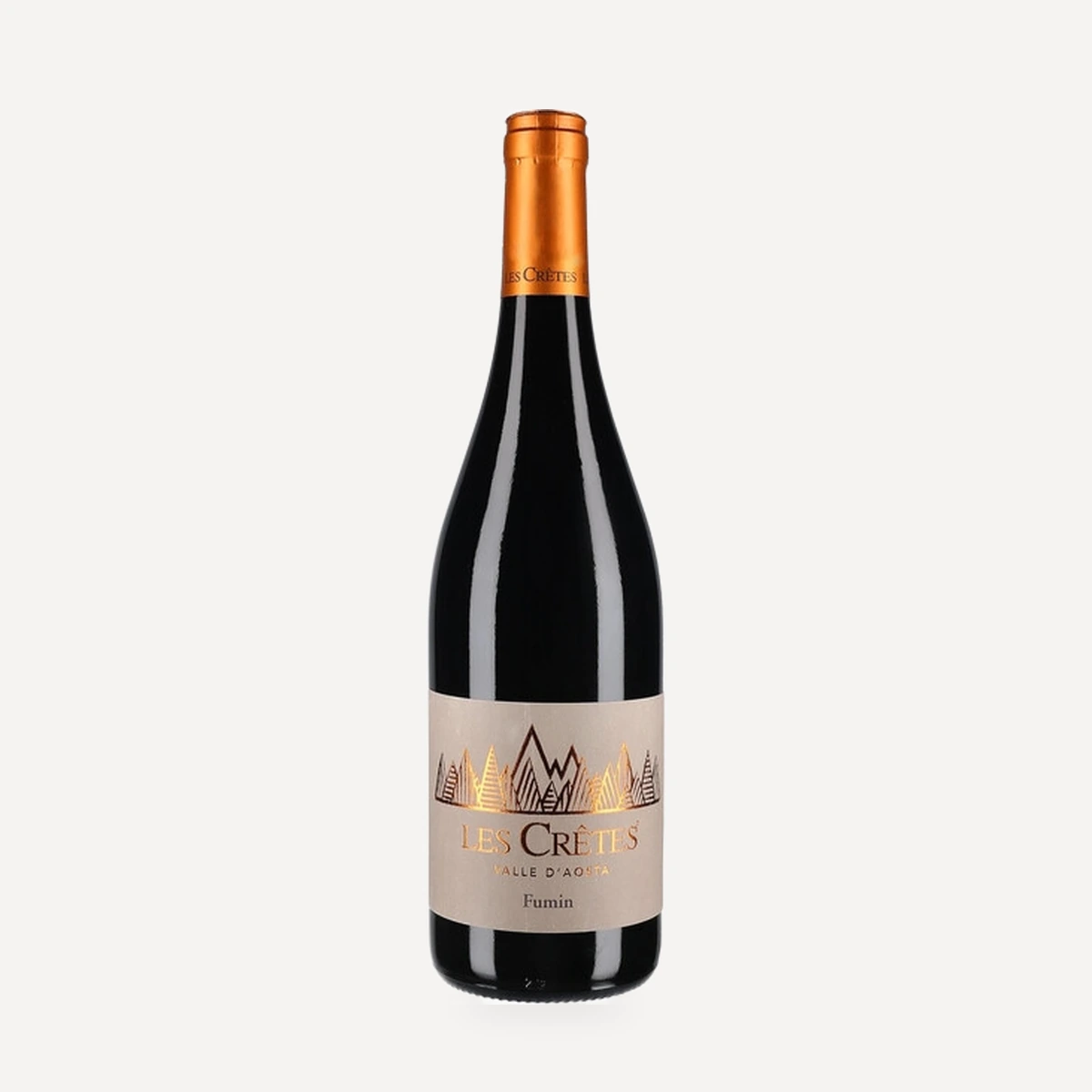
Fumin
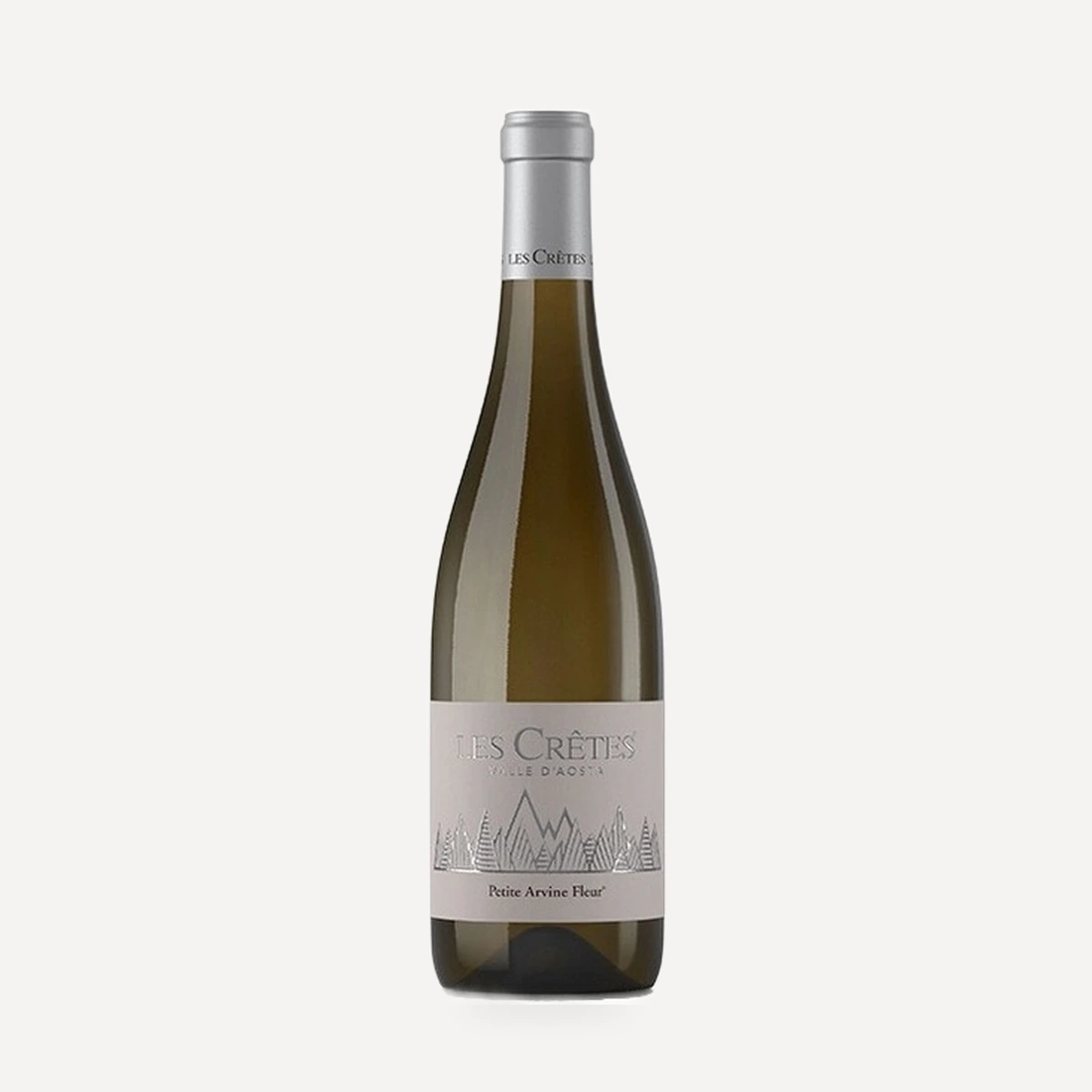
Petite Arvine Fleur
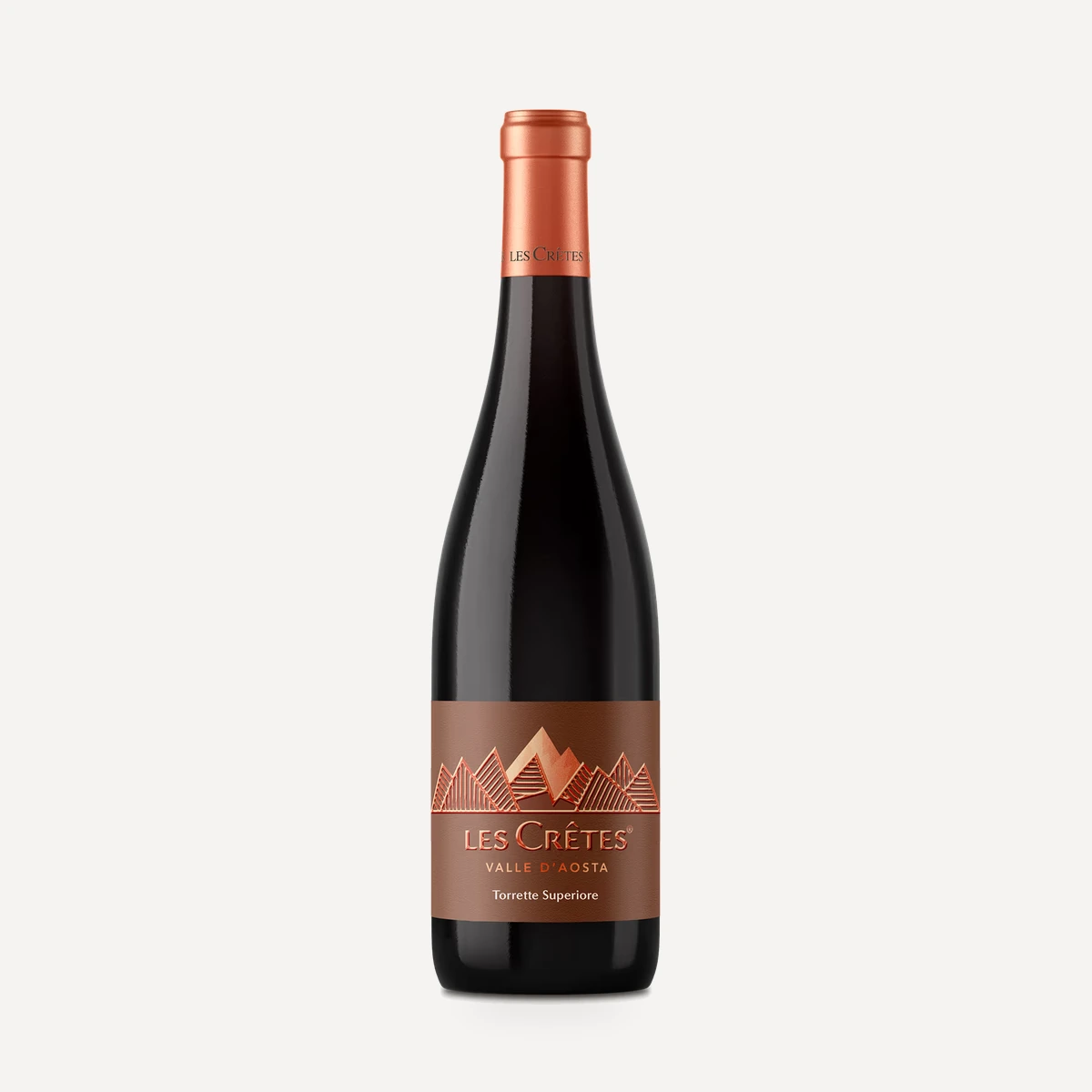
Torrette Superiore
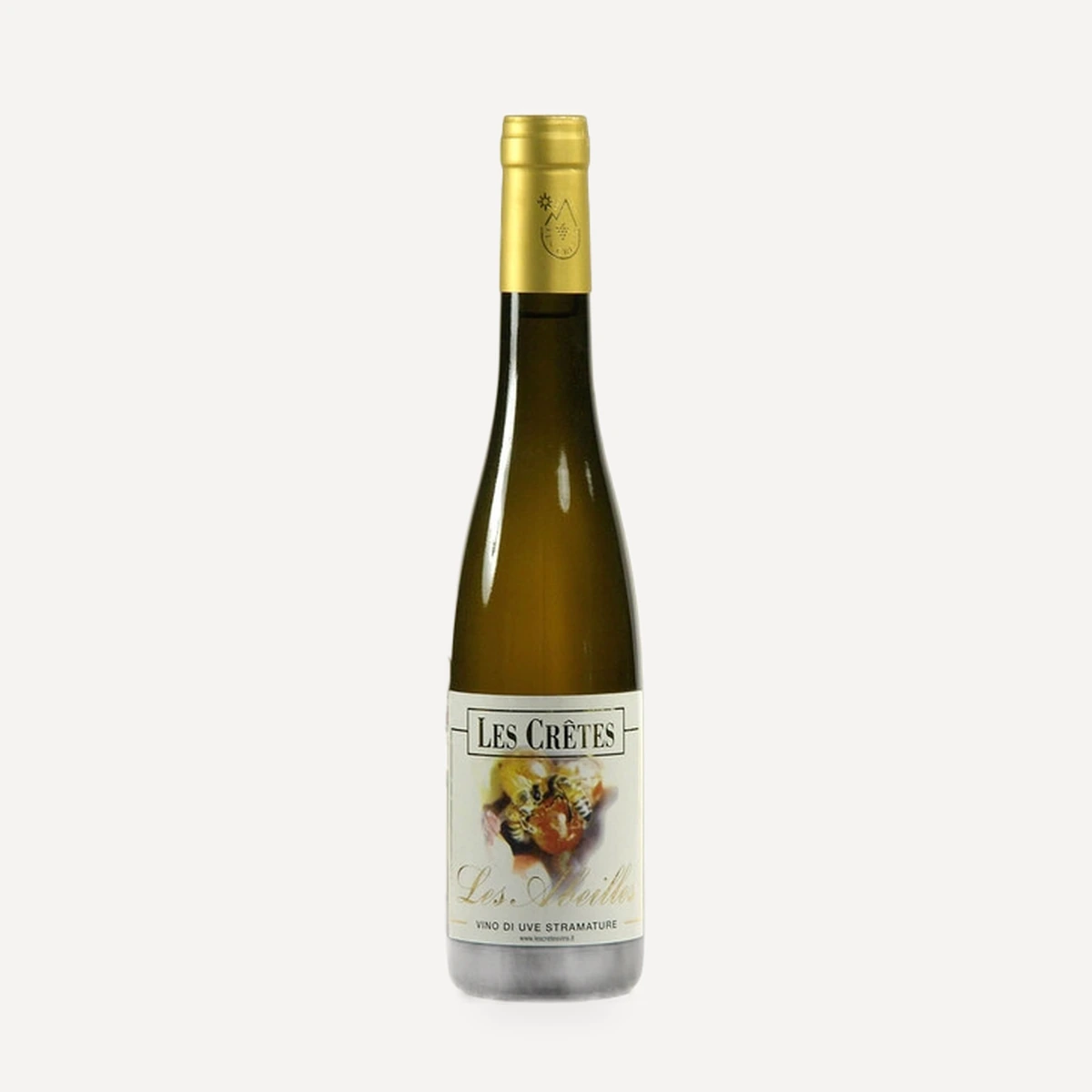
Les Abeilles
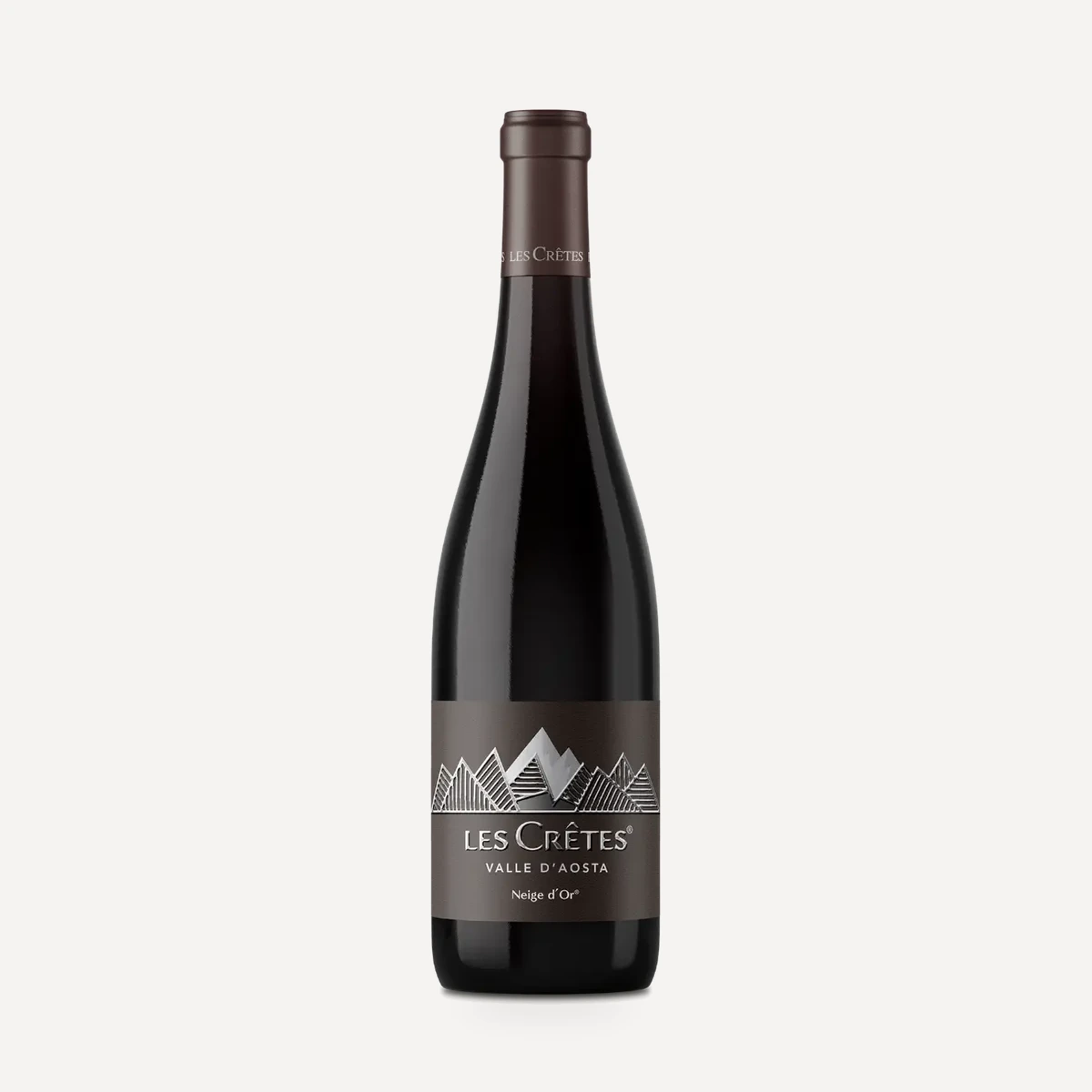
Neige d’Or
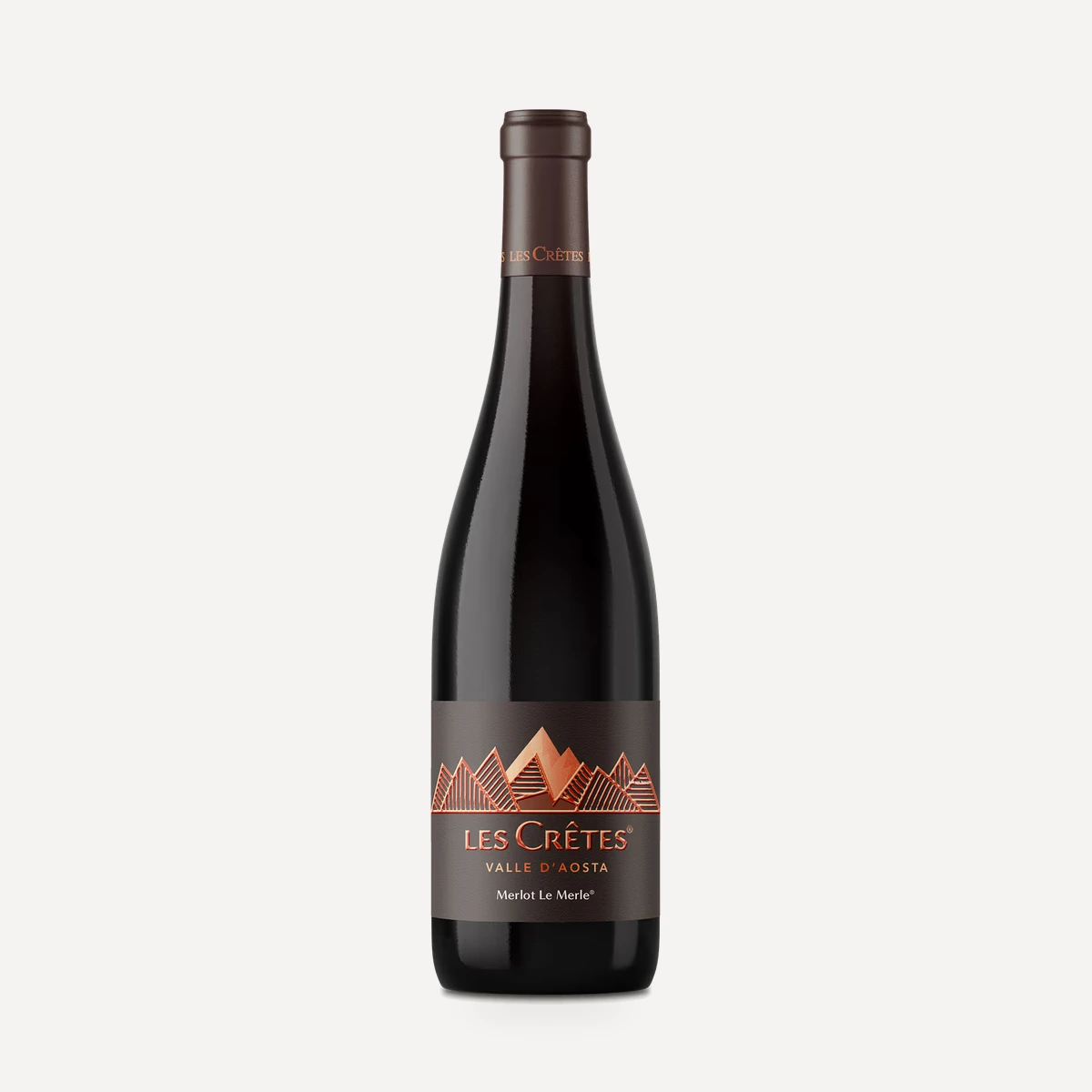
Merlot Le Merle®
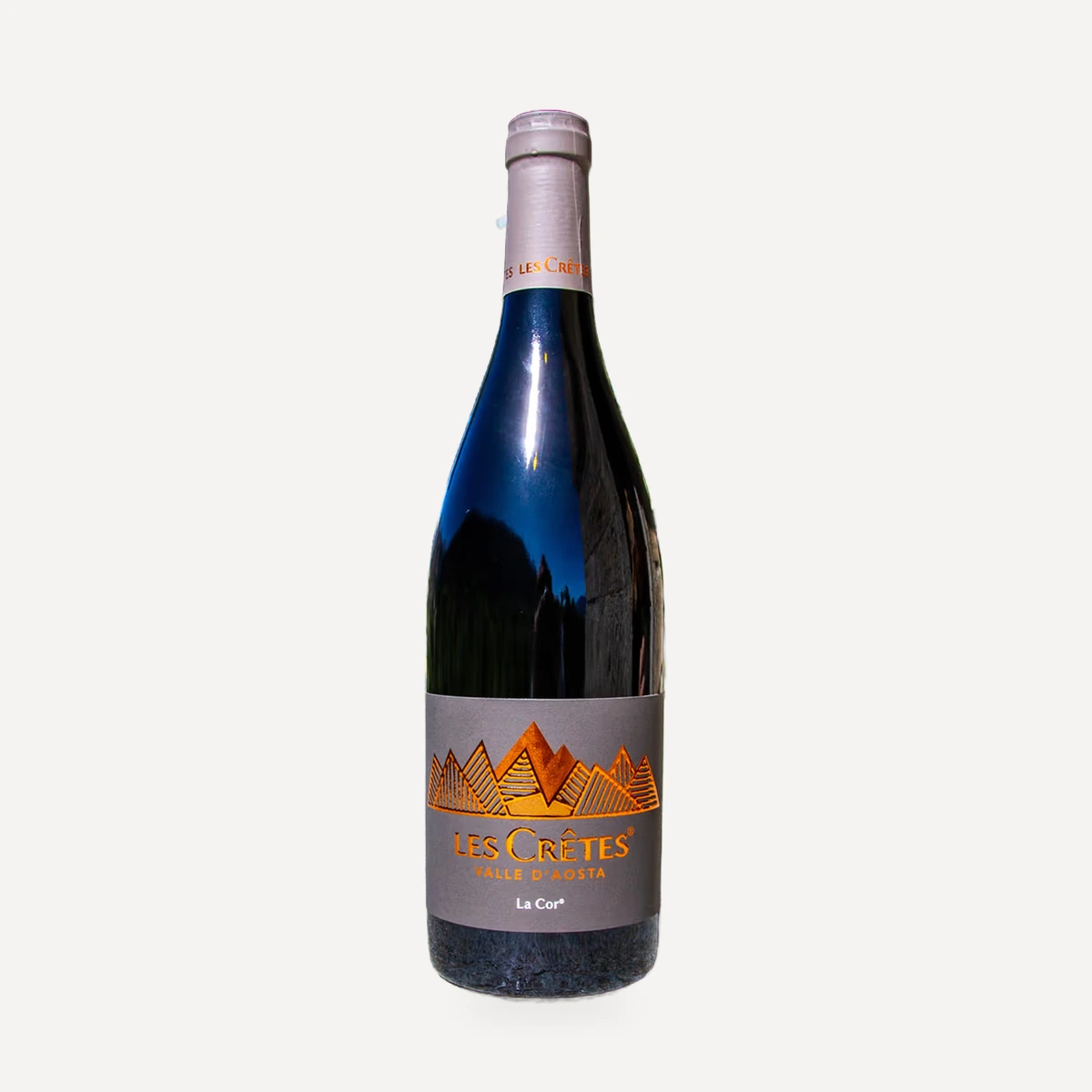
Fumin La Cor®
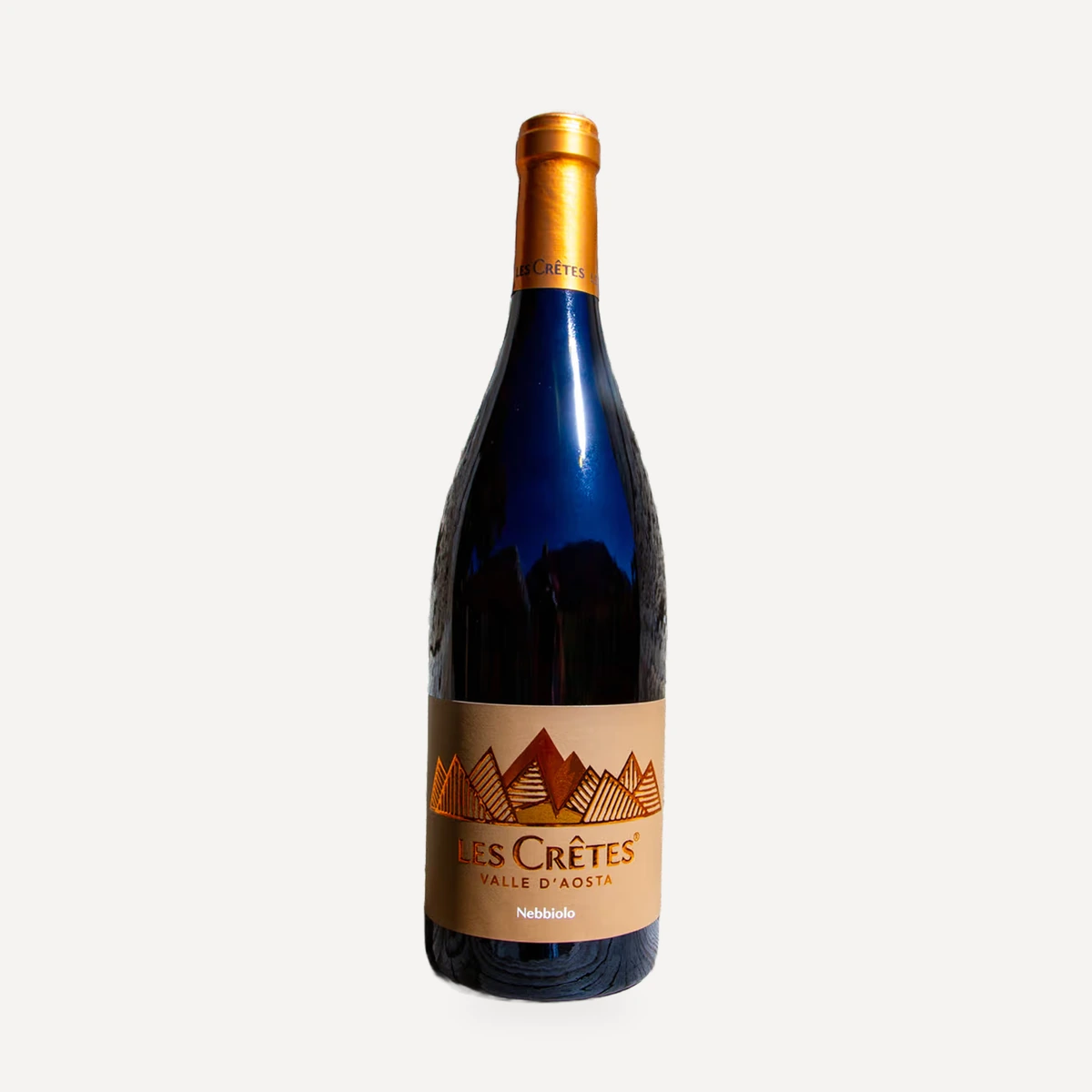
Nebbiolo