Storia
Ancient settlement and fortified borgo
Livernano was inhabited first by the Etruscans and later by the Romans, from whom its name derives. During the wars between Siena and Florence, the borgo served as a fortified outpost. Those conflicts ended in the 17th century. A small, well-preserved Romanesque church dating from the 11th century survives from its long history.
Agricultural village and abandonment
After its military role receded, Livernano developed into a quiet agricultural village. Severe poverty followed the end of the Second World War, and the Livernano countryside was permanently abandoned in 1953.
Restoration and return to agriculture
The borgo was restored in 2000 using traditional Tuscan materials and methods. The restoration revived Livernano as both a historic settlement and an agricultural property. The first modern vineyards were planted approximately 20 years before the current Wine Experience text was written. Selected vines were chosen for their suitability to the estate's soils and microclimate, with high planting density and exceptionally low yields adopted in pursuit of quality.
The Cuillo family purchased Livernano in 2002. In 2013, Livernano and Casalvento began operating as a single enterprise, while remaining separately named properties. Since 2015, the agricultural operation has undergone conversion to organic production. Livernano is now presented as an organic farm comprising 25 ha of vineyards planted with nine grape varieties, restored old olive groves with approximately 1,000 trees, and 60 ha of surrounding woodland. The farm also produces olive oil, honey, vegetables and fruit.
Terroir
Livernano lies at Località Livernano in the commune of Radda in Chianti, amid the rolling Chianti hills between Siena and Florence. The borgo's coordinates are given as 43.4456 latitude and 11.3433 longitude. It is reached along an ancient dirt road of approximately 8 km.
The property is surrounded by woodland, vineyards and olive groves. Sixty hectares are wooded, creating a largely forest-enclosed setting. The soils are characterized as ancient, while the vineyard material was selected specifically for compatibility with the estate's soils and microclimate. No detailed soil composition, geology, elevation, exposure, rainfall pattern, temperature range or climatic influence is defined.
Vinificazione
Livernano farms organically, following a conversion process begun in 2015. The vineyards were designed around selected plant material suited to the property's soils and microclimate. High-density planting and exceptionally low yields are central features of the viticultural approach, with both directed toward maximizing fruit quality.
The wider agricultural setting includes restored old olive groves containing approximately 1,000 trees of Italian varieties, along with 60 ha of woodland. The farm also grows vegetables and fruit and produces honey. No certifying organization, certification completion date, soil-management program, cover-crop regime, pruning method, plant-protection protocol, irrigation policy, biodiversity plan, harvest method or grape-sorting procedure is specified.
Livernano's production approach combines Tuscan viticultural history and traditional grape heritage with modern cultivation and winemaking techniques. Production is associated with the modern winery developed for the enterprise formed by Livernano and Casalvento, a facility surrounded by woodland and designed to sit in harmony with the countryside. The wines are described as the collaborative work of the owners and the estate team.
No estate-level specifications are provided for grape reception, sorting, destemming, pressing, maceration, fermentation vessels or temperatures, yeasts, malolactic fermentation, extraction, maturation vessels, oak origin, blending, stabilization, filtration, sulfur use or bottling.
Filosofia
Livernano's stated philosophy joins the history and traditional grapes of Tuscany with contemporary viticultural and winemaking techniques. Vineyard decisions—including selection of vines for the local soils and microclimate, high planting density and exceptionally low yields—are directed toward obtaining the highest possible quality from the land.
The revival of the borgo follows a parallel principle: historic Tuscan materials and methods were respected during the restoration, while contemporary facilities and accommodations were introduced. The modern winery was likewise conceived in harmony with the surrounding countryside. Organic farming, restored olive groves and the retention of 60 ha of woodland extend this relationship with the landscape beyond winegrowing.
Vini
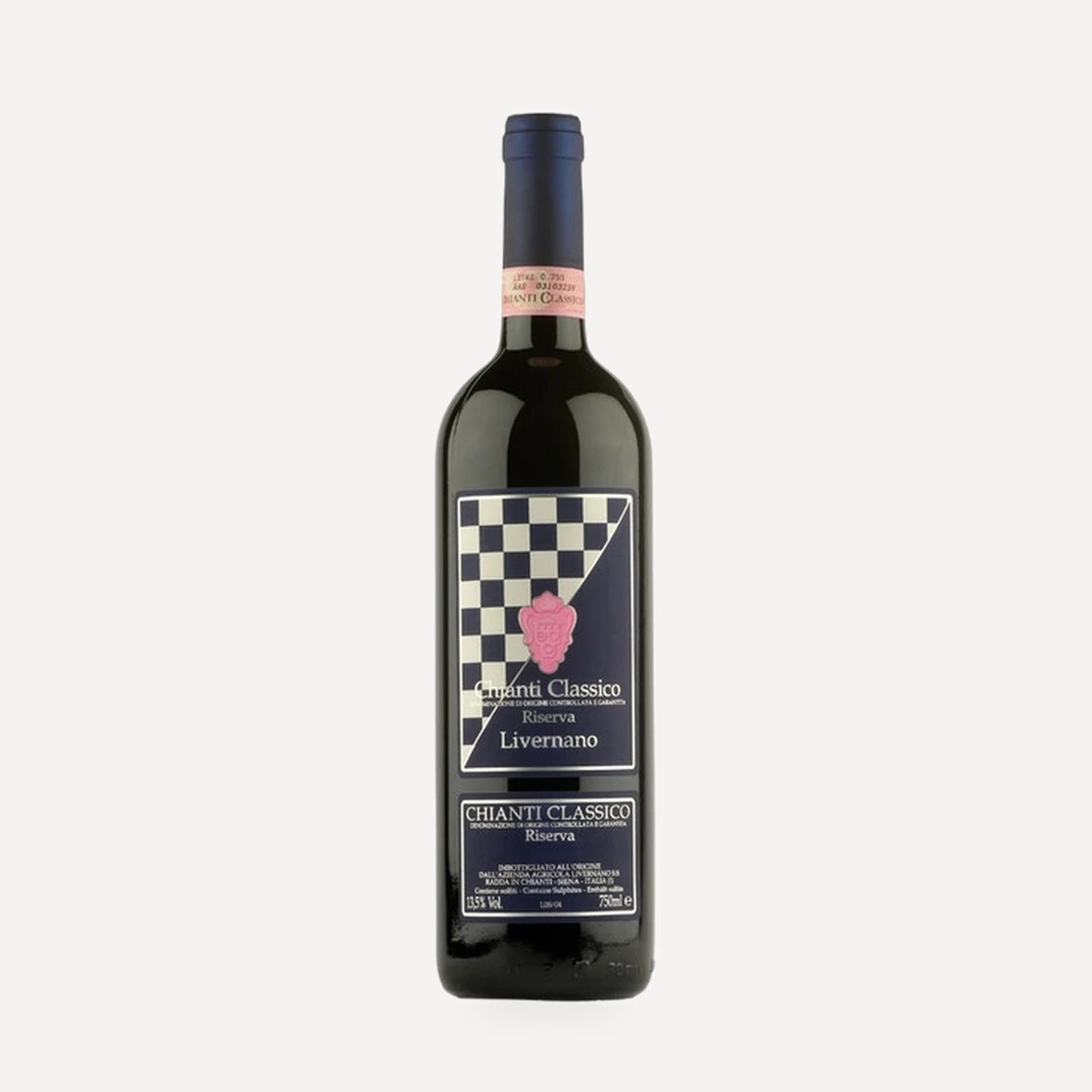
Chianti Classico Riserva Livernano
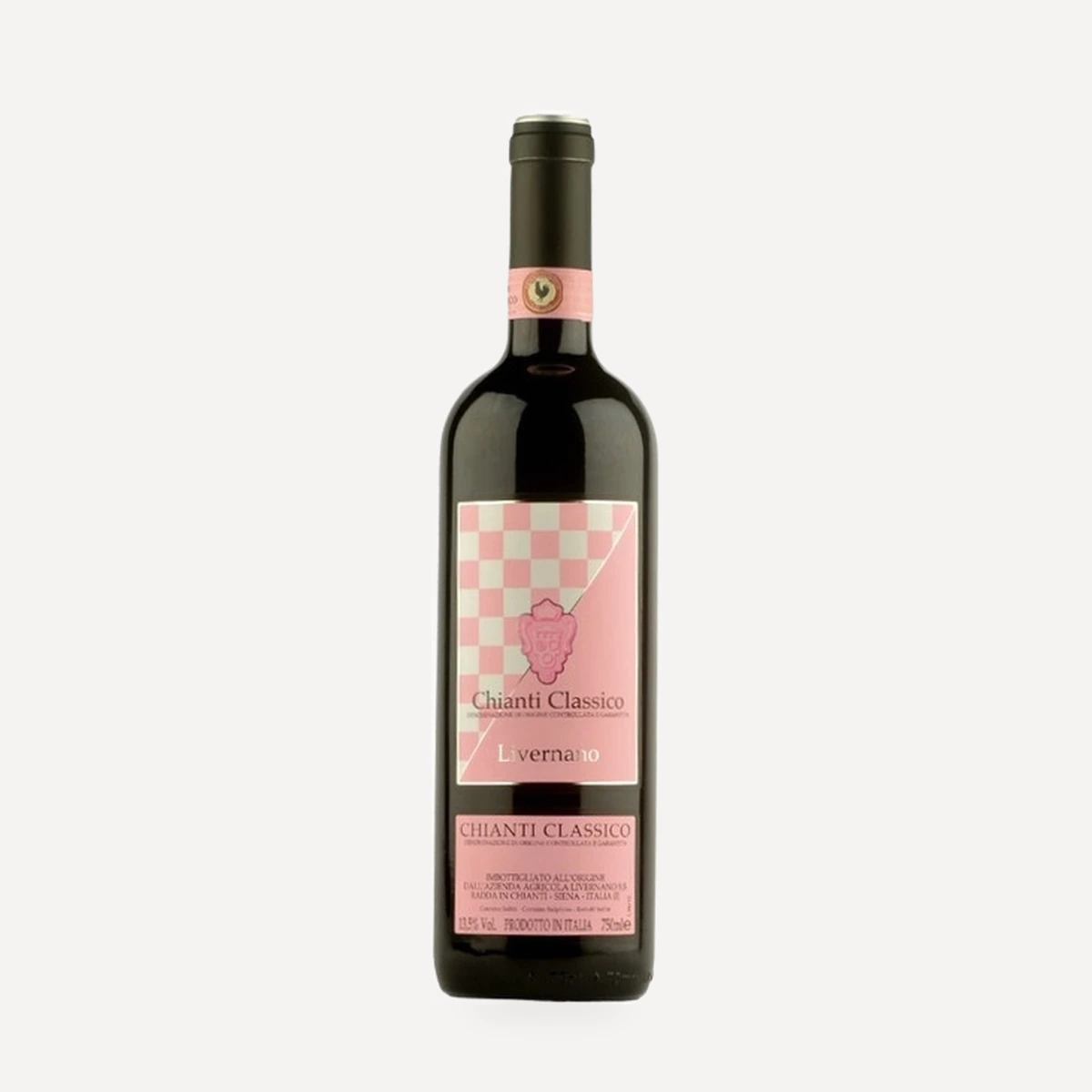
Chianti Classico Livernano
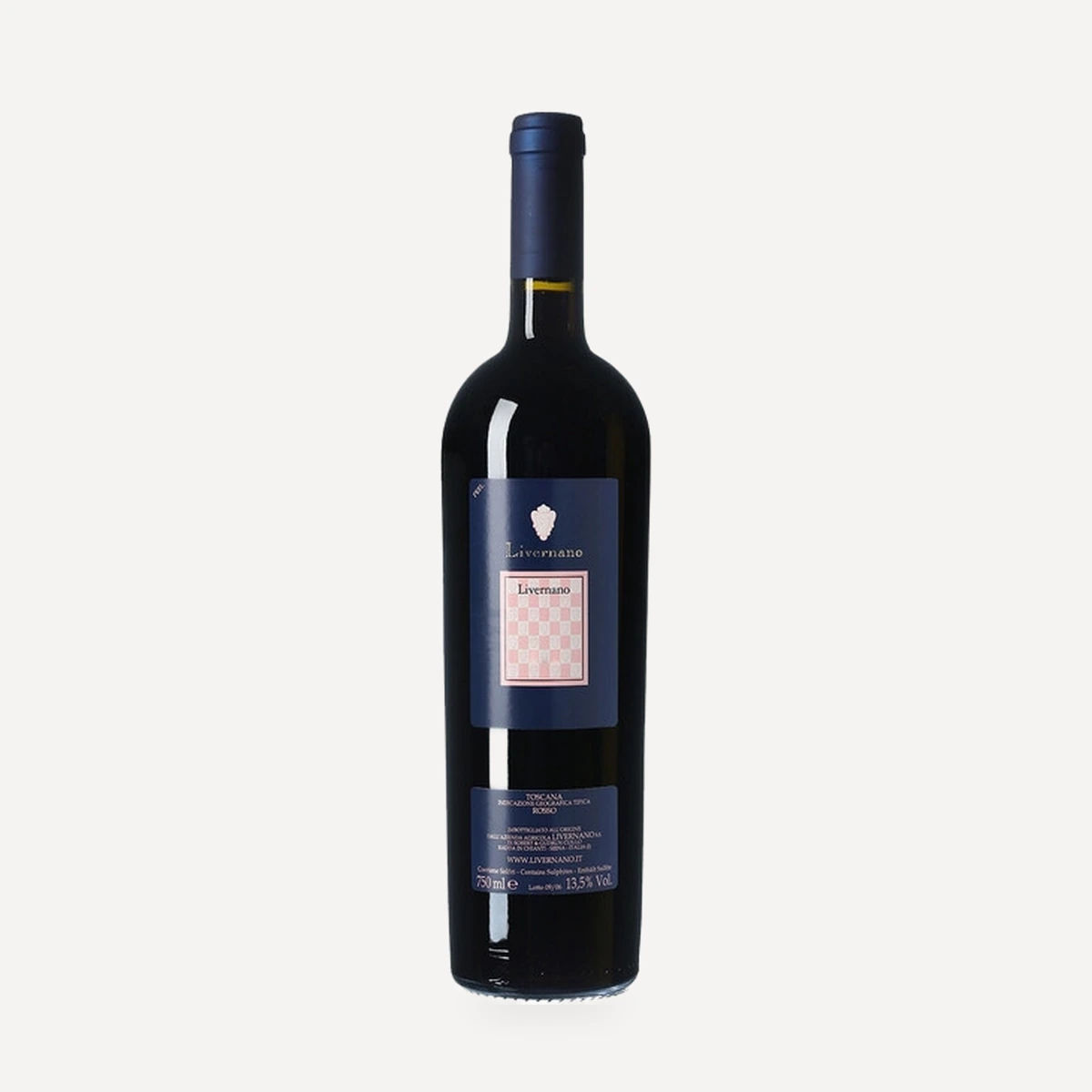
Toscana IGT
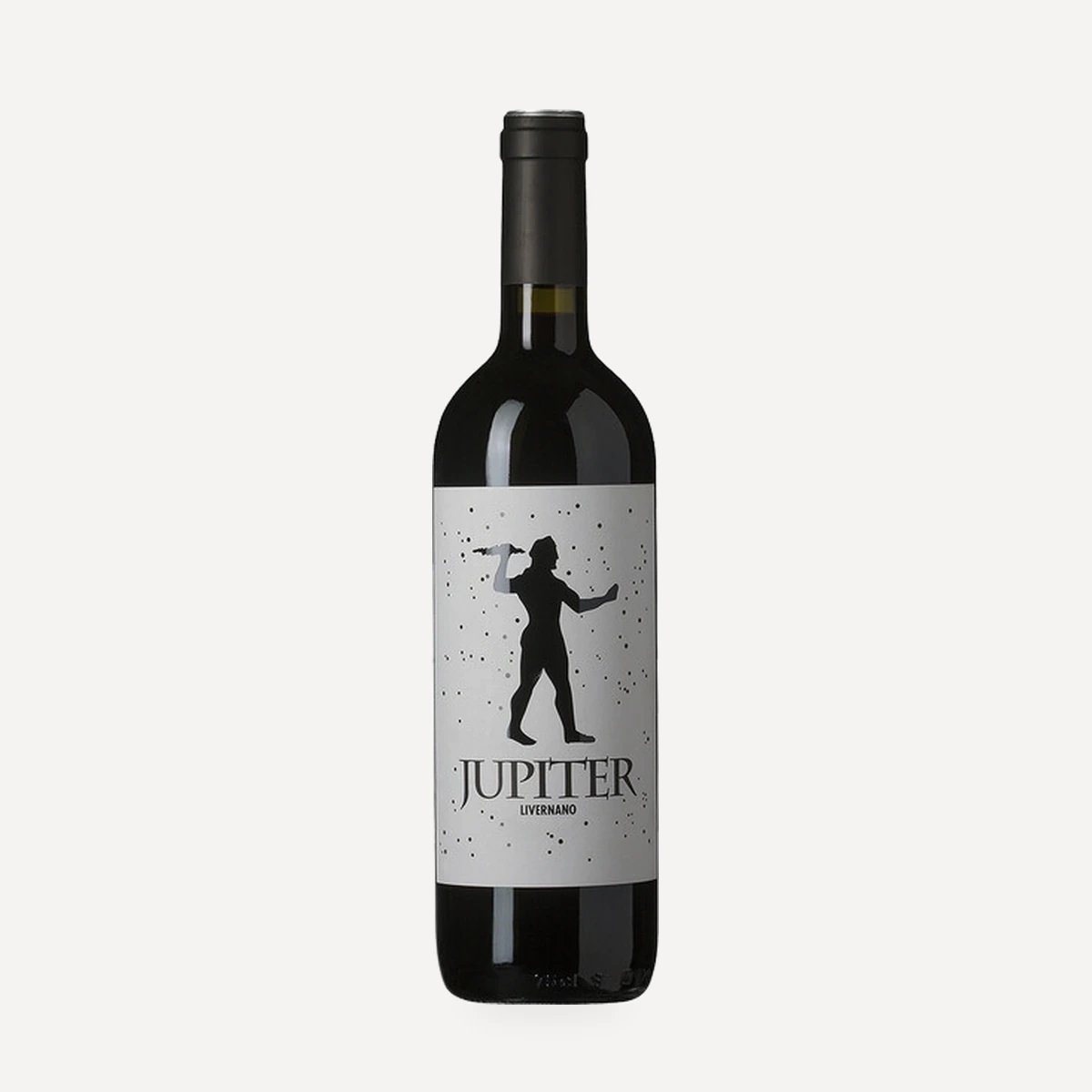
Jupiter
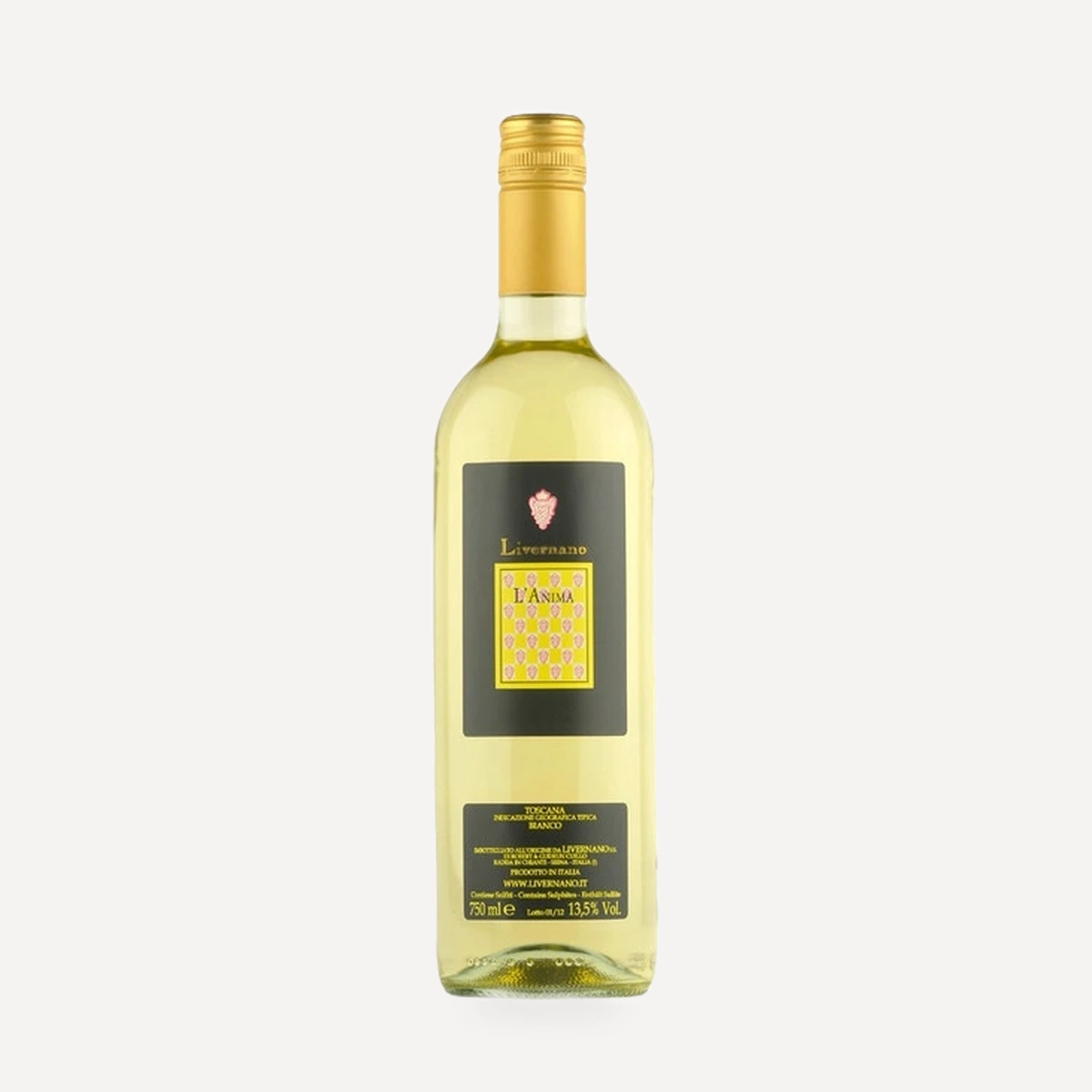
L’Anima