Storia
Family background
Tenuta del Nicchio represents the latest chapter in Lodovico Antinori’s career. His father, Niccolò Antinori, was born in 1898 and led the family wine business through the periods before, during and after the wars, expanding it and strengthening its international position. A 1970s family portrait presents Niccolò with his sons Lodovico and Piero Antinori.
Lodovico’s mother, Carlotta Della Gherardesca Antinori, was born in 1903. She owned Tenuta Belvedere di Bolgheri, an estate extending from the sea to the mountains, and gave Lodovico the land subsequently used to develop Ornellaia.
Andrei Tchelitcheff and the decision to remain in Bolgheri
Andrei Tchelitcheff, born in Moscow in 1903, studied biology at the Pasteur Institute in Paris before Countess de Latour invited him to America to take charge of Beaulieu Vineyard in California. His work had a lasting influence on Napa Valley winemaking.
Lodovico invited Tchelitcheff to Italy for advice on a possible new venture, with Paso Robles and Bolgheri under consideration. Tchelitcheff spent a month in the area, formed a close friendship with Mario Incisa and urged Lodovico to remain in Bolgheri rather than pursue the Californian alternative. Their collaboration lasted four years, during which Tchelitcheff shared technical knowledge and encouraged Lodovico’s commitment to wine. This relationship helped establish the foundations for Lodovico’s subsequent work, including Ornellaia and Masseto.
Collaboration with Michel Rolland
Lodovico later asked Bordeaux oenologist Michel Rolland to assist with Masseto, conceived as a pure Merlot project comparable in varietal concept to the wines of Rolland’s native Pomerol. Rolland’s initial assignment developed into a friendship and a broader consultancy for Ornellaia. Lodovico and Rolland met in Bordeaux in 1990 and went on to collaborate on Ornellaia, Tenuta di Biserno and, most recently, Tenuta del Nicchio.
Vigna Lodovico and the first vintage
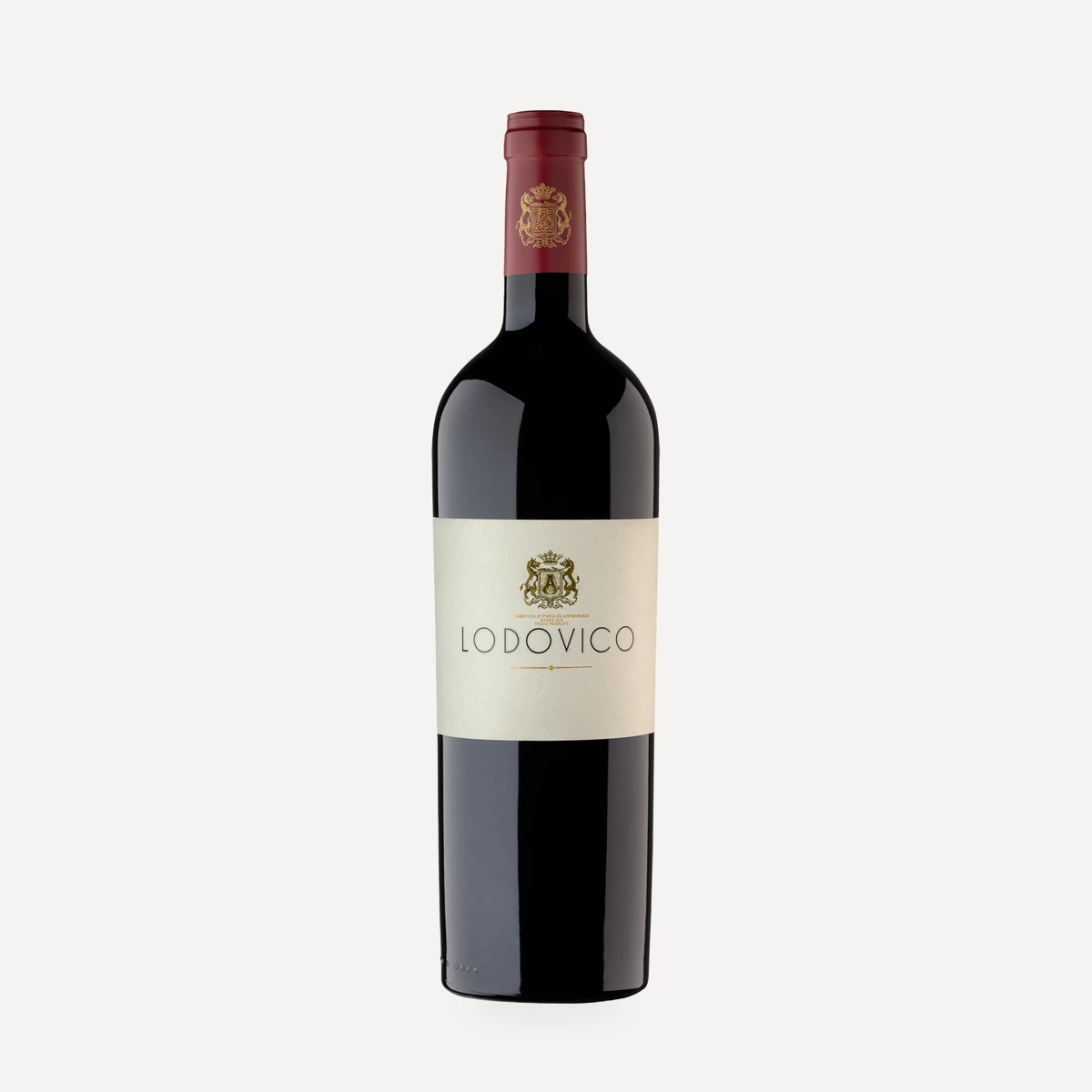
Vigna Lodovico was planted in 2002. The 6-hectare, north-facing vineyard occupies the northern part of the Bellaria plot between Bolgheri and Bibbona. Its first vintage was 2007, yielding 8,000 bottles. Production remained at 8,000 bottles through the 2012 release and reached 10,000 bottles from 2013 onward.
During the vineyard’s youth, Lodovico was not made in every year because the fruit did not invariably achieve the required potential. Greater consistency emerged as the vines matured. The released sequence begins with 2007 and includes 2008, 2011, 2012, 2013 and the vintages from 2015 through 2021.
The current family chapter
By 2021, Lodovico Antinori, Helena Lindberg, Michel Rolland and Ranieri, the head of viticulture, were presented as the principal team combining vineyard management, winemaking and consultancy. In 2022, Lodovico and his daughter Sophia laid the groundwork for their latest projects. Sophia’s creative contribution and Lodovico’s experience shaped the new chapter identified as Tenuta del Nicchio. Lodovico is the founder, while Sophia is a co-owner.
Terroir
Location and exposure
Vigna Lodovico covers 6 hectares between Bolgheri and Bibbona and occupies the north-facing portion of the Bellaria plot. The southern portion of Bellaria belongs to Ornellaia within Bolgheri DOC, while the northern site contains Vigna Lodovico. The vineyards of Bellaria share their basic soils and microclimatic conditions but differ in exposure.
Maritime light and temperature moderation
The nearby sea reflects sunlight, increasing both the quantity and quality of light reaching the vines and supporting complex phenolic maturation. Its maritime influence also moderates summer temperatures and limits excessive daytime heat.
Bright, warm days encourage ripening, while cool nights preserve acidity and assist fruit-aroma development. Cooling night winds are particularly important to the vineyard’s balance between phenolic maturity and acidity.
Geological composition
The Bellaria landscape reflects the geology of Alta Maremma. Vigna Lodovico combines alluvial deposits, volcanic material and Bolgheri conglomerate. Clay components give the soil structure and encourage deep, strongly anchored root systems, while fossil fragments provide further evidence of its complex geological formation.
Vinificazione
Vigna Lodovico is trained to cordone speronato at a density of 6,500 vines per hectare. Its clay-bearing soil allows the roots to penetrate deeply.
Harvesting is performed by hand. The 2007 and 2008 harvests were explicitly collected in 15 kg crates, and later specifications continue to identify manual picking. Selection has been especially important in difficult seasons: during the warm, dry 2017 growing season, careful selection and crop reduction helped retain balance in the harvested fruit.
Harvest timing varies with the season and the ripening of the component varieties. Recorded windows extend from mid-September to early October in 2007 and 2008; early September to 1 October in 2011; the last week of August to 3 October in 2012; the second week of September to the second week of October in 2013; the first week of September to the second week of October in 2015 and 2016; mid-August to 26 September in 2017; 11 September to 5 October in 2018 and 2019; the second half of September in 2020; and the second week of September through the first week of October in 2021.
Grapes undergo strict selection on a vibrating belt at the cellar before destemming. Specifications through 2017 also record gentle crushing. Fermentation takes place in stainless-steel vats for three to four weeks at 28°C.
Malolactic fermentation has been divided between oak and stainless steel in proportions adjusted over time. In 2007, 90% took place in barriques and 10% in stainless steel; the share in barriques was 50% in 2008 and 2011, 20% in 2012, and 80% from 2013 through 2021, with the balance completed in stainless steel.
Oak maturation has likewise evolved. The 2007 wine spent 16 months in new French oak barriques followed by 12 months in bottle. The 2008 vintage spent 18 months in new French oak and another 12 months in bottle. From 2011 through 2016, maturation returned to 16 months in new French oak followed by 12 months in bottle. From 2017 onward, the wine matured for 16 months in a combination of 80% new French oak barriques and 20% one-year-old barrels.
Filosofia
Tenuta del Nicchio’s approach joins Lodovico Antinori’s accumulated experience with Sophia Antinori’s creative contribution and the combined expertise of Helena Lindberg, Michel Rolland and the viticulture team. Its self-description emphasizes sensitivity, precision, a persistent pursuit of refinement and close cooperation among vineyard, cellar and consultancy roles.
Vintage selection is treated as a quality decision. During the vineyard’s youth, Lodovico was withheld in years when the fruit could not fully express the intended potential. Production became more continuous only as the vines matured and achieved greater equilibrium. The same emphasis on balance appears in the vineyard’s use of warm daylight, cool nights, maritime moderation and careful fruit selection to unite phenolic maturity, acidity, structure and freshness.
Vini