Storia
Giovanni and the foundation
The Giordano family’s association with Barbaresco began in the early 20th century. Giovanni Giordano founded the agricultural estate during a period of profound crisis in the wine sector. His work established the foundation subsequently developed by his son Luigi.
Luigi and the post-war years
Luigi Giordano chose to vinify the family’s grapes rather than restrict the business to growing them. He continued and expanded his father’s work during the difficult years following the Second World War, investing and experimenting with the interests of future generations in mind.
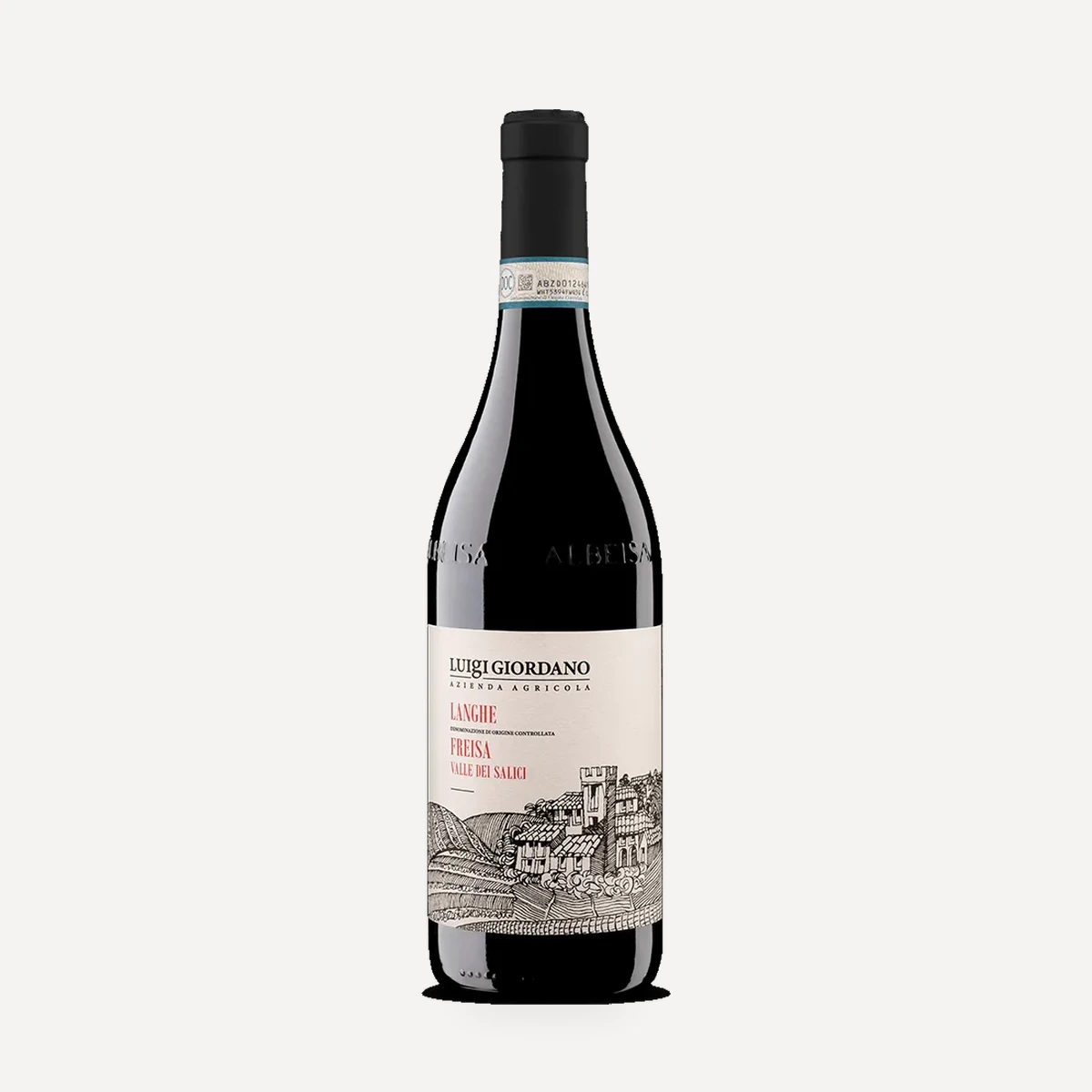
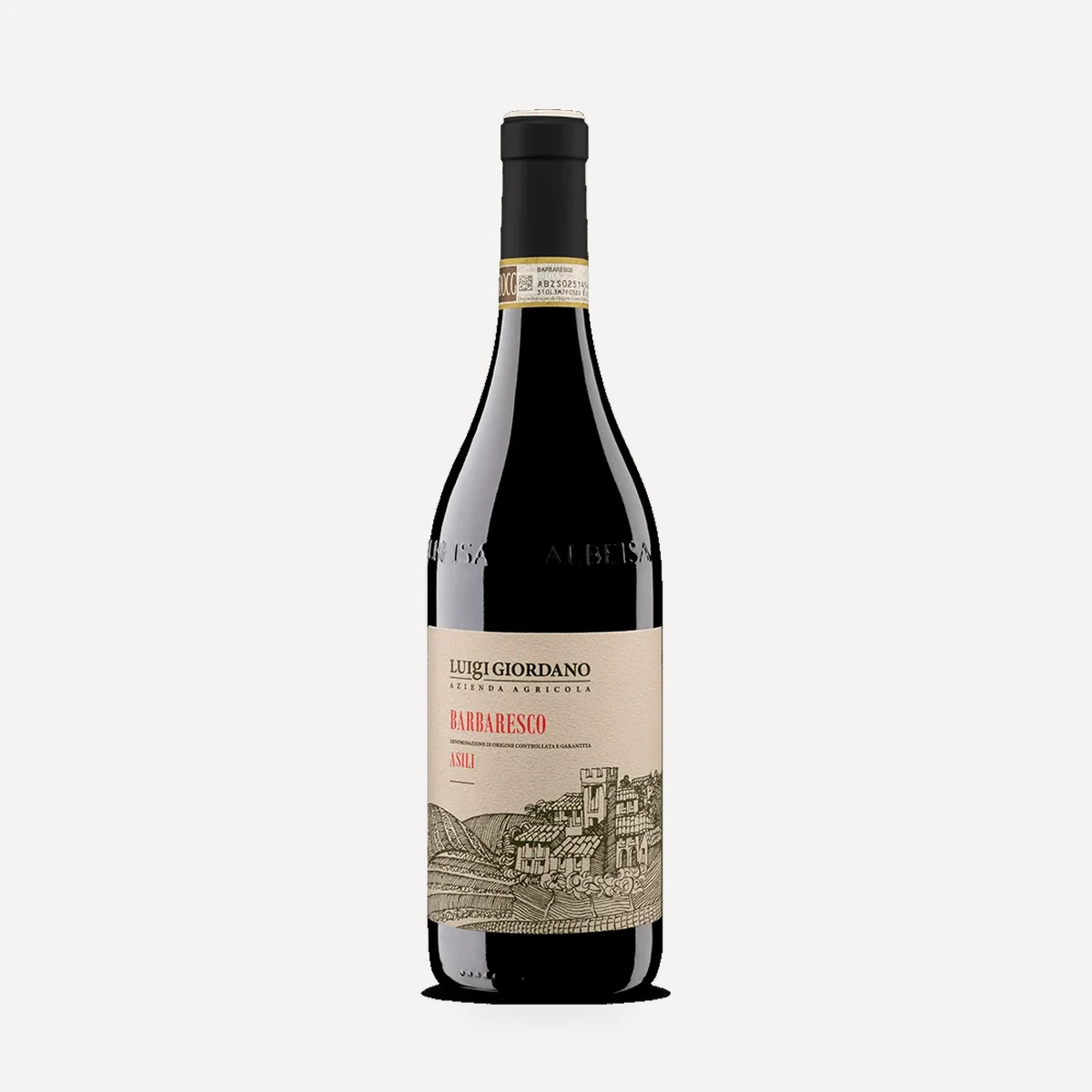
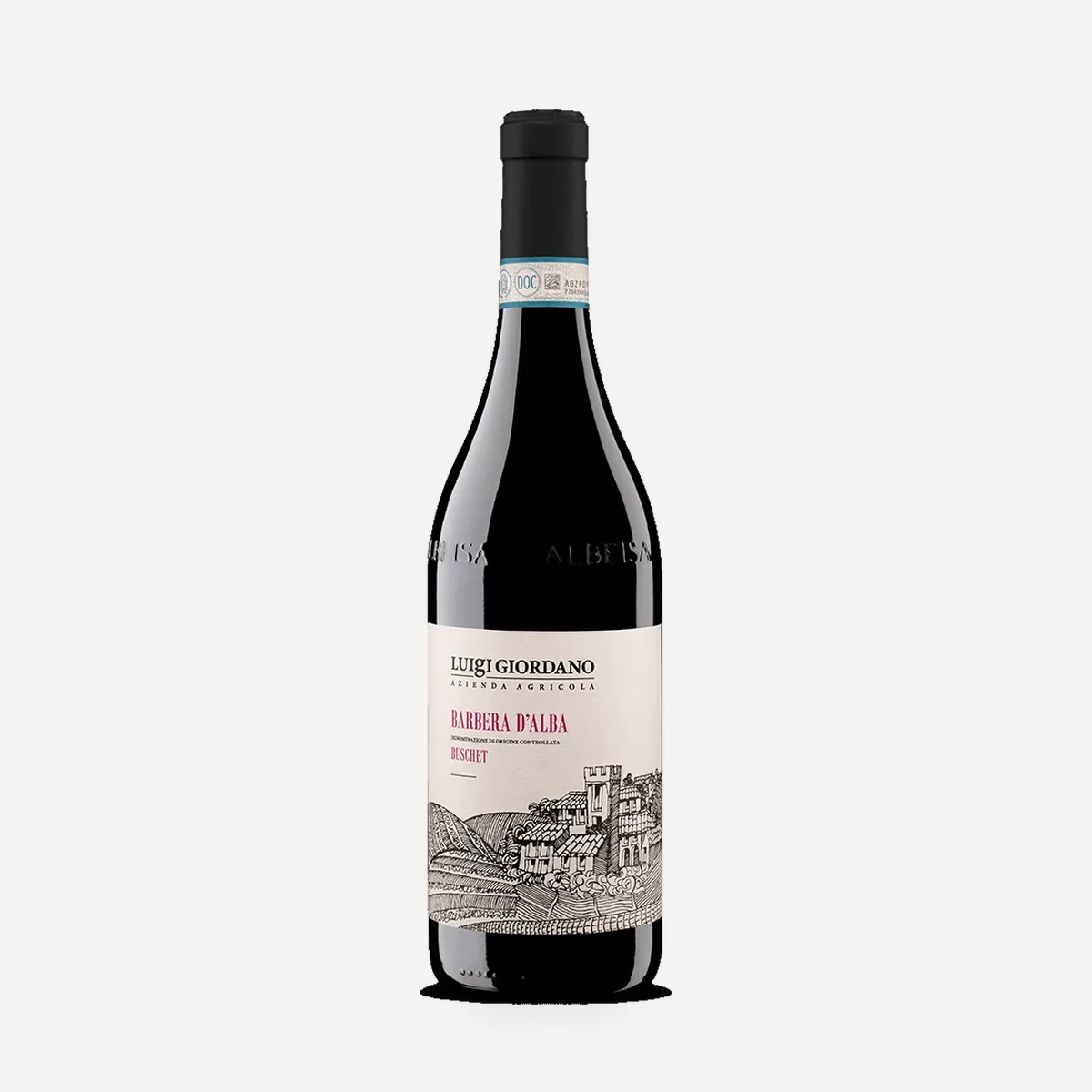
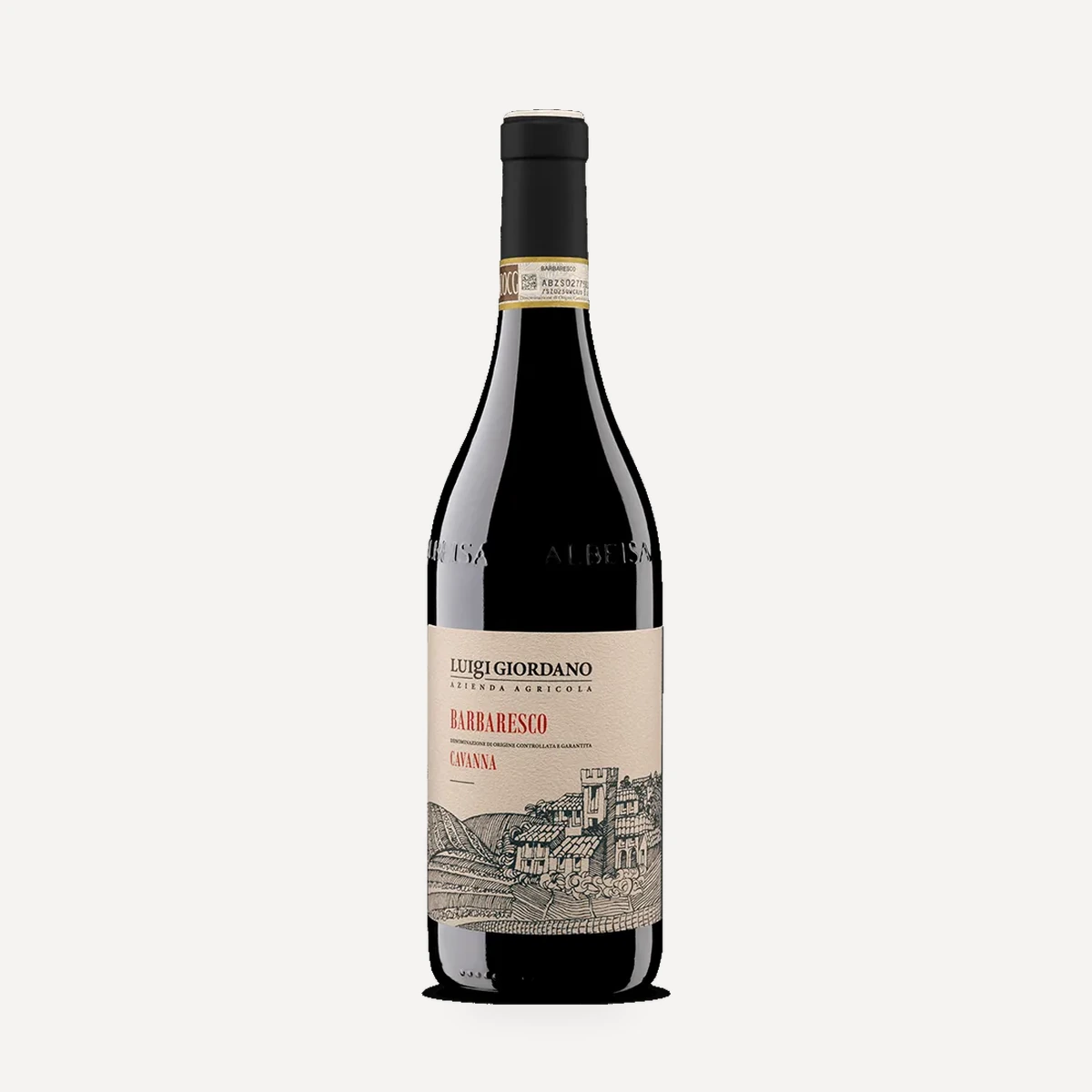
The surviving vineyard chronology reflects this long-term development. The oldest portion selected for Montestefano Riserva was planted in 1958. Valle dei Salici followed in 1970, while the Qualin Dolcetto vineyard dates from 1971. Cavanna was first vinified and identified by Luigi as an individual vineyard in 1971; the family has remained the only producer to claim Cavanna on a label. The estate’s first Montestefano label also dates to 1971. Asili entered the range with its first bottling in 1973, and the Buschet Barbera vineyard was planted in 1975. A further Montestefano planting followed in 1979.
Continued vineyard development
A new Asili planting was established in 2001. The east-facing Nebbiolo parcel used for Langhe DOC Nebbiolo was planted in 2014. Ovello became the newest named Barbaresco in the range with the 2022 vintage.
Laura and Matteo
Management has passed to Luigi’s daughter Laura and her son Matteo, Luigi’s grandson. Together they represent the fourth generation in Barbaresco. Their approach combines the experience inherited from older generations with newer study, a regenerative outlook and attention to the character of each vineyard and vintage. The family identifies respect, trust and long-term vision as the principles connecting the generations.
Terroir
Geological origin
The hills around Barbaresco were once seabed within the Ligurian-Piedmontese Tertiary Basin. The sea began to retreat during the Tortonian stage of the late Miocene, approximately 13 million years ago. Sedimentary activity created the strata that now form the local subsoil, principally the marls known as Marne di Sant’Agata Fossili.
Exposures and river influence
The vineyards occupy varied positions between approximately 200 and 280 metres above sea level. Their eastern, southeastern, southern and western-to-southwestern exposures create distinct patterns of sunlight and ripening.
The Tanaro River is especially important at Cavanna. The vineyard reaches the edge of the steep river cliffs, and rising currents from the river interact with its western exposure to create a distinctive microclimate and delay phenolic maturity. Ovello has a comparable southwestern orientation but a different microclimate because it lies farther from the river. Asili’s amphitheatre shape and southeastern exposure produce cooler late-afternoon conditions and prolong ripening, particularly in cooler vintages.
Soil variation
Cavanna has laminated Sant’Agata Fossili marl with a predominance of silt. Asili is distinguished by light-grey Sant’Agata Fossili marl rich in sandy sediment. Montestefano contains dense, deep blue-grey marl with active limestone; the depth of these nutrient-retaining soils slows the vines’ absorption cycle and delays phenolic maturity despite the vineyard’s southern exposure. Ovello also has blue-grey Sant’Agata Fossili marl. Qualin combines deep, cool soils with grey-yellow Sant’Agata Fossili marl. The east-facing Nebbiolo parcel has white-grey, laminated Sant’Agata Fossili marl with silt.
Vinificazione
Environmental care is framed as care for both the land and the people dependent upon it. The family favours a gentle, perceptive human hand that supports rather than overrides the character and diversity of the fruit. Protecting the subsoil, preserving differences among sites and allowing each vintage to retain its individual character are central goals.
The documented vineyards use Guyot training. A single fruiting cane carrying 8–10 buds is retained together with a 2–3-bud spur that supplies the cane for the following harvest. Recorded planting densities range from 2,500 vines/ha in Asili, Montestefano, Buschet, Qualin, Valle dei Salici and the Langhe Nebbiolo parcel to 4,500 vines/ha in Cavanna. Documented yields range from 7,000 to 9,000 kg/ha, with lower yields in the old-vine Montestefano selection.
Harvest dates are adapted to each site’s exposure, soil depth and microclimate. The sequence begins with Dolcetto and Arneis in the first half of September, continues through Freisa in the fourth week of September and Barbera in the first week of October, and concludes with the Nebbiolo sites during the first and second weeks of October. The oldest Montestefano vines are selected for Riserva only in vintages judged to have attained the required quality.
The cellar is treated as the point at which the work of the growing season and the differences among vintages take their final form. Vinification follows a classical approach. Stainless steel, concrete and wood are used according to the requirements of the material, with the objective of preserving the distinctions among vineyards and their respective microclimates.
Filosofia
The family defines respect, trust and long-term vision as the values connecting its four generations. Earlier work and experience are paired with the study and perspective of the younger generation, while decisions are made with future generations in mind.
The vineyard is regarded as the family’s home and as a natural inheritance carrying a corresponding responsibility. Environmental protection is therefore understood as a form of self-preservation. Human intervention should remain gentle and attentive, enhancing rather than obscuring differences in fruit, vineyards and vintages.
The principal objective is to place a distinct expression of the territory in the glass. Soil, exposure and microclimate are treated as the essential elements of that expression. Laura and Matteo pursue this goal through a dynamic, regenerative outlook intended to interpret rather than standardize every vineyard and growing season.
Vini
Asili Barbaresco DOCG
Buschet Barbera d'Alba DOC
Cavanna Barbaresco DOCG
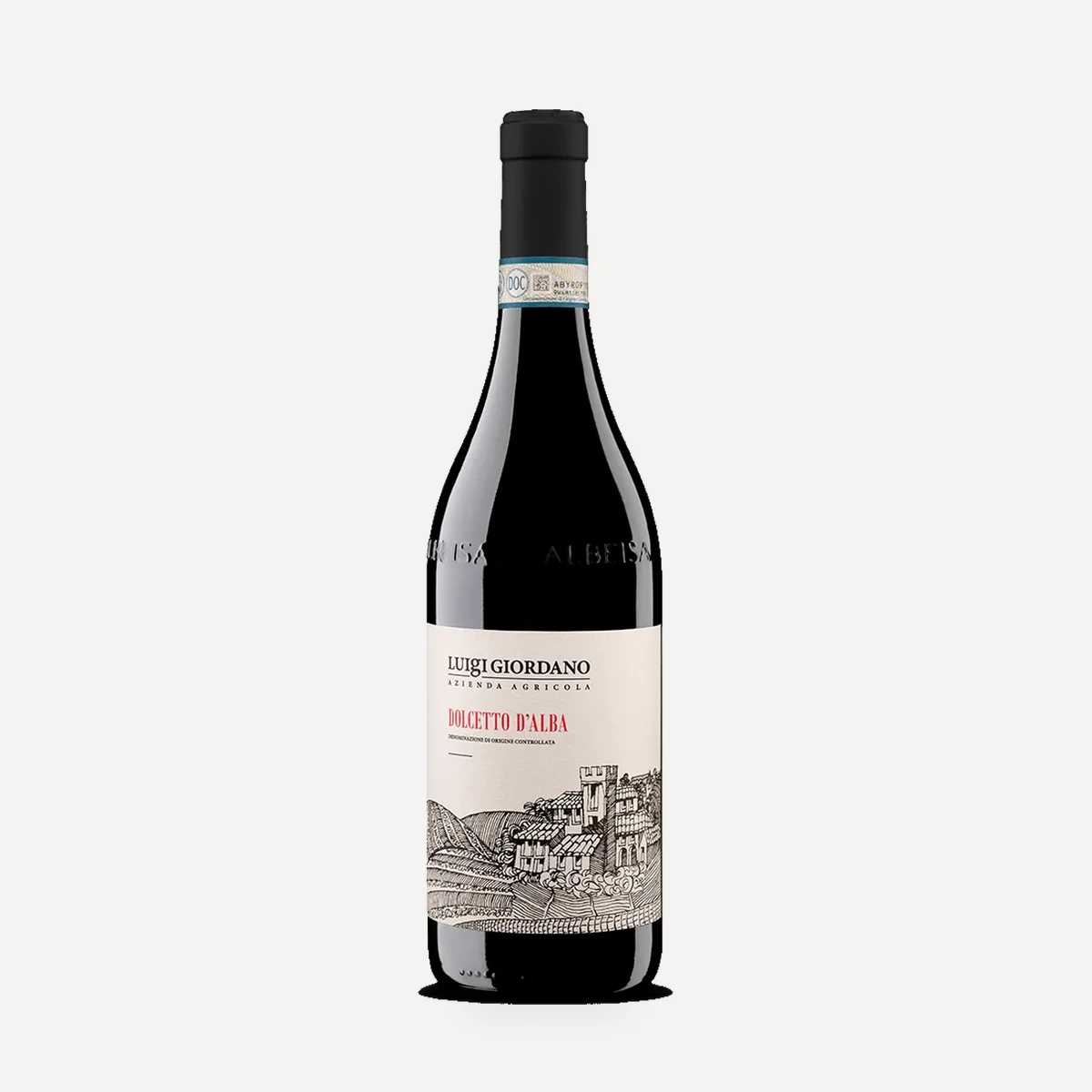
Dolcetto d'Alba DOC
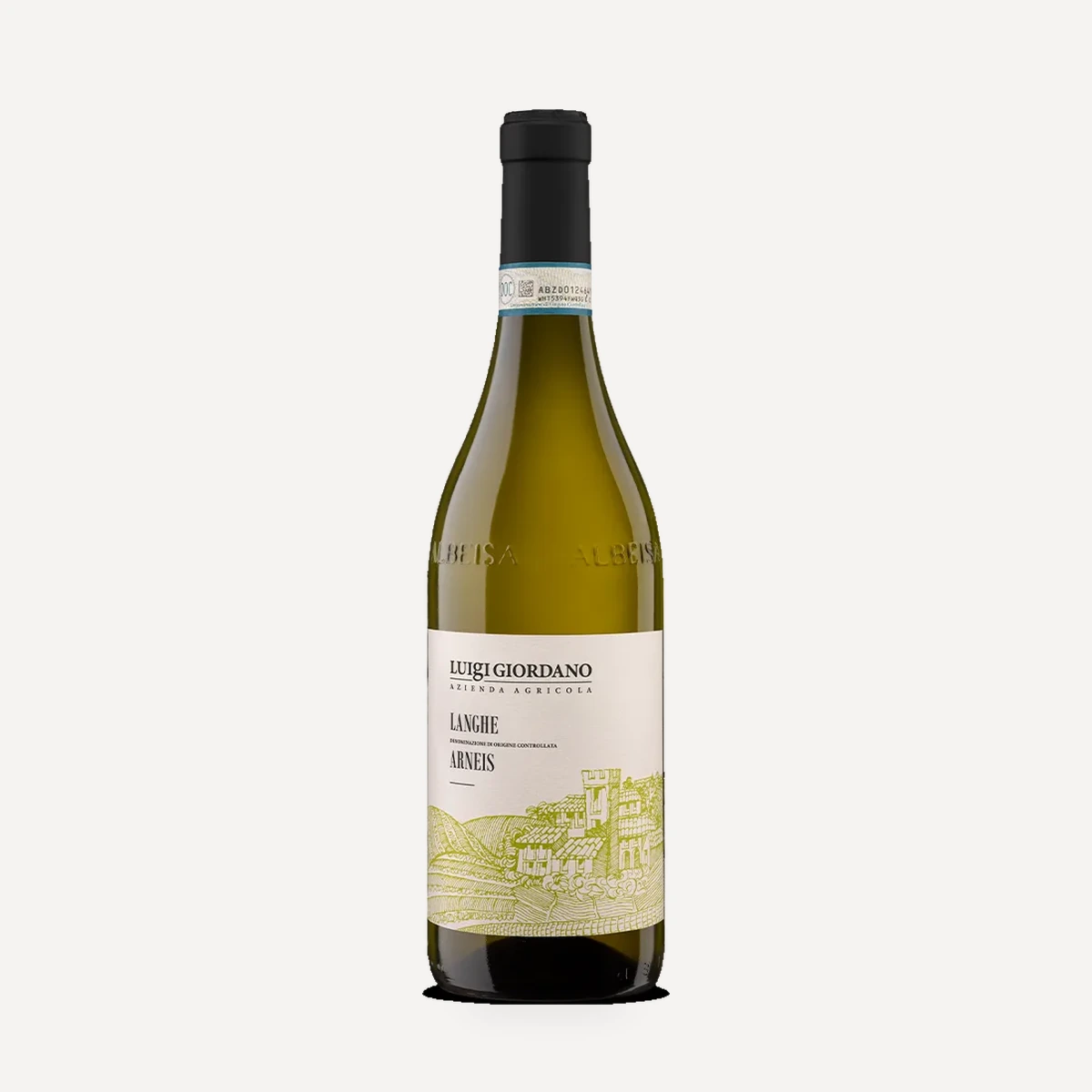
Langhe DOC Arneis
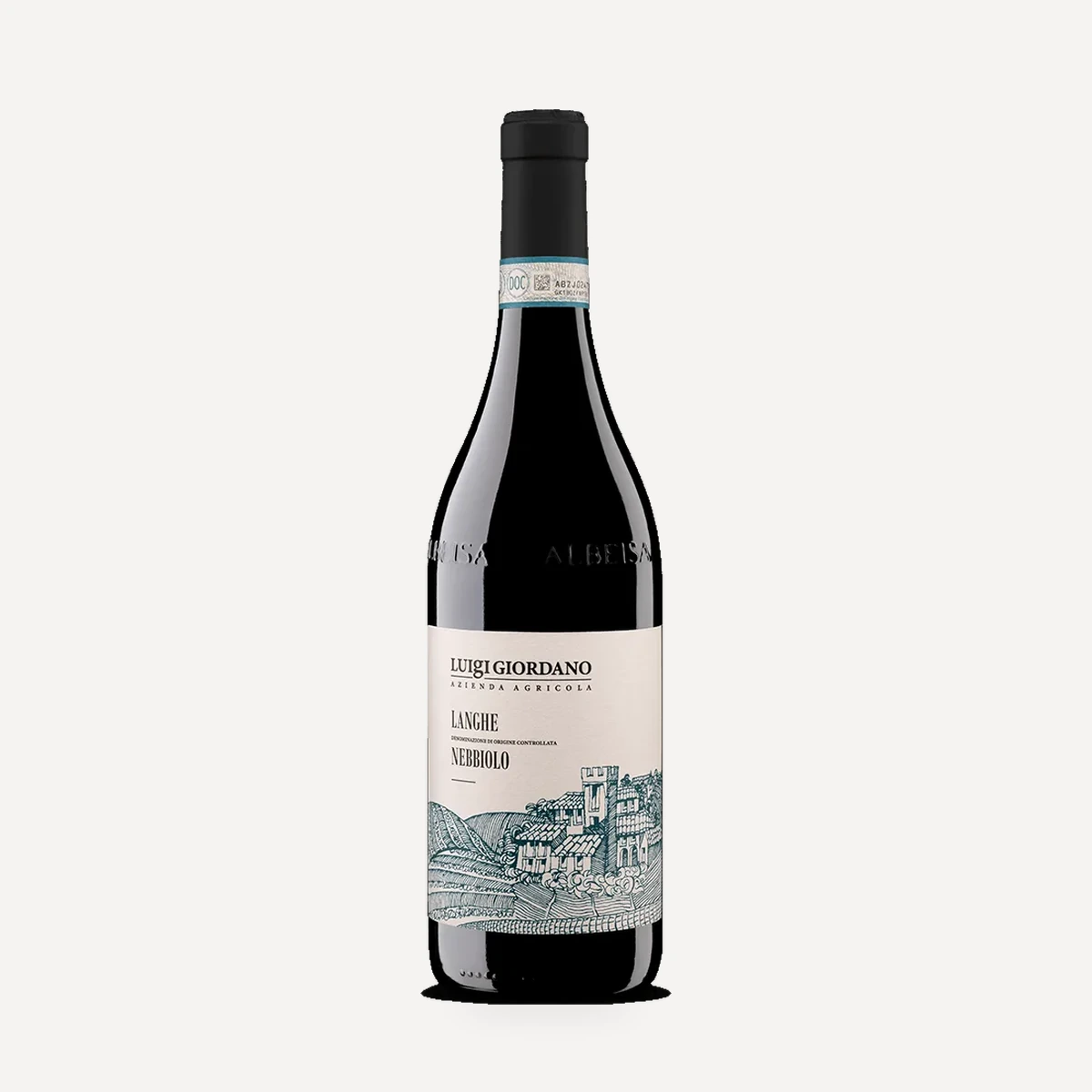
Langhe DOC Nebbiolo
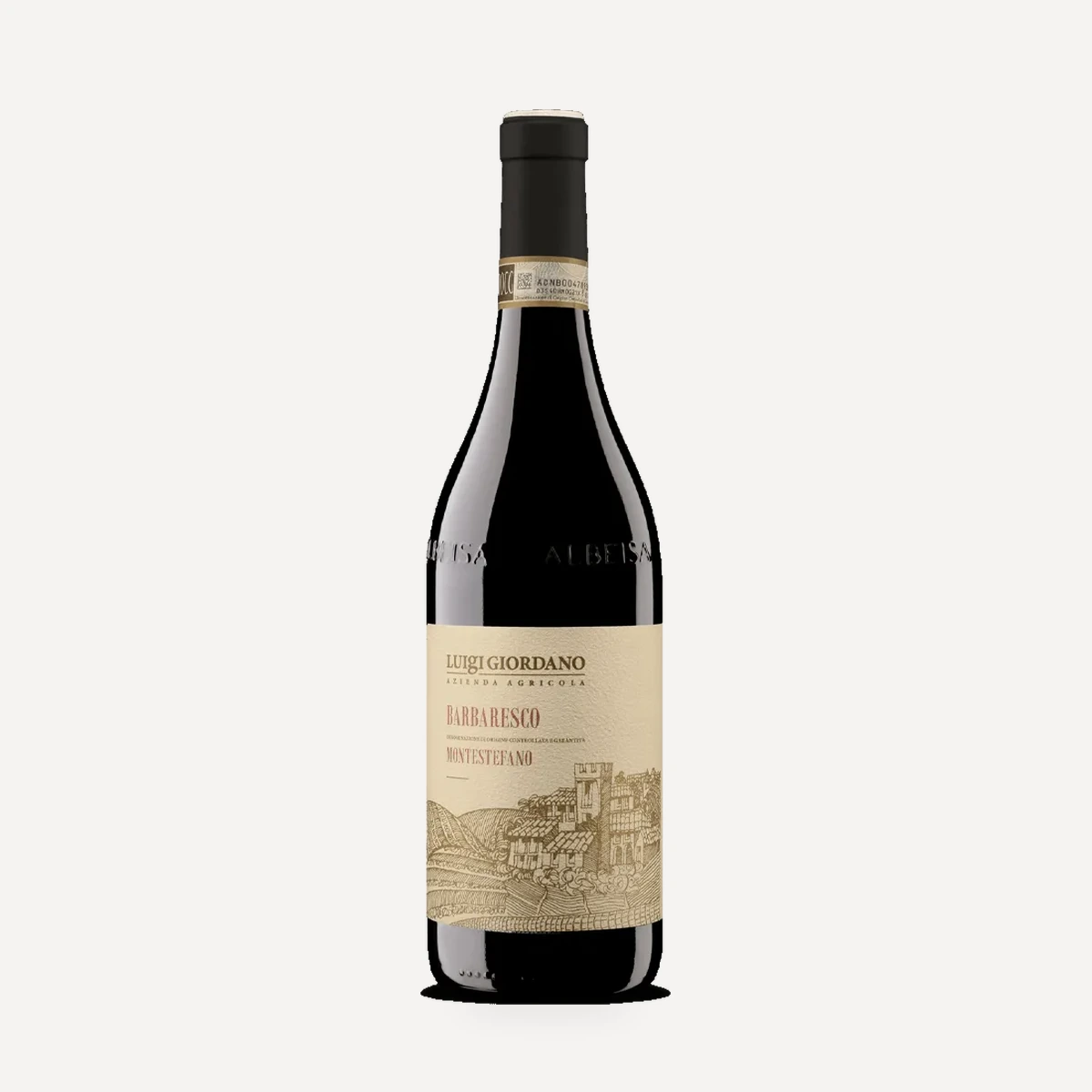
Montestefano Barbaresco DOCG
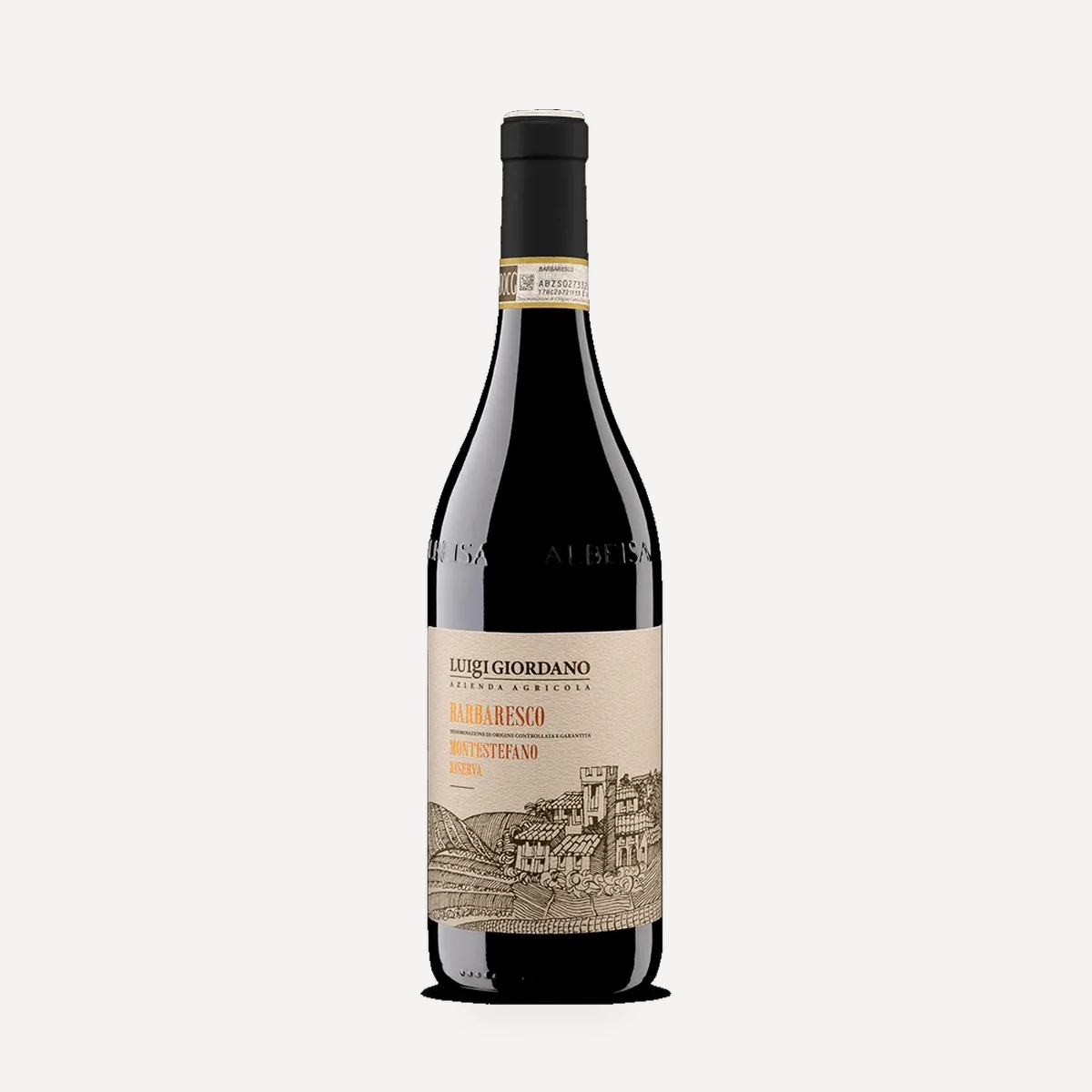
Montestefano Barbaresco DOCG Riserva
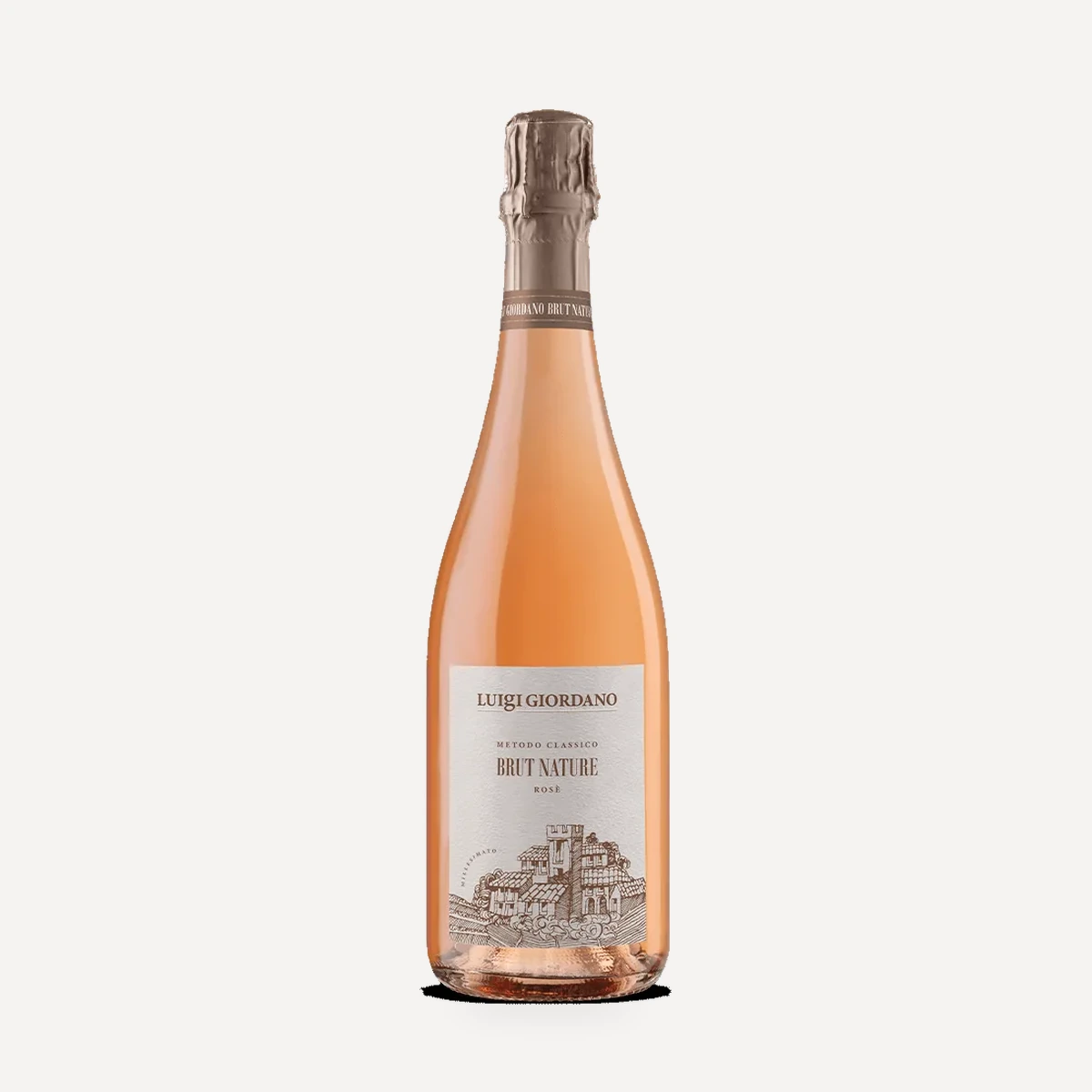
Brut Nature Spumante Metodo Classico Rosè
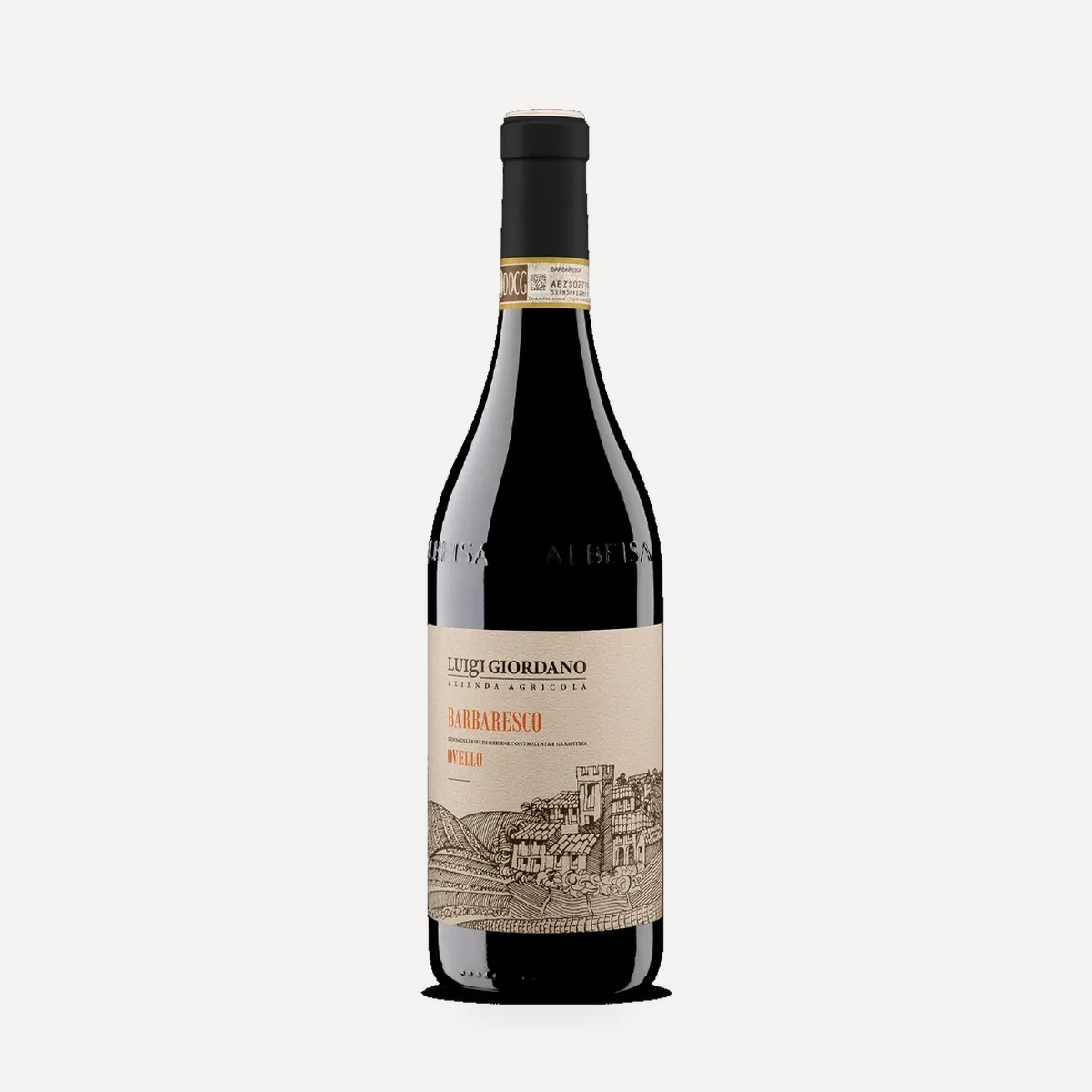
Ovello Barbaresco DOCG