Storia
Vineyard origins
The vineyard material now managed by Lumiluna spans several generations of planting. Its oldest documented restored vines were planted in 1963. Other identified vineyards date from 1996, 2001 and 2005, while international varieties were introduced into parts of the local vineyard landscape toward the end of the 1990s.
2015: the restoration project begins
Lumiluna's work began in 2015 at Mercatello, south of Perugia. Giulio Rinaldi and Luca Bigicchia started seeking abandoned vineyards that could be recovered rather than uprooted. Their purpose was to return neglected parcels to production while preserving old vines, nearly forgotten varieties, genetic material, local agricultural history and visible traces of earlier growers.
The project expanded into the management of 15 separate plots within 14 km of the winery. These parcels were accepted as they were found, without selecting them according to age, soil, exposure or pre-existing varieties. Their vines range from 20 to 65 years old, while individual plots range from 0.1 to 1.2 hectares.
2018: the first Lumiluna harvest
The first harvest carrying the Lumiluna name took place in 2018. Its grapes became the first three bottled wines: Diciannove, Casale dei Ceci and Rio dello Spineto. The developing range subsequently incorporated two bottle-refermented, sediment-bearing wines as well as unconventional blends whose compositions, identities and names can change from one harvest to the next.
Terroir
Lumiluna's cellar is at Mercatello, south of Perugia. Its 15 vineyard plots are dispersed within a 14 km radius, creating a collection of sites that differ in age, terrain and exposure. Individual parcels measure between 0.1 and 1.2 hectares, and their vines range from 20 to 65 years old.
The documented soils include predominantly clay with substantial limestone near Monte Lagello; clay with sandy intrusions in flatter sites close to the winery; galestro at one Mercatello site; and clay-loam with abundant coarse mineral material at Migliano. The Monte Lagello parcel faces east and is notably ventilated. The Migliano parcel faces south, while the Mercatello and Migliano vineyards used together for a sparkling rosé combine southern and eastern exposures.
The vineyard collection encompasses both hillside and valley-floor positions. In one group of restored white-variety vineyards, the hillside sites ripen roughly ten days ahead of those on the valley floor, and the two groups are consequently harvested separately.
Vinificazione
Lumiluna describes its role as that of a vineyard restorer. Abandoned or threatened vineyards are recovered rather than uprooted, preserving their established varieties, old root systems, genetic resources and evidence of earlier agricultural work. The team does not select parcels according to preferred soil, exposure, vine age or variety; it adapts its work to the vineyard already present.
The 15 plots are cultivated according to organic principles. Synthetic substances and chemical fertilizers are excluded. The oldest vines reach 65 years of age, and the value assigned to their mature root systems is central to the decision to rehabilitate rather than replace them.
Harvest timing follows the condition and location of the fruit. Grechetto destined for still white wine is picked at full fruit maturity and processed immediately. In the mixed old white vineyards, hillside parcels are harvested approximately ten days before the valley-floor sites. Grapes for the documented bottle-refermented wines are collected from around mid-August through the final days of August, depending on their vineyard and intended cuvée.
Cellar work varies with vineyard position, grape composition and the intended style, but the documented methods share a reliance on spontaneous fermentation and lees maturation.
White grapes may be processed immediately after harvest through destemming, crushing and gentle pressing. One Grechetto must ferments with indigenous yeasts and remains on its fine lees for at least four months. For the mixed white grapes from restored hillside and valley-floor vineyards, the two harvest lots are destemmed and crushed separately, then macerated for 48 hours while spontaneous fermentation begins. They mature on their yeasts for six months and are blended shortly before bottling.
For the two sediment-bearing, bottle-refermented wines, grapes are destemmed, crushed and pressed directly after harvest. The bases ferment spontaneously and remain on their yeasts until bottling. Dried Grechetto is then dosed with the base wine to initiate refermentation in bottle. These wines are intentionally made in a locally uncommon, lively style with their sediment retained.
Filosofia
Lumiluna's guiding idea is that an abandoned vineyard should be recovered. Giulio Rinaldi and Luca Bigicchia call themselves “vineyard restorers” because neglected rows can preserve varieties, genetic resources, stories and traces of earlier human work. Their objective is the conservation of the area's agricultural patrimony, even when a parcel's age, terrain, exposure or existing grapes differ from what they might otherwise have selected.
Old roots carry particular importance in this approach: a 50-year-old vine is valued as a source of grapes shaped by a long and specific history. The project is firmly connected to Umbrian varieties and land, especially Trebbiano, Grechetto, Malvasia and Sangiovese, while remaining open to international or otherwise atypical grapes already present in recovered sites.
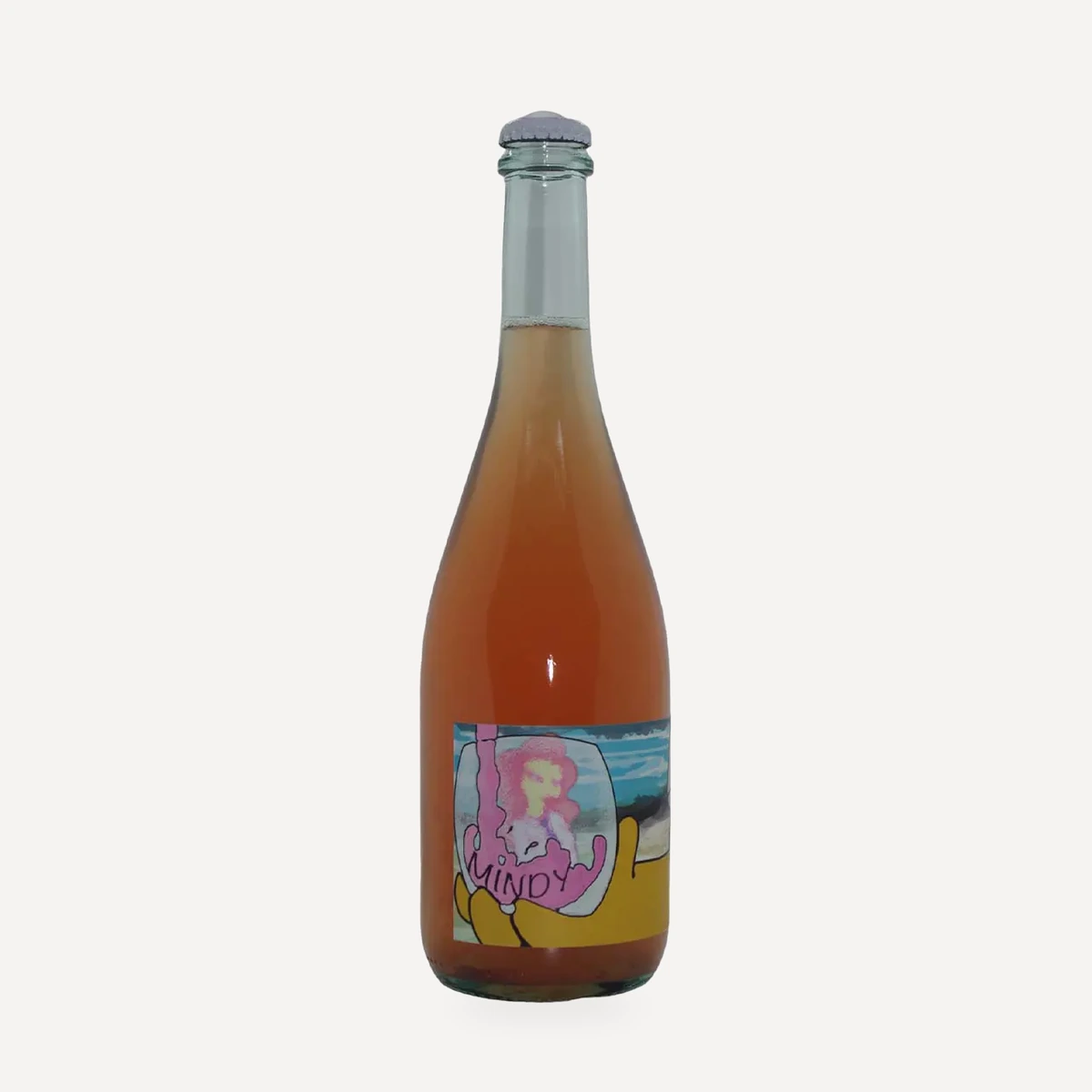
In the cellar, patience and careful work are intended to transform grapes the founders characterize as angular, firm and strong into wines with elegance and generosity. Experimentation is also part of the identity. Unusual blends are assembled to emphasize the quality of each harvest rather than reproduce an unchanging recipe. Some wines change both character and name every year, taking their names from songs heard most often during harvest. The two sediment-bearing bottle-refermented wines pursue freshness, energy and an accessible sense of lightness; that playful quality continues in labels featuring characters from the founders' favorite animated series.
Vini