Storia
From Milan to the land
Macchion dei Lupi began as its founder’s personal project to return to the land. Passion for wine—and, in his own self-portrait, a measure of recklessness—prompted him to leave an office in Milan and undertake a venture that demanded study, patience, humility and dialogue with people making similar choices or confronting the same difficulties.
A collaborative network
As the project developed, it formed relationships with like-minded growers who wanted to cooperate. Macchion dei Lupi became a member of CoViBio, the Consorzio Vignaioli Biodinamici. The consortium functions as a shared commercial office rather than an intermediary: members use one catalogue and price list, together with a centralized warehouse, to make order and shipment management more efficient. The consortium was described as comprising seven members united by their attachment to the land, vines and wine.
Terroir
Macchion dei Lupi lies in the hills of the Tuscan Maremma at Suvereto. The landscape is presented as compelling but demanding and capable of being hostile to attempts to control it. The estate associates its wines with the intensity of its grapes, the mineral character of its soils and the salinity of the nearby sea.
The vineyards occupy flat, lower-hillside and hillside positions. Their soils are notably varied: sand; sandy ground rich in lava fragments; clay with schistose rock; sandy-clay loam with abundant flaky rock; and medium-textured soil. One lower-hillside vineyard is described as the only site in the territory combining sand and lava. The highest vineyard has sandy-clay loam with a strong presence of splintered rock and presents particularly difficult conditions for Merlot.
Vinificazione
The vineyards are farmed biodynamically, with the approach also identified as Steinerian. The declared purpose is genuinely sustainable agriculture that respects the soil and the eventual drinker while allowing the grapes and territory to retain a distinct identity.
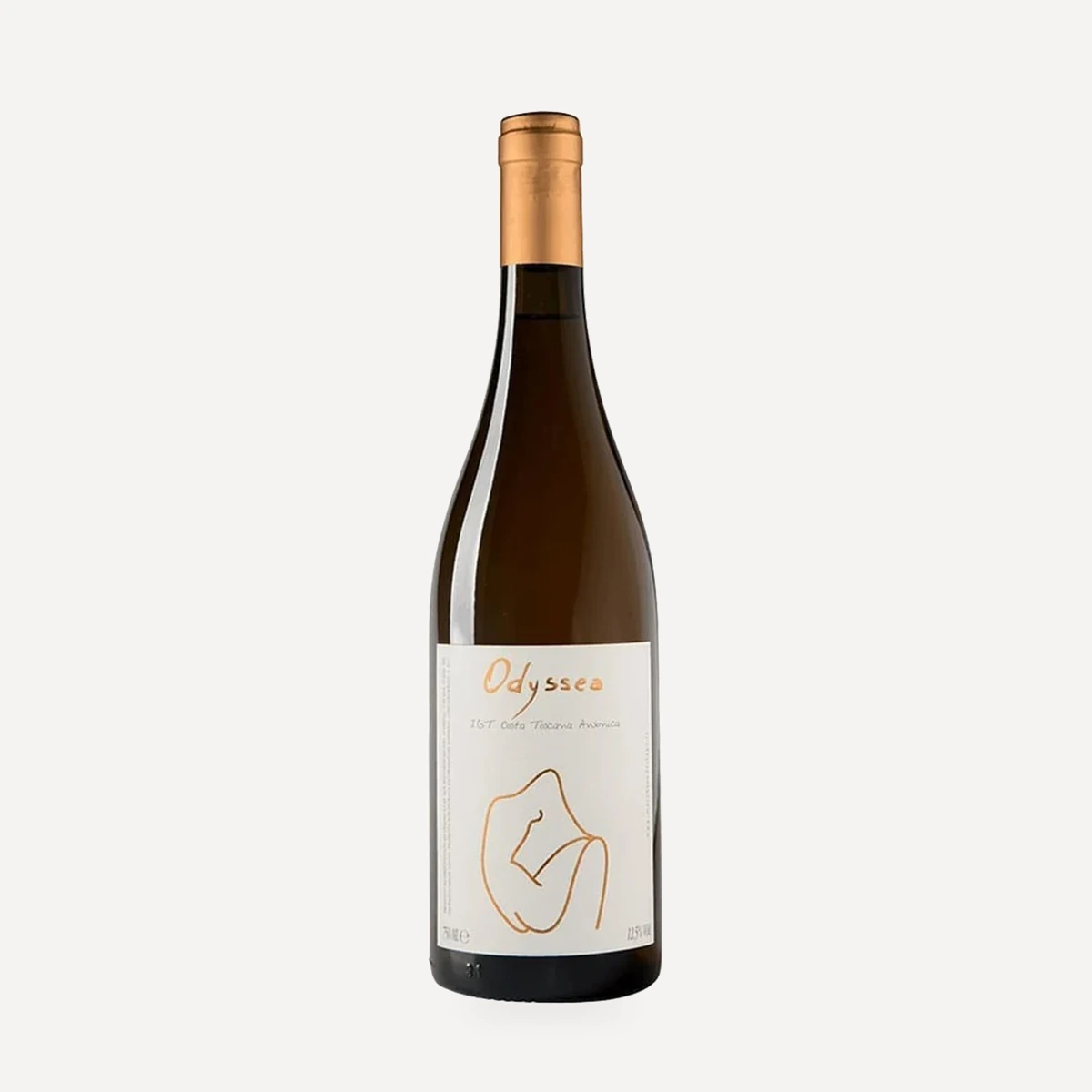
Harvesting is carried out by hand. Picking may be divided into several passages to capture different stages of maturity: the Ansonica harvest is conducted in four passes, with a small proportion allowed to reach slight overripeness, while grapes used in one red blend are collected through separate harvests beginning well before full maturity. The estate’s working philosophy places the vineyard and the condition of its fruit ahead of corrective work in the cellar.
Cellar work follows a low-intervention approach founded on spontaneous fermentation. Native yeasts conduct fermentation in open vessels without temperature control. Traditional vinification and minimal reliance on technology are central themes.
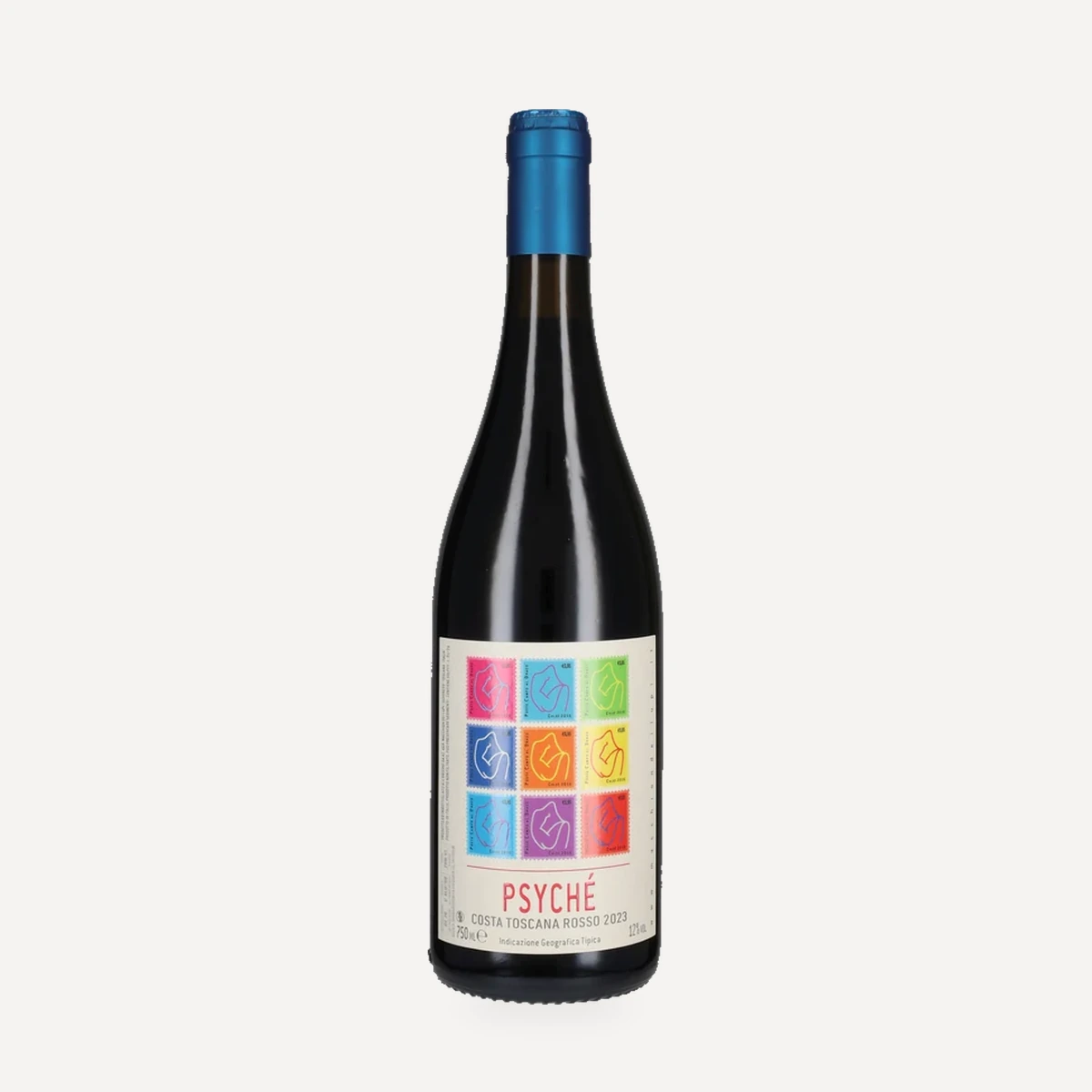
Gravity is used for at least part of the red-wine production so that the grapes are not pumped. Alcoholic fermentation takes place in open containers; malolactic fermentation for certain red lots is carried out in truncated-conical French-oak vats. Depending on the lot, maturation uses cement vats, stainless steel, truncated-conical French-oak vats and used barriques.
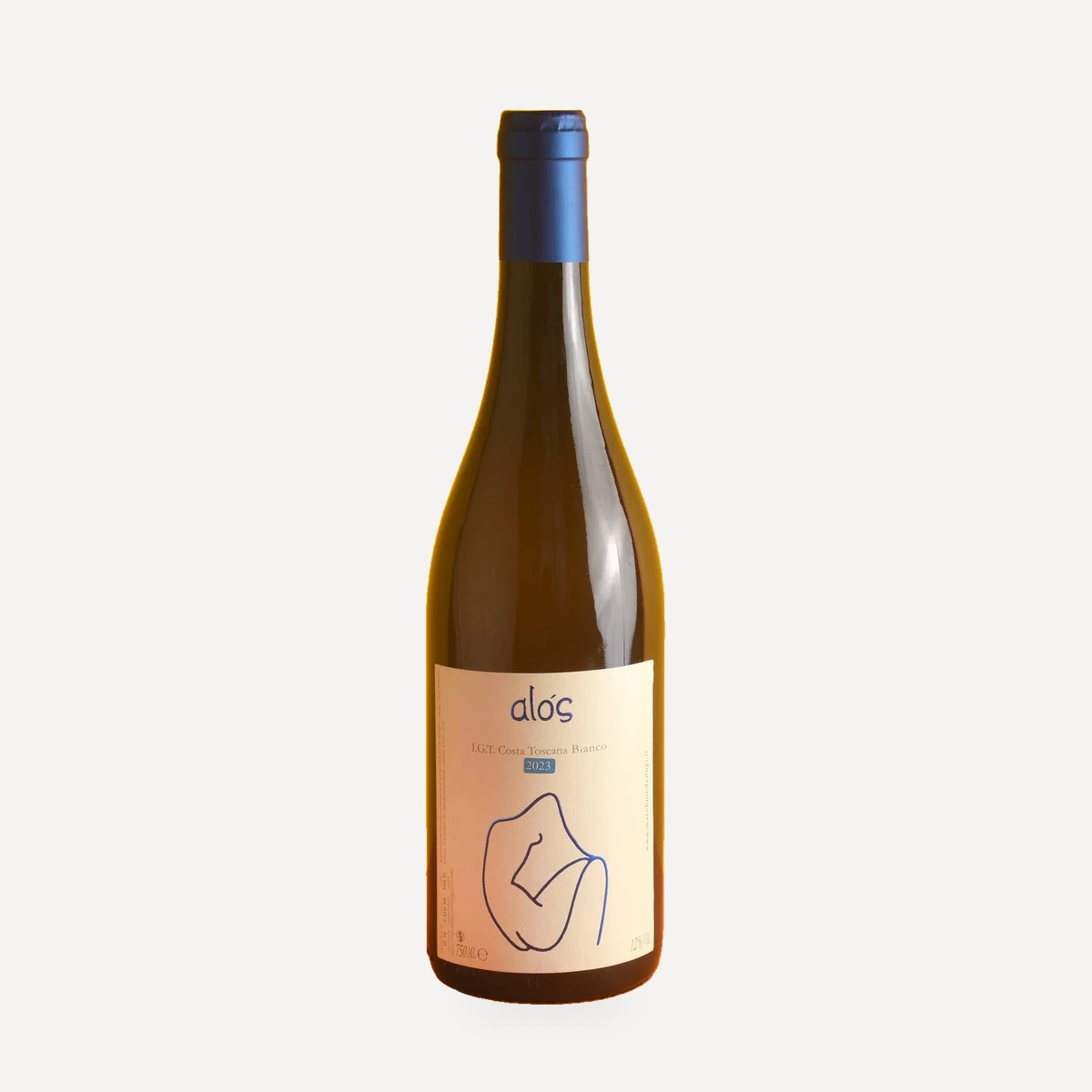
Skin contact is also employed for white grapes. Vermentino and Trebbiano Toscano receive two days of maceration. A portion of the Ansonica remains on its skins for one week, while a small proportion is harvested slightly overripe and given a short maceration. Ansonica is fermented and matured across stainless steel, cement and 500-litre acacia tonneaux, then kept on fine lees for eight months. That production receives neither clarification nor filtration.
Cement is an important maturation vessel: Vermentino spends eight months in cement, while Trebbiano Toscano matures for eight months in cement with part of the lot spending the same period in an Impruneta terracotta amphora. Red-wine maturation may combine cement, French oak and stainless steel. A pure Sangiovese made from the 2017 vintage was matured partly in cement and partly in used barriques.
Filosofia
Macchion dei Lupi pursues wines intended to express their place without compromise. Its declared objective is sustainable agriculture and original wines with a strong identity, conveying the intensity of the fruit, the mineral quality of the soils and the salinity associated with the sea.
Biodynamic farming in the vineyard and spontaneous fermentation in the cellar are the practical foundations of this approach. The path is acknowledged as risky and demanding, but also rewarding and respectful of both the soil and the person who drinks the wine. Study, patience, humility and exchange with other growers are treated as essential parts of the project, while collaboration through networks of producers extends the same values beyond the estate.
Vini
Odyssea
Psyché