Storia
Family roots and Zino’s vineyard
Madrevite represents three generations of winegrowers in the Chiucchiurlotto family. The family holding developed as a traditional mixed subsistence farm, combining vines with olive trees and arable land used for cereals and legumes.
In the 1970s, Nicola Chiucchiurlotto’s grandfather Zino grafted old Gamay del Trasimeno material taken from a century-old vineyard into a small vineyard at the top of a hill. The resulting genetic patrimony, valued for its biodiversity, was subsequently propagated and reconstituted. The family’s old vineyards date to 1978.
2003: creation of Madrevite
Madrevite was founded in 2003, when Nicola began restoring the family farm and replanted part of Zino’s old vineyards. His project was conceived as a new chapter in a body of agricultural knowledge transmitted through three generations. Nicola retained the mixed-farm structure: the present holding comprises approximately 60 ha across three hills, including 11 ha of vines, 5 ha of olive groves, small areas of woodland and arable fields.
The name Madrevite comes from an old implement once used by Umbrian winegrowers to secure the small door or closure of a full wine barrel. Nicola chose it as a symbol of continuity between local tradition and contemporary vineyard and cellar practice.
2008: varietal experimentation
Nicola began what he describes as pioneering experiments in 2008. The work centred on vinifying individual varieties separately to reveal their intrinsic character and the complexity of the place in which they grow. Gamay del Trasimeno became the estate’s principal identity grape, alongside Trebbiano Spoletino, Grechetto, Sangiovese, Montepulciano and Syrah.
Reconstruction and agricultural development
The winery was comprehensively renovated, creating a temperature-controlled fermentation and vinification room and two areas for maturation. The cellar now combines stainless-steel tanks, historic concrete vessels, large wooden casks and small French-oak barriques.
Under the Umbria Rural Development Programme 2014–2020, measure 6.1.1 for the establishment of young farmers, the estate undertook a project to create a vineyard with irrigation and purchase a tractor. Expenditure amounted to €148,205.49; the application included €63,098.98 in support and a €50,000 premium.
A diversified agricultural estate
By 2020, Madrevite’s activities extended beyond wine to legumes, olive oil, hospitality and guided tastings. Picnicco, its seasonal outdoor wine, food and music event, began in 2020. In 2021 Madrevite launched a dedicated Gamay del Trasimeno editorial project intended to document the variety’s identity and history. The current hospitality programme encompasses vineyard walks, tastings, Picnicco and the Foresteria agri-restaurant.
Terroir
Madrevite lies at Cimbano/Vaiano in the municipality of Castiglione del Lago, on a promontory along the western shore of Lake Trasimeno and close to the Umbrian–Tuscan border. A ridge beginning opposite Cortona runs approximately 25 km south towards Chiusi, separating the Valdichiana from the Lake Trasimeno valley. The estate’s landscape is influenced by Lakes Trasimeno, Chiusi and Montepulciano.
The vineyards occupy three wooded hills at elevations between 280 and 350 m above sea level. Winters are mild, while summers are warm and ventilated. Day-to-night temperature changes support freshness and ageing potential. The three lakes moderate the local conditions, and wind is an important feature of the vineyard environment.
The soils derive from Pleistocene lacustrine and fluvio-lacustrine deposits composed of sand and clay with pebbly lenses and layers. Strictly lacustrine material dates to the Late Pleistocene and, more broadly, the Villafranchian age. Clay-rich soils predominate and are associated with greater breadth and length, while coarser textures occur in higher and more peripheral parts of the area.
Vinificazione
Madrevite farms organically and frames environmental and economic sustainability as the governing principle of the estate. Vineyard work is directed towards improving soil fertility, increasing environmental biodiversity and eliminating chemical products used to control parasites and weeds.
The estate combines inherited manual skills with technical tools intended to improve grape health and transmit the characteristics of the vineyards. Harvesting is manual. Selection prioritises fruit at optimal ripeness and in sound condition; the late Gamay del Trasimeno harvest receives an additional manual selection two to three weeks after the first pass. The estate’s Gamay programme can divide the same hill vineyard into three successive harvests with progressively lower yields.
The holding’s biodiversity is reinforced by its mixed agricultural structure: vines are interspersed within a property that also includes 5 ha of olive groves, arable fields, legumes and small areas of woodland. A vineyard equipped with irrigation was established through the 2014–2020 Rural Development Programme.
The renovated winery overlooks the vineyards. Its fermentation and vinification room contains stainless-steel tanks fitted with temperature control, while two maturation rooms house historic concrete vessels, large wooden casks and small French-oak barriques.
Fermentations are generally spontaneous and proceed without added cultured yeast. This approach is supported by manual harvesting and the selection of healthy grapes at optimal maturity. Skin-contact duration is adjusted to the vintage and the intended result. Soft pressing and natural clarification are preferred.
Concrete is central to maturation. Madrevite has progressively reduced its reliance on barriques in favour of concrete and 1,000-litre wooden casks, which are used to stabilise and mature wine while limiting the addition of overt wood-derived aromas. Stainless steel is used for temperature-controlled fermentation and the maturation of white wines on fine lees. Large casks and French- and American-oak barriques remain part of the cellar’s range of vessels.
Across the cellar, documented techniques include cold skin maceration, direct whole-cluster pressing, static cold clarification, fermentation at 16 °C for white and rosé musts, spontaneous red-wine fermentation, vintage-dependent skin maceration, partial whole-cluster use, maturation on fine lees, concrete ageing and bottle ageing. An ancestral-method sparkling wine undergoes a springtime second fermentation in bottle and is released without disgorgement.
Filosofia
Madrevite’s philosophy joins the family’s agricultural inheritance to modern agronomy and cellar technology. The old cellar implement that gave the estate its name embodies this relationship: tradition is treated as a working foundation rather than a decorative reference.
Nicola Chiucchiurlotto describes farming as a matter of experience, dedication and vocation. His family tradition is associated with patience, collaboration, precision and the acceptance that a harvest does not always meet expectations. The objective of his single-variety work is to disclose the intrinsic character of each grape and its union with the territory.
Organic farming is presented as an ethical commitment to both the present generation and those that follow. Environmental and economic sustainability guide the effort to preserve healthy fruit, improve soil fertility, increase biodiversity and avoid traumatic or artificial intervention.
Nicola’s stated goal is to make sincere, personal wines that respect place, time and local tradition. Individuality is understood as the outcome of consistent, conscious work to preserve what the land already possesses. He also emphasises reciprocity between people and nature, cooperation within the agricultural community and the transmission of a hospitable rural environment to his family and children.
Vini
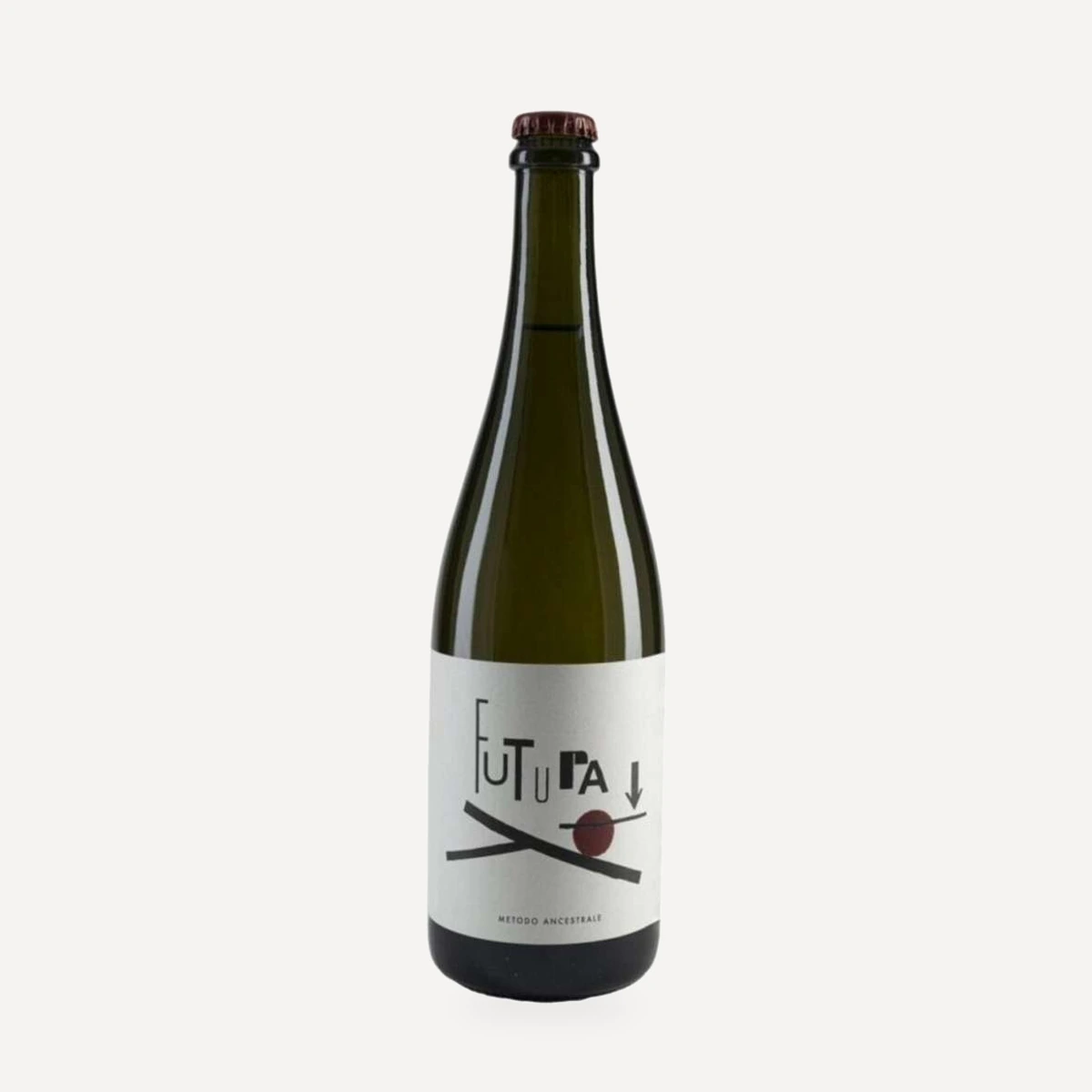
Futura
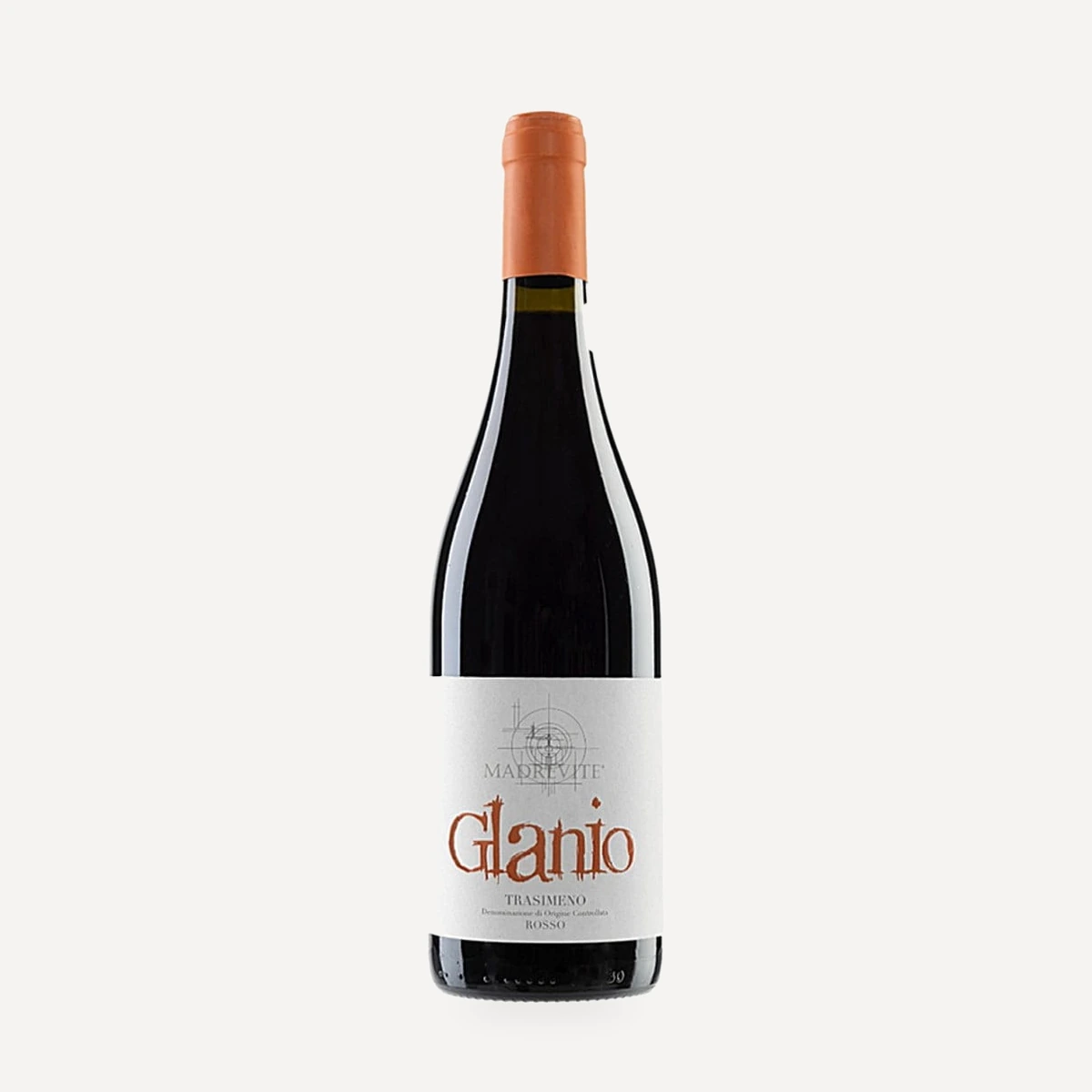
Glanio
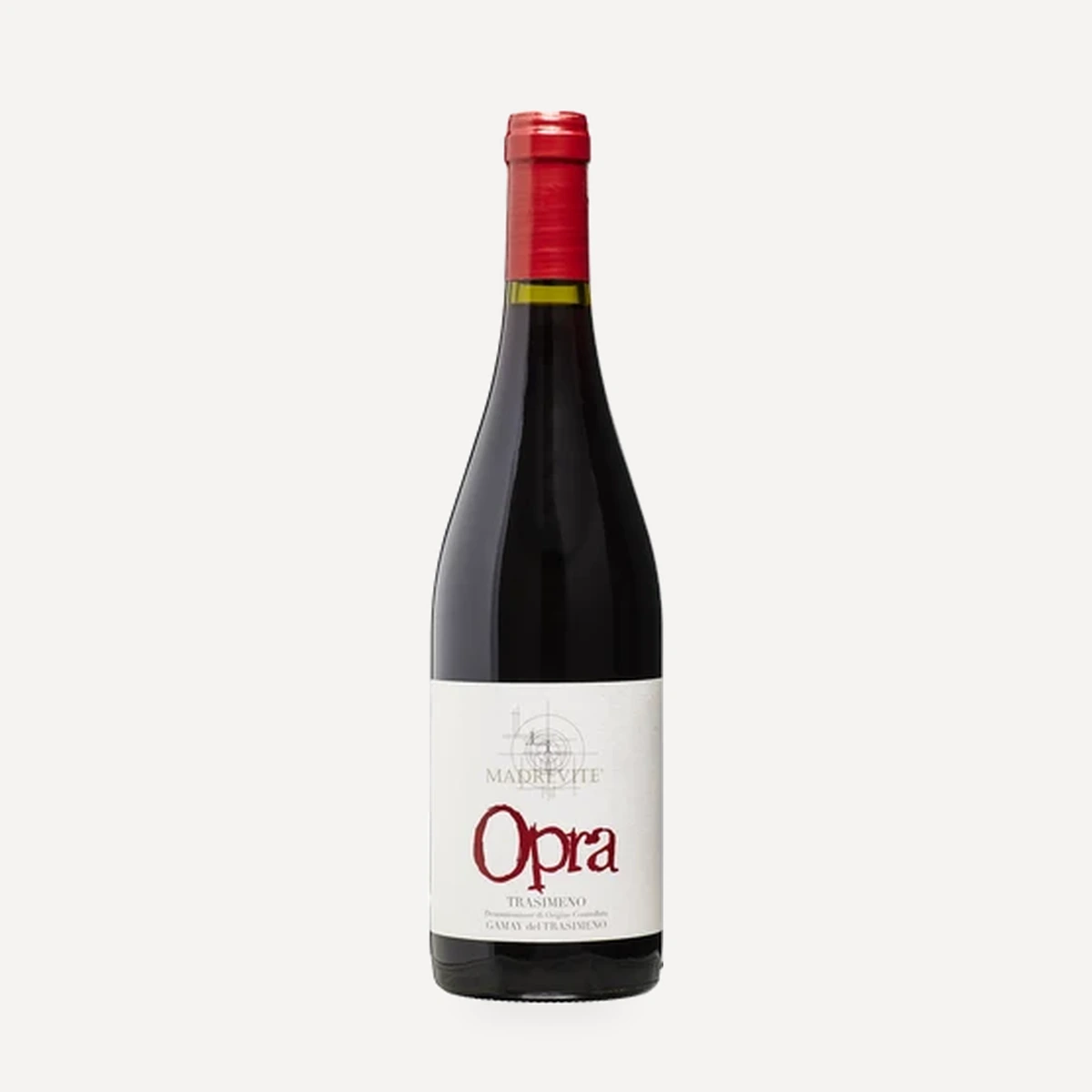
Opra
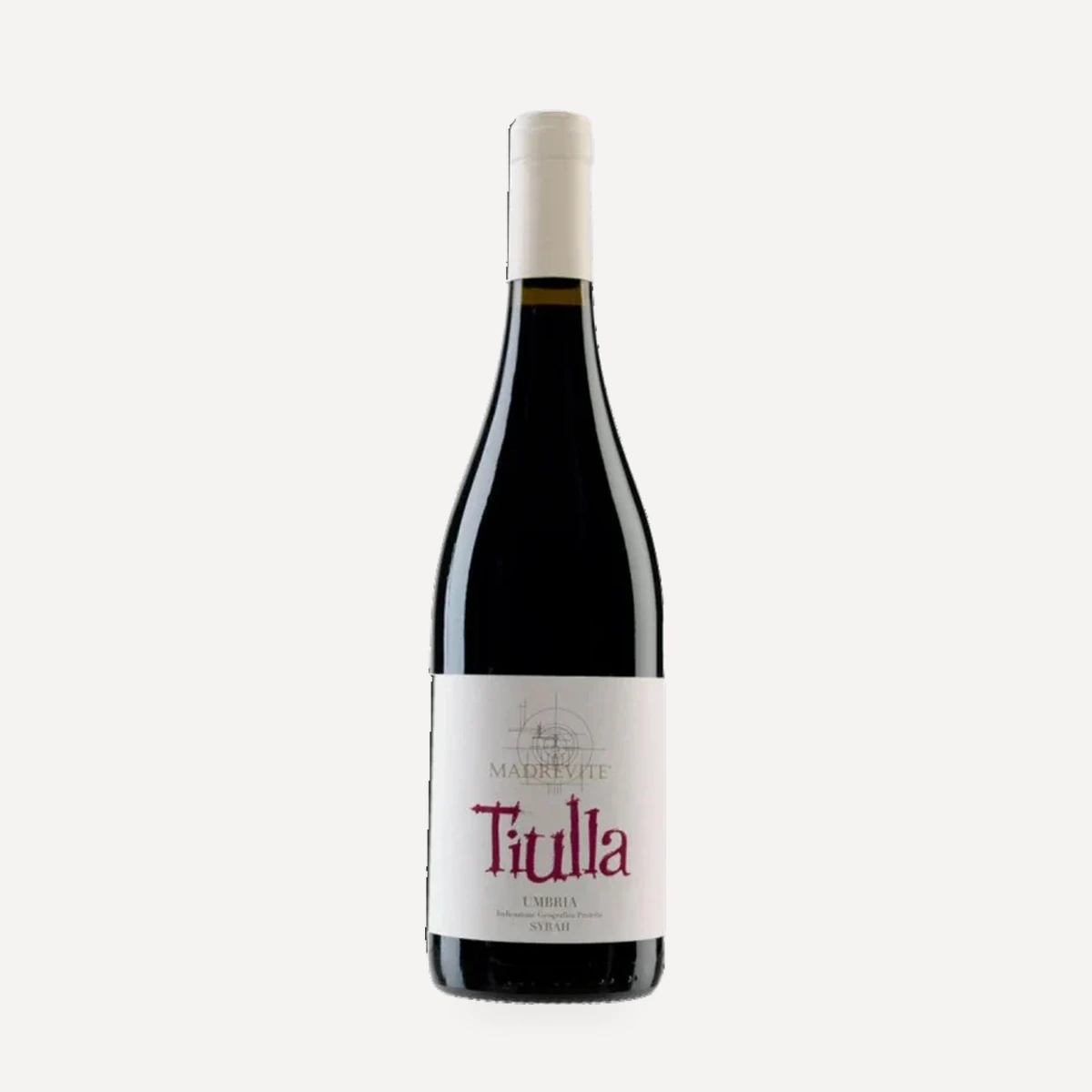
Tiulla
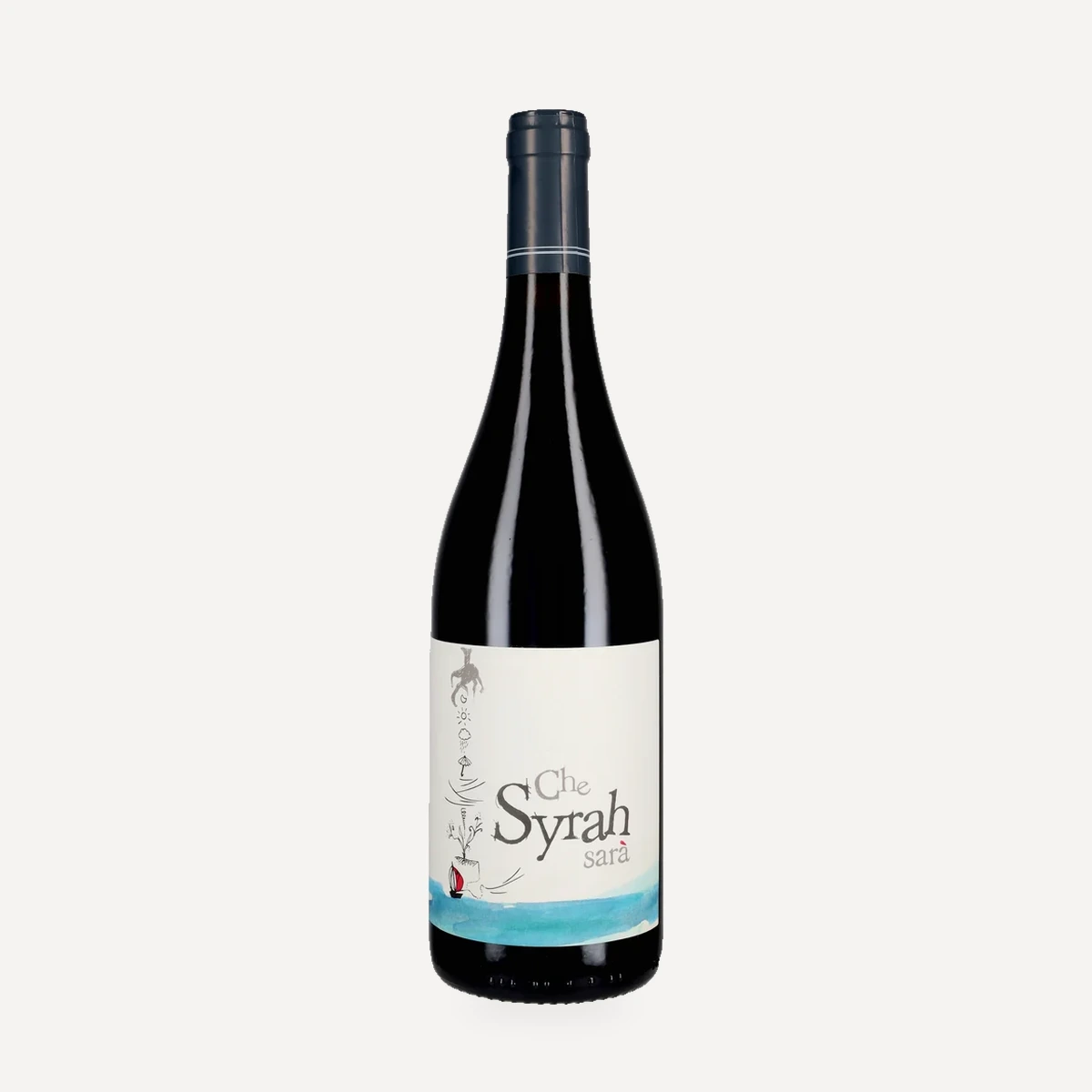
Che Syrah Sarà