Storia
Family landholding from the 16th century
The Malacari family has owned some of the land still farmed by the estate since the 1500s. Its holdings expanded considerably during the 1600s through the acquisition of plots in the Gallignano district and further property at Offagna, including Grigiano hill, where the family’s historic vineyards now stand.
The Domestica Villa, 1668
Andrea Malacari built the Domestica Villa at Offagna in 1668. Conceived as an integrated agricultural centre, it brought together the winery, grain stores, olive mill, horse stables, tool house and workshop while also serving as the country residence of the Counts Malacari of Grigiano.
The building is an unusual half-rhombus-shaped villa-farmhouse. The principal rooms occupy the first floor of its central wing, while the cellars are located below. The Ministry of Culture protects the Villa as a historic and architectural property. The estate dates its foundation to this construction and describes an uninterrupted family relationship with the land extending across fifteen generations.
Direct management and agricultural modernization
After the Second World War, Arianna Malacari married Giovanni Starrabba di Ralbiato. In 1953 they began transforming the property from a sharecropping estate into a directly managed enterprise. They invested in mechanization and specialization, including the establishment of the first vineyards dedicated to DOC production between 1960 and 1971. Their agricultural work also encompassed experimental durum-wheat seed, Marchigiana cattle, sugar beet, sunflower for oil and olive cultivation.
The oldest surviving vineyard group, covering 5 hectares on Grigiano hill, was planted in 1971 at 2,200 vines per hectare and managed for yields of approximately 3,000 kilograms per hectare.
Alessandro Starrabba Malacari and the modern winery
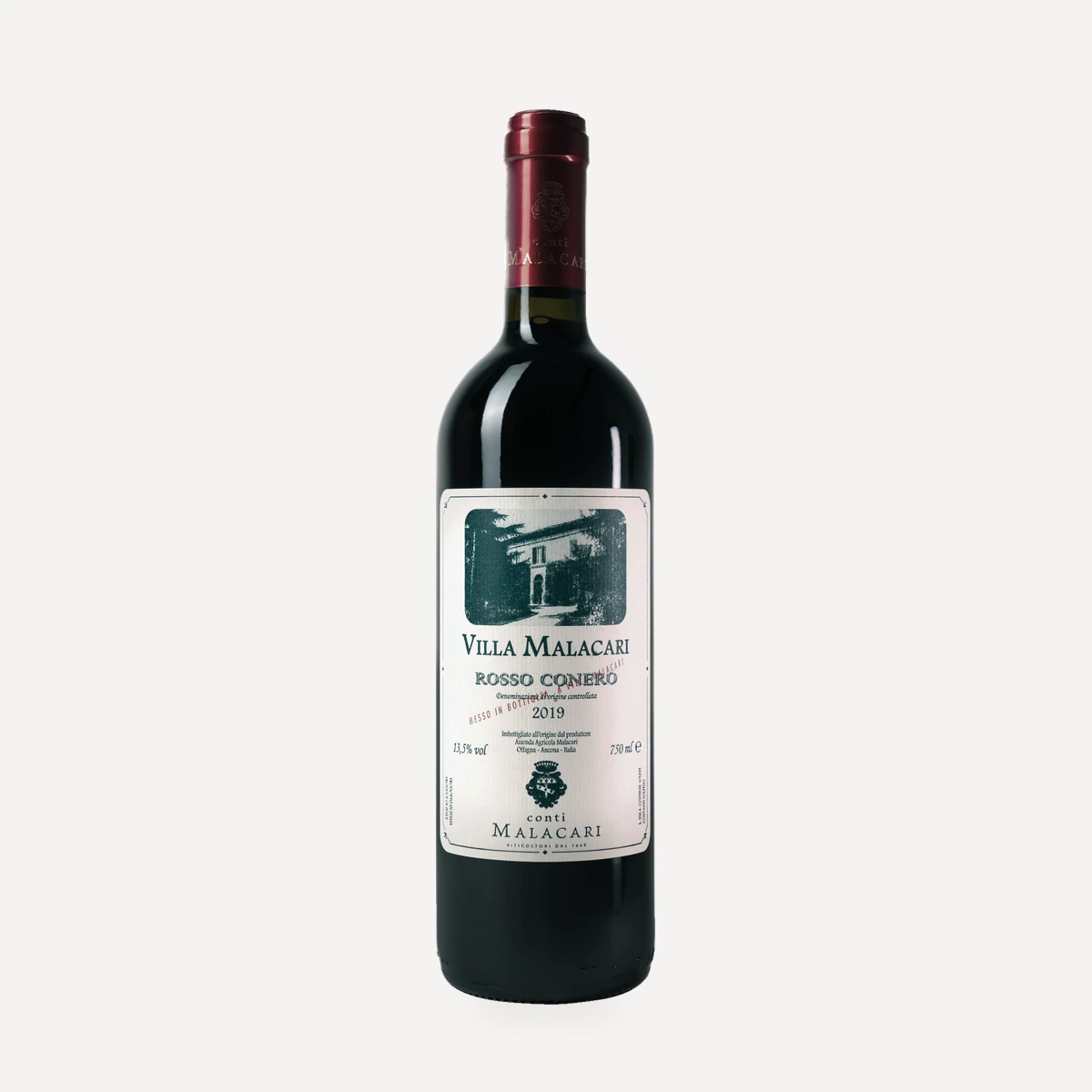
In 1997 Alessandro Starrabba Malacari concentrated the estate’s activity on its vineyards and wine production. He restored the winery within the Villa, refined grape selection and initiated the first fermentations and maturation of Rosso Conero DOC Villa Malacari.
In 1998 he selected 4 hectares of the Grigiano vineyard as the source of the finest fruit for Conero Riserva DOCG Grigiano. The contemporary technical description defines the associated production vineyard as 3.5 hectares, while the broader group of the oldest 1971 plantings covers 5 hectares.
Organic renewal from 2010
In 2010 the estate returned to organic farming. Synthetic vineyard chemicals were abandoned in favour of natural-origin products, permanent vegetation, green manure and practices intended to rebuild soil vitality, encourage biodiversity and reinforce the resilience of the vineyard ecosystem.
Malacari is now directed by Alessandro Starrabba Malacari. The family cultivates approximately 15 hectares in the Conero area and at Montecarotto, makes wine exclusively from estate-grown grapes and bottles and sells its own production. Annual output is approximately 37,000 bottles. Membership of FIVI, the Italian Federation of Independent Winegrowers, reflects this vertically integrated model.
Terroir
Between the Apennines and the Adriatic
Malacari farms in the Marche, where the Apennines open toward the Adriatic Sea. Monte Conero rises from the coastline as a white limestone formation surrounded by Mediterranean vegetation including holm oak, oak, pine, myrtle and strawberry tree. Farther west, vineyards occupy the rolling hills around the medieval village of Offagna.
The estate’s approximately 15 hectares are divided between two distinct areas. Most lie around Offagna in the Conero DOCG and Conero DOC zones and are planted to Montepulciano. A smaller Verdicchio holding is situated northwest of Offagna at Montecarotto, within the Verdicchio dei Castelli di Jesi area.
Offagna and the Conero area
The Conero soils combine limestone, sandstone-derived sand and clay within a narrow belt extending through Numana, Sirolo, Castelfidardo, Osimo, Camerano and Ancona to Offagna. Malacari’s Offagna vineyards stand on steep Grigiano hill at approximately 250 metres above sea level. The hill is shared with olive trees, wheat and sunflowers and is bordered by elms, oaks and hedges of hawthorn, dog rose and blackberry.
The climate is mild temperate. Brief winter snowfalls encourage dormancy. Winds rising from the Adriatic temper winter conditions and cool summer nights, while summer sea breezes ventilate the canopy and assist in limiting fungal diseases and mould. Rain falls primarily in winter and early spring; the clay functions as a water reserve and releases moisture gradually during summer. On exceptionally clear days, the Dalmatian coast can be visible across the Adriatic from the Conero slopes.
Montecarotto
The Verdicchio vineyard lies at approximately 400 metres above sea level in the municipality of Montecarotto. Its soils combine sand and clay. The higher, northwestern site forms a distinct environment from the limestone-and-clay slopes used for Montepulciano at Offagna.
Vinificazione
Organic and regenerative management
Malacari returned to organic farming in 2010 and no longer uses synthetic vineyard chemistry. Its programme is designed for steep, fragile clay slopes: permanent vegetation stabilizes the ground, limits erosion and slows the infiltration of rainwater, while plant material contributes organic matter and humus. Lightweight tractors are used to reduce compaction.
Green manure supplies natural fertility. Leguminous cover crops are allowed to flower, supporting pollinators and beneficial insects; nitrogen is released through their roots before the vegetation is cut back. The resulting system is intended to involve both visible biodiversity and the microbial life of the soil, strengthen vine resilience and create an ecosystem capable of assisting its own protection.
Fungal-disease protection employs products based on citrus-oil extracts, Bacillus thuringiensis, sulphur and copper. Natural ventilation and summer sea breezes provide additional protection from fungal disease and mould.
Winter work
After leaf fall and the melting of winter snow, pruning and cane removal take place from January through March. Every vine is examined individually. In younger spur-pruned-cordon vineyards, only a limited number of buds are retained on permanent wood. Removed cane material is placed on the vineyard floor and later shredded or allowed to decompose. This exacting work requires hundreds of hours per hectare.
Green-manure crops are then sown. Fruiting canes are tied by hand into position along the trellis wires, preparing the dormant vines for the coming growing season.
Spring selection
Budbreak begins with the vine’s spring sap flow. During April and May, leguminous green manure flowers and releases nitrogen into the soil. Suckering removes basal growth, the lower part of each row is cleaned mechanically and the cover crop is cut back. Protective treatments against downy and powdery mildew generally begin in April.
Shoot positioning follows. Fertile shoots are retained, while double buds and forked shoots are removed. Twin clusters are thinned later to balance sap flow and promote even, complete ripening. White clover, sainfoin, daisies and chamomile flower beneath the vines during this period.
Crop regulation and harvest preparation
Around veraison, weaker and excess bunches are removed to establish the desired crop. Lower fruit loads are intended to improve ripeness and concentration. From September, vineyard teams inspect the rows weekly and sample berries to follow sugar accumulation and phenolic maturity; ripeness can advance by approximately one-quarter of a degree of sugar per day.
White and rosé grapes are generally picked in September and red grapes in October. Harvesting is exclusively by hand. Trained pickers use shears to select healthy, fully ripe clusters, gently place them in crates and leave unsuitable fruit behind. Filled crates are transported intact to the winery within a few hours. After harvest, subsoiling moves the earth before the vineyard enters its next cycle.
Estate-grown and estate-bottled
Malacari controls its production from vineyard to bottle. It cultivates its own vines, vinifies only estate-grown grapes and bottles the finished wines in the Villa winery. Production is organized between a working cellar and a historic barrel cellar whose naturally stable temperature and humidity support maturation.
Reception and sorting
Hand-harvested grapes arrive in crates within a few hours of picking. The crates are emptied into a hopper and the fruit is conveyed to a sorting table. Berries are examined individually; leaves, unripe berries and other unsuitable material are removed before processing.
Red-wine vinification
Red grapes are destemmed and gently crushed before the must is transferred to temperature-controlled stainless-steel fermentation vats. Fermentation begins after several hours and is supported by a pied de cuve prepared from indigenous yeasts originating in the estate vineyards and naturally present on the grape skins.
Skins and liquid are mixed daily through pump-overs and délestage. Temperature is maintained around 25°C before being allowed to fall gradually. Total skin contact ranges from 6 to 20 days. The wine is then separated from pomace and lees and transferred to another tank or barrel. Following alcoholic fermentation, malolactic fermentation begins naturally in the warmth of the historic cellar.
Rosé and white vinification
Rosé grapes are destemmed and gently pressed in a pneumatic press at pressures up to 1 bar. Indigenous-yeast pied de cuve is added, and fermentation proceeds for approximately 30 days at around 10°C. The wine is then clarified by settling and separated from the gross lees.
White grapes enter the pneumatic press as whole clusters and are pressed at pressures up to 0.8 bar. Fermentation likewise uses an indigenous-yeast pied de cuve and proceeds at approximately 10°C. The general cellar protocol gives a duration of around 30 days; the current Verdicchio technical description specifies 20 days. After alcoholic fermentation, the wine is clarified by settling and separated from the gross lees. White and rosé wines subsequently remain in contact with fine lees for approximately six months.
Maturation and bottling
After racking, young wines move from the working cellar to the historic barrel room. Wines selected for wood mature in oak barrels and casks; the porosity of the oak provides slow oxygenation and gradual tannin softening. Grigiano Riserva rests for approximately 24 months in 500 L oak barrels, while Villa Malacari matures for around 12 months in oak barrels and casks of varying sizes. Rocca is matured for 12 months in stainless steel.
At the end of maturation, each barrel and cask is tasted and evaluated. Lots are blended in tanks before bottling, and the cellar team tastes and analyses the wines. Villa Malacari and Grigiano are bottled without filtration; deposits that form in the bottle are treated as part of their natural development. Glass bottles, cork closures and cardboard packaging are used, all selected as recyclable materials.
Filosofia
Malacari defines itself as vertically managed by choice, traditional by identity and organic by nature. Its farmer-craftsman model joins direct responsibility for the vineyards, vinification and bottling with a commitment to make each bottle express its place, identity and growing season.
The return to organic farming in 2010 was both an environmental and ethical decision. The family seeks to intervene as little as possible in the finished wine while replacing synthetic chemistry with traditional and regenerative practices that respect the soil. Green manure, permanent vegetation, biodiversity, beneficial insects and living soil are treated as mutually supporting parts of one ecosystem.
The central objective is to preserve the rhythms and balance of a fragile hilly landscape. The family characterizes itself as a guest of these hills: cultivation must adapt to nature’s timing while protecting the value of the land for the future. Old vineyard rows are understood not only as family history but as a shared cultural inheritance that should be maintained and passed on.
In the cellar, the stated aim is to produce organic, natural wines representative of their territory. Tradition is paired with controlled fermentation equipment, careful selection and hygienic bottling, while indigenous yeasts, natural malolactic fermentation, extended maturation and selective non-filtration retain the estate’s artisanal approach. Membership of FIVI reinforces the principle that an independent winegrower should embody a transparent connection among land, craft and bottle.
Vini
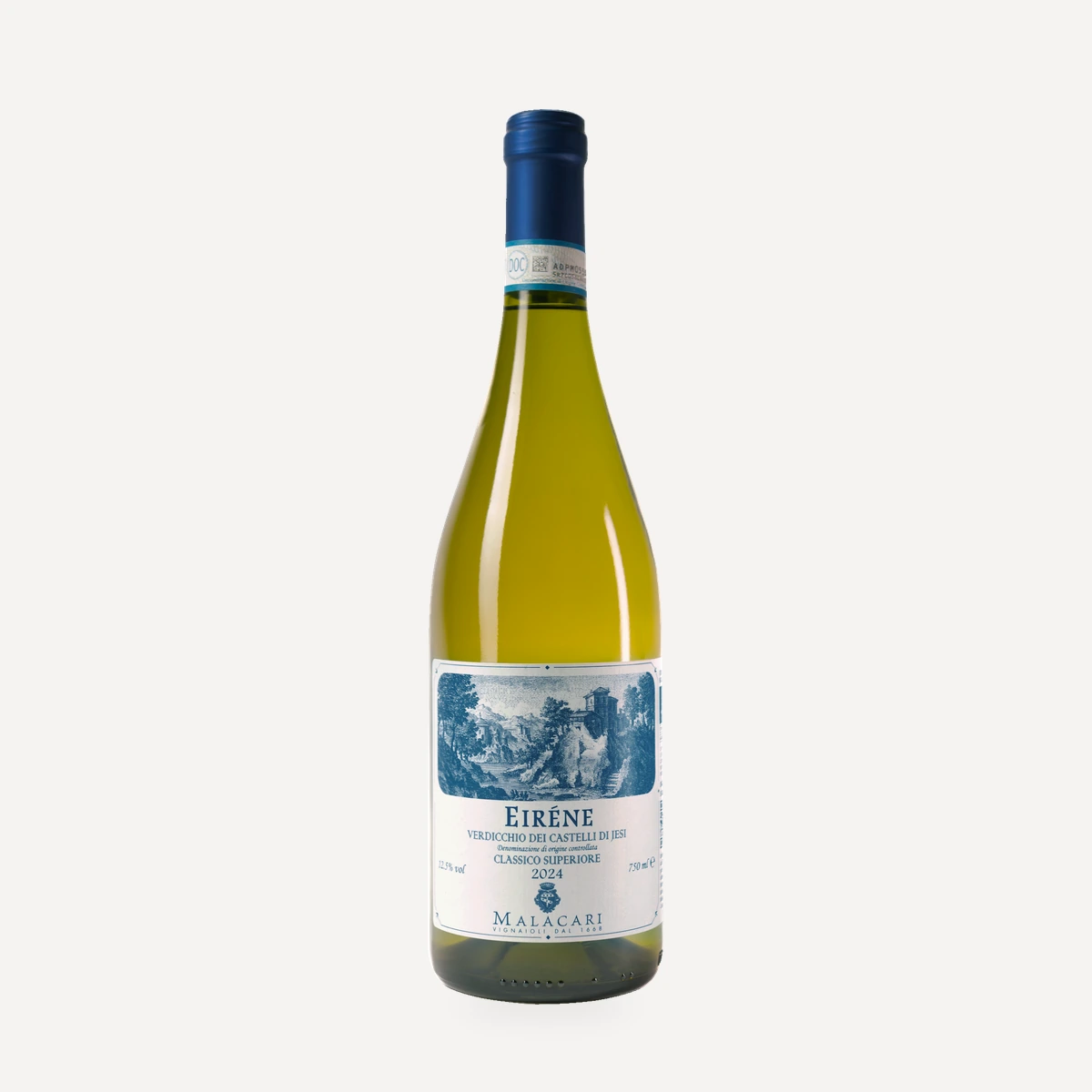
EIRÉNE Verdicchio dei Castelli di Jesi classico superiore DOC Biologico
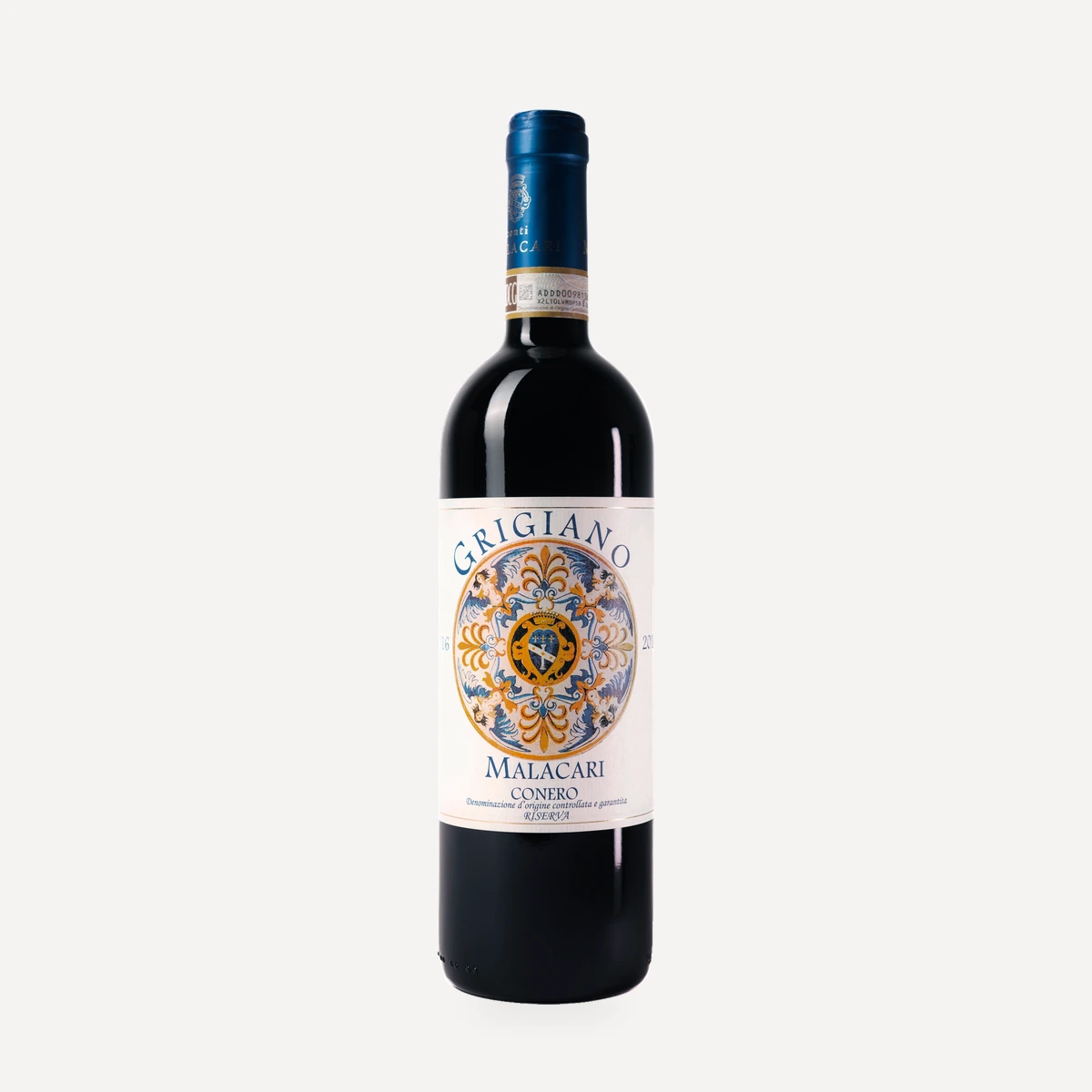
GRIGIANO Conero riserva DOCG Biologico
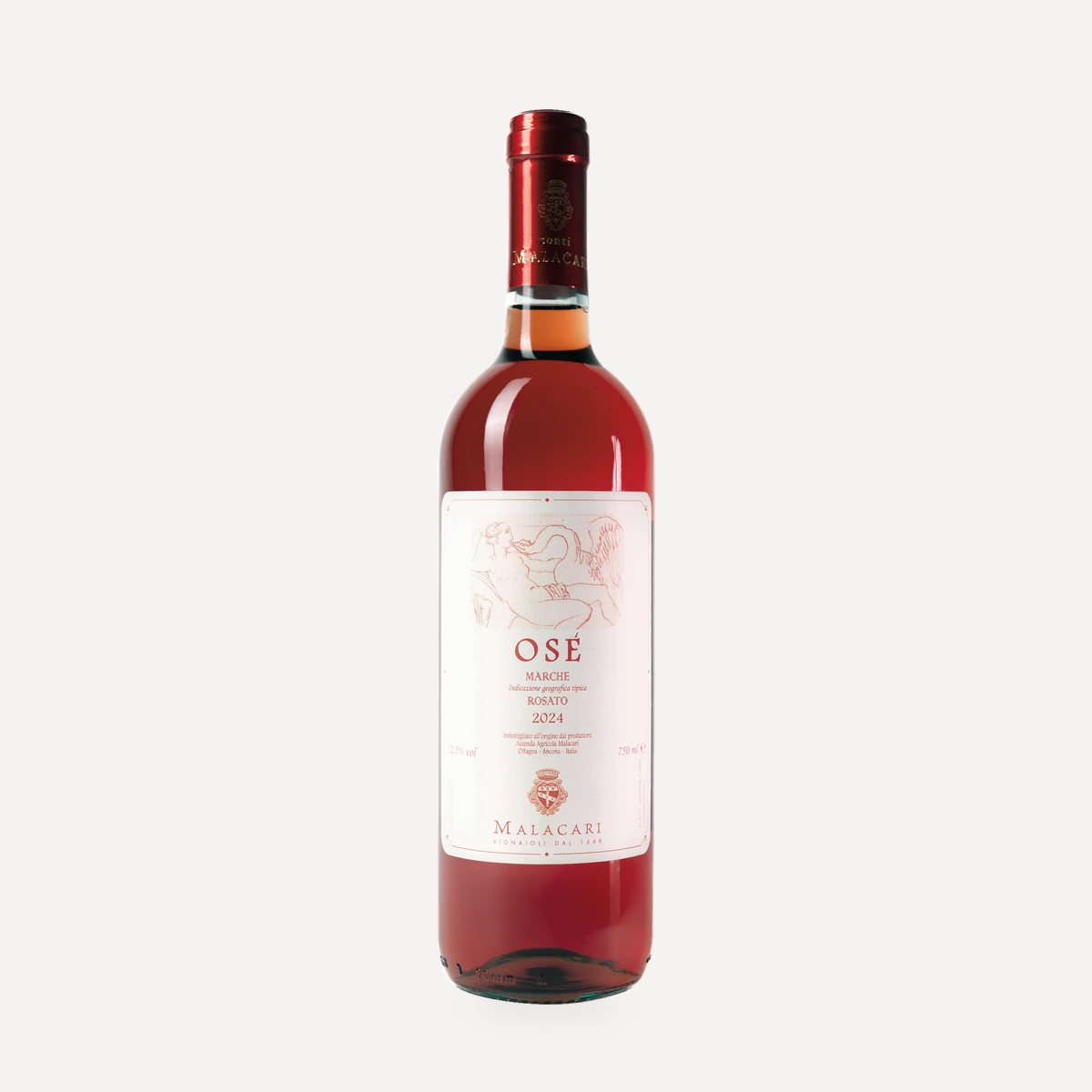
OSÉ Rosato Marche IGT Biologico
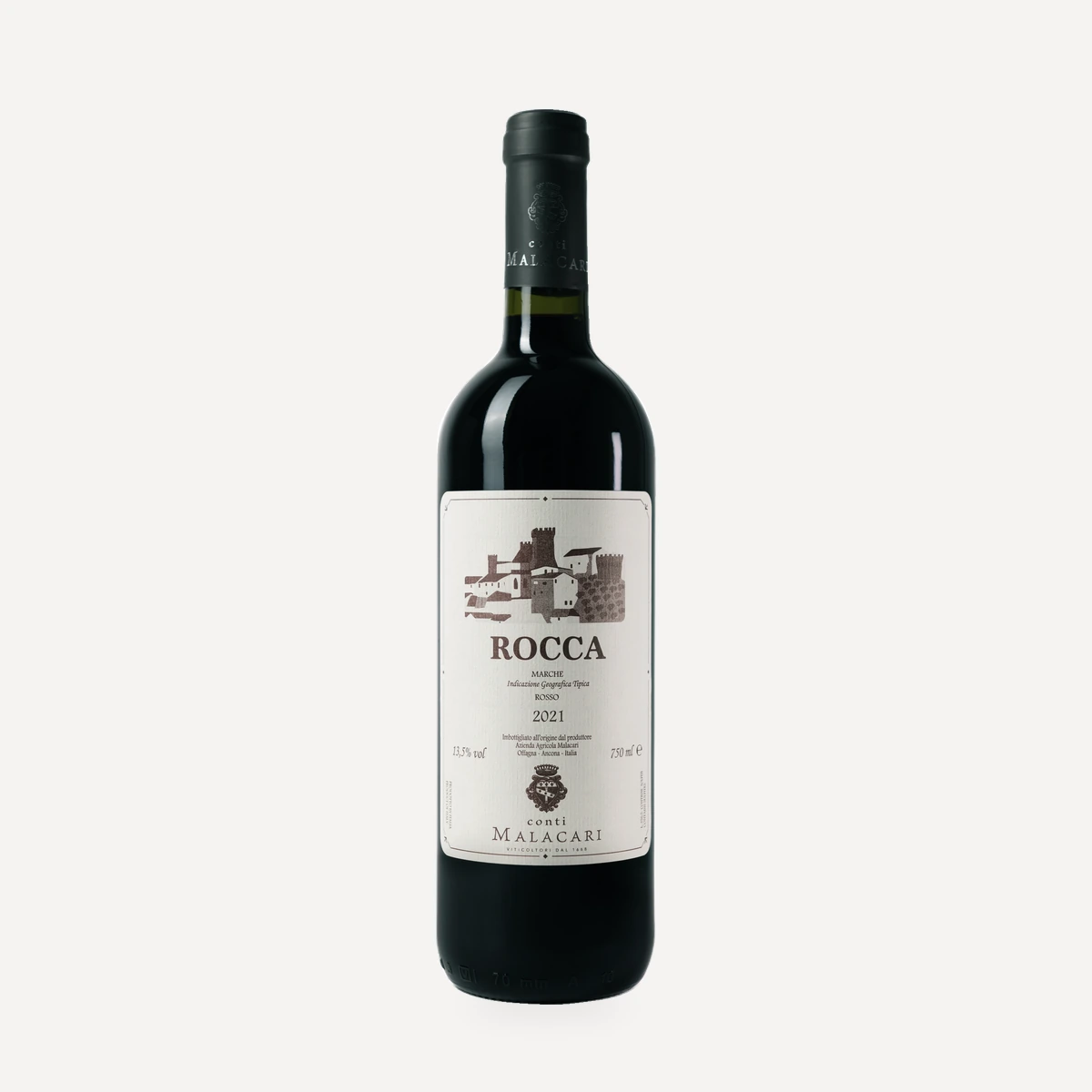
ROCCA Rosso Marche IGT Biologico