Storia
Experimental beginnings in the 1980s
The story began in Bianzone, Valtellina, during the 1980s. Giuliano Zanolari established two experimental parcels to test a then-unusual form of viticulture that dispensed entirely with synthetic plant-protection products. He continued the work for approximately 15 years with Nebbiolo, Pinot Nero and Cabernet Sauvignon. The trials produced encouraging results, but also serious setbacks, including the loss of entire harvests.
Giuliano’s approach rejected imitation and established conventions. He sought to coordinate every production element as if it were an instrument in an orchestra, with each component serving the expression of an individual identity. Pinot Nero vines represented in the present range were already in production by 1987.
Foundation and succession in 2001
Fattoria San Siro was established in 2001 with approximately 4 ha of vineyards. Management passed to Giuliano’s son Marcel Zanolari, and the estate developed as a family enterprise. The complete production chain, from vine to bottle, became organically certified. Nebbiolo and Cabernet Sauvignon vineyards represented in the range have been in production since 2001.
The vineyard holding subsequently expanded to approximately 7 ha. At that stage, the plantings comprised 3 ha of Nebbiolo, 0.5 ha of Pinot Nero, 0.6 ha of Cabernet Sauvignon and 0.5 ha of Pinot Bianco. The remaining land was divided equally among new, more disease-resistant crossings associated with Cabernet, Pinot Nero and Riesling.
Marcel framed the management of the family estate through three connected ideas: the head, where ideas, concepts, dreams and hopes originate; the hand, which gives ideas form and allows them to mature; and the foot, which supports the body and carries it along its chosen path.
The 2007 collaboration
In 2007 Marcel met a group of people with different professional backgrounds, expectations and personalities but a shared passion for wine. Their friendship led to a collaborative ambition to create a wine uniting history, tradition and nature—a “living wine” able to communicate its origin, development and maturity. The project was to be presented through an authentic expression of the participants rather than conventional marketing devices.
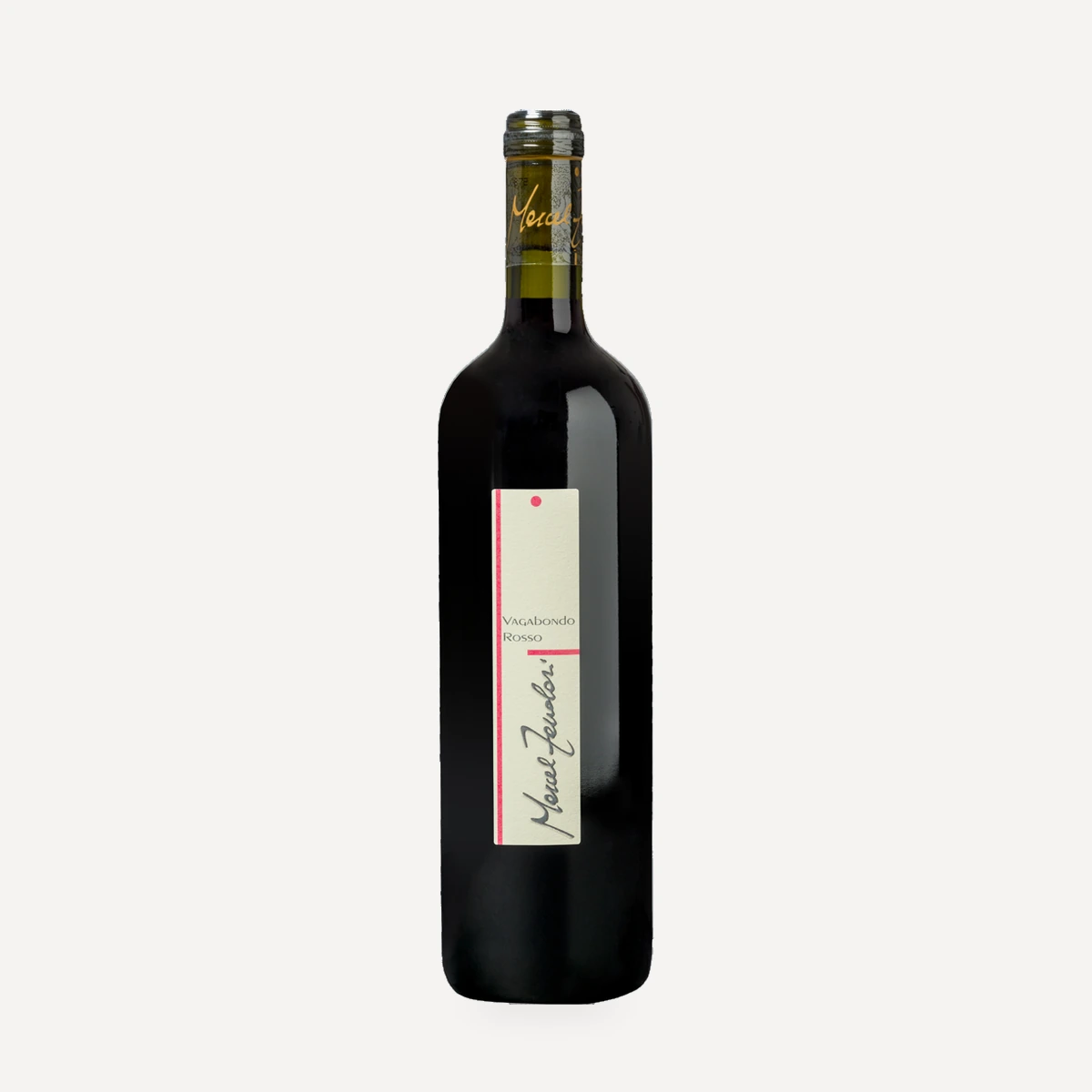
A new label language expressed this philosophy through three elements. The Marcel Zanolari name represented continuity and traditional quality; a straight line represented a production process intended to respect nature and the wine from cultivation through maturation; and a point represented the objective of a living, authentic wine. The accompanying idea was that the line must be followed to understand the point.
Biodynamics and further expansion
Marcel began cultivating the vines according to biodynamic principles inspired by Rudolf Steiner in 2010. Merlot vines represented in the range entered production in 2013. In 2015 the estate received formal biodynamic recognition and the Demeter quality mark. Its certifications also include EU Organic and Bio Suisse.
The vineyard holding eventually reached approximately 10 ha through the persistence of Marcel and Giuliano. The principal varieties identified at this stage were Nebbiolo, Cabernet Sauvignon, Pinot Nero, Pinot Bianco and Traminer, supplemented by Merlot, Riesling material and resistant PIWI varieties represented in the cellar range.
Trials with homeopathic vineyard treatments began in 2017 as part of a gradual effort to reduce conventional inputs further. The estate also became the first Italian winery to obtain B Corp certification, committing itself to standards of purpose, accountability and transparency in relation to employees, the environment and its local communities.
Terroir
The vineyards lie in Valtellina in the Province of Sondrio, with fruit origins identified across Bianzone, Villa di Tirano, Tirano and Teglio. The estate itself is based in Bianzone.
The vineyard landscape is characterized by widespread terraces and small parcels. Maintaining and planning these sites is complicated by their fragmented scale, the terraced terrain and the recurring need for repairs. The area’s soils are described as predominantly poor, making the early re-establishment of balance under biodynamic cultivation particularly demanding.
Varieties are selected for their ability to develop under comparable geographical conditions and to suit the soil of each location. The guiding premise is that each variety has its own character and acquires a distinct expression in Valtellina. Even less-favorable soils are treated as capable of revealing potential when paired with appropriate plant material.
Vinificazione
Biodynamic framework
Biodynamic cultivation began in 2010 under principles inspired by Rudolf Steiner, and the estate obtained formal biodynamic recognition and Demeter certification in 2015. It also holds EU Organic and Bio Suisse certification. The method treats the farmer as an observer and careful custodian of the ecosystem’s balance. Its practical objective is to restore vitality to soils previously weakened by excessive artificial inputs.
Synthetic plant-protection products have been replaced by natural substances, herbal infusions and biodynamic preparations, including P 500 and P 501. This approach has also reduced the use of copper and sulfur. Initial biodynamic conversion can produce severe yield losses while balance between soil and vine is re-established, particularly in Valtellina’s predominantly poor soils.
Planting, pruning and canopy management
New vineyards are planted with reference to the biodynamic lunar calendar to encourage rooting and growth. Established vines are pruned to help them find a natural balance and maintain productive longevity. The vines are trained to arched Guyot, allowing control of crop per plant, easier passage through the rows and good ventilation around the bunches.
Intervention in the canopy is deliberately limited. Few leaves are removed around the fruit, and pruning is confined to what is considered necessary. The aim is to give the vine room to express its natural growth habit while preserving strength, vitality and longevity. No bunch thinning is performed during the season because crop balance is expected to arise from the plant itself.
Soil fertility and biodiversity
Slopes remain undisturbed for long periods and are mown only when necessary, sometimes just once a year, to preserve balance between vegetation and insects. Green fallow is introduced according to the requirements of each parcel and the results of Pfeiffer chromatography. Seed mixtures combine cereals, legumes and brassicas to improve fertility and loosen the soil.
The longer-term objective is to move away from monoculture by introducing different plant species that can form beneficial relationships, enrich organic matter and help the farm function as a self-sustaining agricultural organism. The estate aims ultimately to produce its own biodynamic sprays and compost preparations for soil fertilization and revitalization within a closed production cycle.
Disease and pest management
Fungal disease is managed primarily with clay, essential oils, biodynamic preparations and herbal infusions, supplemented with sulfur and, only in the most severe cases, copper. Trials with homeopathic treatments began in 2017.
No artificial products are used against animal pests. Parasites may be removed by hand, controlled by encouraging their natural predators or addressed through homeopathic methods. The preference is for natural self-regulation.
Ripeness and harvest decisions
Berry maturity is assessed sensorially before harvest. Short periods of drying on the vine or in the drying room may be used to refine the assessment. In difficult years the estate accepts reduced yields rather than compromise resistance accumulated by the plants over time.
Fermentation and lot separation
The cellar work is intended to continue the approach established in the vineyard, expressing the grapes without techniques that obscure varietal character. The objective is a living wine with minimal intervention and, where conditions permit, without additives.
Both white and red grapes are destemmed. The must remains in contact with the skins for several days and, when grape quality permits, maceration may extend for several months. Alcoholic fermentation takes place principally in stainless-steel tanks and earthenware amphorae, in both cases with a submerged cap. Fermentation length varies with the vintage and the development of the natural yeasts present on the berries.
The stainless-steel vessels vary in size and use movable lids that allow the fill height to be adjusted. Grapes from each parcel are kept separate by variety and location until bottling, allowing the estate to compare different growing zones.
Wood and amphorae
Wooden barrels remain part of the cellar program for selected wines, where they are used to achieve the desired maturity and sensory complexity. In special harvests, fermentation and maturation instead take place in amphorae made from a mixture of natural cement and clay.
The estate favors the amphora’s broad, rounded form because it promotes circulation of the wine and suspended yeast particles. Amphorae provide roundness without contributing wood tannins or other products of wood degradation. Differences in wall thickness, material density and vessel shape create different thermal conditions; under normal cellar conditions, fermentation reaches no more than 15–16°C. The inorganic material is regarded as sensorially neutral while still shaping the wine’s character.
Maturation and selection
Red wines mature for at least 24 months under continuous observation, with the precise course adapted to each variety. This is followed by approximately 12 months of bottle maturation. Lots that fail to meet the intended standard under this variable, non-conventional production method are diverted to other channels.
Filosofia
The estate rejects the pursuit of standardized wines shaped primarily by trends or commercial formulas. Its declared aim is to preserve what the land provides and to produce wines with an original taste and genuine emotional character, even when this approach carries agricultural and commercial risks.
Biodynamics is understood as complete respect for nature, with people acting as attentive observers and custodians rather than dominant agents. The estate follows Rudolf Steiner’s principles without claiming to reinvent them, seeking to return vitality and strength to soils depleted by excessive artificial inputs. Love and respect for nature are presented as practical obligations rather than abstract ideas.
The desired farm is a closed, self-sufficient agricultural organism. This includes making biodynamic spray and compost preparations internally, reducing dependence on external inputs and replacing monoculture with mutually supportive plant species. The broader objective is a durable balance among soil, agriculture and people.
Certification is treated as secondary to the underlying work, although EU Organic, Bio Suisse, Demeter and B Corp standards provide external guarantees. B Corp status reflects a commitment to positive effects on employees, communities and the environment, rather than profit as the enterprise’s sole purpose.
In the cellar, the philosophy is to let grape variety, parcel and vintage develop without techniques that suppress their identity. A quality wine should remain “living” in bottle and preserve its originality. Beauty is understood not simply as outward appearance but as an inner quality—the “beauty of the soul.”
Marcel’s head-hand-foot framework connects thought with execution and continuity: the head generates ideas, the hand brings them into form and the foot supports their progress. The label symbolism follows the same logic, with the producer’s name representing continuity, the line representing the respectful production path and the point representing the intended living and authentic wine.
Vini
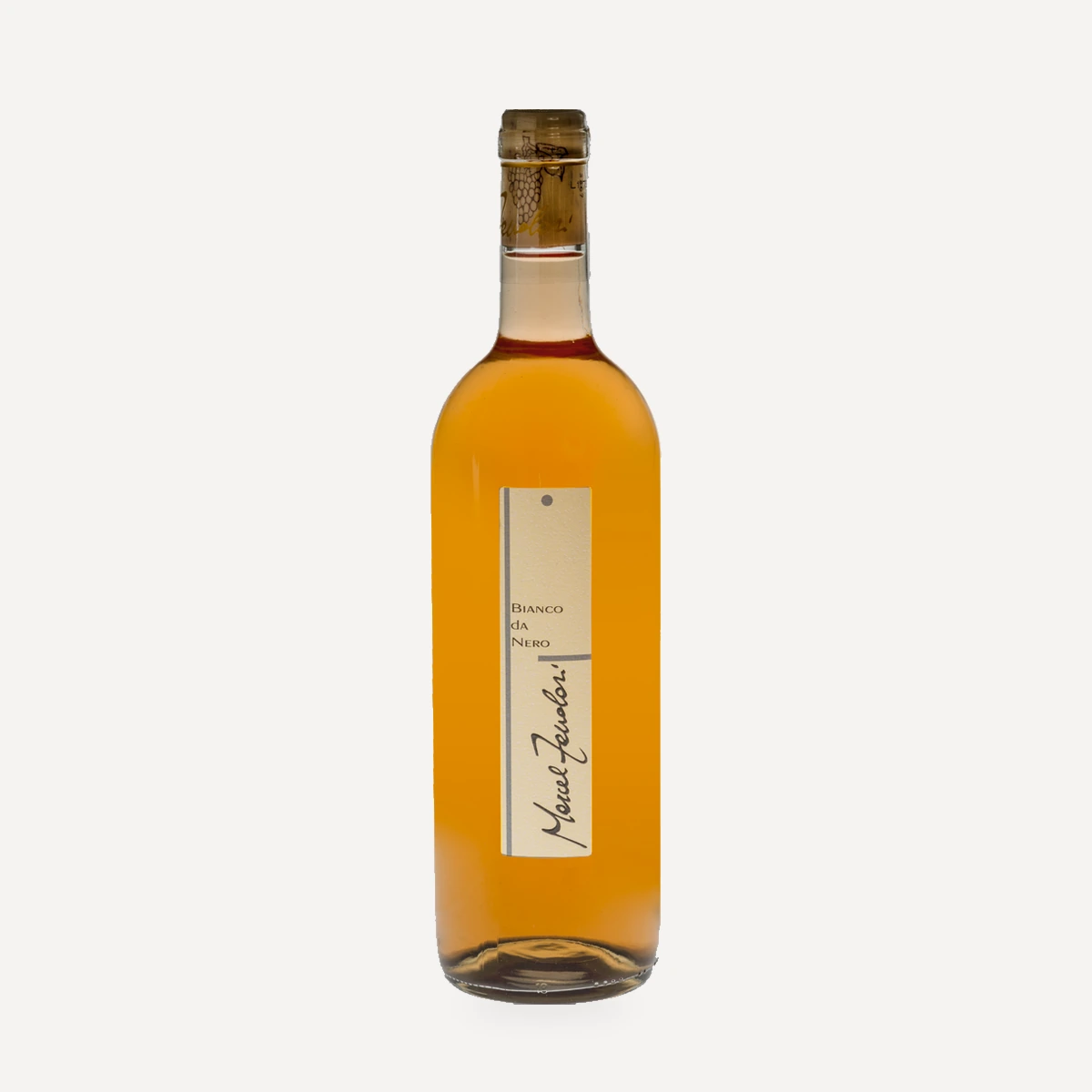
Bianco da nero
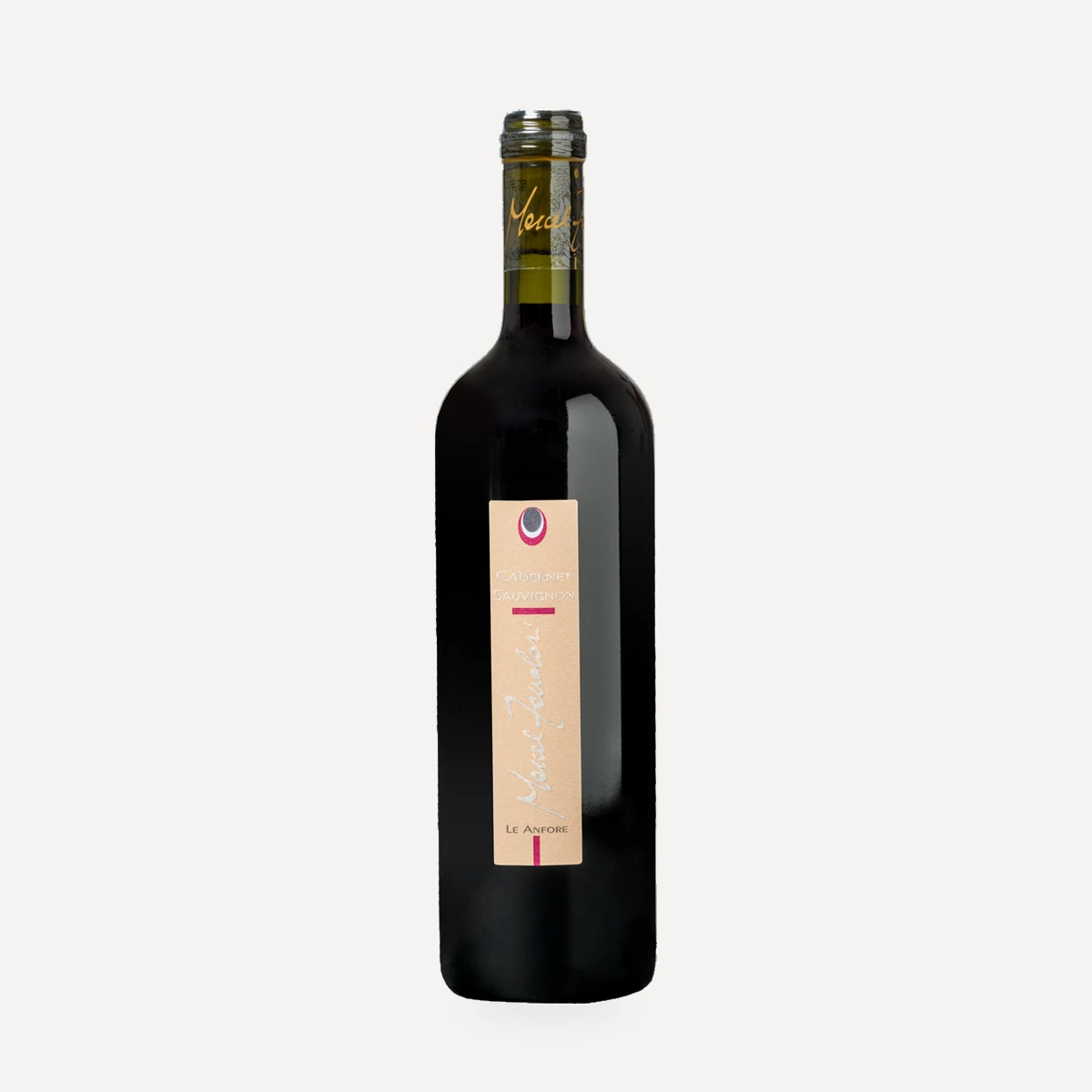
Cabernet Sauvignon Le anfore
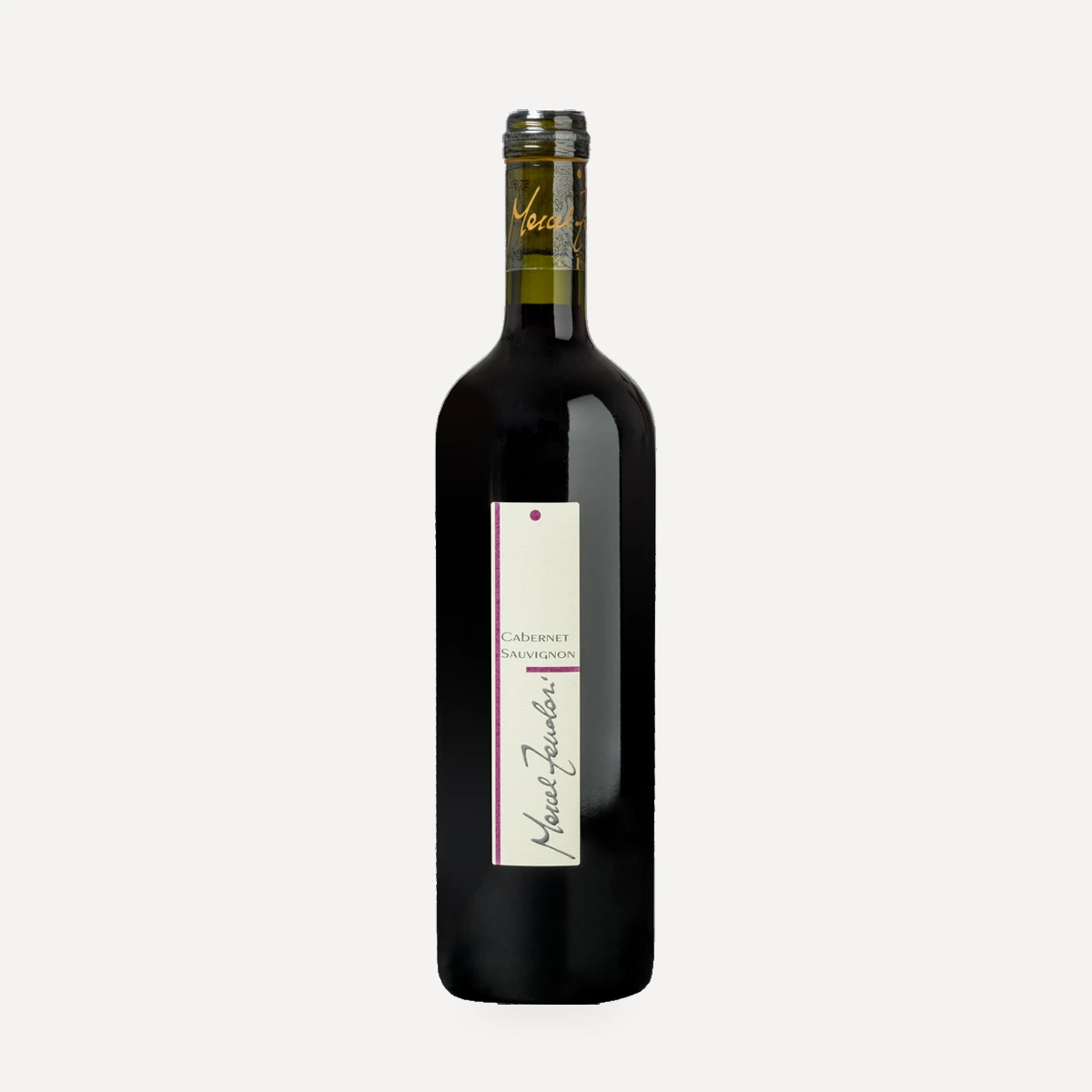
Cabernet Souvignon
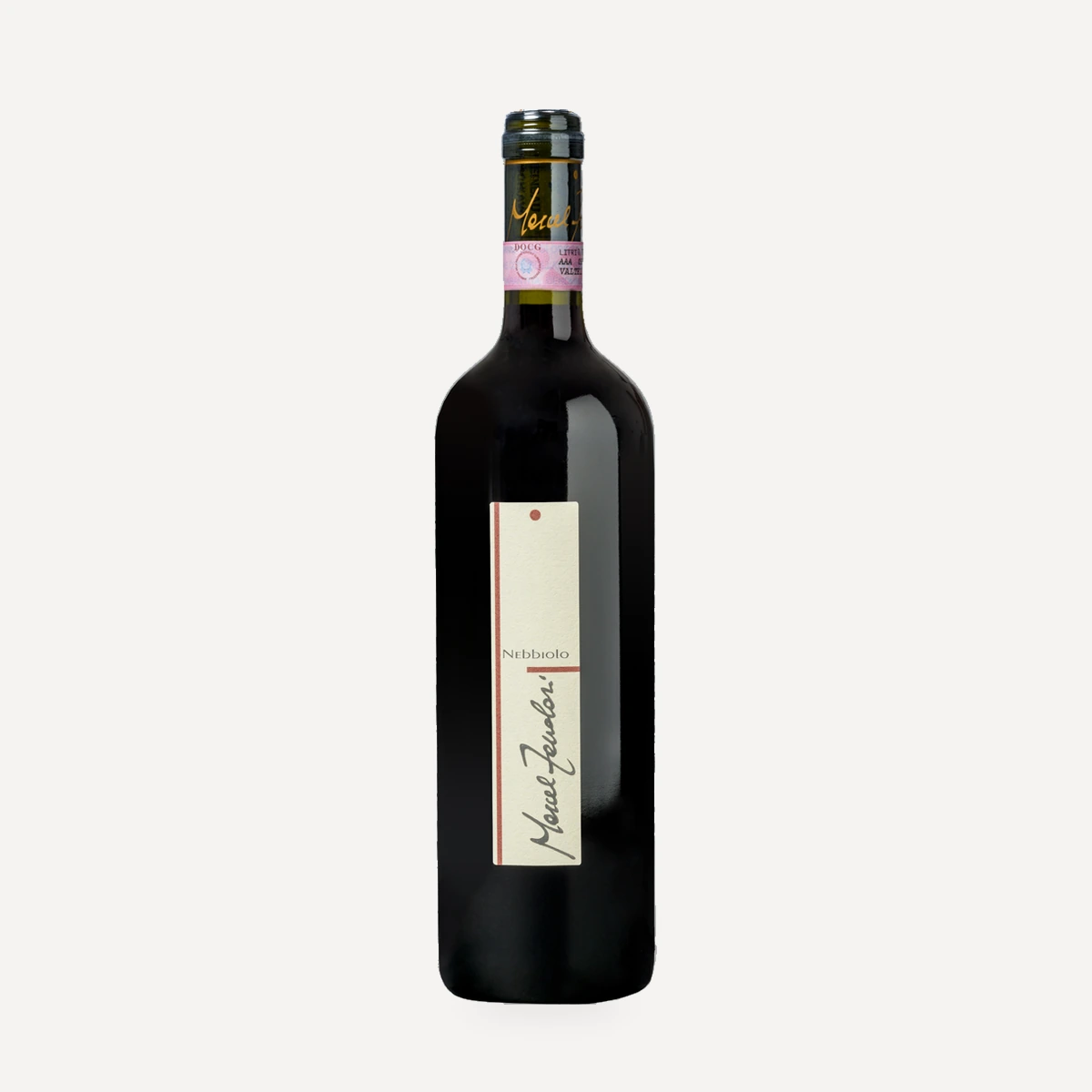
Nebbiolo
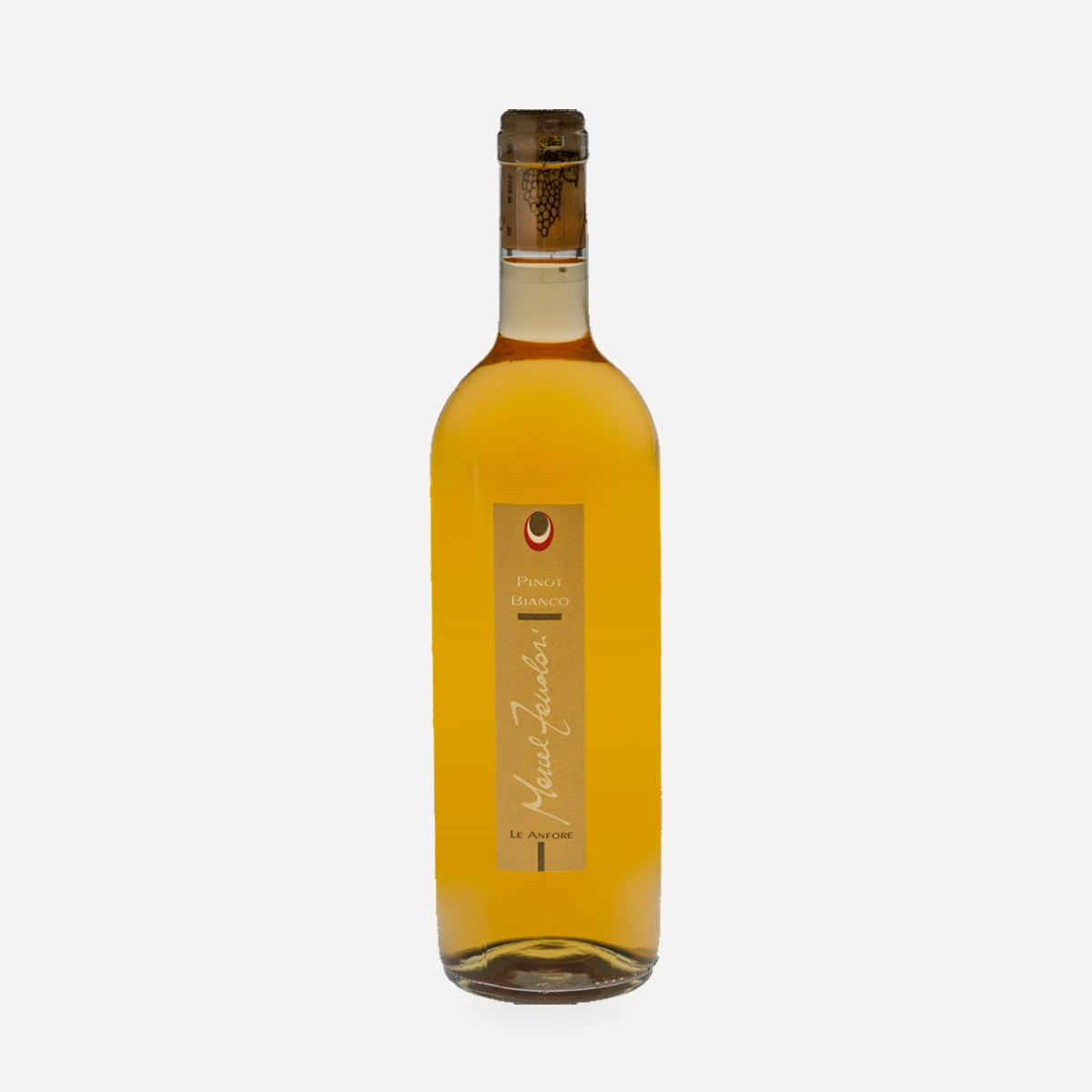
Pinot Bianco Le anfore
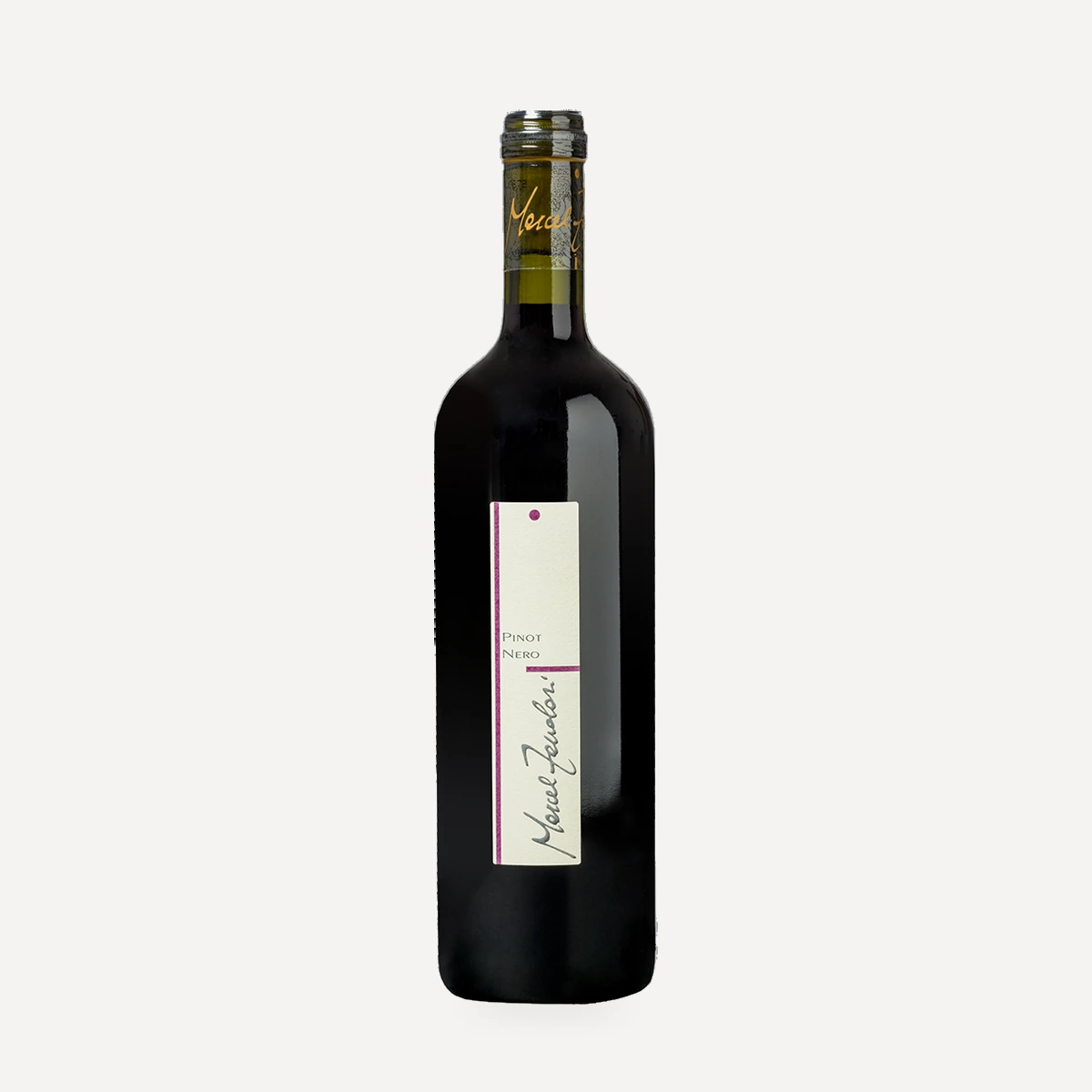
Pinot Nero
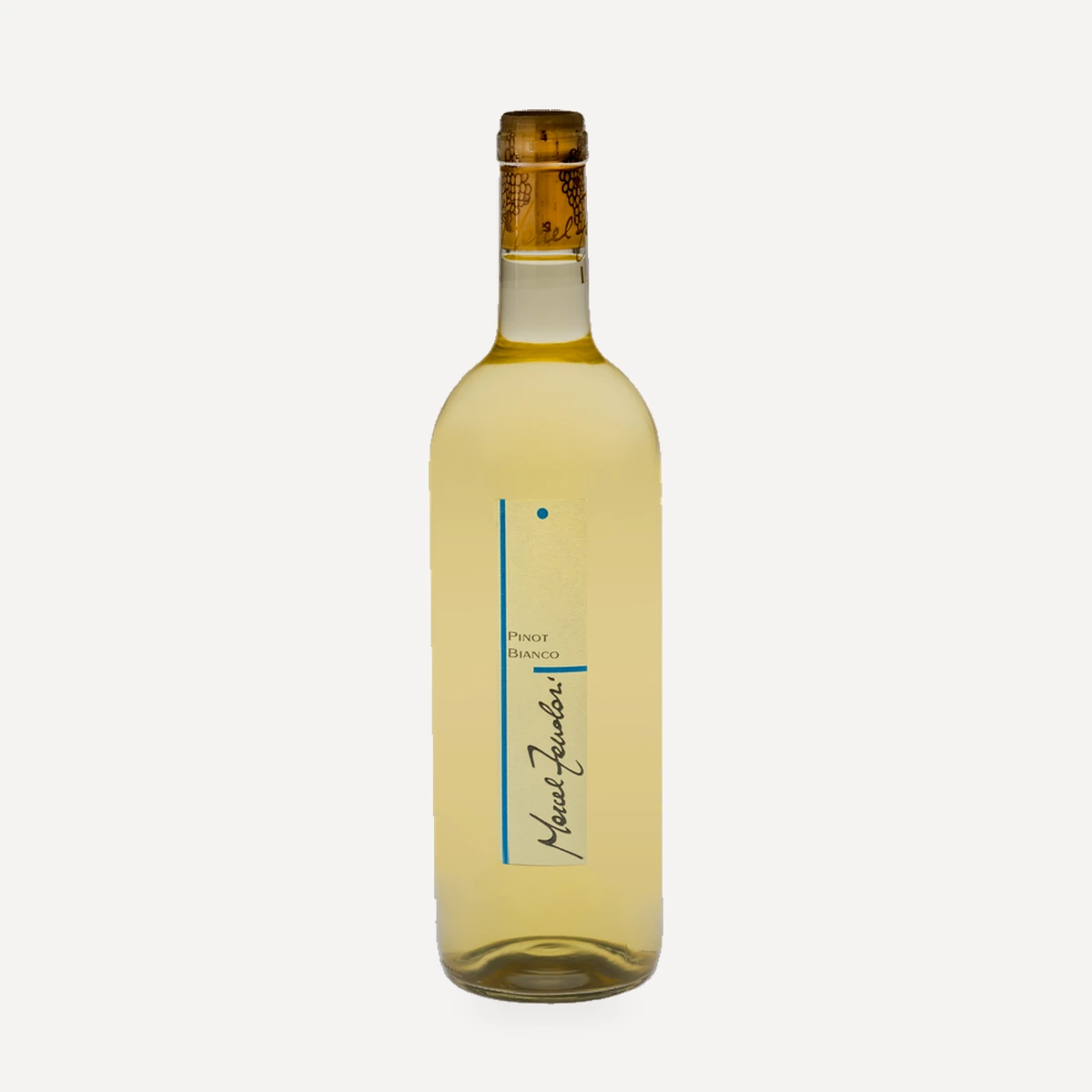
Pinot bianco
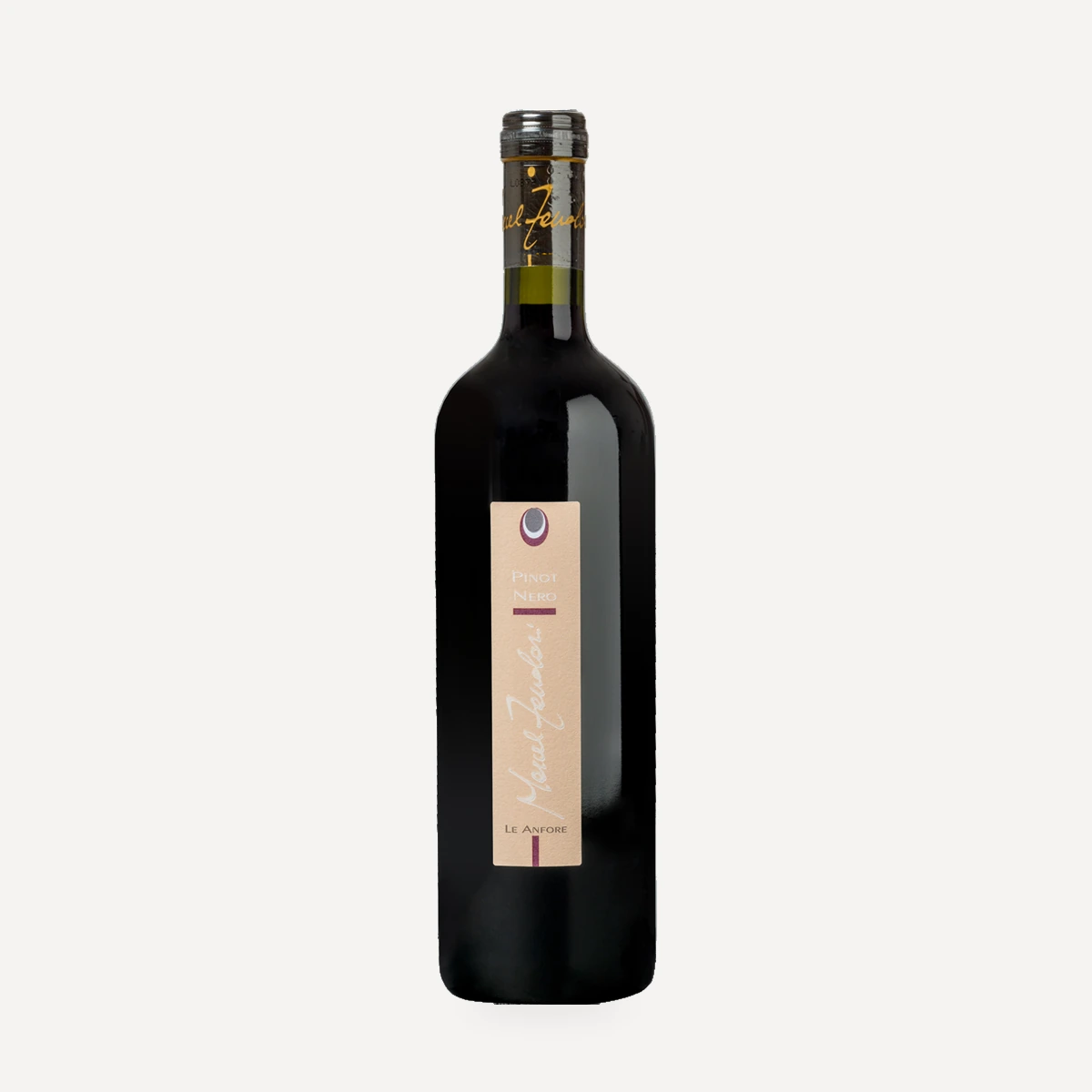
Pinot nero Le anfore
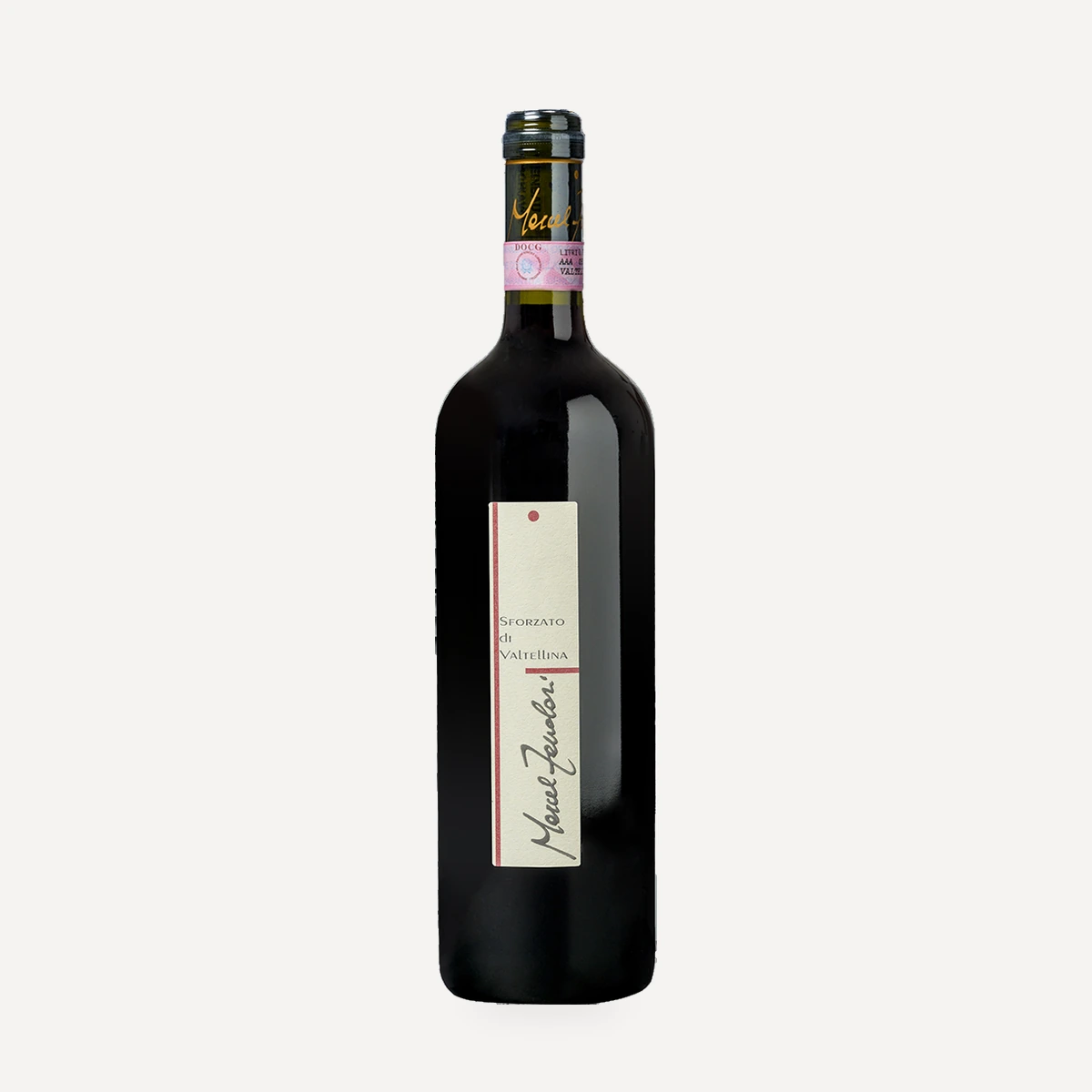
Sforzato
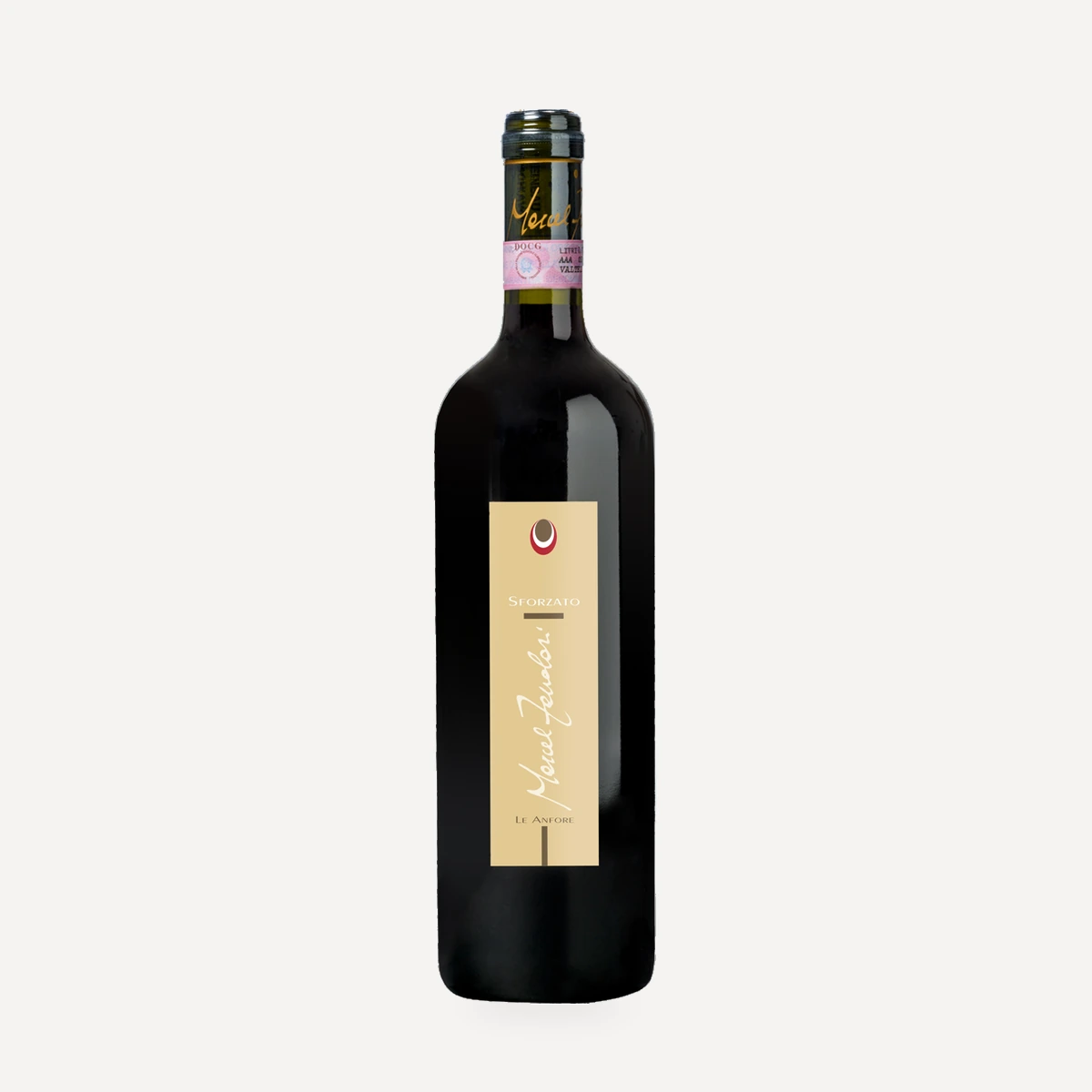
Sforzato Le Anfore
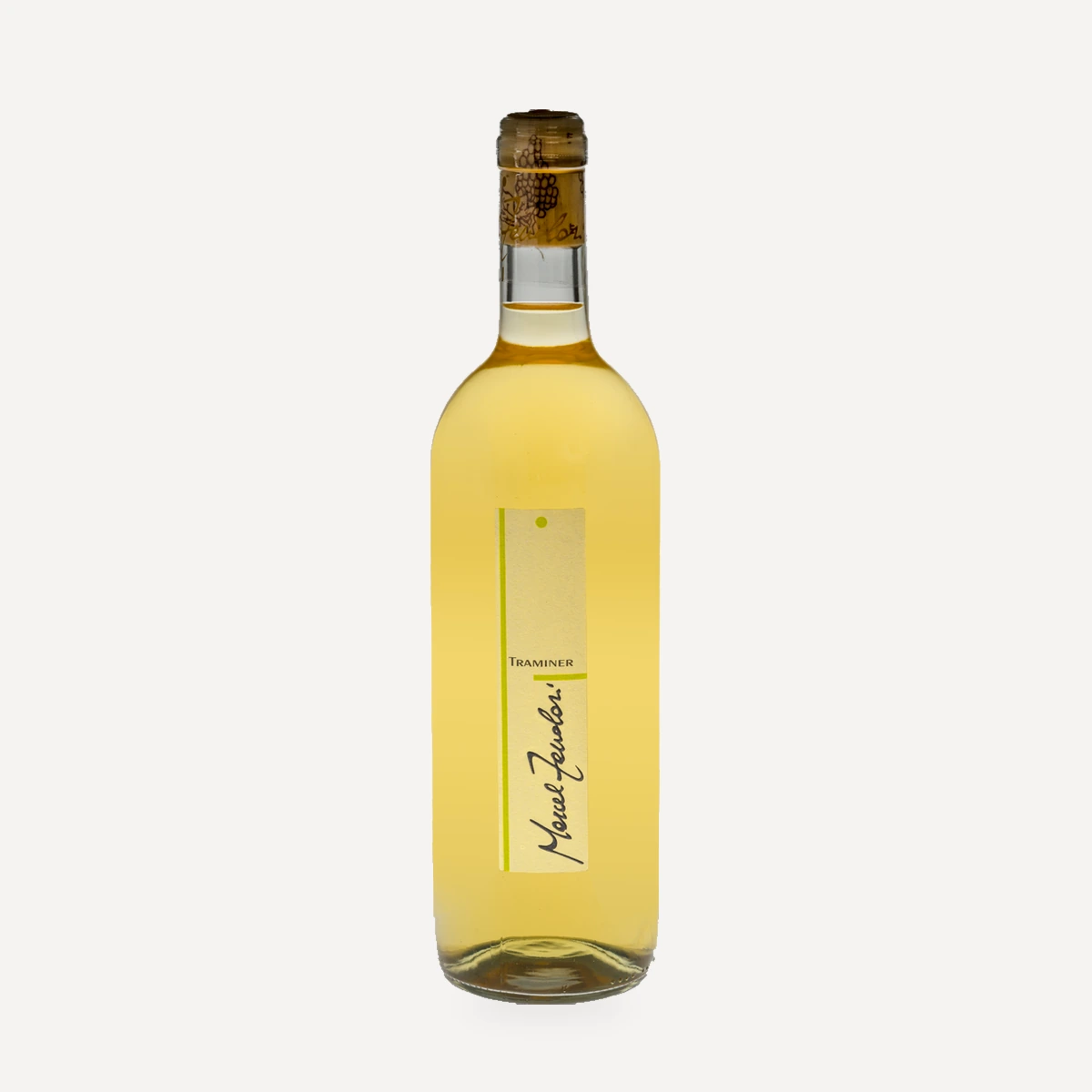
Traminer
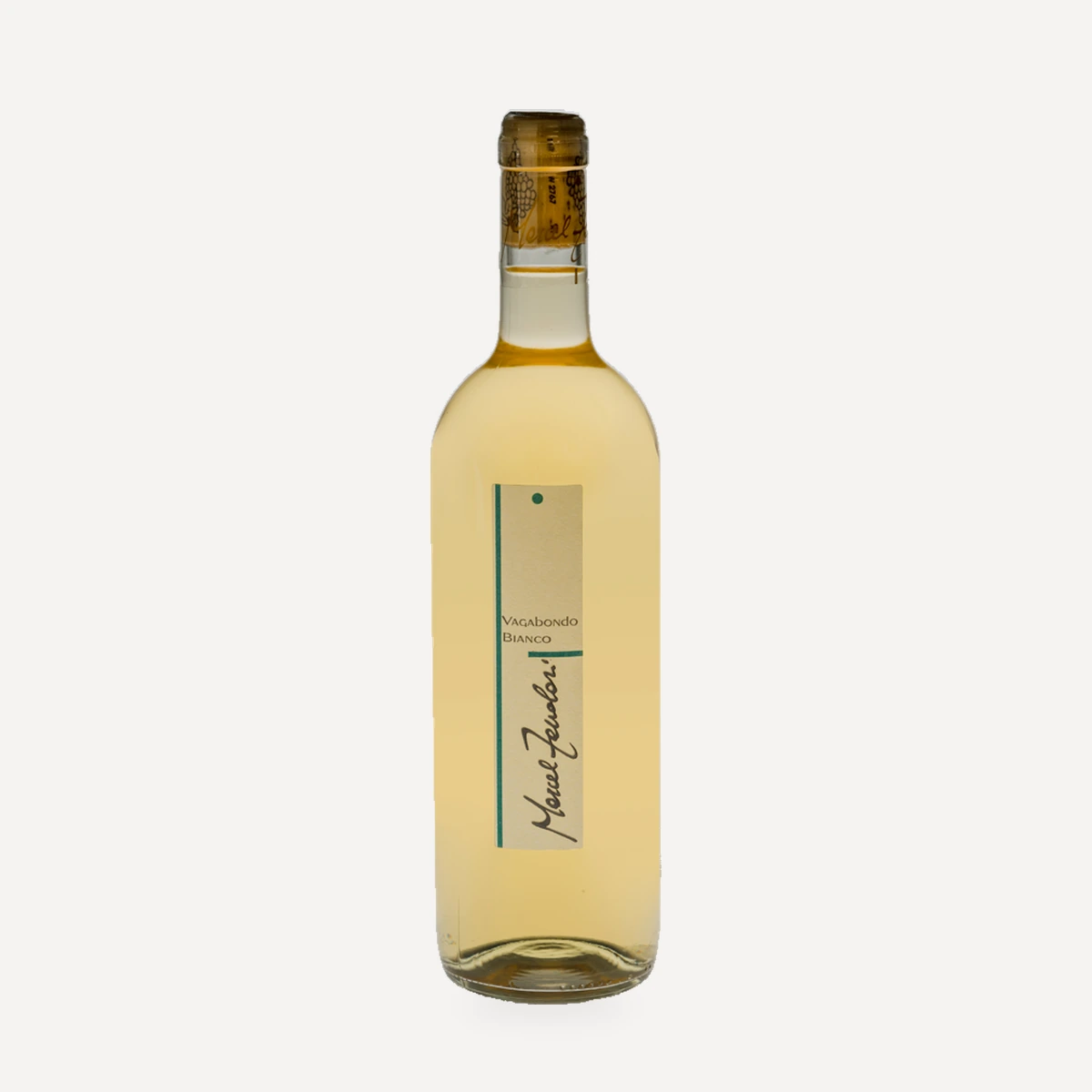
Vagabondo Bianco