Storia
Family origins in the 1980s
The estate began in the 1980s, when Massimo Abbate’s parents, Claudio and Anna, purchased vineyards and entered the grape trade. Their work established a family agricultural business centred on viticulture.
Massimo Abbate’s training
Massimo Abbate was born in 1983 and grew up in Castagnole Lanze, in the Asti area of Piedmont. His early interest in wine and vineyards led him to the Scuola Enologica di Alba, where he earned his diploma in 2003. He subsequently spent ten years working as a consultant in the wine sector, developing his production expertise and sensory-analysis skills.
The 2015 succession
Massimo assumed leadership of the family estate in 2015. At that point, its vineyards extended across Castagnole Lanze, Coazzolo and Neive. The 8.5 ha holding was planted approximately 60% to Moscato, 20% to Sauvignon Blanc and 20% collectively to Barbera and Nebbiolo. Massimo’s immediate objective was to apply his professional experience by vinifying part of the family’s grape production rather than directing all of it to the grape trade.
The winery and first bottlings
In 2018 Massimo constructed the present winery, equipping it with stainless-steel fermentation tanks and wooden vessels for maturation. The first Langhe Nebbiolo and Barbera d’Asti Superiore bottles were produced that year.
The two inaugural wines entered the market in June 2020. The first release comprised 1,560 individually numbered bottles: 780 bottles of Langhe Nebbiolo and 780 of Barbera d’Asti Superiore.
Expansion of the range
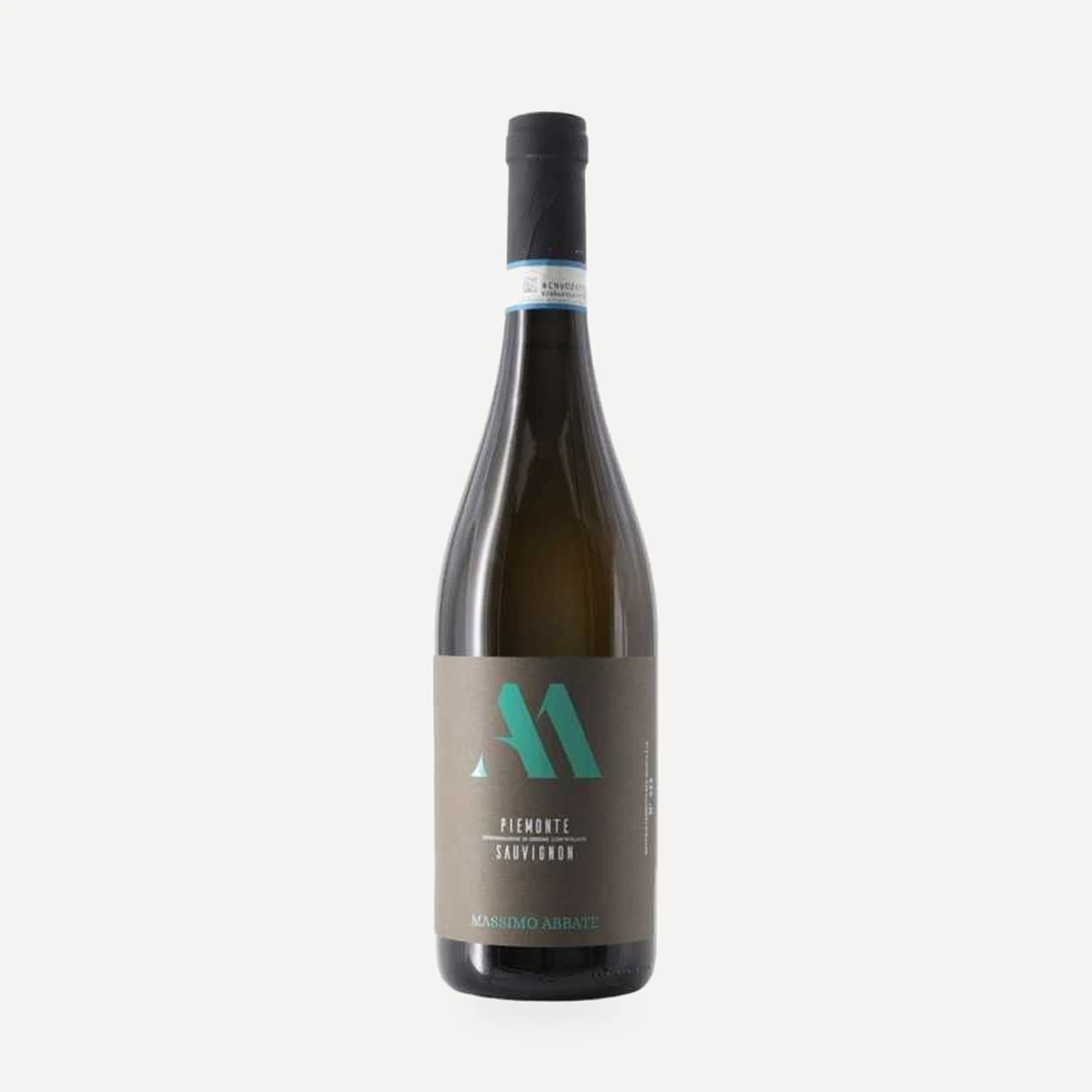
Production increased in the following years as new bottlings joined the initial pair: Piemonte Sauvignon, Musa Vino Bianco, Langhe Rosato and Langhe Rosso. Moscato d’Asti 100 giorni also forms part of the current range.
Terroir
The family estate is based in Castagnole Lanze in the Asti area of Piedmont, close to the notional dividing line between Monferrato and the Langhe and within the area of Piedmont’s UNESCO-listed vineyard landscapes. Its 8.5 ha of vines extend through Castagnole Lanze, Coazzolo and Neive.
The individually described vineyard blocks lie between 240 and 270 metres above sea level. Their aspects vary considerably: southeast for the Neive Nebbiolo and one Montà d’Alba Nebbiolo block; southwest for the Coazzolo Barbera and Montà d’Alba Merlot; south to south-southeast for the Coazzolo Moscato; and northwest for the Sauvignon Blanc at Castagnole delle Lanze.
The estate’s approach emphasises the biodiversity of its land and the distinct seasonal microclimates. No detailed soil composition, geological profile, rainfall data or other quantitative climate information is given.
Vinificazione
Massimo Abbate directly supervises vineyard work with the support of his parents. The guiding principle is respect for nature, with particular attention to the biodiversity of the land and the succession of different microclimates through the seasons.
The individually described blocks are Guyot-pruned and trained on vertical trellises. Their stated yields range from 80 to 110 q/ha. Harvest dates are adapted to variety and site, extending from the final week of August for Moscato through early October for Nebbiolo and Merlot. Grapes destined for the estate’s bottlings undergo manual selection at harvest.
No organic, biodynamic or other viticultural certification is identified.
Massimo Abbate directly oversees cellar work, supported by his parents. The winery constructed in 2018 contains stainless-steel tanks for fermentation and wooden vessels for maturation.
Across production, grapes are manually selected at harvest and handled gently through direct pressing or soft crushing and destemming, according to the material being processed. The cellar works with stainless steel as well as French-oak barriques, tonneaux and 500-litre vessels. Its methods include temperature-controlled fermentation, maceration for red grapes, malolactic fermentation in steel, maturation on fine lees with bâtonnage, settling and racking, selective filtration and post-bottling maturation. Moscato production also employs an autoclave and low-temperature storage.
The first estate-bottled production consisted of Langhe Nebbiolo and Barbera d’Asti Superiore made in 2018. A total of 1,560 individually numbered bottles—780 of each wine—was released in June 2020.
Filosofia
Massimo Abbate’s approach is founded on personal responsibility for both vineyard and cellar work, carried out with the continuing support of his parents. Vineyard management is intended to respect nature while making use of the land’s biodiversity and the differing microclimates that unfold with the seasons.
His philosophy treats dedication to the land as an obligation in both abundant and difficult years. His stated objective is to create wines that reflect his own personality, based on the relationship among terroir, climate, grape variety and the vigneron.
Vini
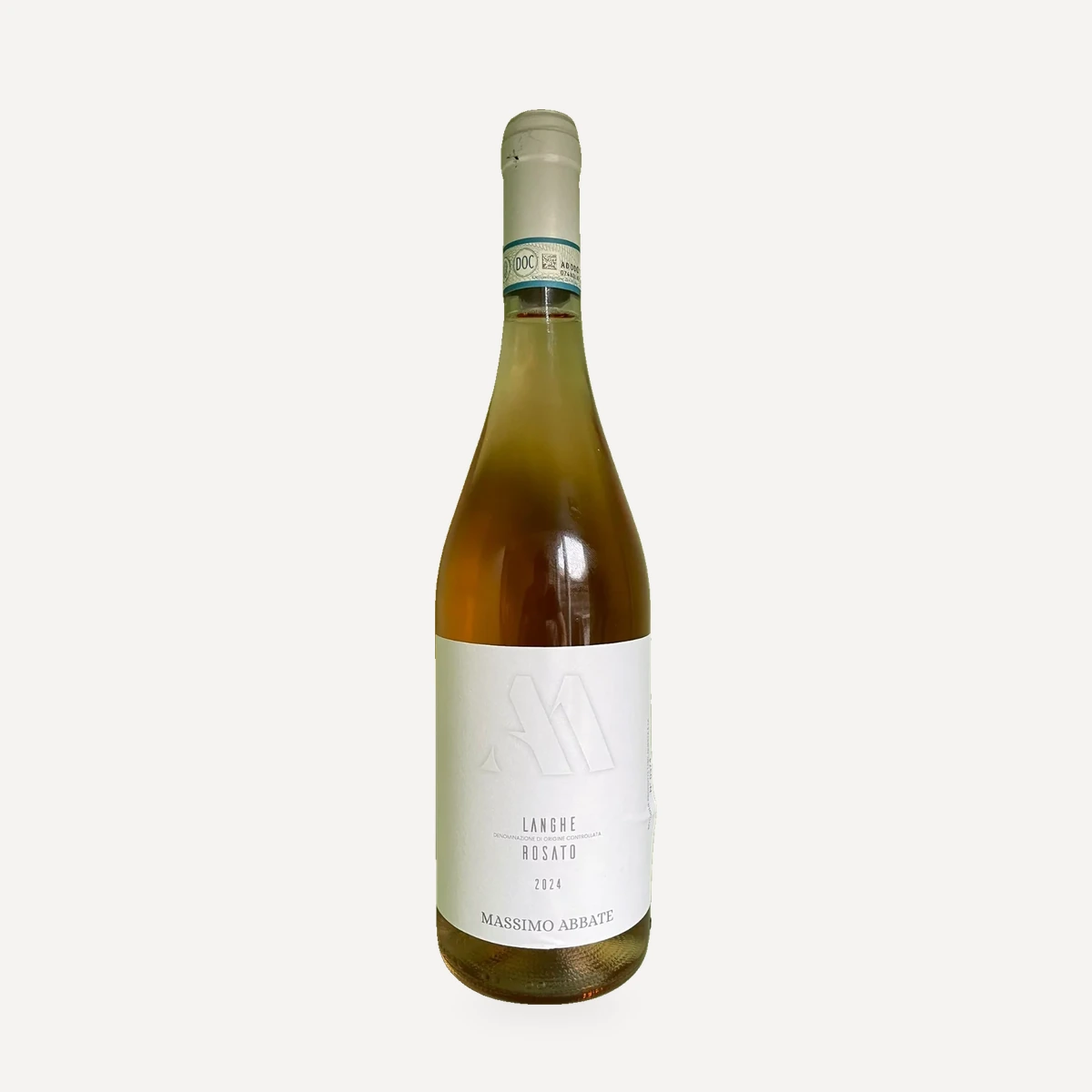
Langhe Rosato
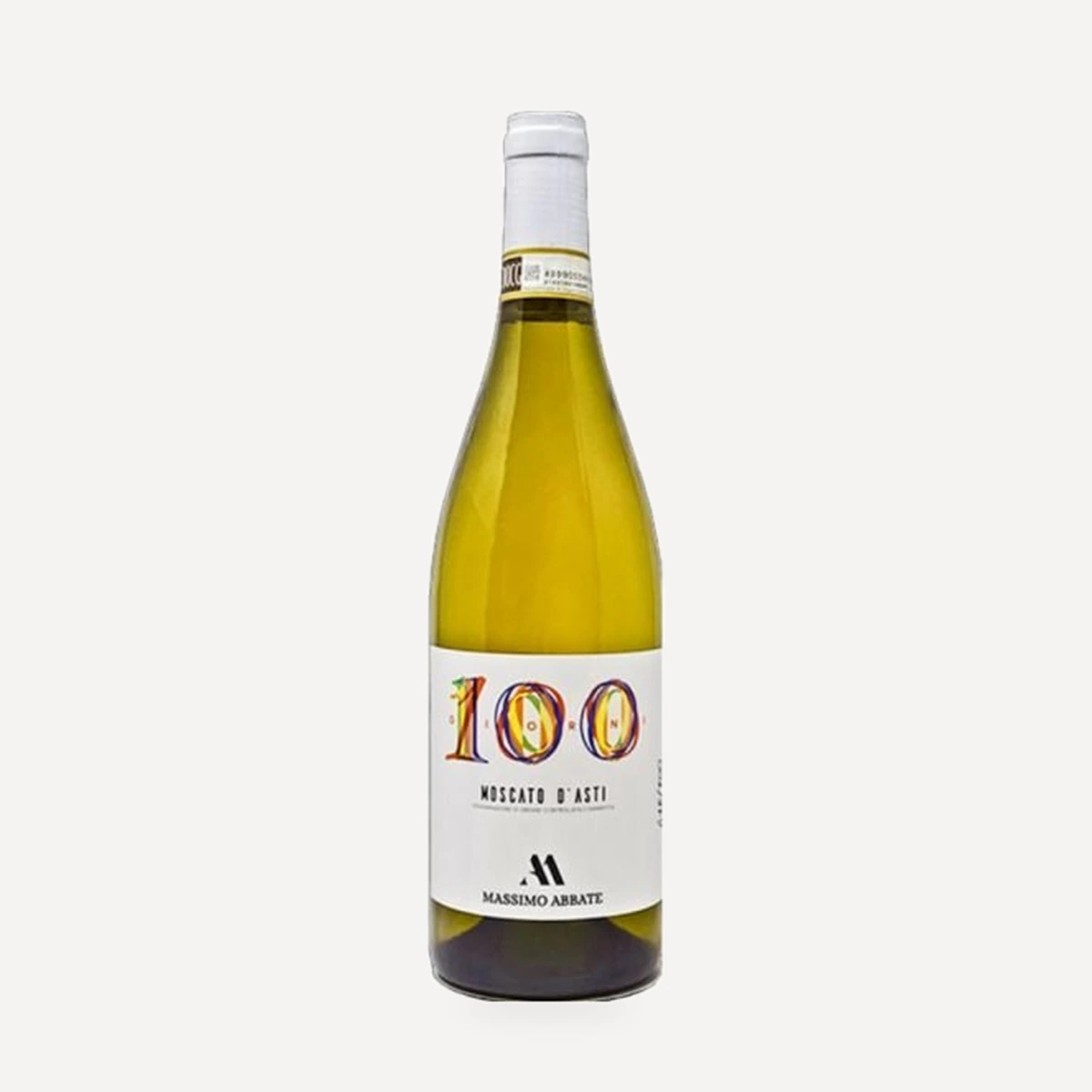
Moscato d'Asti 100 giorni
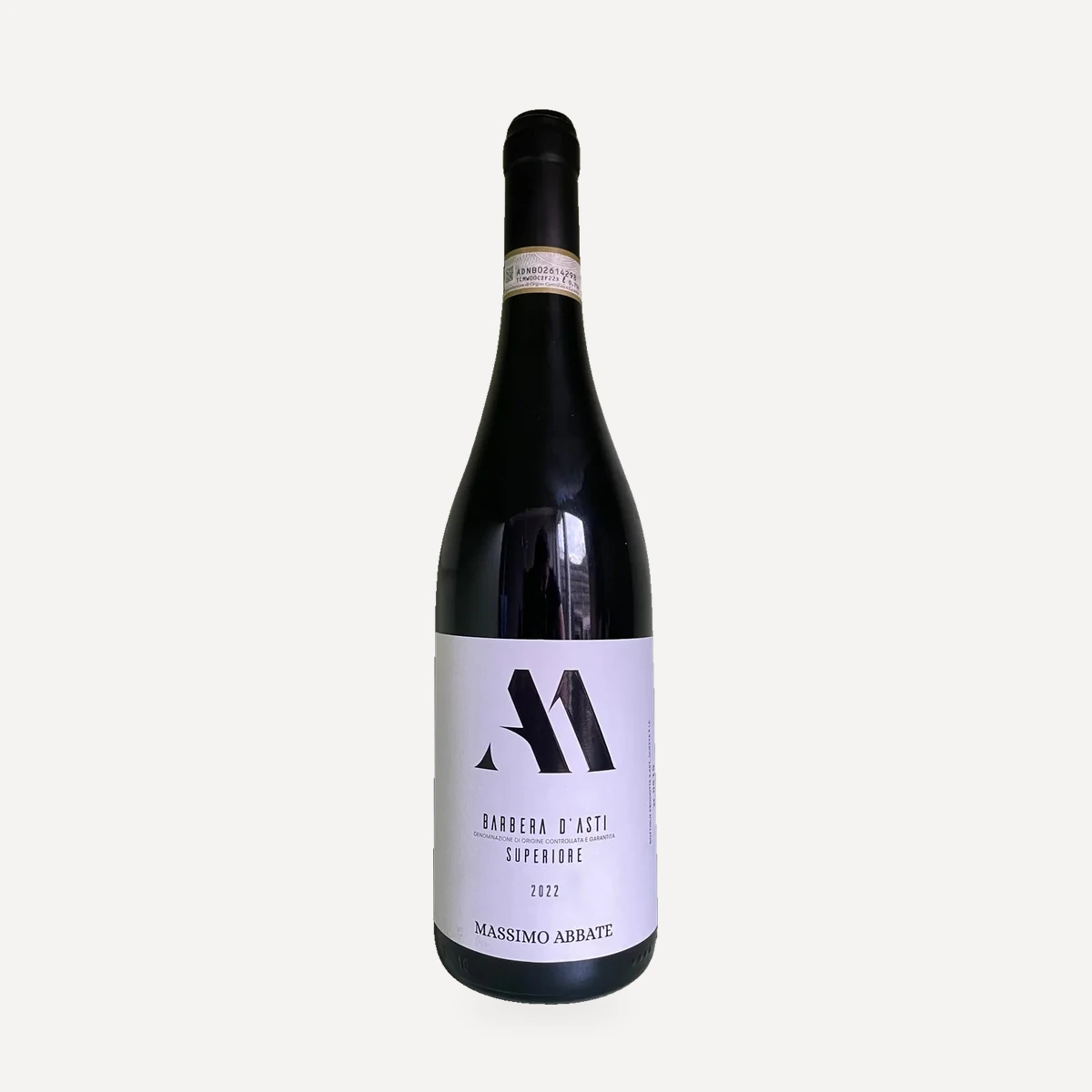
Barbera d'Asti Superiore
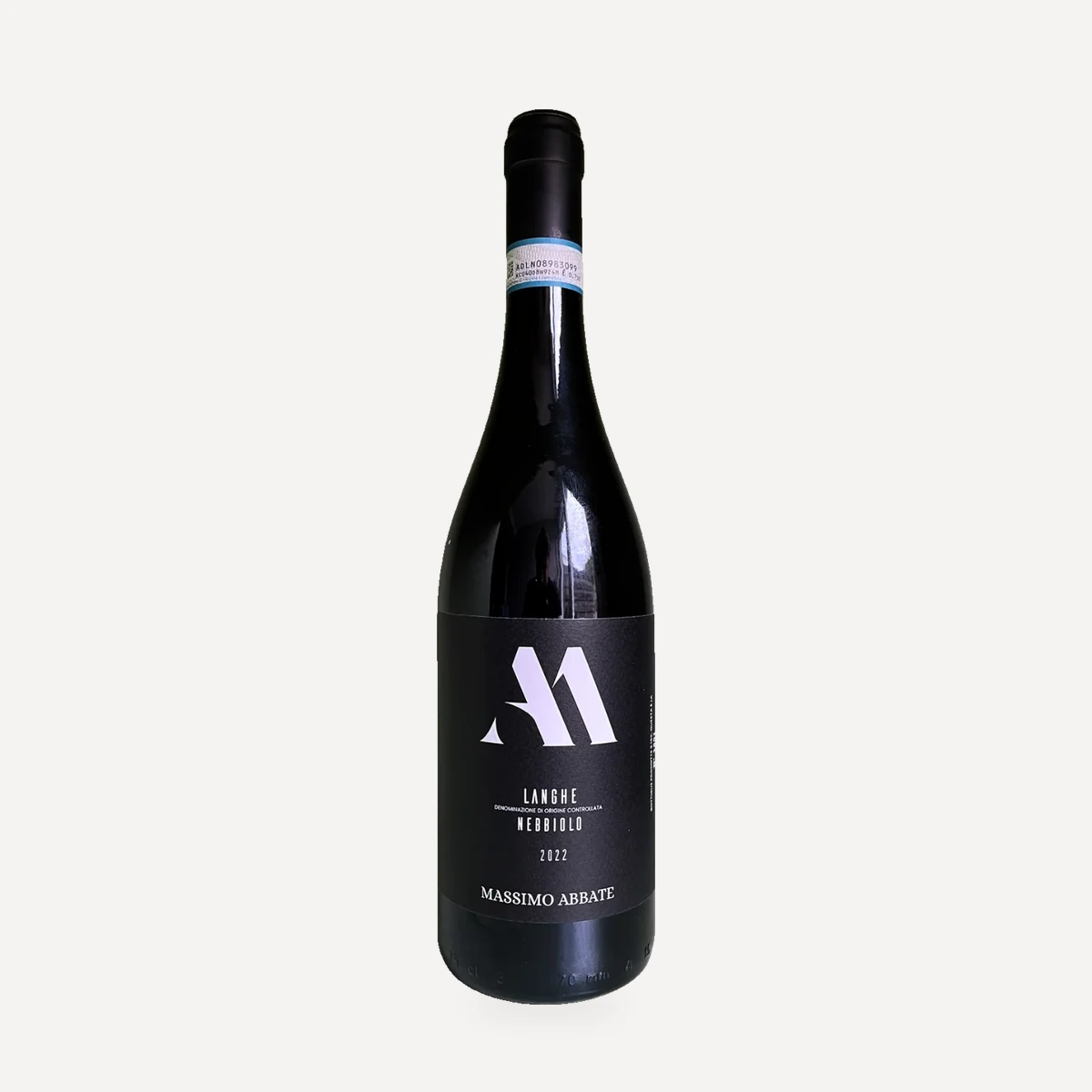
Langhe Nebbiolo
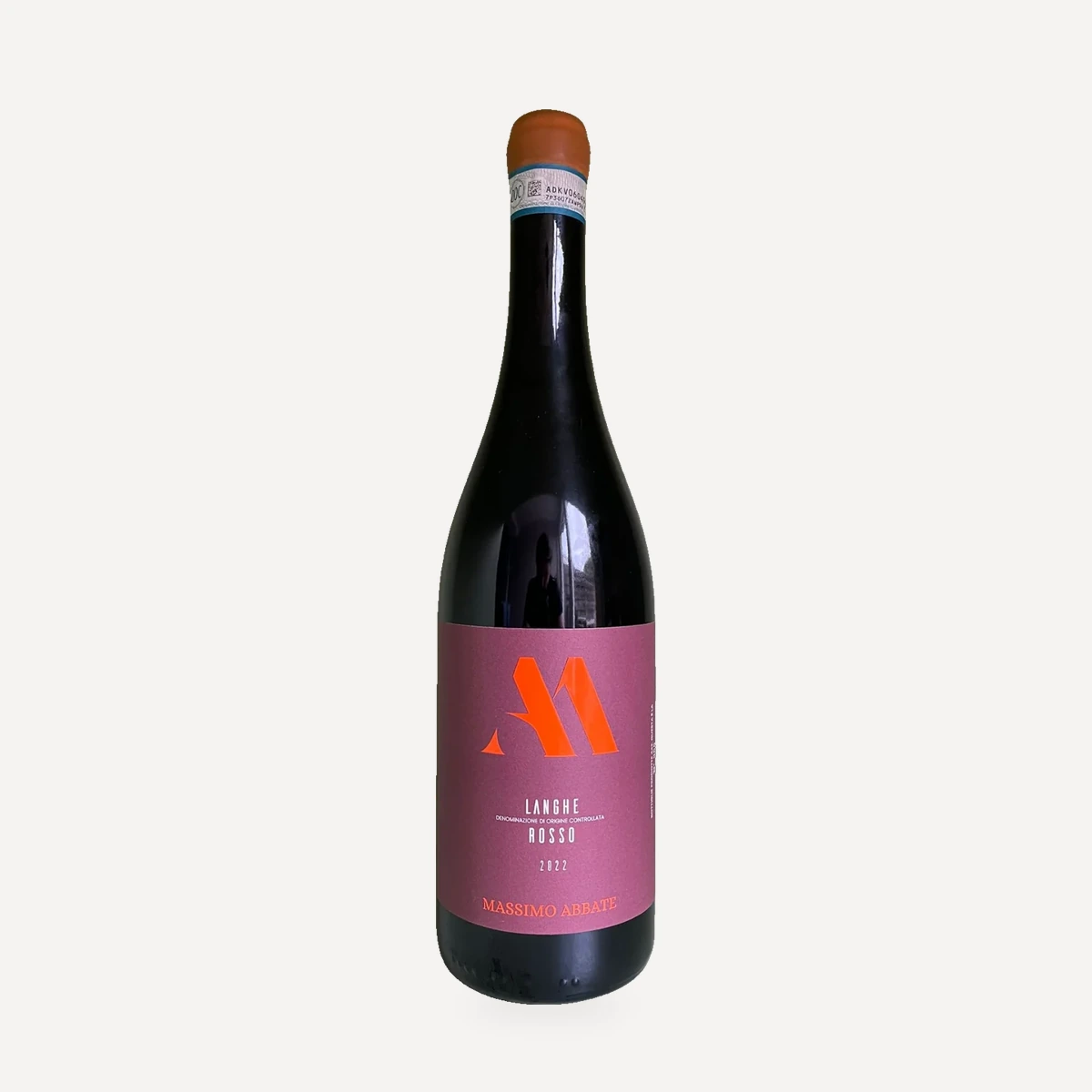
Langhe Rosso