Storia
A family tradition spanning five generations
Massucco presents its family winegrowing history as extending across five generations and approximately 150 years. The family has remained closely connected to the vineyards throughout this period, passing down the daily work of tending the land and transforming each harvest in the cellar. Its activities encompass the full production chain: vineyard cultivation, grape processing, winemaking and the commercialisation of the finished wines.
1909: Silvestro and the first plots
The first precisely dated family milestone is 1909, when great-grandfather Silvestro Massucco bought his first plots from his brothers. Silvestro was affectionately known as “Vet,” the origin of the family’s enduring local identity, i Massucco dei Vets.
Five generations in Roero
Over the following century, five generations of the Massucco family continued to farm 20 hectares of land in Roero. The work has remained grounded in manual skill and inherited agricultural traditions, while cellar activity combines this family experience with technological innovation.
Massucco today
The fifth generation continues to manage the family estate from Castagnito. Massucco produces red, white and sparkling wines, including crus and wines bearing DOC and DOCG designations, alongside spirits and aromatised products. The contemporary approach adds sustainable agricultural practices and the protection of biodiversity to the family’s established commitment to the land.
Terroir
Massucco’s land lies among the gentle hills of Roero, in the province of Cuneo in southern Piedmont. The family farms 20 hectares in this landscape, with the winery based in Castagnito.
Roero’s viticultural character is linked to a geological evolution extending over millions of years. Its combination of varied soils, rich subsoil, geographical position, protected climate and distinctive microclimate creates multiple aromatic and flavour expressions and allows each vintage to retain its own identity. These conditions support both fresh, fruit-led white wines and structured, full-bodied reds.
The hills and their vineyards form part of the wider vineyard landscape recognised as a UNESCO World Heritage Site in 2014. Massucco also treats Roero as a cultural and agricultural community, maintaining relationships with local producers and presenting wine alongside regional products such as white truffles, hazelnuts, cheeses, salumi and other Piedmontese foods.
Vinificazione
Vineyard work is performed by hand and is described as careful, precise and continuous through the seasons. The estate also specifies the use of mechanical processes in its vineyard work.
Cultivation is treated as a form of stewardship. Sustainable agricultural practices are directed toward safeguarding biodiversity and respecting the surrounding ecosystem. The family’s approach combines inherited agricultural knowledge, care for its agricultural heritage and respect for the land with an outlook oriented toward its future preservation.
The vineyards form the beginning of an estate-controlled chain that continues through grape processing and winemaking. The emphasis is on direct responsibility for every stage, from caring for the vines to completing the wine in the cellar.
Massucco controls the production chain from cultivation of its own vineyards through grape processing, winemaking and commercialisation. Work begins in the vineyard and concludes in the cellar, with manual skill remaining central to both farming and the transformation of each harvest.
In the cellar, family traditions accumulated over five generations are combined with technological innovation. Time and hands-on work are treated as essential elements of production, with the aim of allowing the character of the harvest and the Roero territory to remain evident. The range encompasses red wines, white wines, sparkling wines and crus carrying DOC and DOCG designations, as well as spirits and aromatised products.
Filosofia
Massucco defines cultivation as an act of protection as well as production. Its stated priorities are respect for the land, consistency in daily work and responsibility toward the future of the surrounding ecosystem.
The family places value on work performed directly by hand and on maintaining the agricultural heritage entrusted to successive generations. Control of the full chain—from the vineyard through processing and winemaking—is considered fundamental to quality.
Tradition and innovation are treated as complementary. Manual knowledge and techniques handed down through five generations remain central, while technological innovation guides cellar work. Vintage variation is accepted as part of Roero’s expression: the interaction of microclimate, position and subsoil gives each harvest its own flavours and aromas.
Family hospitality extends the same philosophy beyond production. Tastings are designed to communicate Massucco’s history, the character of Roero and the connection between wine, vineyards, local foods and the regional community.
Vini
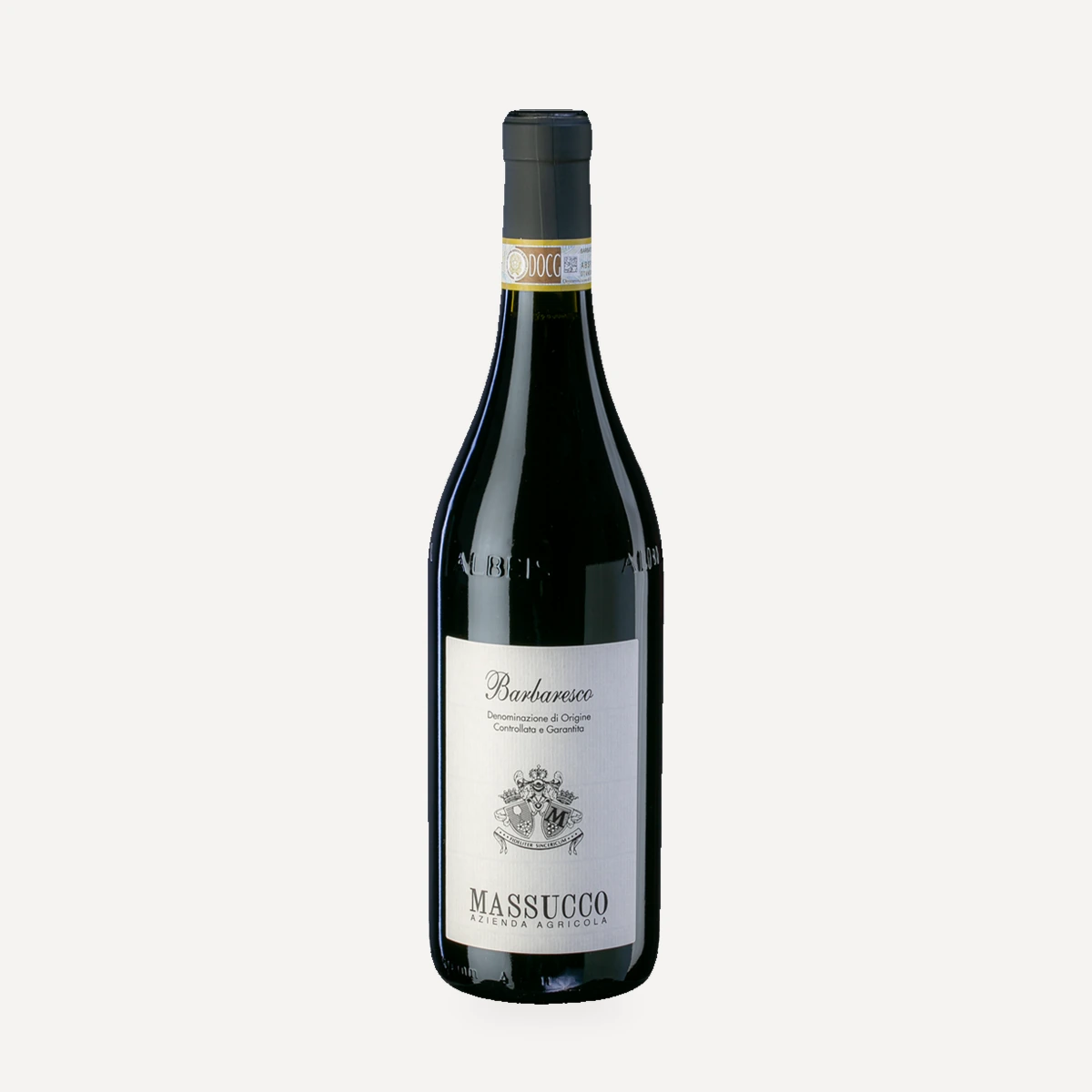
Barbaresco D.O.C.G.
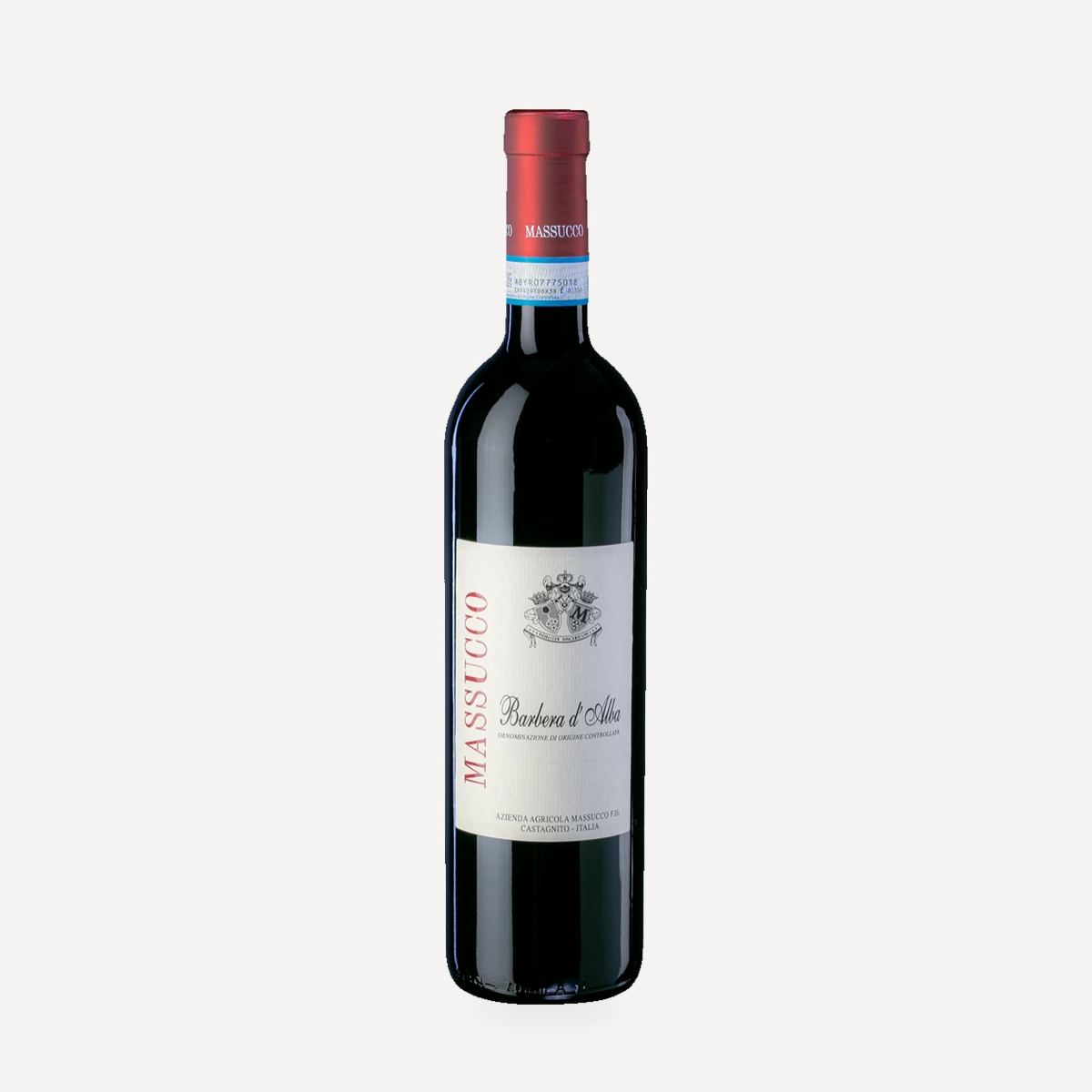
Barbera d'Alba D.O.C.
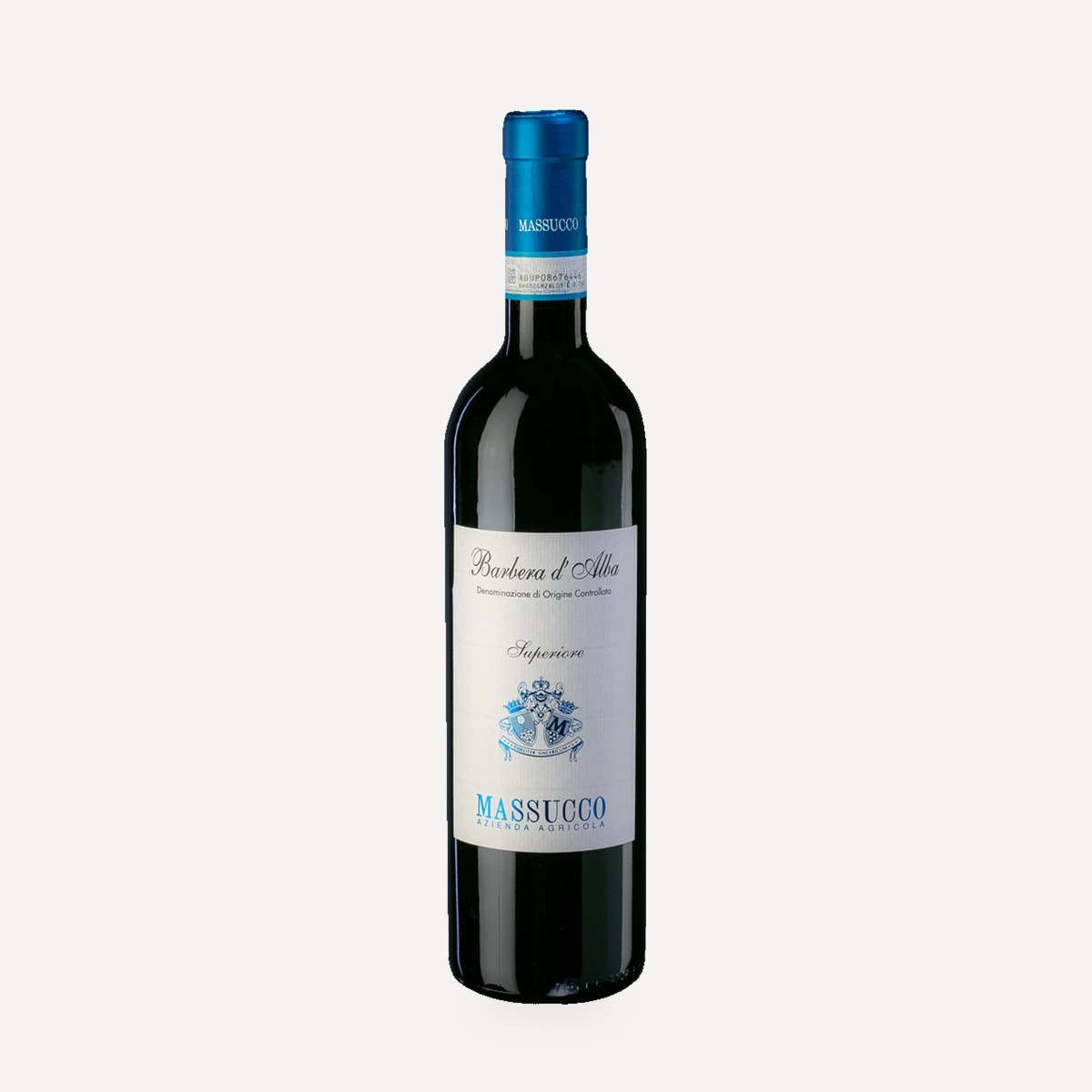
Barbera d'Alba Superiore
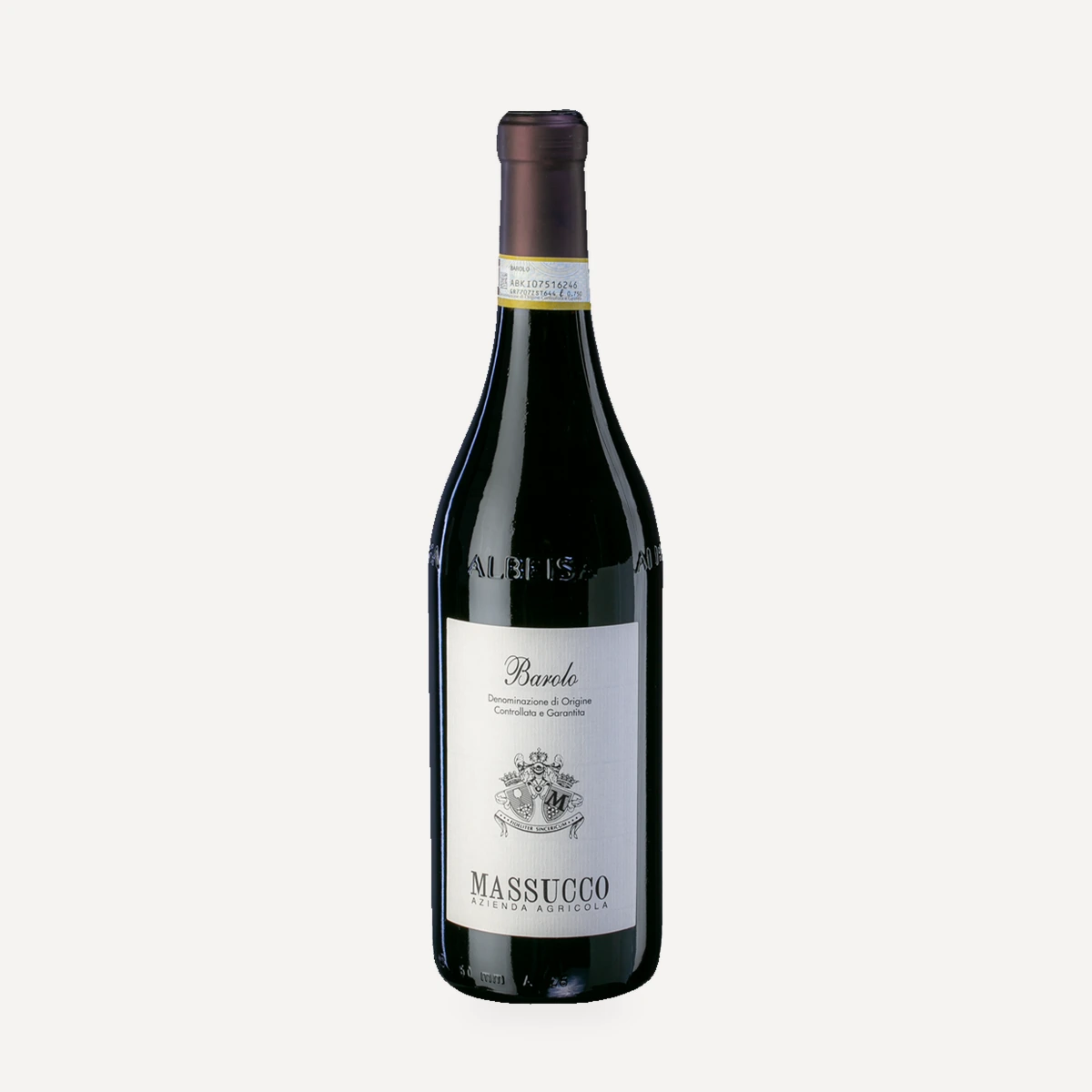
Barolo D.O.C.G.
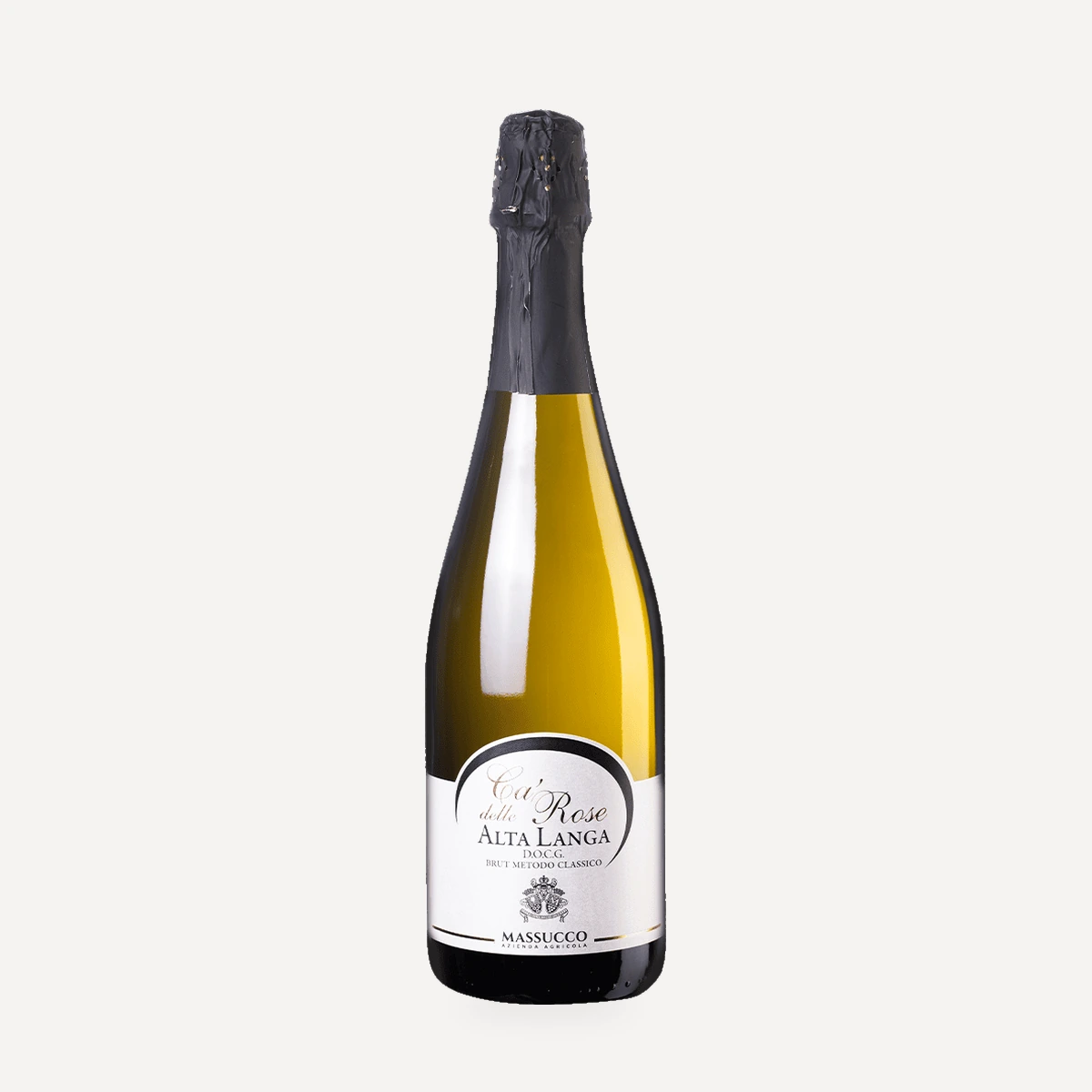
Cà delle Rose Alta Langa D.O.C.G.
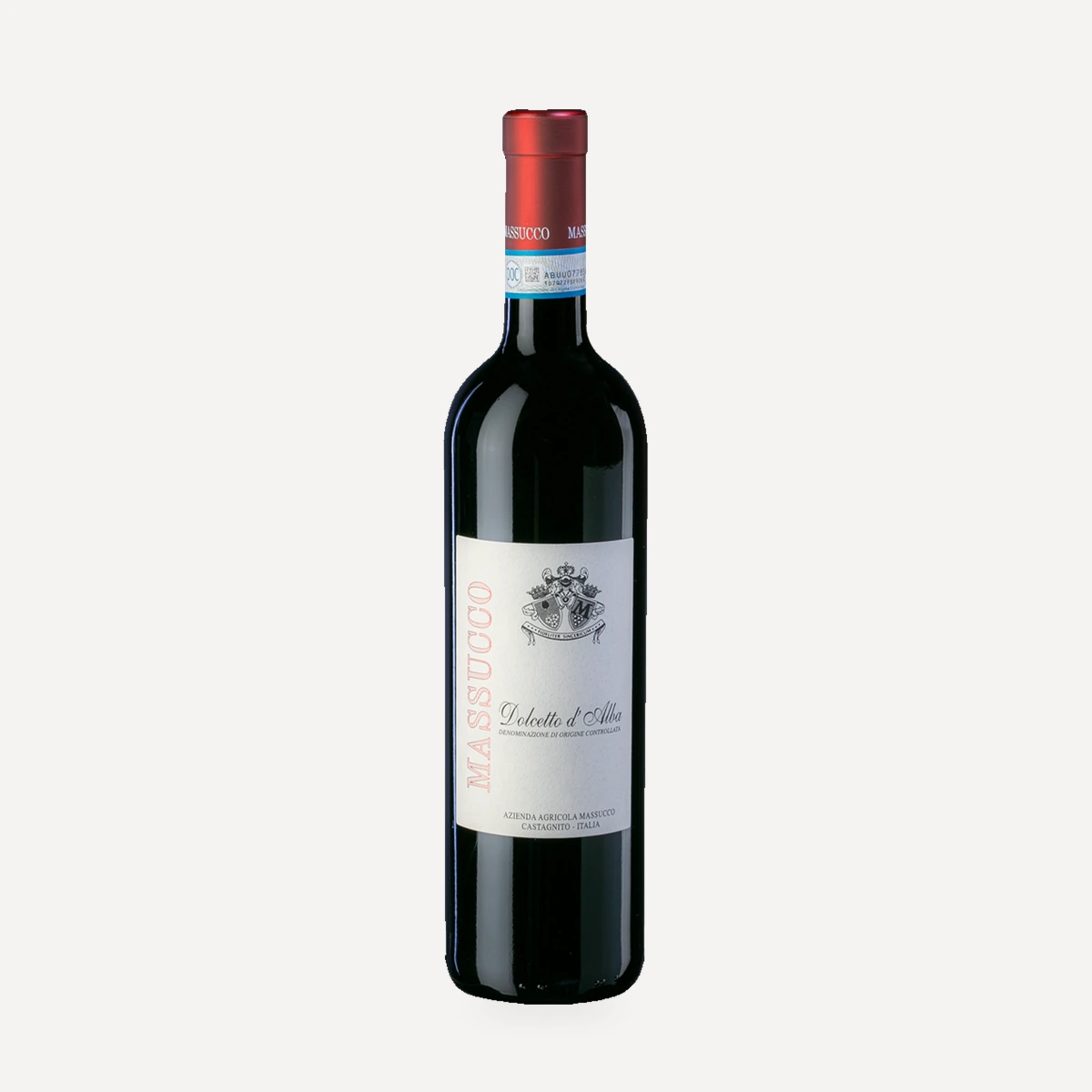
Dolcetto d'Alba D.O.C.
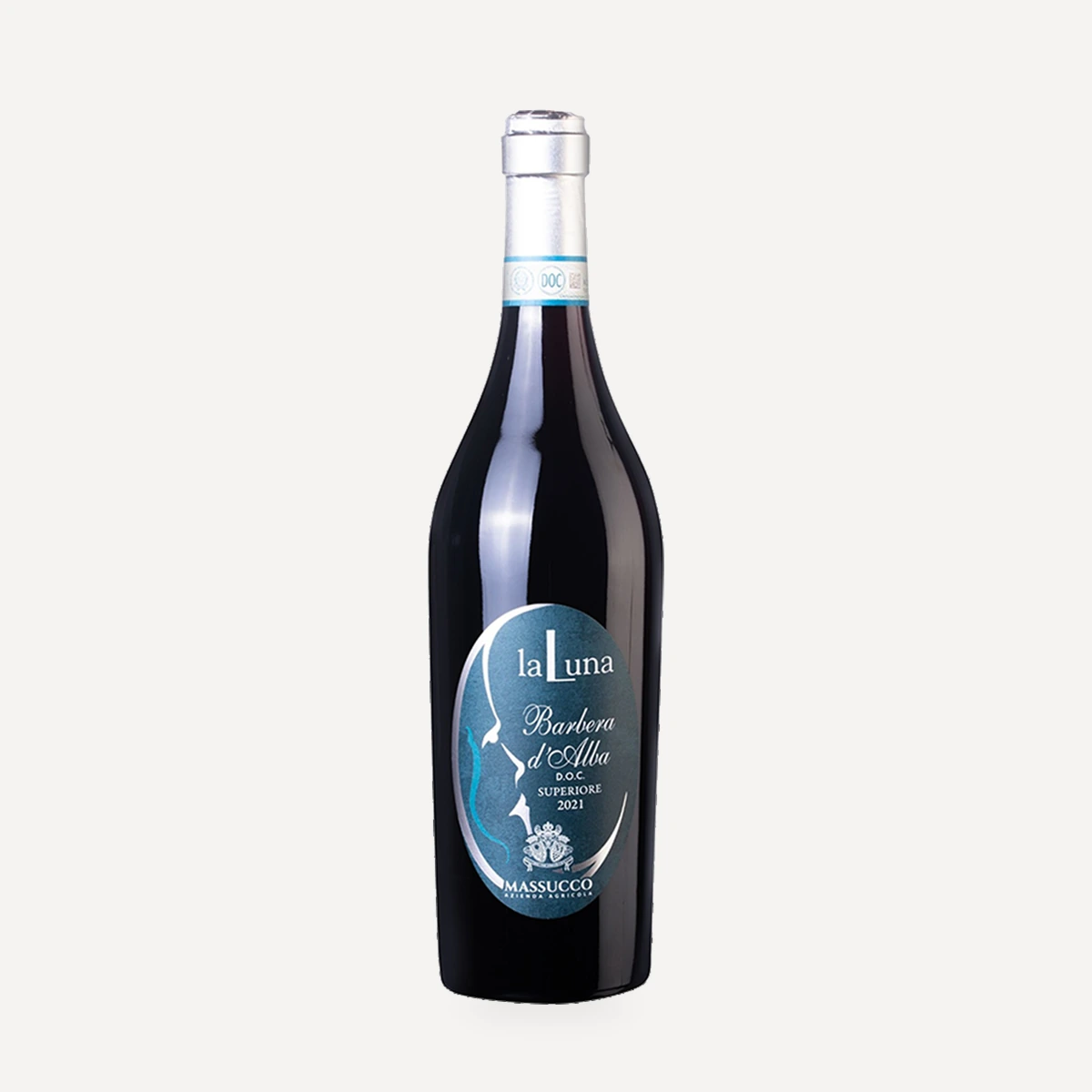
La Luna Barbera d’Alba D.O.C.
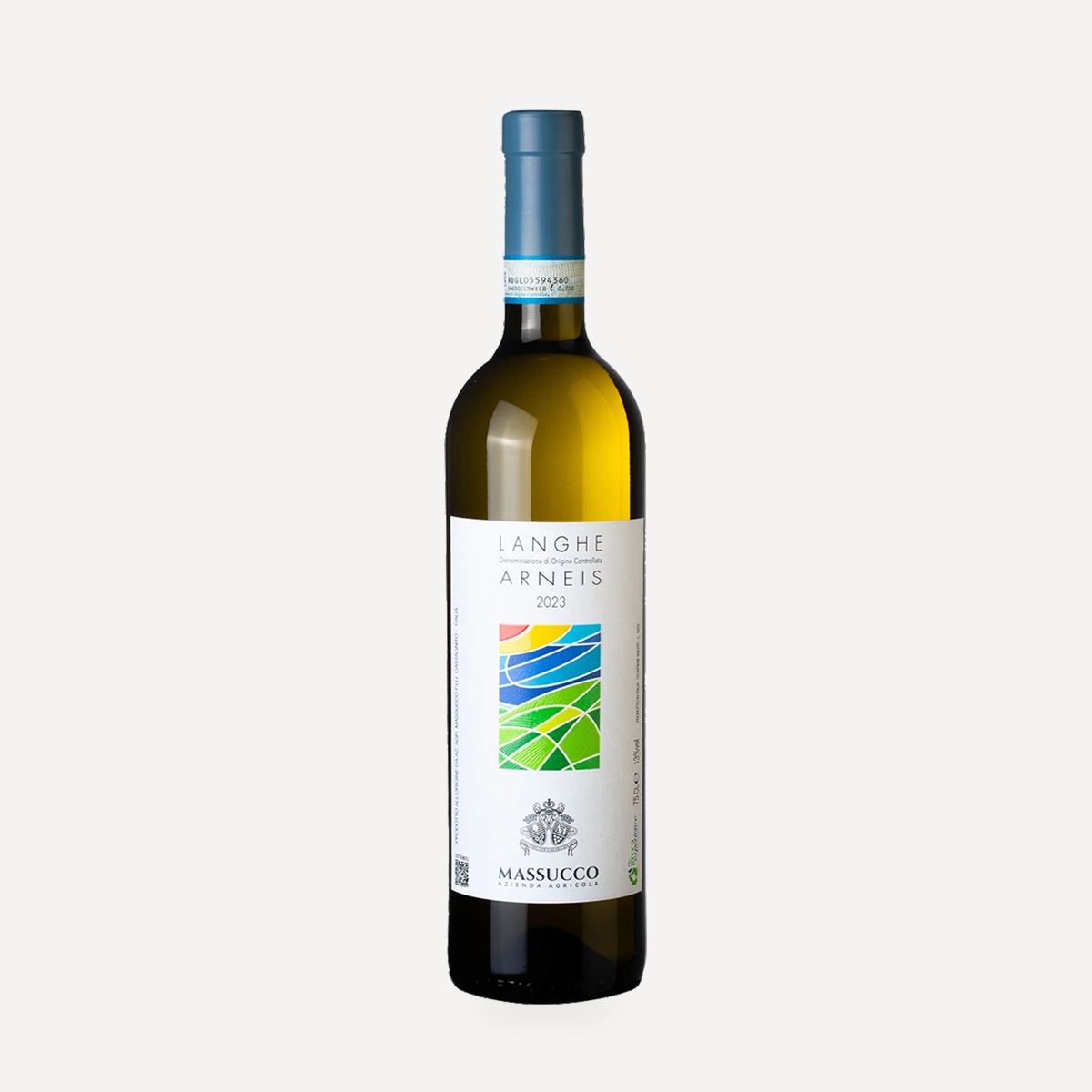
Langhe Arneis D.O.C.
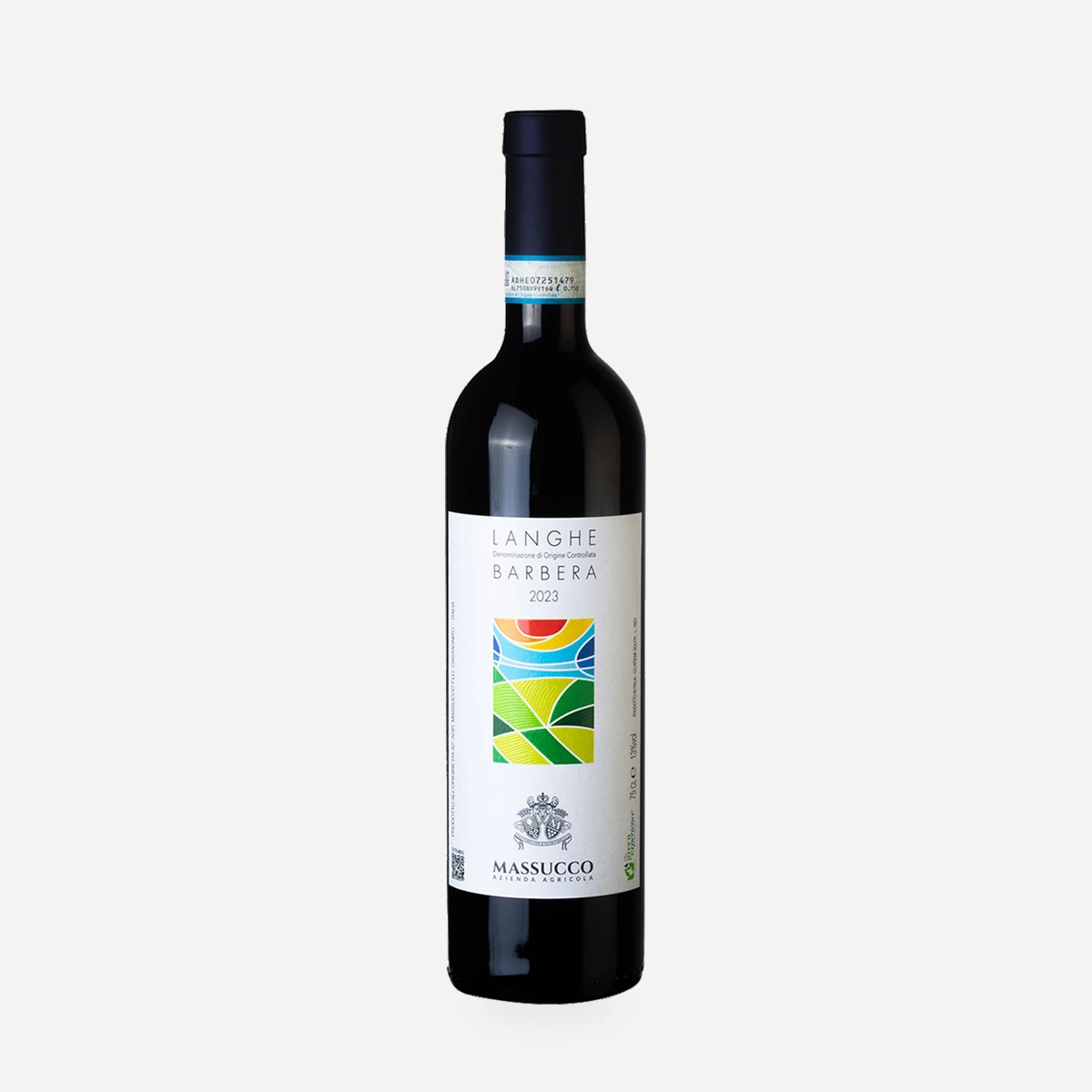
Langhe Barbera D.O.C.
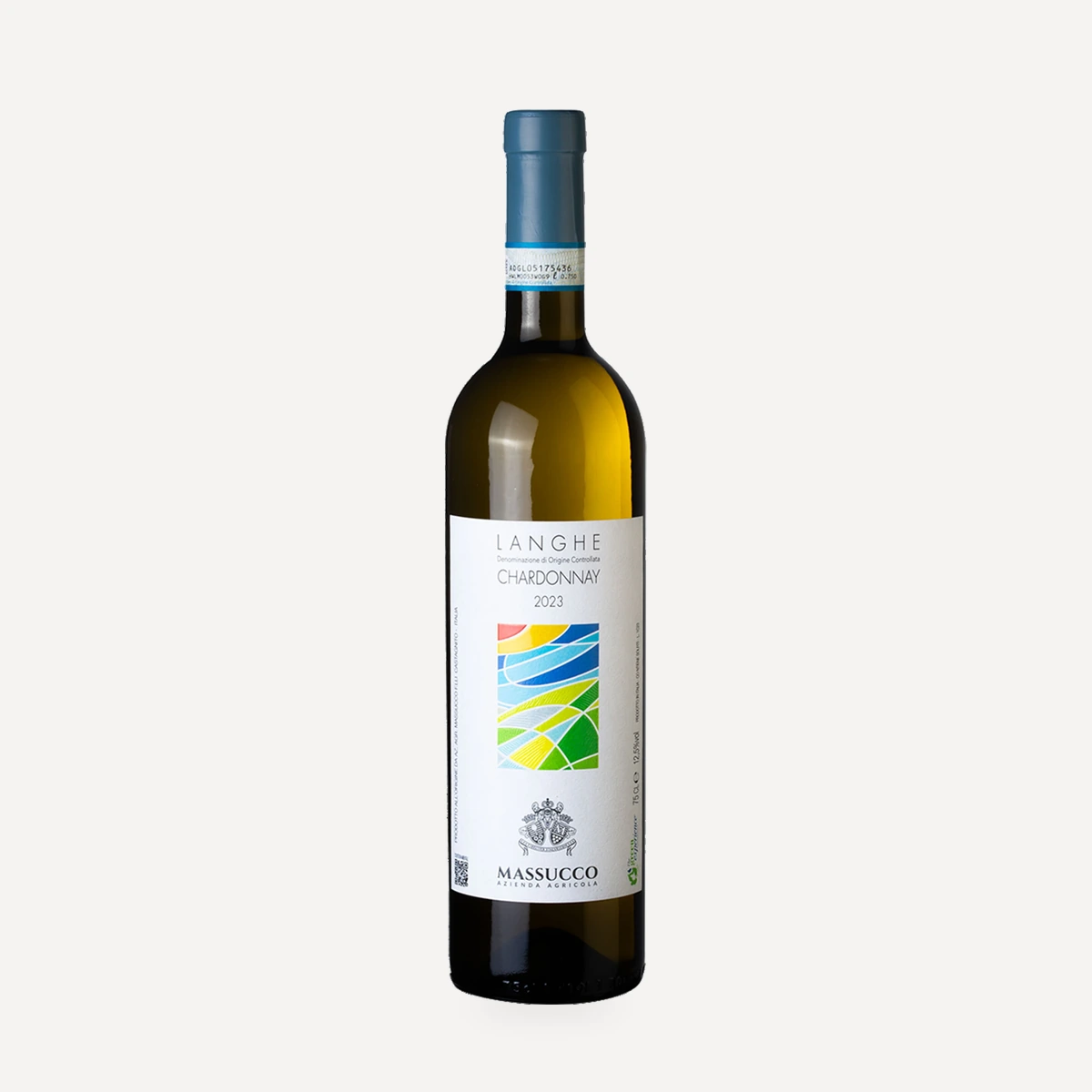
Langhe Chardonnay D.O.C.
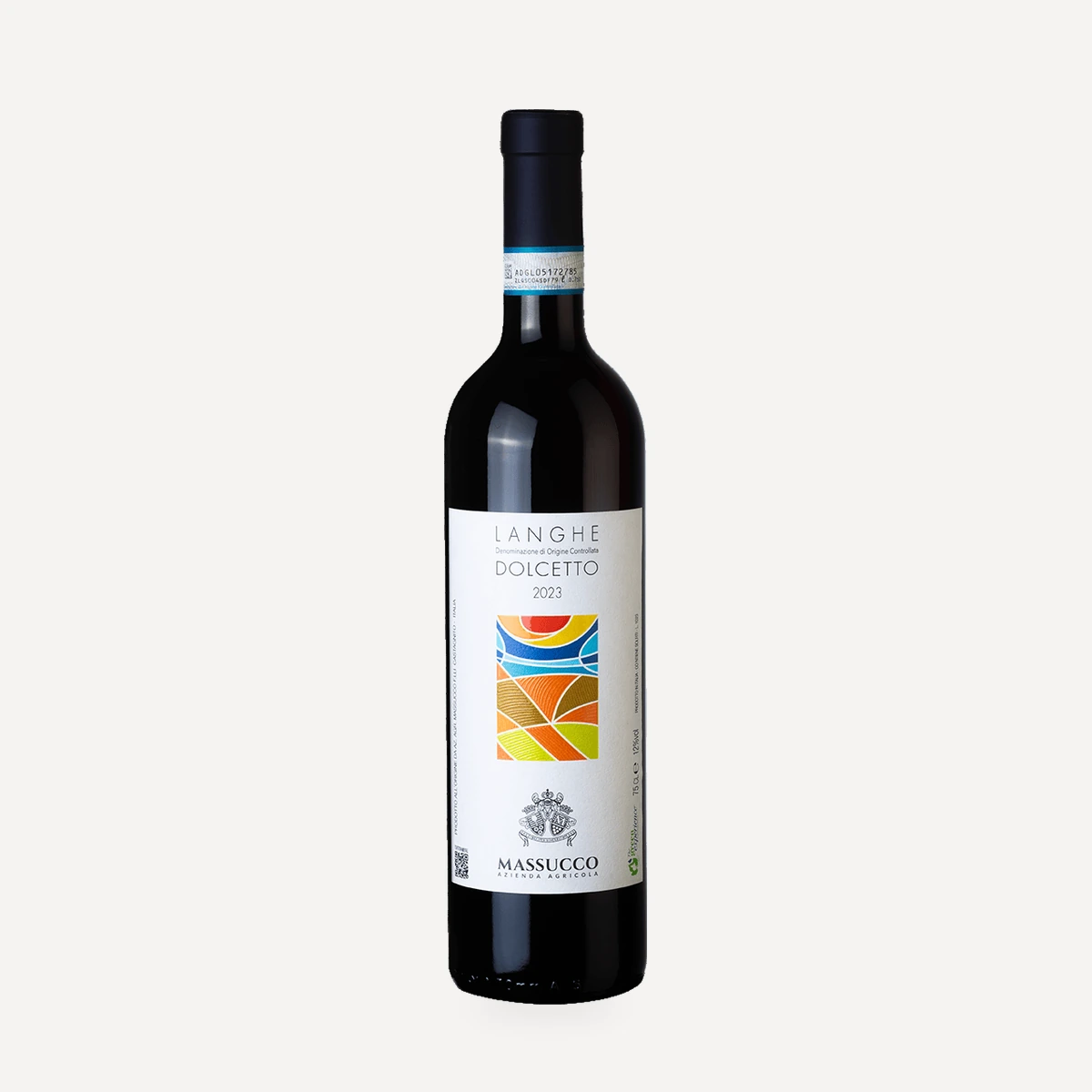
Langhe Dolcetto D.O.C.
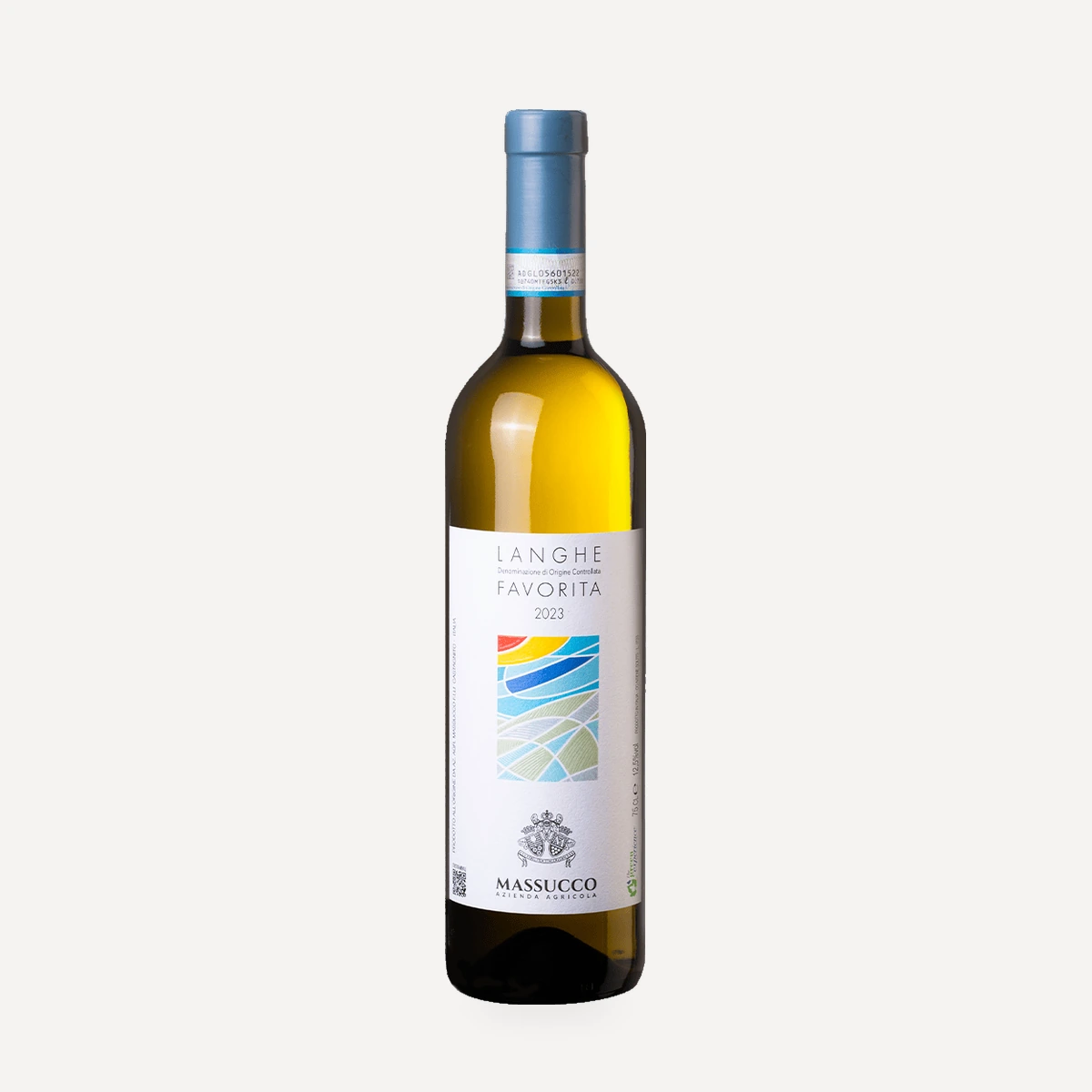
Langhe Favorita
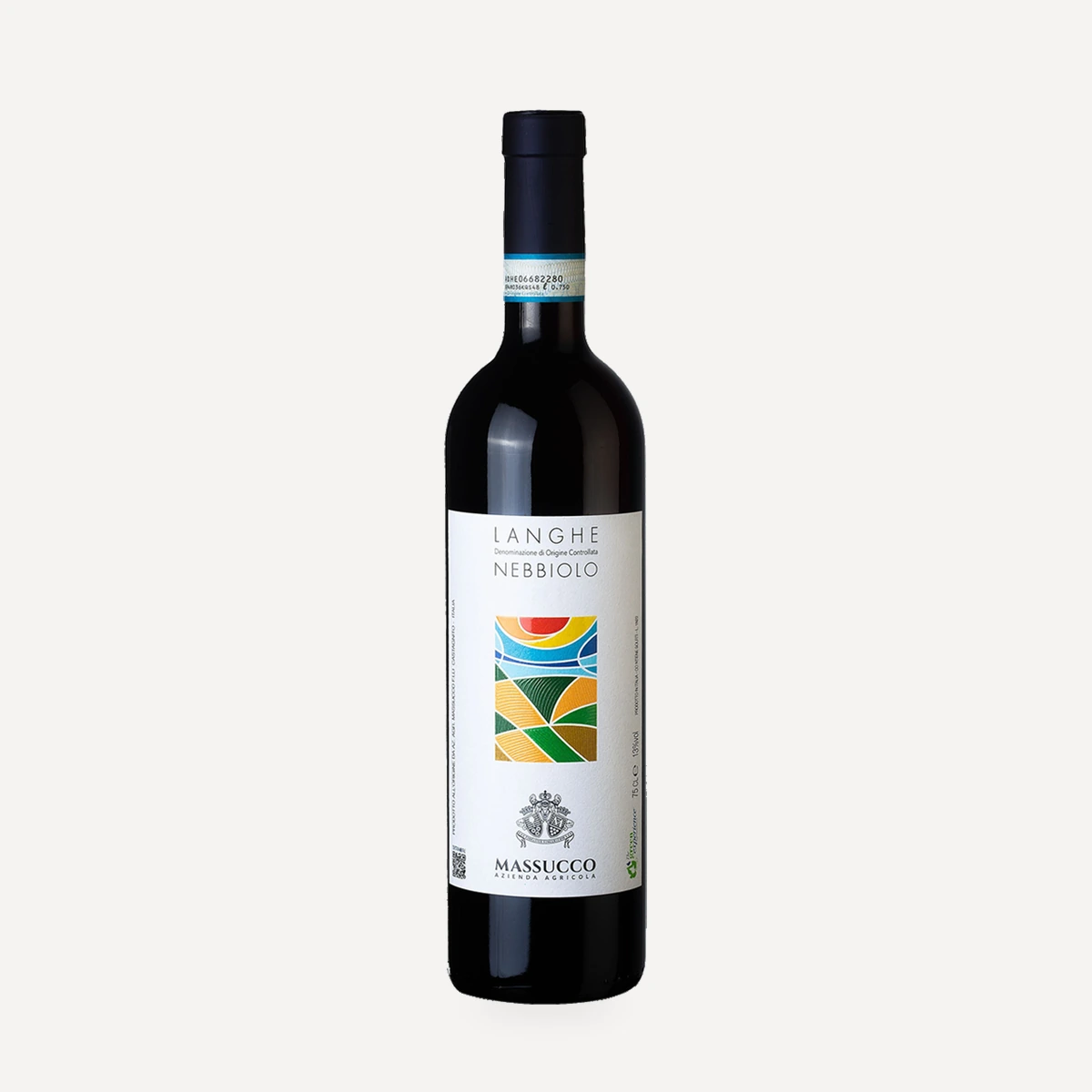
Langhe Nebbiolo D.O.C.
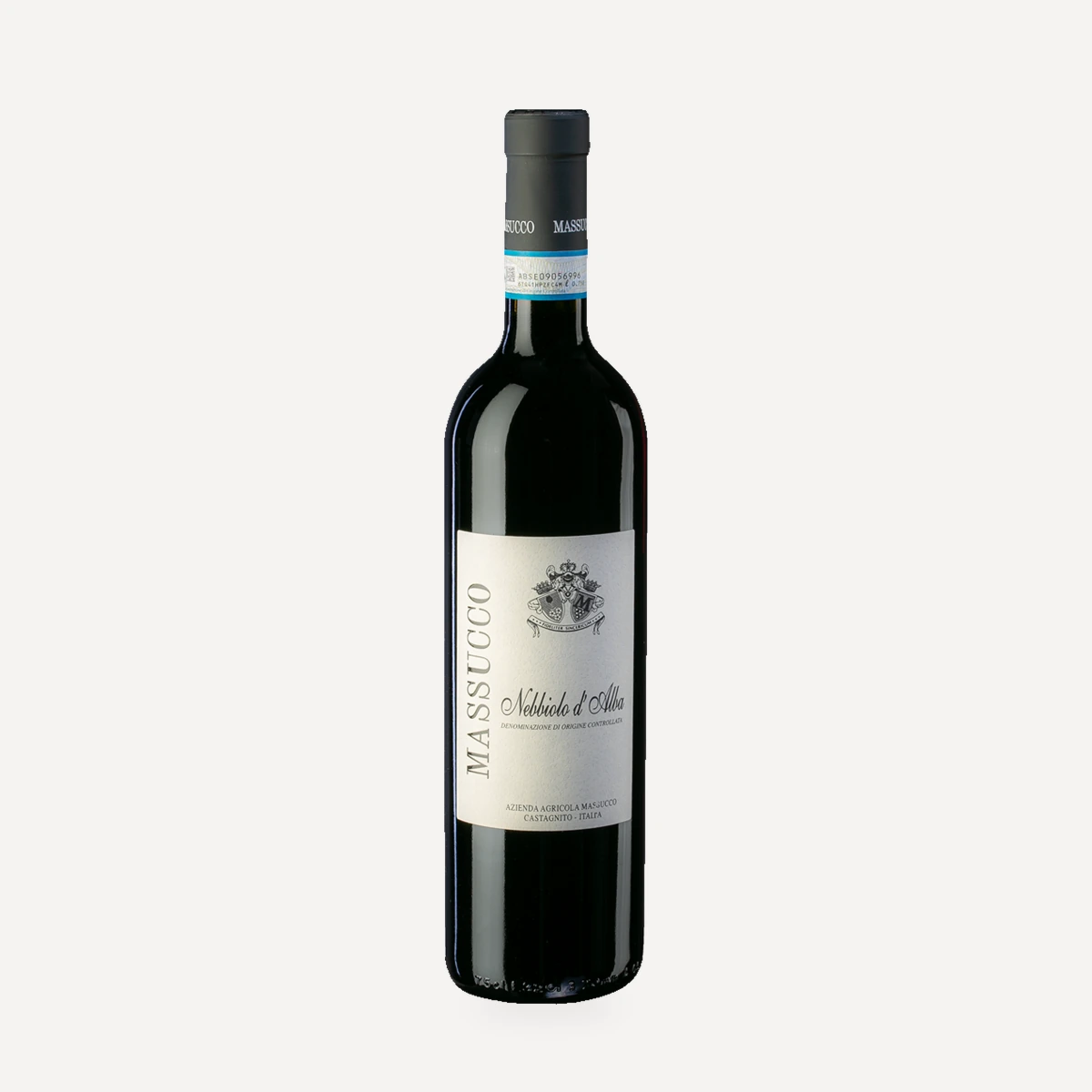
Nebbiolo d'Alba D.O.C.
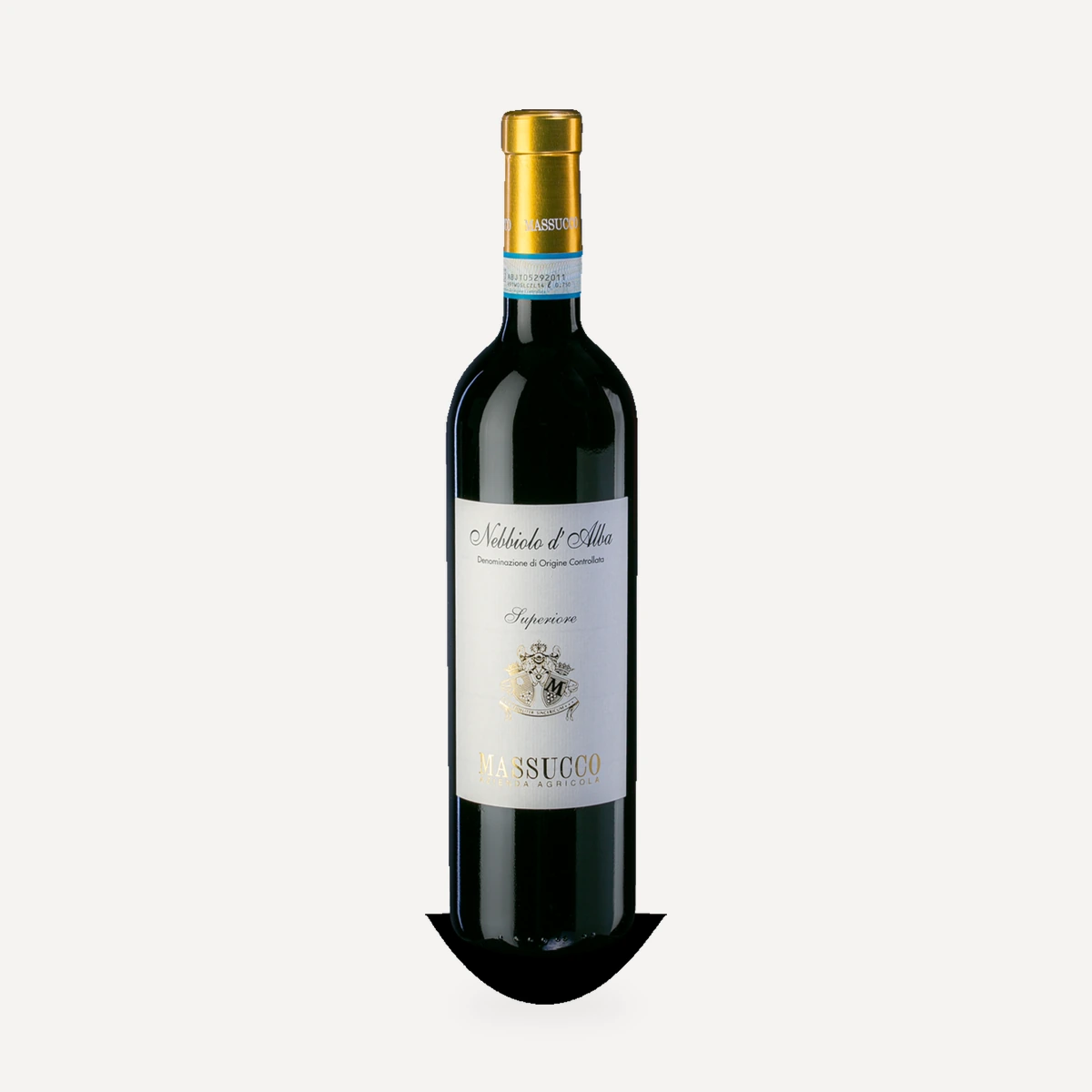
Nebbiolo d'Alba Superiore
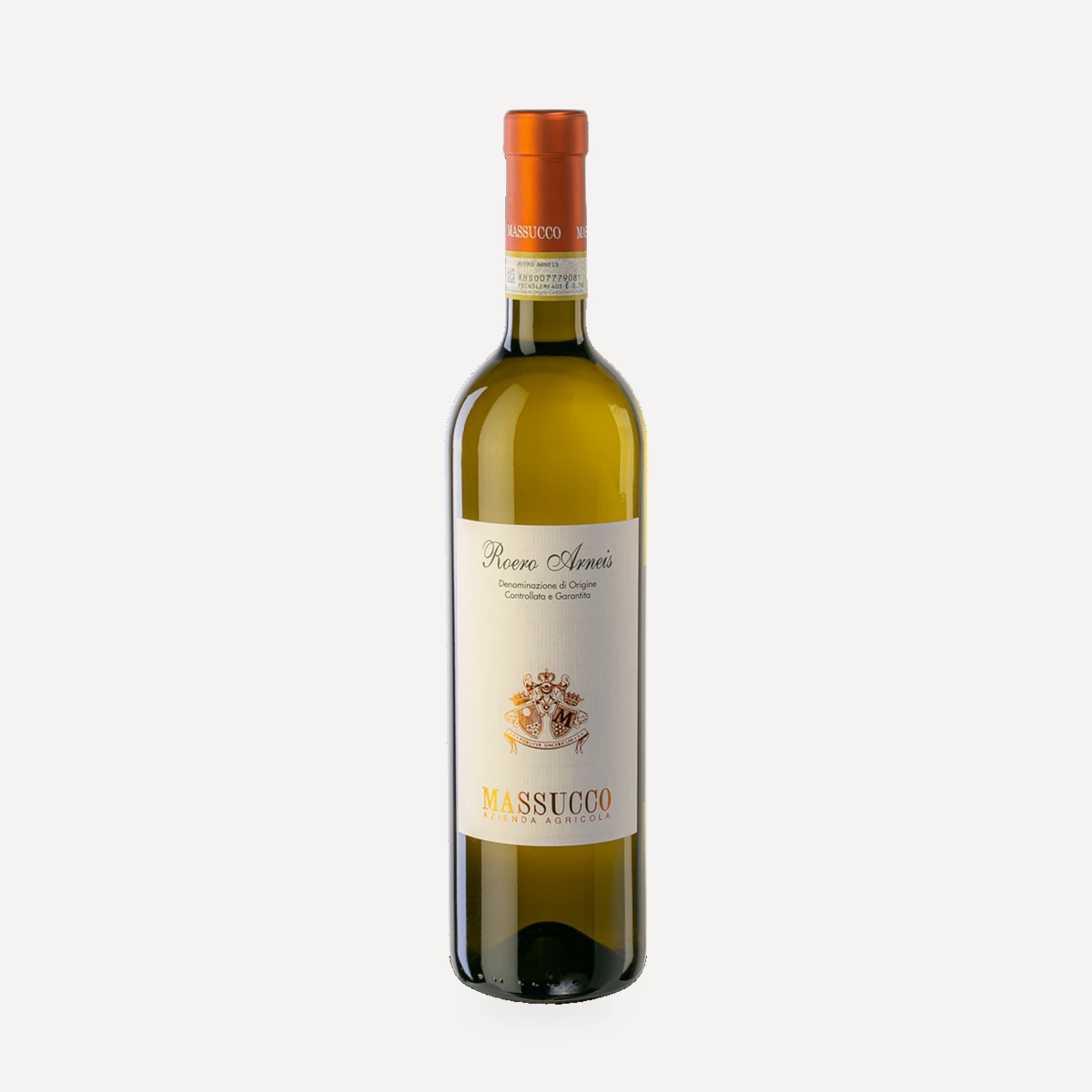
Roero Arneis D.O.C.G.
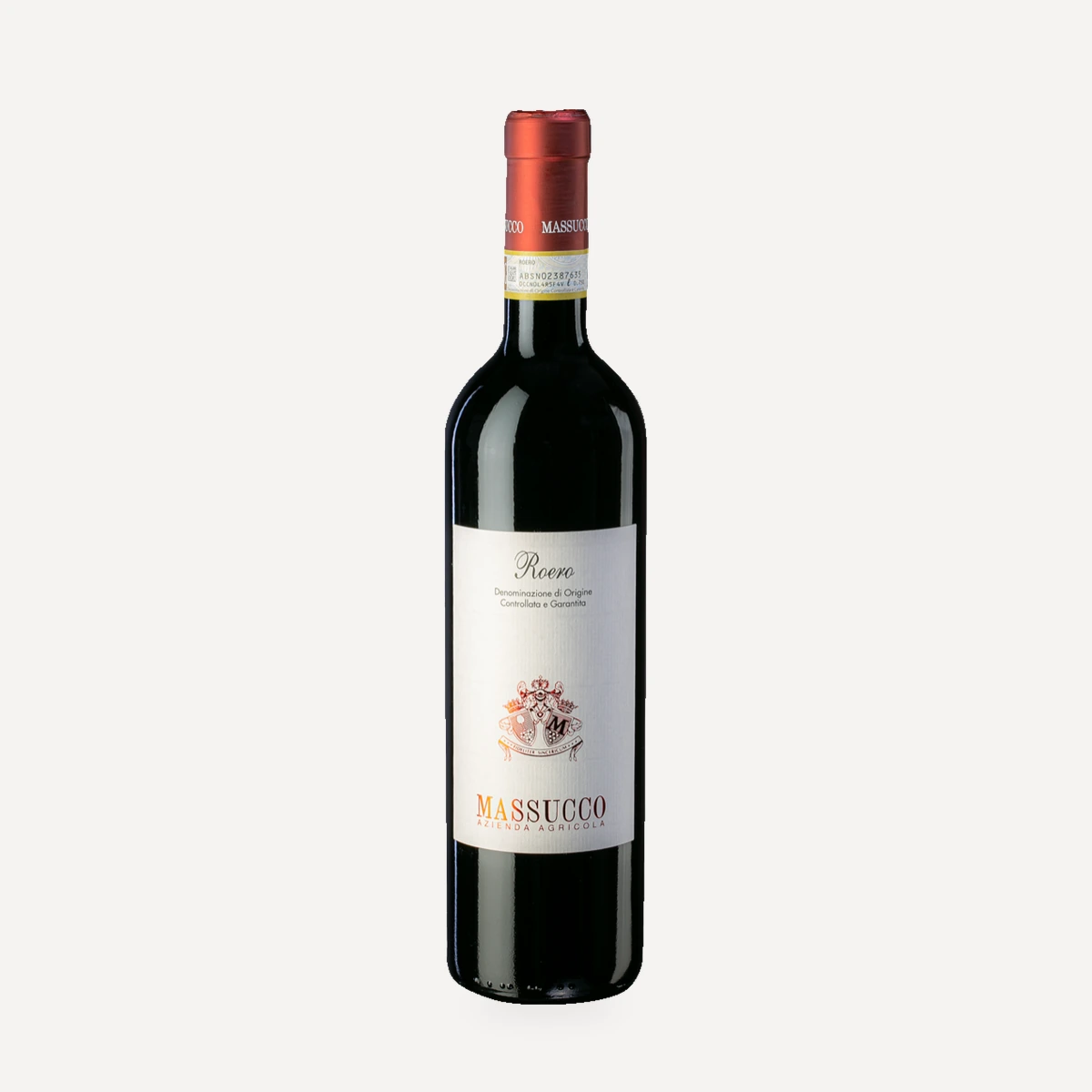
Roero D.O.C.G.
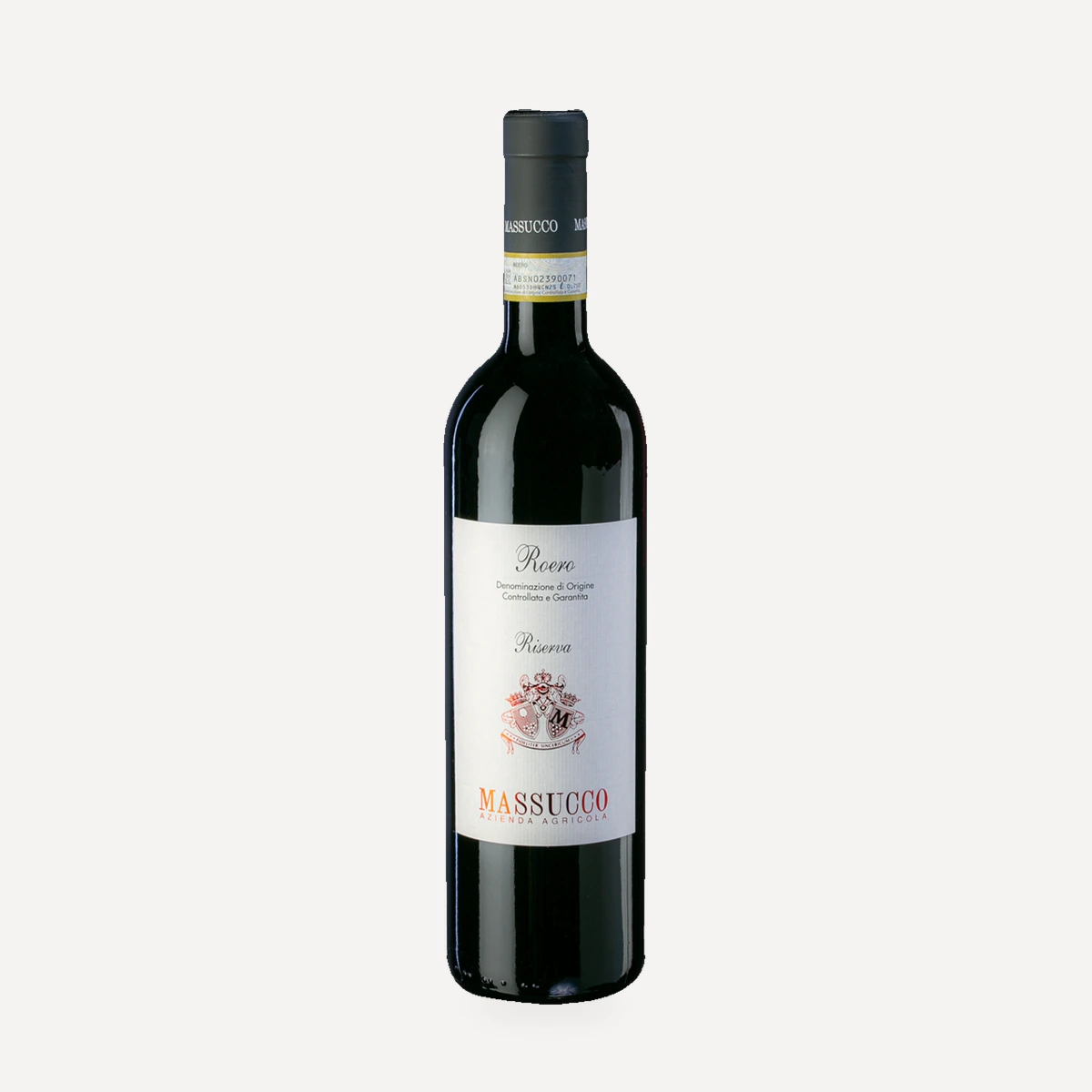
Roero Riserva D.O.C.G.
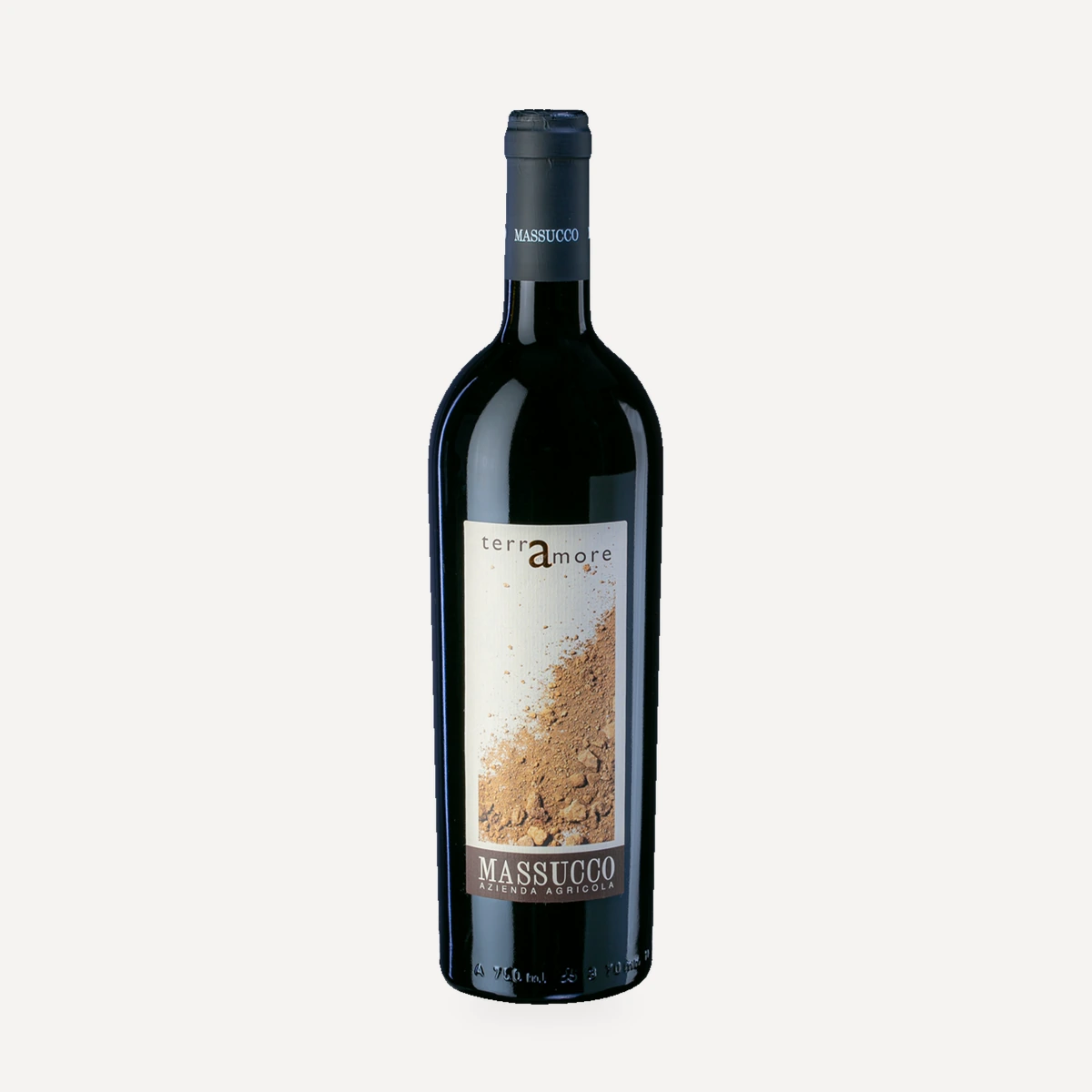
Terramore
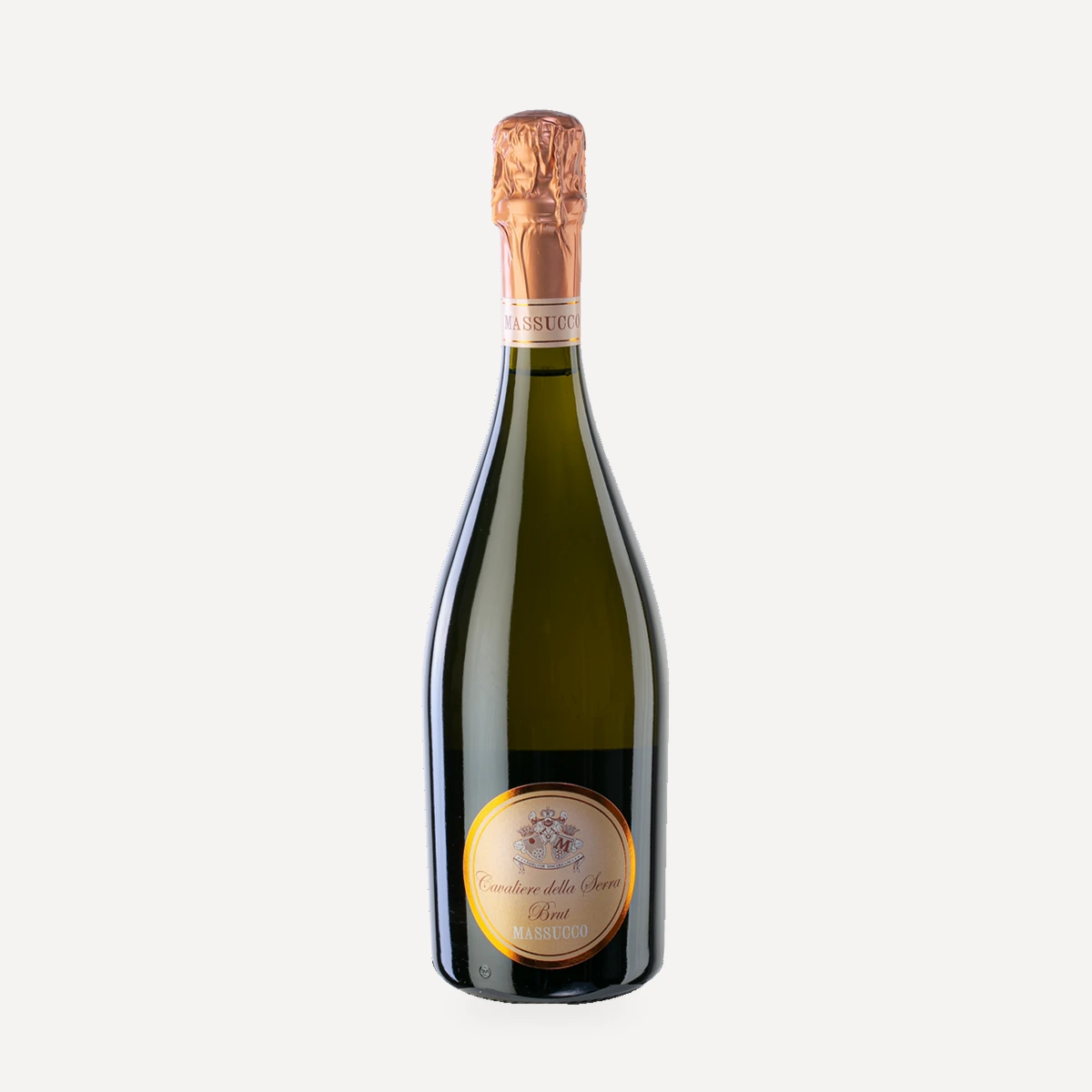
Cavaliere della Serra Metodo Martinotti