Storia
Establishment of the estate: 1962–1969
Alessandro Baroni acquired the approximately 22-hectare property in 1962. He retained much of its olive-growing area and began establishing vineyards with the traditional mixed assortment associated with Chianti Colli Aretini: predominantly Sangiovese and Canaiolo, accompanied by smaller proportions of Malvasia, Trebbiano, Passerina and other varieties.
At the beginning of this period, brothers Amato, Piero and Pasquale Baglioni formed the resident farming family. They tended the olive trees under a sharecropping arrangement and worked the remainder of the property as employees.
The first vineyards were planted between 1965 and 1969. These mixed vineyards covered 3 hectares and followed the older Chianti Colli Aretini model. Sangiovese grew together with Canaiolo, Colorino, Trebbiano, Malvasia and Passerina rather than in single-variety blocks.
The 1985 frost
A severe frost in 1985 destroyed a large part of the olive groves. The damage led the Baglioni farming family to leave the property.
New vineyards and diversification: the late 1990s and early 2000s
Newer vineyards were planted at the end of the 1990s. One planting, dating to 1999, paired approximately 30 rows of Sangiovese with three rows of Merlot, reflecting the contemporary interest in combining Tuscan and French varieties. A small separate plot recreated the mixed composition of the older Chianti-style vineyard.
Alessandro Baroni’s daughter Alessandra joined the operation in the early 2000s. Her arrival brought two important changes: the adoption of organic cultivation and the renovation of agricultural outbuildings and the farmhouse in preparation for agritourism.
Formation of Matrignano: 2017
In 2017 Alessandro’s other daughter, Gianna, and her husband Pierfrancesco formed the Matrignano company and assumed operational responsibility. They completed improvements to the cellar and technical rooms required for transforming wine and packaging the estate’s products. They also experimented with hemp and flax cultivation.
The same year marked the beginning of a systematic recovery of vineyards that had previously been managed for maximum output and then abandoned. Posts and wires were replaced, while gradual, carefully considered pruning redirected the vines toward fruit quality and the preservation of their varietal identity.
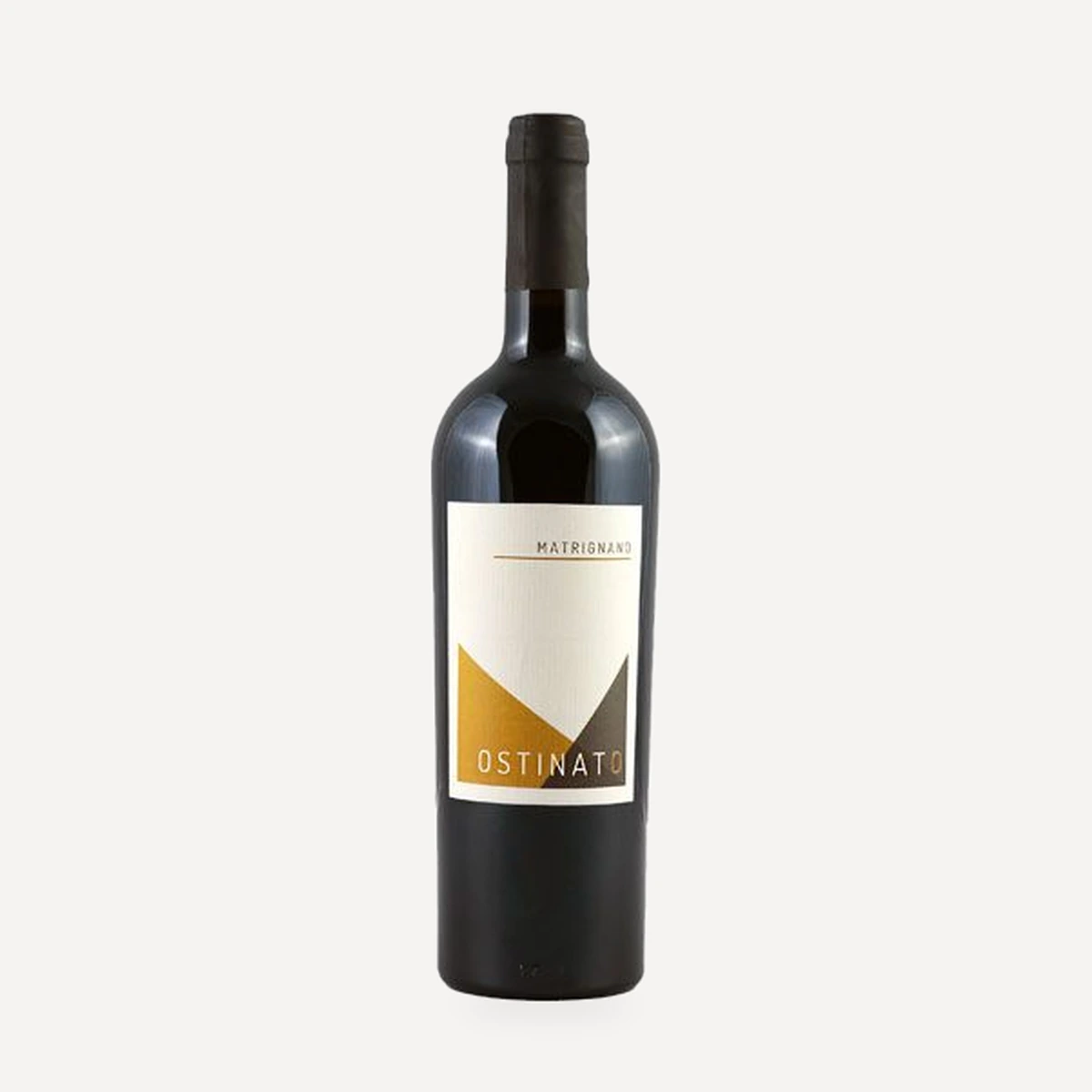
Amato 2017, made from selected Sangiovese and Merlot, became Matrignano’s first bottled wine.
A new generation joins: 2018
At the end of 2018, Gianna and Pierfrancesco’s daughter Bianca Laura and her partner Giacomo joined the company. Both had university backgrounds in architecture and design, while sharing a longstanding interest in nature, practical rural work and biological rhythms. Their arrival added new skills to the family operation.
The 2018 olive harvest also produced the estate’s organic extra-virgin olive oil from hand-picked fruit.
Agritourism reopens: 2019
The agritourism operation reopened in 2019, completing a project Alessandro Baroni had envisaged approximately 20 years earlier. Hospitality became another expression of the family’s connection to the property alongside wine, olive oil and agricultural experimentation.
Matrignano is now operated as a family agricultural company whose work combines the preservation of old mixed vineyards, organic cultivation, low-intervention cellar practices and the development of the estate’s hospitality activities.
Terroir
Matrignano’s vineyards occupy predominantly the southwestern side of the property at elevations between 250 and 400 metres above sea level. The vineyard area is divided into approximately ten plots whose altitude, vine age and varietal composition differ.
Most—described as virtually all—of the agricultural soils apart from an arable plot consist of galestro or bisciaio, identified as marly schist. The slopes are steep, encouraging regular drainage of rainwater and keeping the ground from remaining damp. These conditions are associated with reduced pressure from esca, downy mildew and powdery mildew.
Individual winegrowing descriptions characterize the vineyard soils as calcareous and consistently identify southwestern row exposure. The younger plantings occupy elevations around 250–300 metres, while the old mixed vines extend across the broader 250–400-metre range.
Vinificazione
All 6 hectares of vineyard are farmed organically, and the winegrowing descriptions identify the vineyards as organically certified. Vineyard treatments against downy mildew and powdery mildew rely on sulfur, copper and horsetail macerate or other plant infusions.
When the current team began caring for the vineyards in 2017, it inherited vines affected first by cultivation directed toward maximum production and then by abandonment. The recovery program replaced posts and wires and applied gradual, carefully considered pruning intended to improve fruit quality without imposing abrupt changes on the vines.
Pruning and selection at harvest are treated as the foundation of wine quality. Only healthy, mature fruit is admitted to the cellar. Harvesting is manual, with grapes collected in crates. Training across the property consists of spur-pruned cordon and Guyot, varying by plot. The steep, well-drained galestro and bisciaio soils help prevent persistent humidity and limit conditions favorable to esca, downy mildew and powdery mildew.
Matrignano follows a low-intervention approach in which most quality decisions are made in the vineyard through targeted pruning, healthy ripening and selection during harvest. Grapes are picked by hand into crates and must be sound and mature when they enter the cellar.
Fermentations rely exclusively on indigenous yeasts carried on the grapes; selected commercial yeasts are not added. Fermentation temperatures are not controlled, and the process is allowed to continue for as long as the native yeasts require to convert the sugars. Depending on the lot, vinification and maturation take place in stainless steel or cement. Mechanical destemming, crushing and pressing are employed where required, while red-wine cap management can consist solely of pump-overs.
Across the range, the cellar avoids stabilization, filtration and corrective treatments. Sulfur dioxide is used sparingly, with product descriptions specifying an addition of 3 g/hl at bottling and finished totals of 10–12 mg/l. Still wines may mature in stainless steel or cement, followed in some cases by bottle ageing. The historical mixed-vineyard fruit is harvested together, co-fermented in cement and rested in cement for at least one year.
Filosofia
Matrignano’s guiding aim is to make its products a direct, unfiltered expression of its land and of the seasons in which they develop, connecting care of the soil with the final transformation in the cellar. The family describes natural cultivation not as an isolated technique but as the estate’s vocation.
The approach places the decisive work in the vineyard: thoughtful pruning, gradual recovery of neglected vines, attention to varietal character, healthy ripening and selection during harvest. The cellar is intended to accompany this work with indigenous fermentation, no temperature control, minimal sulfur and the avoidance of conventional stabilization, filtration and correction.
The old mixed vineyards occupy a central place in this outlook. They are preserved as living records of the hill’s viticultural history and as the most direct expression of the ground in which they are rooted. Family continuity, practical learning and respect for natural rhythms also shape the operation: members work across the vineyard, cellar, buildings, administration and public representation rather than maintaining rigidly separated roles.
Vini
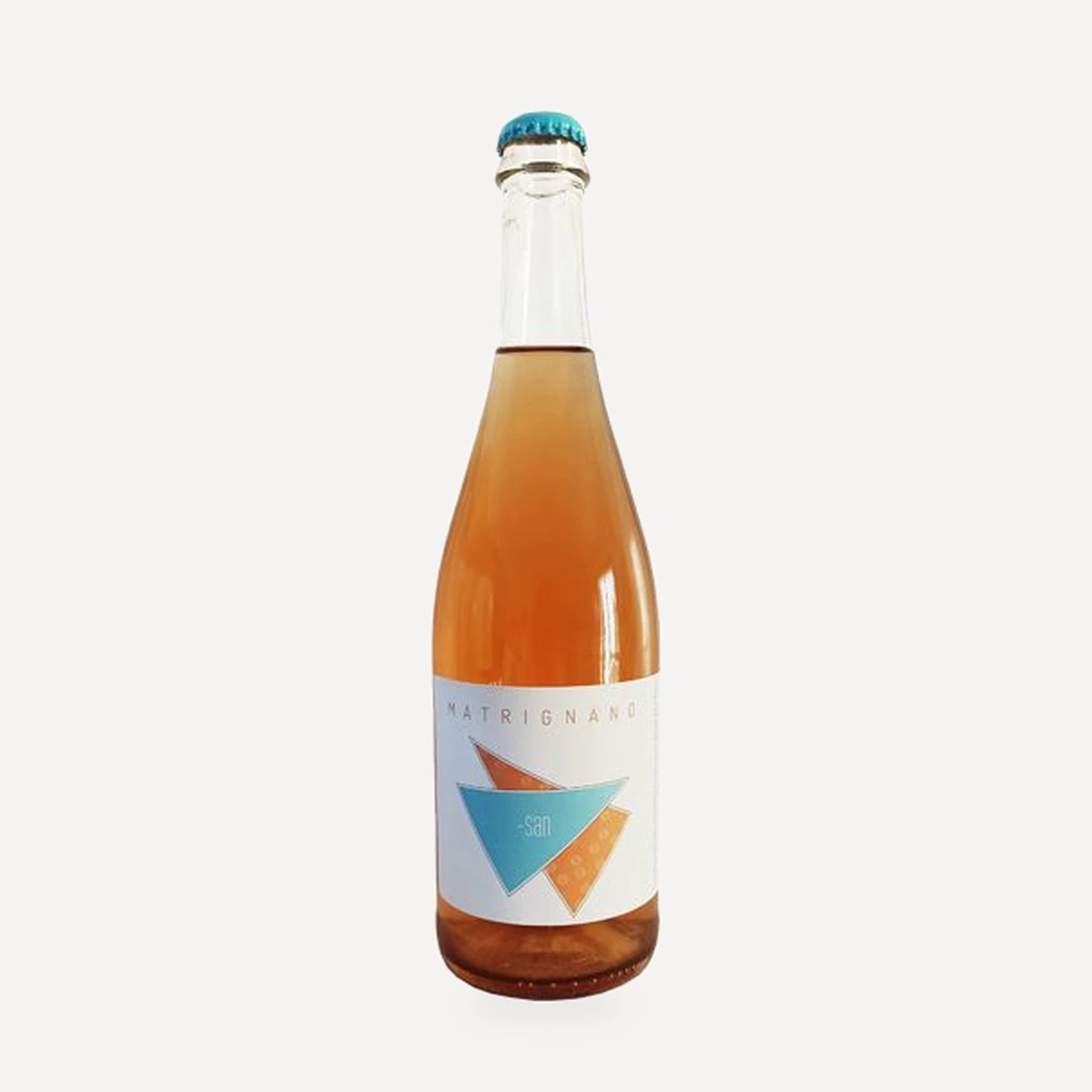
-san
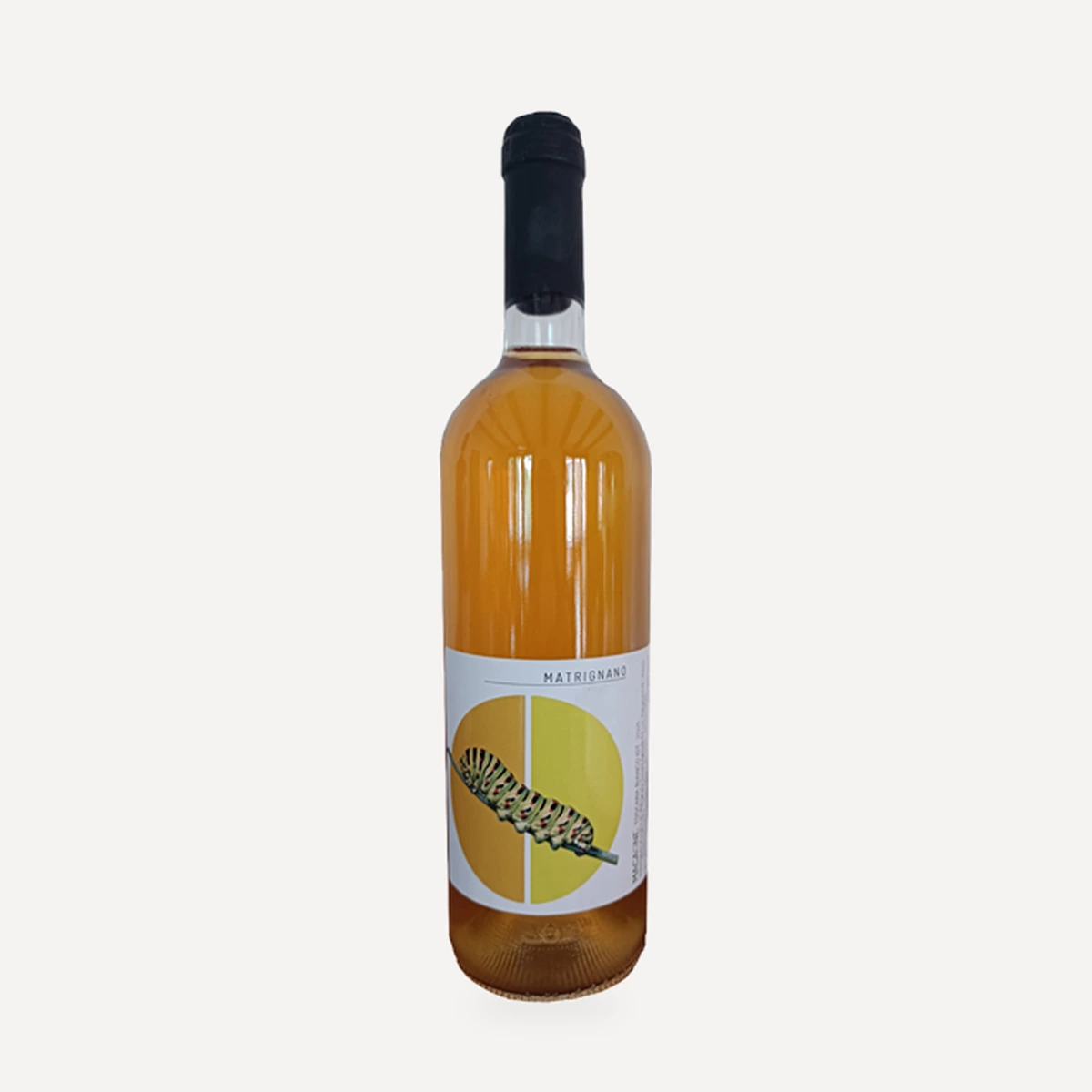
Macaone