Storia
From mixed farming to a quality-wine project
The estate belonged to Giovanni Battista Correggia before passing to his son Matteo. In 1985, at the age of 23, Matteo inherited the land and family farm. Roero was then characterized by mixed agriculture, while most wine was consumed by families and friends. Fruit and vegetables were major crops, and the relatively small quantity of commercial wine was predominantly white.
Matteo chose to concentrate on sustainable, quality-oriented viticulture and to demonstrate the potential of a territory that was still undervalued. His goal was to make wines capable of carrying the Roero name abroad. He accepted practices that met local resistance at the time, including new technology, crop thinning and planting vines in sites not previously considered conventional vineyard land.
Roberto Voerzio and Elio Altare noticed his work and began advising him. Matteo subsequently became the only producer from outside Barolo associated with the Barolo Boys. He shared their commitment to change but did not simply reproduce their winemaking style, considering it unsuitable for the especially elegant and floral expression of Nebbiolo obtained from Roero’s sandy terrain.
1987: individually named vineyards
Matteo was ahead of many local growers in separating and naming vineyard sites. In 1987 the first crus, Marun and La Val dei Preti, were created: Marun from Barbera and La Val dei Preti from Nebbiolo. The latter’s first vintage was released as Nebbiolo d’Alba. Ròche d’Ampsèj later became the first wine bearing the Roero denomination to be exported overseas.
Labels, art and international varieties
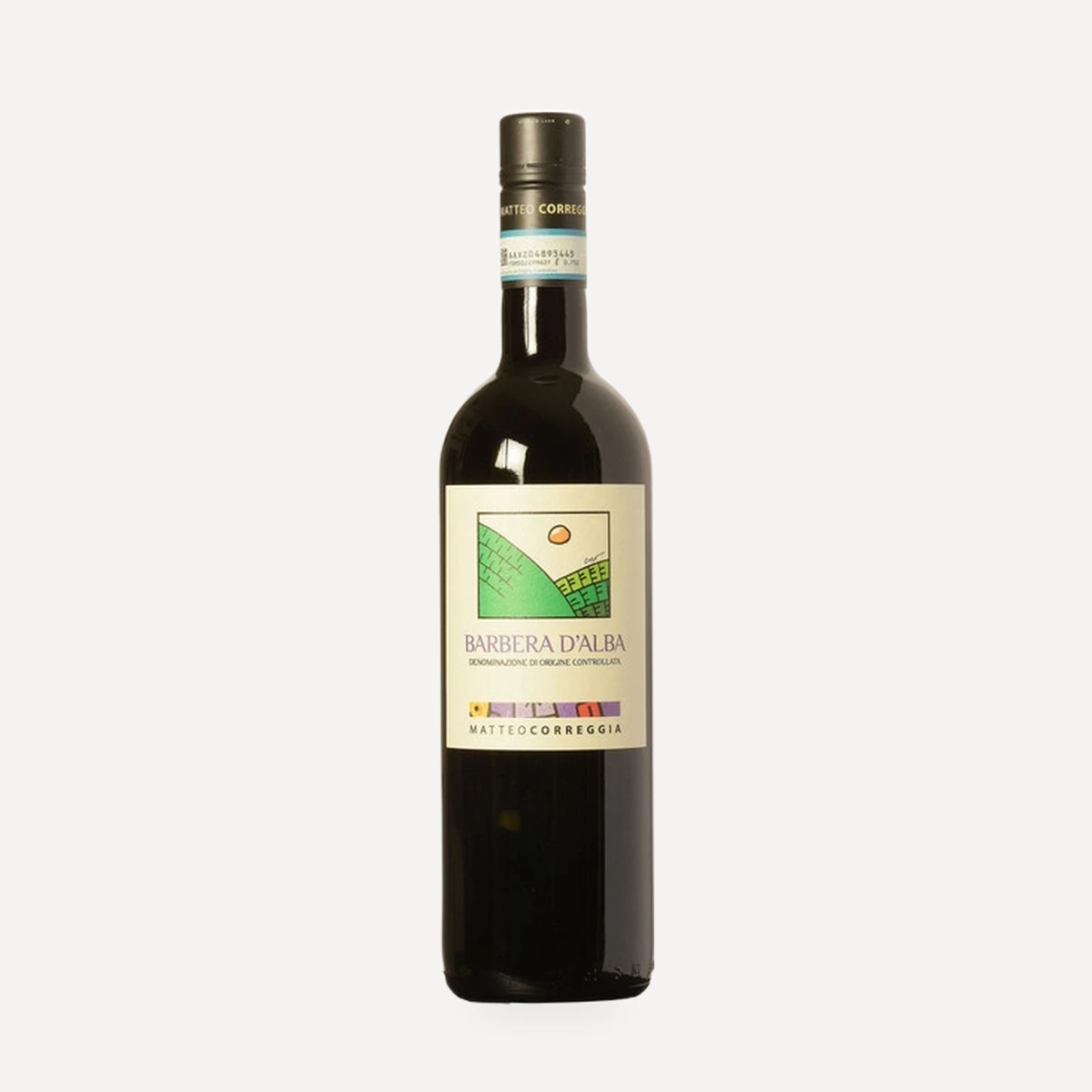
In 1989 Matteo approached the emerging Slow Food movement for ideas about label design. Through that circle he met Uruguayan artist Coco Cano, beginning a collaboration that continued with the Correggia family for decades. Cano’s art became the basis of the estate’s labels, while the relationship later expanded to limited-edition screen prints, slate engravings, dedicated graphics and the broader Correggia Cultura project.
The oldest Sauvignon vines date to 1993, and their first official vintage was 1999. The project was conceived as a comparison not merely with neighboring white wines but with Sauvignon from around the world. Matteo also planted a mix of French red varieties in the deep gray-marl soils associated with Le Marne Grigie.
In 1996, La Val dei Preti brought Matteo his first Tre Bicchieri recognition. In November 1997, iron artisan Gino Scarsi reproduced a vine selected in the estate vineyards as a forged artwork for Matteo.
Luca Rostagno joins the cellar
Luca Rostagno graduated from the Oenological School of Alba in 1998. From summer 1998 to summer 2000, he worked at Agricola Albese as an agronomic technician and analytical-laboratory manager, meeting Matteo there as a customer. Their decisive encounter came at Vinitaly in 2000, when Matteo recognized Luca’s passion and invited him to join the cellar. Luca’s first season included work in both vineyard and winery and his first harvest alongside Matteo.
Matteo became Luca’s guide and mentor, teaching him to work not only for the estate’s interests but for the advancement of the whole territory. Giorgio Rivetti later supported Luca and involved him in Langa-In activities. Luca broadened his experience through travel and study, including Bordeaux harvest work, Burgundy in 2004, Châteauneuf-du-Pape in 2007, Australia in 2008, Champagne in 2009, Bordeaux again in 2010 and the Loire in 2014. Techniques encountered during these journeys were subsequently tested in the Correggia cellar.
2001: continuation under Ornella and the family
Matteo died in June 2001 while working in the vineyards. His wife Ornella Costa Correggia took responsibility for continuing the estate, supported by Luca, the wider team and grower friends who rallied around the family for the following harvest. The family retained Matteo’s emphasis on innovation, affection for Roero and respect for its land.
Giovanni Correggia, born in May 1992, grew up observing grapes arrive at the cellar and clusters being checked on a traditional sorting table before pressing. At 14 he chose the Oenological School of Alba. After six years of study, he began full-time work at the family estate immediately after his final examination, officially joining in July 2012 under Luca’s guidance. In 2014 he spent four months working in a Barossa Valley winery. His present responsibilities span cellar work, summer vineyard work and international promotion.
Brigitta Correggia divides her time between the family business and her studies. Together with Giovanni, she later created APAPÀ as a project inspired by their father’s appetite for experimentation: Giovanni determined the production concept and Brigitta its presentation.
Screw-cap research and continued experimentation
Luca’s experience with Australian and New Zealand wines during his 2008 honeymoon inspired an estate-wide investigation of screw caps. Practical trials began in March 2009 and were extended progressively as wines were bottled. In 2011 the estate acquired a dedicated capping machine and released its first 5,000 officially screw-capped bottles.
A change to the DOCG rules in 2012 allowed screw caps to be used for Roero. The closure subsequently expanded to 50% of total production. The estate links it to protection against cork taint, longer retention of freshness and aroma, and the possibility of bottling with lower total sulfur dioxide.
Marun’s planting pattern also became the subject of experimentation in 2011. To moderate Barbera’s vigor, density was raised from 5,000 to 8,000 vines per hectare, increasing competition among vines and reducing the number of clusters produced by each plant.
Wine, visual art and culture
Gino Scarsi created a second vineyard-inspired installation for Ornella in June 2013, forging a stainless-steel bunch entitled La Pianta d’Uva. Coco Cano and the estate began developing Correggia Cultura in 2016 to explore the relationship between wine and culture. A redesigned label series followed in January 2017, using fragments of Cano’s art within a shared visual interpretation of the Roero hills.
Librottiglia, developed with Reverse Innovation, joined small-format bottles to short literary works through label-books. The project brought wine, writing, illustration, tactile paper and packaging design into a single collectible format and received nine international design distinctions.
The family has also extended its work to Alta Langa. A vineyard at 650 m in Benevello supplies the Severina project, named for Matteo’s mother. Ornella connects it with her own family origins and childhood in Alta Langa, while the high site forms part of the estate’s response to changing climatic conditions.
Terroir
Roero and the legacy of the sea
The estate is based at Canale d’Alba in southern Piedmont, with directly managed vineyards in the varied Roero landscape and an Alta Langa site at Benevello. Roero combines the exposed formations of the Rocche, cultivated slopes, centuries-old chestnut groves, orchards, woodland and fields.
Millions of years ago, salt water extended toward the Alps before gradually withdrawing. It left immense sand deposits containing shells and other marine sediments, alternating with compact, impermeable marl rich in fossils. These former seabeds became the hills of Roero. The territory is geologically younger than the neighboring Langhe.
The Tanaro and the Rocche
Approximately 250,000 years ago, the Tanaro changed course and its bed dropped by 80 m. The event, known as the capture of the Tanaro, redirected local watercourses toward the new river valley and triggered large landslides. Erosion cut dry ravines through the sandy terrain, forming the Rocche: a fragmented plateau of gullies, precipices, deep chasms, sandy pinnacles and natural amphitheaters. The formations continue to change because water readily transports the loose sand.
The sea, the Tanaro and prolonged atmospheric erosion created a wide range of soils and microclimates. Sand is the recurring component, but it is interspersed with silt, clay, gravel, sandstone, gypsum and layers of marl. This variability means that sites planted with the same variety can behave differently. The estate associates the sandy, mineral soils of Roero with finesse, fragrance, intensity and elegance.
Site variation
The directly described sites range from the Sauvignon vineyard at 235–270 m to Le Marne Grigie at 305–316 m. Exposures run from east through south-west, while topography ranges from sheltered lower slopes to warm mid-slope positions and ventilated hilltops. Collina delle Anime shades the Sauvignon site during the hottest summer hours. Marun occupies a particularly windy summit, and Ròche d’Ampsèj lies partly within the Rocche in a warm sector where Scots pine is a notable feature.
The Alta Langa vineyard at Benevello lies in a natural amphitheater at 650 m. Its elevation allows Pinot Nero and Chardonnay to mature while retaining acidity and aromatic freshness under present climatic conditions.
In 2014, the wider winegrowing landscapes of Langhe-Roero and Monferrato entered the UNESCO World Heritage List. The designation comprises six areas, 29 municipalities and 10,789 ha across the provinces of Alessandria, Asti and Cuneo.
Vinificazione
The estate directly manages 20 ha of vineyards under organic farming. Vineyard cultivation is treated as part of a broader ecosystem of vines, Rocche, chestnut woods, orchards, forests and fields, with the aim of preserving the landscape’s natural balance.
Historically, Roero vineyards often contained several varieties together so that acceptable quantities could be obtained even in difficult years. Following vineyard acquisitions, the estate frequently uprooted and replanted vines, matching varieties more carefully to exposure. La Val dei Preti preserves the older mixed-planting tradition, while newer vineyard organization emphasizes site and variety.
Soil protection and fertility
All vineyards are fully grassed with grasses because steep slopes and sandy soils are vulnerable to erosion. Alternate rows are ripped in autumn. After mowing or shredding, grass and pruning residues remain on the ground to protect and nourish it. Under-row cultivation is mechanical. Fertilization uses organic products, while disease control relies on natural systems and continuing research into vine health.
Training and pruning
Vines are vertically trellised and generally Guyot-trained; Le Marne Grigie uses spurred cordon. Pruning is entirely manual and follows the traditional local testa di salice or willow-head model, intended to keep the whole permanent structure active and reduce necrosis that could obstruct sap flow. Winter pruning is normally completed by February while the vine is dormant. Between February and March, the fruiting cane is bent along the wire.
Spring and summer canopy work is managed carefully to prevent crowded vegetation and sunburn on young clusters. Crop thinning begins around veraison: selected clusters are removed so the vine can concentrate on the remaining fruit and bring it to full maturity.
Harvest decisions
During the final weeks before harvest, the team spends substantial time in each vineyard tasting grapes and observing leaves, surrounding grass and plant condition. These observations are considered together with weather forecasts and each site’s behavior in earlier vintages to determine whether the vine can continue ripening or should be picked and to anticipate cellar risks.
Harvesting is exclusively manual. Specialized pickers select clusters in the vineyard and place them in small crates so that healthy, intact grapes reach the cellar. The Benevello Pinot Nero and Chardonnay are harvested at the end of August, while the timing of the Roero sites varies by variety and season.
Organic practice is framed as an obligation to protect customers, workers, animals, existing ecosystems and the land inherited from earlier generations. No certification organization, certification date or conversion period is identified.
The central cellar objective is to preserve the quality achieved in the vineyard and express the finesse and elegance associated with Roero’s sandy, mineral soils. Winemaking has evolved as the team’s understanding of individual vineyards has deepened. Variables explored include harvest timing, fermentation temperatures, maceration duration, the type and dimensions of wood, alternative maturation materials and different closures.
Giovanni’s recollections describe grapes arriving by tractor during his childhood and every cluster being checked on a traditional sorting table before pressing. The four component parcels of Ròche d’Ampsèj—Scaglia, Centrale, Cisterna and Sottostrada—are vinified separately.
Screw caps and sulfur dioxide
The screw-cap program grew from Luca Rostagno’s exposure to Australian and New Zealand wines in 2008. Trials began in March 2009 and were extended progressively through the range. A dedicated capping machine arrived in 2011, together with the first official release of 5,000 bottles. Following a 2012 amendment to the DOCG rules, the closure could also be used for Roero. It now accounts for 50% of total production.
The closure is used to avoid cork taint, retain freshness and aroma for longer, support longevity and permit lower sulfur-dioxide additions. Total SO₂ values are given as 65 mg/L for the estate’s white wines and 80 mg/L for its reds, compared with organic limits of 150 and 100 mg/L respectively and conventional limits of 200 and 150 mg/L. The approach requires healthy grapes and an exceptionally clean, problem-free cellar process.
The cellar also employs stainless steel, large and small wooden vessels, cement and terracotta or ceramic vessels in its broader experimentation. Exact general protocols for crushing, yeast use, malolactic fermentation, clarification, filtration and stabilization are not standardized across the estate’s description; each wine and vintage is treated as an individual path.
Filosofia
Matteo’s guiding idea was that every Roero vineyard has its own history and its own unrepeatable wine because the relationships among people, earth and sky are themselves unrepeatable. This led the estate toward named sites, separate interpretation of vineyards and a refusal to impose winemaking methods developed elsewhere when they obscured Roero’s naturally elegant, floral character.
The family describes its task as showing the difference between merely fermented grape juice and emotion in the glass. Quality begins in the vineyard, where direct observation of plants, soils and weather informs the moment of harvest. The cellar’s role is then to retain that quality, not replace it, while using experimentation to refine the expression of each site and vintage.
Innovation is understood as complementary to terroir rather than opposed to tradition. Examples include denser plantings to control vigor, skin-contact trials for Arneis, screw caps, lower sulfur-dioxide levels, different vessel materials and Giovanni and Brigitta’s amphora-based APAPÀ project. Luca’s travels contribute new methods, but Matteo’s principle of working for the advancement of the wider territory remains central.
Organic farming follows an intergenerational ethic: the land is treated as a gift received from predecessors and held for those who follow. Environmental sustainability therefore includes human health, worker welfare, animals, biodiversity and the established hill ecosystem. Ornella also emphasizes positive thinking, harmony, the growth of younger collaborators and her children’s role as both a link with the past and a source of renewal.
Art is part of this outlook. The long relationship with Coco Cano, the Correggia Cultura program, literary packaging and vineyard-inspired installations position wine in dialogue with painting, writing, music, design and science.
Vini
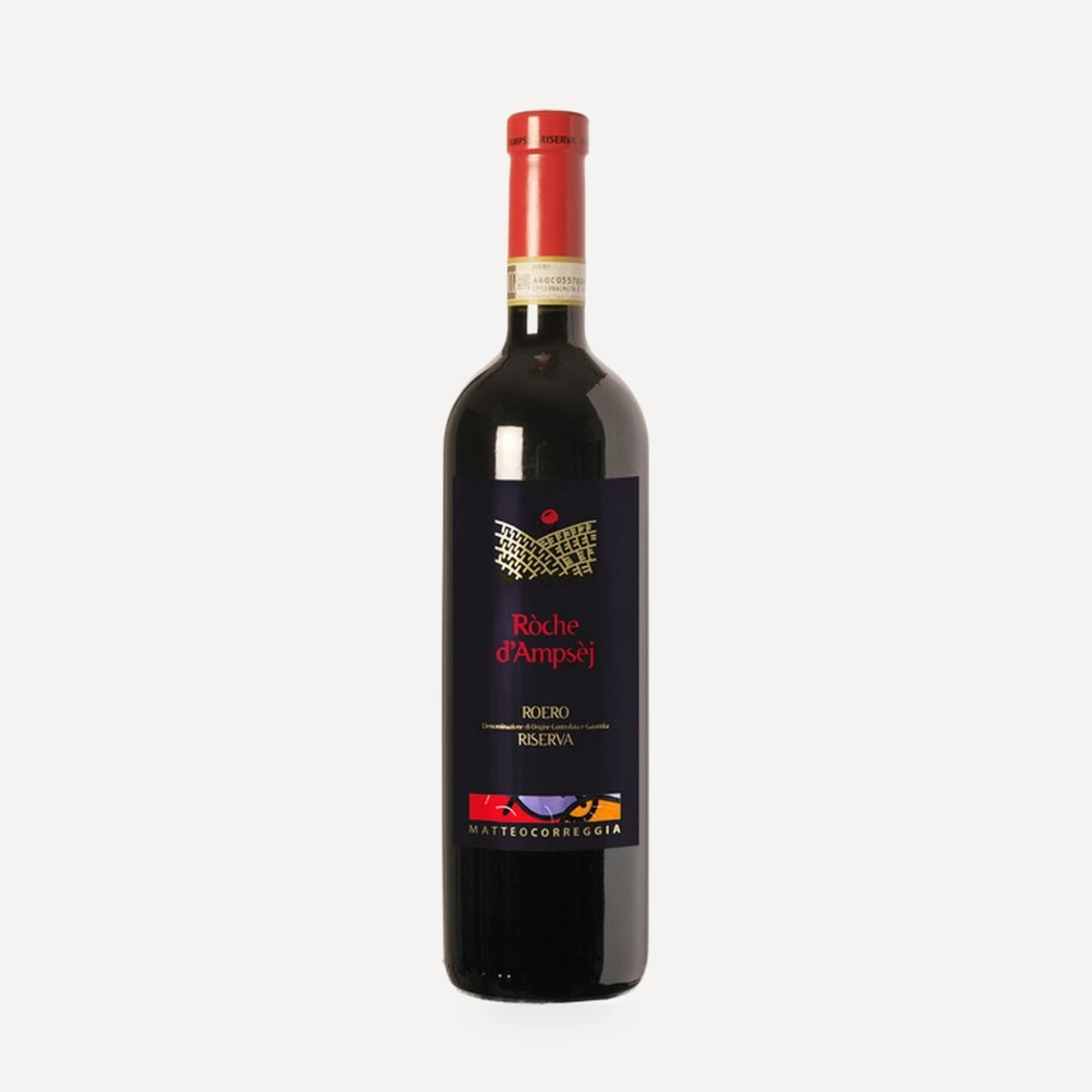
Roero Riserva Ròche d’Ampsèj
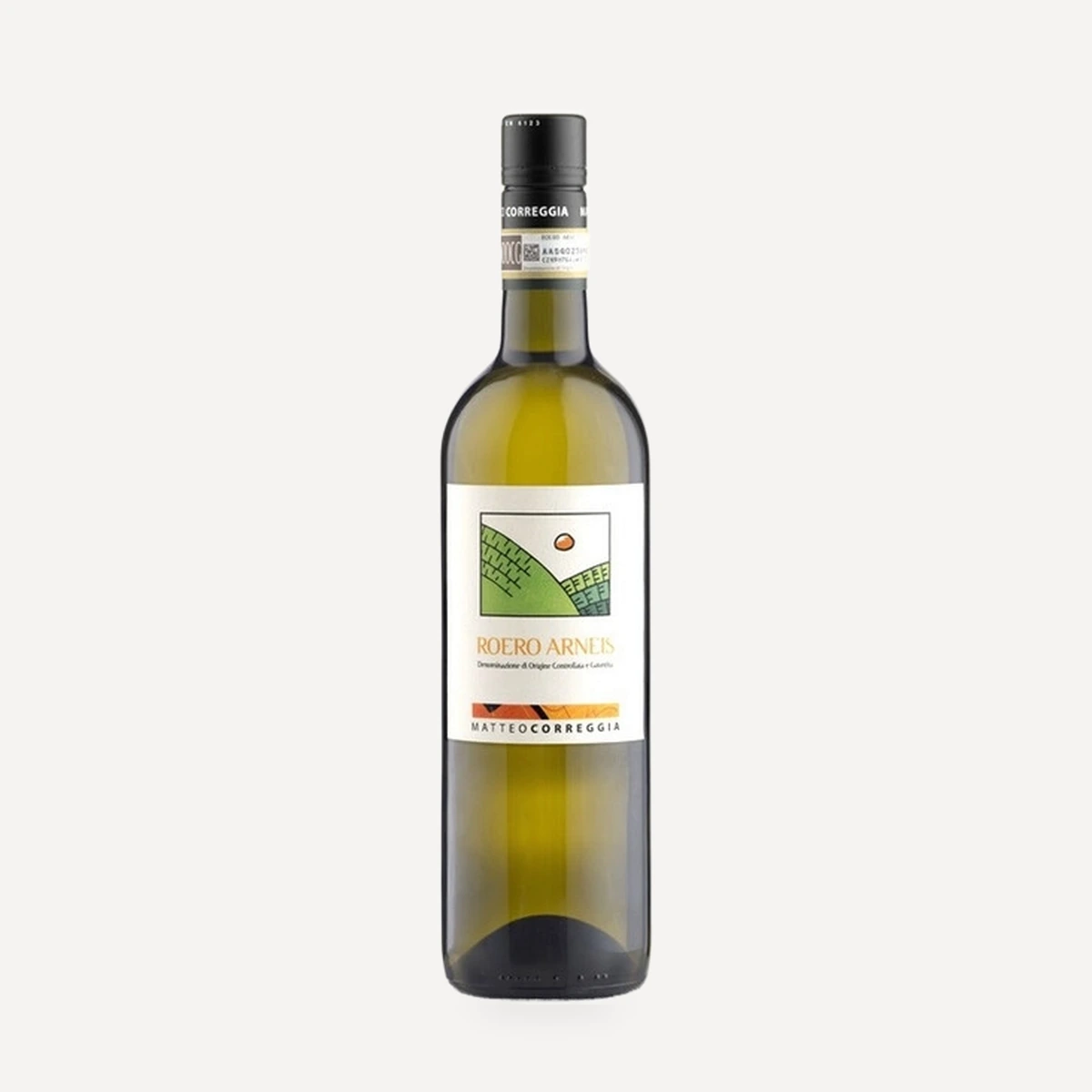
Roero Arneis
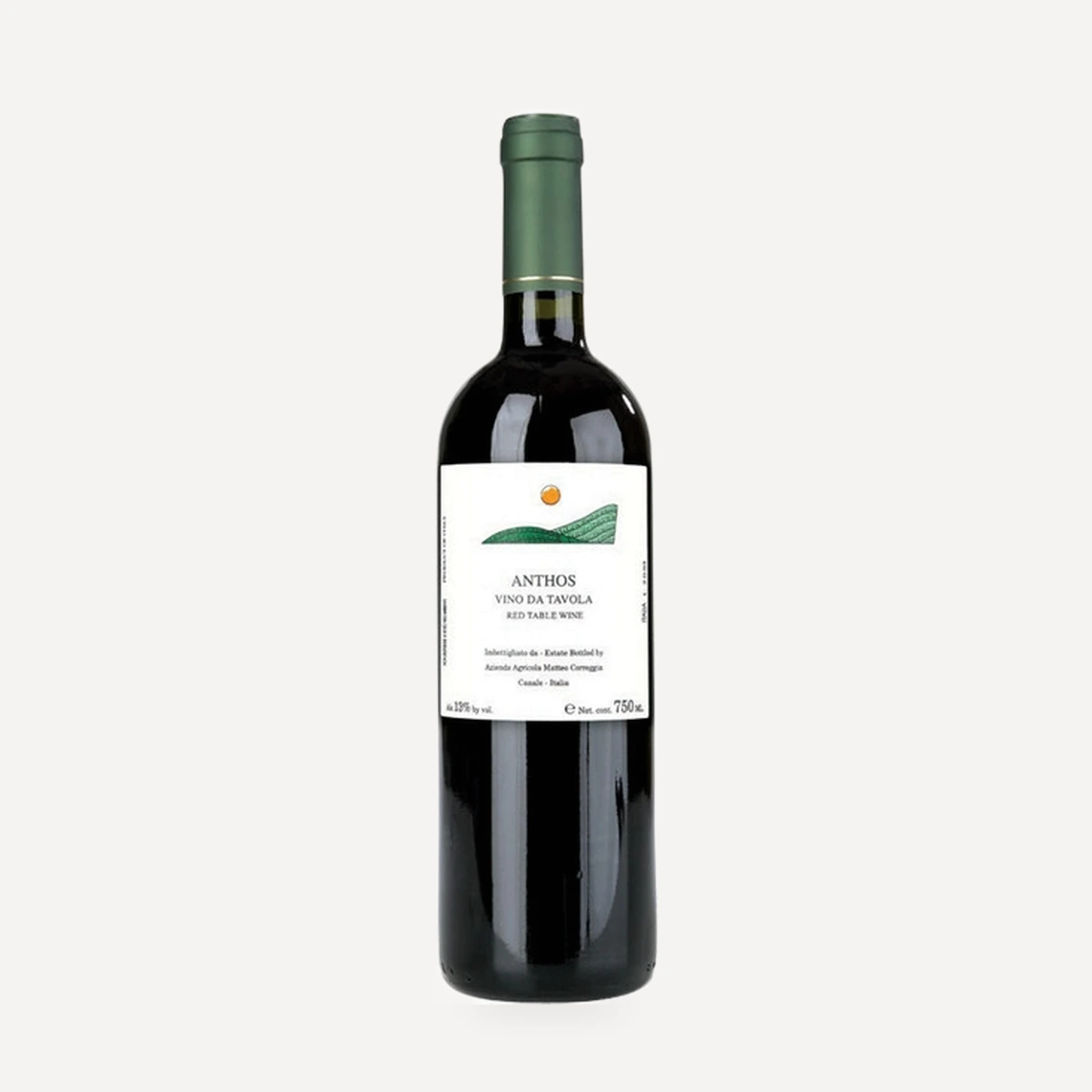
Anthos
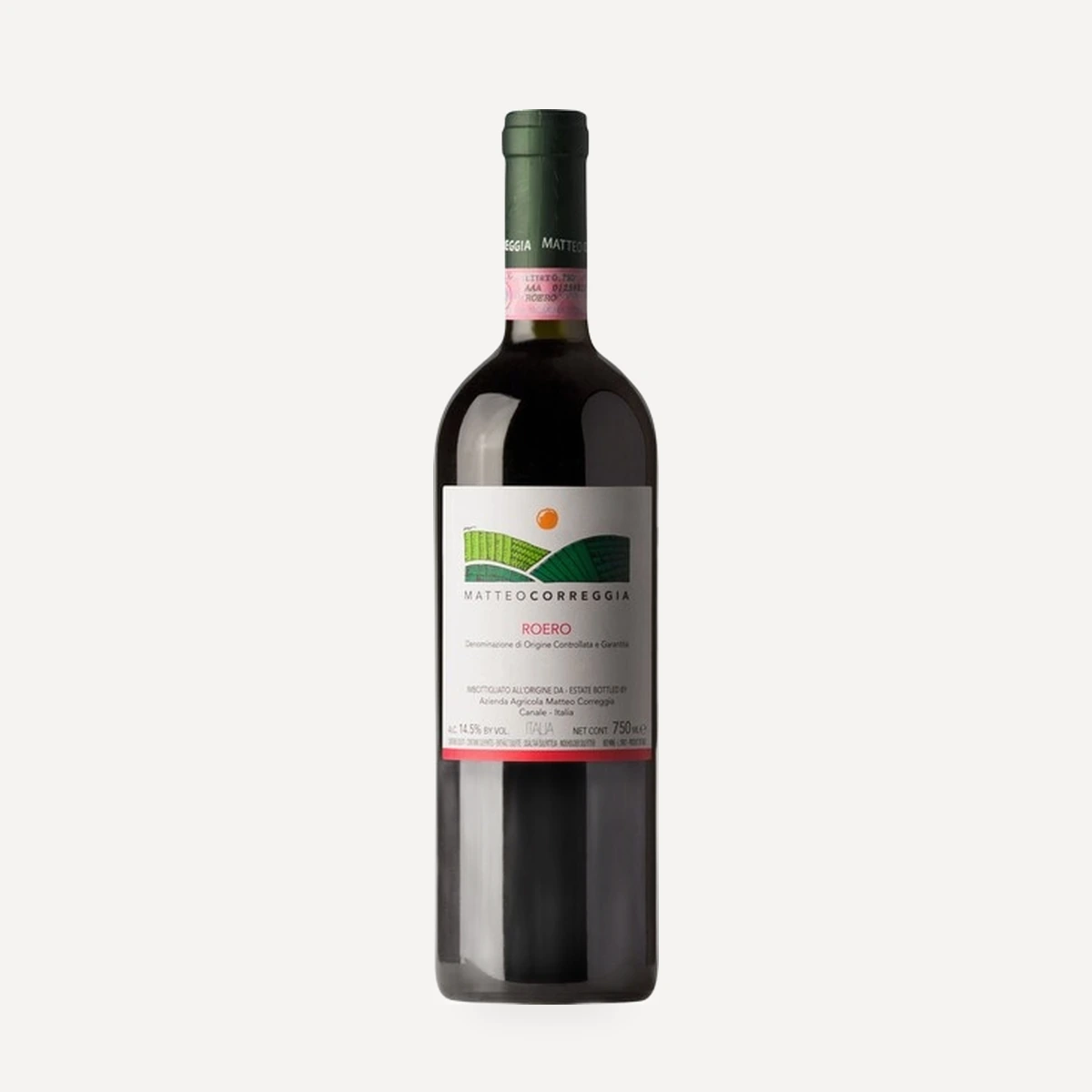
Roero
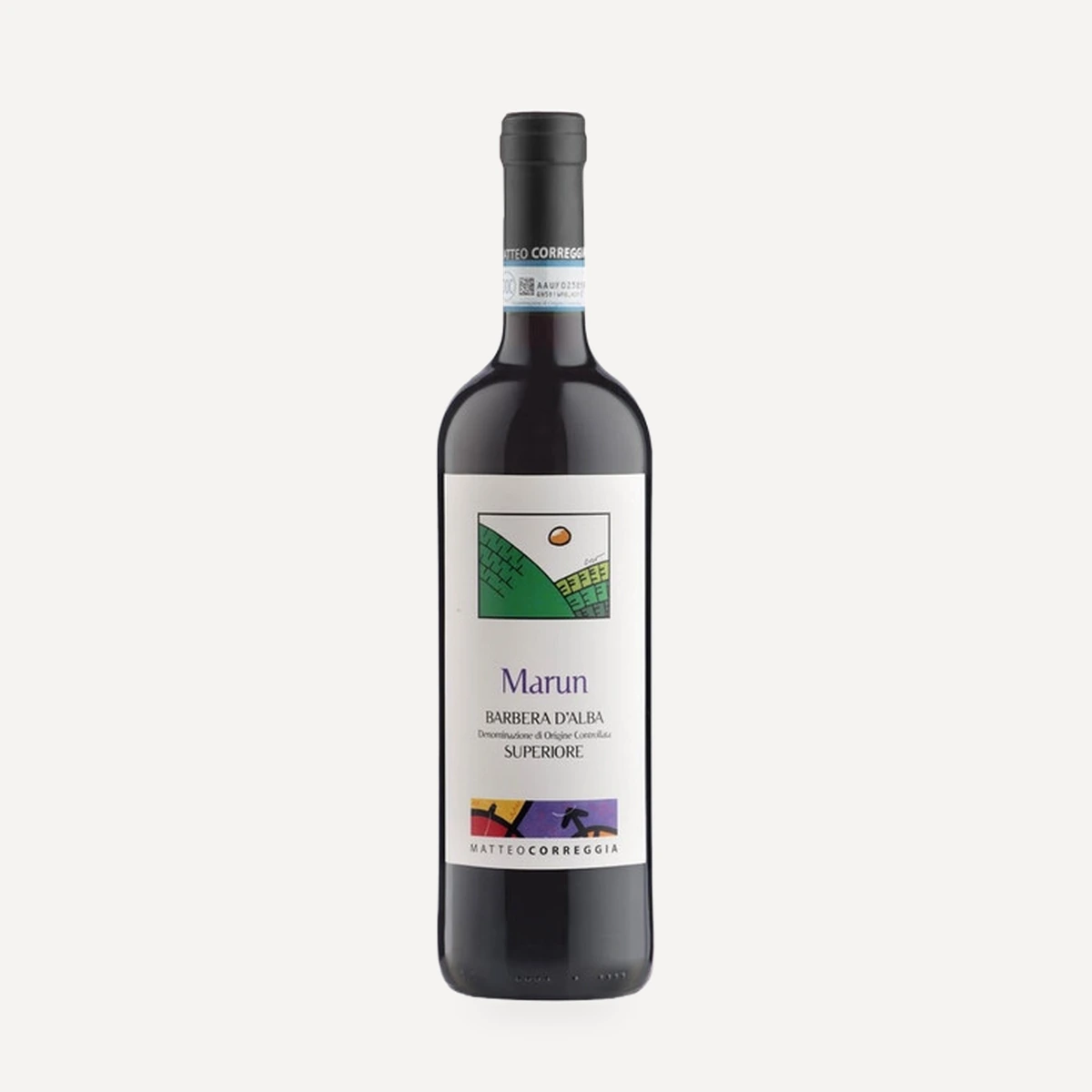
Barbera d’Alba Marun
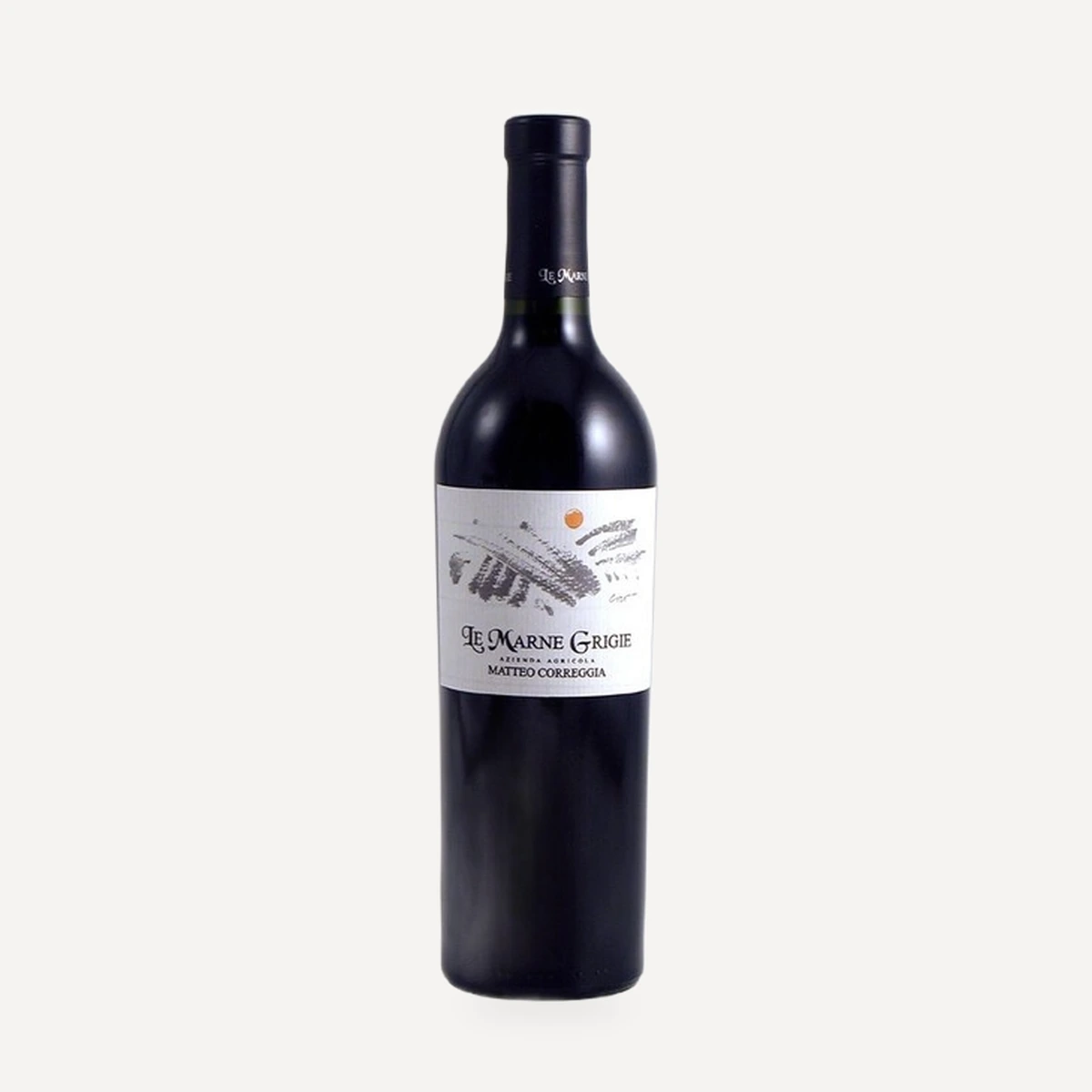
Le Marne Grigie