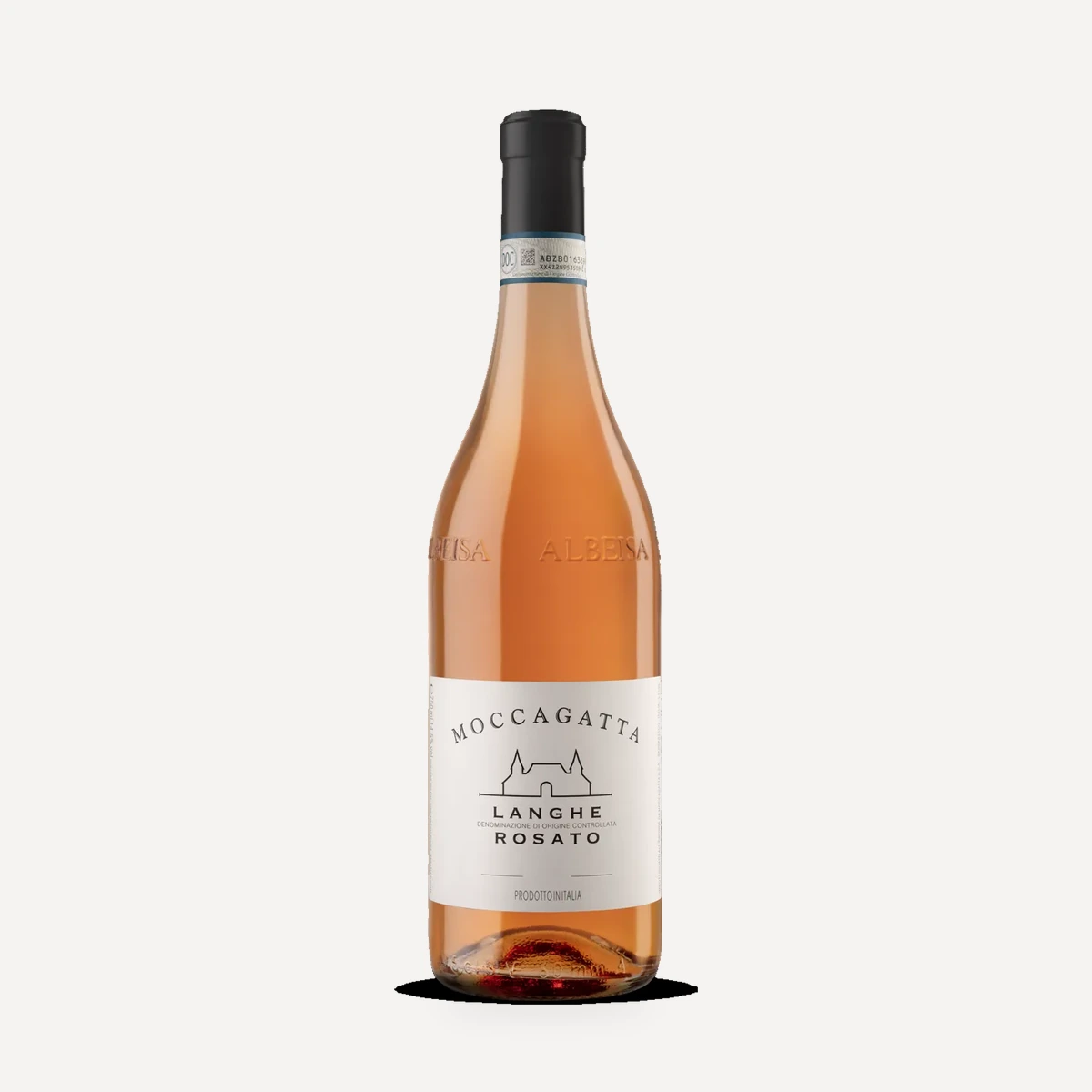
Storia
Origins on Moccagatta Hill
Moccagatta takes its name from the land on which the winery stands. The hill’s earlier residents were the Moncagatta family, who remained there until the beginning of the nineteenth century. The Minuto family acquired the property in the mid-1800s and already owned several vineyards within the municipality of Barbaresco. Vineyard cultivation passed through successive generations represented by Giuseppe, Giovanni and Luigi.
The cellar and the birth of Moccagatta
Luigi Minuto, born in 1878, built a new cellar in 1913 as the family winery expanded, while also developing its sales network.
In 1952 Luigi’s property was divided between his sons Lorenzo and Mario. Mario Minuto, born in 1910, inherited the Moccagatta farmhouse and founded the winery under that name. The same year marked the first use of “Moccagatta” on a label for the family’s new production.
The quality-focused transition of the 1970s
Mario’s sons Franco and Sergio took over the business during the 1970s. Their approach placed greater emphasis on quality: they devoted more exacting attention to vineyard work, accepted lower quantities in pursuit of greater richness and concentration, and invested in modern cellar equipment and facilities. These changes raised the quality of the wines and positioned the family within the technological and production transformation experienced by the Langhe during the 1980s and 1990s.
The present generation
The business is now continued by Franco’s son Stefano and Sergio’s daughter Martina. Stefano concentrates on the vineyards, tractors and experimentation with new agricultural machinery. Martina combines inherited family knowledge with formal training from the Oenological School of Alba and a degree in Viticulture and Oenology from the University of Turin; her work encompasses the cellar and international markets. Sergio remains identified with a lifetime devoted to wine, while Afrim, Marco, Corrado and Eugenio work across the vineyards and cellar.
Barbaresco’s wider enological legacy
The family places its work within the history of modern Barbaresco enology associated with Professor Domizio Cavazza. Cavazza became the founder and first director of the Royal Enological School of Alba in 1881. In 1894 he acquired the Castle of Barbaresco and established the first winemaking cooperative. He recognized that correctly vinified Nebbiolo from Barbaresco could produce a complete, long-lived wine and advanced local winemaking by disseminating technical knowledge and methods. Moccagatta connects this legacy with its continuing objectives of enhancing the Nebbiolo grown on these hills and protecting the territory for future generations.
Terroir
Location and topography
Moccagatta’s vineyards lie in the municipalities of Barbaresco and Neive, in the Langhe south of the Tanaro River. Elevations range from 210 to 300 metres above sea level, and the vines range from 3 to 60 years old. Moccagatta Hill slopes gently toward a bend in the Tanaro and receives the final light of sunset.
Geological origin and soils
The vineyards stand on Sant’Agata Fossil Marls, sedimentary marine formations created during the Tortonian era between 10 and 6 million years ago, when the area was submerged beneath the sea. The gradual uplift of the ancient seabed covering the Po basin brought these formations to the surface.
The prevailing soil is loamy clay with an alkaline pH and a high limestone content. Its limestone marls range in colour from yellowish white and grey to blue. The balance between sand and clay changes within the estate’s territory: sandy layers occur more frequently in the southern part of the appellation, including Basarin, while sites closer to the centre of Barbaresco, including Cole, contain more clay and exhibit greater geological complexity.
Site distinctions
Basarin occupies the hills of Neive and combines limestone-marl soils with abundant sand. Bric Balin lies on the western side of the ridge on laminated Sant’Agata Fossil Marls richer in whitish limestone clay and receives cooler exposure. Cole lies on the eastern side of the ridge, where less-evolved laminated marls are bluer and more complex; its southeast-facing position forms a smaller, sheltered amphitheatre.
Vinificazione
Moccagatta treats vineyard management as an integral part of the finished wine and works to conserve the natural resources that define each site. Its program employs low-environmental-impact agricultural measures and integrated control of insects and diseases. Specific practices include sexual-confusion techniques and strategically positioned habitats or niches within the vineyards.
Only organic fertilizers sourced from traditional livestock farms are used; those farms do not feed their animals concentrated feed. Grass cover crops remain between the vine rows.
Pruning, canopy management and fruit thinning are adjusted to the conditions of each growing season. The aim is to balance production, protect the plant and favour quality, even when this requires sacrificing quantity for greater concentration. Summer cluster thinning forms part of this approach.
Moccagatta participates in Coldiretti’s Green Experience project for the protection and reintegration of local biodiversity. Birdhouses placed across the vineyards have become inhabited over time, encouraging birds that contribute to natural pest balance.
Harvesting in the separately profiled Barbaresco sites is manual. Bunches are placed in 20 kg crates to preserve their condition on the way to the cellar.
Fermentation takes place at controlled temperature in stainless-steel tanks. Red wines ferment at 28–30 °C for approximately one week, while white wines ferment at 18–20 °C. Malolactic fermentation is carried out partly in wood. Depending on the wine, maturation continues in French oak vessels and subsequently in bottle.
The cellar combines modern temperature-controlled equipment with oak maturation facilities. Investment in modern equipment began under Franco and Sergio in the 1970s as part of a broader shift toward higher quality, lower yields and greater concentration.
Filosofia
Moccagatta’s philosophy centres on the conviction that natural resources and vineyard management determine the identity found in the glass. The family seeks to protect a terroir it regards as both rich and delicate, working with the sensitivity required for Barbaresco rather than applying the same response to every vintage.
The stated objective is balance and maximum quality. This involves close attention to each vineyard operation, respect for the individual plant and a willingness to reduce quantity when greater richness and concentration require it. Experience inherited through the family is combined with scientific education, modern winery technology and continued experimentation with vineyard machinery.
Environmental stewardship is framed as an obligation to keep the land intact for future generations. Low-impact farming, integrated pest management, organic fertilizers, permanent grass cover and biodiversity measures all support that aim. The family associates its work with Domizio Cavazza’s historical ambition to reveal the potential of Barbaresco Nebbiolo through informed viticulture and enology while safeguarding the territory.
Vini
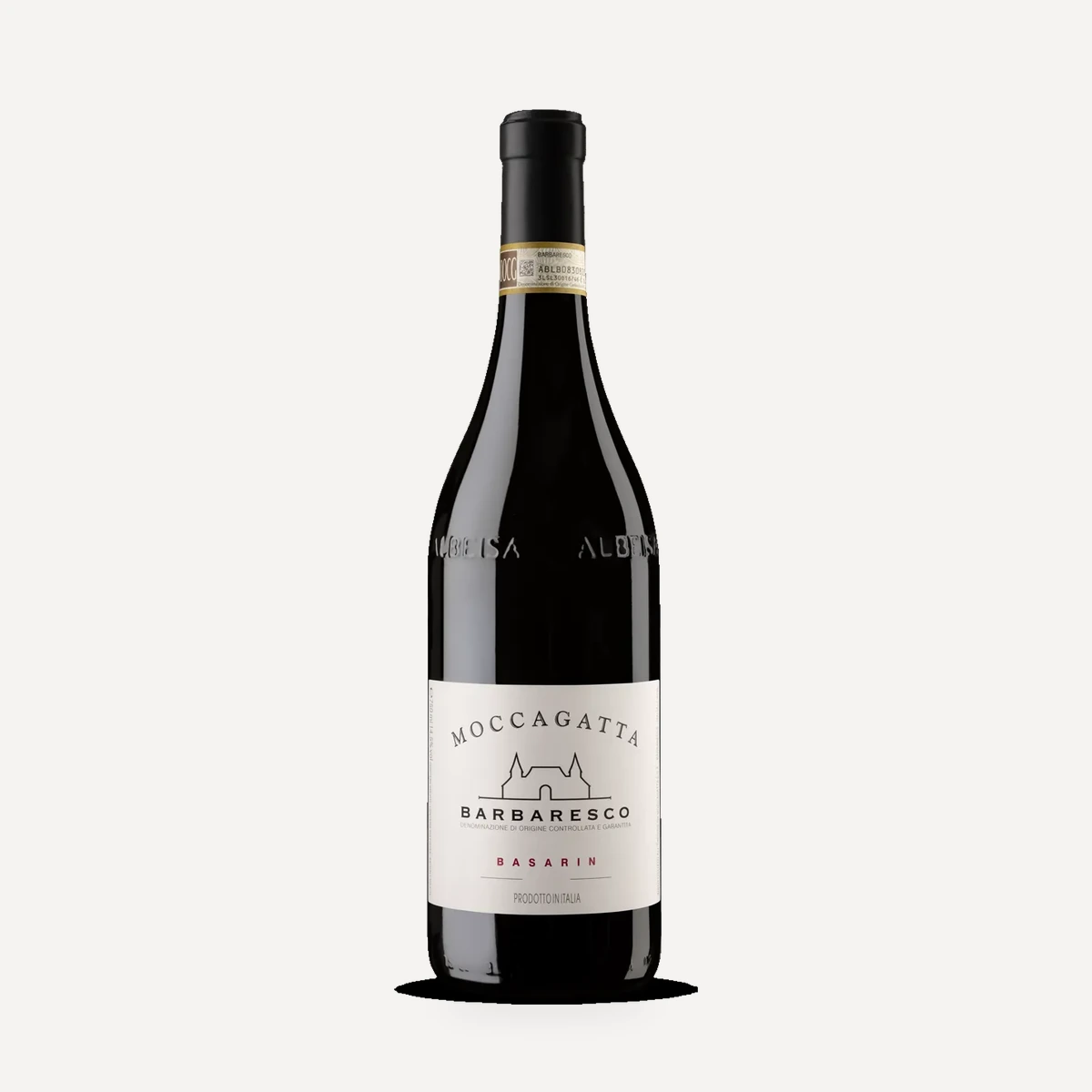
Barbaresco Basarin DOCG
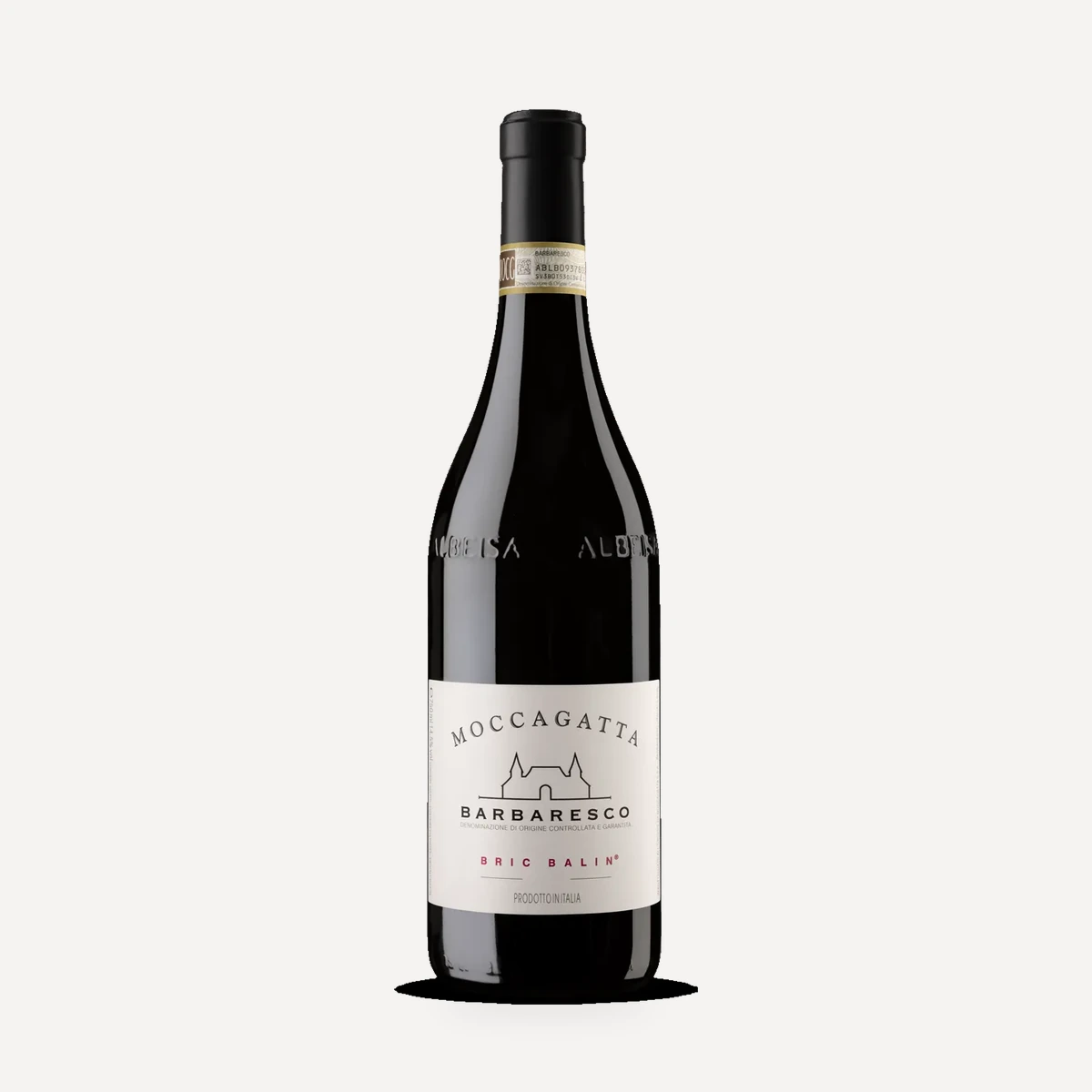
Barbaresco Bric Balin DOCG
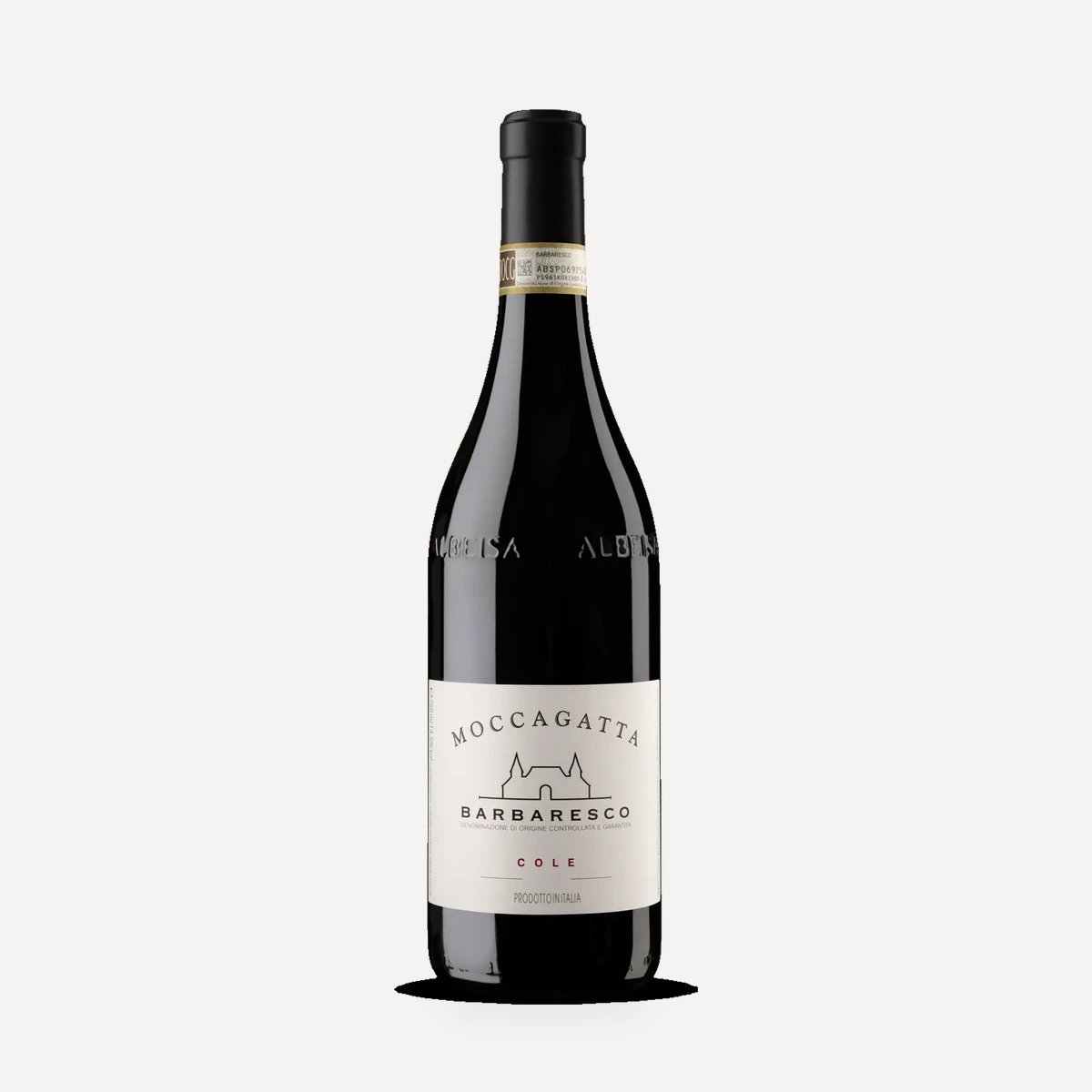
Barbaresco Cole DOCG
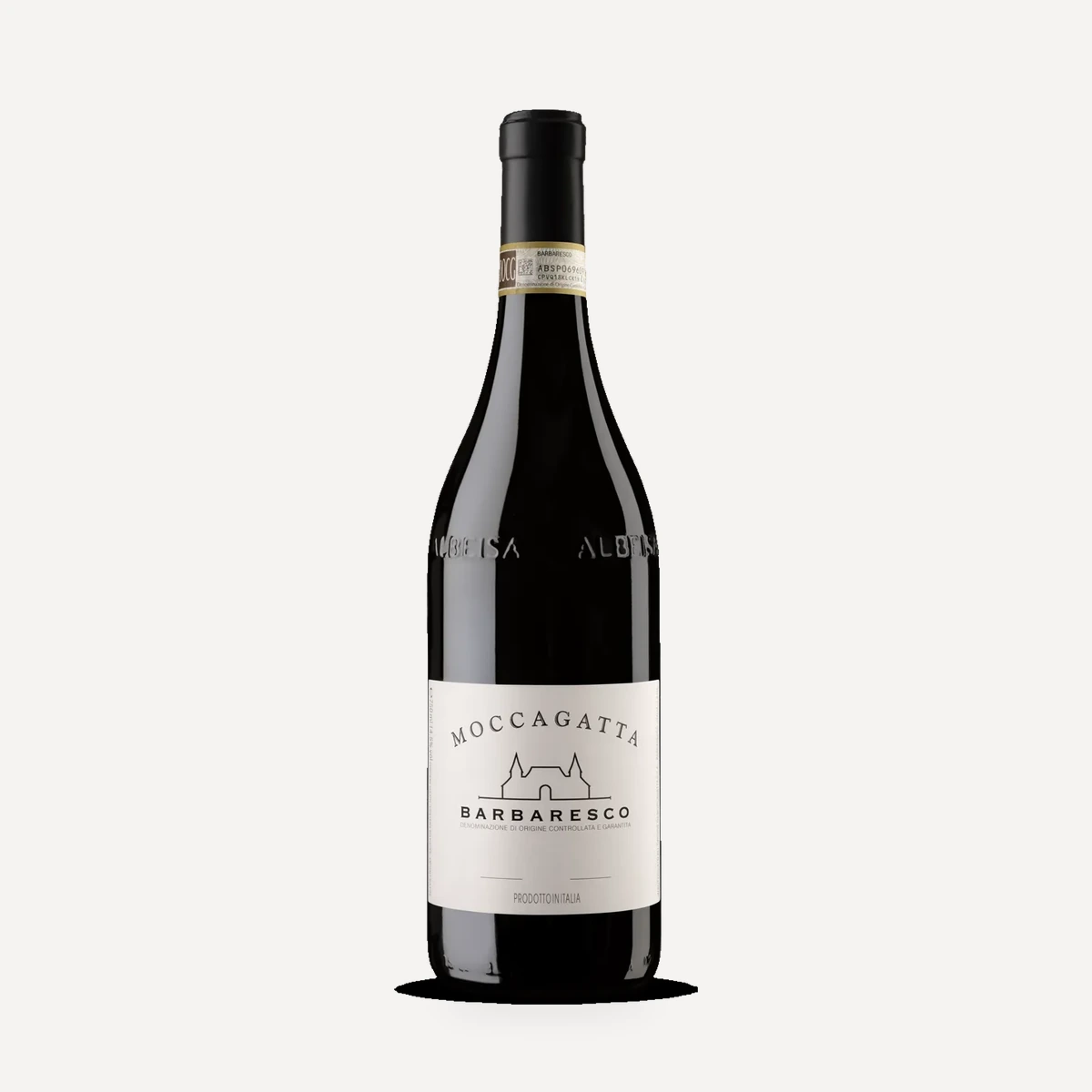
Barbaresco DOCG
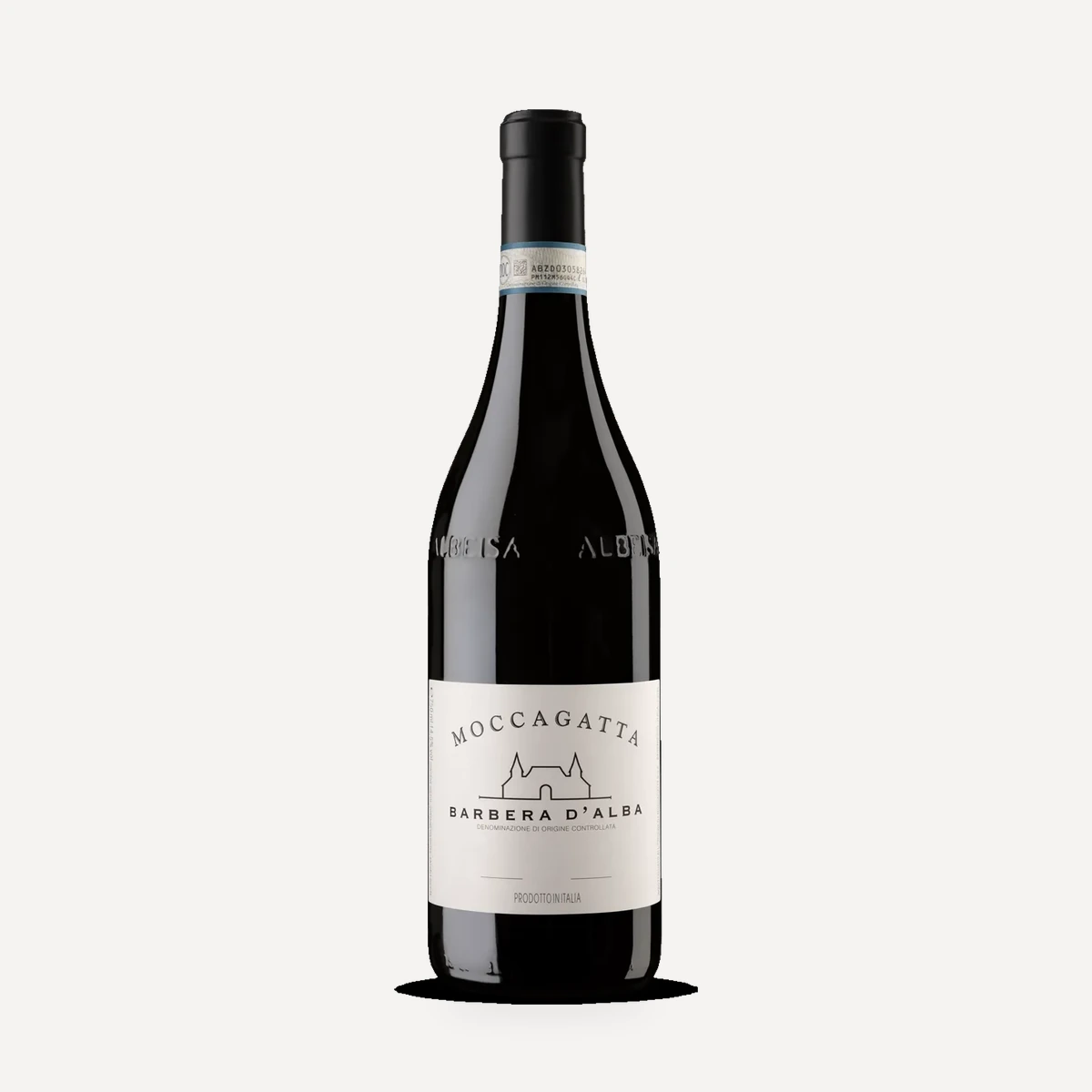
Barbera d’Alba DOC
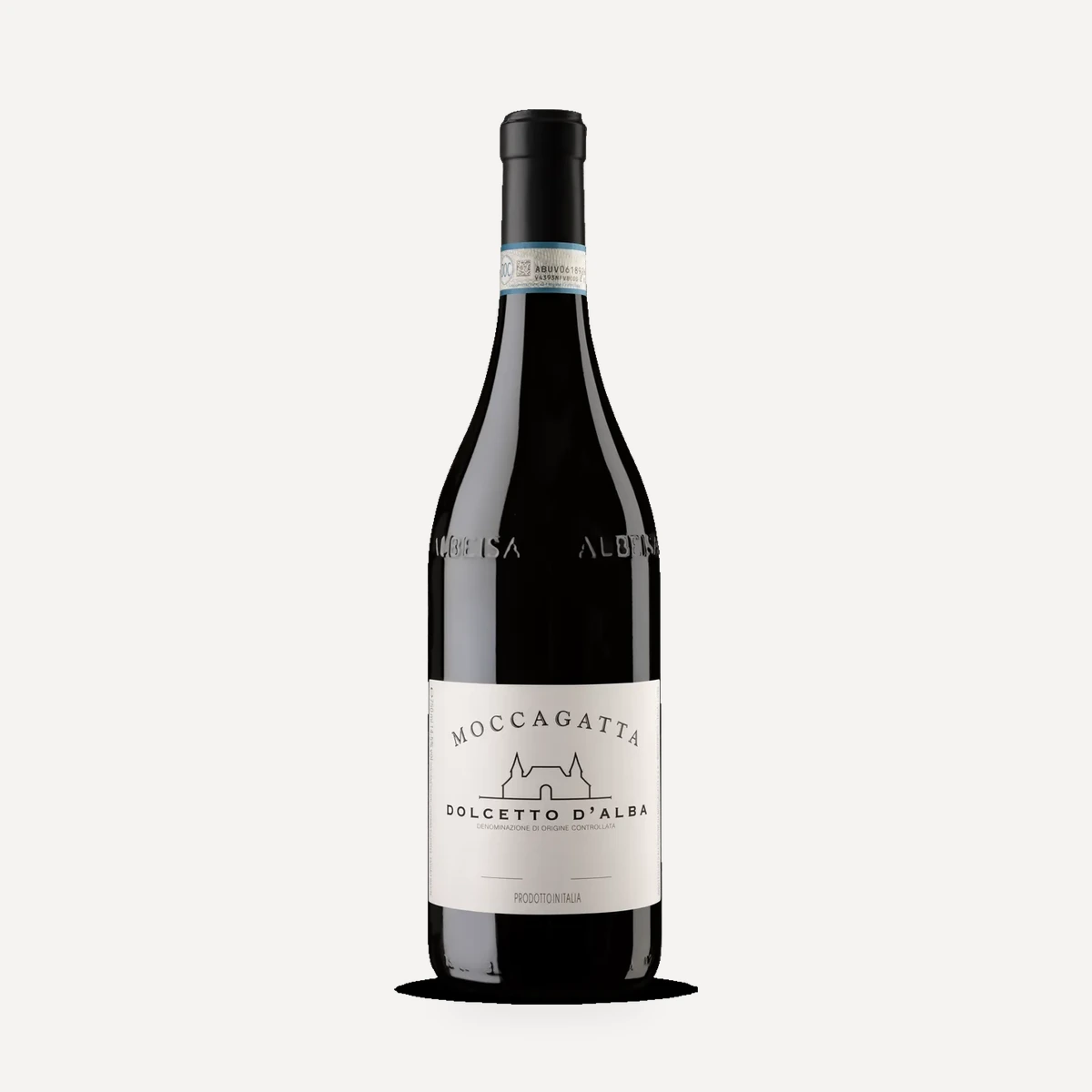
Dolcetto d’Alba DOC
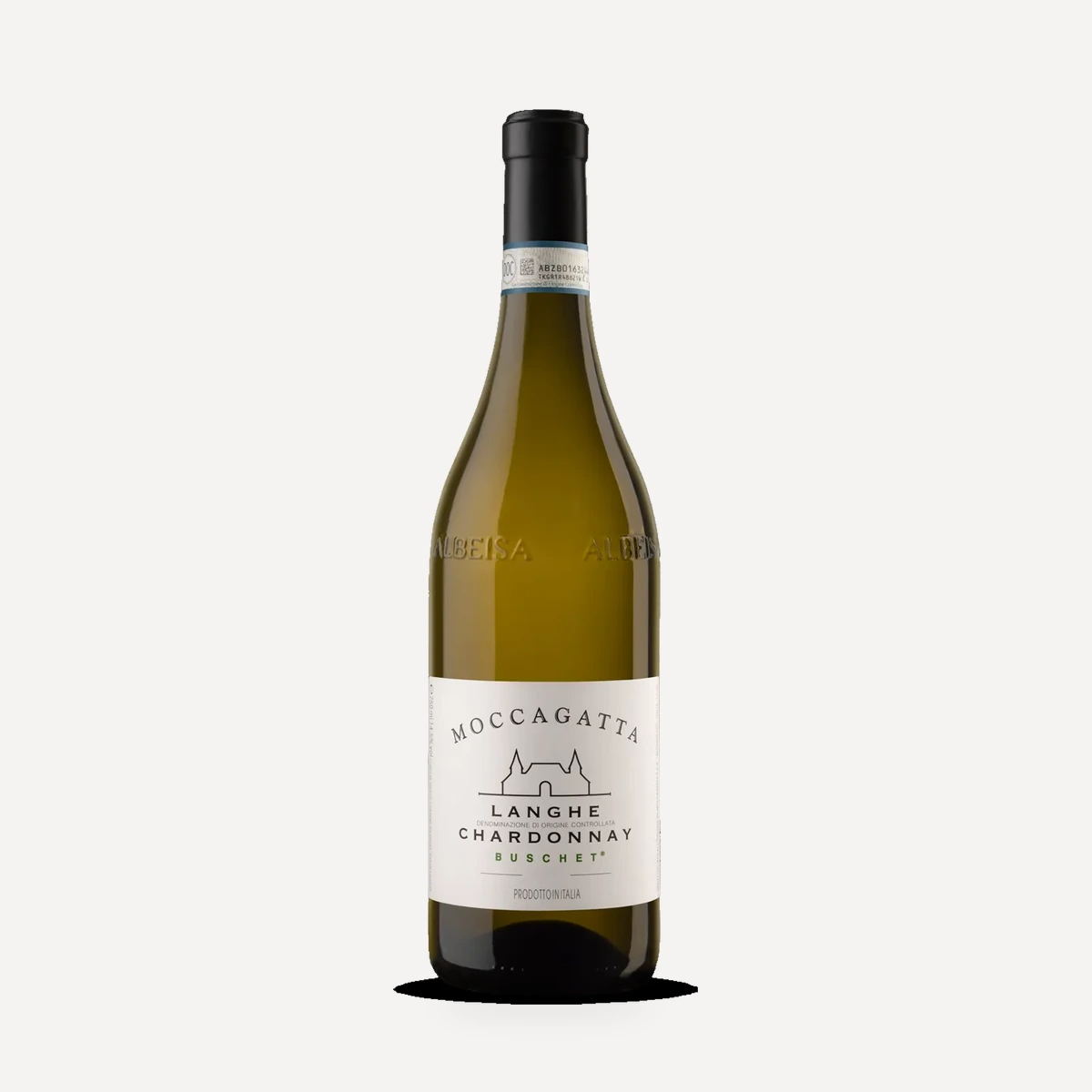
Langhe Chardonnay Buschet DOC
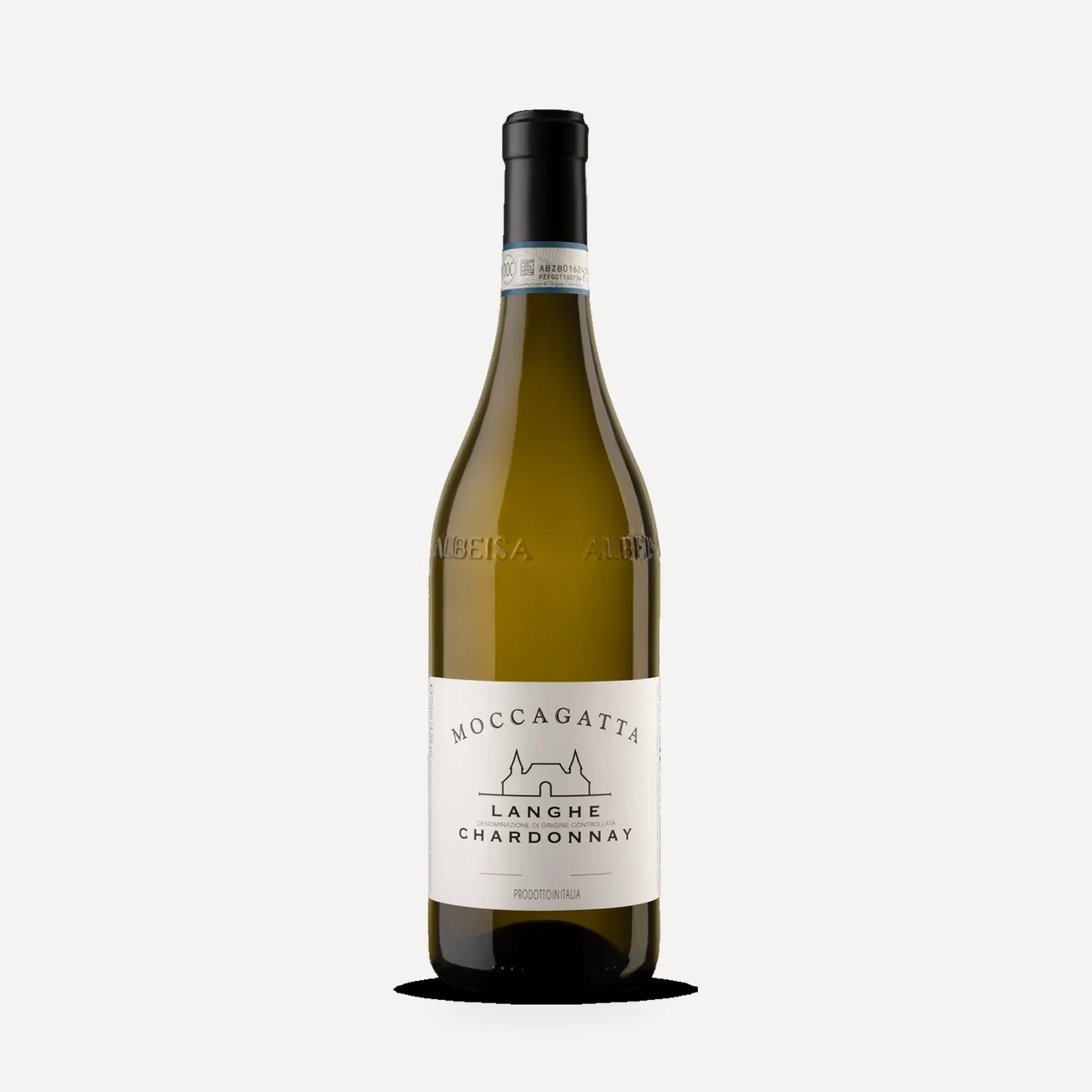
Langhe Chardonnay DOC
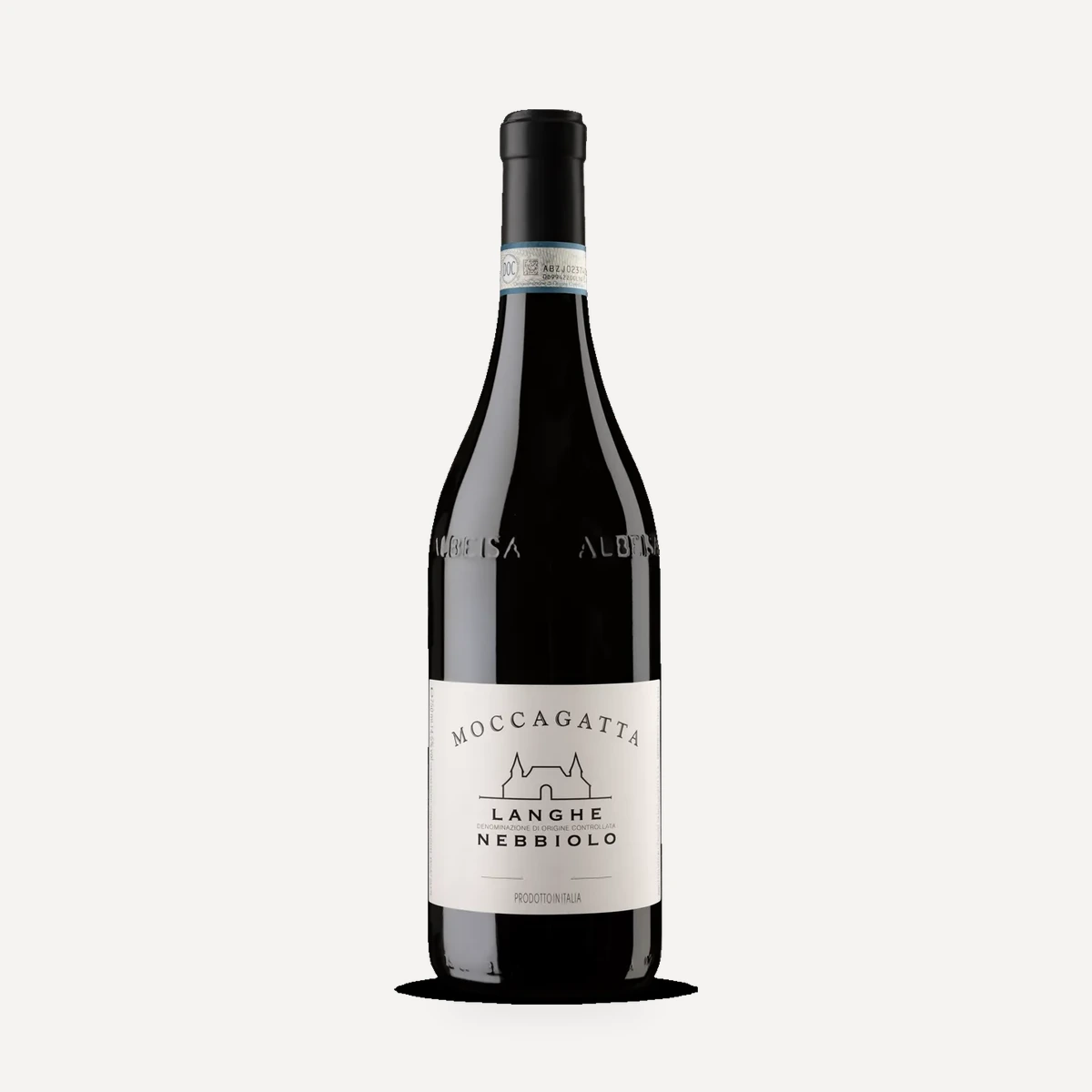
Langhe Nebbiolo DOC