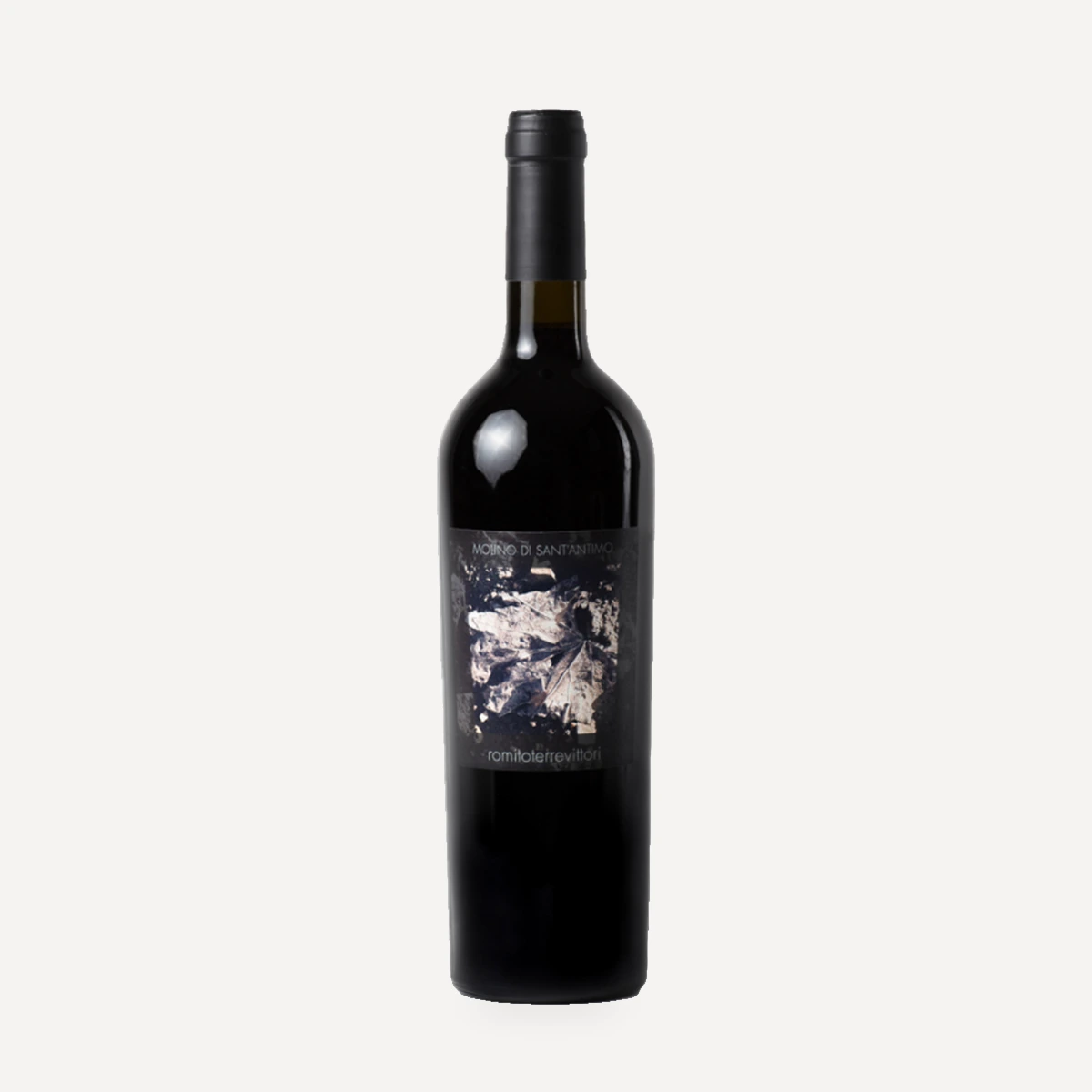
Storia
The Vittori family’s first land
At the beginning of the 1980s, Carlo Vittori—already an experienced consultant to established estates—bought the family’s first land on the southern and southwestern side of Montalcino, near Castelnuovo dell’Abate. The entire Vittori family joined him in the investment. The venture was considered pioneering because the area was then largely abandoned and was worked by only a few longstanding families growing vines and olives outside the modern production and marketing system.
The terrain’s position, exposure and physical characteristics soon justified Carlo Vittori’s decision. As the first Sangiovese Grosso vines developed, the family’s winegrowing project began taking shape in a zone that would subsequently attract vineyard investment from many larger Brunello producers.
The medieval mill and the estate’s identity
During the development of the first vineyards, Cavalier Ciacci transferred the medieval ruins of the Molino di Sant’Antimo to Carlo Vittori. The old watermill stands close to the Romanesque Abbazia di Sant’Antimo. Research in the Catasto Leopoldino preceded a long restoration intended to preserve the building’s historic character, including its seventeenth-century residential features and the watercourses integral to the mill.
The estate took its name from the mill. Its logo and labels adopted a design derived from the seal associated with Paolvs, identified in the estate’s account as the abbey’s first bishop, who stayed there while travelling from Germany toward Rome along the Via Francigena.
The mill had been reconstructed and enlarged in local stone by the Arrighi family in 1606. Its conversion into an independent residence of approximately 300 m² was completed during the 1990s, preserving the original structure and historic water routes while adding modern facilities.
Expansion and vineyard planting
By the beginning of the 1990s, Molino di Sant’Antimo controlled approximately 40 hectares. About half of the land was then devoted to vines and olives, while woodland and Mediterranean scrub surrounded the cultivated areas.
The present vineyard blocks were planted progressively from 1991 through 2001. They now comprise 11 hectares divided among 12 small plots, within an estate of approximately 40 hectares.
Podernuovo dei Campi
In 1999, Carlo Vittori and his family completed the restoration of Podernuovo dei Campi, a nineteenth-century rural farmhouse already surrounded by mature vineyards. Red local stone was used in its reconstruction, while chestnut from Monte Amiata supplied timber for the lengthy restoration and furnishings. Once designed to accommodate large rural families connected by several degrees of kinship, the building returned to a family function as both the estate headquarters and the permanent private residence of the Vittori family.
A continuing family project
The whole family remains involved in the estate. Its collective objective is an open-ended pursuit of excellence, centred particularly on producing the best Brunello the family believes each vintage and its Montalcino land can provide.
Terroir
Position and landscape
Molino di Sant’Antimo lies southeast of Montalcino, close to the Abbazia di Sant’Antimo, on the slope running from Castelnuovo dell’Abate toward Montalcino’s wilder terrain and Monte Amiata. The vineyards descend from approximately 300 to 250 metres above sea level toward the Orcia River, described as the final boundary of Brunello territory. Woodland, ravines and calanchi surround the cultivated blocks.
The broader Montalcino landscape occupies a large hill in Val d’Orcia. Mediterranean scrub alternates with vineyards, olive groves and arable land; vineyards account for approximately 15% of the wider territory. Different geological formations, slope orientations and elevations between 120 and 650 metres create varied pedological and climatic environments.
Microclimate
The Orcia Valley narrows between the estate’s ridge and Monte Amiata, whose summit reaches 1,740 metres. The mountain limits intense rain events and favours a significant difference between daytime and nighttime temperatures. The maestrale reaches the vineyards from the nearby coast, regulating humidity and moderating summer heat.
The climate of the Sangiovese sites is predominantly mild, supporting gradual, complete ripening and helping the fruit remain healthy through harvest.
Geology and soils
The soils developed through sedimentary and erosive processes associated with the retreat of the sea that once covered the area. They contain fine-textured deposits, limestone rock, argillite or clay, galestro, marl, crushed stone and abundant mineral salts. Fossils are present in the predominantly marly soils of the principal Sangiovese vineyards.
The 12 vineyard plots change with the descent toward the Orcia. Upper blocks face southeast, followed by northeast-facing and then southwest-facing sites. Gradients become steeper nearer the river, where the vineyards contract into small patches with still more skeletal material and river stones.
Vinificazione
The vineyards were established progressively from 1991 through 2001 and are divided into 12 small plots whose orientation and gradient change along the descent toward the Orcia River. Spurred-cordon training is used in the principal Sangiovese blocks; Guyot is used for Piaggia and Chardonnay, while the Cabernet Sauvignon, Merlot and associated Sangiovese sites combine the two systems.
Harvest timing varies by variety, exposure and intended expression. Chardonnay is described as an early-harvested variety. Sangiovese selections are harvested from early through late September, Canaiolo in late September, and the Cabernet Sauvignon–Merlot–Sangiovese components from late September into early October. Fruit selection is particularly strict for the principal Sangiovese wines, while the Cabernet Sauvignon–Merlot–Sangiovese parcels are managed for low yields per hectare.
The 2025 Gina Toscana Rosato and Il Bianco Toscano releases are identified as 100% Organic Certified. This certification is attached specifically to those releases.
Cellar
The modern winery occupies approximately 800 m² in a recess of the neighbouring woodland. Its production spaces are designed to provide ample, rationally arranged working areas. The vinification section contains modern stainless-steel vessels with a stated total capacity of 1,000 quintals. A separate maturation area contains large French and Slavonian oak casks.
Reception, fermentation and maceration
Red-wine production generally begins with destemming and soft pressing. Alcoholic fermentation takes place in stainless steel, commonly for seven days under controlled temperature. Depending on the selection, contact with the skins continues for 8–15 days after alcoholic fermentation. Manual pressing is used during the Canaiolo process.
One Sangiovese programme includes two to three days of pre-fermentation maceration below 10°C before seven days of alcoholic fermentation in stainless steel and a further 10–15 days on the skins. Cabernet Sauvignon, Merlot and Sangiovese are fermented separately and assembled after maturation.
For rosato, selected Sangiovese is destemmed without crushing, given brief skin contact and then pressed. Fermentation proceeds in stainless steel for approximately 12 days at 14–16°C, followed by five months on the lees in stainless steel.
Chardonnay is destemmed without crushing and softly pressed. Fermentation takes approximately 12 days in stainless steel at 14–16°C, followed by 6–8 months on the fine lees in stainless steel and one month in bottle.
Maturation
The principal Sangiovese wines mature in large oak casks. Depending on the selection, the vessels have maximum capacities of 20 or 60 hectolitres and maturation lasts 12, 36 or 48 months, followed by three to ten months in bottle. Merlot and Cabernet Sauvignon mature for 12 months in French oak barriques, while the associated Sangiovese matures in oak casks of up to 12 hectolitres; the varieties are blended after maturation and receive six months in bottle. Canaiolo matures for 18 months in French oak barriques and a further three months in bottle.
Filosofia
The Vittori family describes land as a moral inheritance: ancestors pass their lives through it, and each generation lives from the land before handing it on in a transformed state to its descendants. The family frames this relationship in terms of justice, equality and loyalty, repaying its debt to the earth through affection, care, effort and attention.
Family is treated as the estate’s fundamental social unit and the matrix from which both personal identity and the estate’s products are formed. The family characterises its work as an unfinished “Masterpiece,” with excellence as the primary objective rather than a fixed endpoint.
In the vineyard and cellar, the pre-existing territory is treated as the foundation: varieties and vineyard sites are selected within that inherited setting, while human labour and judgement guide the resulting wines. The estate’s principal ambition is to make the best Brunello it believes possible from its Montalcino land in each year.
Vini
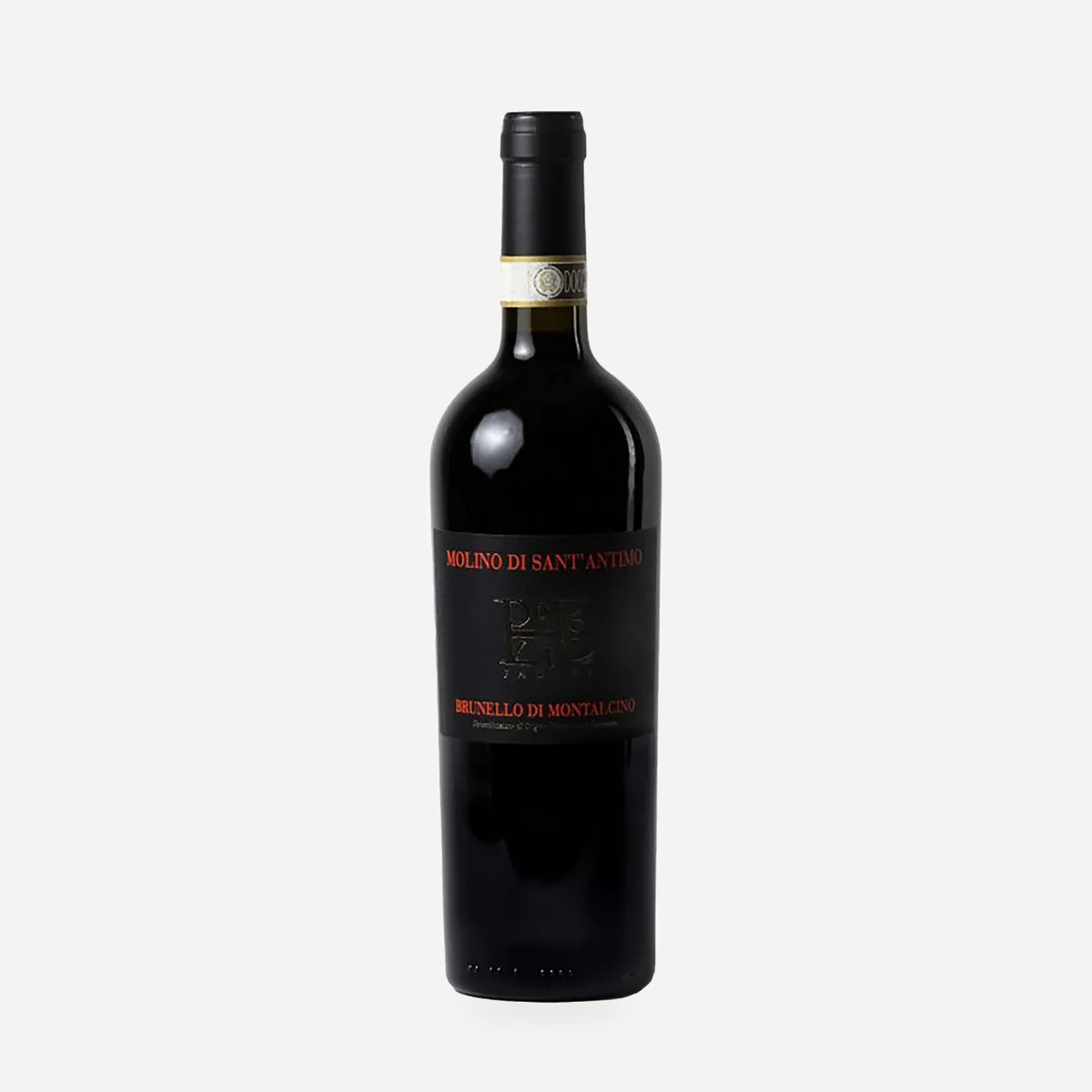
Brunello di Montalcino DOCG
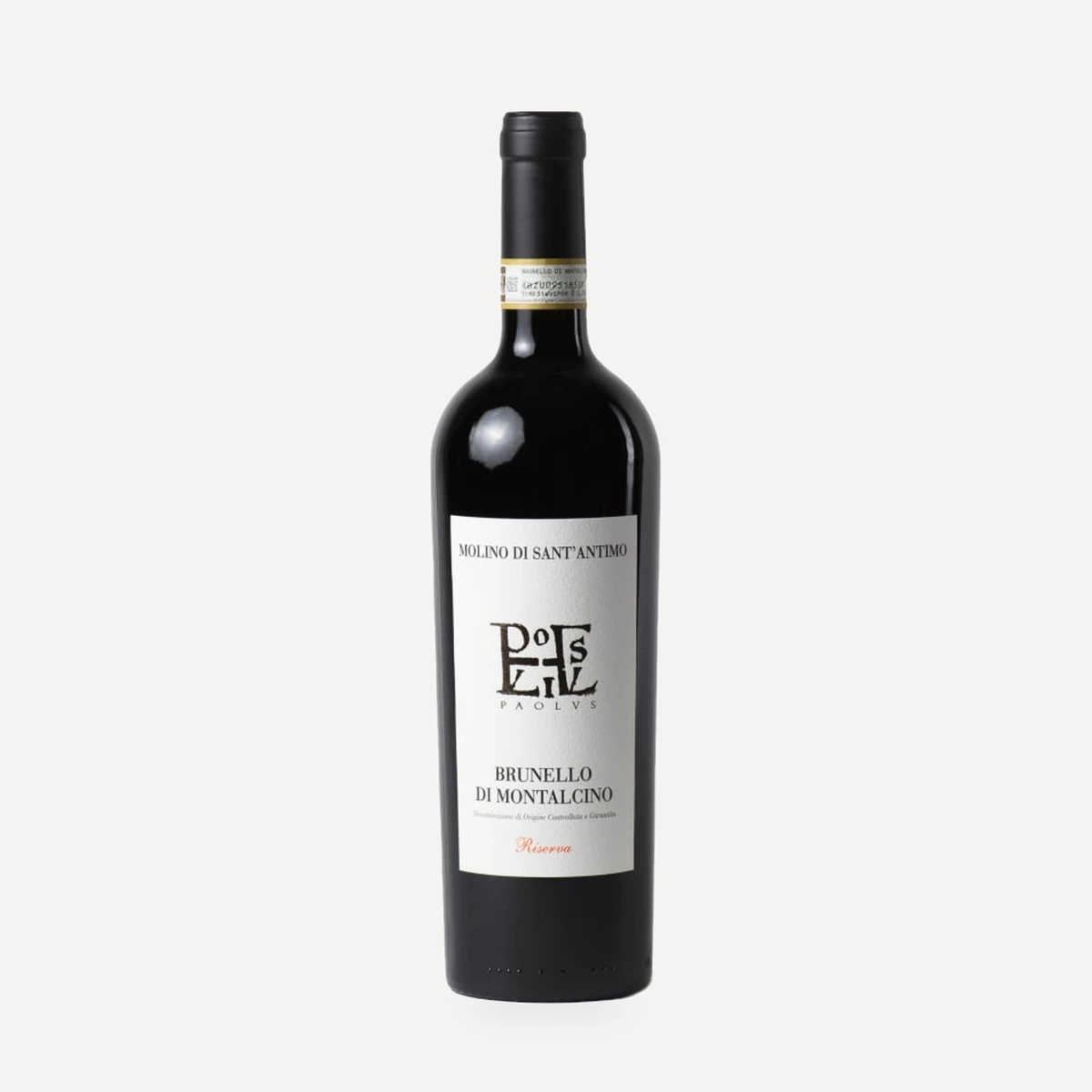
Brunello di Montalcino Riserva DOCG
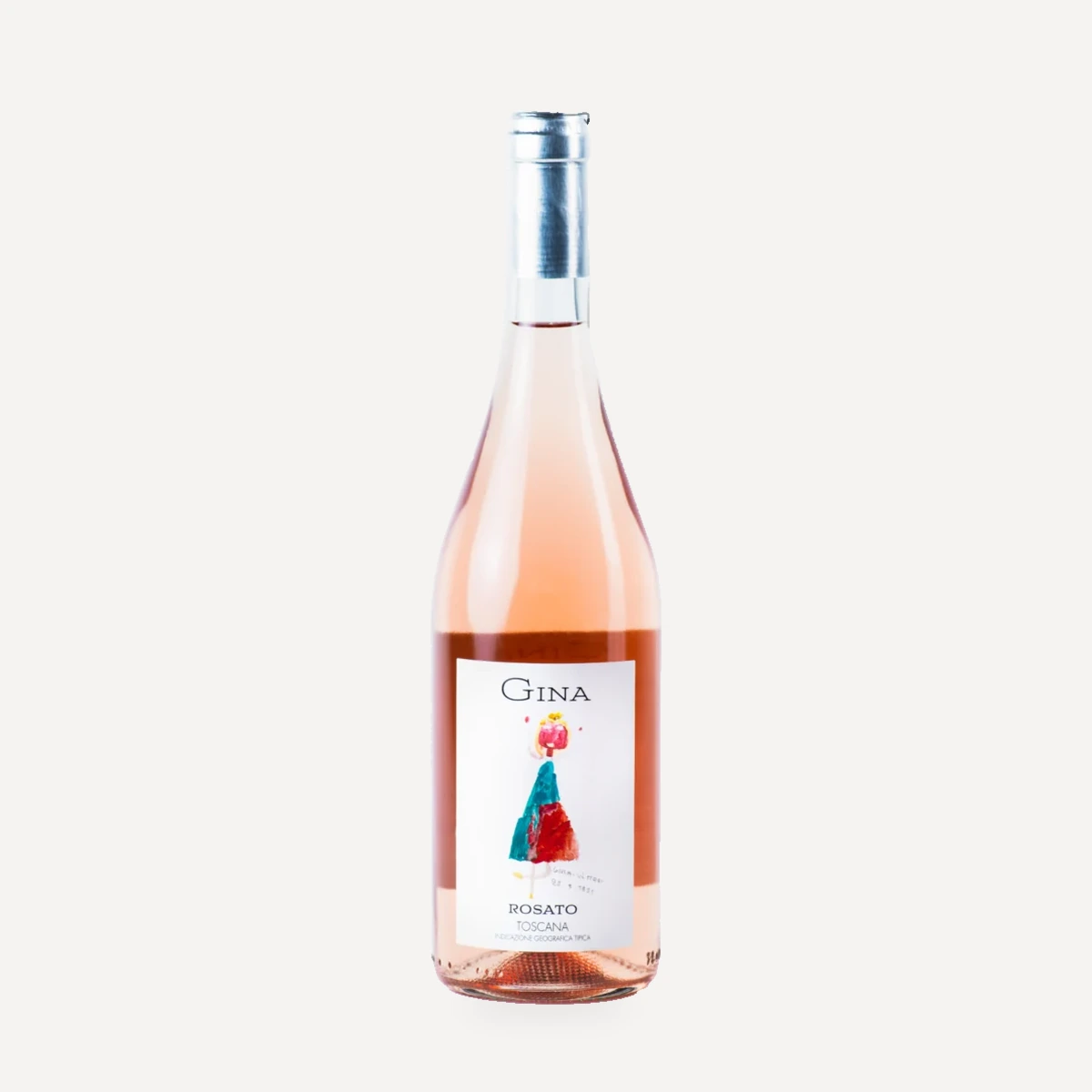
Gina IGT Toscana Rosato