Storia
Origins and establishment
Monserrato 1973 began with Francesco Zecchina, a Neapolitan building contractor and wine enthusiast. In 1973 he acquired a roughly 50-hectare hillside property near Benevento, facing Monte Taburno. The hill was known as Monte Serrato, the origin of the estate’s name. The property contained rural ruins associated with the 1962 Irpinia earthquake, which Zecchina restored as the farm took shape.
Assisted by a young friend who served as farm manager, Zecchina initially planted tobacco and olive trees on the middle slopes. Spring water supplied the property. By the end of the 1980s, its principal crops were tobacco, olives and grapes. Wine and olive oil were made mainly for the family and given to friends and relatives.
From mixed farm to wine estate
The tobacco tower preserves the memory of this first agricultural phase: tobacco, then one of the estate’s principal crops, was dried inside it during the 1980s.
The first dedicated vineyard rows were planted at the end of the 1990s. Vineyard records identify plantings from 1998 onward, followed by additional Falanghina, Fiano, Aglianico and Merlot plantings around 1999–2001. The vineyards subsequently expanded to 14 hectares and are cultivated organically.
Generational transition and restructuring
Following a transitional period, management passed to Francesco’s daughter Paola and her son Lucio. The estate was restructured around the introduction and recovery of locally associated grape varieties, expansion of the olive-growing area and replacement of tobacco with organically cultivated arable crops.
The mixed-farm model was retained rather than abandoned. Alongside wine and olive oil, the property grows Saragolla durum wheat, chickpeas, beans, fruit and vegetables and maintains a farm-animal area. Saragolla is processed into conventional and wholemeal pasta. This diversified, largely closed-cycle approach reflects the family’s aim of cultivating and transforming the fruits of the estate in the manner of an older self-contained farm.
The contemporary estate
The property now extends over more than 50 hectares of vineyards, olive groves, wheat fields and other agricultural areas. Its wine-growing area covers 14 hectares in Contrada La Francesca, on the western side of the municipality of Benevento. The estate combines wine and food production with guided visits, tastings, harvest activities and cultural and convivial events held among the vineyards, olive groves, cellar, tobacco tower and belvedere.
Terroir
The estate occupies a gently sloping hillside in Contrada La Francesca, at the western edge of the municipality of Benevento and along the road toward Pietrelcina. It lies a few kilometres from central Benevento, on Monte Serrato and opposite Monte Taburno.
The property generally slopes gently, becoming steeper in some of the parcels used for Falanghina. Vineyard elevations recorded for individual plantings range from approximately 280 to 320 metres above sea level. The highest vineyards near the cellar supply Fiano and Falanghina for Murate di Sopra.
The vineyards occupy the most favourable sectors between southwest and southeast. Rows are principally oriented north–south, allowing the south-facing hillside to receive abundant sunlight. The soils are described as calcareous-tuffaceous or clayey-tuffaceous, with multicoloured clays and a good organic component.
The broader estate and its belvedere overlook Monte Taburno and the mountain profile known as the Dormiente del Sannio. Spring water has historically supplied the property.
Vinificazione
The 14 hectares of vineyards are managed under certified-organic agriculture and in accordance with organic-production rules. The wider farm applies organic practices to arable crops as well and describes its agronomic approach as environmentally respectful and low impact.
All principal wine-grape parcels are trained to Guyot on vertical trellises, generally at a density of 4,000 vines per hectare. The estate carried out internal zoning to identify parcels suited to different expressions of Falanghina and maintains separate high-elevation, entrance and winery-adjacent vineyard sectors.
Barbera/Camaiola material was selected from established vineyards in the surrounding district, while early Aglianico material was developed through mass selection from the wider Sannio wine-growing area.
Grapes are harvested and selected manually. Small 15 kg crates are used to protect the fruit from crushing during transport to the nearby cellar. Harvest timing follows the ripening of each variety, beginning with early-picked grapes for sparkling production and Merlot in September and continuing through Falanghina, Fiano and Barbera/Camaiola to Aglianico in October.
The diversified property combines vineyards with olive groves, organically cultivated wheat and legumes, fruit, vegetables and farm animals. This mixed-farm structure is intended to maintain an integrated production cycle rather than treating viticulture as an isolated monoculture.
The winery works with stainless steel, amphorae, barriques, large Slavonian oak and bottle refermentation, selecting vessels according to grape and intended expression.
Red grapes may be gently destemmed and lightly crushed before alcoholic fermentation in stainless steel. Skin contact ranges from approximately five days for Barbera/Camaiola to 10–12 days for the multi-variety red and around 15 days for Aglianico. Racking, settling and transfers follow fermentation. Malolactic fermentation takes place in steel or, for some lots, between steel and amphora. Varieties intended for blends are vinified separately and assembled during maturation.
Barbera/Camaiola can mature for approximately nine months in amphora. The multi-variety red remains on fine lees in steel until the following spring. Aglianico is divided between stainless steel and large Slavonian-oak casks for 18 months, followed by a further six months in bottle.
White grapes are often softly pressed as whole clusters. Must may undergo static settling before temperature-controlled alcoholic fermentation in stainless steel. Some lots mature on fine lees in steel. For Levata, half of the Falanghina is whole-cluster pressed and matured on its lees in steel; the remainder receives five days of skin contact in amphora and then matures there on its lees for about four months. For Murate di Sopra, approximately 70% of the Falanghina–Fiano blend matures on fine lees in steel for about six months, while the remainder ferments and matures in barriques for a similar period.
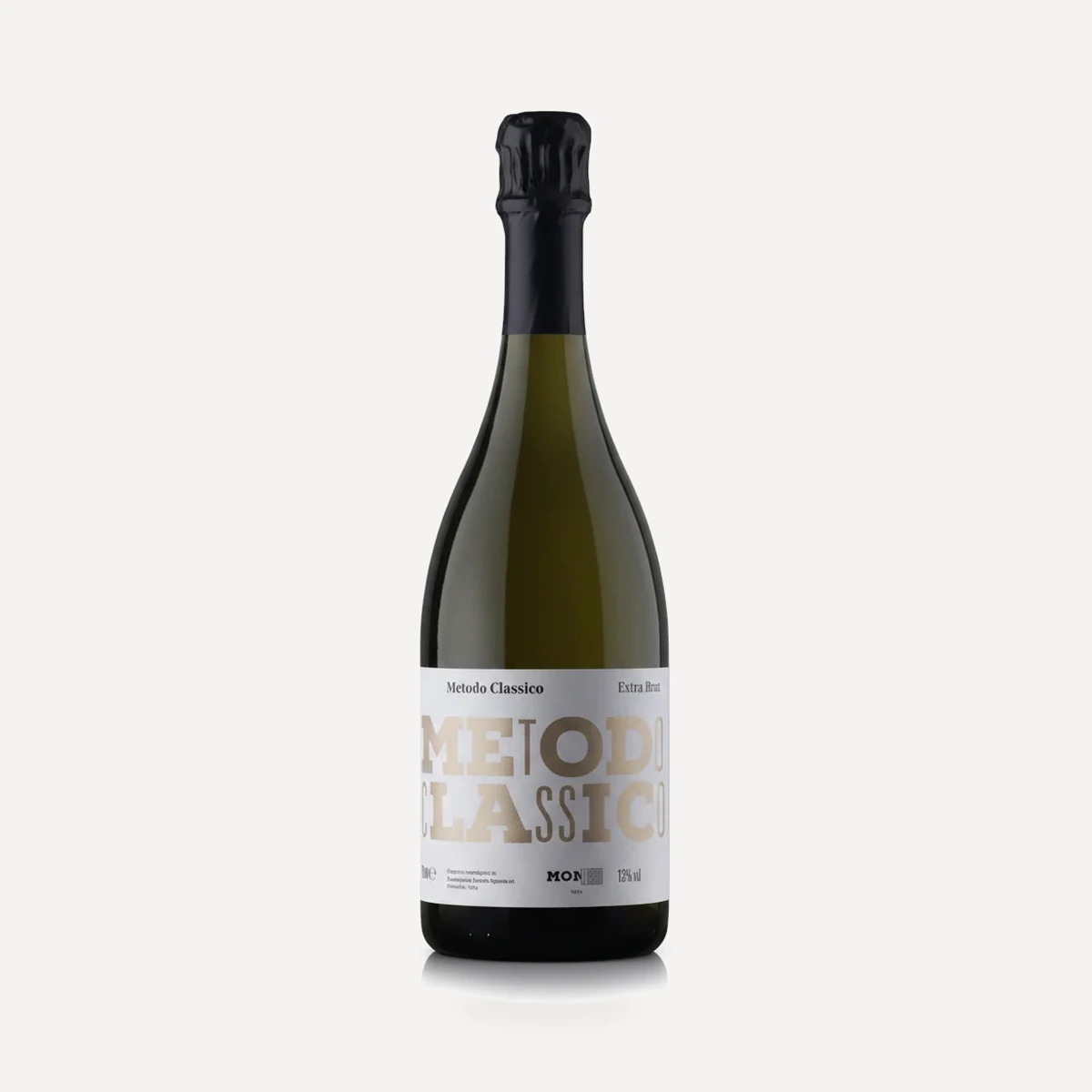
The traditional-method sparkling wine is made from Falanghina and Fiano. Whole clusters are softly pressed, the must is statically settled, selected yeasts are inoculated into the clarified must, and primary fermentation and maturation take place in steel. Tirage and secondary fermentation occur in bottle, followed by 24 months on the lees before disgorgement.
Scuotiterra follows a separate bottle-refermented method. Whole Barbera/Camaiola clusters are softly pressed; the base wine ferments and matures in amphora for about eight months. A small portion of must is retained for use as the spring liqueur de tirage before the wine is bottled for its second fermentation.
Filosofia
Monserrato 1973 defines itself through the model of an old mixed farm: the property cultivates and transforms wine grapes, olives, wheat, legumes, fruit, vegetables and animal products within an integrated agricultural cycle.
Its stated priorities are the recovery and cultivation of locally rooted crops, organic and low-impact farming, careful parcel selection and the translation of individual estate exposures into wine. Native or locally associated varieties are central to this approach, including Aglianico, Falanghina, Fiano and Camaiola, the grape historically labelled Barbera del Sannio.
Tradition and modern cellar practice coexist. Hand harvesting, whole-cluster pressing, amphorae, large oak and bottle refermentation are combined with temperature-controlled stainless-steel fermentation, parcel zoning and separate vinification. The aim is not to impose one vessel or technique across the range but to match the process to each grape and site.
The family also presents hospitality and shared food as extensions of its agricultural identity. Tastings and events bring together estate wine, olive oil, Saragolla pasta, preserved vegetables and other farm products rather than treating wine as a stand-alone commodity.
Vini
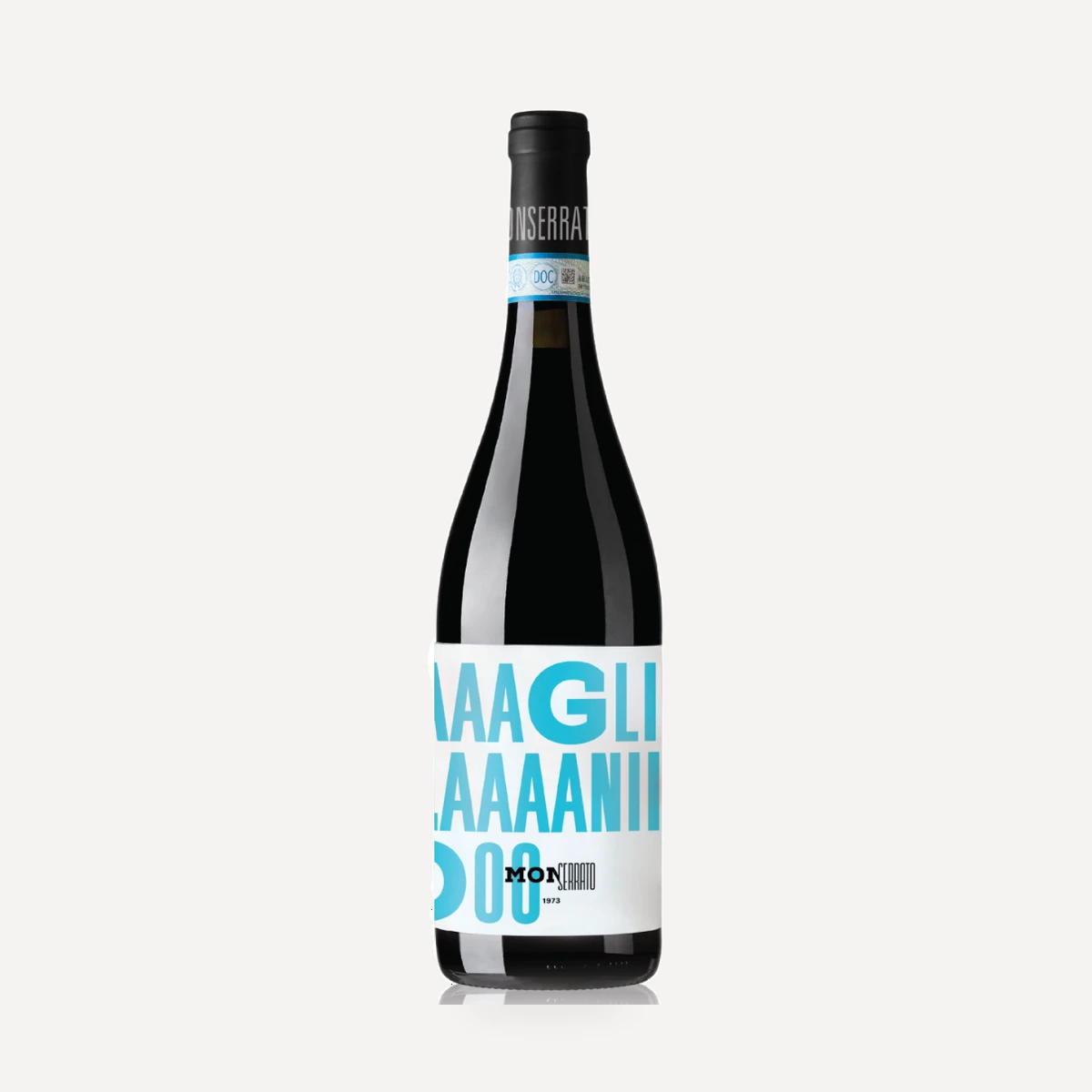
Aglianico
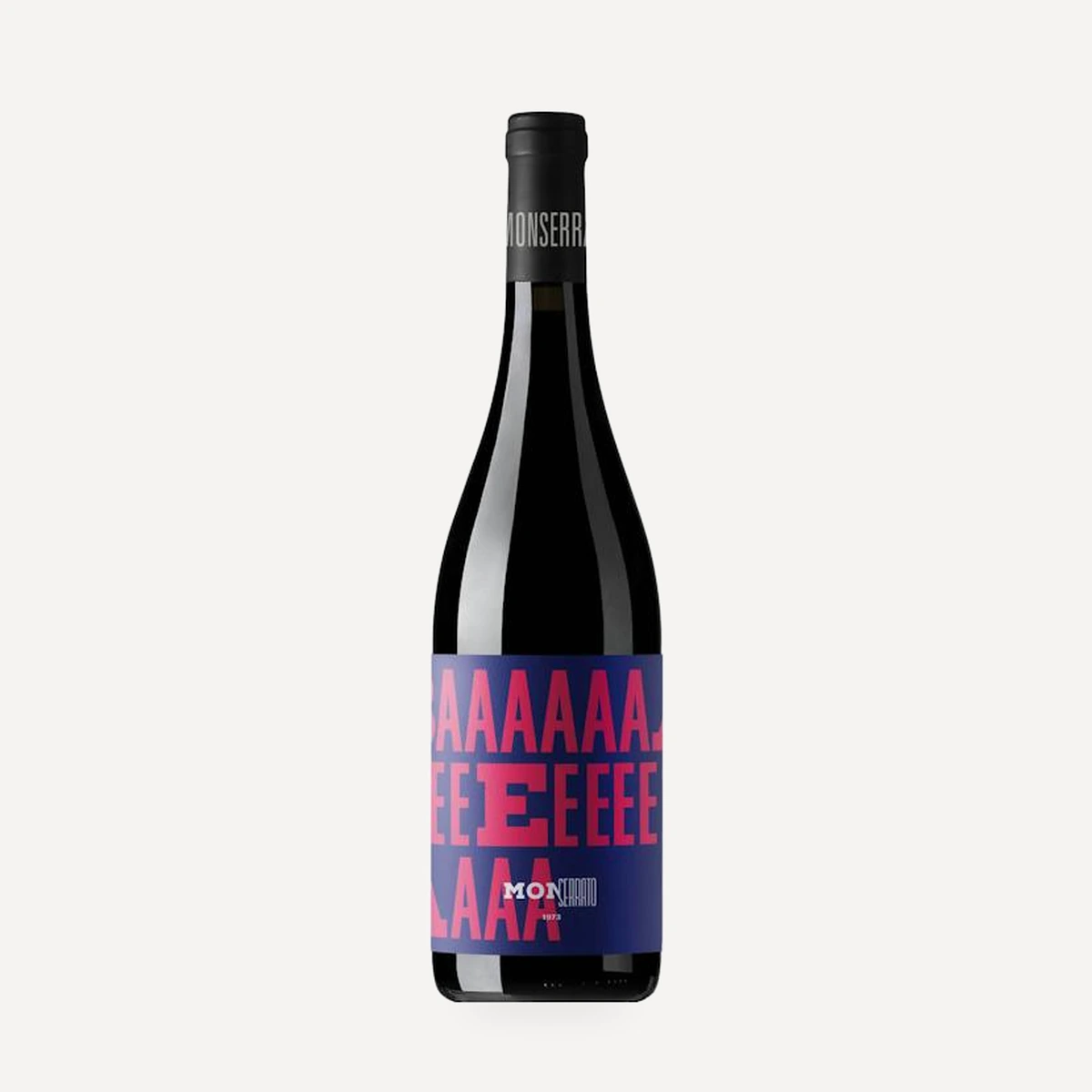
Barbera del Sannio IGP
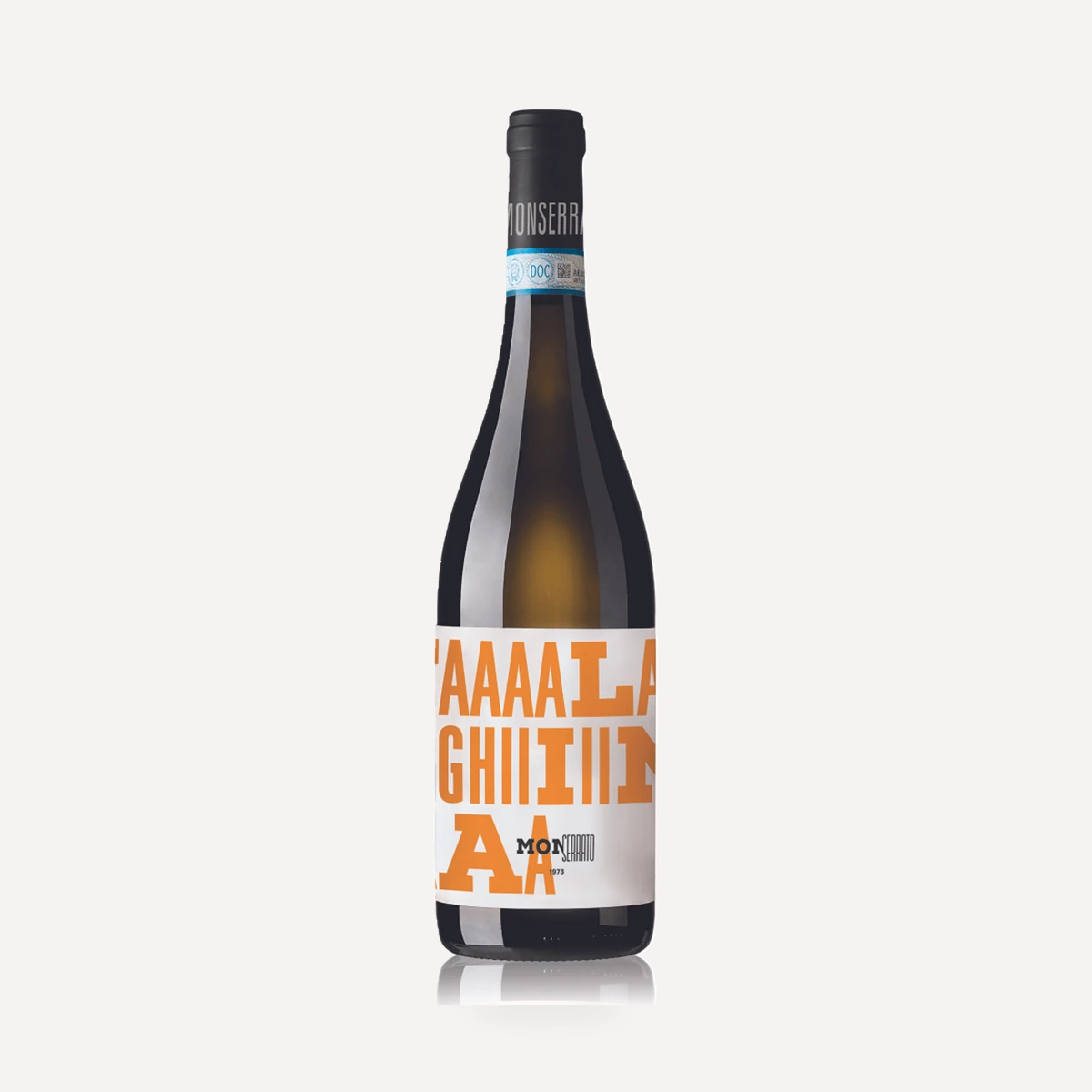
Falanghina
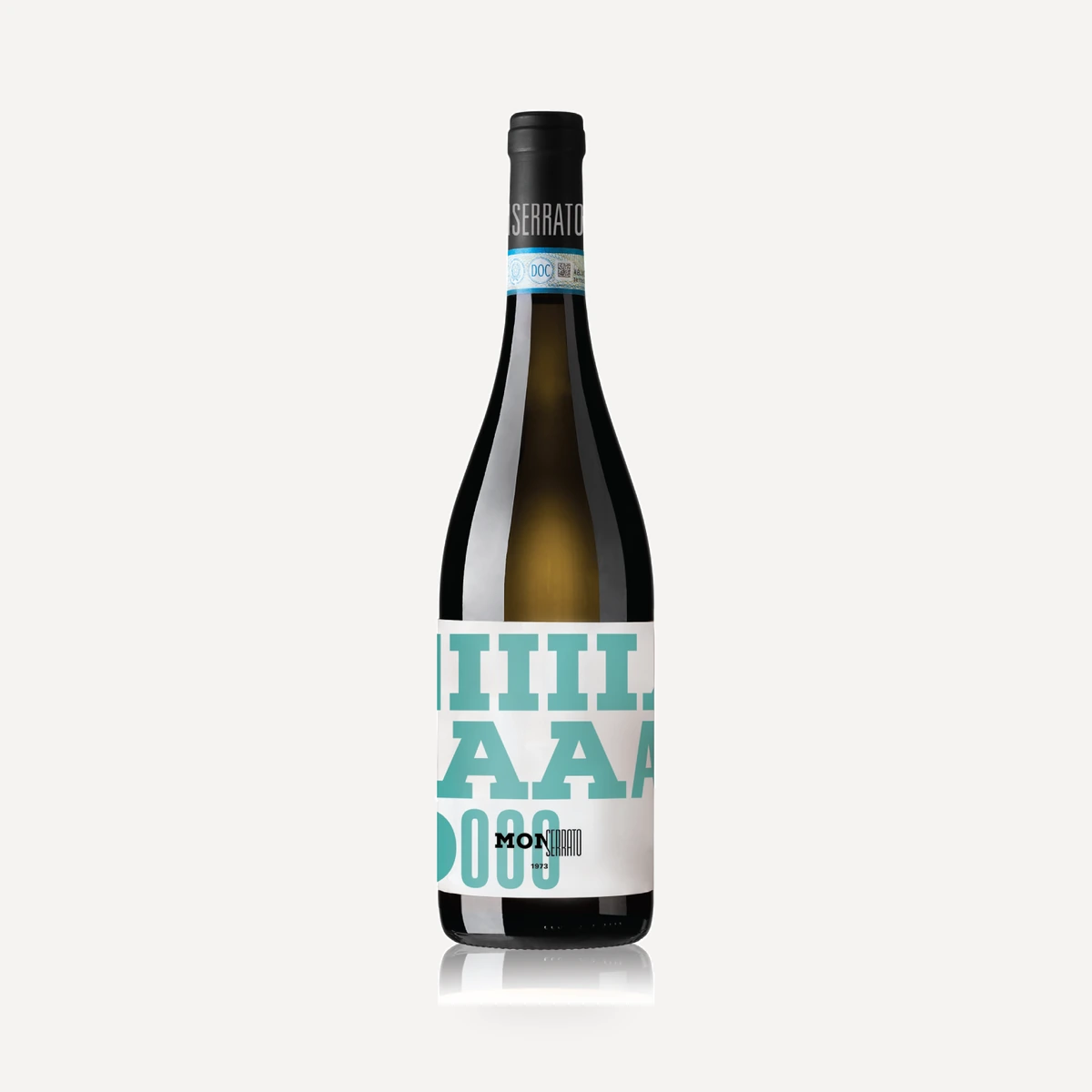
Fiano
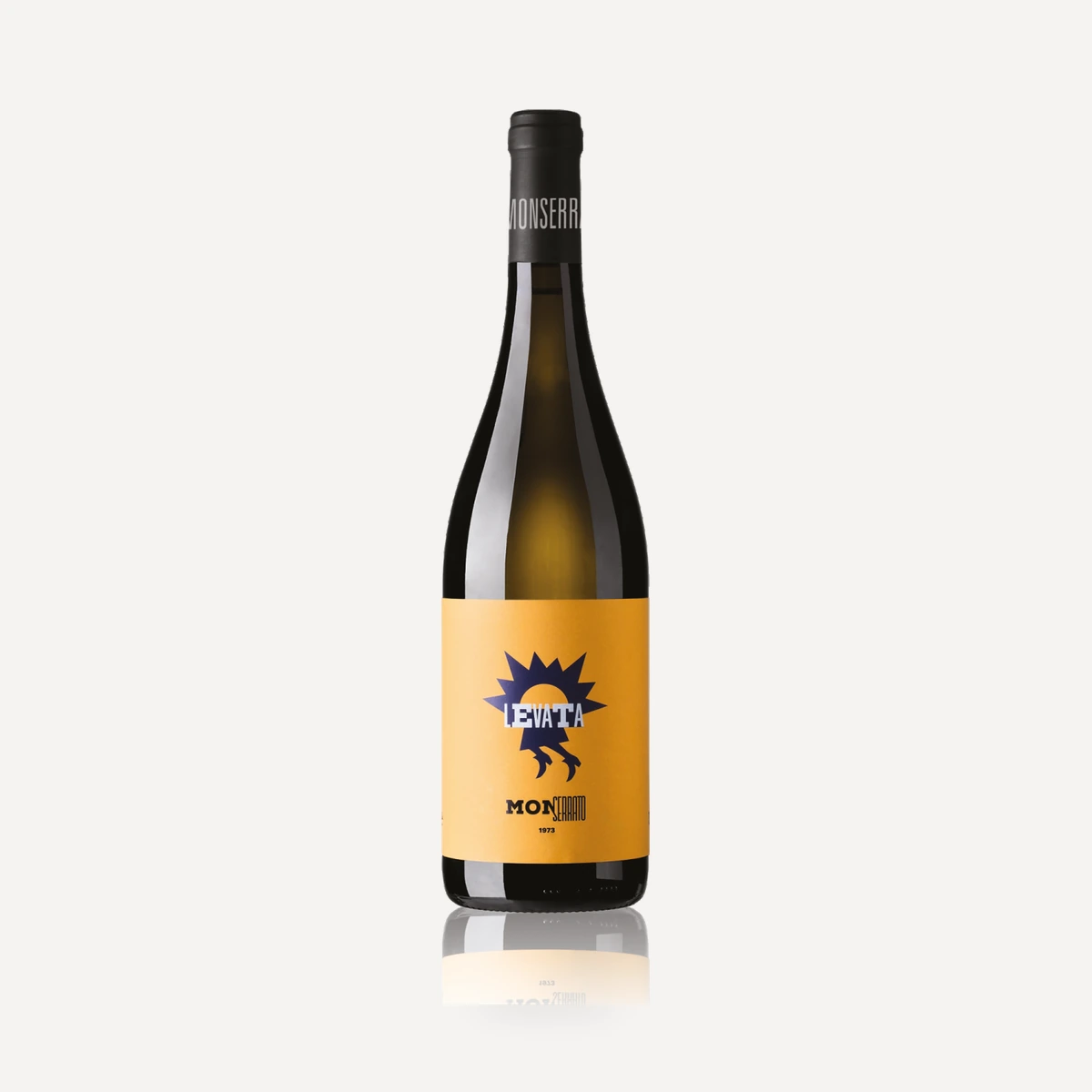
Levata Campania Falanghina IGP
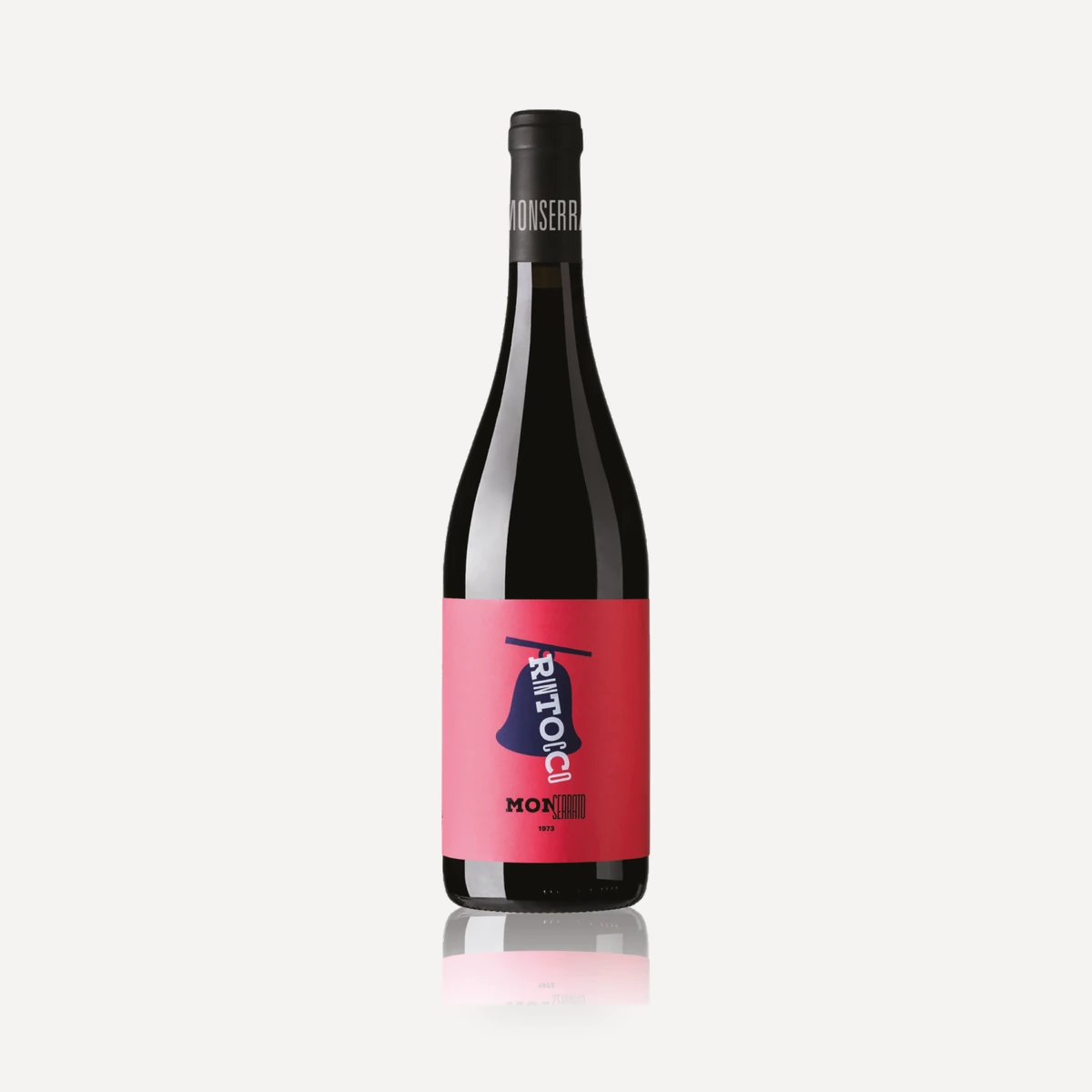
Rintocco Campania Rosso IGP