Storia
Nicola Ferrari and the present project
Monte Santoccio is a family-run agricultural estate based at Località Santoccio in Fumane. Nicola Ferrari has taken responsibility for running the winery, personally tending the estate’s vineyards and vinifying their grapes. His decision to control the complete production chain—from cultivation to work in the cellar—forms the operating basis of the project.
Nicola and his wife, Laura, are presented together as the people behind Monte Santoccio. The estate’s development is centred on wines made exclusively from grapes grown in its own vineyards, with the winery and cellar positioned beside those vineyards. This arrangement allows the family to oversee cultivation, grape processing and maturation within one closely connected operation.
The contemporary range extends from the principal Valpolicella denominations to Rosso Veronese IGT, Veneto IGT, rosé and white wine. An old vineyard at Purano supplies the grapes for Amarone Riserva Nicola Ferrari, produced in a limited quantity of 1,840 bottles.
Terroir
Monte Santoccio is located at Località Santoccio in Fumane, within Valpolicella Classica. Its tasting-room terrace overlooks the hills of Valpolicella, and the winery and cellar stand beside the estate vineyards.
Fumane and Purano are the named origins within the range. The old Purano vineyard is specifically associated with Amarone Riserva Nicola Ferrari. The estate treats aromas, colours and other sensory characteristics as expressions of the vineyards’ terroir and aims to retain that connection through direct control of cultivation and vinification.
Vinificazione
Monte Santoccio works exclusively with grapes from its own vineyards, maintaining direct control from cultivation through vinification. Nicola Ferrari personally tends the vines, while vineyard care continues throughout the year.
Pergola trentina is the documented training system. Harvesting is performed manually for the documented wines, generally during the last week of September or the beginning of October. Grapes intended for appassimento are carefully selected by hand and placed in small crates before being transferred to the drying room. For Amarone, the selected fruit remains there until approximately mid-January. Fruit for Viola Passito is picked at slight overripeness before selection and drying.
The cellar adjoins the estate vineyards and vinifies grapes grown by the family. This physical and operational connection enables control of the complete production chain.
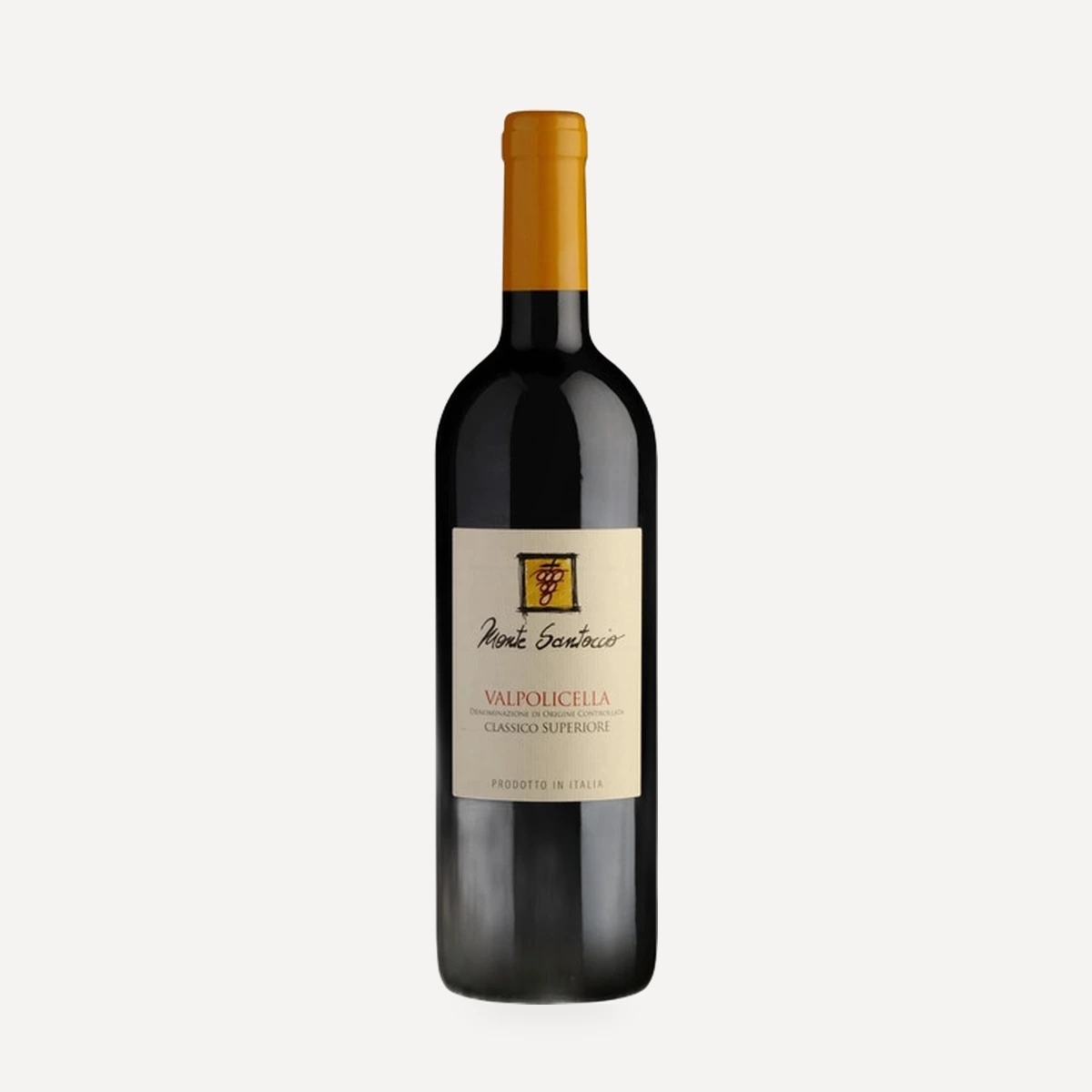
Fresh red-wine production includes pressing followed by approximately 15 days of maceration and fermentation in steel. Valpolicella Classico matures for 8–12 months in concrete vats. Valpolicella Classico Superiore is divided between concrete, accounting for two-thirds of the wine, and oak tonneaux, accounting for the remaining third.
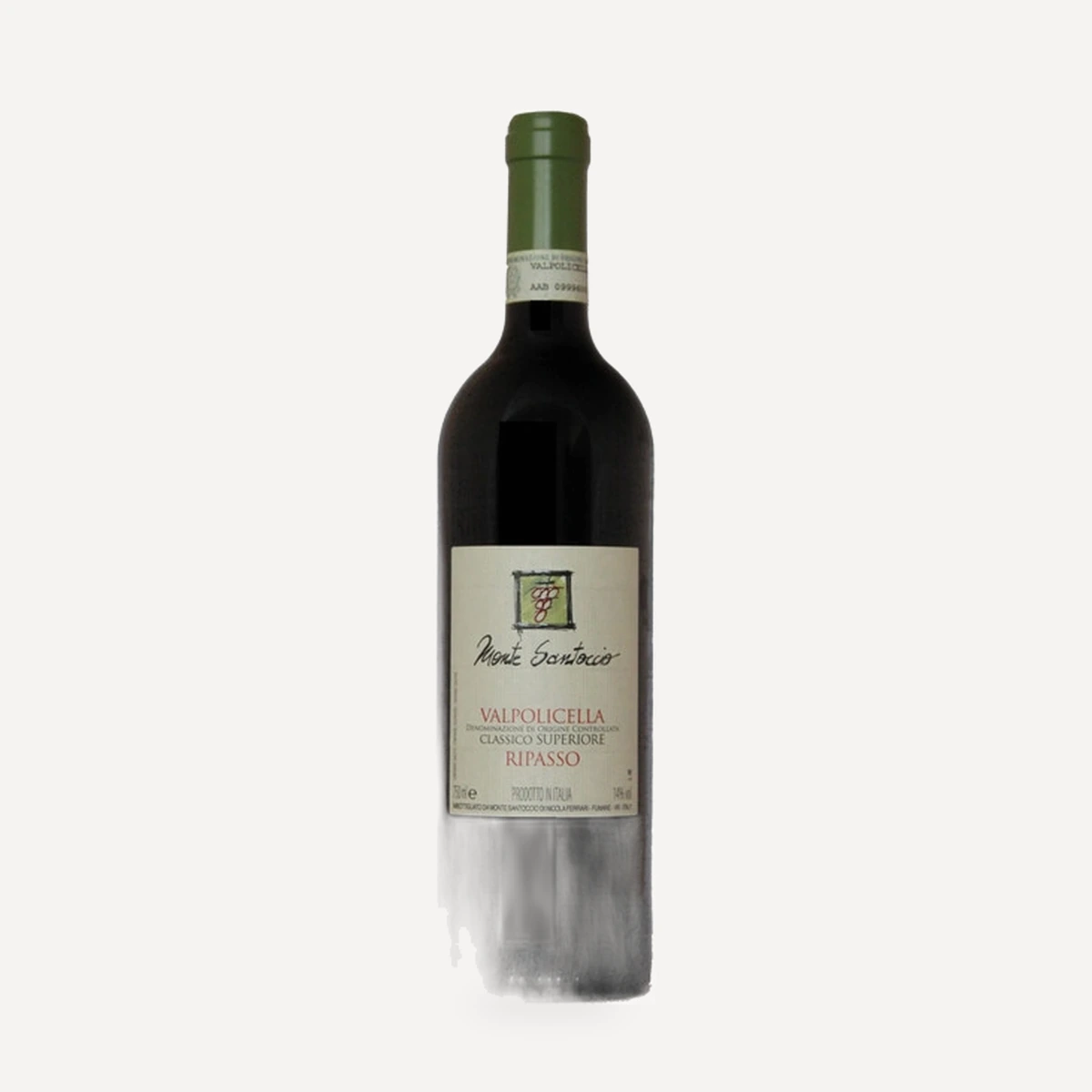
Valpolicella Ripasso undergoes an initial 15-day fermentation and maceration in steel, followed by approximately 20 days of refermentation on Amarone pomace. It then matures in French-oak tonneaux.
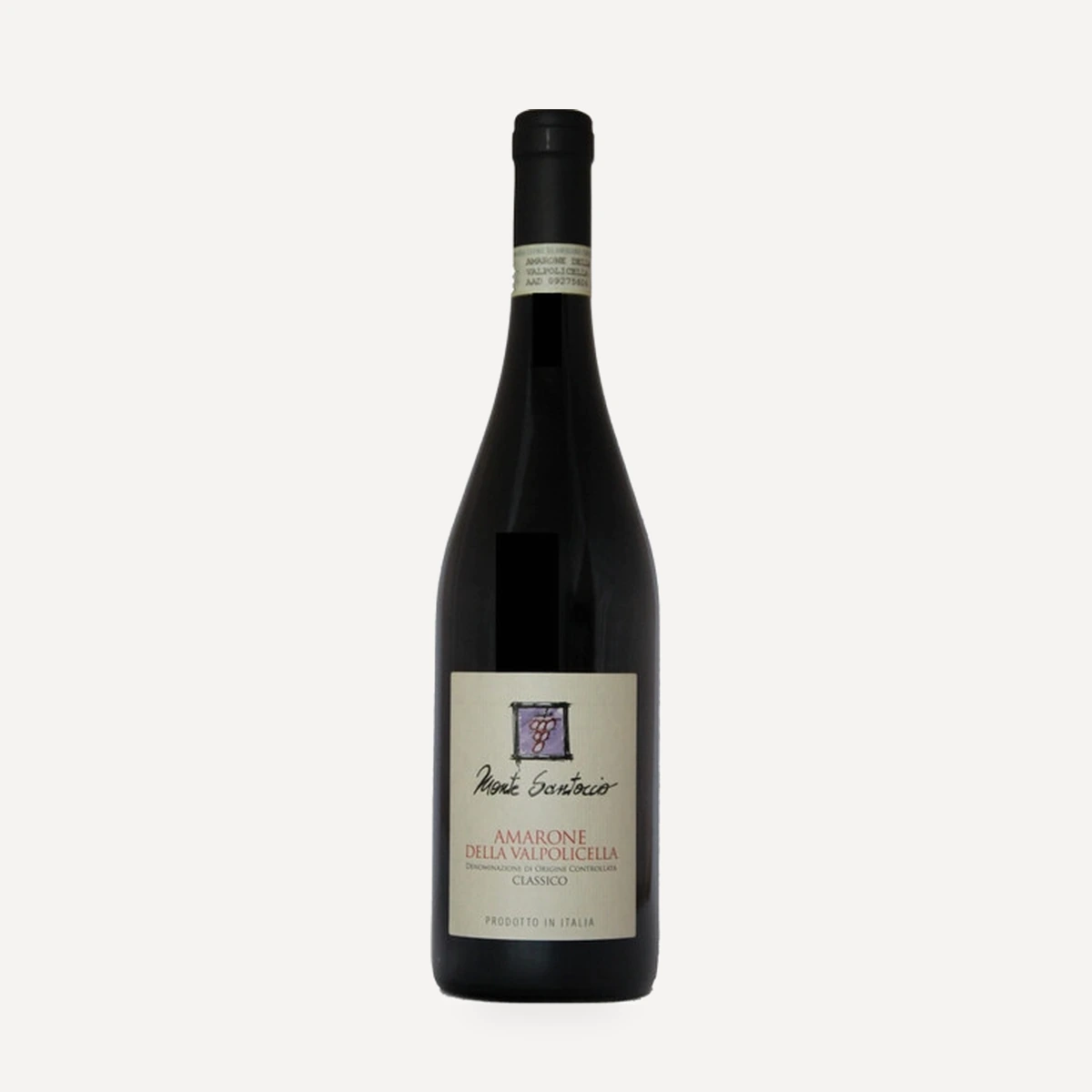
For Amarone, carefully hand-selected grapes are placed in small crates and dried in the fruttaio until around mid-January. Vinification comprises a cold premaceration of about 20 days and alcoholic fermentation lasting about 30 days, followed by maturation in French-oak tonneaux. Amarone Riserva Nicola Ferrari follows the same broad sequence of hand selection, drying to mid-January and approximately 30 days of maceration and fermentation before tonneaux maturation.
Santocciorosso includes Corvina and Corvinone dried until December; pressing, maceration and fermentation take almost 20 days, followed by tonneaux maturation.
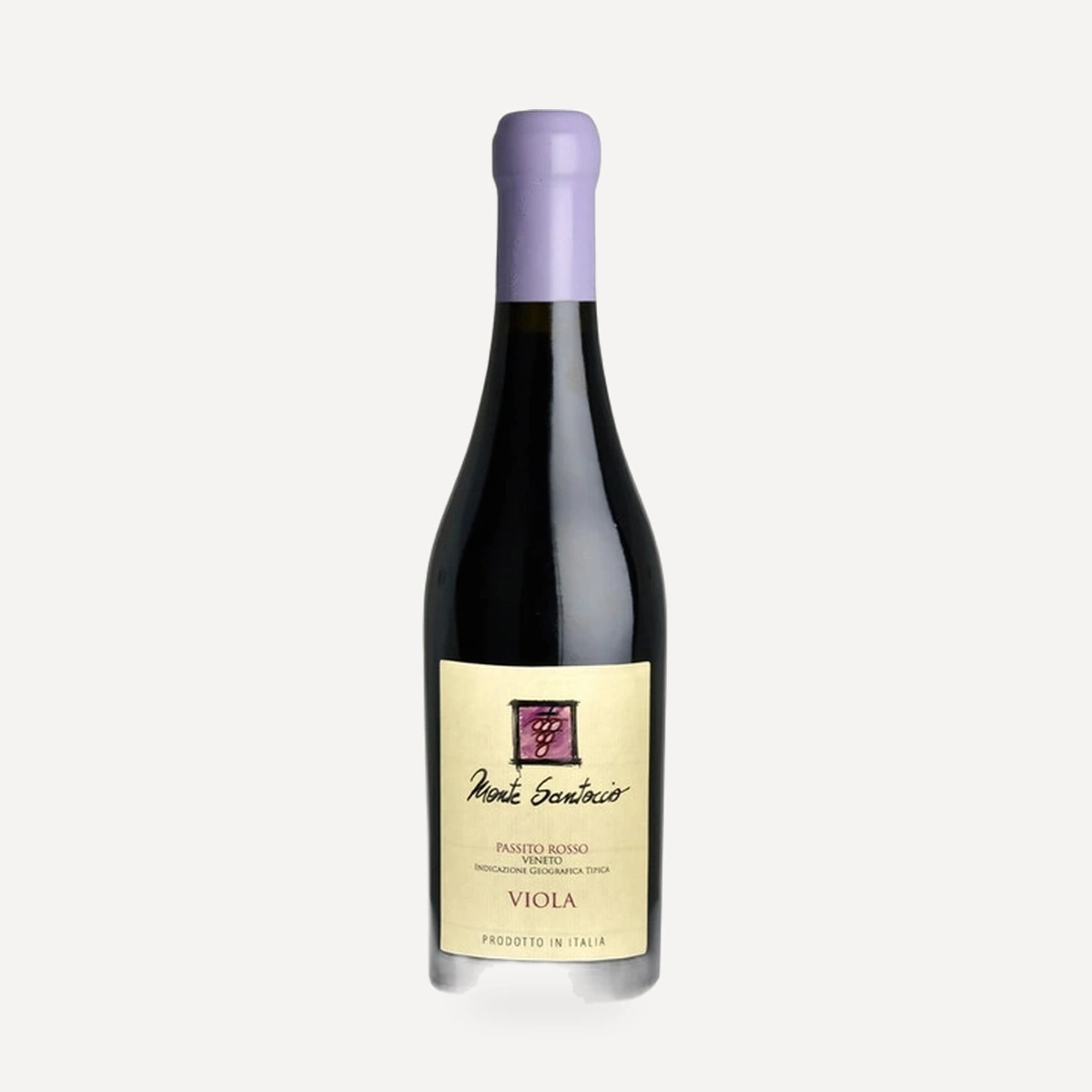
For Viola Passito, slightly overripe grapes are hand selected, placed in small crates and dried in the fruttaio. Vinification proceeds through a 30-day cold premaceration and a very slow alcoholic fermentation of approximately one month at no more than 18°C. The wine matures in French-oak tonneaux. Stella Recioto is produced from grapes dried until the end of February, followed by pressing, approximately 30 days of maceration and close to 30 days of fermentation, then tonneaux maturation.
Ferdinando is fermented in temperature-controlled steel with indigenous yeasts for seven days and remains in steel for maturation. Miss Rosè undergoes six hours of whole-grape maceration before pressing, followed by 15 days of fermentation in steel and several months of maturation in steel vats.
Filosofia
Nicola Ferrari’s idea of wine centres on drinkability; he explicitly rejects the concept of wine intended principally for meditation. He believes that the potential of an outstanding wine can be recognised from its birth and that the winemaker’s responsibility is to avoid damaging that potential.
The project links quality and reputation to complete control of production. Nicola therefore tends his own vineyards and vinifies the grapes himself, while the family uses only estate-grown fruit. The intended result is a transparent expression of terroir in the wines’ aromas, colours and nuances.
Monte Santoccio combines hands-on vineyard work, direct cellar responsibility and openness to future development. Traditional elements—including Valpolicella varieties, pergola training, appassimento, Ripasso and maturation in concrete or oak—coexist with temperature-controlled steel and a focus on approachable, drinkable wines.
Vini
Amarone della Valpolicella
Valpolicella Ripasso
Valpolicella Classico Superiore