Storia
Agricultural roots since 1850
The family has cultivated its land since 1850. Agriculture and livestock farming developed together at Sant’Andrea d’Agliano, where the family has now been established for five generations. Grain initially answered the household’s need to eat what it produced, while trees, vines and livestock became interconnected parts of the wider agricultural holding.
The vineyards of Guido and Lucia
Grandparents Guido and Lucia began planting the vines used by the estate from the 1970s onward. The surviving plantings include a mixed white vineyard of Grechetto, Trebbiano and Malvasia that is now approximately 55 years old, as well as Grechetto, Montepulciano and Merlot parcels of different ages.
Guido began vinifying at the property known as “570” during the 1980s. He sold wine by the litre and in demijohns under a label that was later revived for Bianco di Sant Andrea. The oldest mixed white vineyard also supplied grapes for the family’s traditional passito.
Montecorneo 570
The period from 2012 to 2022 is presented as the first phase of Montecorneo 570’s activity. A commemorative bottling marked those first vintages, the milestones achieved and the difficulties encountered during the project’s first decade.
The vineyard gradually became the centre of a broader agricultural vision in which vines, grain and trees reinforce one another. The family continued to combine winegrowing with livestock, grain cultivation, olive oil and cured-meat production.
Recovery of the oldest vineyard
The estate devoted three years to recovering its oldest vineyard in collaboration with the team at Lumiluna. Although the site had long supplied grapes for household passito, its retained freshness encouraged the family to begin vinifying it as a dry wine as well.
The 2020 hailstorm
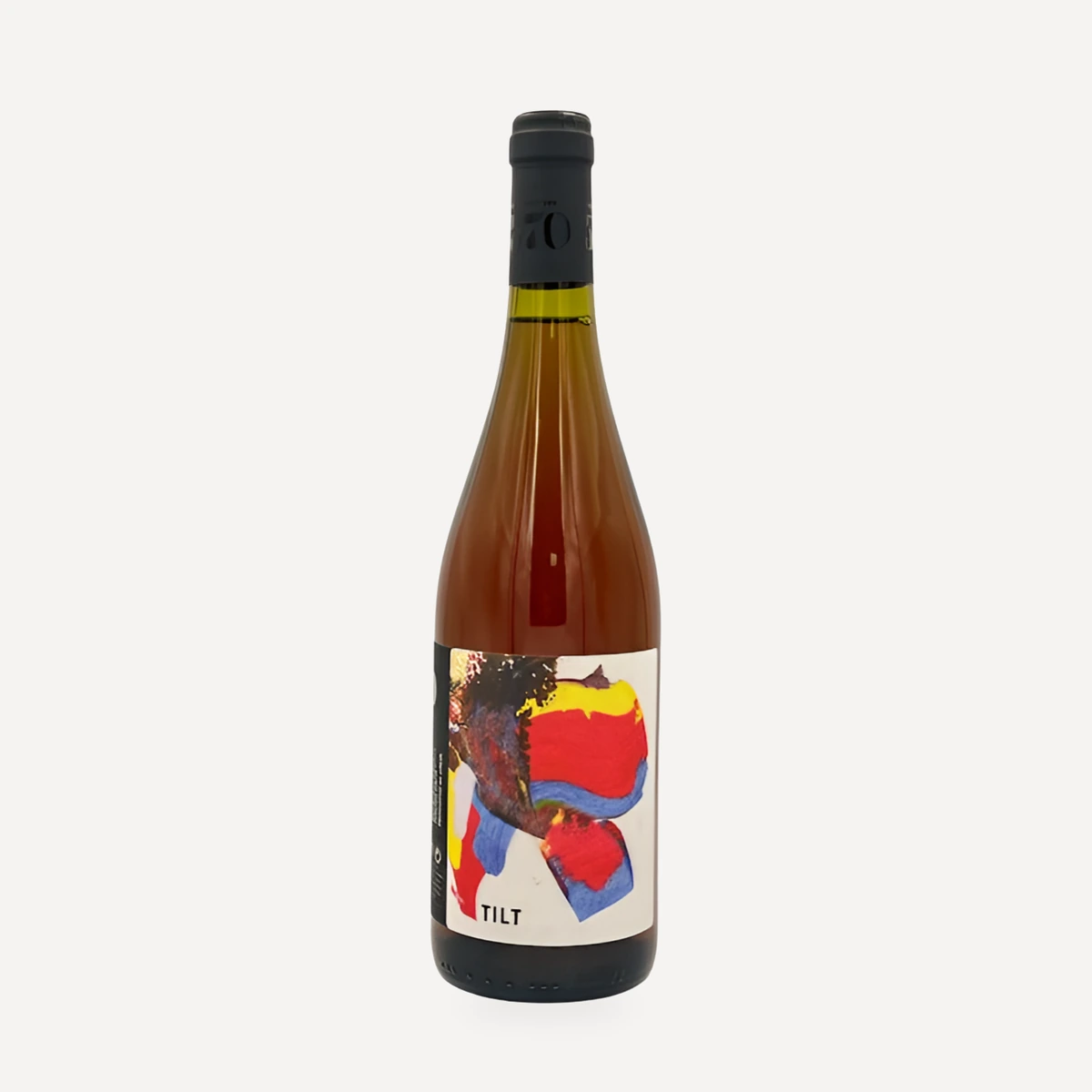
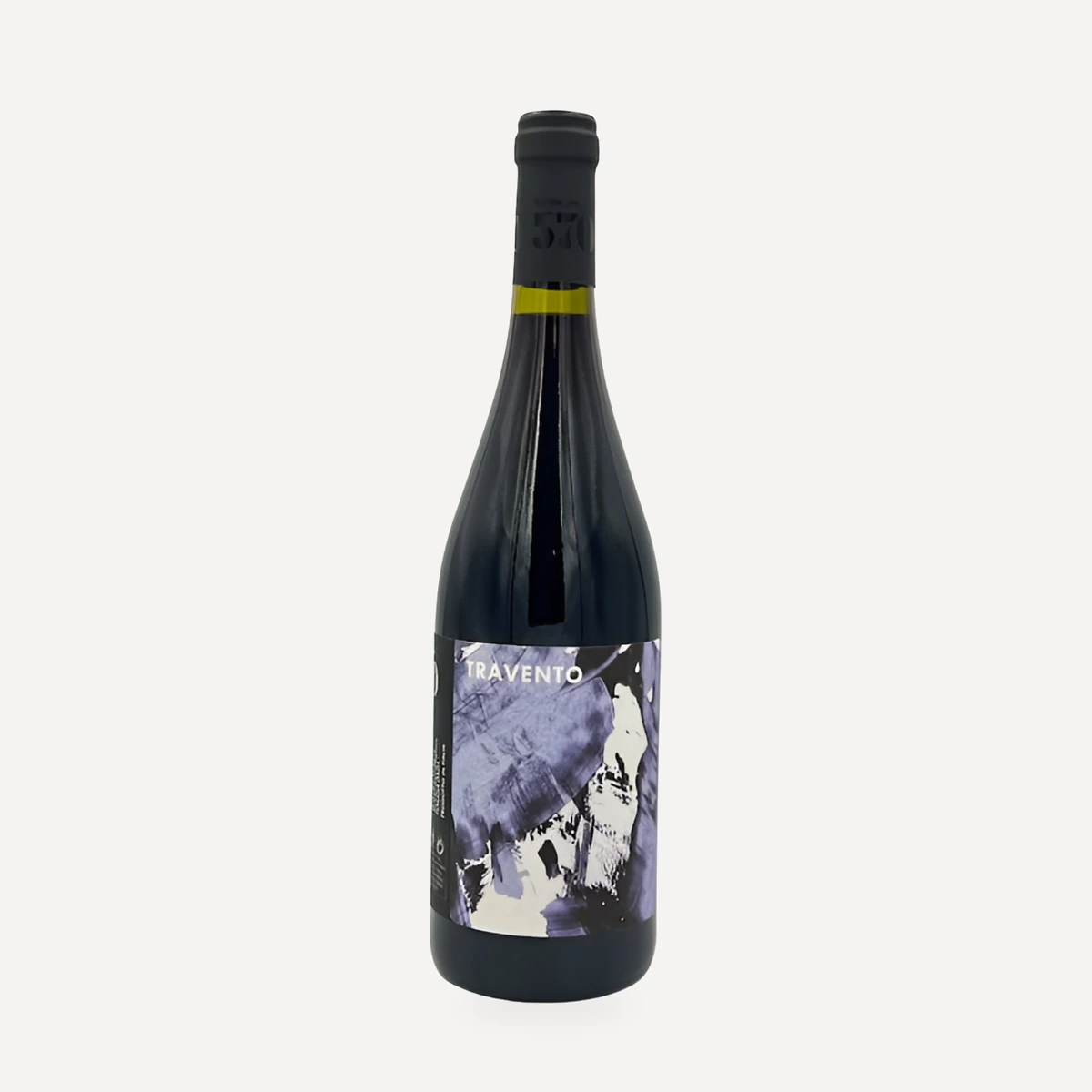
In 2020, the Merlot parcel used for Travento narrowly escaped a hailstorm. The orientation of its rows kept the grape clusters out of the storm’s direct path. The episode inspired the wine’s name, which evokes its escape from the passing hail and wind.
Terroir
The vineyards lie at Sant’Andrea d’Agliano, near Perugia. The estate describes a cultivated landscape in which vines, grain fields and trees form a single agricultural system rather than isolated crops.
Two principal soil combinations are identified. The Grechetto parcels and the oldest mixed white vineyard grow on clay and sand. The Montepulciano and Merlot parcels grow on clay and limestone.
The oldest mixed vineyard occupies a favourable hillside position. Its conditions permit the development of Botrytis cinerea, historically making its fruit suitable for the family’s passito. Morning fog helps the fungus continue developing on the bunches selected for drying, while ventilation is used later in the day to remove excess humidity.
A cooler corner of the estate is associated with the Merlot parcel. The orientation of its rows also proved decisive during the 2020 hailstorm, when the grape clusters escaped the storm’s direct path.
Vinificazione
Organic and biodynamic principles guide the management of the vineyards, while the individual vineyard sheets consistently identify the farming regime as organic agriculture.
Harvesting is manual throughout the documented parcels. Grechetto may be collected in two passes separated by ten days, beginning in early September. Trebbiano and Malvasia from the oldest mixed vineyard are picked around mid-September. Montepulciano and Merlot are harvested during the coolest hours of the morning or day.
The younger Grechetto, Montepulciano and Merlot parcels are Guyot trained. Their pruning is being converted to reduce the productive load. The oldest mixed white vineyard is trained in Palmetta and is also undergoing conversion.
The oldest vineyard required a three-year recovery programme carried out with Lumiluna. Its hillside conditions and susceptibility to beneficial Botrytis cinerea were retained as part of its continuing use for passito production while the restored vines were also brought into dry-wine production.
An adaptive cellar approach
No predetermined oenological protocol is imposed on every harvest. The grapes are accompanied through their transformation according to the conditions of each vintage, without adding other ingredients to them. The must is treated as an expression of the cultivated soil, and interventions are adjusted to the behaviour of each fermentation.
Reception and pressing
Red grapes may be destemmed and only partly crushed. White grapes are handled through several complementary approaches. Fresh Grechetto can receive very gentle pneumatic pressing without skin contact or oxygen exposure. Material remaining after that soft pressing can be worked in a vertical press with oxygen exposure, reducing the perceived astringency of the tannin and concentrating colour without a skin maceration.
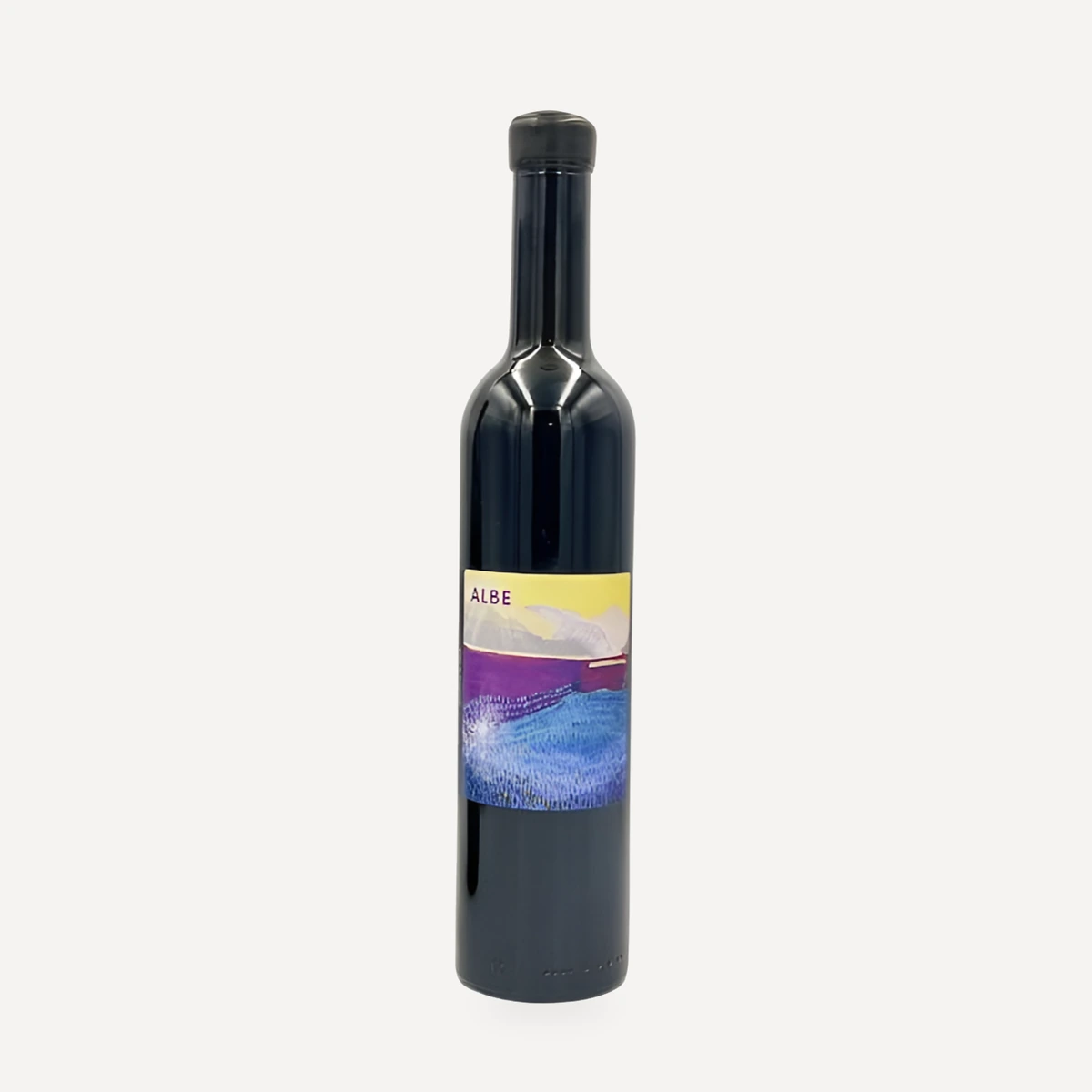
The mixed white vineyard is processed differently according to the intended result. For dry wine, Trebbiano and Malvasia receive approximately two days of maceration to initiate fermentation, while Grechetto from the lower portion of the site is pressed immediately; the components then ferment together. For passito, Trebbiano and Malvasia are dried on racks in the cellar for about three months. Morning fog encourages continued botrytis development, while fans dry the bunches during the remainder of the day. The dried grapes are then pressed, fermented and matured in steel.
Fermentation and extraction
Both stainless steel and concrete are used for fermentation. One Montepulciano approach employs concrete vats, with three pump-overs daily during the initial phase, followed by draining after alcoholic fermentation and malolactic conversion. Another begins in concrete with fresh must added every three days and completes fermentation in steel.
The Merlot process uses a closed stainless-steel fermenter assembled in alternating layers of destemmed and whole-stem material—a “mille-feuille” arrangement. Once filled, the tank remains closed until alcoholic fermentation is complete, after which it is opened and drained.
Grechetto lots harvested ten days apart can ferment separately in stainless steel before blending. Fermentation of the oxygen-exposed press fraction proceeds in steel without the skins.
Maturation and bottling
Stainless steel and concrete are the principal maturation vessels described. Grechetto lots may be blended after separate steel fermentations and spend the winter in concrete. Montepulciano components may be assembled in steel and subsequently matured in concrete. Merlot remains in stainless steel after fermentation.
Several dry wines are bottled in the spring following harvest. The dry wine from the oldest mixed vineyard receives at least one additional year in bottle before release.
Vermouth production
The Vermouth Chinato began with a tonneau of Montepulciano known as Sor Guido that had matured for two years. Oscar Quagliarini developed the final preparation with horseradish, wormwood and cinchona in collaboration with Italiana Liquori. It is not filtered and therefore may form sediment.
Filosofia
Montecorneo 570 presents winegrowing as one component of an integrated agricultural project built around grain, trees and vines. Grain represents the family’s original need to feed itself from what it cultivated; trees provide shade, fruit and the conditions needed for the farm to breathe; vines connect the lives and work of successive generations.
The vineyard led the family to reinforce the links among these elements rather than treat viticulture as an isolated activity. Landscape stewardship, farming, livestock and food production therefore remain part of the same project.
In the cellar, the guiding aim is to let grapes remain the central actor. The estate rejects a single predetermined protocol for every vintage and adjusts its work to the progress of each fermentation. Must is understood as a reflection of the cultivated ground, with the cellar creating the conditions for transformation rather than imposing a uniform recipe.
The approach also values full use and deeper understanding of the harvest. Hambre grew from the desire to study and use the Grechetto skins remaining after gentle pressing, echoing Guido’s insistence that grapes should not be wasted. Organic and biodynamic principles frame vineyard management, while the wider farm links sustainability with the protection of its cultivated landscape.
Vini
Travento
Albe
Allius
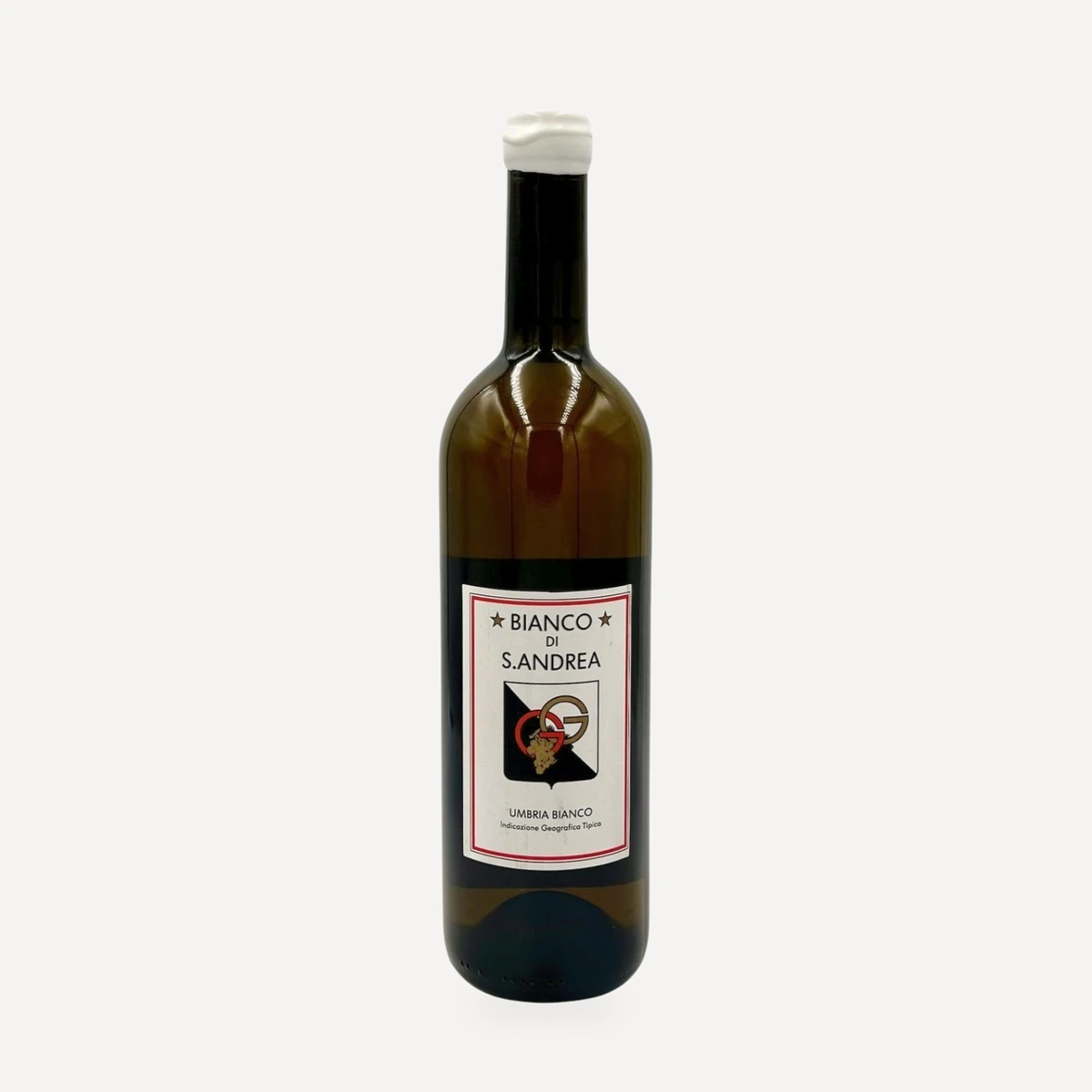
Bianco di Sant Andrea
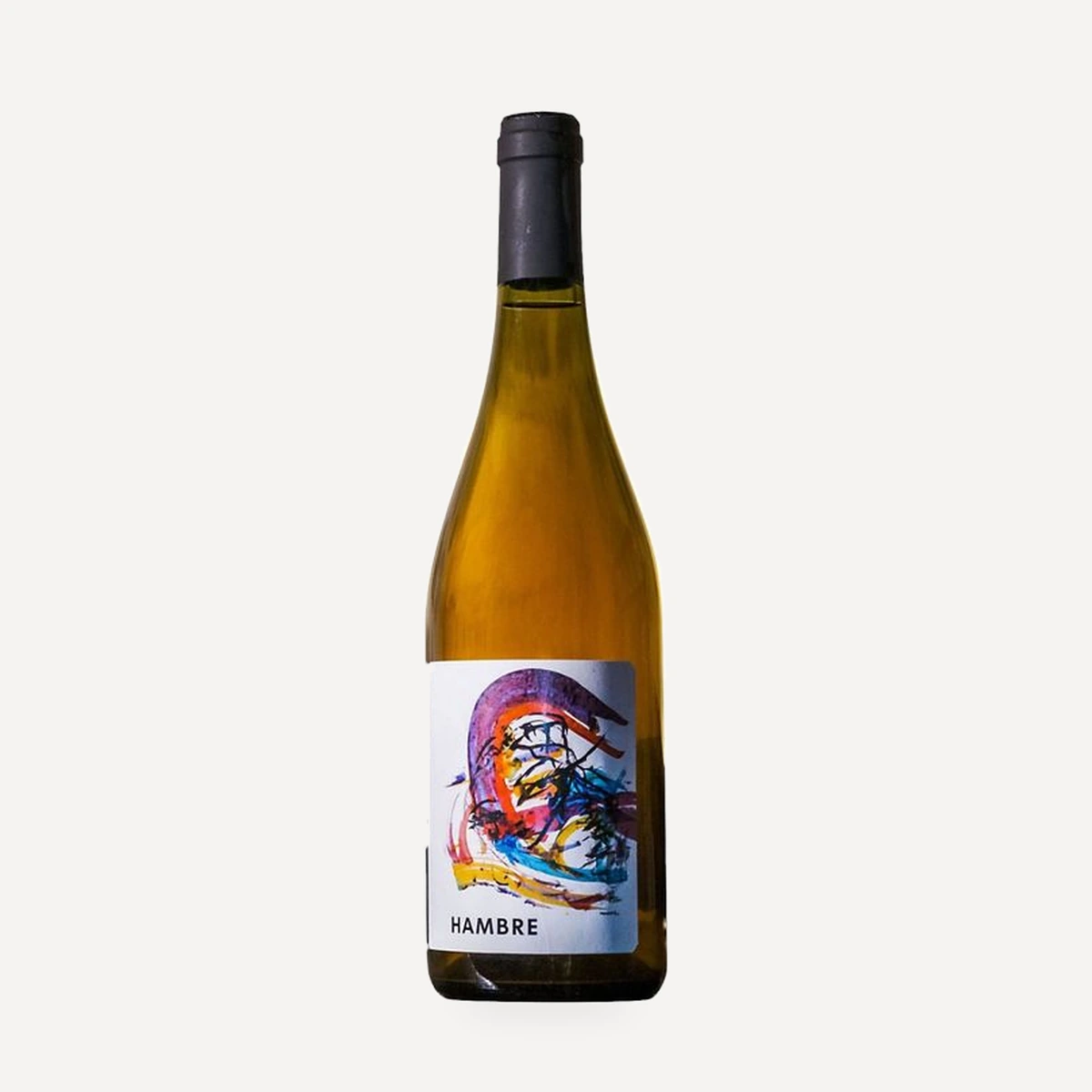
Hambre
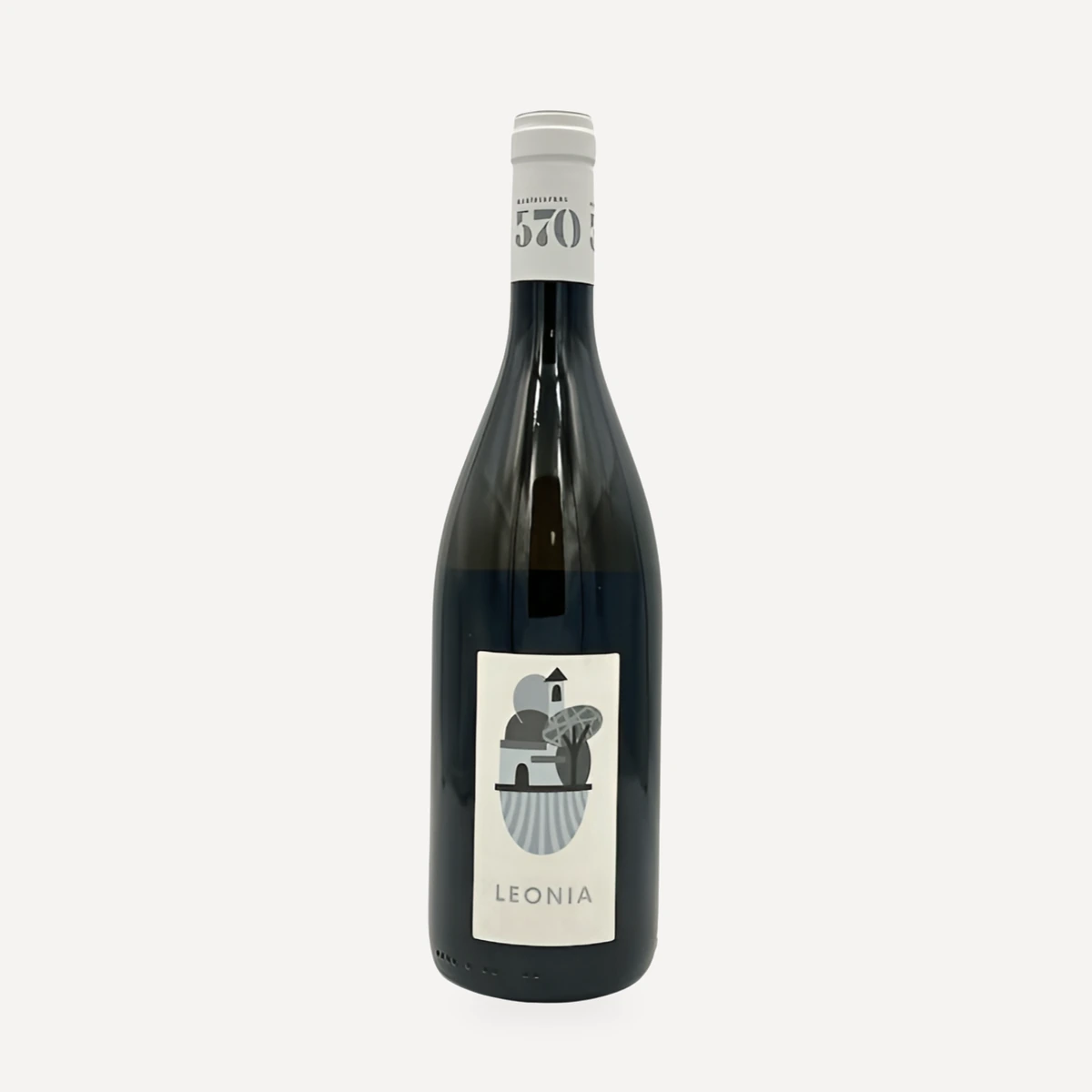
Leonia