Storia
Family roots
The estate continues the agricultural work begun by Omero Moretti’s parents, Giuseppe and his wife, who produced extra-virgin olive oil and wine. Giuseppe sold wine in bulk. Omero later moved the family enterprise toward estate bottling while retaining the farming knowledge and working methods passed down by earlier generations.
1992: foundation and organic conversion
In 1992 Omero Moretti formally gave the enterprise the name Moretti Omero Azienda Agraria and planted 5 hectares of Sagrantino. The same year marked the farm’s certification for organic agriculture and the first bottling of its olive oil under the Moretti Omero name.
Daniela, Omero’s wife and a nurse, was instrumental in the conversion. Because her daughters spent their afternoons in the fields with their father, she insisted that they grow up in an environment without pesticides. Organic farming consequently became both a production system and a family way of life.
1997: first bottled wine
The first wine bottled under the family name was a Trebbiano Spoletino from the 1997 vintage. Omero subsequently developed bottled Montefalco wines, replacing the earlier generation’s bulk-wine model. Native grapes, particularly Sagrantino and Trebbiano Spoletino, became central to the estate’s identity.
Estate-selected yeasts and technical development
The cellar gradually moved away from commercial yeasts. In collaboration with the University of Perugia, yeasts were isolated from the estate’s own Sagrantino grapes and selected for fermentation. This work sought to preserve the grape’s particular aromatic identity while combining limited intervention with modern technical control. The selected genetic material was subsequently entered in Umbria’s regional register of agricultural genetic resources at risk of erosion. Work was also planned on selecting yeasts from Trebbiano Spoletino.
Giusy Moretti and the next generation
Giusy Moretti initially trained as an architect and considered building a life outside Italy. Her attachment to the Umbrian countryside, and to the work of her grandparents and father, led her back to the family estate. She relinquished her architectural career, joined Omero and eventually assumed company leadership, while continuing to work with him.
Her contribution includes earlier harvesting in pursuit of more balanced and drinkable Sagrantino, obtaining vegan certification for two wines, campaigning for pesticide-free buffer zones around organic farms, and developing a traditional-method sparkling Trebbiano Spoletino with Omero. She also oversees the visual identity of the bottles, treating labels as an expression of the family’s identity and attention to detail.
Omero later fulfilled a long-standing ambition by acquiring an olive mill devoted exclusively to the family’s own fruit. Keeping milling in-house was intended to prevent contact with olives carrying residues from external pesticide treatments and to maintain direct family control from the fields through processing and presentation.
A family enterprise
Omero and Giusy lead the business with Daniela and the younger daughter, Lucia. Daniela remains closely associated with the organic decision and the family’s practical strength; Lucia takes part in visits, tastings and the farm shop and has a particular interest in olive oil. The grandmother preserves family cooking knowledge and the traditional style of Montefalco Sagrantino Passito. At Giusy’s initiative, students from the Centro Sperimentale di Roma filmed her hand-pasta and cooking skills to preserve this intangible family knowledge.
Terroir
The farm lies at Località San Sabino in Giano dell’Umbria, in the southern part of the Montefalco denomination. Its vineyards occupy hilly ground, with the highest vineyard used for Metodo Classico rising above 400 m. Vignalunga lies between approximately 400 and 450 m.
Clay is the recurring soil in the Sagrantino and Montefalco red-wine vineyards. Sangiovese is grown on south-facing ground, while Sagrantino is associated with north-eastern exposure. Other estate parcels include clay-loam and medium-textured clay soils, silt-loam, and a parcel with clay and limestone. East-facing ground is used for Trebbiano Spoletino and Ciliegiolo, while Grechetto and Malvasia are associated with southern exposure.
Cold winter winds arriving from the Monti Sibillini are used in the cellar for natural cold stabilization in steel tanks placed outdoors. The family regards the vineyards as individual expressions to be preserved rather than standardized, and links the freshness and acidity of its wines—especially Trebbiano Spoletino—to these sites and their seasonal conditions.
Vinificazione
Certified organic farming has governed the estate since 1992. Vineyard treatments are limited to minimal applications of sulfur and copper. The family avoids synthetic pesticide use and has campaigned for pesticide-free buffer zones around organic holdings so that neighboring treatments do not compromise organically managed land.
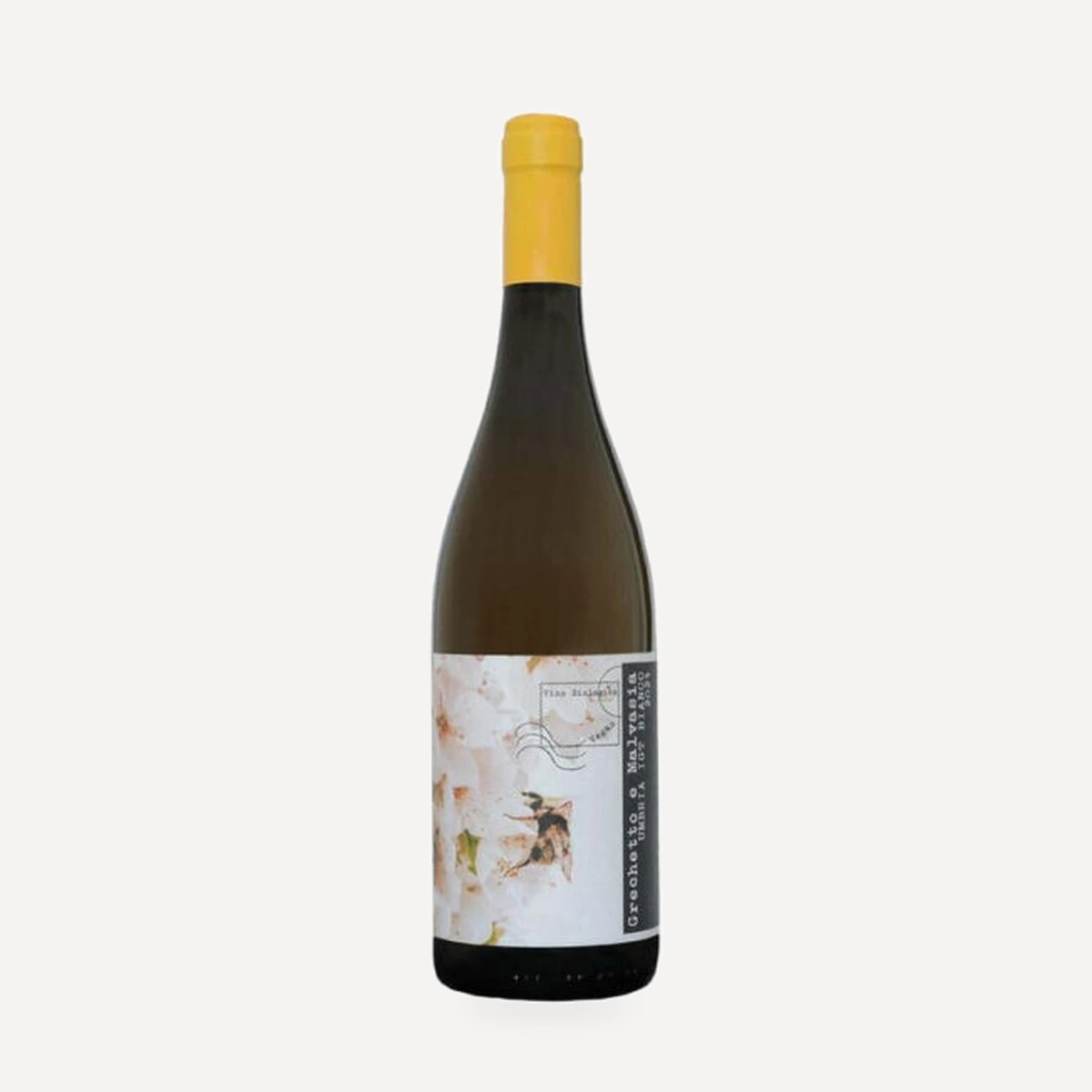
Green manure is used in Grechetto–Malvasia and Ciliegiolo parcels. Biodiversity is treated as an operating principle as well as a visual symbol: poppies were chosen for one label because their presence in fields is associated by the family with the absence of chemical herbicide treatment.
Grapes are harvested by hand. Depending on variety and site, picking extends from the first half of September for Grechetto and Malvasia, through late September and early October for Trebbiano Spoletino, Sangiovese and mixed red varieties, to early or mid-October for Sagrantino. Giusy Moretti has encouraged earlier harvesting of Sagrantino to produce wines with greater balance and drinkability.
The family personally follows the work from the fields through processing and presentation. Native or locally significant grapes—including Sagrantino and Trebbiano Spoletino—are emphasized, while the estate-selected Sagrantino yeast project also serves to preserve a local genetic resource judged at risk of erosion.
The cellar combines limited intervention with technical control—an approach the family characterizes as low-invasive because it is technologically informed. Moretti Omero and the University of Perugia isolated yeasts from the estate’s Sagrantino grapes and selected them for fermentation. The estate has also pursued similar work with Trebbiano Spoletino.
White grapes are softly crushed and pressed. The must can be clarified statically at low temperature and fermented in stainless steel at a controlled 20°C. Some whites ferment with indigenous yeasts. Natural cold stabilization takes place in outdoor steel tanks, using winter cold and winds from the Monti Sibillini. Metodo Classico receives its second fermentation in bottle. The traditional Sui Lieviti method uses indigenous yeast, three months of natural settling in steel without filtration, followed by the addition of must and yeast at bottling and refermentation in bottle.
Published red-wine protocols use approximately 15 days of alcoholic fermentation. Skin maceration ranges from 15 days for Montefalco Rosso to 20 days for Sagrantino and 30 days for Montefalco Rosso Riserva. Several reds remain on fine lees for six months with bâtonnage. Maturation takes place principally in French-oak tonneaux: approximately 12 months for Montefalco Rosso and Sagrantino, 14 months for the Riserva, and longer regimens for Vignalunga. Vignalunga material describes 12 months in French-oak tonneaux followed by 12 months in American-oak tonneaux and at least six months in bottle; a later account describes 24 months in French oak and at least six months in bottle.
For Sagrantino Passito, the best bunches are laid on racks in a sheltered, naturally ventilated room and dried until December. About 100 kg of grapes yields roughly 30–35 litres of passito. The wine undergoes about 25 days of maceration, six months on fine lees with bâtonnage and approximately 12 months in tonneaux.
Although organic rules permit isinglass, casein and albumin, the estate avoids these processing aids in designated wines. Two wines obtained vegan certification. The family’s own olive mill is used exclusively for estate olives, preventing contact with externally sourced fruit and maintaining direct control of processing. Olives are moved rapidly to the mill after harvest and cold-pressed.
Filosofia
Love of the land and respect for biodiversity form the center of the family’s philosophy. Organic farming is treated as a way of life rather than an isolated certification, originating in Daniela’s determination to provide a pesticide-free environment for her daughters.
Craftsmanship means that members of the family remain personally involved at each stage, from hand harvesting grapes and olives to cellar work, milling, tastings and international presentation. The objective is to preserve the identity of individual vineyards and the natural vocation of each grape, with particular attention to native varieties such as Sagrantino and Trebbiano Spoletino.
In the cellar, restraint is paired with technology. Selected native yeasts, temperature control and careful maturation are used to reveal site and variety rather than impose a standardized profile. Giusy’s preference for earlier Sagrantino harvests similarly aims for balance and drinkability instead of sheer power.
The family values continuity without treating tradition as static. Omero repeats and improves techniques inherited from previous generations; Giusy combines that inheritance with environmental activism, technical research, Metodo Classico production, vegan certification and contemporary visual design. Her guiding expression, festina lente—make haste slowly—reflects the patience required by Sagrantino and by long-term agricultural work.
Vini
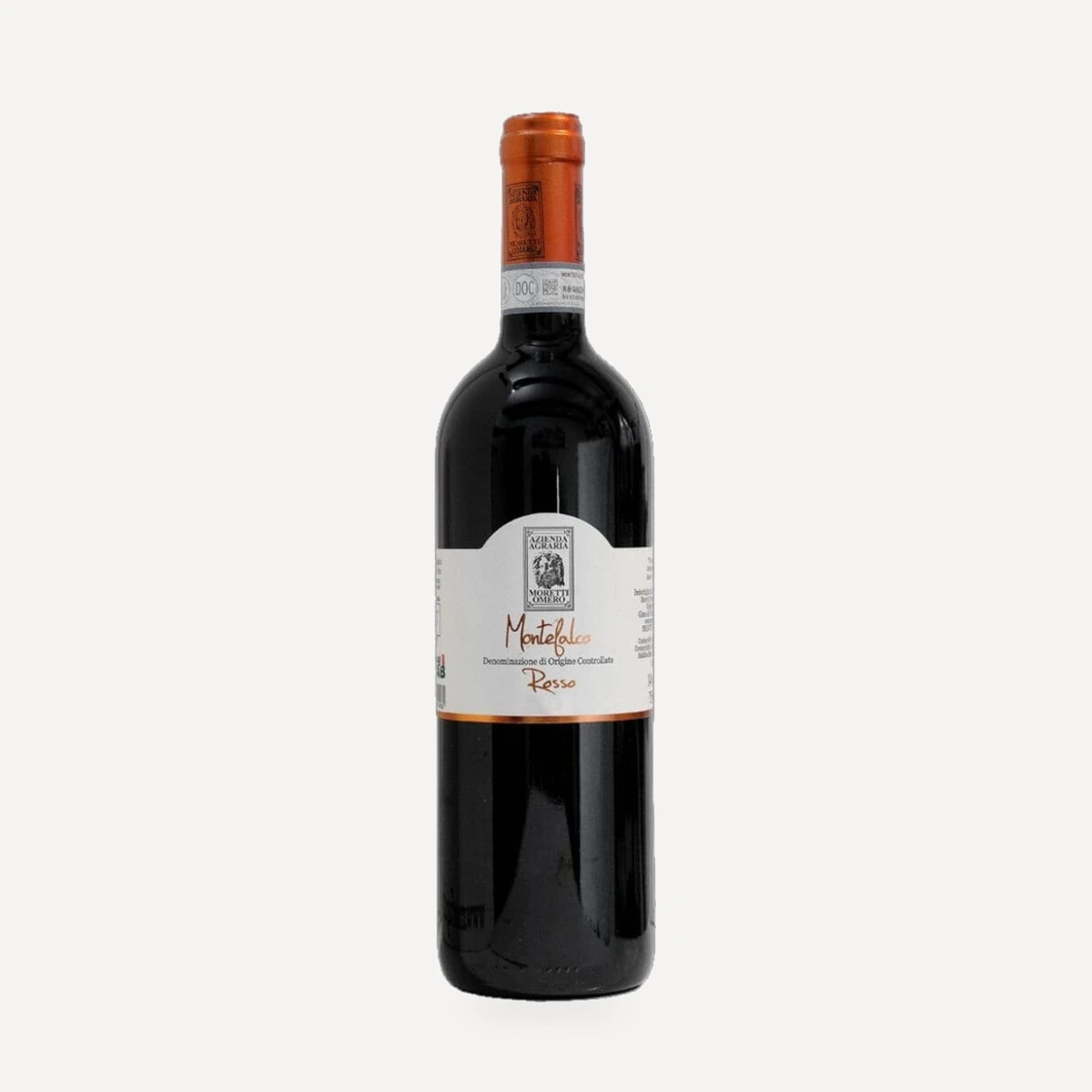
Montefalco Rosso DOC Biologico
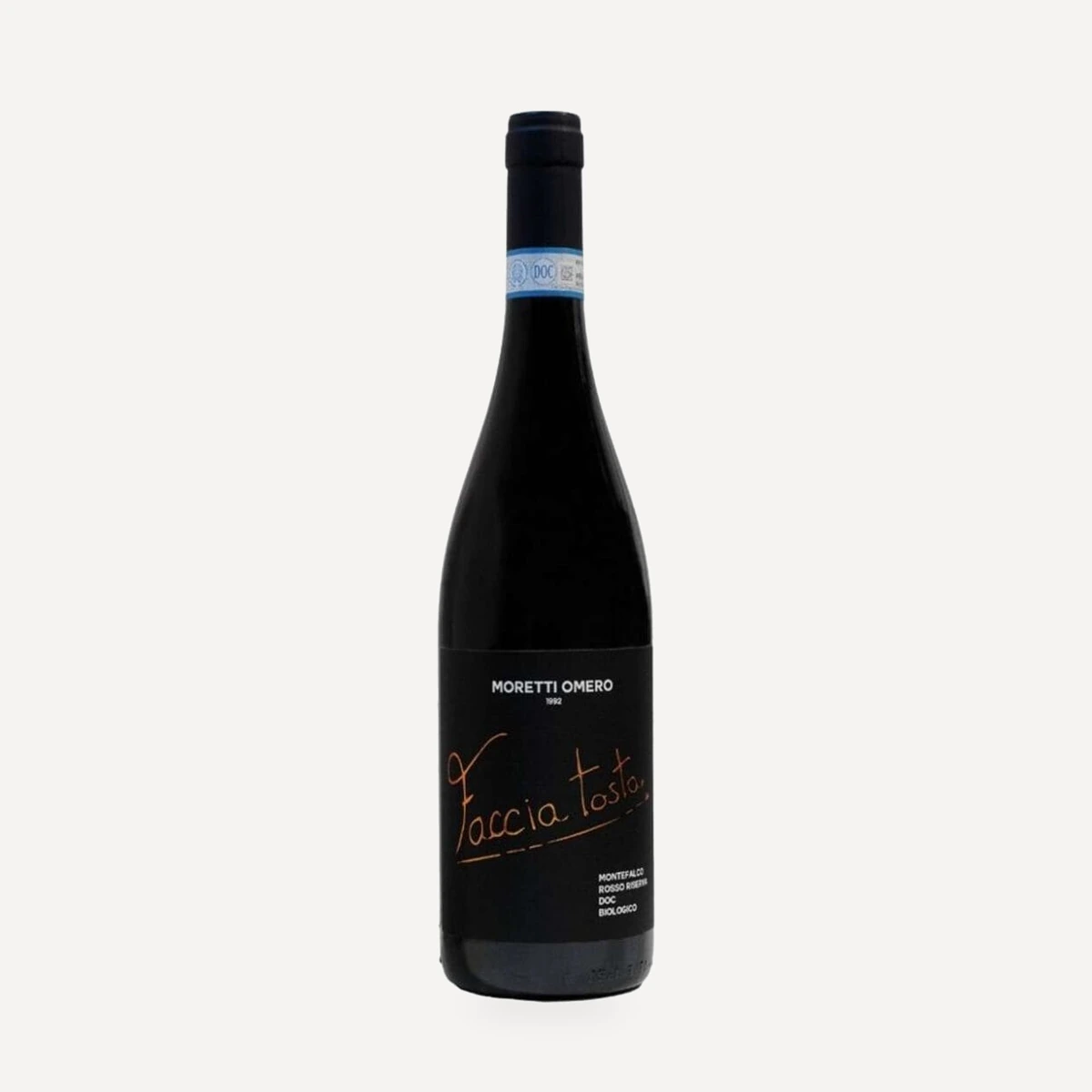
Montefalco Rosso Riserva DOC Faccia Tosta
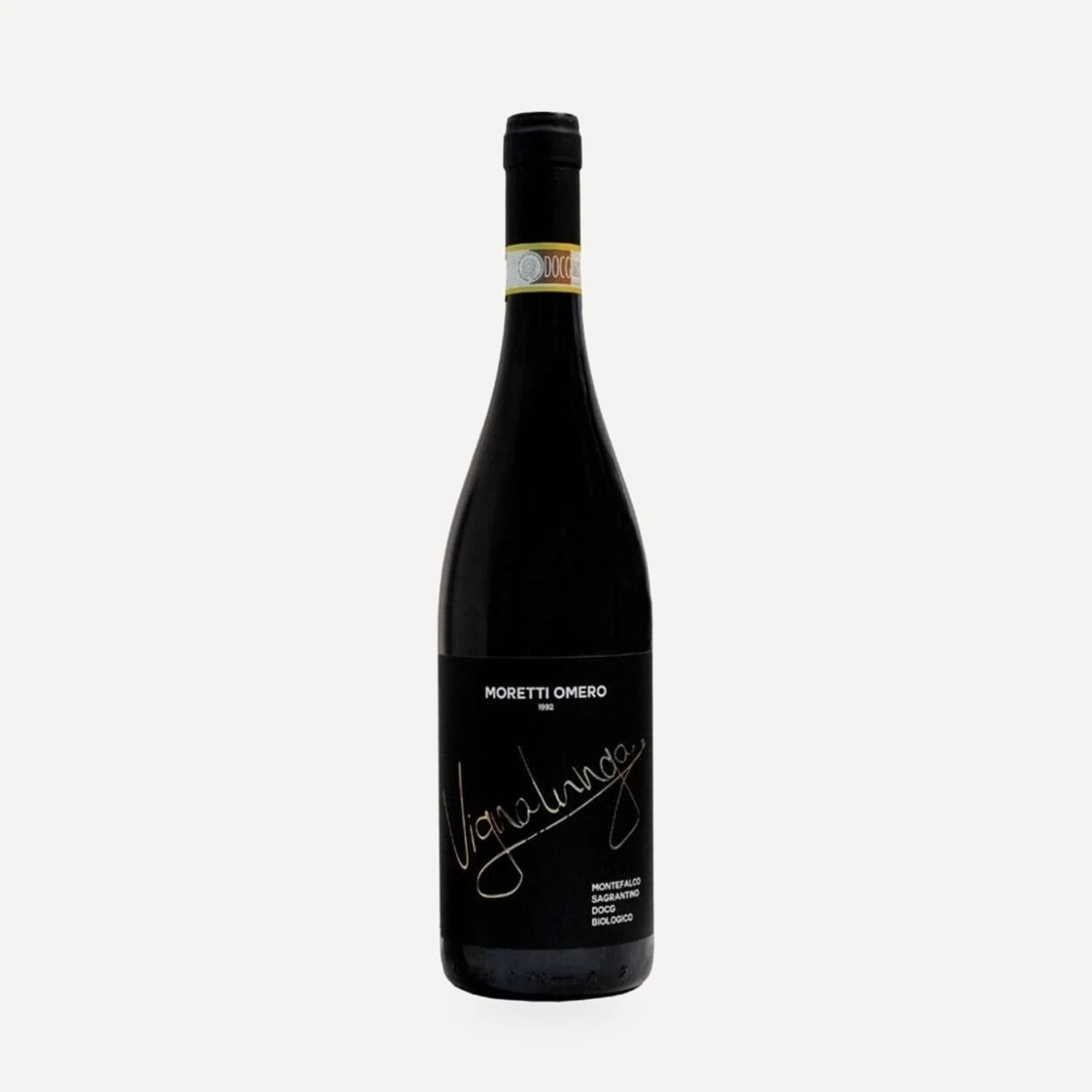
Montefalco Sagrantino DOCG Vignalunga
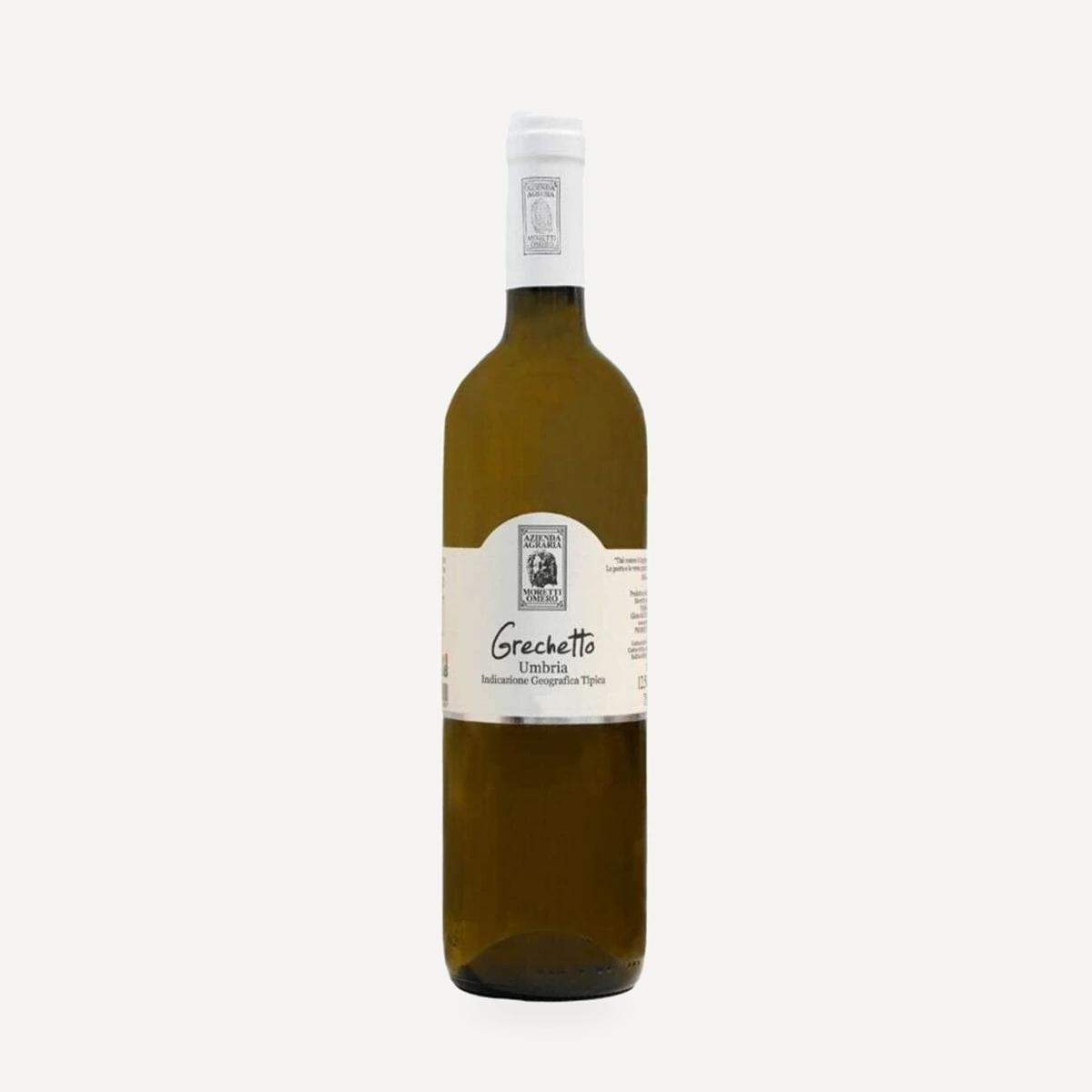
Grechetto IGT Biologico
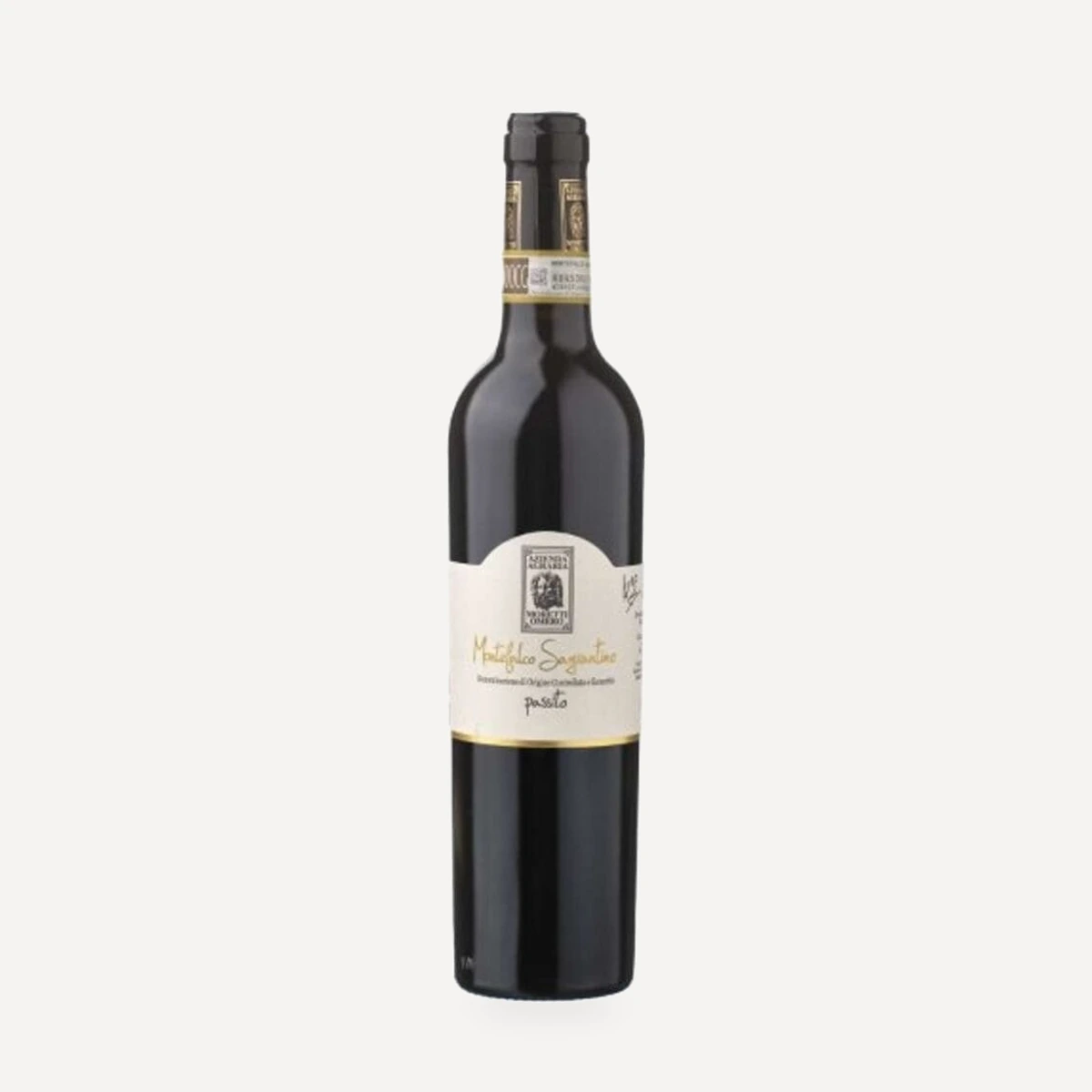
Montefalco Sagrantino Passito DOCG