Storia
A family estate since 1836
Mosnel’s history is centred on the Barboglio family’s residence at Camignone, its surrounding land and its historic cellars. The family established its winemaking patrimony there in 1836. The name Mosnel is a dialect term of Celtic origin meaning a pile or accumulation of stones.
The decisive modern transformation was led by Emanuela Barzanò Barboglio. She established the first specialised vineyards and, in 1968, committed the estate to specialised viticulture and winemaking, adopting the newly created Franciacorta denomination. Under her direction, Mosnel developed the vineyard-led approach that would define the family business. The estate’s first Brut dates from 1979, Extra Brut followed in 1980, and Brut Millesimato in 1982. Vintage Satèn was first produced in 1996.
A new generation and new projects
In 2000, Mosnel planted the half-hectare Vigneto Giardino with Pinot Nero and became one of the founding members of the Strada del Vino Franciacorta. Chardonnay, Pinot Bianco and Pinot Nero harvested by hand that August were set aside for the 2000 Brut Millesimato. The base wine was bottled for secondary fermentation in spring 2001. The same year’s harvest produced the first Parosé, while the first vineyard trials with organic farming began in 2002. A hospitality and tasting space named “Quelli che il vino…” also opened in 2002.
The exceptionally hot 2003 season yielded Chardonnay of sufficient quality to inspire EBB, a cuvée dedicated to Emanuela and her role in the estate’s modern, entrepreneurial transformation. That year Lucia Barzanò was elected president of the Strada del Franciacorta. In 2004 Mosnel began organising vineyard picnics, harvested the first Franciacorta Riserva and presented the 2001 Parosé in Milan on 1 December as an undosed rosé.
The 2000 Brut Millesimato went on sale in July 2005, with 8,500 bottles and 1,384 magnums made. Some magnums were deliberately retained on their lees in the historic cellar. The same year Mosnel and ADI, the Associazione per il Disegno Industriale, created the “Questione di Etichetta” design competition. Its first edition invited designers to create a label for 300 magnums of the 1990 Franciacorta Millesimato; Franco Origoni and Anna Steiner won, with participants including Italo Lupi and Bob Noorda.
In 2006 Mosnel launched “Aperitivo Superlativo,” participated in the Merano Wine Festival for the first time and welcomed Gaia Barzanò, daughter of Giulio and a member of the family’s sixth generation. Emanuela died in 2007. That year EBB 2003 was presented at Vinitaly in her honour, while a new Brut Rosé was bottled in spring. EBB adopted the Extra Brut designation beginning with the 2006 vintage. The Brut Rosé was presented in Milan on 6 November 2008. Also in 2008, Giulio’s son Luigi Barzanò was born, and a second Questione di Etichetta edition paired a limited release of 360 magnums of Brut 1998 QdE with a design by winners Alberto Bovo and Sandro Manente of Hangar Design Group.
Cellar development and organic conversion
A renovated cellar wing dedicated to Franciacorta maturation opened in October 2009. In 2010 the estate formally began conversion to organic agriculture and bottled its 30th Franciacorta harvest. Francalma Nieddu’s winning Questione di Etichetta design was presented on 12 July for a limited Riserva edition of Pas Dosé 2004 QdE. Mosnel also received its first Tre Bicchieri recognition that year.
Mosnel participated in the first Mercato dei Vignaioli Indipendenti in Piacenza in 2011. On 28 September 2012, the fourth Questione di Etichetta edition selected Laura Ferrario of Ferrariodesign to create the label for a limited Pas Dosé 2006 Riserva QdE. On 23 January 2013, the estate organised “Il Franciacorta, il tempo, le parole per raccontarlo,” a comparative tasting of Brut bottles disgorged in different years to examine the effects of time.
The 2014 harvest was Mosnel’s first with organic certification and also produced the first Brut Nature Bio. That year Parosé was named world champion in the Pas Dosé category at Tom Stevenson’s Champagne and Sparkling Wine World Championships in London. The fifth and final Questione di Etichetta edition selected Studio Intorno Design of Rome for a limited Pas Dosé 2007 Riserva QdE. The “Sottilissimo Templum” art installation appeared in Vigneto Giardino during the same period.
In 2015 the Mosnel parcel produced the estate’s first and, at that point, only organic wheat harvest. Lucia was re-elected president of the Strada del Franciacorta in June.
Replanting, rebranding and the underground cellar
The Mosnel vineyard was replanted in spring 2016. Its long avenue, bordered by red roses, visually links the mound of stones from which the estate takes its name with the centuries-old Lebanon cedar in the garden. The business simultaneously shortened its presentation from “Il Mosnel” to “Mosnel” and introduced a new visual identity in Milan. On 6 June, the family celebrated 180 years at Camignone with a large gathering and a vertical tasting of EBB.
Excavation for a new cellar began in spring 2017. Brut Nature Bio was presented in Rome on 30 March. At about 06:00 on 19 April, a freezing north wind irreparably damaged the crop, reducing production to less than half its usual level. The new cellar was completed in 2018, the same year in which Lucia’s daughters, Costanza and Beatrice Carpi, were born.
In spring 2019, one hectare of Erbamat was planted in Vigneto Roccolo, where beehives were also introduced. Bottles began to be placed for maturation in the new underground cellar. On 11 May, strong winds felled one of the two horse-chestnut trees that had dominated the façade of the family residence. The tree had been planted by Giuseppe Barboglio after his return from the Expedition of the Thousand.
Forty Franciacorta harvests and long maturation
Mosnel bottled its 40th Franciacorta harvest in June 2020. The retained 2000 Brut Millesimato magnums had by then spent 19 years on their lees. Their crown closures were removed, the wines disgorged and topped with the same wine before corking. After several additional months of rest, 440 magnums were packaged in late November and released on 3 December as Brut 2000 Riedizione 2020.
The Riedizione project extended the estate’s exploration of time through exceptionally long ageing on the lees. It complemented the earlier Rarità project, which held selected wines for prolonged maturation after their original disgorgement. The original Brut Millesimato had been Mosnel’s third Franciacorta after Brut and Extra Brut; first produced in 1982, it ended with the 2001 vintage, subsequently evolving into the QdE project and helping to establish the later Riserva.
Terroir
Mosnel lies at Camignone in Franciacorta, among the gentle morainic hills south of Lago d’Iseo in the Province of Brescia. Almost all 42 hectares of vines surround the winery complex and are divided into 19 individual vineyards.
The vineyards occupy elevations of approximately 200–250 metres and predominantly face east to southeast. Two principal soil environments are identified: deep moraines and fluvio-glacial deposits. More generally, the vineyard terrain comprises level ground and internal morainic undulations, with loose, moderately fertile soils and a stony component at medium depth.
Air currents arrive from Val Camonica and the nearby Brescian Pre-Alps, while Lago d’Iseo moderates their influence. Several parcels retain traditional broli: enclosing walls constructed from dry stone.
The vineyard composition is approximately 70% Chardonnay, 15% Pinot Bianco and 15% Pinot Nero, complemented since 2019 by one hectare of Erbamat. The latter is an old local variety valued for its acidity and recognised within the production regulations.
Vinificazione
Mosnel began experimental organic practices in 2002 and formally entered conversion in 2010. The 2014 harvest was the first to carry organic certification. All 42 ha are now cultivated organically, with oversight attributed to Valoritalia and the applicable European organic regulations.
Harvesting is performed by hand into shallow, small boxes. Grapes are transferred immediately to the cellar and carefully selected before gentle pressing. Decisions on picking are guided by analysis, experience and the balance between ripeness and acidity.
Traditional dry-stone walls enclose some parcels. The estate introduced beehives to Vigneto Roccolo in 2019, alongside its new Erbamat planting. Organic cultivation has also extended beyond vines: Vigneto Mosnel produced an experimental organic wheat harvest in 2015.
Mosnel’s production is divided between its historic cellars and the underground maturation cellar completed in 2018. A renovated wing for Franciacorta ageing had already opened in 2009. The later underground structure expanded storage and bottle-ageing capacity, supporting the estate’s emphasis on extended maturation.
Hand-picked grapes arrive in small, shallow boxes, are carefully graded and undergo gentle pneumatic pressing. The must is cool-fermented in temperature-controlled stainless-steel tanks or small oak casks in the historic cellar. Spring tastings guide the blending of Chardonnay, Pinot Bianco and Pinot Nero base wines in proportions appropriate to each Franciacorta style. Tirage is followed by secondary fermentation and maturation in bottle.
Across the core production, the technical pattern includes separation of the first and second press fractions, settling of must for about 12 hours, selected-yeast fermentation in temperature-controlled stainless steel and, depending on the cuvée, a portion fermented and matured in small oak vessels. Malolactic fermentation and racking may precede the spring assemblage. After tirage, bottles are sealed with crown caps and stacked for secondary fermentation. They are later riddled, disgorged, dosed according to style, closed with cork and wire cage, and rested again before release.
Time is treated as an active production element. The Rarità project preserves selected wines through prolonged post-disgorgement ageing. Riedizione approaches time through exceptionally long maturation on the lees: the first release, Brut Millesimato 2000 Riedizione 2020, remained on its lees for 19 years before riddling and disgorgement. The new underground cellar was designed to provide the space required for longer ageing and storage.
Filosofia
Mosnel’s declared philosophy joins manual work, emotional commitment, accumulated experience and the slow passage of time. Giulio and Lucia Barzanò describe winegrowing as a privileged craft and seek to translate the atmosphere and character of their land into the wines.
The vineyard is treated as the foundation of the house style. Organic cultivation is directed toward the quality of the grapes, while cellar work is designed to preserve and reveal what arrives from the land. Family memory, detailed knowledge of individual vineyards, artisanal practices and patience all shape the approach.
Time is considered an ally rather than merely a technical requirement. Longer maturation and additional storage capacity are intended to let wines develop gradually. Rarità explores extended rest after the original disgorgement, while Riedizione examines unusually long ageing on the lees.
Continuity is expressed through five generations of family experience, but it coexists with measured experimentation: organic conversion, the recovery of Erbamat, the creation of new cuvées in response to particular harvests, comparative studies of disgorgement dates and investment in a modern underground cellar.
Vini
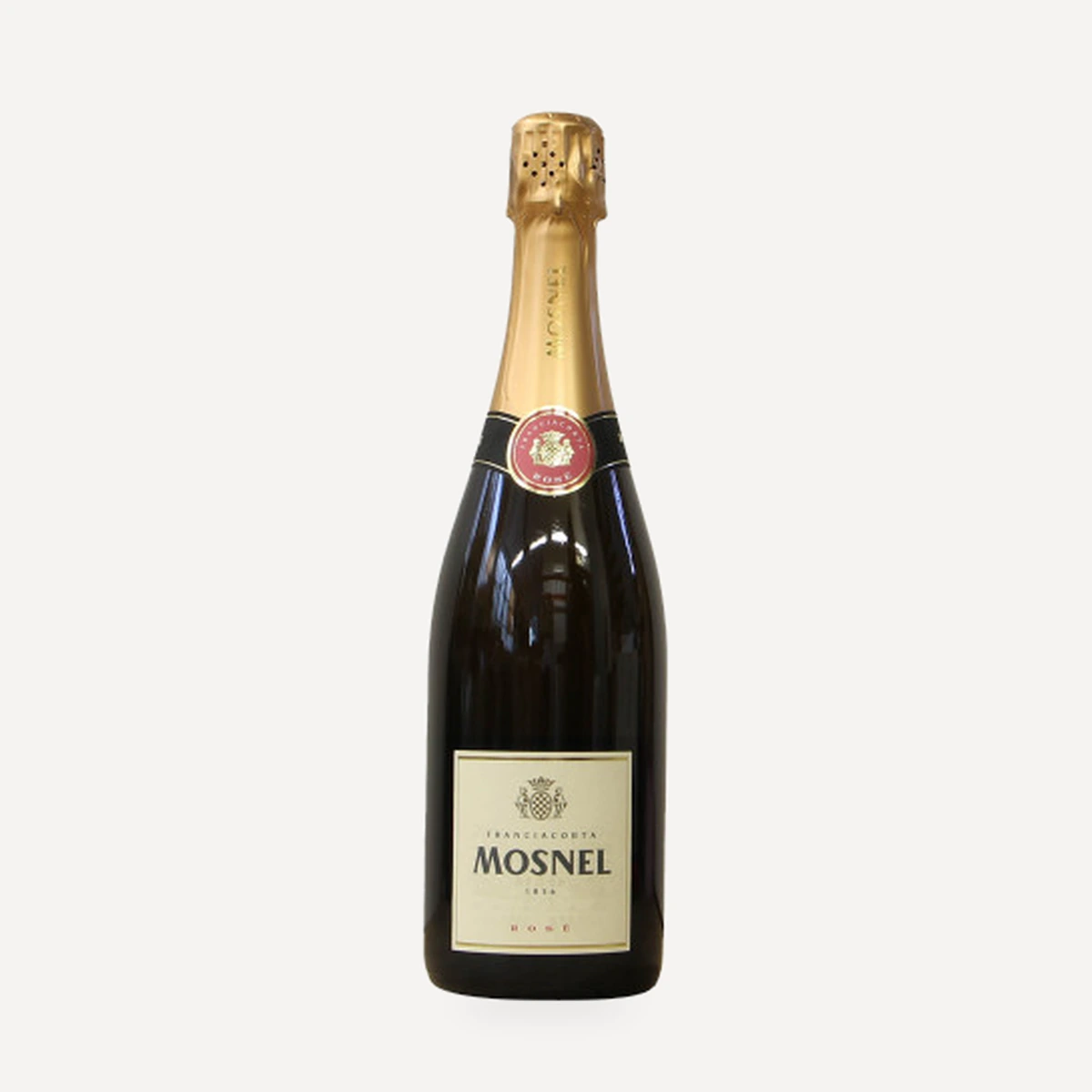
Franciacorta DOCG Brut Rosé
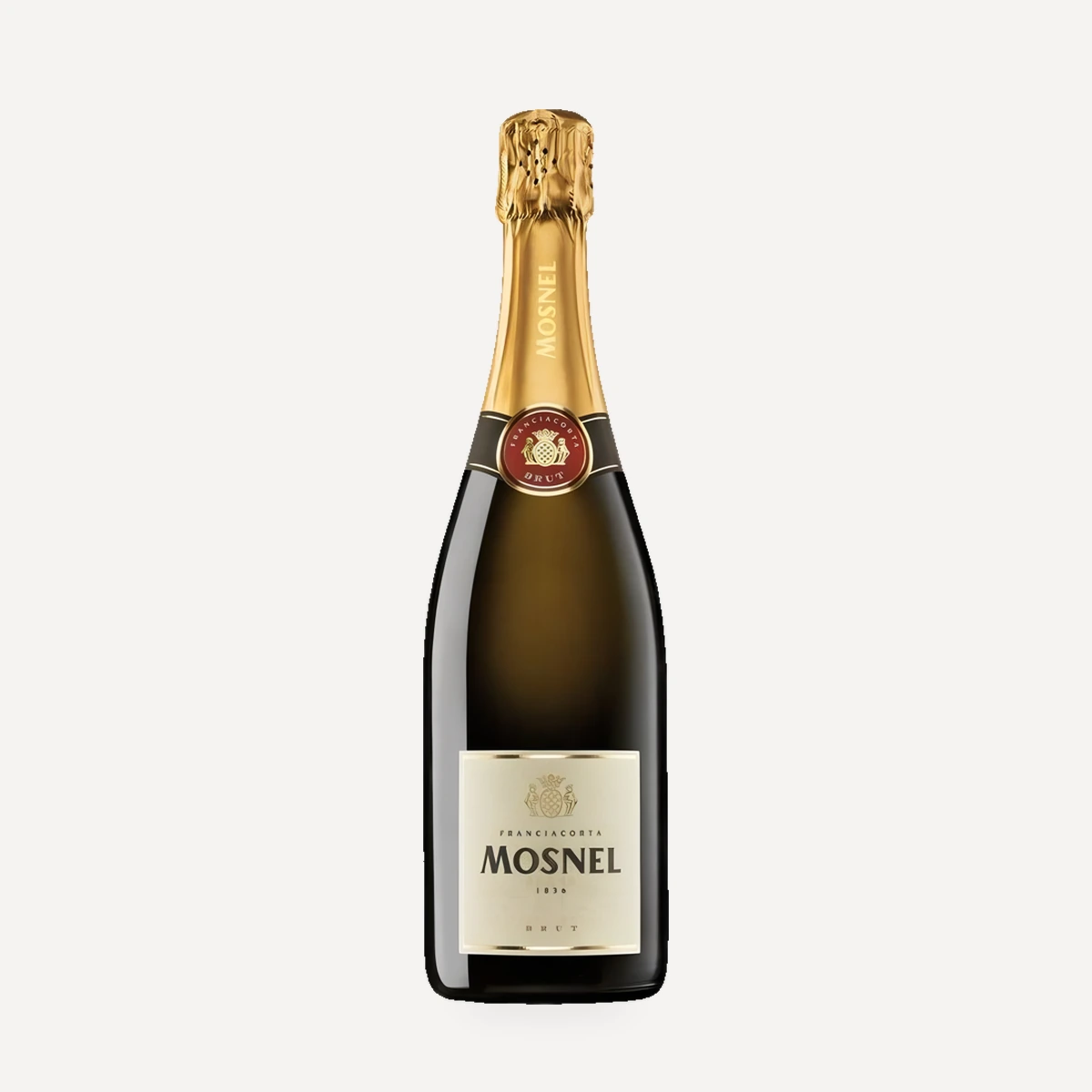
Franciacorta DOCG Millesimato Brut “QdE” 2001
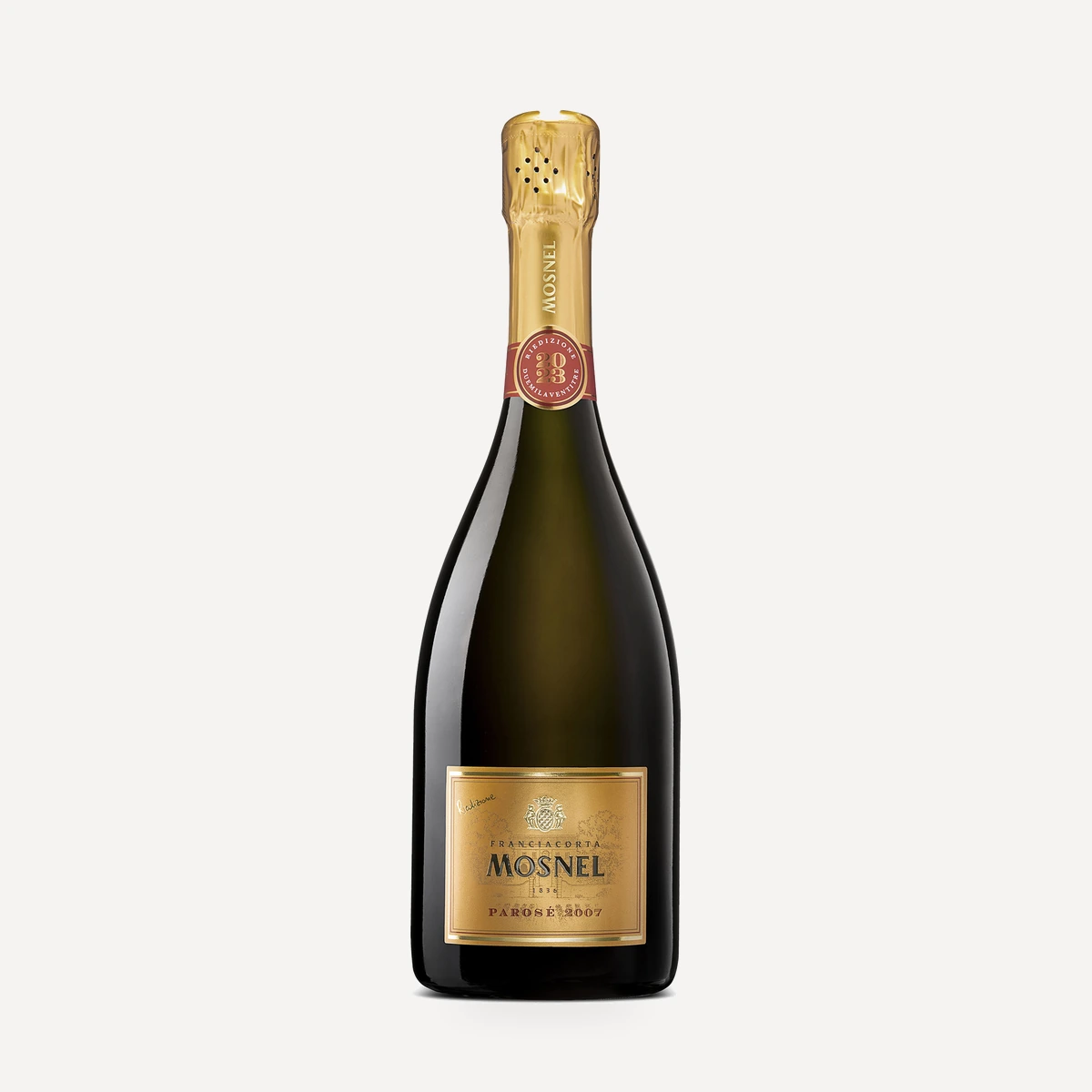
Franciacorta DOCG Parosé Rosé Pas Dosé Millesimato 2007 “Riedizione 2023”
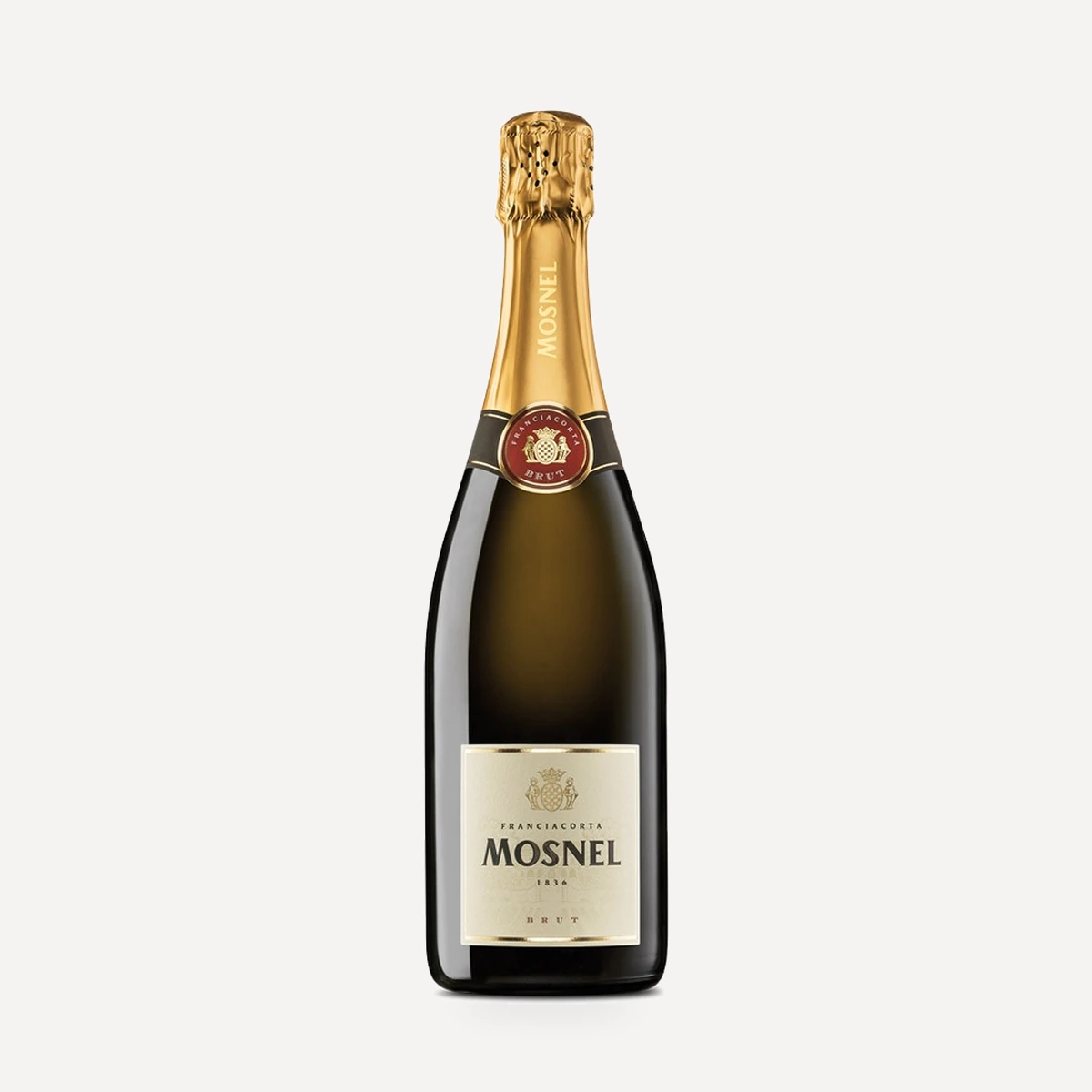
Franciacorta DOCG Brut
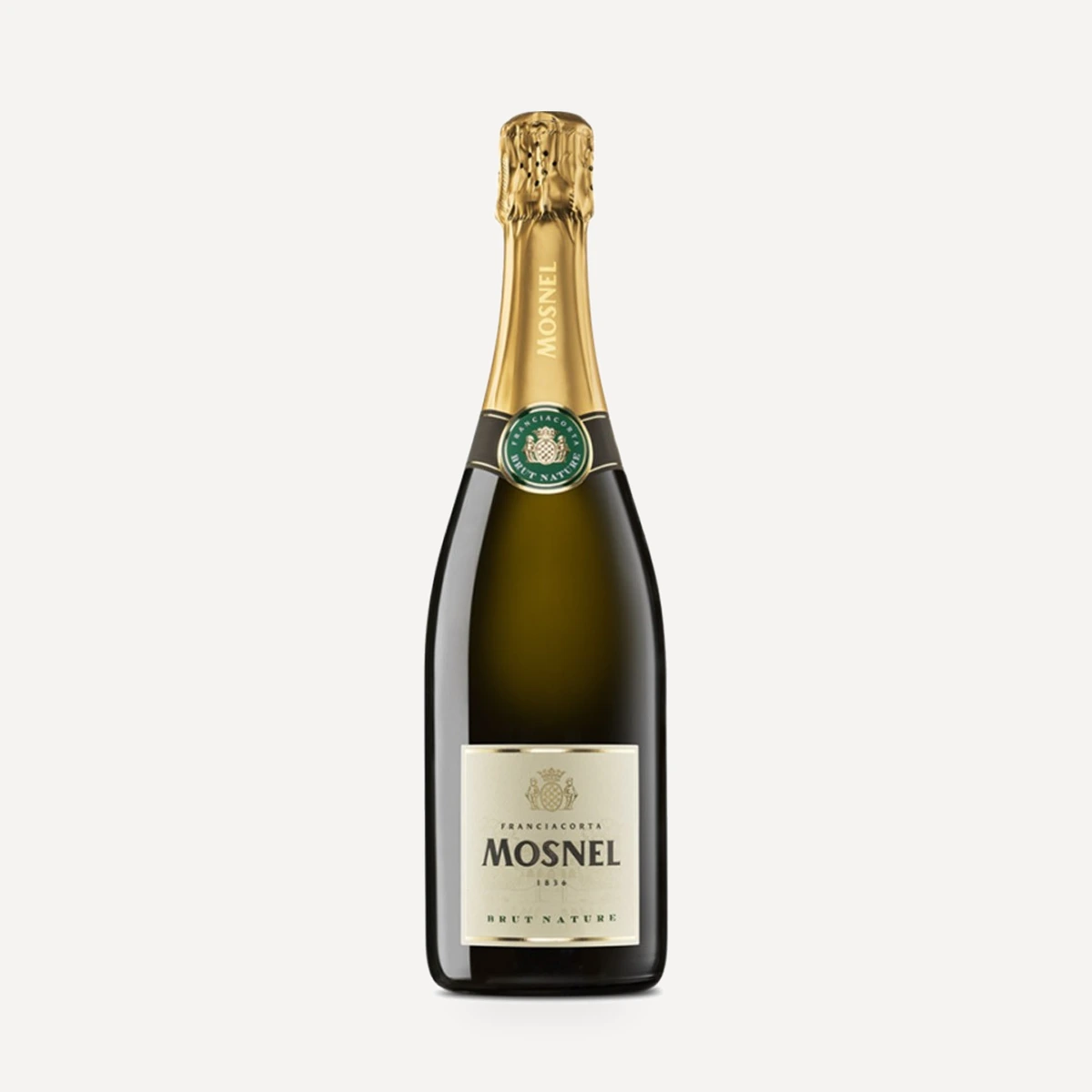
Franciacorta DOCG Brut Nature
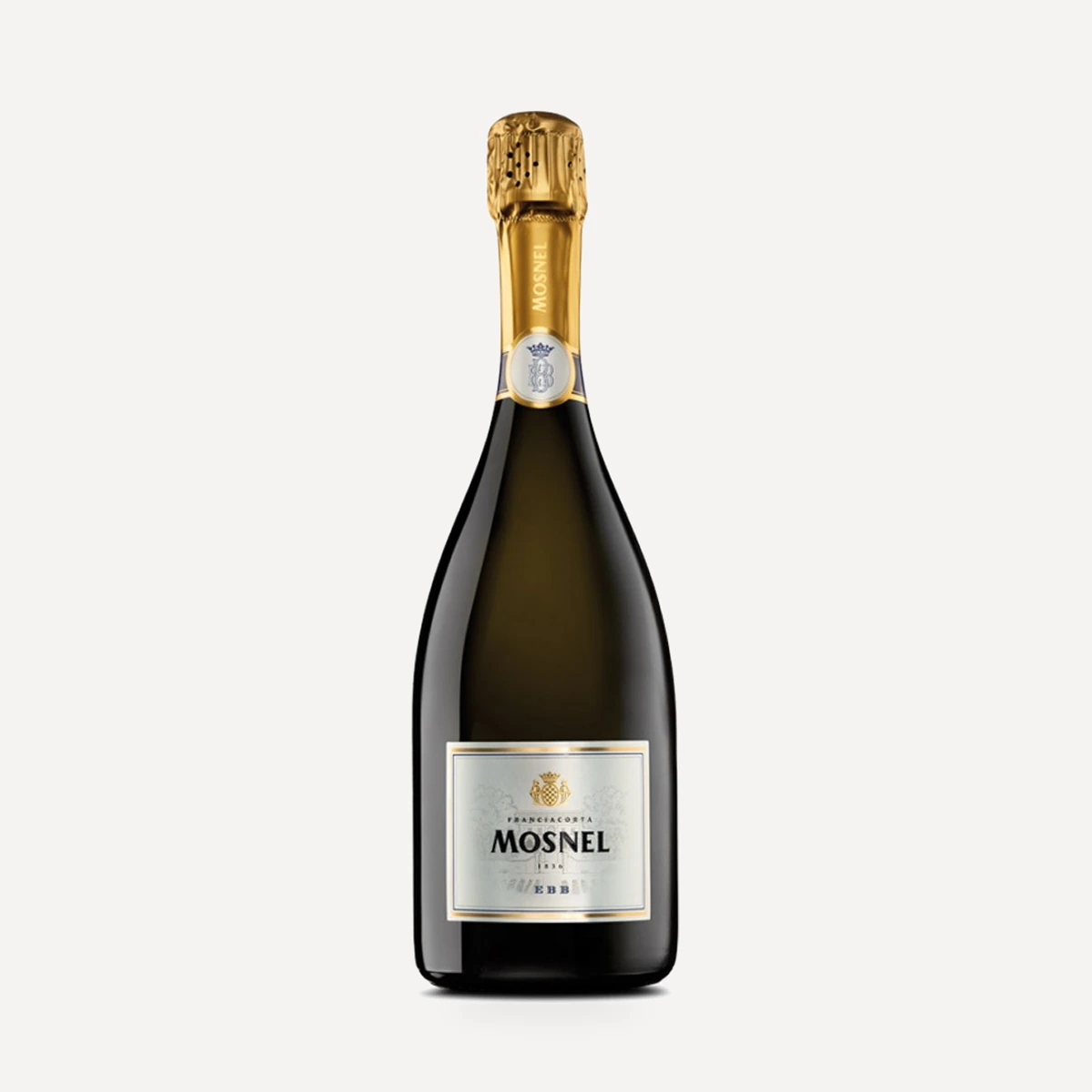
Franciacorta DOCG EBB Extra Brut Millesimato
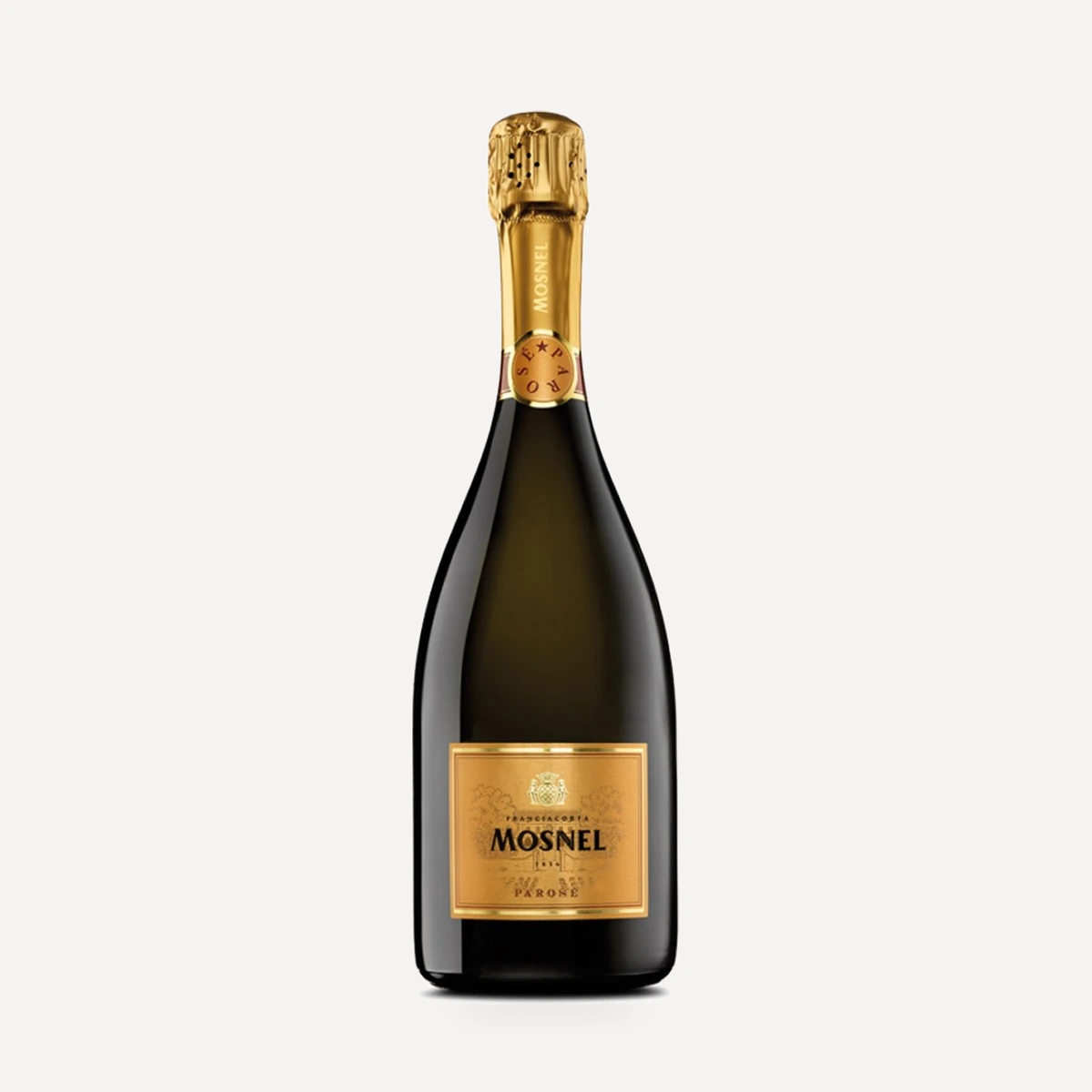
Franciacorta DOCG Parosé Rosé Pas Dosé Millesimato
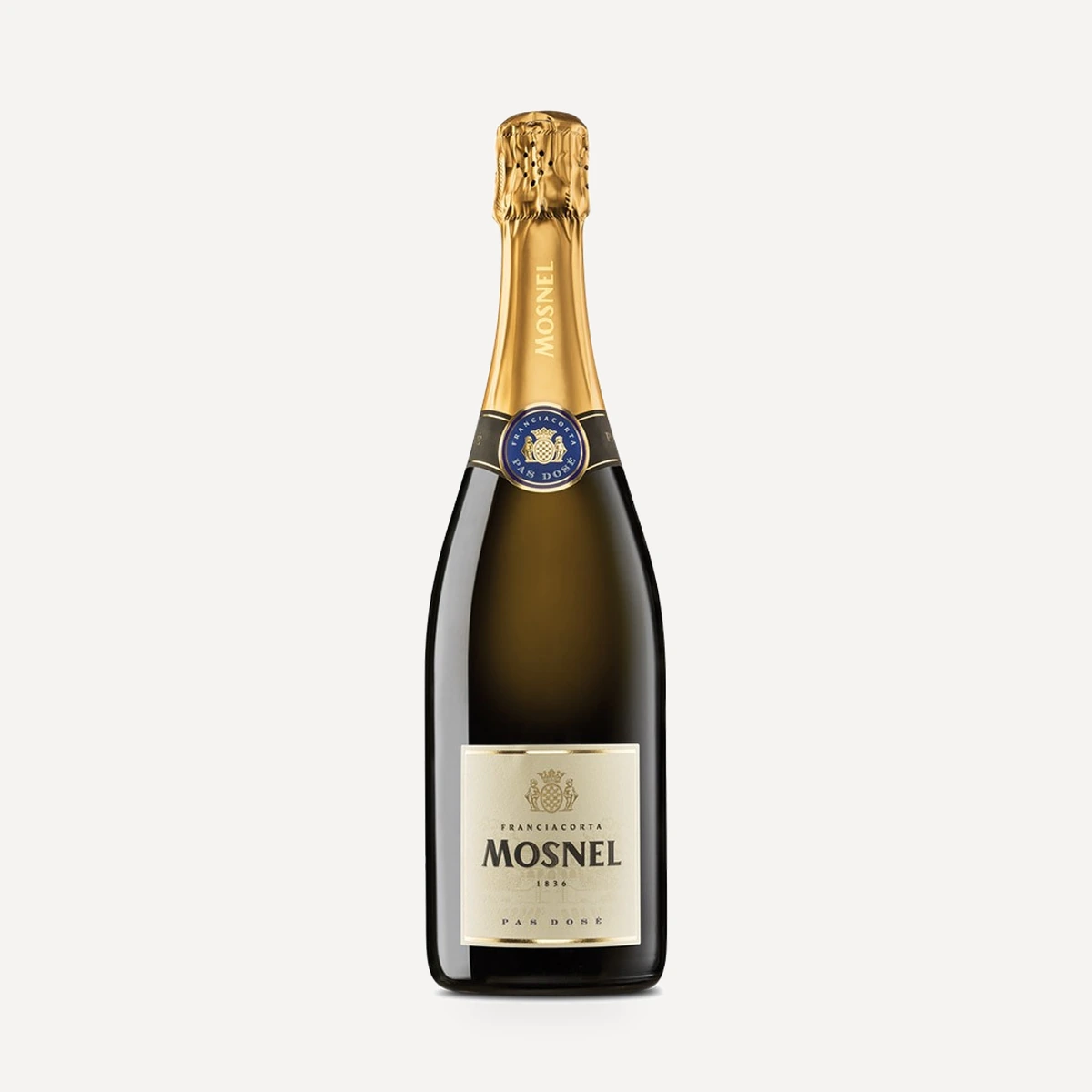
Franciacorta DOCG Pas Dosé
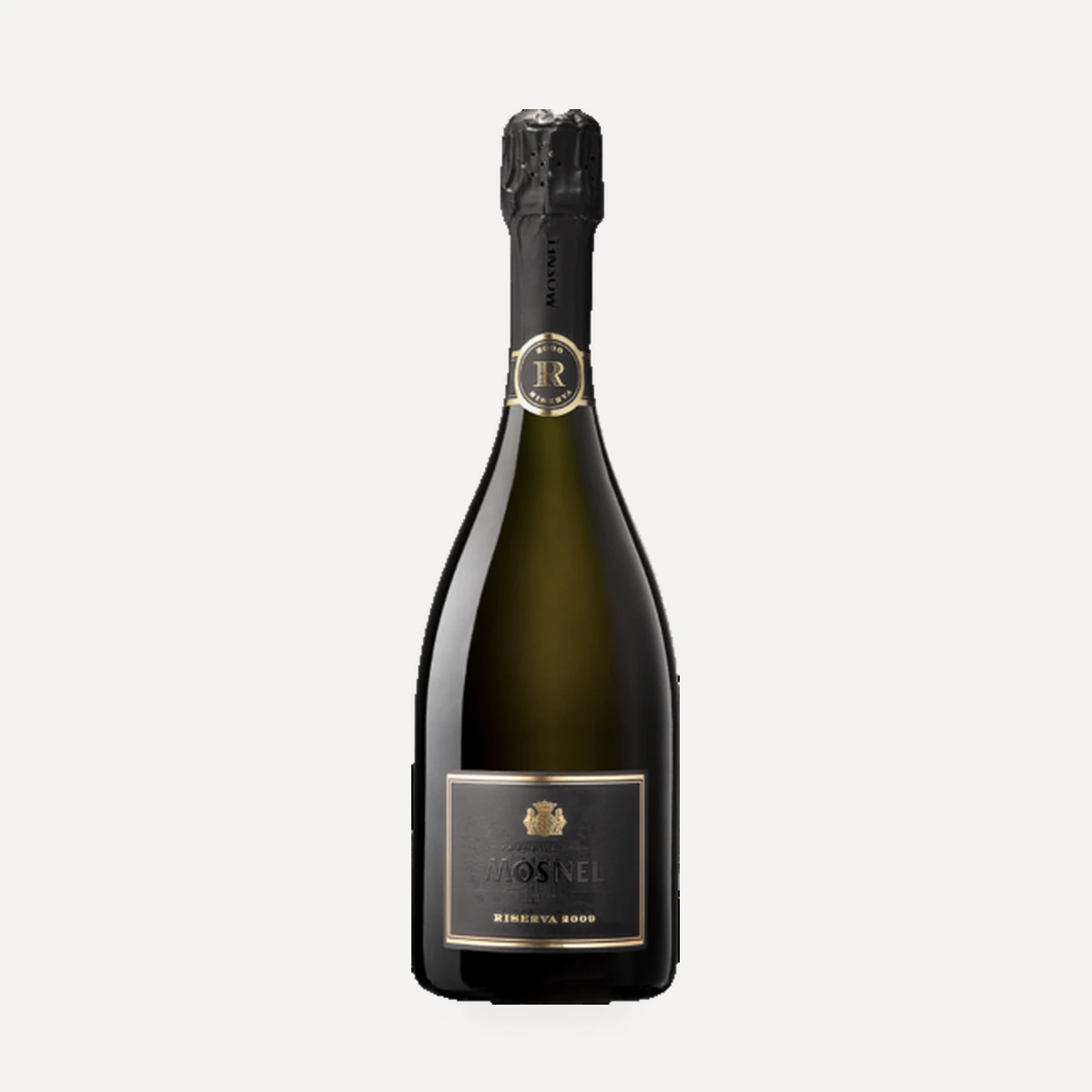
Franciacorta DOCG Riserva Pas Dosé