Storia
Early 20th century
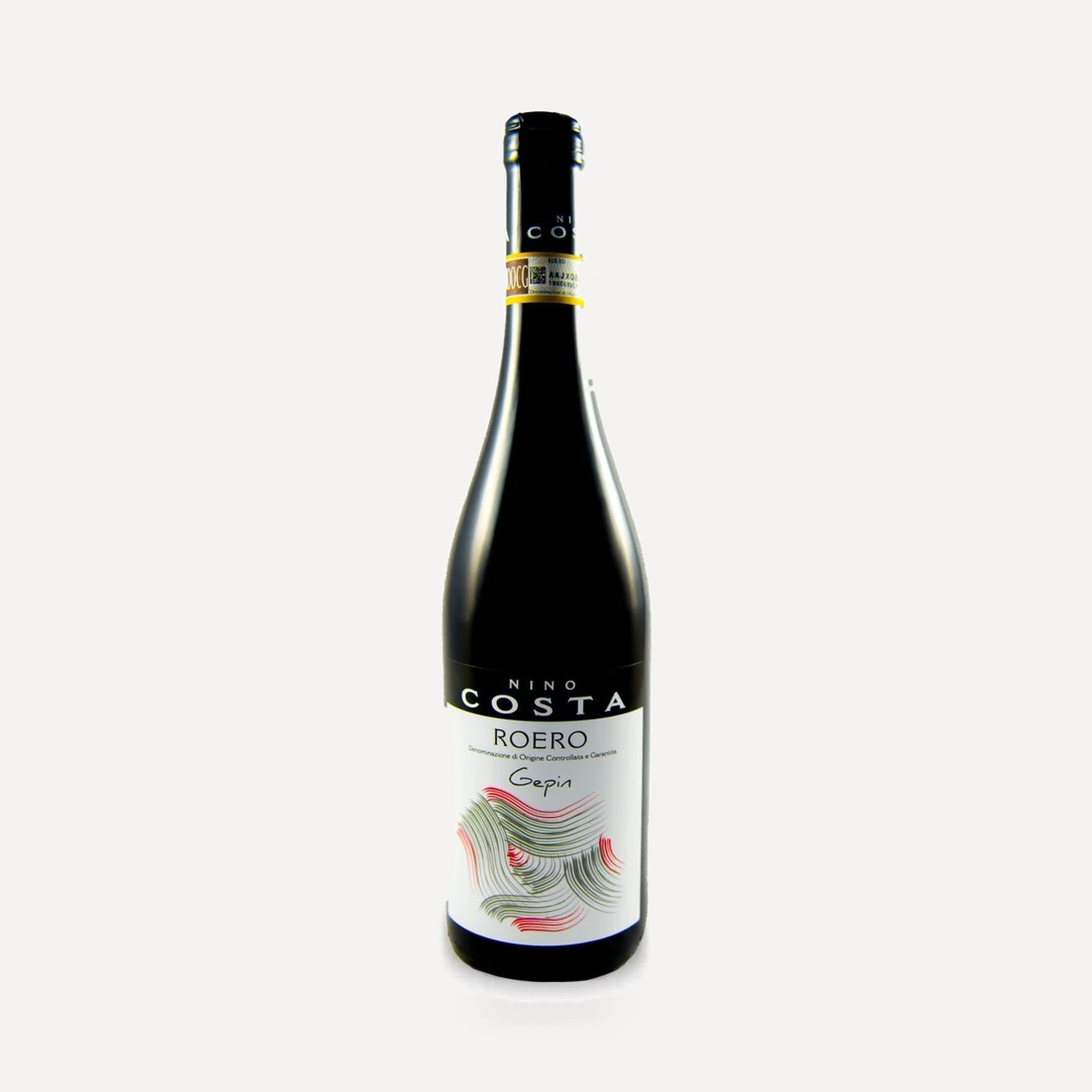
The Costa family's winegrowing presence in Montà d'Alba dates from the early 20th century. The family history begins with its forebear Gepin, who chose this land in the Roero.
From Gepin to Nino
A subsequent stage was shaped by Nino, also identified as Stefanino. He was Alessandro Costa's father and transformed what had been a rural agricultural holding into a fully established winery. The continuity of work among vineyards, barrels and orchards ultimately extended across four generations of the Costa family.
Alessandro Costa and the 2009 redesign
Alessandro Costa grew up among the family's vineyards, cellar and fruit orchards. He trained as an oenologist in Turin and subsequently accumulated years of professional experience in France and the United States.
In 2009, Alessandro assumed responsibility for the winery and redesigned it from the ground up. His changes encompassed production operations, maturation practices and the estate's visual identity. From that point, each wine was presented with its own name, colour and face, establishing the form of the current nine-label collection.
Terroir
The Roero landscape
The estate is based at Montà d'Alba in the Roero, on the opposite side of the Tanaro. The territory is characterized by steep hills and ancient marine sands. Its setting belongs to a UNESCO World Heritage landscape and is approximately one hour from Turin.
Arneis and Nebbiolo are presented as the territory's central varieties: the former associated with elegance and the latter with the particular grace attained in the Roero.
Vinificazione
Work in the vineyard is guided by precision. The estate does not provide further particulars about soil management, vine training, crop protection, yields, harvest procedures or certification.
Alessandro Costa comprehensively reorganized the winery in 2009, redesigning its operations and maturation practices alongside its visual identity. The cellar experience encompasses both steel and wood, the two production materials specifically associated with the places where the wines take shape. No more detailed general protocol is presented for fermentation, extraction, maturation, stabilization or bottling.
Filosofia
Nino Costa presents wine as a serious product that should be communicated in simple, approachable language. Its declared aim is to remove the rituals, judgement and anxiety that can make wine feel like a test reserved for specialists.
Technical actions such as smelling, swirling and tasting retain their purpose, but they are not treated as measures of a drinker's competence. Personal enjoyment is the decisive criterion: the right wine is the one the individual likes.
The collection is framed by two complementary principles—precision in the vineyard and freedom in the glass. Family continuity, a direct connection with the Roero and personal communication with visitors form the wider cultural basis of this approach.
Vini
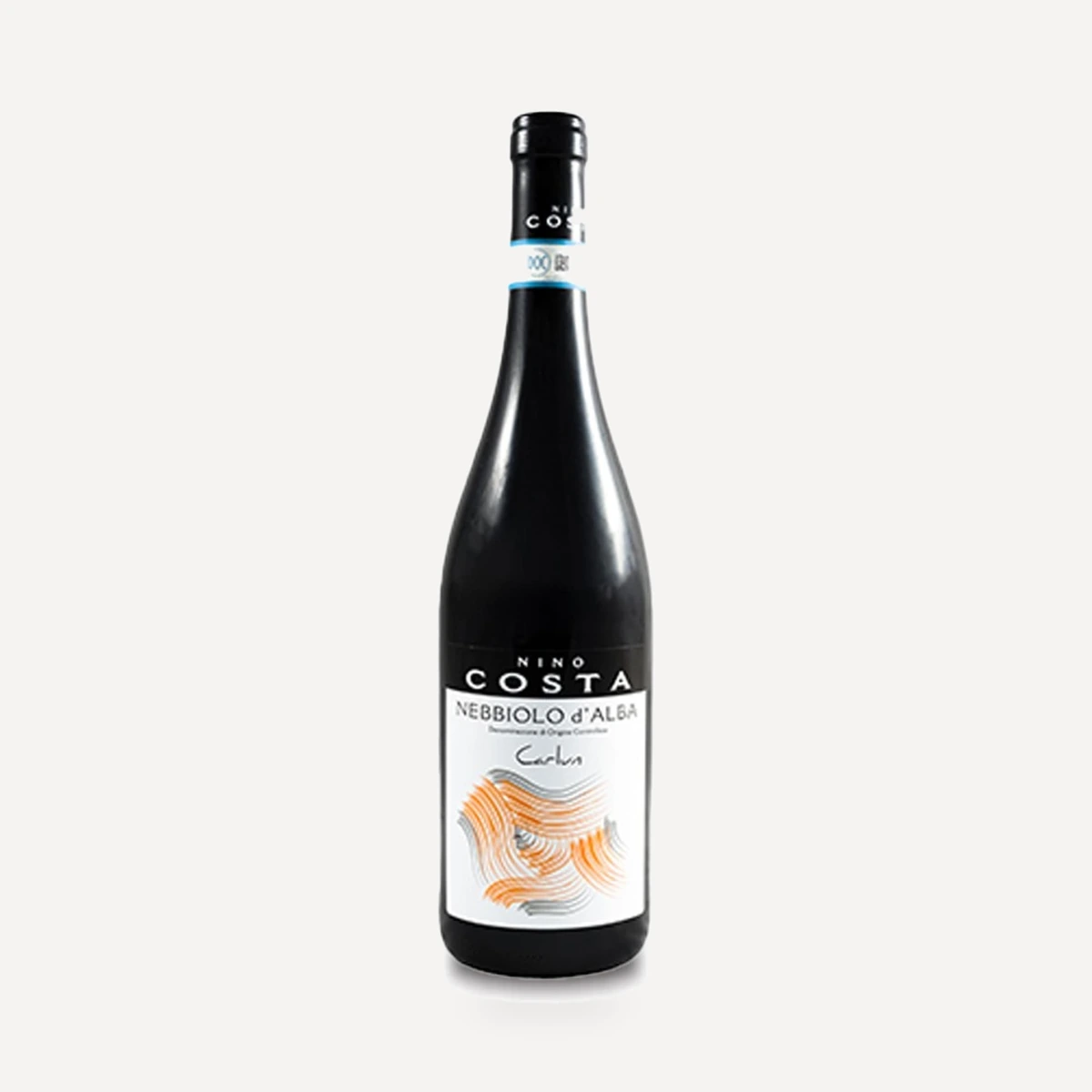
Carlun Nebbiolo d'Alba DOC