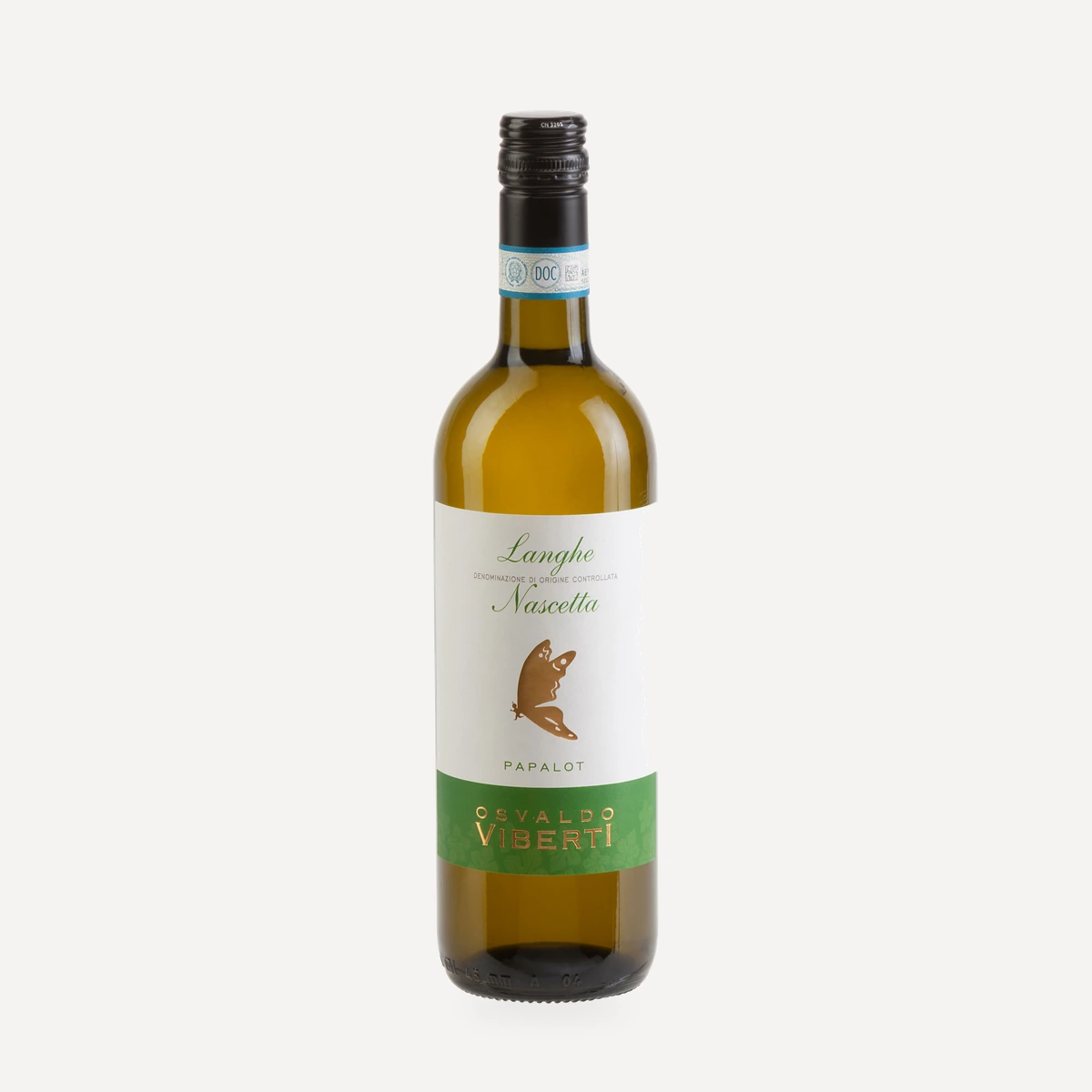
Storia
Family origins
The farm was created through the work and sacrifice of Osvaldo Viberti’s grandparents, Assunta and Battistin—also called Tistin. It subsequently passed to their son Gino. Osvaldo grew up immersed in this agricultural environment, spending considerable time with his grandparents and learning the seasonal rhythms of farming, the workings of plant and animal life, and the dedication and physical effort required by the occupation.
A family photograph records three generations working together during harvest in the small cellar at Borgata Serra dei Turchi. Ten-year-old Osvaldo appears with his father and grandfather as they crush grapes using a squeaking hand-operated crusher. His grandfather preserved the photograph inside a prayer book; Osvaldo rediscovered it several years after his grandfather’s death. The image became closely associated with his eventual decision to become a winegrower.
1993: Osvaldo takes up the project
At the beginning of the 1990s, Osvaldo decided to assume responsibility for the inherited farm. He dates his entry into the wine business specifically to 1993, when he began carrying forward the project initiated by his grandparents Battistin and Assunta and continued by his parents, Gino and Marisa. He describes this choice as the logical outcome of a connection to the land that had developed throughout his childhood.
The family farm today
Osvaldo remains directly engaged in managing the vineyards. His wife Carla and their children Anna and Paolo work alongside him, continuing the family’s multigenerational involvement in the property. Osvaldo envisages the land eventually passing to his children if they choose to continue the work.
2012: construction of the new cellar
A new production cellar was built in 2012. The structure is underground on three sides and contains stainless-steel tanks and a temperature-control system. It is the principal vinification area, while the historic cellar remains the place where wines mature in vessels ranging from large casks to tonneaux and barriques.
Rural-development investment
Under Piemonte’s 2014–2022 Rural Development Programme, the farm participated in the integrated supply-chain project “I produttori di Cantina Comunale di La Morra.” The project concerned the purchase of equipment and a photovoltaic installation, with a total stated cost of €45,950 and €18,380 in public PSR support.
Terroir
The estate is based at Borgata Serra dei Turchi in the Santa Maria frazione of La Morra, within the Langhe. Vineyards supplying the range are situated in La Morra and at Meriame in Serralunga d’Alba.
Serra dei Turchi
Borgata Serra dei Turchi occupies a long promontory extending from Bricco di San Biagio toward Alba. Its eastern slope experiences a particularly mild climate, likened to the protected conditions of a small greenhouse. The strategic position and favourable climate reportedly attracted a colony of Saracen soldiers toward the end of the first millennium. In the local collective imagination they became “the Turks,” giving the locality its name.
Vineyard elevations at Serra dei Turchi are generally stated as 250–300 metres. South-facing parcels grow Nebbiolo, while a west-facing parcel supplies Dolcetto. The soils associated with these sites are clay and limestone.
Santa Maria and La Morra
Barbera vineyards in Frazione Santa Maria lie at approximately 300 metres on clay-limestone soils. The regular Barbera parcel faces west, while the Mancine parcel faces southwest. Three La Morra vineyards supplying the communal Barolo cover 3 ha at approximately 300 metres, face southwest and have clay-limestone soils.
Meriame, Serralunga d’Alba
The Meriame Nebbiolo vineyard lies at 300–350 metres, faces south and has a clay-limestone-sand soil composition.
Nascetta sites
Nascetta is grown at Bricco Pichera and in the borgate of Serra dei Turchi and Roggeri in La Morra. These east-facing sites are placed at 250–300 metres and have soils combining clay, limestone and sand.
Vinificazione
The farm cultivates approximately 10 ha of vineyards. Its varietal allocation is presented as approximately 6.5 ha of Nebbiolo for Barolo, 3 ha of Barbera, 0.7 ha of Nebbiolo for Langhe Nebbiolo, 0.5 ha of Dolcetto and 1 ha of Nascetta.
Vineyard work is directed toward achieving full fruit maturity through continuous care of the vines and careful selection of the best bunches. Guyot training is identified for the Dolcetto, Langhe Nebbiolo, Serra dei Turchi Barolo, Meriame and Nascetta parcels. Stated yields vary by site and intended wine: approximately 45 q/ha for the two individually described Barolo sites, 55 q/ha for the three La Morra communal-Barolo vineyards, 50 q/ha for Mancine, 65 q/ha for Dolcetto and 70 q/ha for Barbera, Langhe Nebbiolo and Nascetta. Nascetta is harvested toward the end of September.
Cellar arrangement
The property combines a historic maturation cellar with a newer vinification facility. The historic cellar contains vessels of several sizes, including large casks, tonneaux and some barriques. Large casks are used for the maturation cycle of Barolo. Barbera follows a shorter maturation cycle of approximately one year and is normally kept in tonneaux and barriques, while Dolcetto d’Alba and Nascetta mature in stainless-steel tanks.
The new cellar was built in 2012 and is underground on three sides. It contains stainless-steel tanks and temperature-control equipment and is the area where grapes are transformed into wine.
Fermentation and maturation
The technical descriptions give red-wine fermentation periods of six days for Dolcetto, six to seven days for Barbera, eight to ten days for Langhe Nebbiolo and the La Morra communal Barolo, and ten to fifteen days for the Serra dei Turchi and Serralunga d’Alba Barolos. Dolcetto receives no planned maturation period. The regular Barbera spends six months in cask, while Mancine matures for 12–14 months in oak vessels. Langhe Nebbiolo matures for six to eight months in oak; the Barolos mature in oak casks.
Nascetta is harvested toward the end of September. Its must ferments for approximately 7–10 days under temperature control at about 18–20°C, followed by several months in stainless steel and bottling around May or June. No additional ageing period is planned.
Filosofia
Osvaldo’s philosophy treats quality as the result of many connected factors rather than a single cellar technique. Climate, soil composition and vineyard position establish the natural conditions; careful work must then bring the fruit to full maturity, maintain the vines and identify the best bunches. Meticulous cellar work completes the process, supported by Sergio Molino’s oenological advice.
The approach is rooted in family continuity and direct agricultural experience. Osvaldo describes the Langhe landscape and the knowledge inherited from earlier generations as a gift carrying responsibilities toward the future. His account of the vineyard cycle—from spring budding and summer growth to ripening, harvest, autumn decline and winter rest—places winegrowing within a recurring natural rhythm. The possibility that Anna and Paolo may one day inherit the property forms part of this long-term family perspective.
Vini
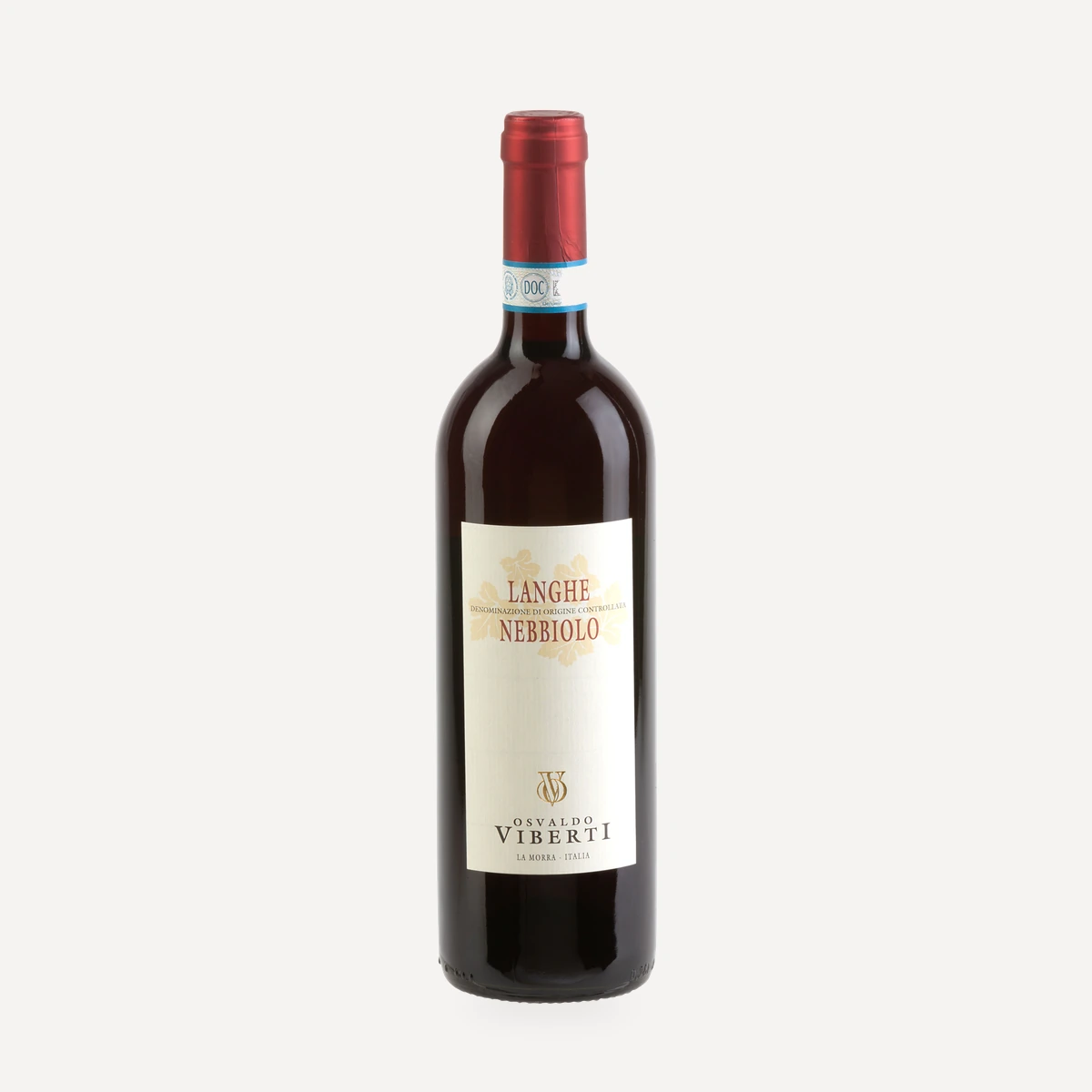
Langhe Nebbiolo
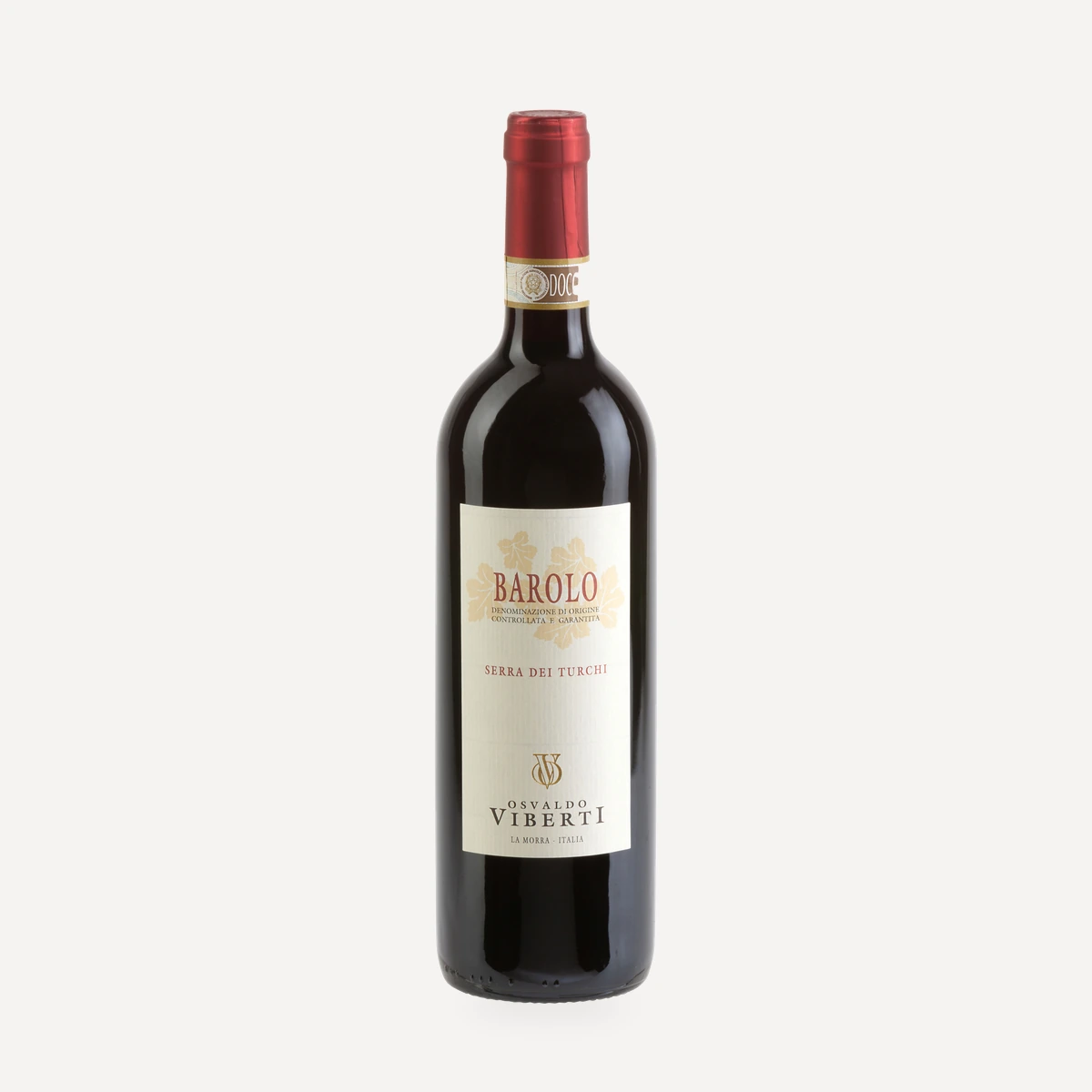
Barolo DOCG Serra dei Turchi
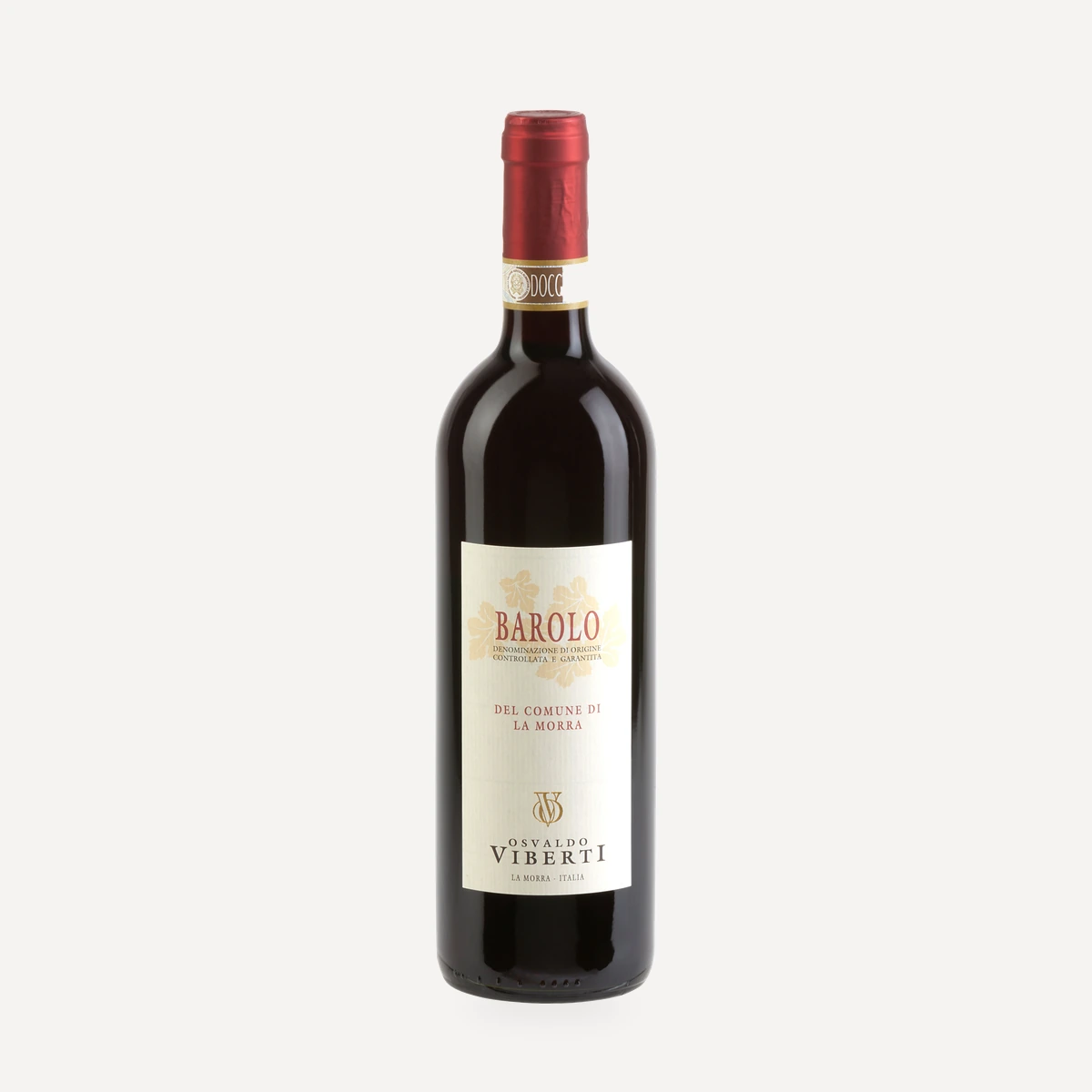
Barolo DOCG del Comune di La Morra
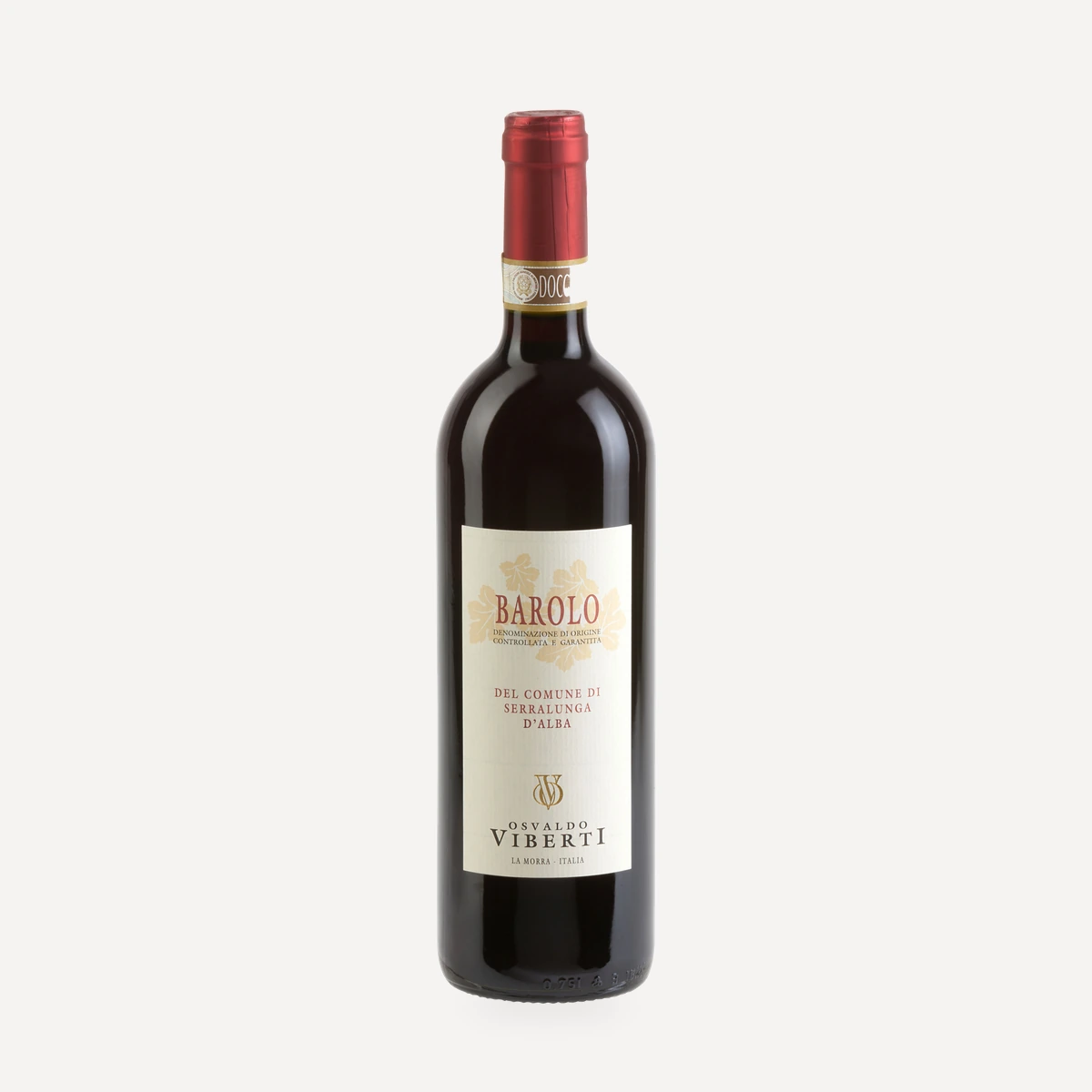
Barolo DOCG del Comune di Serralunga d'Alba