Storia
Production begins in Serralunga d'Alba
Palladino has produced wine in Serralunga d'Alba since 1974. Its history grew from Piero Palladino’s ambition to return to Piemonte, where he had been born and raised before moving elsewhere.
Piero Palladino’s return to Piemonte
When the opportunity arose, Piero purchased the property that became the present Palladino winery. He entrusted its management to his cousin and business partner Maurilio. Maurilio subsequently directed the business for many years together with his wife, Domenica.
The new generation
Maurilio’s experience now supports a younger management team. Veronica, Alessandro and Margherita work alongside him in running the winery, while Luca and Matteo contribute in the vineyards and cellar. This continuity underpins Palladino’s combination of family tradition, manual vineyard work and close supervision throughout vinification.
Terroir
Palladino is based in Serralunga d'Alba, in the Langhe. Its vineyards benefit from favorable exposures, a vine-suited microclimate and soils that are predominantly calcareous clay.
The named sites occupy distinct positions around the commune. San Bernardo faces east to southeast at 330–390 m. Ornato lies close to the ridge separating the two sides of Serralunga d'Alba and faces south at 330–395 m. Parafada also faces south but is sheltered from the wind; its calcareous-clay soil contains a sandy component. Bricco delle Olive® faces east to southeast at 330 m and has calcareous-clay soil.
These differences are reflected in the character associated with each Barolo site. San Bernardo is linked to austerity, solidity and vigorous tannins. Ornato combines marked minerality and power with harmony and elegance. Parafada’s sheltered position and sandy component are associated with greater refinement while retaining vigor and personality.
Vinificazione
Palladino follows a tradition of manual vineyard operations, with the objective of bringing sound, high-quality fruit into the cellar. Each of the individually documented sites is harvested by hand and trained to simple Guyot.
Yields are stated at 6,000 kg/ha for San Bernardo, Ornato and Parafada, and 8,500 kg/ha for Bricco delle Olive®. The wider portfolio also identifies manual harvesting for the vineyards associated with Barolo del Comune di Serralunga d'Alba, Nebbiolo d'Alba, Barbera d'Alba, Dolcetto d'Alba, Roero Arneis, Gavi del Comune di Gavi and Moscato d'Asti.
The cellar
Vinification takes place in an old building in the center of Serralunga d'Alba. The structure retains traces of an earlier winemaking history and provides the setting for a method built around long fermentations and materials selected to support the grapes’ character without altering it.
Fermentation and storage
After gentle crushing, the must enters stainless-steel tanks for a long, temperature-controlled fermentation. Cement is preferred for malolactic fermentation. Barolo is also held in cement before transfer to wood; this inherited practice is valued for the vessel’s micro-oxygenation and thermal stability.
Maturation
Wines mature in large French- and Slavonian-oak casks. Wood aging is treated as an essential stage for age-worthy reds. The wines are checked continuously to monitor their development and cleanliness.
Bottling
A dedicated bottling area uses modern machinery to manage timing and quality. The most important red wines then rest in bottle before labeling and release.
Filosofia
Palladino frames a winery as an expression of its territory. Its declared principles center on continuity with tradition, respect for terroir and communicating those values through wine.
The approach links manual vineyard work with close attention during every stage of vinification. In the cellar, long fermentations, cement and large oak casks are used in ways intended to respect the wine’s natural development and preserve the character of the grapes. Historical Piemonte denominations are made as single-variety wines, with the goal of expressing the distinctions of their places of origin.
The cellar combines inherited practices with modern equipment where it serves precision and quality, most visibly in the dedicated bottling area. Family continuity is equally central: Maurilio’s experience is joined by a younger generation in management and by family support in the vineyards and cellar.
Vini
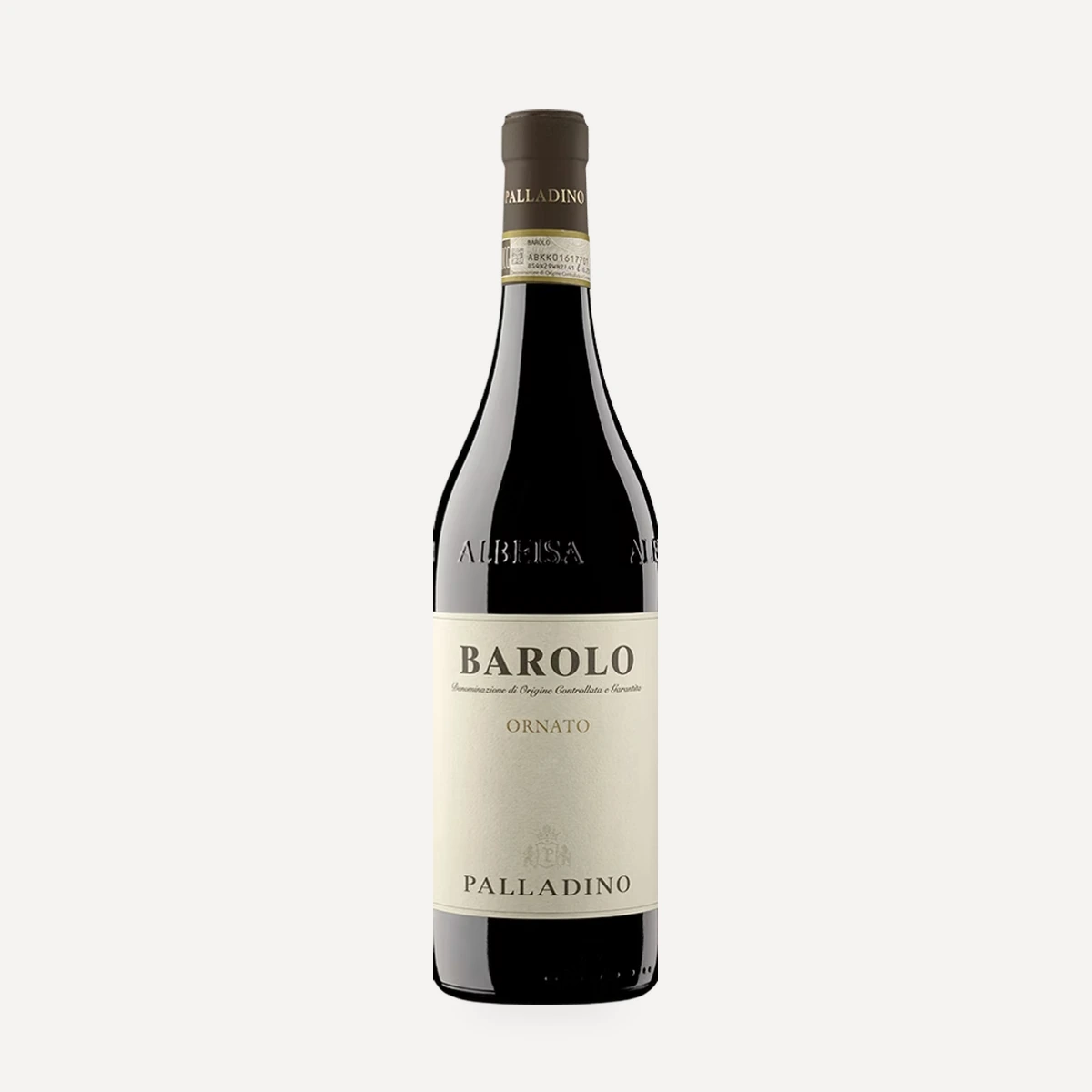
Barolo Ornato DOCG
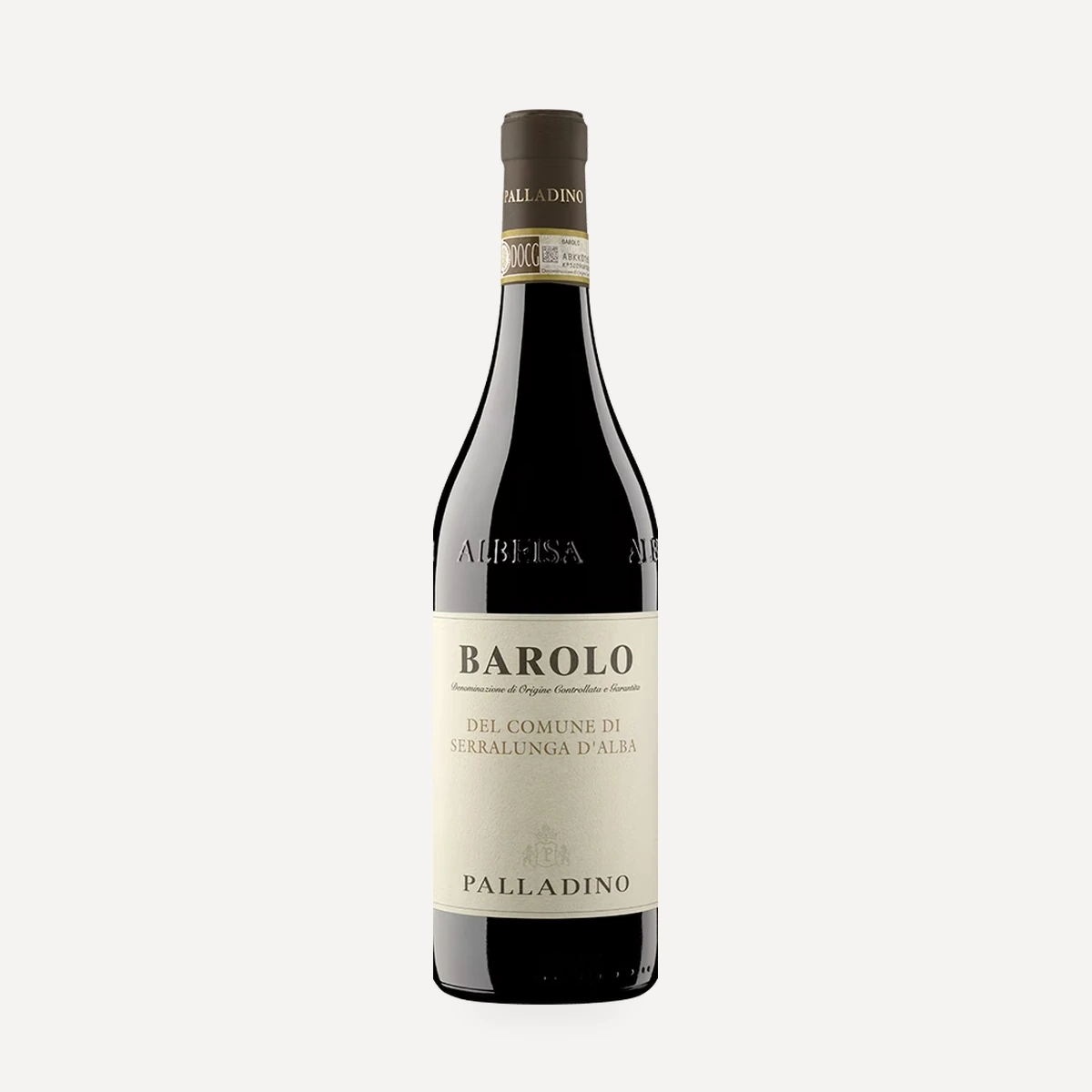
Barolo Del Comune di Serralunga d'Alba DOCG
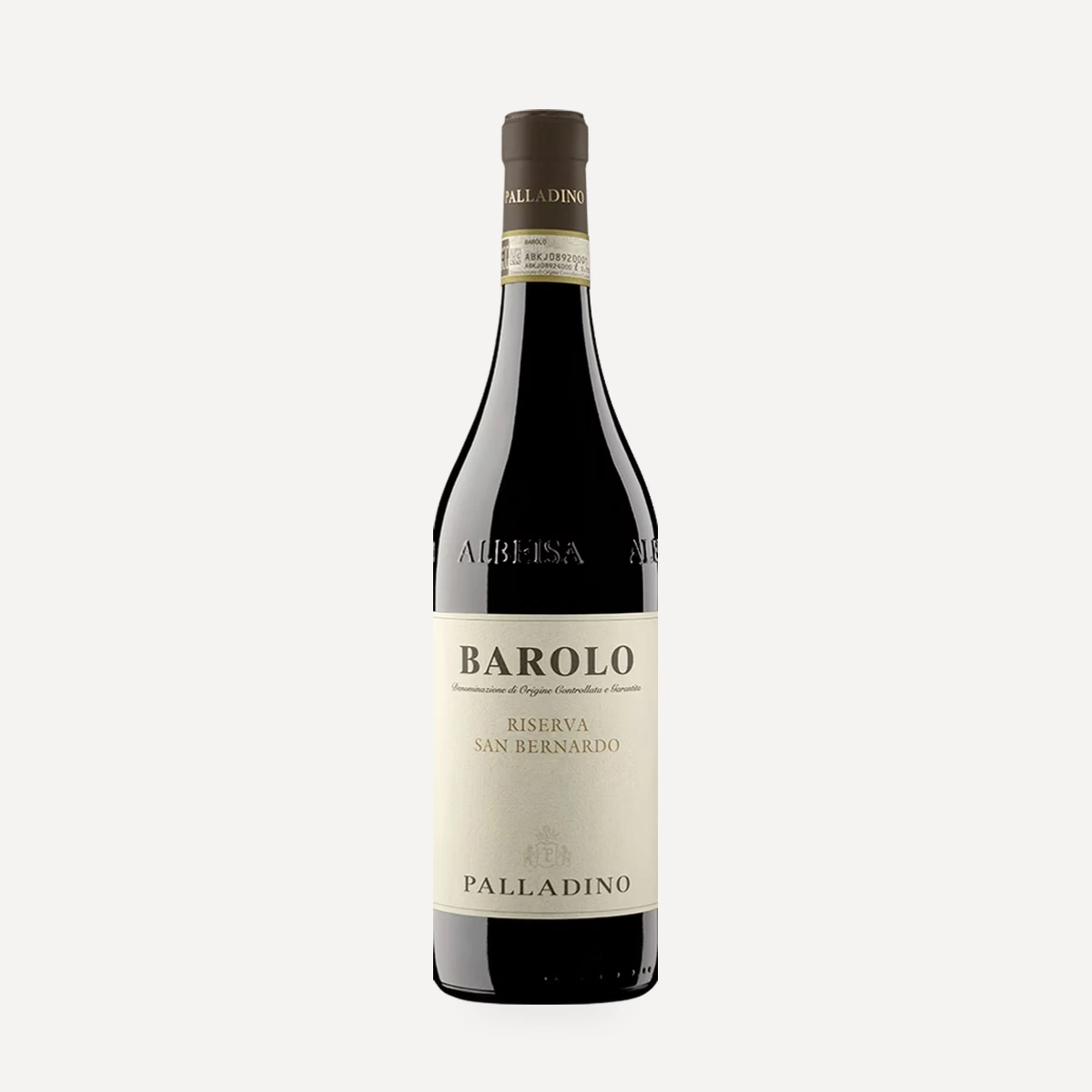
Barolo Riserva San Bernardo DOCG
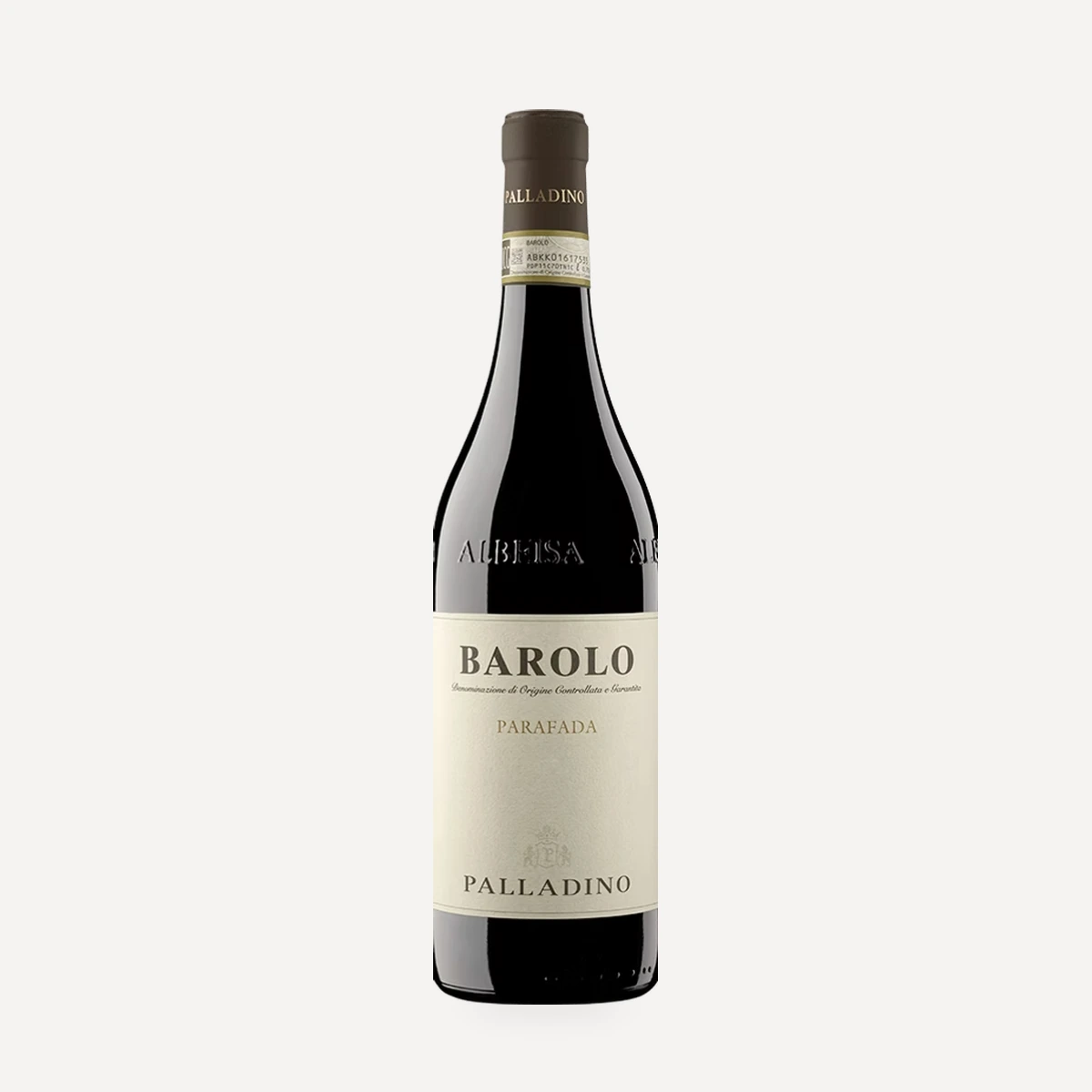
Barolo Parafada DOCG
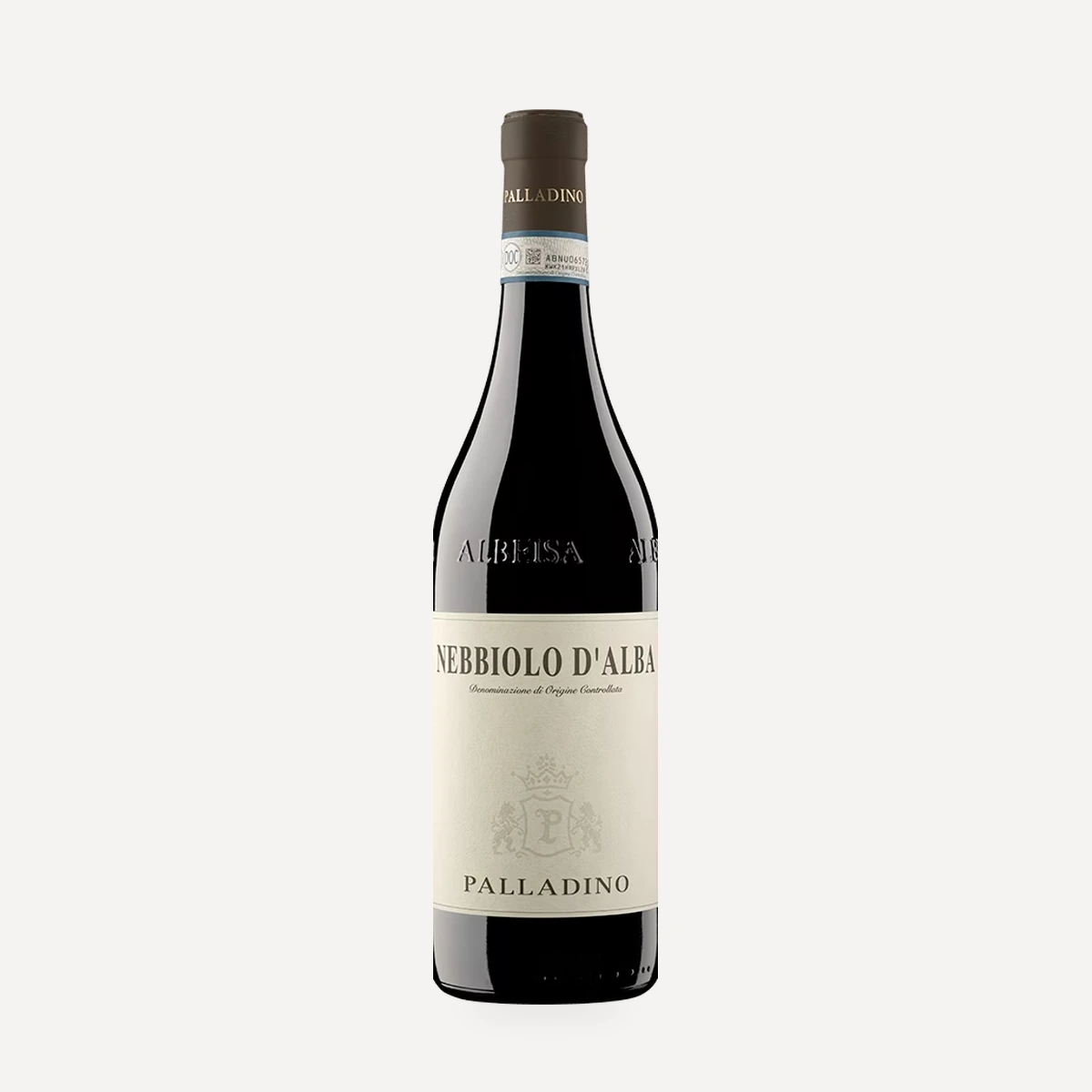
Nebbiolo d'Alba DOC
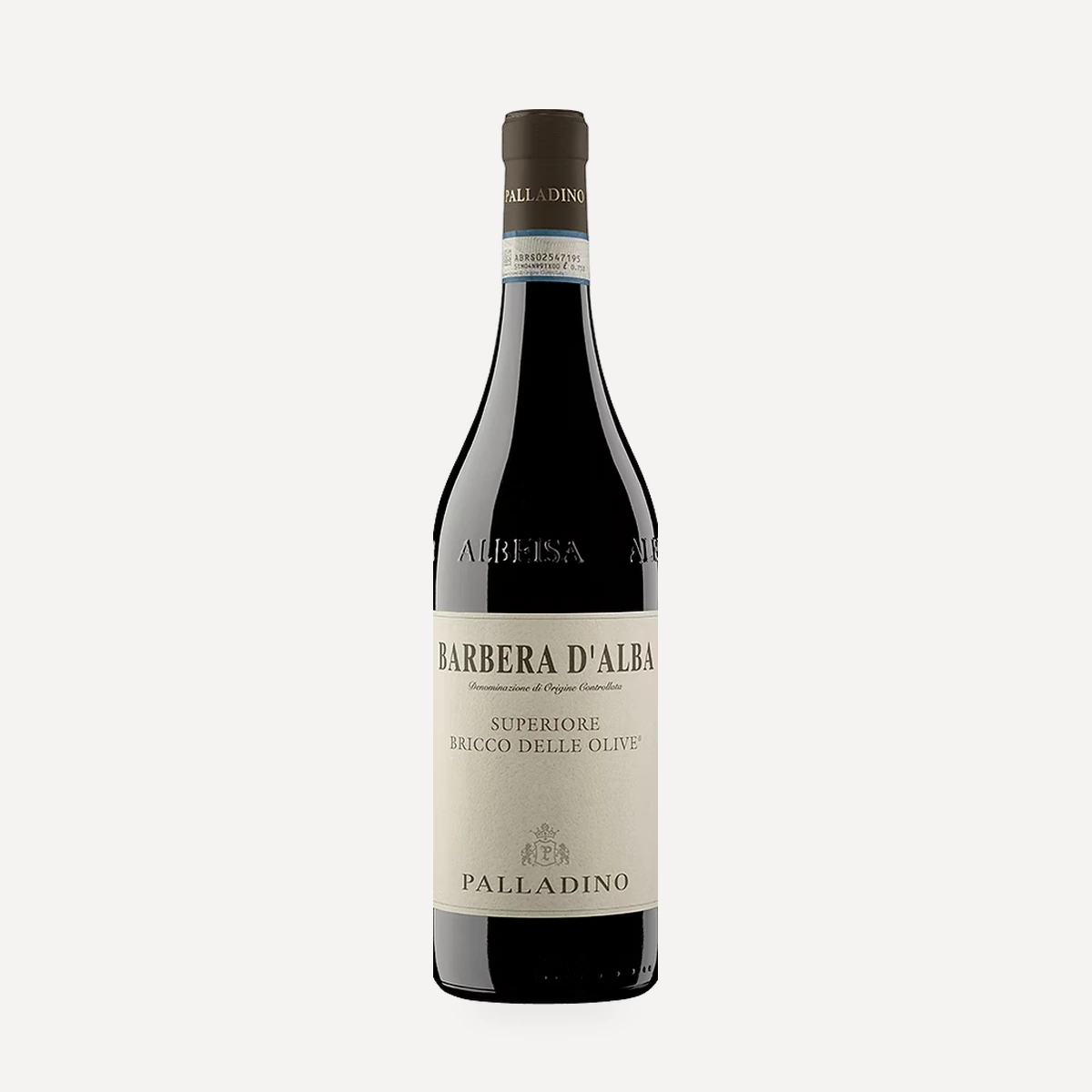
Barbera d'Alba Superiore Bricco delle Olive® DOC
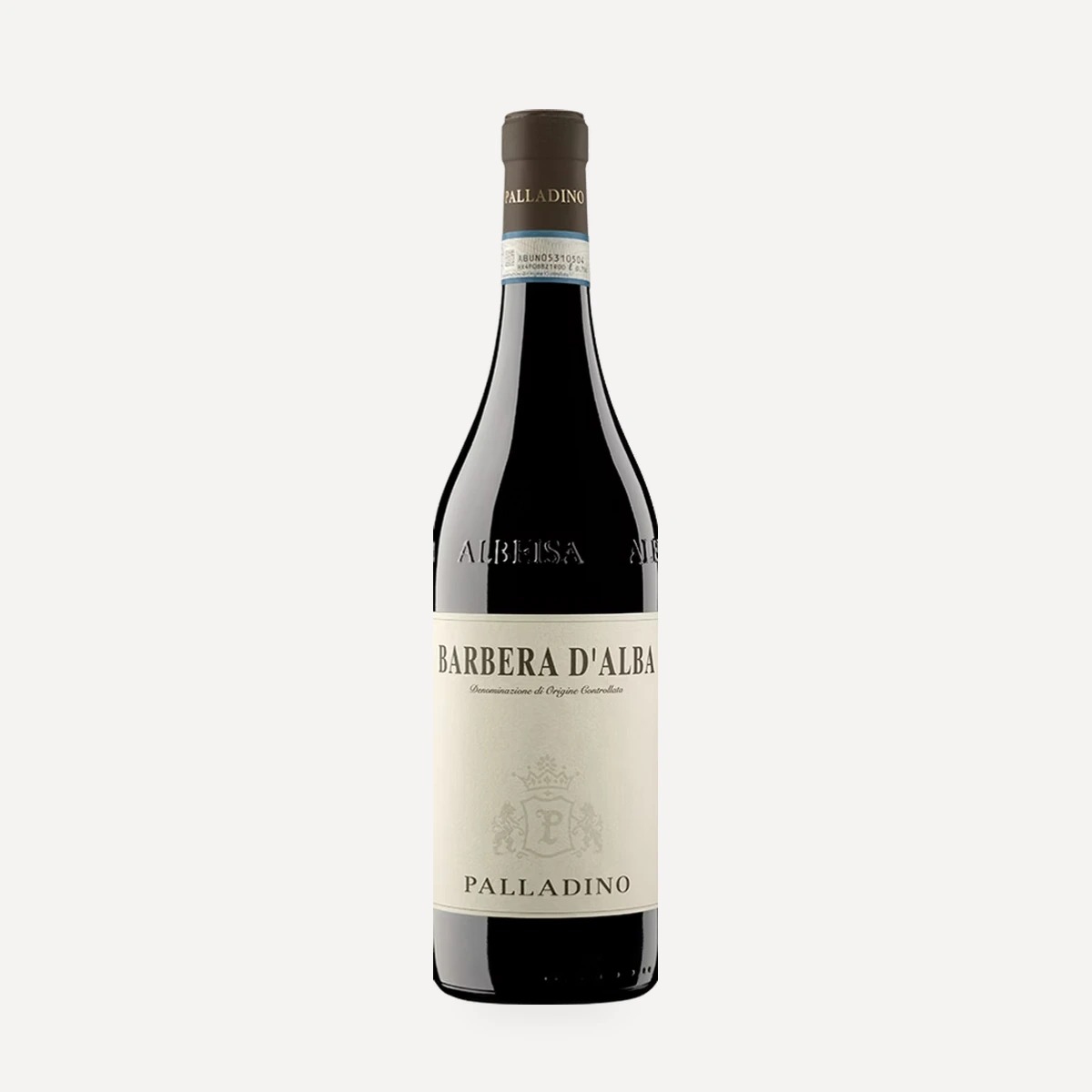
Barbera d'Alba DOC