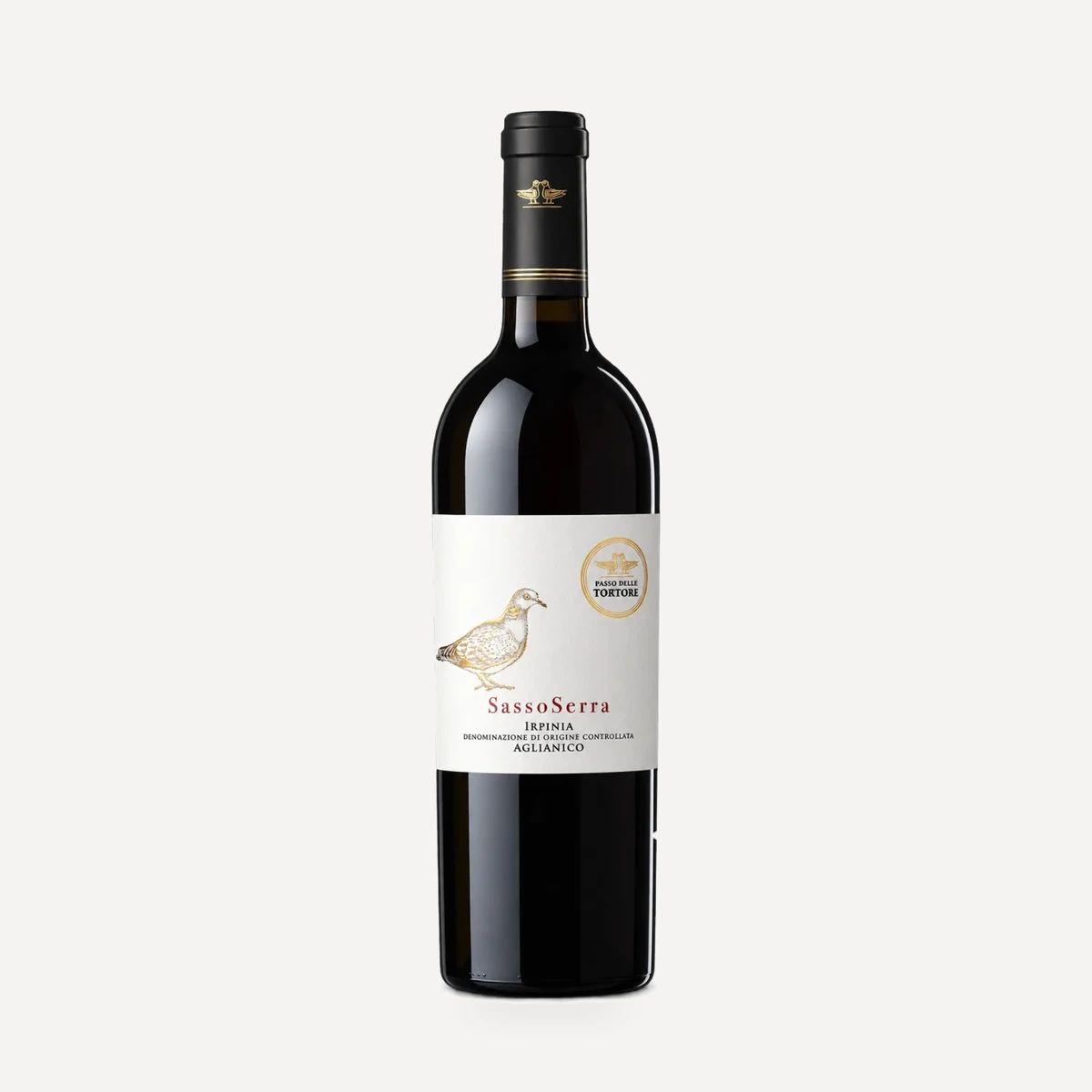
Storia
2012–2013: an idea born among friends
Passo delle Tortore began with a dinner shared by the winery’s female partners between 2012 and 2013. Their idea was to create an Irpinian winery that would preserve and pass on the values, work and passion inherited from their families. The project was conceived as a tribute to their parents, who had devoted their lives to viticulture, and combined family roots with an entrepreneurial vision led strongly by women.
The choice of Pietradefusi
The search for a suitable home led the partners to Pietradefusi. Turtle doves were a constant presence in the surrounding countryside and caught their attention from the beginning. The birds became the estate’s emblem and inspired its name. Within the winery’s narrative they represent love, family and fidelity to the land and nature.
2016: the first vineyards
The first vines were planted in 2016, beginning the agricultural phase of a project governed by the pace of the vine, the soil and the seasons. The vineyard base subsequently came to encompass three Irpinian hill areas—Pietradefusi, Lapio and Montefusco—selected for different grape varieties and growing conditions.
2019: first harvest and first wines
The inaugural harvest took place in 2019. This vintage marked the transition from the partners’ original idea to an operating wine project and produced the first Passo delle Tortore wines.
2020: market debut during the pandemic
The wines entered the market in 2020, at the beginning of the pandemic. The circumstances slowed the winery’s initial growth, although word of mouth and the reception of the labels among enthusiasts, members of the trade and critics helped establish the project.
2021: recognition in Italian guides
In 2021, Passo delle Tortore began receiving recognition from leading Italian wine guides, including Slow Wine and Gambero Rosso.
The people shaping the cellar
Nicola De Girolamo’s experience contributed to defining the identity of the project. He had previously spent more than 30 years as director of Cantina del Taburno. Francesco De Pierro brought a contemporary interpretation of Irpinian grape varieties and sites, together with experience acquired in French châteaux and particular knowledge of élevage.
2026: the new winery and Stai al Passo
The new winery was completed in June 2026. It brought production, hospitality and wine culture together under one roof in a building integrated into the vineyard landscape. With the 2026 harvest, the estate also launched Stai al Passo, a platform intended to connect wine with art, music, culture, nature, wellbeing and social encounters while maintaining continuity with the winery’s history and territory.
Terroir
Passo delle Tortore works across three hill areas in Irpinia: Pietradefusi, Lapio and Montefusco. The sites extend from the winery at approximately 350 metres to vineyards at 700 metres in Montefusco. Strong day-to-night temperature variations characterize this elevation range; increasing altitude helps the grapes retain freshness and acidity.
Pietradefusi
The winery stands at approximately 350 metres, with 8 hectares of vineyards around it. Aglianico and Falanghina grow here on calcareous clay soils.
Lapio
The Fiano source is an elevated hillside site at approximately 540 metres with a north-east exposure. The altitude and marked temperature variation support freshness and aromatic development.
Montefusco
At approximately 700 metres, Montefusco is the highest of the three vineyard areas. Greco is grown on clay soils of tuffaceous origin. Slow ripening at this elevation is associated with the grape’s structure, depth and mineral character.
Altitude, exposure, soil composition, light and the progression of each season create a distinct balance in every vineyard. These differences are treated as defining elements rather than variables to be standardized.
Vinificazione
Viticultural decisions respond individually to each site. Altitude, exposure, soil composition and the conditions of the vintage guide the management of the vines and the choice of harvest date. The objective is to accompany the balance established by nature and allow vineyards with different conditions to retain their individual expression.
Harvesting is performed by hand. The picking season extends from the first week of September for Fiano to approximately the middle of October for the grapes destined for Taurasi. The work follows the changing maturity of the grapes rather than imposing a single schedule across the estate.
The winery completed in June 2026 brings production, maturation and hospitality into a single structure integrated with the vineyard landscape. Wines are made and matured with the stated objective of respecting the land from which they originate.
Francesco De Pierro’s approach draws on training and experience in French châteaux, particularly the practice of élevage. French oak barrels, work with yeasts and patient maturation form the principal elements disclosed for the cellar as a whole. The production philosophy seeks to interpret the different characters of Irpinian grape varieties and vineyard sites rather than erase their distinctions.
Filosofia
Passo delle Tortore places the vine before the finished wine. Its philosophy treats the vine as an interpreter of altitude, soil, light and seasonal conditions, with the resulting dialogue shaping the character of each wine.
The estate describes cultivation as an act of listening. Each vineyard has its own equilibrium, and intervention is intended to accompany what nature has established. The aim is not to make contrasting sites uniform, but to let each express its particular combination of elevation, exposure, soil and vintage.
The project also carries a strong family dimension. It was created to honour parents who devoted their lives to viticulture and to transmit the values, labour and passion received from the partners’ families. The turtle dove symbolizes love, family and fidelity to the land and nature.
Through Stai al Passo, the winery presents evolution as compatible with continuity: contemporary and accessible forms of communication and hospitality are intended to bring new generations closer to wine without simplifying its cultural content or weakening the connection with Irpinia.
Vini
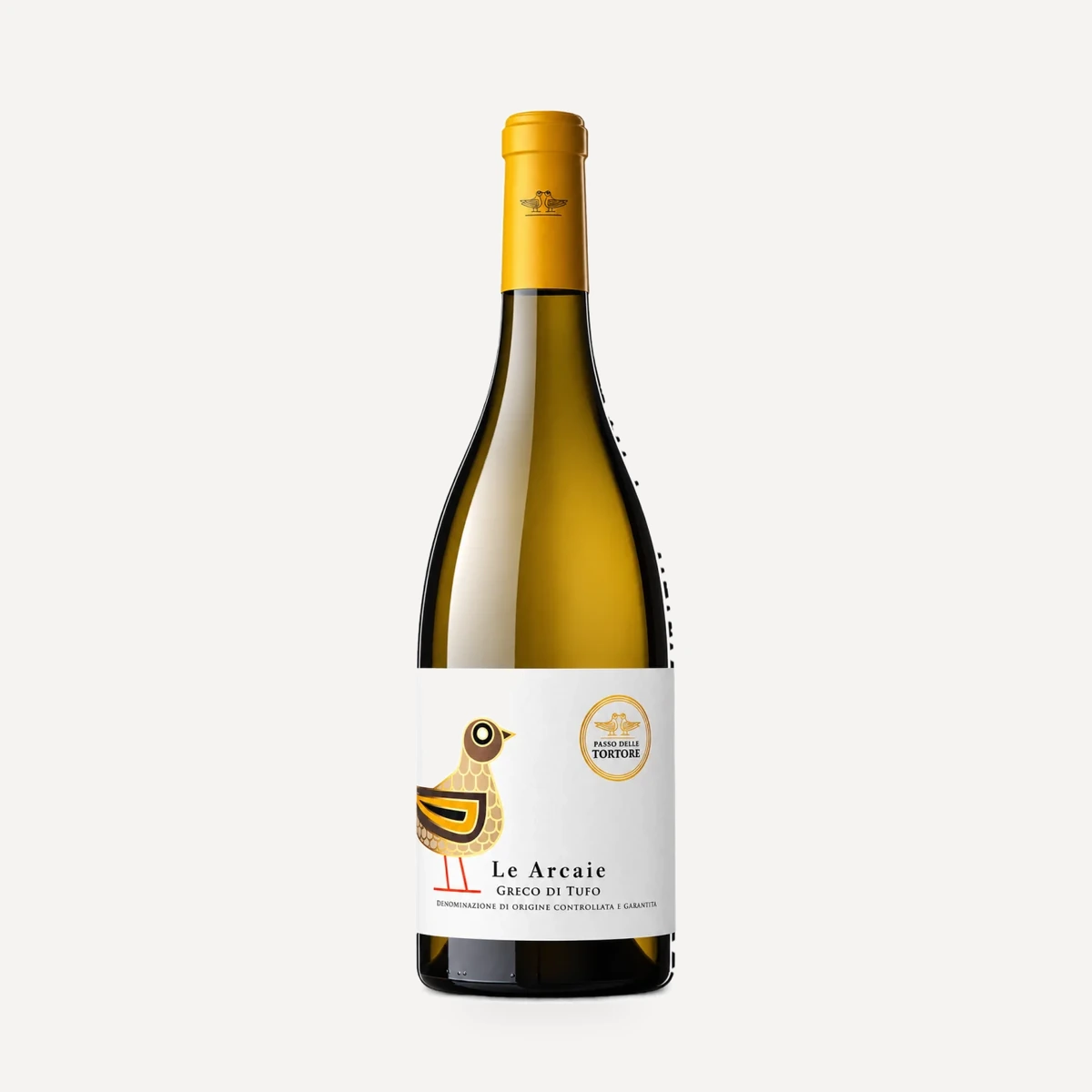
Le Arcaie
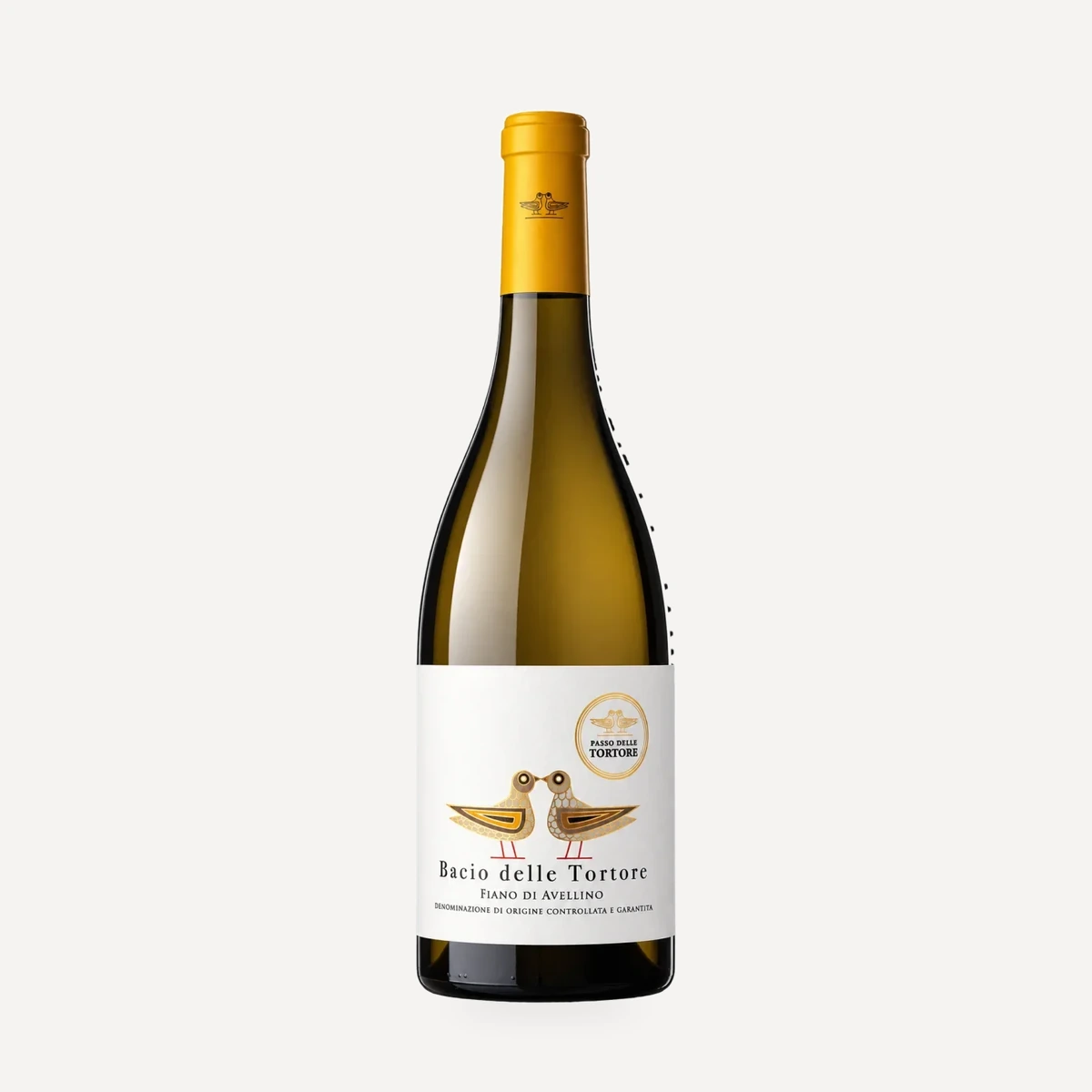
Bacio delle Tortore
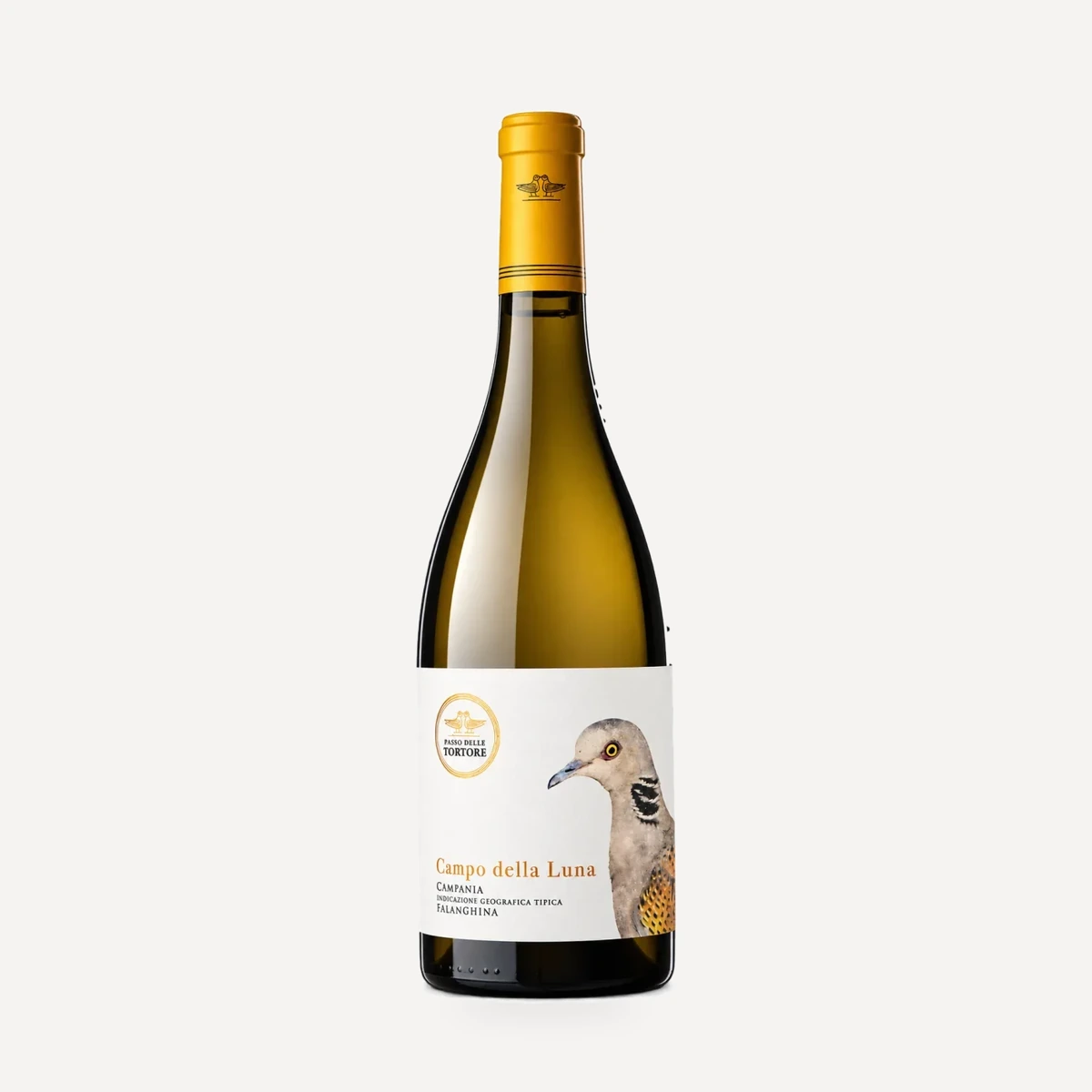
Campo della Luna
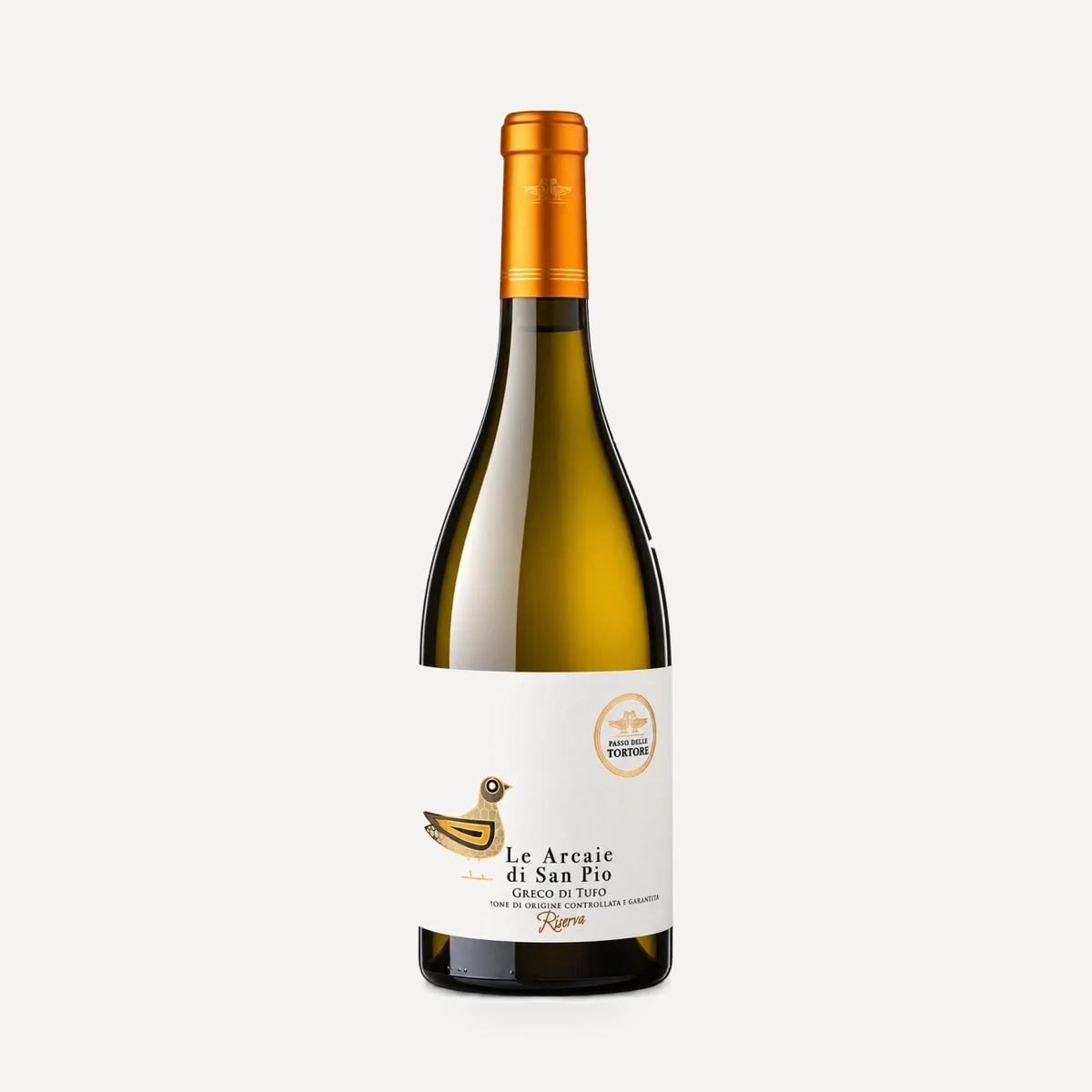
Le Arcaie di San Pio
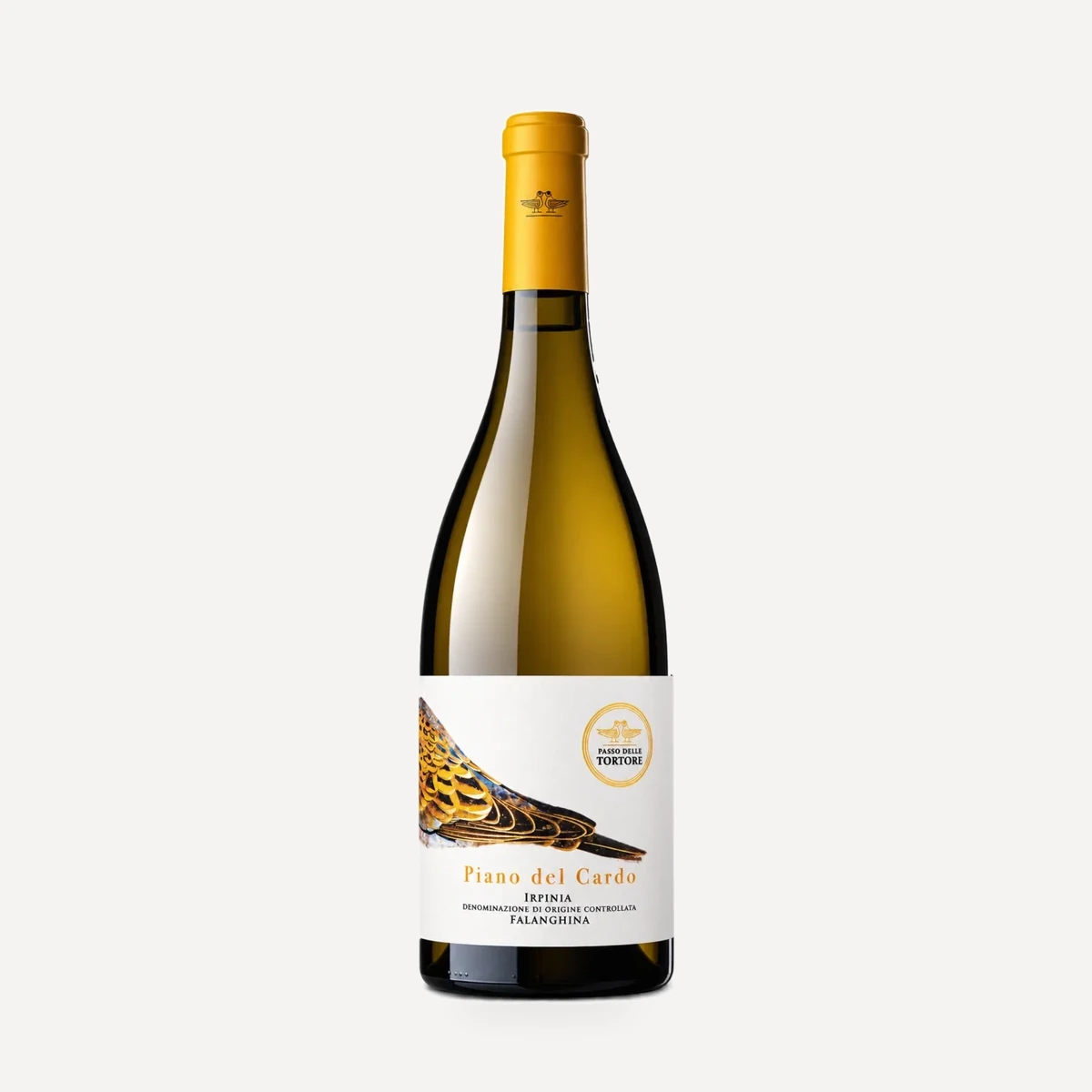
Piano del Cardo
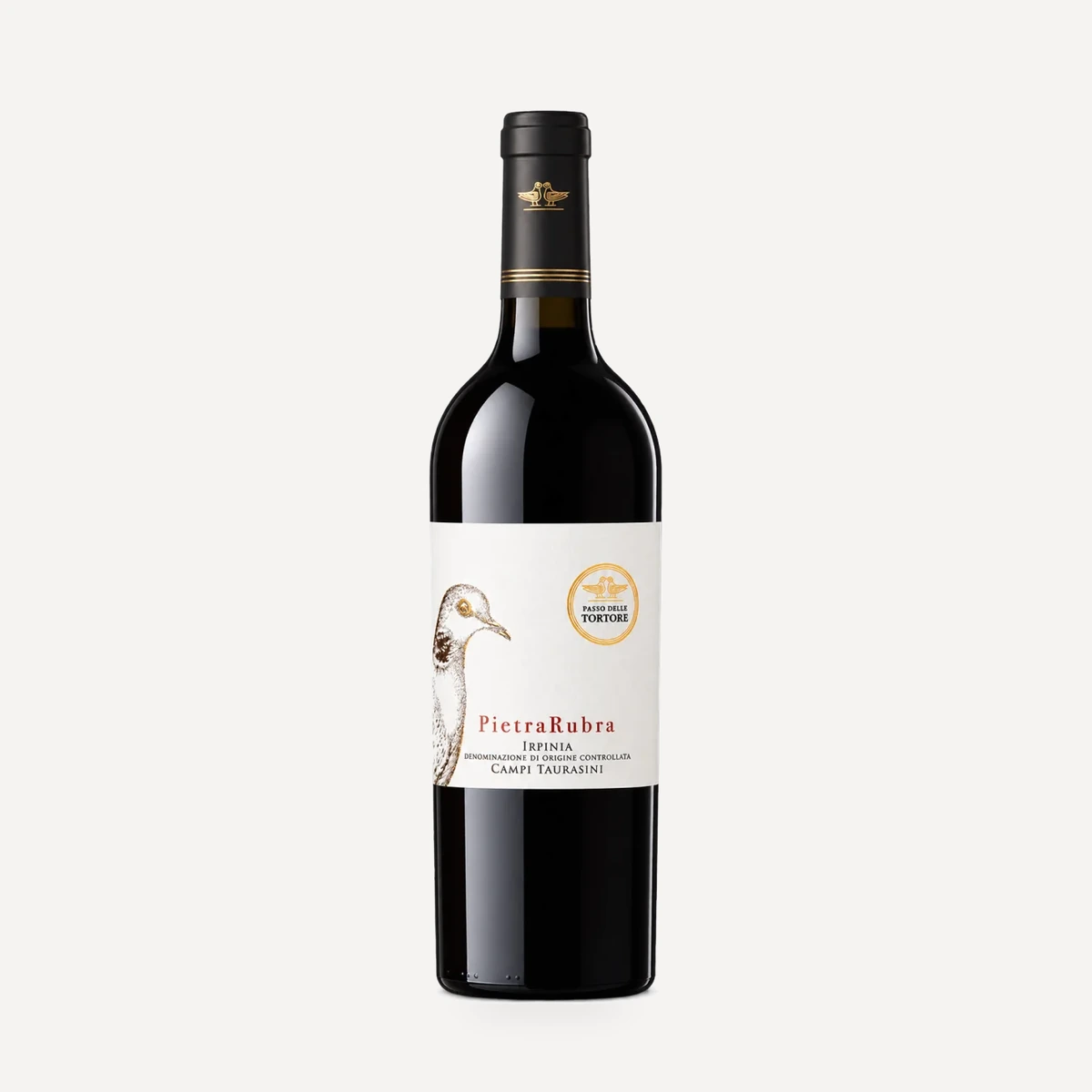
Pietra Rubra
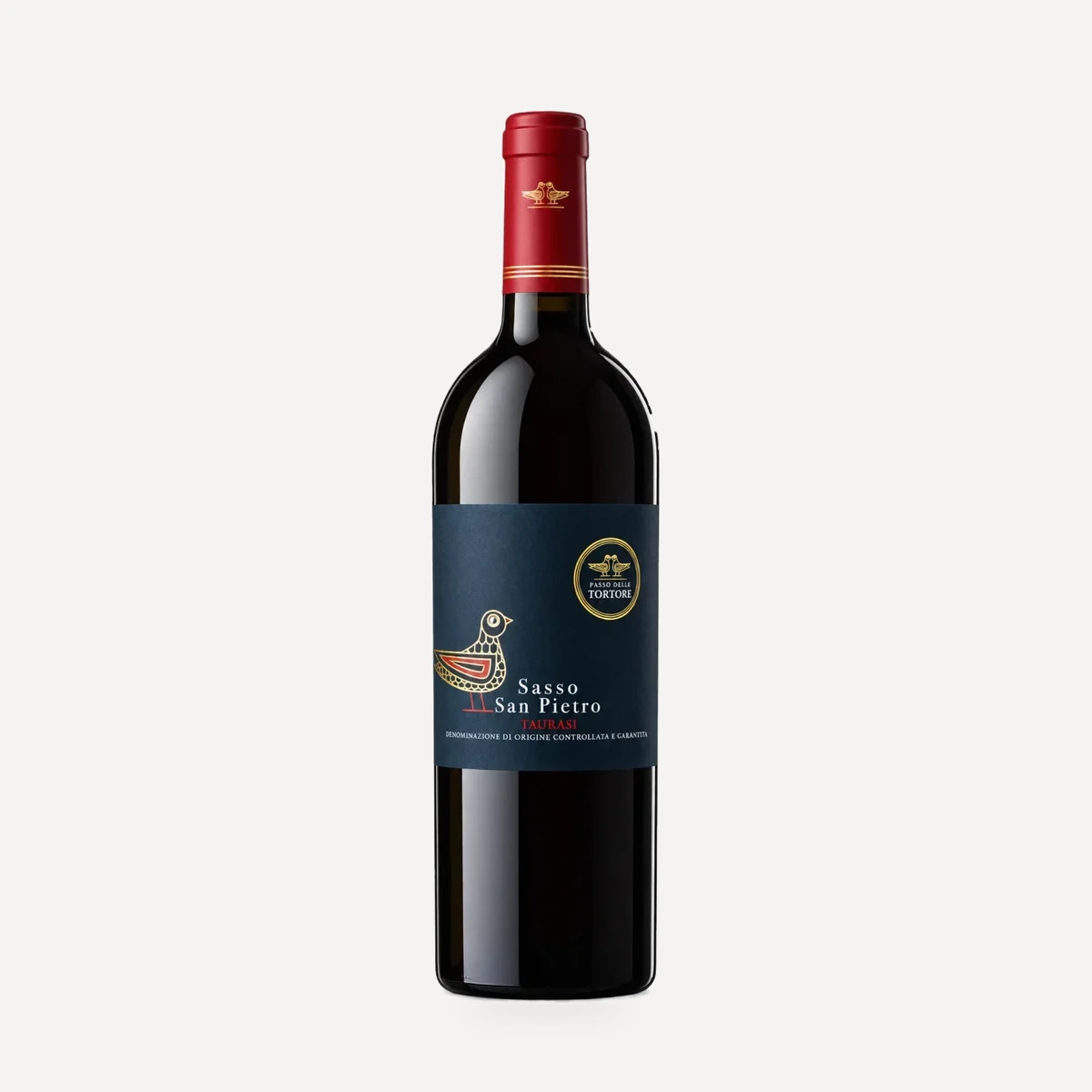
Sasso San Pietro