Storia
Agricultural origins
The Pelissero family has long been devoted to agriculture in the Langhe. Giovanni Pelissero, grandfather of the present proprietor Giorgio Pelissero, began growing grapes in the early twentieth century. Giovanni owned the vineyard remembered by his Piedmontese diminutive, Vanotu.
1960: the first Pelissero bottles
The family bottled its first wine in 1960, working artisanally in the cellar of the family home and initially selling a small number of Pelissero-labelled bottles to friends. Those first wines came from Vanotu. The date marks the beginning of Pelissero as a wine-producing estate, although the family’s agricultural and vine-growing activity predates it.
1964: renewal of Vanotu
In 1964, Luigi Pelissero replanted the upper part of Vanotu in the municipality of Barbaresco, within the Tre Stelle cru. These vines later supplied the estate’s most important historical selection and its two commemorative Riserva releases.
1989–1990: the third generation and a new cellar
Giorgio Pelissero, an enologist and the family’s third-generation winegrower, began a new phase of the estate with the 1989 vintage and had taken responsibility for the winery by 1990. Early in 1990, the family decided to build its cellar on the summit of the Augenta property, a commanding site surrounded by vineyards and offering an almost complete panorama of the Langhe hills. Production subsequently expanded in Treiso and exports developed across international markets.
1994–2004: the formation of Tulin
Cascina Tolino—Tulin in Piedmontese—entered the estate in successive stages. The first portion was acquired in 1994, the second in 1999 and the third in 2004. Further purchases after 2004 consolidated it into the estate’s largest contiguous holding, approximately 20 ha across the municipalities of Treiso and Neviglie.
The 1999 purchase supplied a steep vineyard on the boundary of the Barbaresco production zone. Because only the Treiso portion could legally produce Barbaresco, the family revived the traditional local practice of combining Nebbiolo from the Neviglie section with Barbera. The resulting Langhe DOC blend, Long Now, was first produced in 2000.
2001–2002: Nubiola and the Long Now project
The first bottles of Barbaresco Nubiola date from 2001. The wine brought together Nebbiolo from six small lots distributed among Treiso, Barbaresco and Neive.
In March 2002, musician and artist Brian Eno visited the cellar after Giorgio Pelissero connected the Long Now wine with the ideas of the Long Now Foundation. Eno contributed five experimental pieces based on the sound of the Foundation’s clock, linking wine, music, technology and the idea of time. Part of the clock face subsequently appeared on the wine’s label.
2004: the first commemorative Riserva
The estate produced its first Barbaresco Vanotu Riserva from the 2004 vintage to commemorate forty years from Luigi Pelissero’s 1964 replanting of the upper Vanotu parcel. It was made from the highest part of the vineyard and received extended maturation.
2008–2010: additional land and a new variety
At the end of 2008, Pelissero acquired additional vineyard parcels, some already planted with Moscato. The purchase led to the inclusion of Moscato d’Asti in the estate’s production, beginning with the 2010 vintage.
The 2010 vintage also became the second and, at that point, only other commemorative Vanotu Riserva. Fruit was selected after two rounds of thinning, in August and mid-September, and harvested by hand at full maturity on 15 October. Approximately 1,000 hours of vineyard work on one hectare yielded 4,040.5 litres. The wine remained in French oak for seven years, was bottled in May 2017 and then aged for another three years.
2013: expansion and additional cellar capacity
By 2013, Pelissero was completing a new winery area with more space for storing mature vintages. The estate was also preparing to add four hectares, taking its holdings to approximately 40 ha at that time, including 15 ha of Nebbiolo within the Barbaresco denomination. Subsequent acquisitions brought the owned vineyard area to 42 ha.
2020–2022: anniversary release, offices and certification
New company offices were completed in February 2020 following an extended design and construction period. In May of that year, the limited Barbaresco Vanotu Riserva 2010 was released to celebrate fifty years of estate history, exactly sixty years after the first Pelissero-labelled bottle of 1960. Its presentation used the winery’s characteristic RAL 3004 wine-red colour and handwriting reproduced from the family’s original vineyard deeds.
In 2022, Pelissero obtained SQNPI certification under Italy’s National Quality System for Integrated Production. By this stage the third-generation family estate cultivated 42 ha in Treiso, Neive, Barbaresco, Neviglie and Alba, produced approximately 250,000 bottles annually and exported to more than 60 countries.
Terroir
Setting
Pelissero is based at Via Ferrere in Treiso, in the Langhe and within the Barbaresco production area. Its 42 ha of owned vineyards extend across Treiso, Neive, Barbaresco, Neviglie and Alba. The cellar stands in the elevated Augenta area and is surrounded by vines, with an almost 360-degree view over the Langhe hills.
The wider landscape is framed by the Roero and the Alps to the west and north. On clear days, Monte Rosa and Monviso are visible; from Augenta the panorama can extend from Monviso and Monte Rosa to Cervino and Monte Bianco. This Alpine barrier moderates cold northerly winds, while warmer currents arrive from the Ligurian Sea to the south.
The Tanaro River affects both soils and climate and contributes to the characteristic autumn fog. Beneath the vineyards lie strata of sandstone and blue marl, remnants of an ancient sea. Even along the ridge of a single hill, changes in geology, slope and exposure create marked site differences.
Altitude, slope and exposure
The five principal vineyard areas range from about 250 to 420 m. Vanotu occupies south-facing ground at 300–350 m. Tulin rises from 250 to 420 m on a steep south- and southeast-facing amphitheatre. Piani lies at 250–350 m and faces west. Munfrina occupies lighter ground at 300–400 m below Augenta. Augenta crowns the ridge at 400–420 m, exposed south to southwest and receiving sunlight throughout the day.
Soils and microclimates
Soils vary significantly between sites. Vanotu is medium-textured and rich in limestone; its high, ventilated position limits mould pressure. Tulin has hard, compact subsoil, a thin erosion-prone surface layer and abundant magnesium, calcium, iron, phosphorus and potassium. Piani contains more clay than the local average, including a swelling, bentonite-like layer that has contributed to surface movement and gradually flattened the hill. Munfrina is lighter and more friable, with silt, red-sand veins and natural moisture from a small tributary of the Tinella. Augenta is strongly calcareous, with hard brown and bluish marls and only a shallow cultivable surface after centuries of erosion.
Vinificazione
Pelissero works exclusively with grapes from its 42 ha of owned vineyards and does not purchase fruit from other growers. The family and its collaborators oversee the complete cycle, beginning with pruning and continuing through production and commercialization. Vineyard decisions centre on matching varieties to soil, slope and exposure.
Since 2022, the estate has held SQNPI certification under Italy’s National Quality System for Integrated Production. The certification covers plant products grown in conformity with regional integrated-agriculture protocols and is recognized by the Italian agricultural authorities.
Detailed practices are documented for the upper Vanotu parcel. Natural humus is used as fertilizer, while traditional copper- and sulphur-based treatments protect vine health. February pruning is carried out during the waning moon, following an inherited local practice. For the 2010 Riserva, the estate conducted two rounds of crop thinning, in August and again in mid-September, selected the best bunches, harvested manually on 15 October and crushed the fruit within a few hours. Work in that approximately one-hectare parcel totalled about 1,000 hours and yielded 4,040.5 litres.
Seasonal work also includes winter pruning, spring tying of shoots and summer green harvesting. The estate treats thinning as a quality-critical operation. Vanotu’s exposed, elevated position provides natural ventilation and reduces mould pressure, while the Alpine barrier and warmer Ligurian currents moderate Augenta’s microclimate.
Pelissero began with artisanal production in the cellar of the family home. The present winery stands at the summit of Augenta, surrounded by vineyards. Additional cellar capacity was developed by 2013 to provide more room for storing mature vintages, and new offices were completed in 2020.
The estate follows its fruit from pruning through vinification, maturation, bottling and sale. General cellar equipment and methods include gentle presses, stainless-steel tanks, temperature-control systems and French-oak vessels. Portuguese cork is used for closures. Production totals approximately 250,000 bottles per year.
The cellar approach combines established Langhe practice with controlled, mechanically assisted processes. Temperature-controlled stainless steel and automatically programmed cap mixing are used where appropriate. Wood maturation may combine smaller French barriques and large oak casks, with proportions adjusted to the vintage and the intended expression.
The exceptional 2010 Vanotu Riserva provides the most complete documented example of extended production. Hand-picked fruit was crushed within hours, macerated with its skins for approximately two weeks in temperature-controlled vessels and underwent limited rackings. The wine then entered new 225-litre French-oak barrels made from Tronçais wood. Testing, racking and tasting continued during seven years of maturation. It was bottled in May 2017 and rested in bottle for a further three years before release in May 2020.
Filosofia
Pelissero defines itself through three generations of Langhe farming and a continuing attachment to native varieties, particularly Nebbiolo, Barbera and Dolcetto, which account for 85% of production. Every grape is estate-grown, allowing the family to connect vineyard choices directly with cellar work.
The central mission is to continue an inherited path while changing its direction where experience and new knowledge justify it: repeating old rituals with renewed gestures, reinvesting energy as experience accumulates and turning learned techniques into further evolution. Continuous research in both vineyard and cellar, commitment, passion and innovation are presented as complementary rather than opposing values.
Site selection, exposure and the suitability of each variety are treated as long-term decisions. The family’s language emphasizes respect for nature and acceptance that planning and technical control cannot fully contain the living character of wine. Time is equally important: harvest, vinification and maturation are understood as stages in a process that cannot be hurried.
This balance between continuity and experimentation is illustrated by Long Now, which revives a historical Nebbiolo-and-Barbera blend while connecting it with technology, music and long-term thinking. It is also visible in the combination of Langhe traditions with temperature control, stainless steel, gentle pressing and French oak. The stated aim is not to erase vintage or variety, but to preserve their identity through controlled production and patient maturation.
Vini
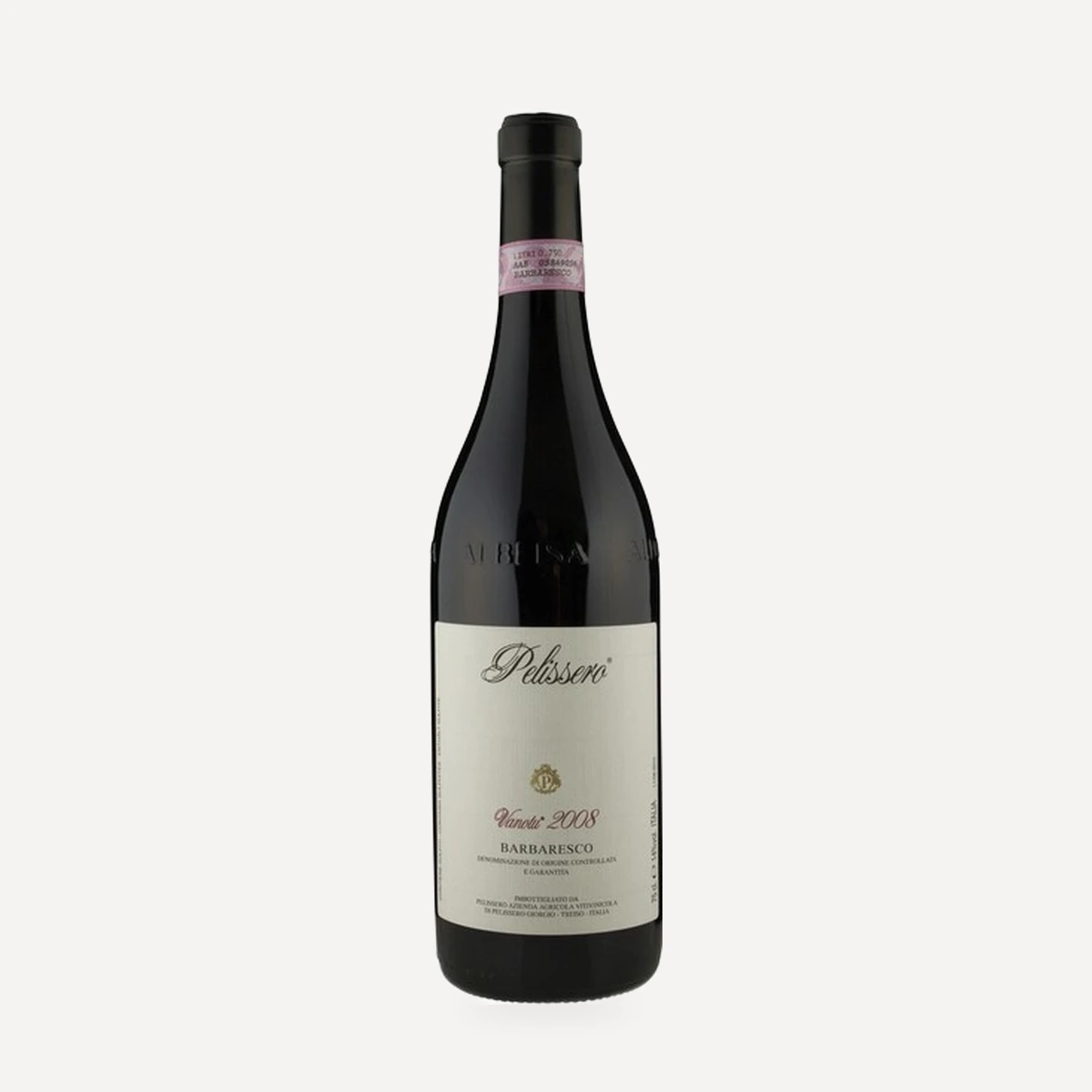
Barbaresco Vanotu DOCG
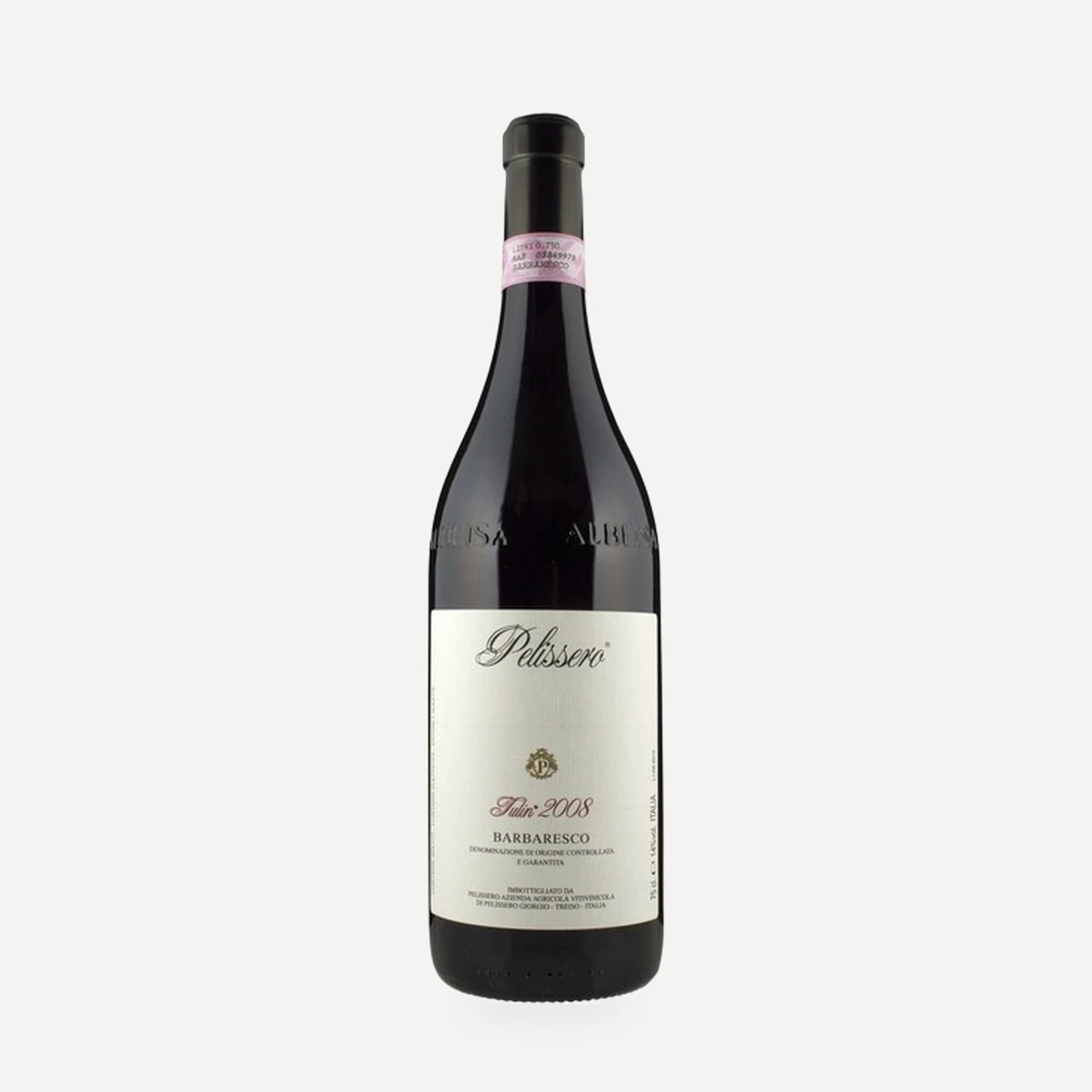
Barbaresco Tulin DOCG
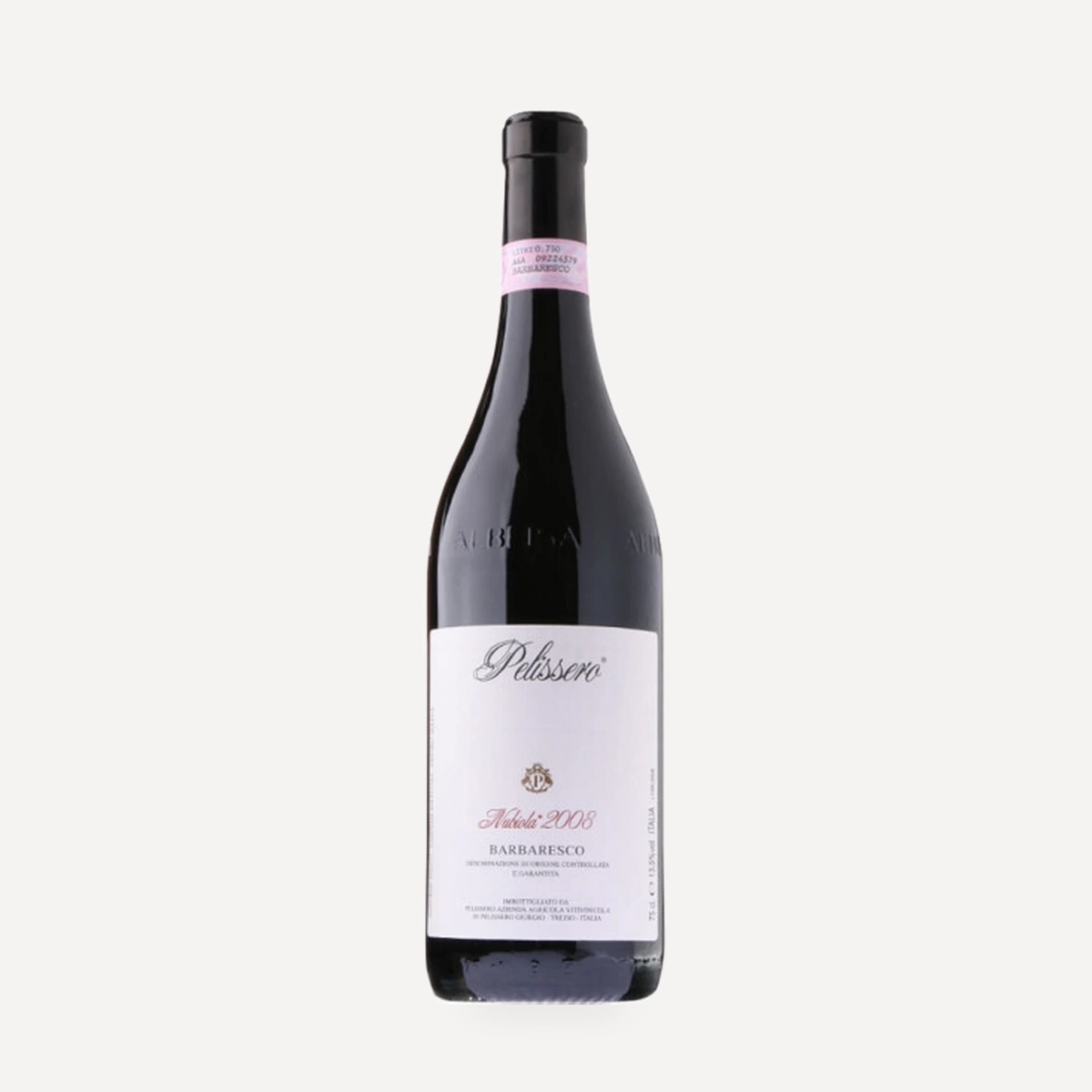
Barbaresco Nubiola DOCG
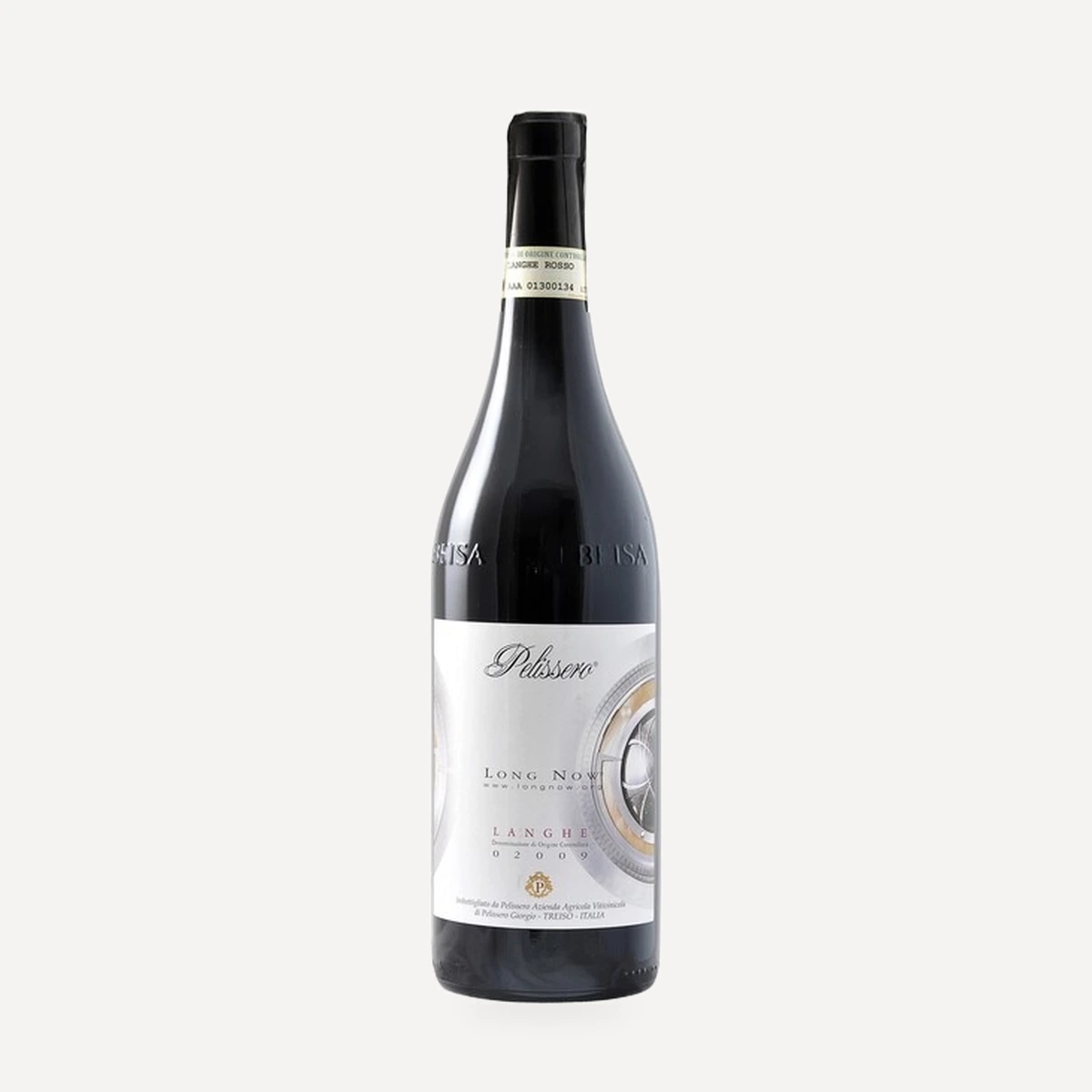
Langhe rosso Long now DOC
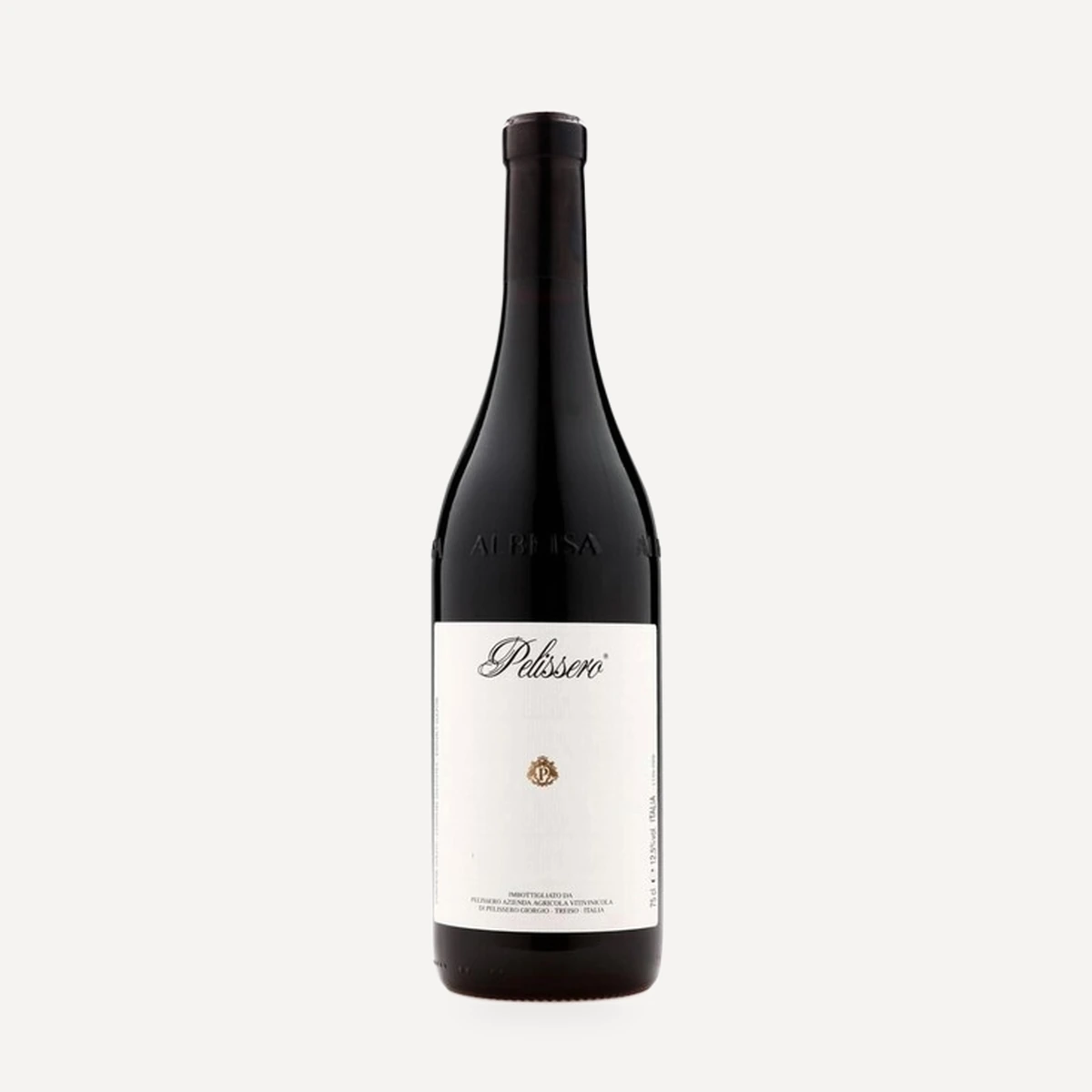
Langhe Nebbiolo DOC
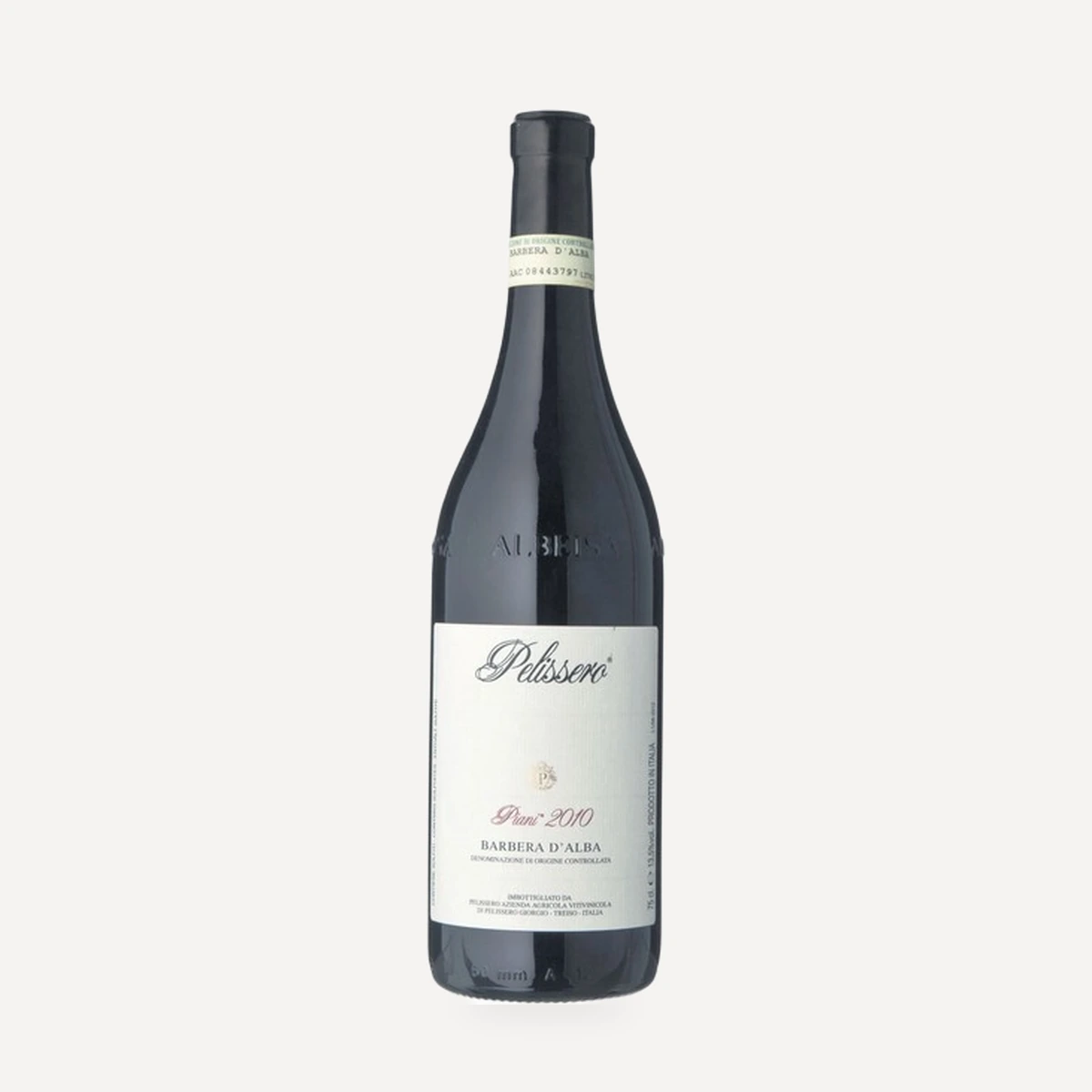
Barbera d’Alba Piani DOC
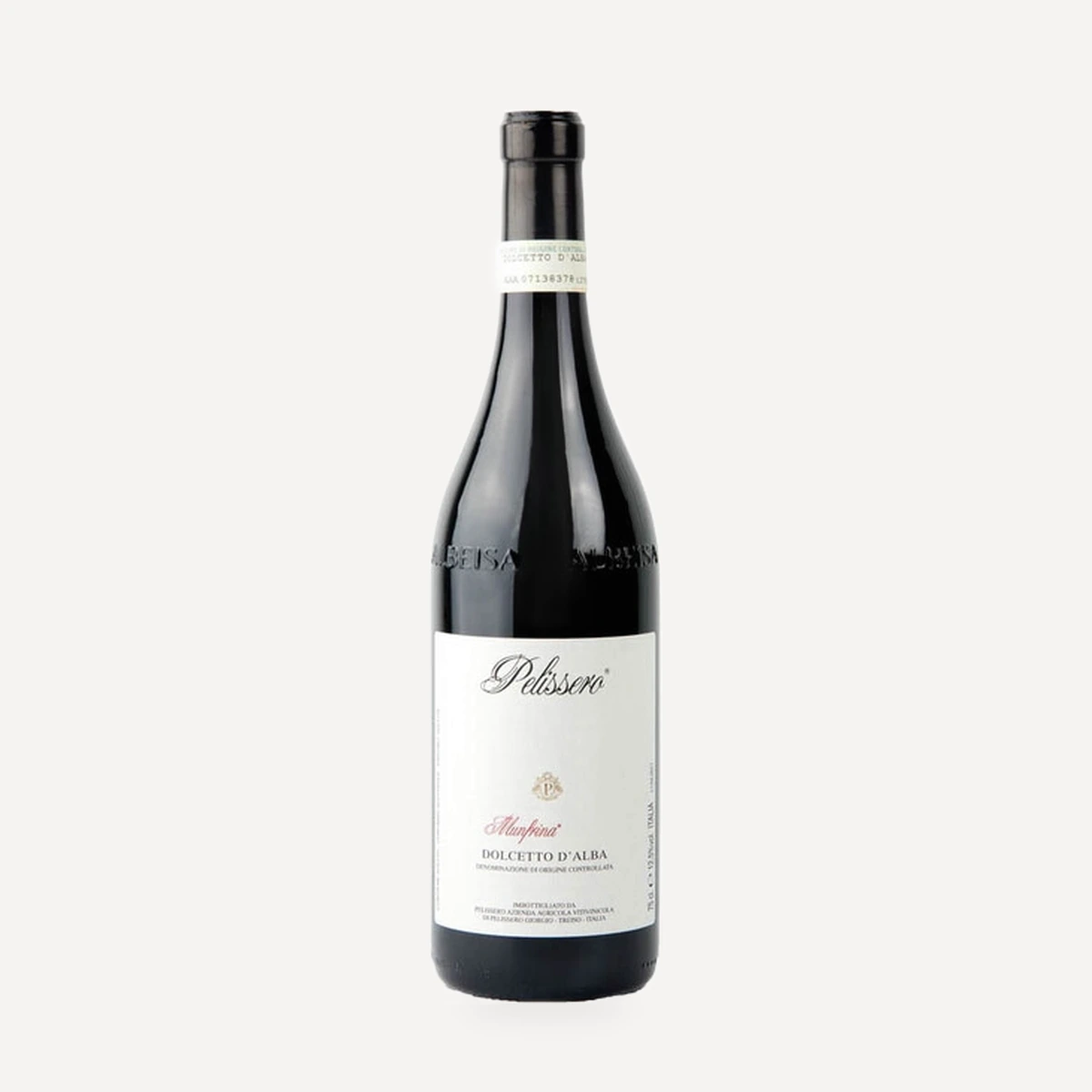
Dolcetto d’alba Munfrina DOC
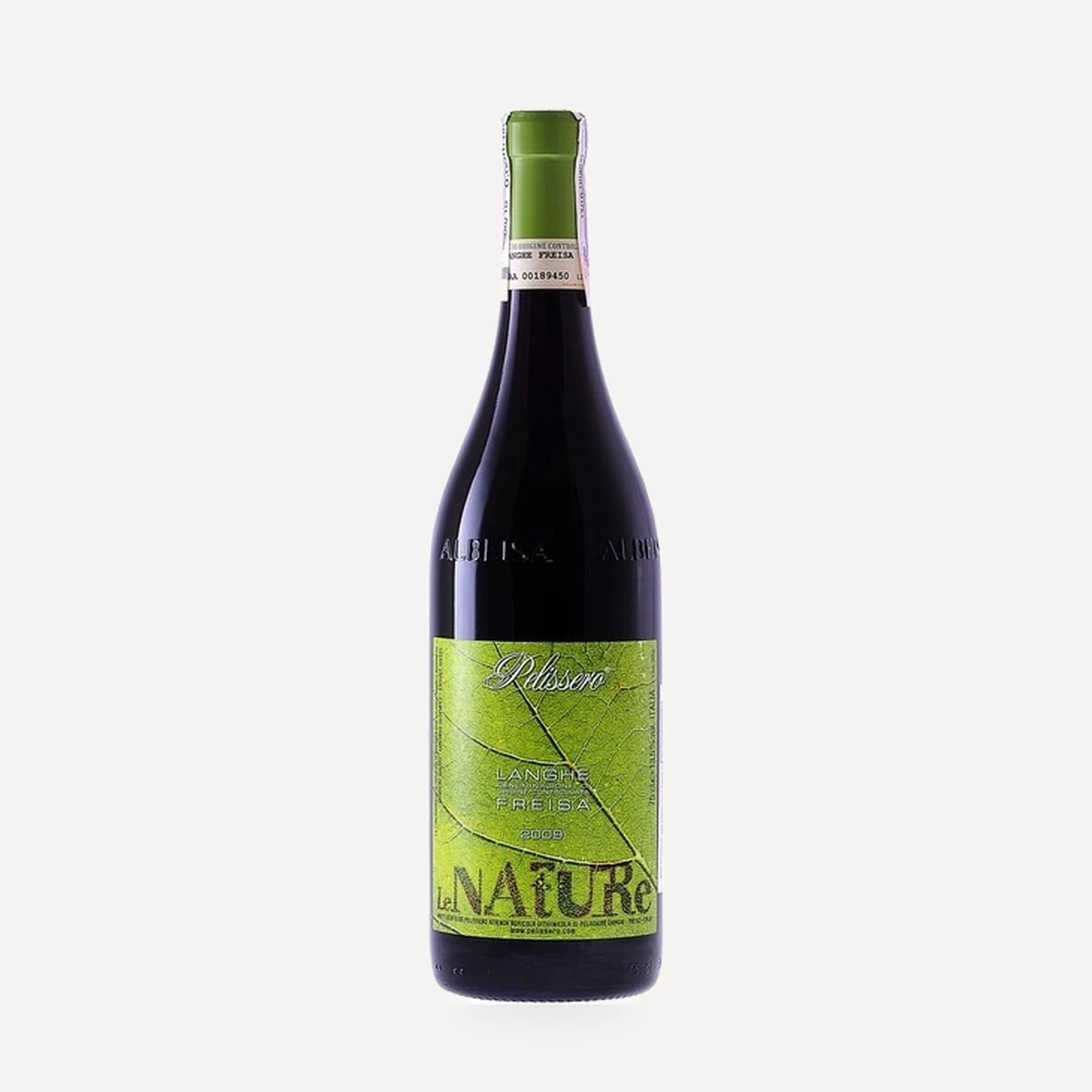
Le Nature Langhe Bianco DOC