Storia
1953: the family property
The present family history of Pian del Pino begins in 1953, when Giovanni Batacchi's grandfather, also named Giovanni, purchased the estate. The younger Giovanni was sixteen when his grandfather died. He inherited both the property and a deep respect for plants and land that continues to guide his work.
Pian del Pino subsequently developed as a small, directly managed winery in the Pianalti del Valdarno. The estate cultivates its own vineyards, vinifies only the grapes it grows and personally follows the process from soil management to bottling. The agricultural holding now covers approximately 15 hectares, including 4 hectares of vineyard, together with woodland, olive groves, meadows, hedges and other natural areas.
The recorded vintages, 2002–2012
The estate's vintage diary begins in 2002. A cold, dry end to winter and moderate April and May initially produced good budding and flowering, but exceptionally wet summer and September conditions, thunderstorms, delayed ripening and fungal pressure made 2002 one of the weakest seasons in two decades.
In 2003, an early-April frost caused limited damage to Sangiovese. An exceptionally hot summer advanced ripening by 15–20 days. The bunches were loose, with small berries and thick skins, although excessive heat and light reduced elegance; older, less sun-exposed vineyards performed particularly well.
The 2004 season combined a mild winter, a generally cool spring and a mostly regular summer before heavier rain in the latter part of the season and during September. It was an average, humidity-leaning year but especially favorable for white grapes.
A very cold, wet winter and February snow built substantial water reserves in 2005. A cool, adequately wet spring and warm, bright June were followed by relatively cool August and September conditions and marked diurnal variation. Leaf removal and bunch-zone ventilation helped contain fungal disease and supported slow, complete ripening.
In 2006, vigorous early growth followed a regular winter and mild spring. Cool weather from late May into early June slowed flowering and fungal pressure; heat from the second half of June restored development, while stored spring water prevented stress. A temperate August and sunny September with strong day–night variation produced healthy, abundant, terpene-rich fruit.
Above-average winter and spring temperatures brought early growth in 2007 and the first serious warning of inadequate vine water reserves. June rain and cooler temperatures resolved the immediate problem. A warm but not excessive summer and late-season thermal variation produced fully ripe bunches with good acidity and substantial polyphenol concentration.
A mild winter gave way to a cold, very wet spring in 2008, delaying flowering and later phenological stages. Warmth at the end of June combined with high humidity to create the strongest fungal pressure in approximately twenty years. September rain and delayed ripening made the year particularly difficult for red wines.
The 2009 season was defined by balance. A mild, rainy winter replenished water reserves, June rainfall offset late-spring heat, and the vines tolerated summer heat without severe stress. Moderate August temperatures and September's diurnal range and limited rain supported excellent ripening, particularly for Sangiovese.
The 2010 season began with a cold, snowy winter and a cool, wet spring. Water reserves helped the vines withstand summer heat and drought. September was irregular and wet, but vineyards in which disease was controlled and harvest delayed produced excellent fruit rich in aroma precursors, though with lower sugar levels. Young Sangiovese plantings were particularly successful.
The hot, dry 2011 season resembled 2003, with above-average temperatures from June through late September and ripening approximately fifteen days early. It was a good year, though less suited to a harmonious expression of Sangiovese. The same year marked the first bottling of TerreMurate, the estate's dry Merlot passito.
Although 2012 was difficult in other parts of Italy, it was an excellent estate vintage. A cool, wet spring delayed budding but established water reserves that proved essential during hot, dry June, July and August conditions. Cooler, wetter September weather increased rot risk, but targeted vineyard work yielded balanced, aromatic fruit with good sugar development.
The recorded vintages, 2013–2020
Winter and spring rain in 2013 created water reserves and slightly delayed flowering. Late-June and July heat restored development, while cooler-than-average periods in August and September slowed ripening. Bunch-zone ventilation was required to obtain healthy fruit with strong aromatic content and ideal polyphenol values.
The 2014 season was highly irregular in the Valle dell'Ascione. A very warm, rainy winter advanced budding, after which a cold spring and wet summer demanded intensive fungal-disease protection. May and June were the only regular months; cool, rainy July and August and persistent humidity made the vintage mediocre.
Regular seasons and an exceptional summer made 2015 outstanding in both quality and quantity. Adequate spring rain, particularly on 3 June, supplied water for the completion of vegetative growth. A warm but not excessive summer, September temperature variation and moderate, constant ventilation completed an almost ideal season.
The relatively cool conditions of 2016 could have suited Sangiovese, but two major hailstorms, in June and July, made it a lost vintage for Pian del Pino. No wine from the year was bottled.
In the third part of April 2017, one of the most severe spring frosts in twenty years devastated the vineyards. Dormant buds restarted growth approximately one month late. A hot, dry summer allowed the vines to recover, and harvest ultimately began about a week early. Yield was reduced, but protecting the bunches from excessive exposure helped produce structured, complex wines with pronounced tertiary aromas.
Alternating heat and heavy rain characterized 2018. Warm, humid spring conditions brought abundant flowering and a large crop but also severe fungal pressure. Unlike the previous year, extensive leaf removal and crop thinning were needed to maximize ventilation. Fine weather in late September and early October completed ripening.
The humid, productive 2019 season required careful ventilation and leaf removal. Thirty consecutive days of rain followed by high June and July temperatures caused vigorous vegetative growth. Shoot topping was avoided because late regrowth and lateral shoots can retain humidity around the bunches. Moderate August and September weather then supported steady ripening and delicate tannin development, yielding fragrant, elegant wines rather than heavily structured ones.
A late-pruned vineyard escaped a frost of −3°C on 2 April 2020 because budding was still behind, although a later frost seriously damaged Colorino and prevented sufficient production for a varietal bottling. Heat, rain and fungal pressure made the season difficult; limited copper use supplemented natural products. Extensive early leaf removal protected the crop during late-summer rain. The resulting structured, elegant and fruit-driven wines were considered among the finest in the estate's history.
The recorded vintages, 2021–2025
During the night of 7–8 April 2021, temperatures fell to −7°C and remained below freezing for twelve hours. Vineyard fires could not stop the frost. Secondary vine growth prevented total loss, but production fell by 60%; the remaining fruit reached harvest in excellent condition.
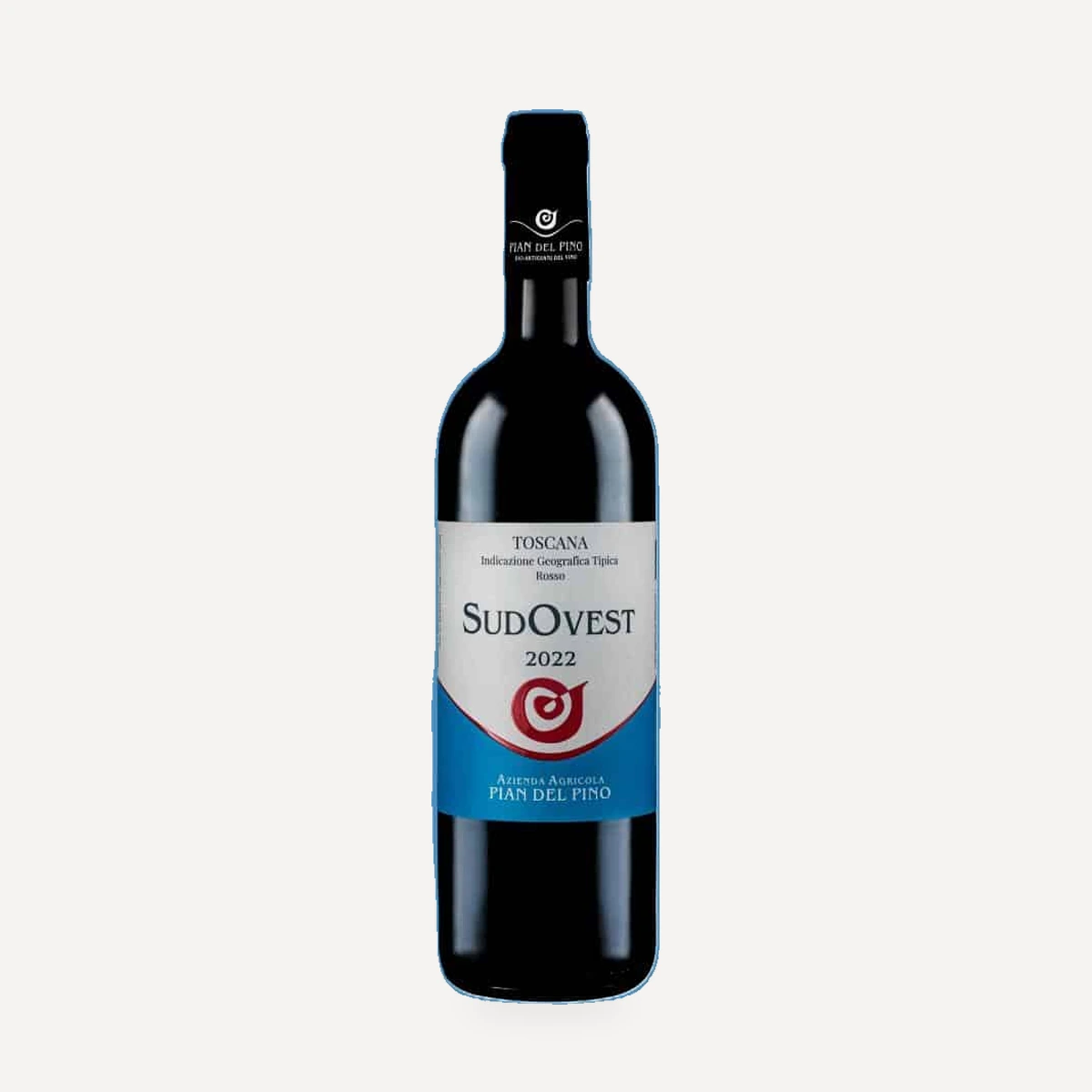
The 2022 season moved from a wet spring to extremely hot May, June and July weather. Soil temperature in early July approached 65°C. The estate's long-term work with soil organic matter helped the vines endure drought and heat. A long, abundant rain around Ferragosto restarted ripening, followed by further September rainfall, and the harvest achieved a strong balance of acidity and polyphenols. Every estate label was produced in the same year for the first time, alongside trials of a bottle-refermented wine based on white-vinified Sangiovese and a Tempranillo-based red.
Almost uninterrupted rain in May and June 2023 produced more than twenty consecutive days of leaf wetness and severe downy-mildew pressure. July then brought an abrupt shift to temperatures as high as 47°C and drought stress. Organic products and plant macerates were applied, sometimes with backpack equipment when tractors could not enter. Vineyard work separated later-picked red-wine parcels from fruit intended for rosé and refermented styles.
The 2024 season combined an excessively wet spring, a very hot summer through early September and renewed rain extending into October. Early disease control focused on downy mildew, followed by bunch shading against sunburn and then intensive leaf removal for late varieties. Tempranillo and Merlot benefited from rain in the second half of August, while light leaf removal produced high-quality Trebbiano. Massive leaf removal and pre-harvest thinning allowed healthy Sangiovese to be harvested in late September with good phenolic maturity and approximately 13% potential alcohol. Weather deteriorated from 29 September, complicating the ripening of still-later Cabernet Sauvignon.
The highly variable 2025 season moved from wet conditions to exceptional June heat and repeated rain from mid-August, with hail in some areas. Early varieties faced dry heat, medium-early grapes benefited from more balanced conditions, and late varieties endured rain and humidity. Substantial leaf removal brought Sangiovese to full maturity; Merlot was harvested in a favorable window; precise canopy management maintained bright, tense Trebbiano; rosés and sparkling bases retained freshness; and Colorino del Valdarno proved notably resilient.
Terroir
Pianalti del Valdarno
Pian del Pino stands at Campogialli in the municipality of Terranuova Bracciolini, on the elevated terraces overlooking the Arno valley at the foot and south of the Pratomagno massif. These terraces retain the geological traces of an ancient Pliocene lake. As the water receded, it left natural terraces and deposits of gravel, sand, clay and pebbles. The Balze are the landscape's most visible record of this geological history.
Soils and parcels
The soils are heterogeneous rather than uniform. Siliceous clays, sand, quartz, iron oxides, stones, gravel and ancient sands vary from parcel to parcel. Individual vineyard descriptions also identify medium-textured, silica-rich soils with good drainage. The ancient terrace deposits create a natural balance between vine vigor and drainage.
Climate and landscape
The climate is dry and well ventilated. Morning air circulation refreshes the vineyards, while a south-westerly breeze crosses them during the day, creating contrasts, microclimates and different ripening patterns. Constant ventilation and day–night temperature variation support slow, regular maturation.
Vineyards, olive groves, woodland and clearings alternate across the landscape. Woods, hedges and natural areas surround the vines and contribute to a living, stable ecosystem. The whole property extends over approximately 15 hectares, of which 4 hectares are planted to vines.
Vinificazione
The agricultural organism
Pian del Pino treats the vineyard as one element within a self-sufficient agricultural organism. Vines interact with woods, olive groves, meadows, hedges, wind, light, pollinating insects, birds, wildlife and soil microorganisms. The objective is not simply grape production, but an equilibrium capable of renewing itself from one season to the next.
The estate makes all of its required compost, uses no herbicides, disturbs the soil as little as possible, encourages plant and animal biodiversity and progressively reduces dependence on external resources. Fertilizers, soil amendments and other purchased inputs are minimized. Organic matter and natural soil fertility are central to the strategy for sustaining vines through drought and climatic stress.
Metodo Agricolo Naturale
The estate's working framework is M.A.N., meaning Mani, Autonomia e Natura—Hands, Autonomy and Nature. It is neither a certification protocol nor a fixed rulebook. “Hands” represents direct observation, experience and daily presence in the vineyard. “Autonomy” means generating as much fertility as possible within the farm and reducing external dependence to improve resilience. “Nature” means understanding and accompanying complex processes rather than attempting total control.
Permanent natural cover and multifunctional ground vegetation are important parts of the system, together with minimal tillage. The biodiversity plan includes flower strips, mixed native hedges, bee hotels, refuge rows, compost derived from horses and the recovery of pruning wood. Tree crops within and around the vineyard form part of the intended polyculture.
Canopy, protection and harvest
Intervention changes according to the season and parcel. Vineyard design, grape and rootstock choices, canopy management, soil work, plant protection, harvest timing and cellar decisions are treated as parts of one vintage-specific process.
Canopy ventilation, leaf removal and crop thinning are used when humidity raises fungal pressure. Shoot topping is generally avoided because it can disturb vine balance, stimulate late vegetative growth and create lateral shoots that retain humidity around the bunches. Organic crop-protection products and plant macerates are used; when tractors cannot enter, treatments may be applied with backpack equipment. Copper was used in limited quantities during the difficult 2020 season. Low-impact materials, including physical barriers such as silica or kaolin, form part of the wider strategy.
Harvesting is manual, generally into small perforated crates. The timing varies by grape and intended wine: several red varieties are picked in the last ten days of September, rosé fruit may be collected in late August or early September, and late Merlot for passito was harvested in the first ten days of October. Vineyard lots can be assigned in advance to later-picked reds, rosés or bottle-refermented wines according to seasonal conditions.
Biodiversity and cultivated heritage
Woods, olive groves, hedges, meadows, insects, birds and wild animals are active components of the farming system. Physical fencing is used against wild boar, the only wildlife pressure that has compelled direct vineyard protection. Cultivated diversity is equally important: Colorino del Valdarno is maintained as a historical local biotype and part of the area's agricultural memory, even though it is neither the easiest nor the most productive grape to grow.
Cellar approach
Only grapes grown by Pian del Pino are vinified. The cellar is treated as a continuation of vineyard work and a place to preserve the character already formed by the site and vintage. Fermentations are spontaneous, and masonry, concrete, wood and stainless steel vessels are selected according to the needs of each lot rather than a fixed recipe. Unnecessary clarification, filtration and stabilization are avoided.
Cellar reliability rests on rigorous equipment and workplace cleanliness, attention to intended and unintended micro-oxygenation, careful racking and vessel choices, control of timing and temperature, repeated tasting at intermediate stages, early recognition of risk and bottling only when the wine is ready.
Reception, fermentation and extraction
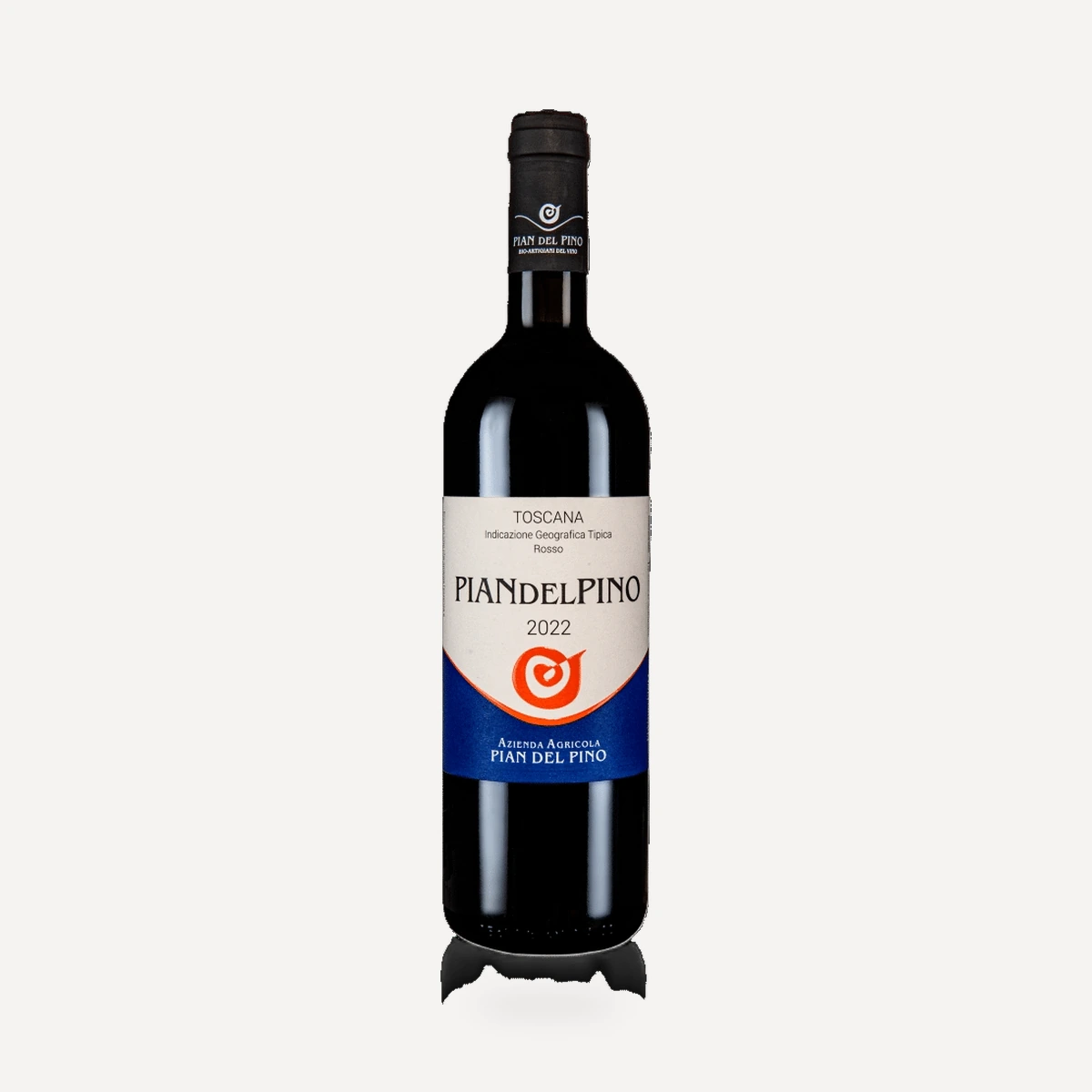
Hand-harvested fruit arrives in small perforated crates. Red grapes are destemmed and crushed very gently without breaking the berries. Fermentation proceeds exclusively with indigenous yeasts and, in documented lots, without a pied de cuve. Masonry tanks may be filled to no more than 50% capacity. Maceration varies with the intended expression: documented examples range from brief contact for rosé, one day for Trebbiano, 10 days for Pian del Pino, 15 days for Pianalti and 40 days for TerreMurate.
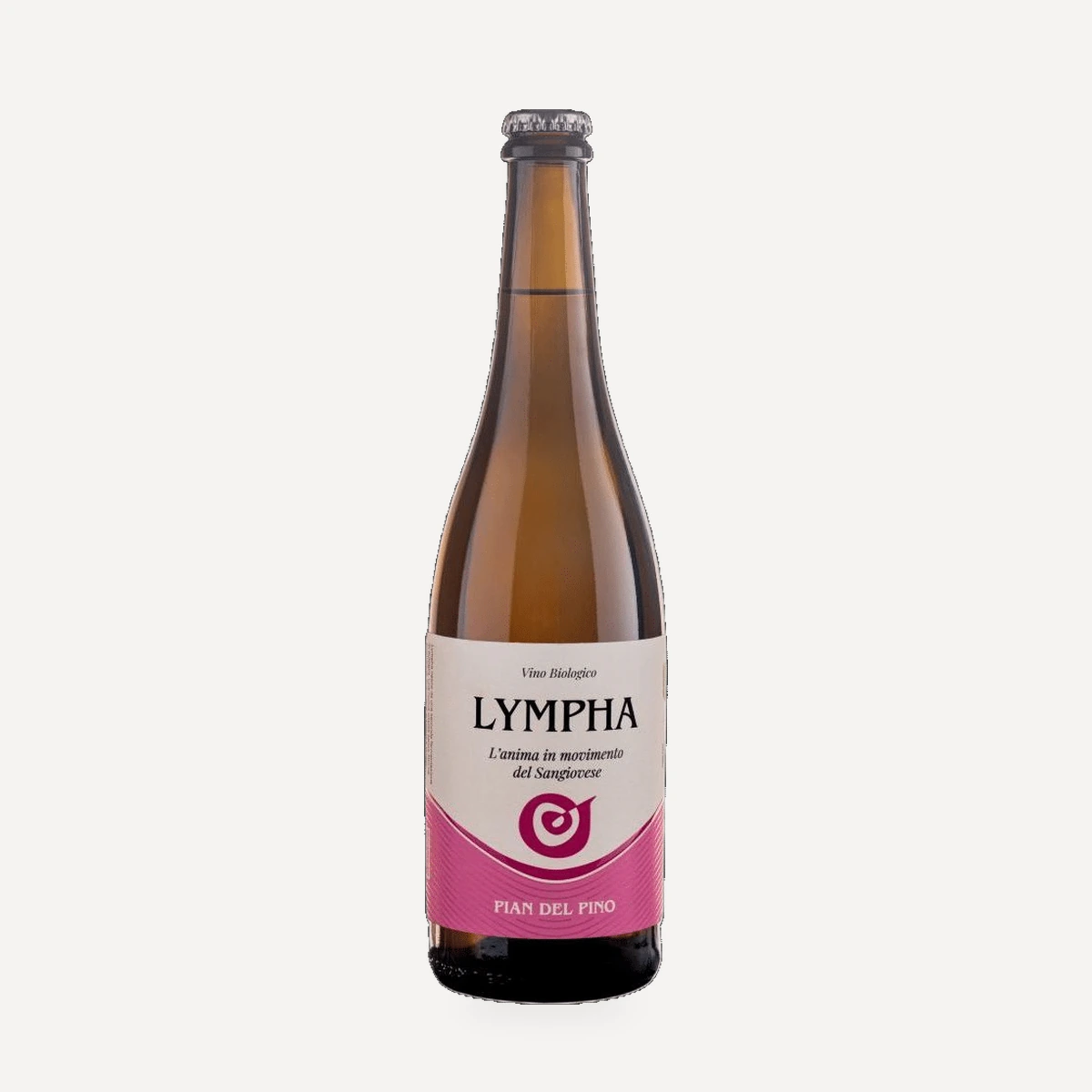
Syrmos receives one day of skin contact, followed by spontaneous fermentation in wood and maturation in stainless steel. Aetheris is white-vinified Sangiovese from rows adjoining trees; it is gently pressed, settled, fermented in wood and matured in steel. Lympha begins as Aetheris and completes fermentation in bottle without fining or filtration. Marii undergoes 8–24 hours of skin contact without clarification or settling before fermentation in wood.
Pressing, malolactic fermentation and maturation
A central-membrane pneumatic press operates at no more than 1 bar for documented lots. Malolactic fermentation can proceed spontaneously after alcoholic fermentation; older Marii material places its completion by November.
Wines may rest in masonry tanks before ageing in barriques and tonneaux. Documented regimes include 7 months in barriques and tonneaux for Pian del Pino and 18 months for Pianalti, followed by blending in stainless steel before bottling. Other lots remain in stainless steel after fermentation. TerreMurate ferments in steel after 40 days of maceration and matures for more than five years in barrique; older material identifies French-oak barriques at least four years old, followed by steel.
Additions, clarification, energy and bottling
For TerreMurate, no substance foreign to the grape is added apart from a small sulfur dose, with total sulfur below 30 mg/L. The wine is bottled on a semi-automatic line configured for the cellar's needs. Across the winery, seasonal temperature changes are used for natural clarification in place of artificial energy where possible.
Cellar sustainability measures include natural insulation and inverter-controlled pumps to reduce energy consumption. Still wines use Burgundy-shaped bottles weighing approximately 420 g, with recycled glass where possible. Transport partners are selected for route optimization, reduced empty journeys and stated carbon-neutrality objectives.
Filosofia
Pian del Pino defines wine as the result of a relationship among soil, plant, vintage and agricultural work, not as a product assembled in the cellar. The winegrower's task is to create and preserve the conditions in which that relationship remains legible, intervening with restraint and removing what is unnecessary rather than continually adding more.
The estate does not seek to reproduce the same result each year. Climate alone does not define a vintage: vineyard planning, grape and rootstock choices, canopy work, soil management, plant protection, harvest date and cellar decisions together create what Pian del Pino calls an “estate vintage.” Differences between years are treated as the voice of time, and coherence between vineyard conditions and the finished wine is valued above uniformity.
Giovanni Batacchi distinguishes authenticity from technical negligence. Natural or artisanal wine is expected to remain clean, precise and pleasurable; defects are not accepted as evidence of authenticity. A recognizable producer's hand means maintaining identity through variation. Its foundations are cleanliness, calm judgment, accurate timing, measured intervention and the ability to stop working once the wine is following the right course.
Biodiversity and sustainability function as operating conditions rather than abstract slogans. Local varieties, spontaneous vegetation, useful insects, woods, hedges, living soil and on-farm compost belong to one agricultural system. M.A.N. translates this idea into continuous observation, greater farm autonomy and collaboration with natural processes. In the cellar, spontaneous fermentation and restrained processing extend the same principle: the objective is to safeguard rather than overwrite what the vineyard and season have produced.
Vini
Lympha
Pian del Pino
Salix