Storia
Family origins
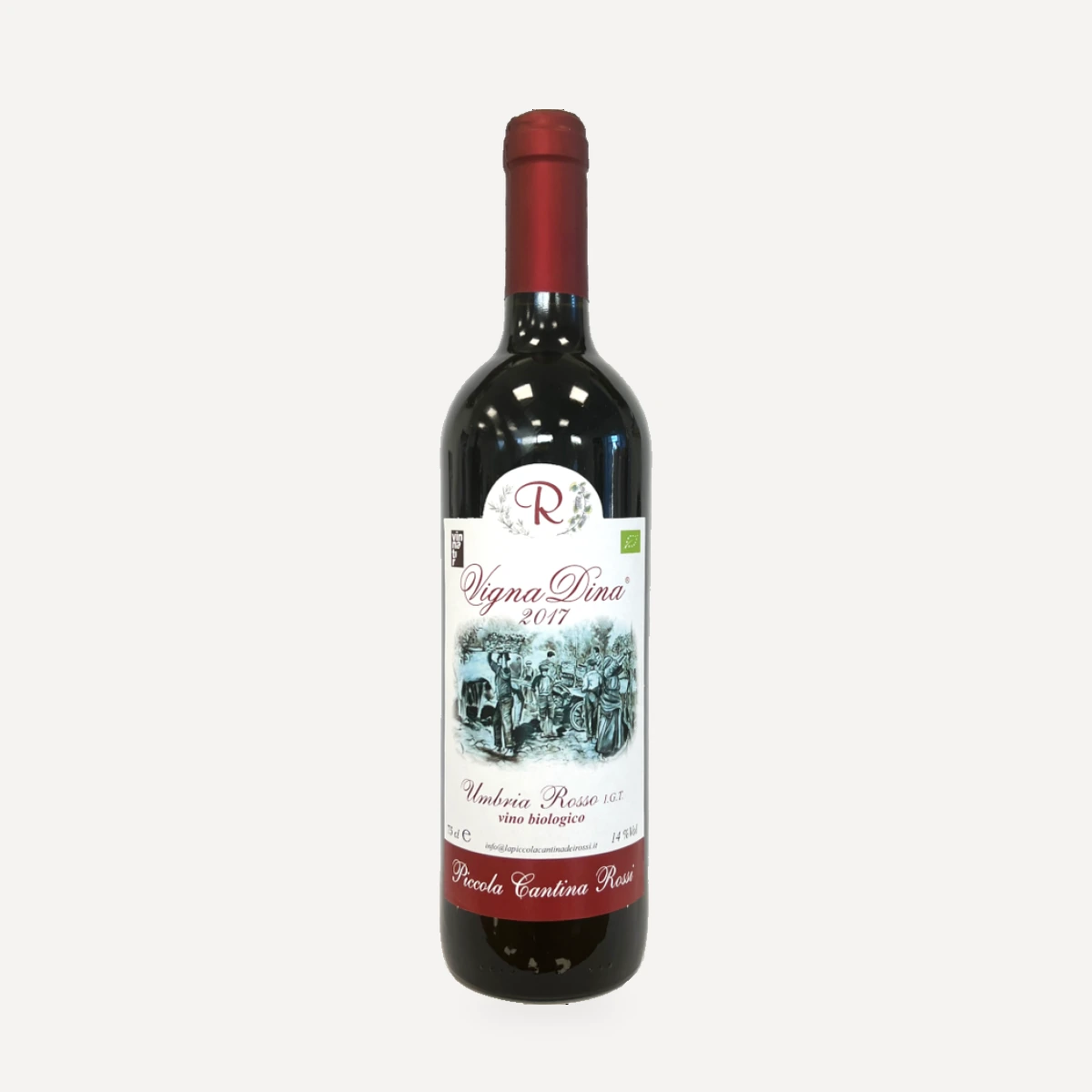
The agricultural enterprise was begun by Gianpiero Rossi’s parents. Gianpiero later continued it with his brothers; today he runs it with his wife, Paola, and their daughters. Two blends, Vigna Dina and Sabatta, commemorate the parents who founded the cellar, while FeEl, Giaurì Bianco and Giaurì Rosso take their names from the family.
1990–2000: development of the vineyards
The estate’s 4 hectares of vineyards were planted in successive phases between 1990 and 2007. These plantings created a mixed varietal base encompassing Umbrian grapes—Ciliegiolo, Grechetto, Sangiovese and Trebbiano toscano—as well as Cabernet Sauvignon, Il Pulciano, Merlot, Sauvignon blanc and San Colombaro.
2001: estate vinification and cellar restoration
In 2001 Gianpiero began vinifying and bottling the estate’s own grapes. This change was accompanied by the restoration of the old cellar at the agricultural centre, allowing the entire production cycle to be completed within the family property. The vineyards have also maintained spontaneous grass cover since 2001.
2007: completion of plantings and organic registration
The last of the vineyard plantings identified within the 1990–2007 period were established in 2007. In October of that year the enterprise was formally registered for organic farming. Its production is certified by ICEA and associated with AIAB Umbria; the winery is also a member of VinNatur.
2021: hospitality begins
Cellar visits and tastings of the family’s organic natural wines began in 2021.
2022: estate olive oil enters the market
Until 2021, olives from the estate’s approximately 1-hectare grove had been harvested for family use. A generous 2022 crop and the oil’s organoleptic quality prompted the family to begin bottling and selling its own extra-virgin olive oil while retaining manual harvesting and traditional small-scale production.
2024 onward: social agriculture and expanded hospitality
In 2024 the winery participated with AIAB in a social bio-agriculture initiative combining training, work and contact with nature for people experiencing vulnerability. Hospitality subsequently expanded to include recurring vineyard and olive-grove events, guided experiences, food-and-wine evenings and pet-friendly visits.
Terroir
The estate occupies approximately 5 hectares of gently rolling lower hillside beneath the medieval village of Castello delle Forme, in the municipality of Marsciano and province of Perugia. The property lies around the village’s stated elevation of 270 metres above sea level.
Four hectares are planted to vines. Their exposure provides sunlight throughout the day, supporting even, healthy ripening. The vineyards are interspersed with small olive-grove plots, while the estate’s olive plantings have an average elevation of approximately 250 metres.
Vinificazione
The vineyards are managed under an organic regime and are certified by ICEA. Formal organic registration dates to October 2007, while the vines have been maintained with spontaneous grass cover since 2001.
Pesticides, herbicides, chemical fertilizers and synthetic crop-protection products are excluded. Gianpiero Rossi performs the vineyard work directly, without external consultancy. The estate presents this close personal control as part of its small-scale farming identity and its commitment to biodiversity and environmental sustainability.
The grapes are grown exclusively on the family property, harvested by hand and manually selected. They are then taken immediately to the estate cellar for processing.
Estate-grown fruit and direct control
Only grapes grown in the family’s own vineyards are vinified. The bunches are harvested and selected by hand, brought promptly to the cellar and processed through traditional methods. Gianpiero Rossi performs the cellar work without external consultancy, and the entire cycle—from vineyard to bottling—is completed within the estate.
Additions and fermentations
The wines contain grapes and a small addition of sulfur dioxide. Average total sulfur at bottling is approximately 40–50 mg/L and is often lower. Acids, albumin, dried yeasts and other additives or processing aids are excluded. Fermentation is spontaneous, without added yeasts or other fermentation aids.
Red-wine process
Red grapes are destemmed and macerated with their skins for 8–10 days. They are then pressed manually in old vertical wooden presses. Fermentation continues naturally without filtration or pasteurization. Red wines may mature in oak or chestnut casks, followed by further refinement in bottle.
White and orange-wine process
White grapes are destemmed. Some remain on their skins for 2–3 days to produce fuller, aromatic orange wines; others are pressed immediately. Pressing is done manually in old vertical wooden presses. Fermentation proceeds spontaneously without added yeasts or other aids and without filtration or pasteurization.
Racking, settling and bottling
Careful rackings and natural settling at cellar temperature replace filtration and pasteurization. The approach is intended to preserve the wine’s naturally present yeasts, enzymes and other living components. Bottling is performed manually, directly from the casks, avoiding automatic mobile bottling lines and the associated microfiltration.
The wines are released both in bottles and bag-in-box formats. Most production is sold directly to consumers and through channels where the family can personally explain its organic, natural-wine approach.
Filosofia
Piccola Cantina Rossi defines itself through family farming, artisanal work and the rural traditions inherited from the founders’ generation. Gianpiero Rossi’s objective is a genuine wine shaped by estate-grown grapes and traditional cellar practice rather than outside consultancy or standardized processing.
The family’s natural-wine philosophy joins certified organic farming with spontaneous fermentation, very limited sulfur, the exclusion of conventional additives and the avoidance of filtration and pasteurization. Direct control of every operation—from work among the vines through manual bottling—is treated as essential to preserving the character of the fruit and the biological life of the wine.
Biodiversity and sustainability also influence the commercial model. Production remains limited, the wines are absent from large-scale distribution, and much of the output is sold locally and directly to consumers. The family favours settings in which it can explain and demonstrate the sensory diversity of its wines.
Family identity is carried onto the labels: their presentation emphasizes craftsmanship and tradition, while several wine names commemorate either the founding parents or the present family. The estate also promotes moderate, responsible wine consumption as part of a balanced lifestyle.
Vini
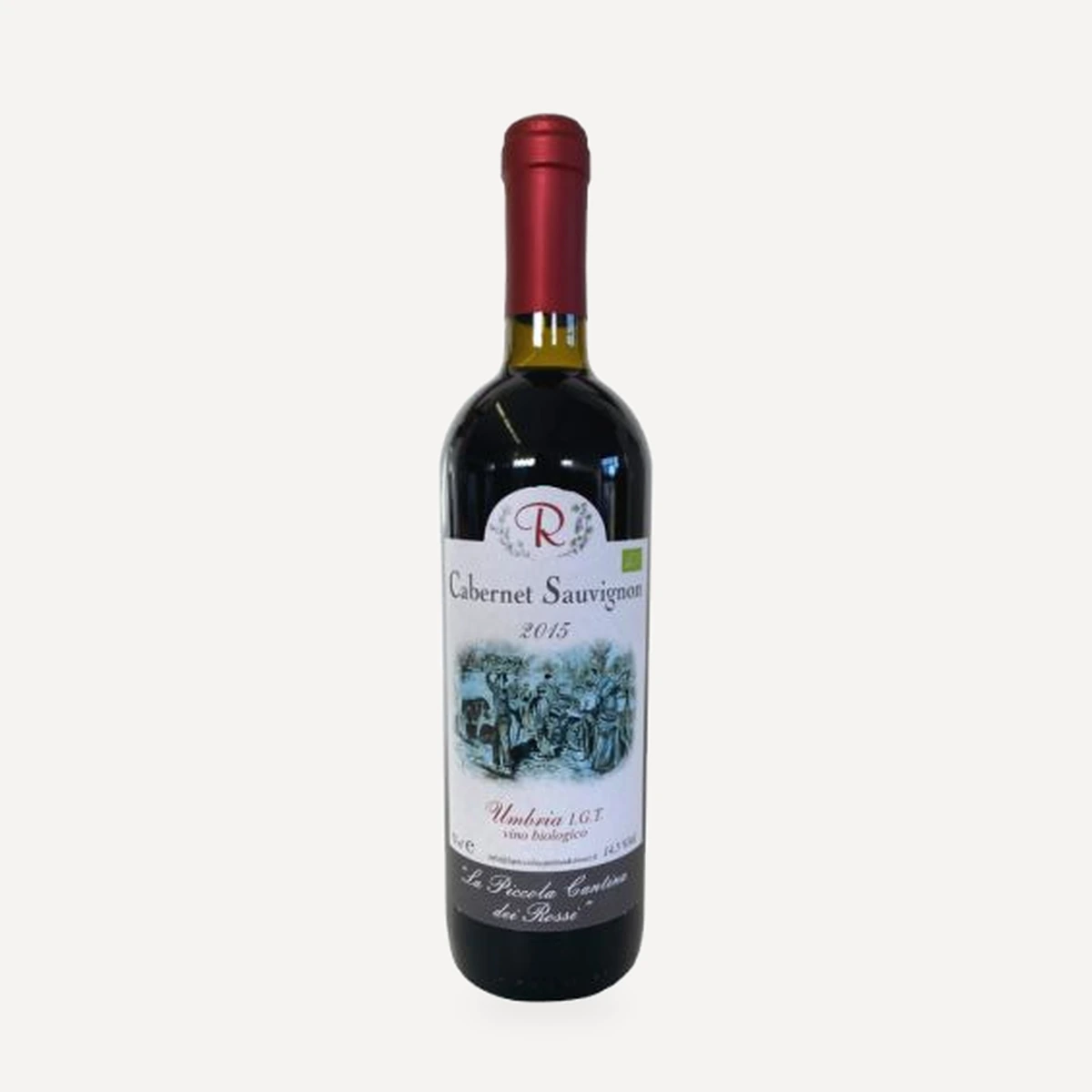
Cabernet Sauvignon
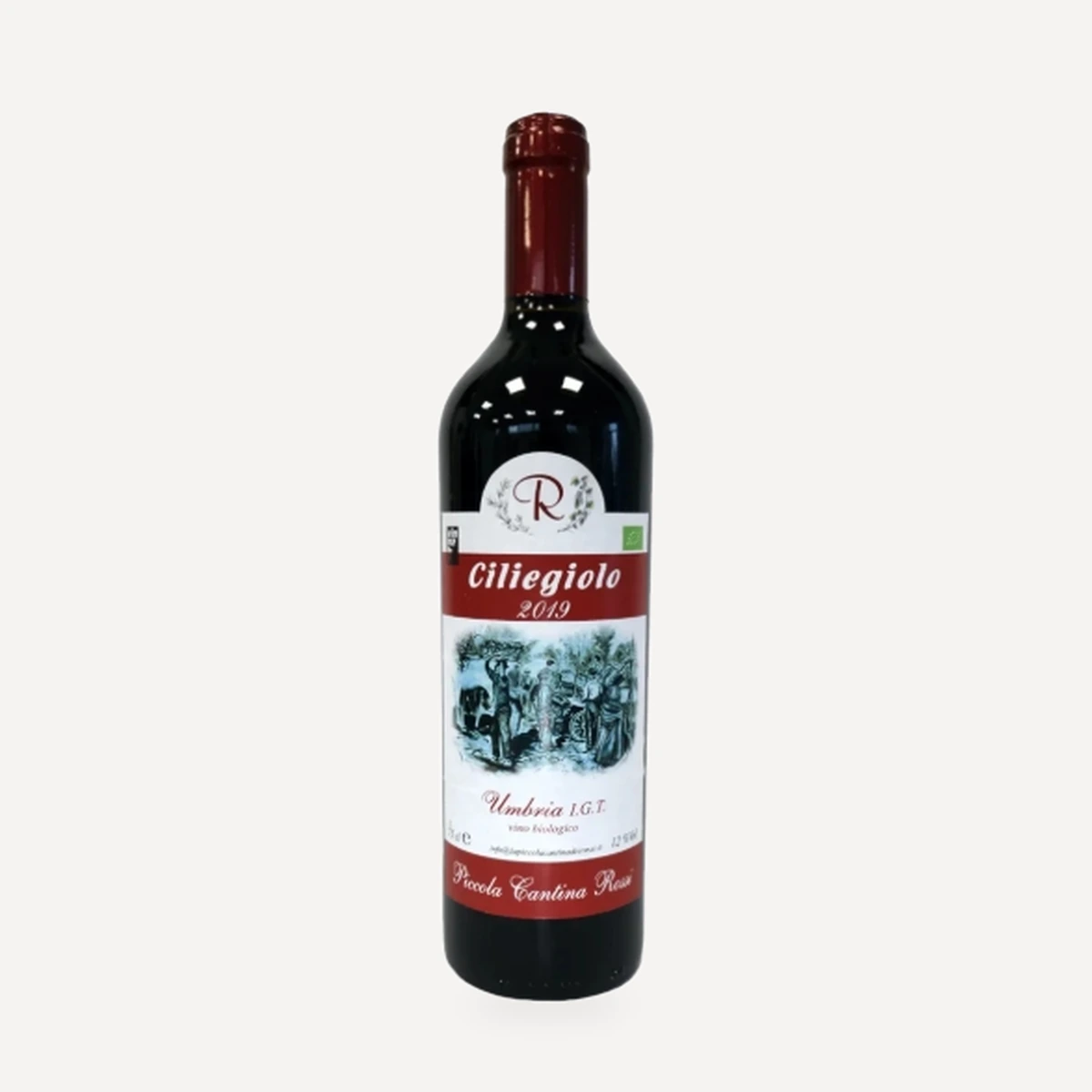
Ciliegiolo
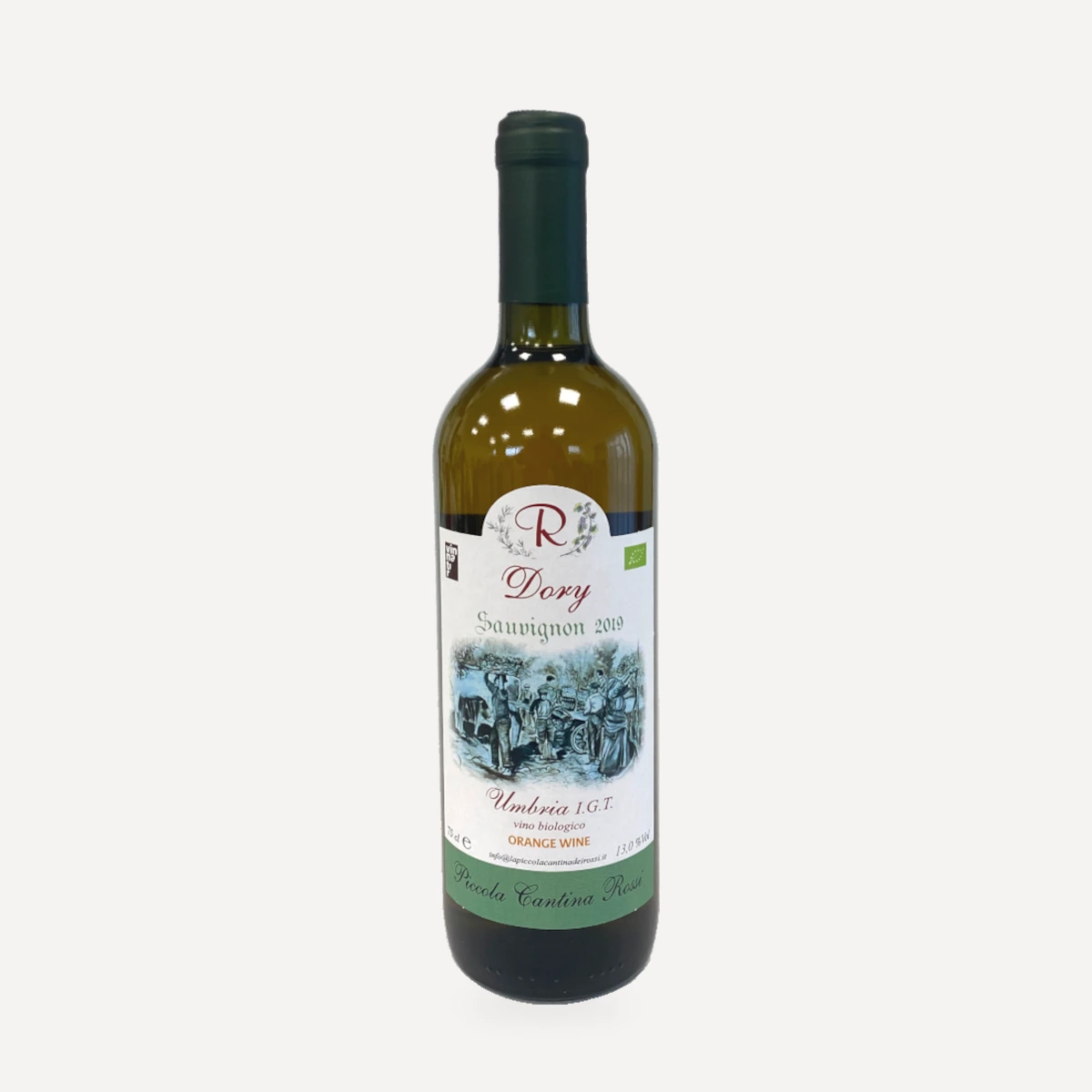
Dory