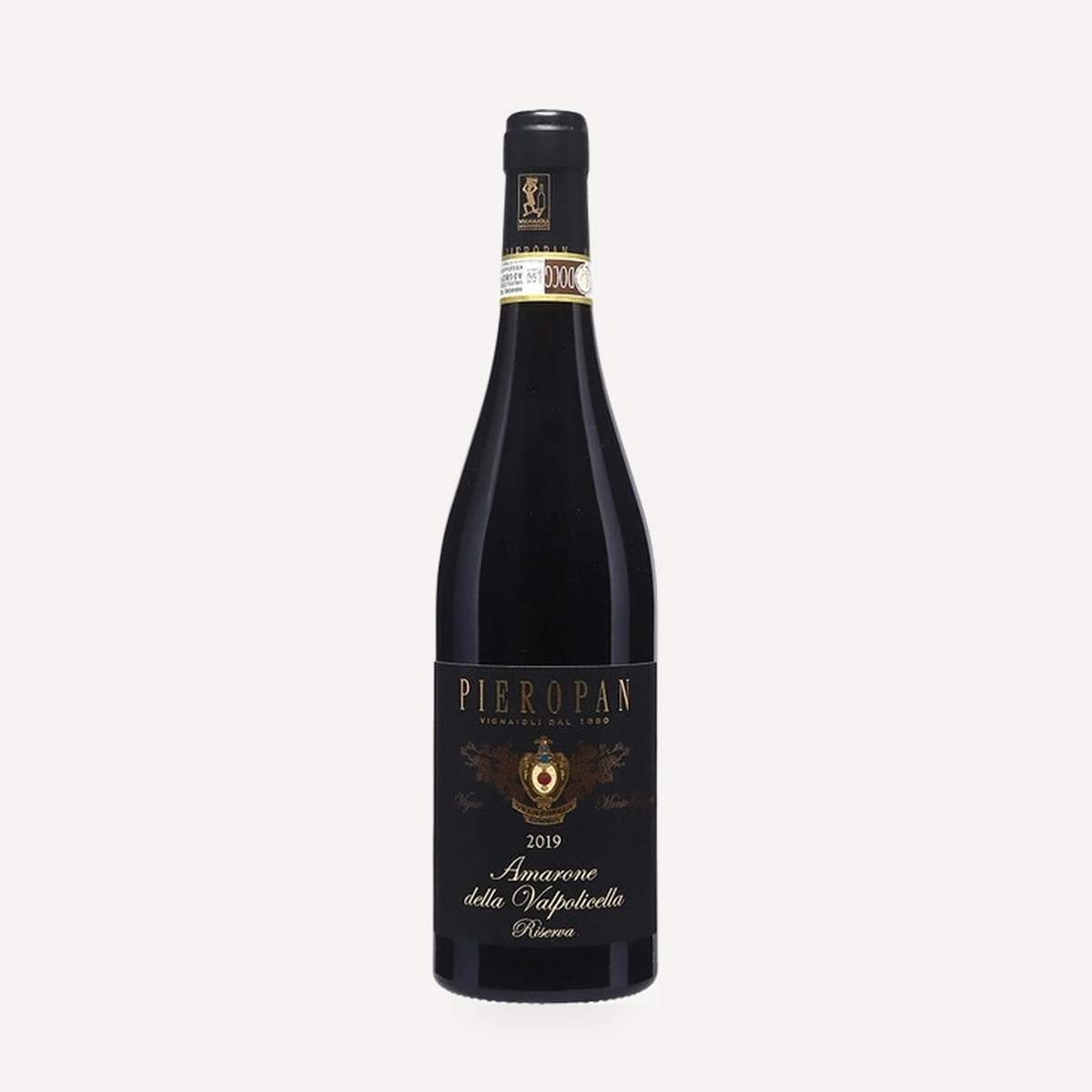
Questo vino
Vineyard and terroir
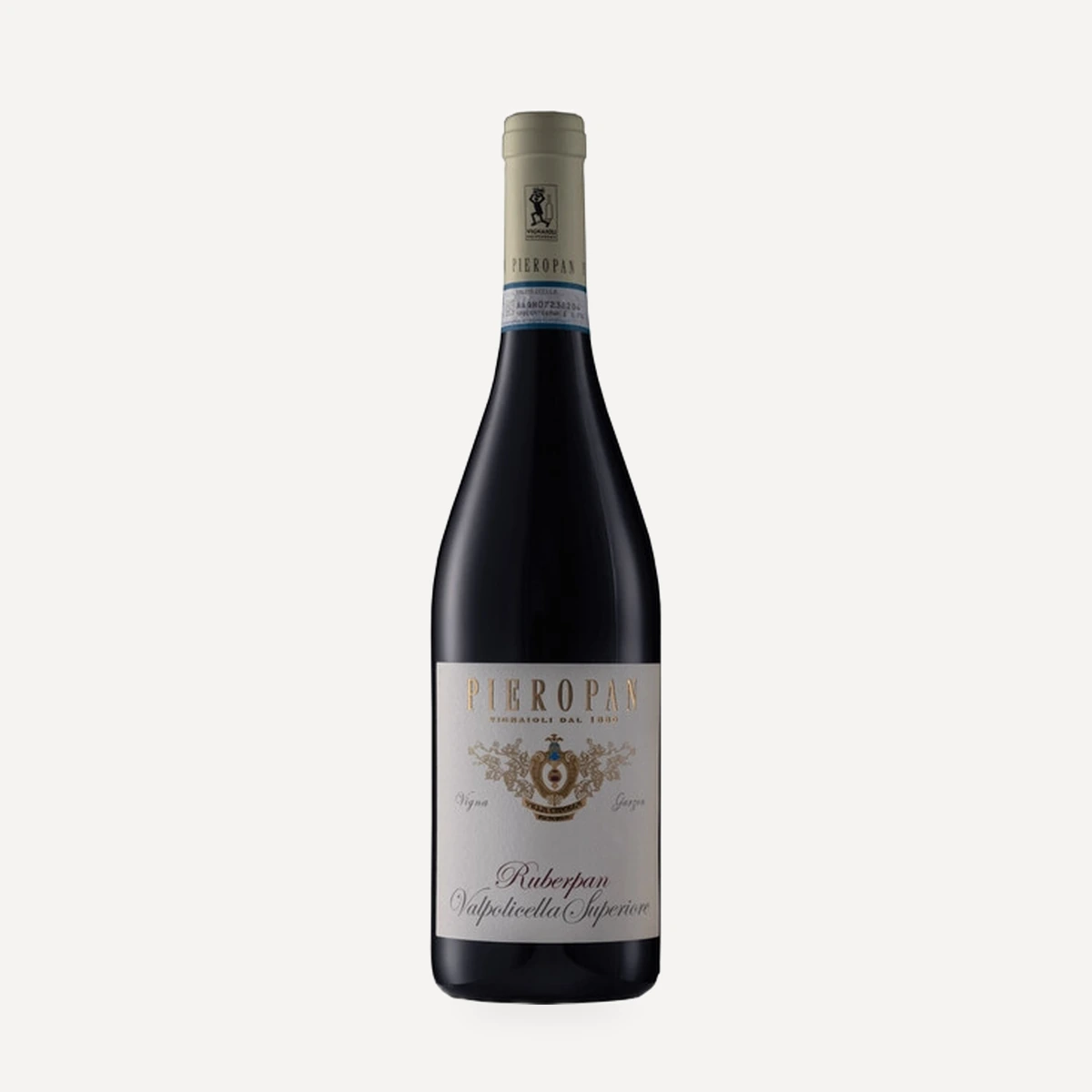
The fruit comes from the certified-organic Monte Garzon vineyard in the Cellore d’Illasi area. The site occupies a south-facing slope at 350–500 metres above sea level, with clay, pink limestone and chalk soils. The clay retains moisture and contributes roundness, while the limestone and chalk preserve freshness and give greater structural definition. Pruning is used to control yields strictly and encourage more concentrated flavours. The wine is produced only in selected years.
Vinification
The grapes are harvested by hand and dried for two to three months, reducing their moisture and concentrating their flavours and aromas. After hand sorting, they are destemmed and gently crushed. Only free-run juice is used. Fermentation lasts about 30 days at 23–24 °C, with daily pump-overs and cap submersion to extract colour and aroma.
Ageing
The wine matures for at least 36 months in 500-litre French oak barrels, followed by one year in glass-lined concrete tanks and a further year in bottle before release. This extended maturation contributes depth, harmony and complexity.
Tasting profile
Deep and concentrated in character, with powerful aromas and elegant mature notes. The palate shows dried dark berries, cherries, spices and a hint of chocolate. Firm yet rounded tannins lead to a long, generous finish. The 2019 has balance and a slightly saline character.
Serving and pairing
Pairs particularly well with game, slow-cooked meat and aged cheeses.
Vintage notes
The 2019 growing season began only in mid-June after a cold, rainy start. Difficult ripening conditions and continual fluctuations in temperature and humidity reduced both the size and number of grape clusters. The preceding warm, frost-free winter left the soils without moisture from melting snow and prevented the natural clearing of pests. These conditions made the harvest particularly difficult and limited production.