Storia
The first family holding
Leonildo Pieropan, the village doctor, began the family’s winegrowing activity out of a personal passion for wine. In 1901 he purchased the first family holding, named Calvarino, part of which remains within the present vineyard. His sons Gustavo and Fausto succeeded him during the 1930s and continued the business.
Palazzo Pullici, the family home in the centre of Soave, had already been associated with the Pieropan family for roughly two centuries. The fifteenth-century building subsequently became both the family residence and the operating centre of the estate.
Leonildo Pieropan and the transformation of the estate
In 1966 the founder’s grandson and namesake, Leonildo Pieropan, entered the business after studying viticulture and oenology at the school in Conegliano. The only descendant of a large family, he acquired vineyards in selected parts of Soave Classico, introduced new cellar technology and tested his work against approaches encountered during international travel. His wife, Teresita, shared his commitment to the land, the preservation of family tradition and its transmission to the next generation.
Leonildo developed an approach centred on identifying individual vineyards through the interaction of grape variety, soil, climate and human work. With Luigi Veronelli, he chose in 1971 to label the wine from the old Calvarino family holding with the word vigneto. At a time when Italian labels generally foregrounded denominations or commercial brands, this decision placed the geographical parcel at the centre of the wine’s identity. Calvarino consequently became the first Italian white wine identified with a single vineyard.
La Rocca followed in 1978. The two vineyards demonstrated contrasting parts of Soave: Calvarino’s Eocene volcanic basalt and tuff, and La Rocca’s marine-origin limestone and clay. Leonildo and Teresita used these wines to promote the potential of Soave and the distinct identity of individual parcels internationally.
Valpolicella and the fourth generation
In 2000 the family acquired uncultivated land on Monte Garzon at Cellore d’Illasi, at up to 500 metres above sea level, and converted it into a vineyard. Leonildo conceived the red-wine project partly to bring his sons Andrea and Dario into the family business as they completed studies in agriculture and oenology. The first harvest from the new vineyard came in 2003.
A sixteenth-century ruin formerly belonging to the Counts Cipolla was acquired in Tregnago as the production and maturation base for Amarone. A maturation cellar was created beneath the orchard. The building had ceased to be used in the eighteenth century, when Count Carlo Cipolla had treated it as a summer country residence. Its recovery developed into a restoration lasting approximately twenty years.
Organic transition and independent winegrowers
Chemical weed control was eliminated in 2002. In 2008 Leonildo began converting the estate’s entire production to organic viticulture. That same year he joined friends in founding FIVI, the Federazione Italiana Vignaioli Indipendenti, created to protect and promote the work of independent Italian winegrowers.
A new winery in Soave
In 2015 the family purchased land among the vineyards near Soave for a new winery capable of meeting contemporary space and logistical requirements. Moving production away from the cellar attached to the historic family home ended an operating arrangement that had linked the business to Palazzo Pullici for generations.
Leonildo developed the new project with architect Moreno Zurlo and followed its construction until his death in 2018. Andrea and Dario subsequently completed the building in their father’s memory. The winery is concealed beneath a hill except for its curving Vicenza-stone façade; the interior work areas follow the sequence of production, while surrounding plantings include experimental vineyards.
Fourth-generation continuity
After Leonildo’s death in 2018, Andrea and Dario, both graduates in agriculture and oenology, continued the family business as its fourth generation. Their work encompasses the Soave vineyards, Monte Garzon in Valpolicella, the new winery and the family’s hospitality project.
Calvarino’s fiftieth anniversary was celebrated in 2021 through vertical tastings in Italy, Japan, the United States, the United Kingdom and Australia. In April 2022 the family released Calvarino 5, the first project in the Vini dell’Anima collection. Conceived by Leonildo with Andrea and Dario, it united the 2008, 2009, 2010, 2011 and 2012 vintages after more than ten years on fine lees in vitrified concrete.
Villa Cipolla Pieropan opened as a six-room Wine Relais in September 2023 following its long restoration. In 2025 the new Soave winery received the Special Jury Prize in the XIII Premio Internazionale Dedalo Minosse alla Committenza di Architettura, recognising the collaboration between Moreno Zurlo and client Teresita Molinarolo in Pieropan.
Terroir
Soave Classico
The Soave holdings occupy hillside sites around Soave. Their vineyards span approximately 50–300 metres above sea level and combine two principal geological families: volcanic soils rich in Eocene tuff and basalt, and calcareous soils of marine origin with clay. The contrast between these formations underpins the distinction between Calvarino and La Rocca.
Calvarino lies in the heart of Soave Classico. Its dark basaltic ground and steep, winding access gave it a name derived from “Little Calvary.” The vineyard sits at roughly 95–145 metres, predominantly on a western to north-western aspect. La Rocca occupies the slopes of Monte Rocchetta behind the medieval castle of Soave. Its marine limestone and clay, south-western or western orientation and particular microclimate contrast with Calvarino’s volcanic character. Le Colombare stands at approximately 300 metres on a west-facing hillside with volcanic and calcareous soils.
The hillside position has practical climatic consequences. It protected the vineyards from severe lowland frost in 2021 and improved ventilation and drainage during the exceptionally wet 2025 season. In 2009 the elevated, cooler sites also suffered less berry cracking than vineyards on the plain.
Valpolicella
Monte Garzon rises above Cellore d’Illasi in Val d’Illasi, reaching approximately 300–500 metres. Its south-facing slopes contain pink limestone, chalk and clay. The altitude and exposure create a microclimate suited to slow, balanced ripening; during the hot, dry 2022 season the Valpolicella grapes reached good maturity despite low yields. The site supports the estate’s Corvina Veronese, Corvinone, Rondinella and Croatina Veronese plantings.
The estate’s recorded seasons show a pronounced dependence on altitude, drainage, wind, water availability and diurnal temperature range. Emergency irrigation has occasionally been required in dry years, while severe rain has demanded rapid movement between parcels, leaf thinning and selective harvesting. Garganega’s late cycle can continue to the end of October, allowing it to benefit from cooler autumn nights when conditions are favourable.
Vinificazione
All current production is certified organic. The transition developed in stages: chemical weed control ended in 2002, and conversion of the entire production began in 2008. At Monte Garzon, organic farming is specifically linked to protecting the original ecosystem, including local flora and microfauna.
The vineyards are worked and harvested selectively rather than to a single fixed calendar. Trebbiano di Soave is generally picked from mid-September, Garganega in October, and the latest Soave parcels at the end of October. Corvina and companion red varieties are harvested by hand, with fruit for drying placed in small boxes. Calvarino, La Rocca and other sites may be picked in two passages so that only fully mature fruit is taken. Fruit for Le Colombare and Amarone is selected for sound skins and drying potential; Amarone is omitted in unsuitable conditions, while Recioto has repeatedly been omitted in difficult years.
Training systems include Pergola Veronese, Guyot and spur-pruned cordon. Planting densities range from approximately 3,000 to 5,800 vines per hectare, while crop loads range from about 0.5 kg per vine after drying selection to 2.5 kg per vine in the broader Soave vineyards. Green thinning is used to contain excessive production, while bunch thinning, shoot removal, sucker control, topping and defoliation are adjusted to the season. Leaf removal improves air circulation in wet conditions; in 2025 it helped preserve fruit health after roughly 400 mm of rain between early August and early September.
Organic disease management is preventive. In 2023, targeted work against downy and powdery mildew limited crop loss to approximately 5%; partially affected bunches were removed to protect the remaining crop and reduce vine load. Flexible parcel-by-parcel harvesting was essential in 2024 when persistent rain returned during the second half of September.
Irrigation is not routine but has been used in water-stressed seasons and vulnerable vineyards. Emergency irrigation was required in parts of the estate in 1993, 2009, 2015, 2017, 2021 and 2022. Hillside position, soil drainage and altitude can intensify water stress during drought but also protect against lowland frost, stagnant humidity and berry cracking.
The 2024 harvest included Trebbiano di Soave, the PIWI variety Pinot Iskra, Riesling and selections for Amarone before later rain complicated Garganega picking. Second-flowering Corvina, selected for fragrance and freshness, is also used within the Monte Garzon programme.
Winery and fruit reception
The principal Soave winery is largely concealed beneath a vineyard-covered hill. Its work areas are arranged to follow the phases of vinification, and its exterior vineyards include experimental plantings. Amarone matures in a separate underground cellar beneath the orchard at Villa Cipolla in Tregnago.
Harvesting is manual. Fruit may be selected through two vineyard passes, while grapes intended for drying are placed in small boxes. White grapes are destemmed and gently pressed with pneumatic presses under nitrogen to protect freshness and aroma. Free-run must is selected and fermented at controlled low temperatures, generally 14–18°C, in vitrified concrete tanks. The estate has used this nitrogen-saturated pressing method at least since the difficult 2008 and 2012 seasons.
White-wine maturation
Vitrified concrete is central to white-wine production. The broad Soave blend matures on fine lees for approximately 5–9 months, with bâtonnage through the end of December, followed by at least one month in bottle. Calvarino ferments separately in glass-lined concrete tulipe tanks and remains there for roughly 12–15 months on fine lees, with periodic manual bâtonnage and further bottle maturation.
For the limestone-grown white selection, fermentation begins in vitrified concrete at 14–18°C before the active must is transferred to French oak tonneaux and large Slavonian barrels. Maturation lasts approximately 12–15 months, generally 70–80% in French tonneaux and 20–30% in large Slavonian casks, on fine lees with periodic bâtonnage, followed by several months in bottle.
The multi-vintage Vini dell’Anima project retains individual vintages on fine lees in vitrified concrete for 8–13 years before blending. Its first release combined five harvests—2008 through 2012—that had remained in the cellar for more than a decade.
Drying and sweet-wine production
Selected Garganega bunches are carried by hand to a drying loft and laid on bamboo-cane mats. Natural drying lasts approximately five months, from mid-September until late February or March, dehydrating the grapes and allowing noble rot to develop. After gentle pressing, free-run juice ferments in vitrified concrete. Maturation takes place for about two years in 2,500-litre acacia and French oak barrels, followed by at least six months in bottle. This production is reserved for suitable vintages.
Red and sparkling production
Fresh red grapes are destemmed and crushed, then fermented at approximately 23–24°C with a 12-day maceration and regular punch-downs for measured extraction of colour and tannin. The wine matures for 18–24 months in French oak tonneaux, 40–50% of them first-use, followed by bottle ageing. One Italian technical document specifies that malolactic fermentation is normally avoided for this production, although it was deliberately permitted in the difficult 2014 vintage to reduce malic acidity.
Amarone grapes dry naturally for two to three months and are manually selected before destemming and gentle crushing. Fermentation of the free-run juice lasts about 30 days at 23–24°C with daily pump-overs and punch-downs. Maturation continues for at least 36 months in 500-litre French oak tonneaux, one year in vitrified concrete and one year in bottle.
The sparkling rosé process uses destemmed, softly pressed Corvina with cold skin maceration, low-temperature fermentation and maturation in stainless steel. Secondary fermentation takes place in pressurised tanks.
Filosofia
Pieropan’s central principle is that a wine’s identity should arise from the relationship among grape variety, soil, climate and human work. Leonildo translated this idea into the separate identification of Calvarino and La Rocca, treating each parcel as a distinct cultural and geographical expression rather than allowing the denomination or brand alone to define the wine.
Tradition is understood as something to preserve and transmit, but not as a rejection of change. The estate’s development combines historic Pergola Veronese vineyards and long use of concrete with nitrogen-protected pressing, experimental plantings and a contemporary underground winery. Its recurring family phrase, “the future has an ancient heart,” encapsulates this balance.
The fourth generation continues to emphasise freshness, elegance, salinity and longevity across white and red production. Vintage differences are addressed through observation and selection: harvest dates may be delayed, vineyards may be picked in several passes, vinification can be adjusted to the year, and Recioto or Amarone may be reduced or omitted when grape health and skin condition are unsuitable.
Environmental work is tied to both wine quality and the integrity of the place. Organic farming, the removal of chemical herbicides and protection of Monte Garzon’s flora and microfauna form part of the same parcel-centred approach. The family also connects independent ownership and direct responsibility for vineyards to its participation in the founding of FIVI.
Vini
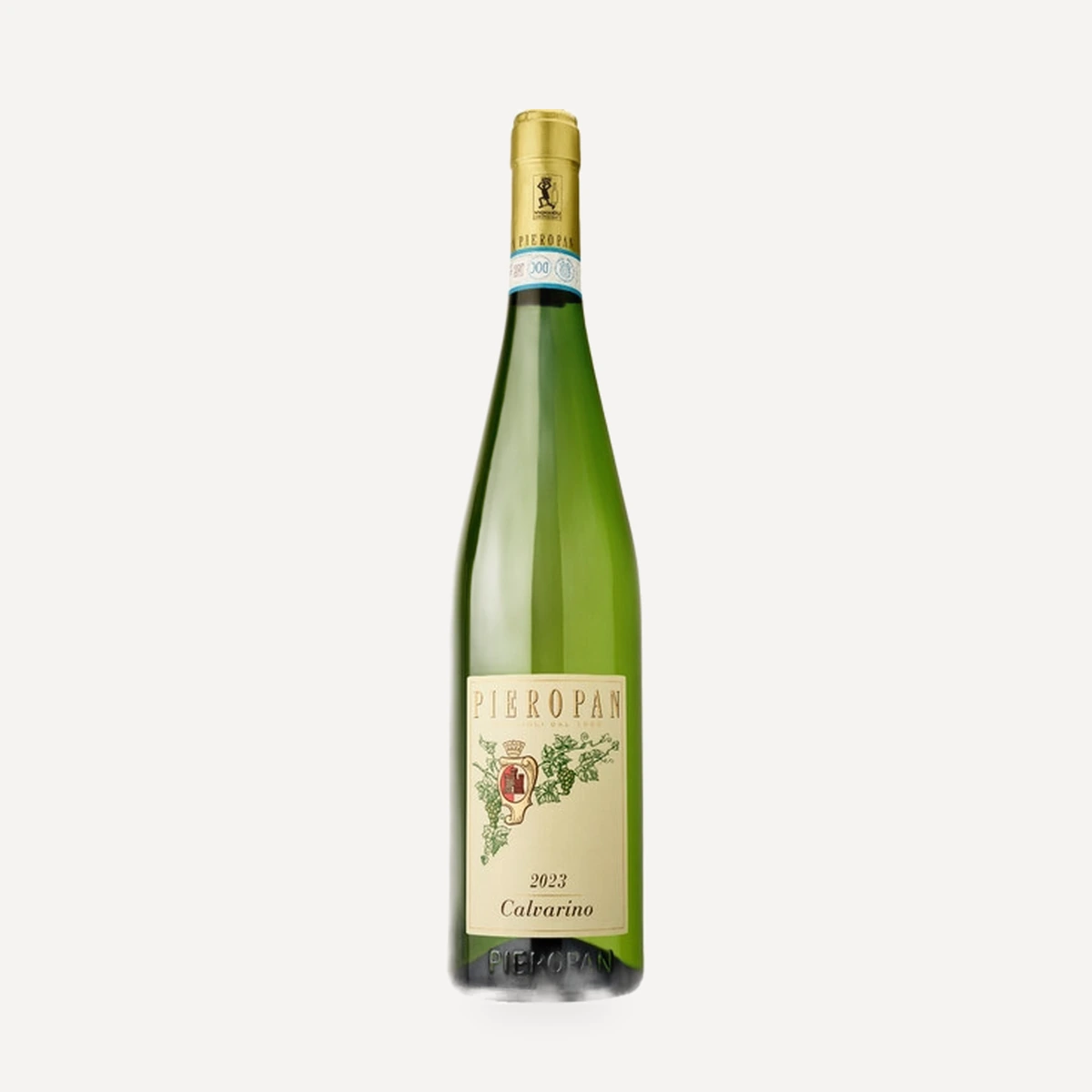
Soave Classico, Calvarino, Pieropan, Veneto, Italy
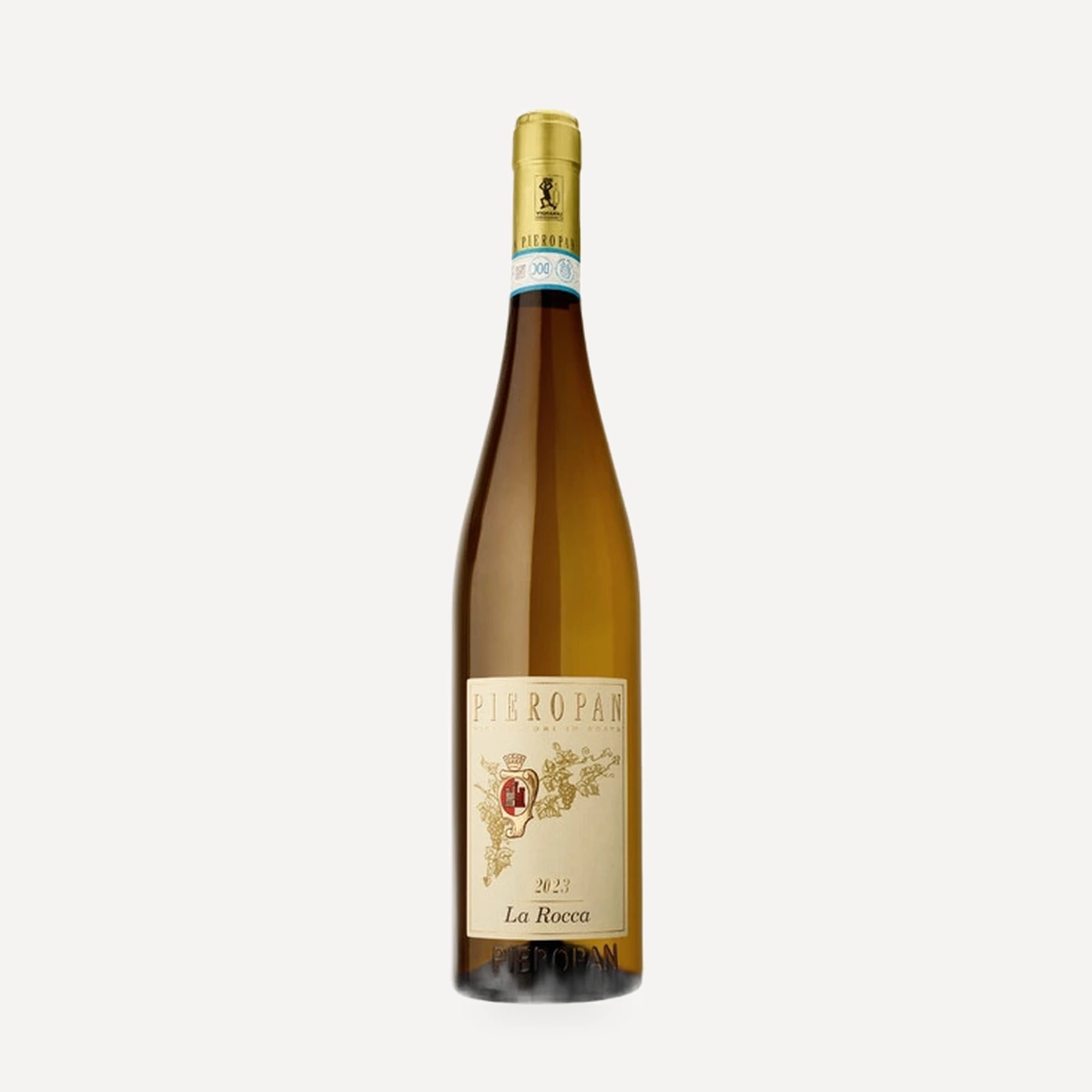
Soave Classico, La Rocca, Pieropan, Veneto, Italy
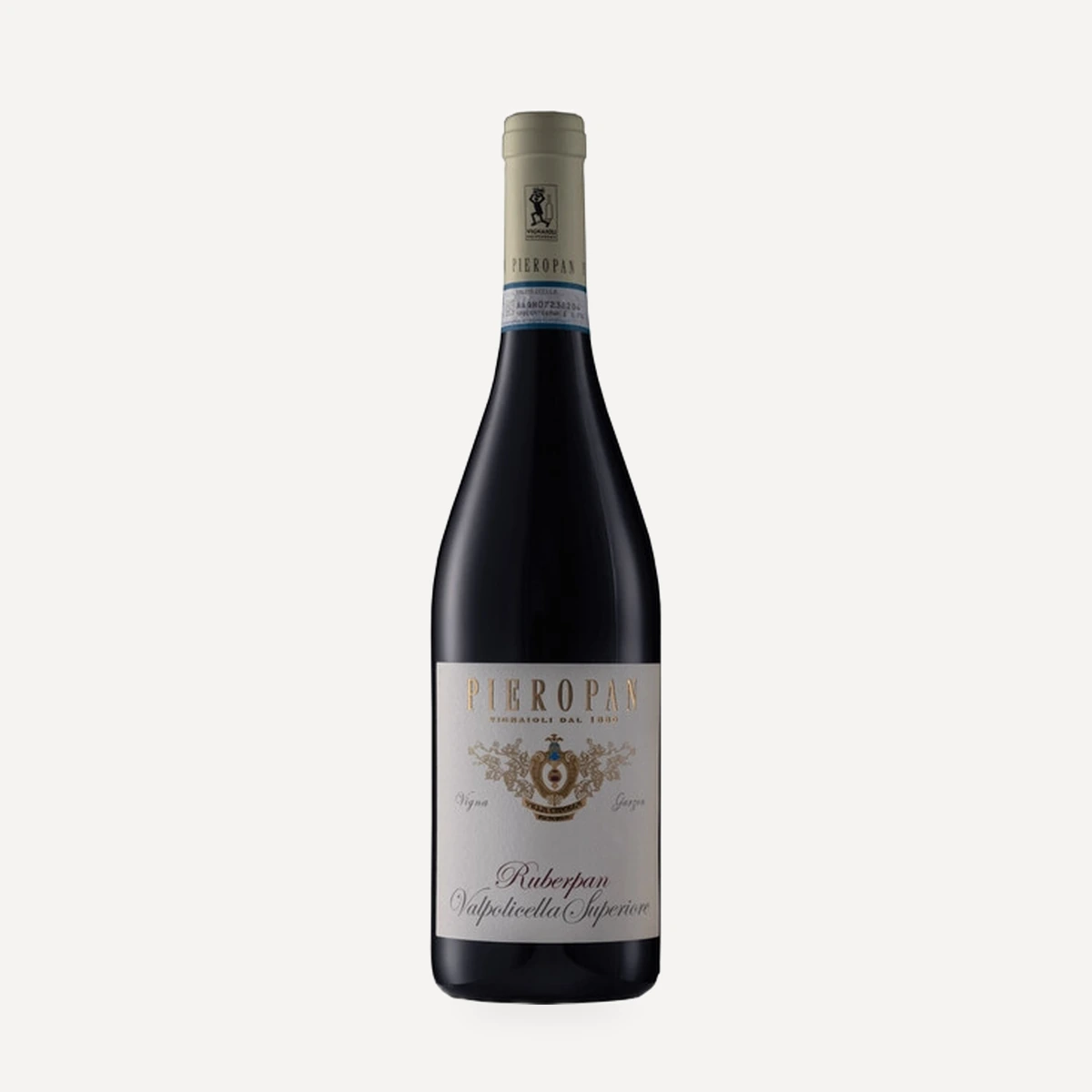
Valpolicella Superiore, Ruberpan, Pieropan, Veneto, Italy
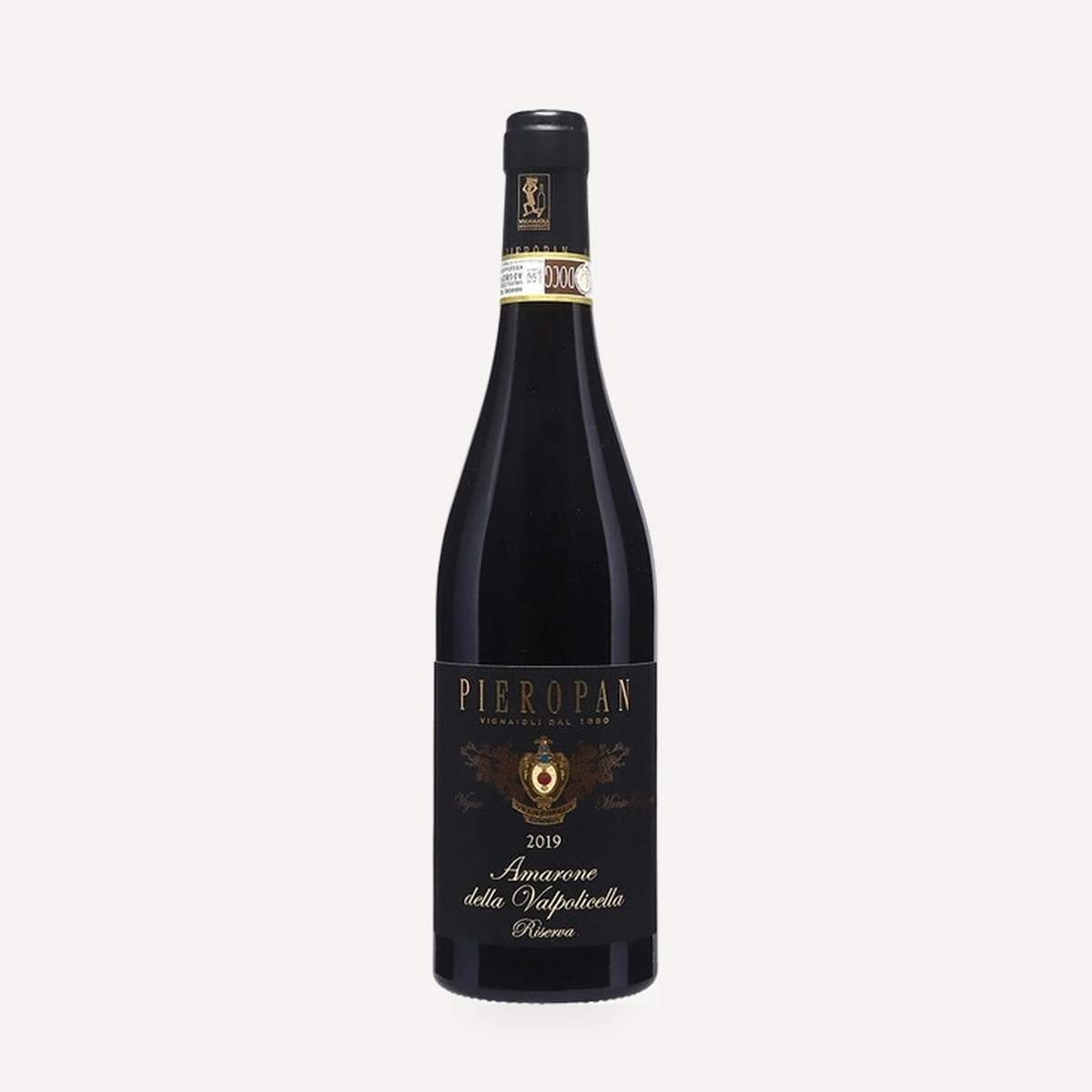
Amarone della Valpolicella, Riserva, Vigna Garzon, Pieropan, Veneto, Italy
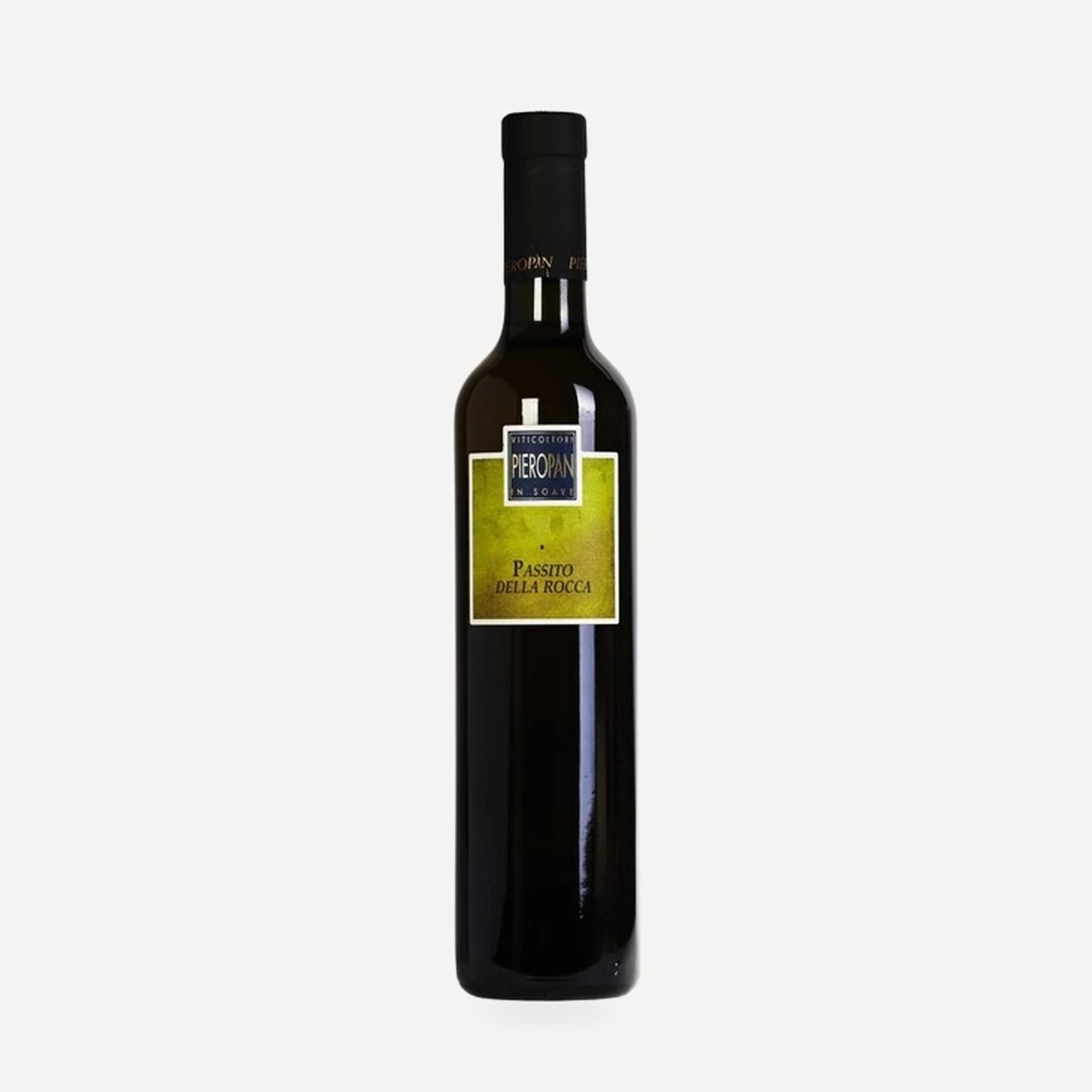
Passito della Rocca
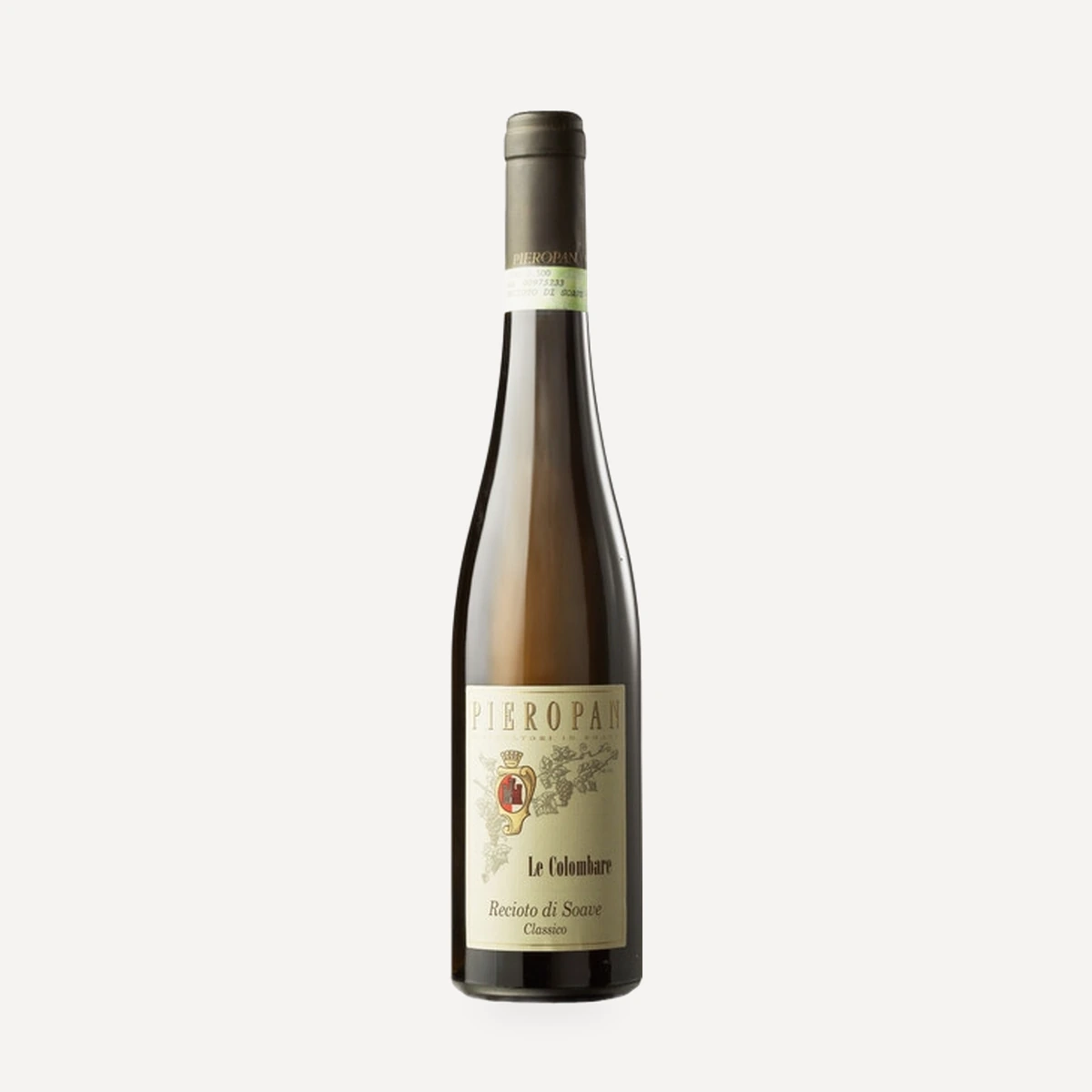
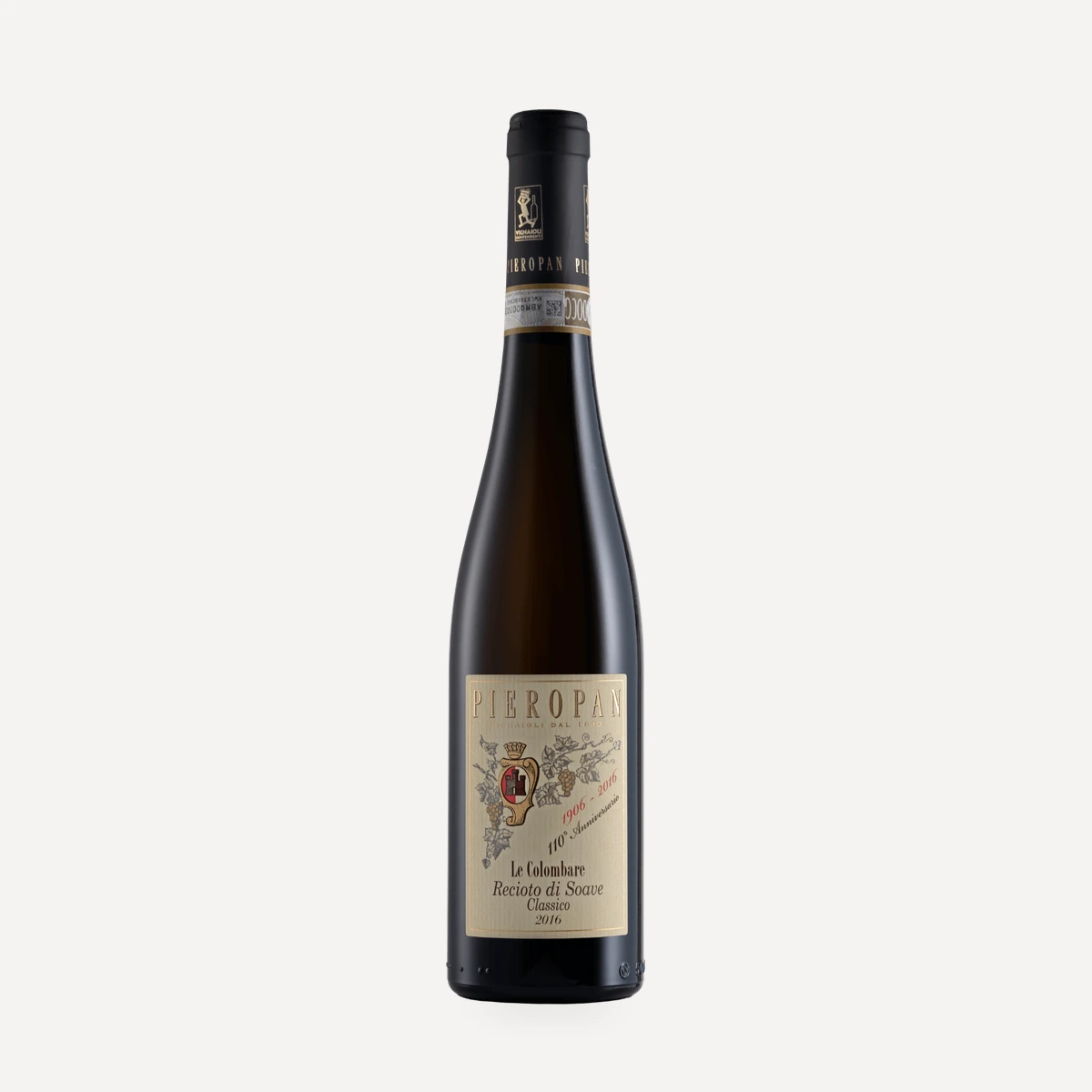
Recioto di Soave Classico, Le Colombare, Pieropan, Veneto, Italy
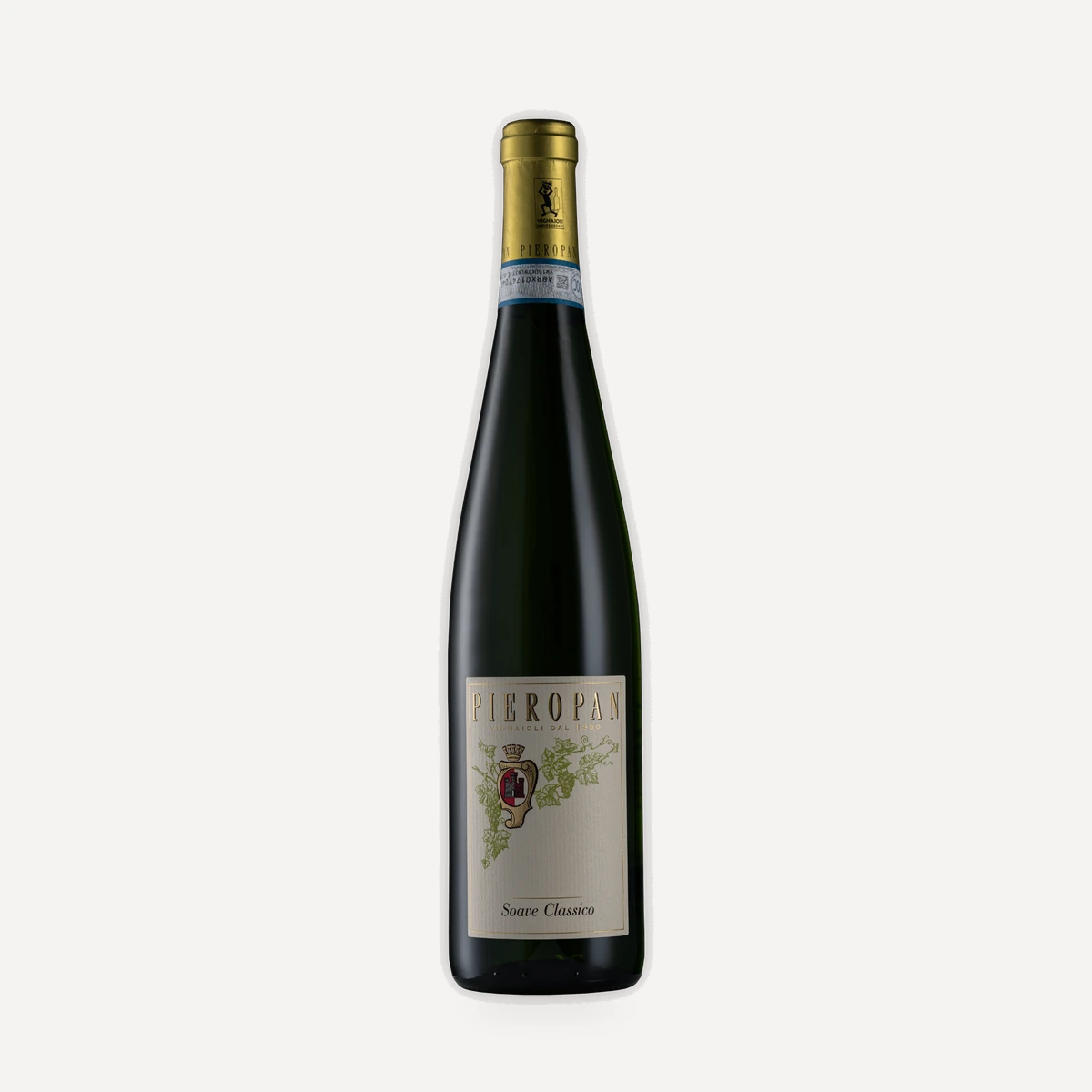
Soave Classico
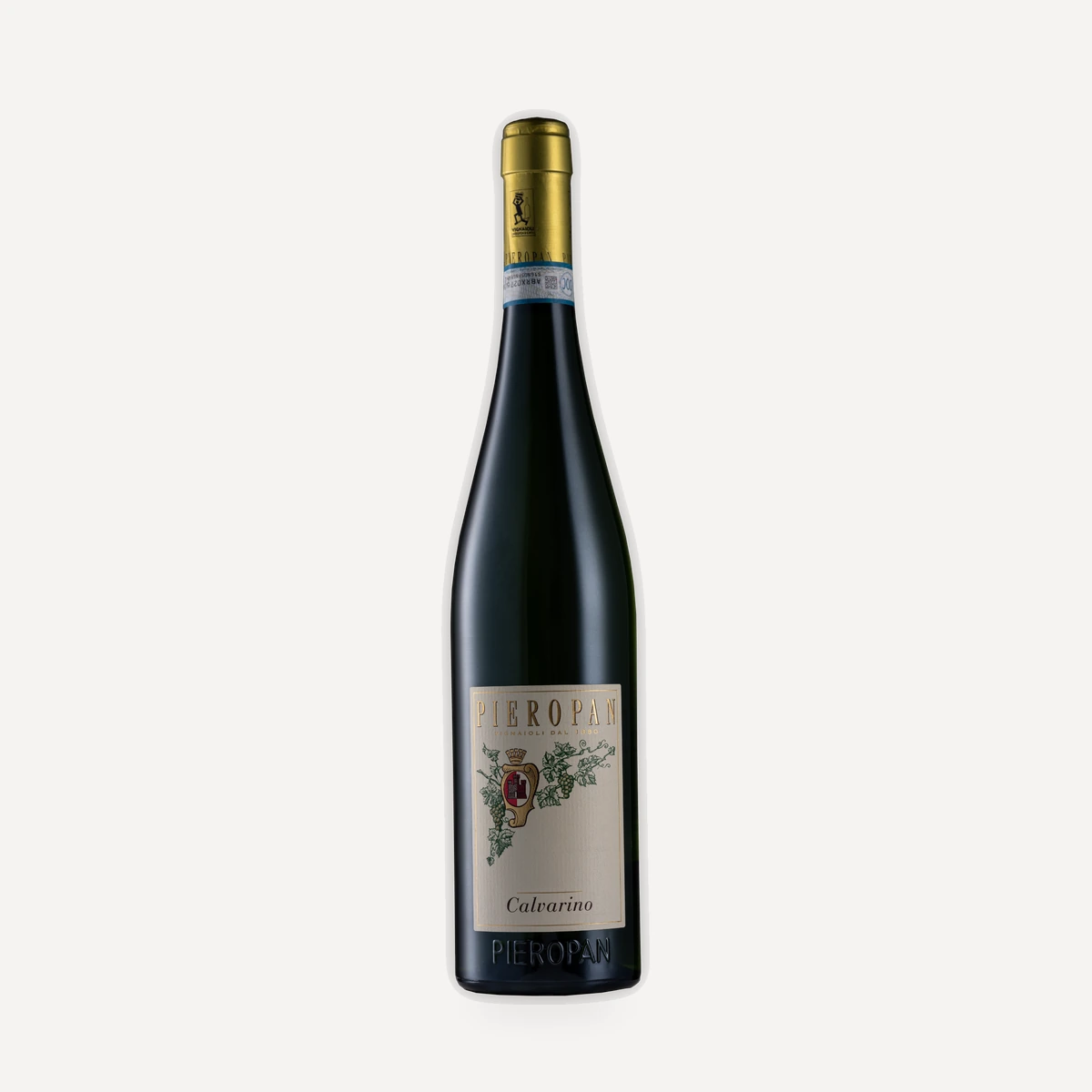
Calvarino
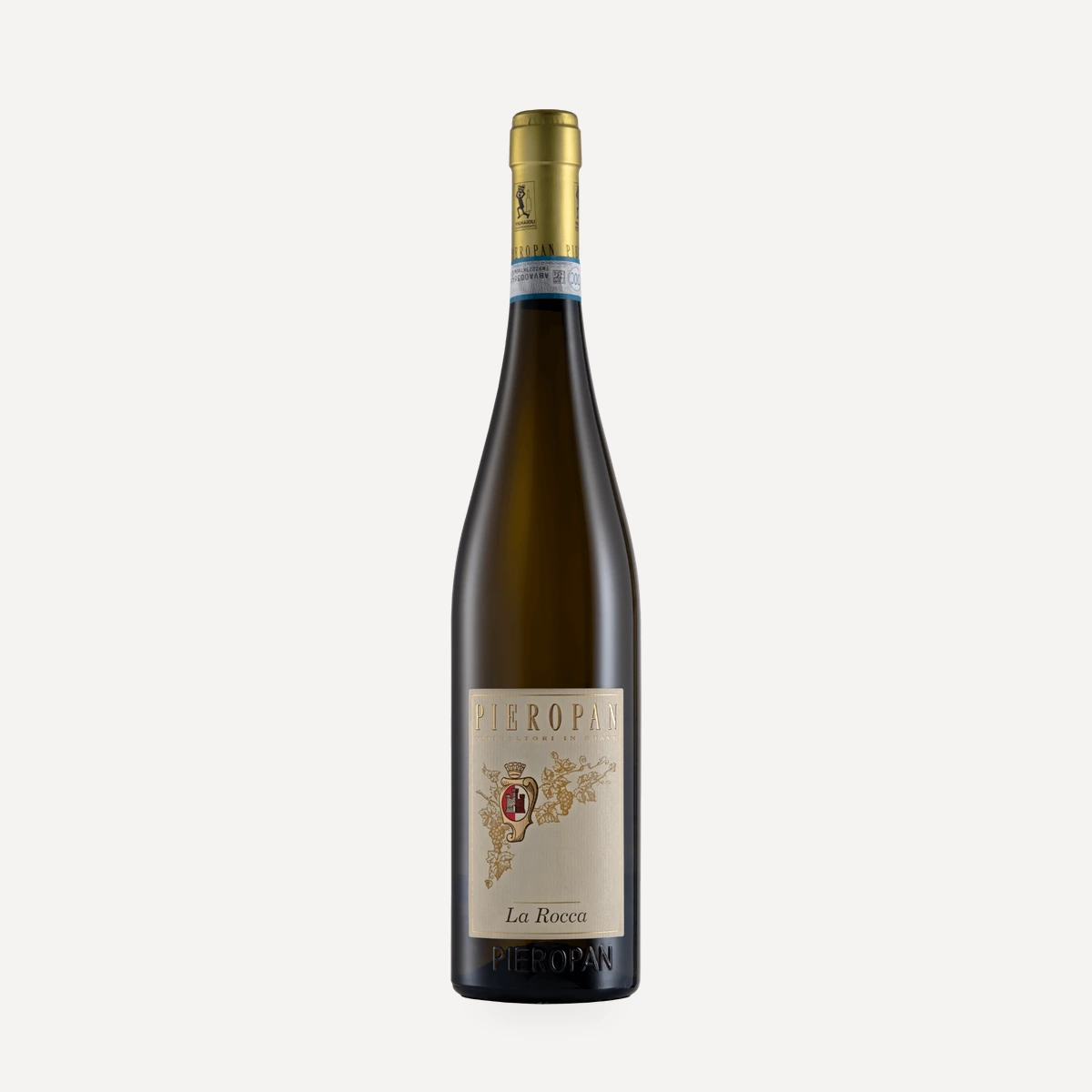
La Rocca