Storia
Agricultural roots
The Pecorari family’s agricultural history predates the winery by generations. Winegrowing formed part of the mixed farming traditionally practised by local families in the eighteenth and nineteenth centuries, although it was not yet their principal occupation. Vines and rows initially marked the edges of fields devoted to barley, wheat and maize. As viticulture expanded at the end of the nineteenth century, small vineyard plots were planted more systematically, with nearly all available ground cultivated and only enough room left for horses and carts to pass.
The local farming system remained mixed through the upheavals of phylloxera and the First World War. Each household sought self-sufficiency by producing what it required from the land. This model continued into the twentieth century: until the 1970s, the family cultivated vines alongside cereals, vegetables and fruit, and agricultural work was inseparable from daily family life.
1973: the specialist wine estate takes shape
Pierpaolo Pecorari assumed responsibility for the family holding in 1973. He broke with the prevailing production model and redirected the farm exclusively toward quality-focused viticulture. Beginning with the family’s existing equipment, he progressively invested in vineyards and winemaking technology.
His first purpose-planted vineyards were established in Olivers, Soris and Kolaus, sites he considered the clearest expressions of the local terrain. Initial plantings were made at 5,500 vines per hectare. Pierpaolo placed particular confidence in Pinot Grigio, Chardonnay and Sauvignon, varieties that his experience showed to be well adapted to the local climate. The change transformed a diversified family farm into an artisanal wine estate centred on vineyard identity and quality.
The 1980s and international growth
The market changed substantially after 1986, with increasing interest in small producers and wines associated with a recognisable place of origin. Pierpaolo Pecorari expanded beyond its local base into major Italian cities and then export markets, including Germany and the United States. From the 1980s through the early 2000s, growing recognition of Friulian wine—particularly its whites—supported continued investment and expansion.
Alessandro Pecorari and the fourth generation
Alessandro Pecorari grew up working beside his parents in the vineyards and cellar before joining the business as its fourth generation. He introduced a new organisational structure, expanded the estate’s commercial reach to more than thirty markets and retained direct responsibilities in both production and management. His approach combines the accumulated experience of the family with continued technical and commercial development.
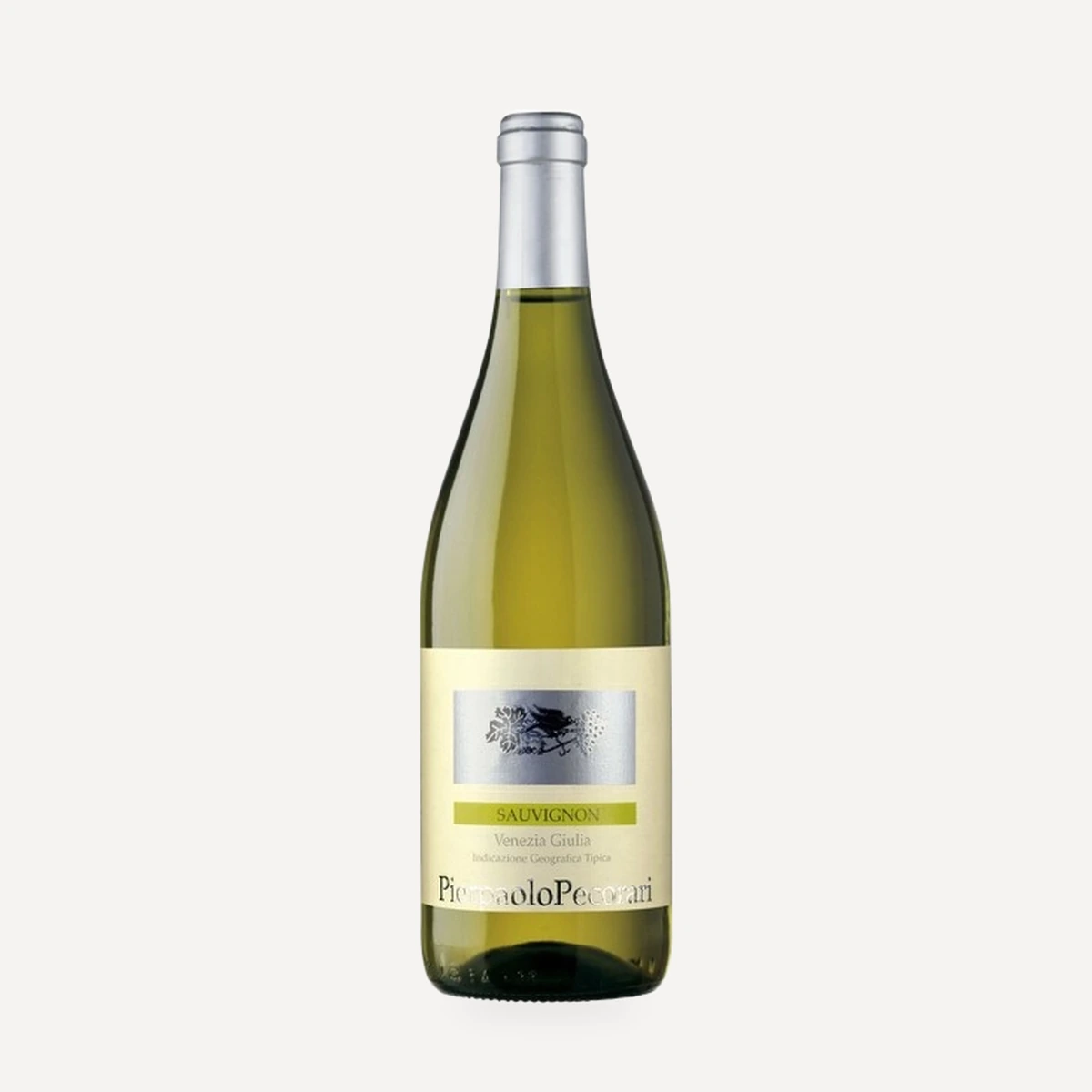
In 2001, the estate bottled Pinot Grigio, Sauvignon, Chardonnay, Tocai Friulano, Malvasia Istriana and Merlot from the 2000 vintage. New vineyards were planted in early 2002, extending the vineyard base while Alessandro was becoming increasingly involved in communicating the estate’s work and seasonal life.
The estate today
The winery now cultivates 35 hectares in the Valle dell’Isonzo, principally in the Rive Alte subzone. Its vineyards range from 20 to more than 70 years old and surround San Lorenzo Isontino, allowing direct and timely supervision. The contemporary portfolio is organised around fresh steel-vinified wines, varietally focused selections and longer-aged reserves, while the estate remains grounded in the family’s agricultural continuity and Pierpaolo’s original emphasis on vineyard character.
Terroir
Valle dell’Isonzo and Rive Alte
The estate lies at San Lorenzo Isontino in the Valle dell’Isonzo, within Rive Alte, the valley’s higher subzone. The vineyards occupy the upper Isonzo plain above the river and are enclosed by the geographic influences of the Carso, Collio, the Julian and Carnic Alps, and the Adriatic Sea.
The mountains shield the area from the coldest northern European air currents, while the Adriatic moderates temperatures. The Bora, the Isonzo and the valley’s position between mountain and sea contribute to a marked difference between daytime and nighttime temperatures, particularly during the vine’s vegetative cycle. This supports slow, gradual and complete ripening and encourages the development of aromatic precursors.
The valley’s shape between the Carso and Collio creates regular airflow. Drying winds pass along the valley, helping maintain healthy bunches and balanced ripening. Evening air descending from the Julian Prealps reinforces the diurnal range, particularly through the corridor running from Lucinico toward Villanova di Farra and Capriva del Friuli.
Soils and landform
The soils are of alluvial-glacial origin. Gravel, sand and clay were deposited at the end of the last glaciation and subsequently reworked by the Isonzo as it eroded and transported material from the surrounding mountains. The upper plain is predominantly level and stands at least 15 metres above the riverbed.
The ground is generally lean, light, stony and free-draining. Gravel comparable to that in the Isonzo riverbed reaches the surface at Olivers, Kolaus and Soris. Baolar and the historic Refosco reserve site have a deeper layer of earth above the grey gravel, enriched by humus from long-established permanent grass cover and by iron oxides characteristic of parts of the plateau.
The estate associates these soils and climatic conditions with freshness, savoury character, mineral definition and aromatic intensity. White varieties are valued for freshness, fragrance and minerality, while the red varieties are intended to retain elegance and a distinctly local character.
Vinificazione
The vineyards are concentrated around San Lorenzo Isontino so that work can be monitored closely and undertaken promptly. Vine age ranges from 20 to over 70 years, and older, better-positioned sites are selected for reserves and vineyard-designated bottlings.
Pierpaolo’s original specialist vineyards were planted at 5,500 vines per hectare to create a deliberate balance among vine, soil and natural conditions. Vineyard management seeks to maximise the use of daylight while benefiting from cool nights and strong diurnal temperature changes. Long-established permanent grass cover has built natural humus in sites such as Baolar and the historic Refosco reserve vineyard.
Green pruning includes selecting new shoots, removing weak vegetative growth and making the canopy of each vine more uniform, with the objective of improving fruit quality. Red varieties have undergone bunch thinning: work on Merlot and Refosco dal Peduncolo Rosso was recorded as beginning at 06:00 during the 2001 season. Winter pruning may be adjusted to individual sites; the old Kolaus Sauvignon vineyard was pruned late so that its wood could mature fully. Cut vine shoots are left in rows and subsequently shredded with the grass in spring.
Irrigation is used when the very porous gravelly ground and summer dryness threaten water stress. It is particularly important in July and early August, when insufficient water could interrupt ripening. Harvest timing is differentiated by variety and site: Pinot Grigio is picked before Sauvignon, Chardonnay, Friulano and Malvasia Istriana, while Merlot and Refosco remain longer on the vine. Within Pinot Grigio, Olivers fruit has been retained after other parcels to achieve greater concentration.
Contemporary production structure
Production is divided into several approaches intended to suit the variety and vineyard. Stainless-steel vinifications are used for fresh, fragrant and immediately accessible wines. Selections are designed to emphasise varietal character. Reserves are vinified in wood and subsequently given longer maturation in concrete to build structure, complexity and depth while retaining the identity of their vineyard of origin.
Each lot is approached according to the conditions of its vintage and site rather than through a single unchanging formula. The cellar’s objective is to preserve the aromatic character of the grapes and allow both variety and terroir to remain identifiable.
Earlier cellar practice
The estate’s earlier white-wine protocol used skin contact before fermentation rather than immediate pressing. Must and skins remained together to extract compounds accumulated near the berry skins. For selected Sauvignon and Pinot Grigio, maceration could be extended into fermentation. Low-temperature pre-fermentation maceration was used for mature Sauvignon, and careful cellar control was considered essential during this phase.
Ageing on fermentation lees was used to build texture, aromatic intensity and varietal definition. The earlier Altis selections remained on their fermentation lees at a controlled temperature until August and were raised in stainless steel to preserve aromatic purity. The younger varietal wines received shorter maceration and suitable lees ageing before relatively early release.
The current range retains stainless steel, wood and concrete as distinct production tools. No single detailed protocol is presented as applying to every wine.
Filosofia
The estate’s philosophy begins with a close relationship to the land. Grapes are cultivated with attention to soil, microclimate and the pedological identity of the Valle dell’Isonzo so that the resulting wines express not only their varieties but also their places of origin.
Pierpaolo’s 1973 reorganisation was guided by the objective of moving away from the dominant production practices of the period and building quality from the design of the vineyard onward. His priorities were terroir and typicity, supported by dense planting, carefully chosen sites and varieties suited to the local climate.
Alessandro Pecorari describes inherited experience as a starting point rather than a fixed model: the wines are not intended to reproduce those of earlier generations, but to continue evolving from their work. The present priorities are territorial identity, authenticity and wines that can be enjoyed without ceremony. Family continuity is paired with a contemporary outlook, continued investment and openness to innovation.
The estate also frames wine as the product of agricultural culture and sustained human commitment: care of the vineyard, fruit, harvest, vinification and bottle ageing are treated as connected stages in the life of a wine. Its desired emotional register is expressed through the recurring ideas of joy, serenity and love.
Vini
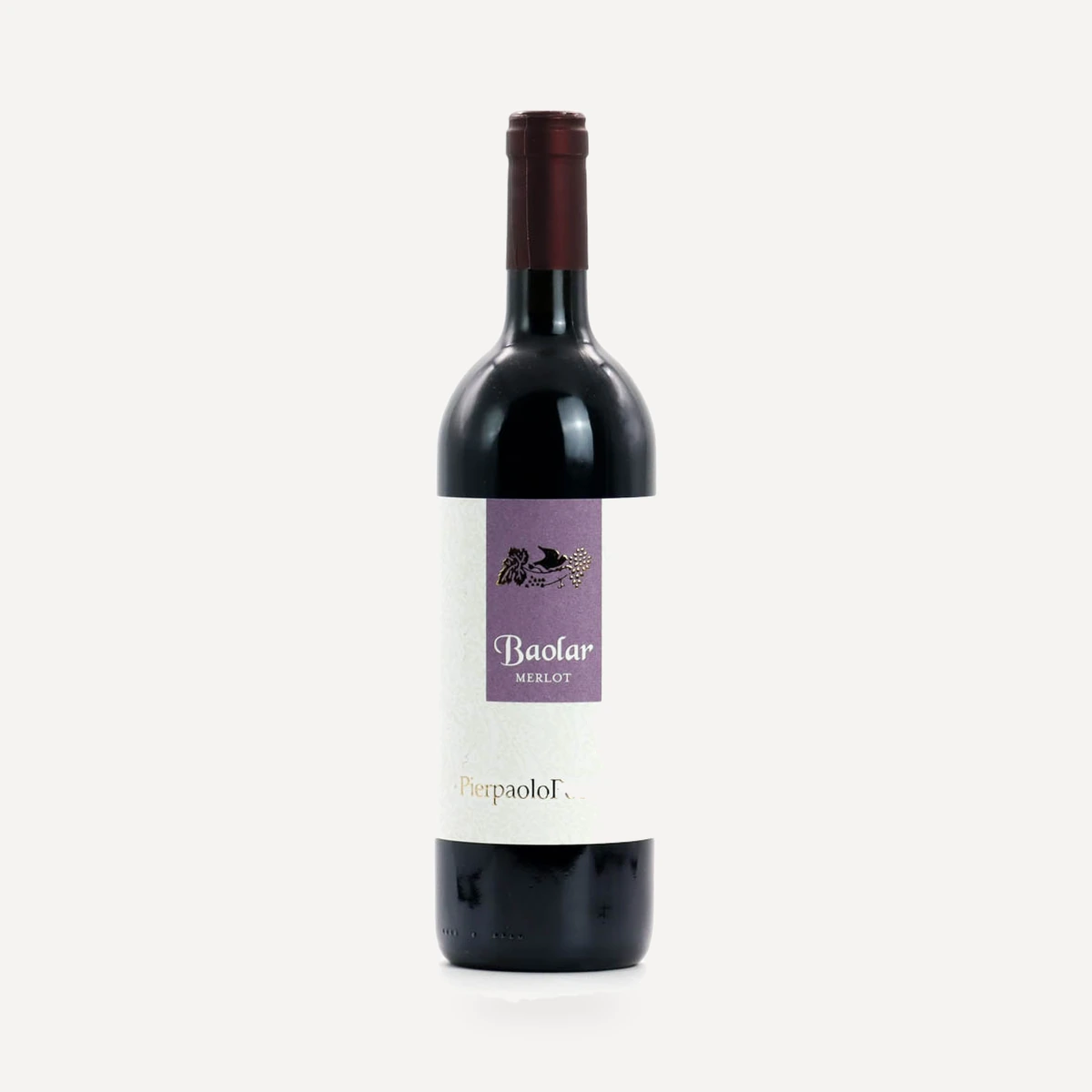
Baolar Merlot
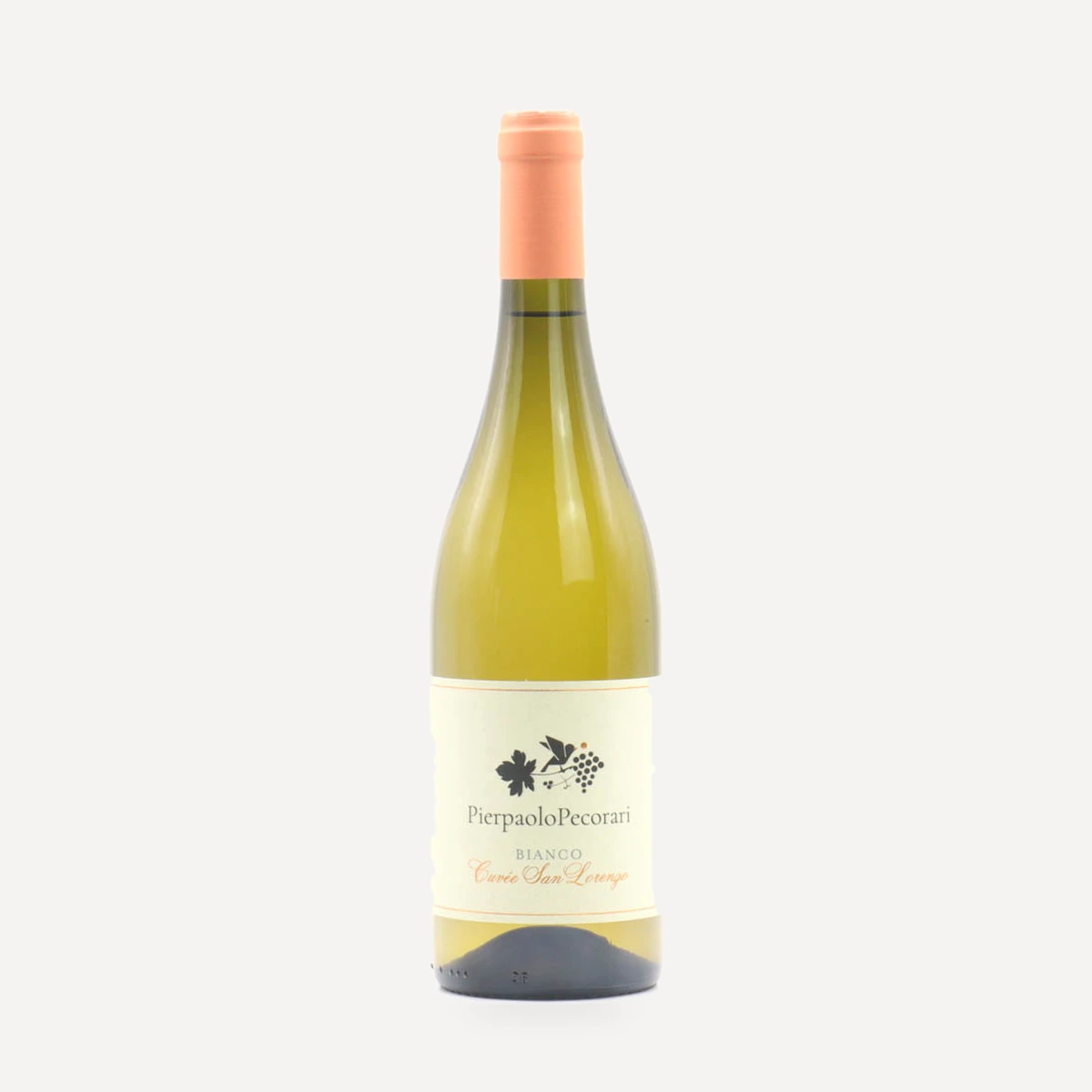
Cuvèe San Lorenzo
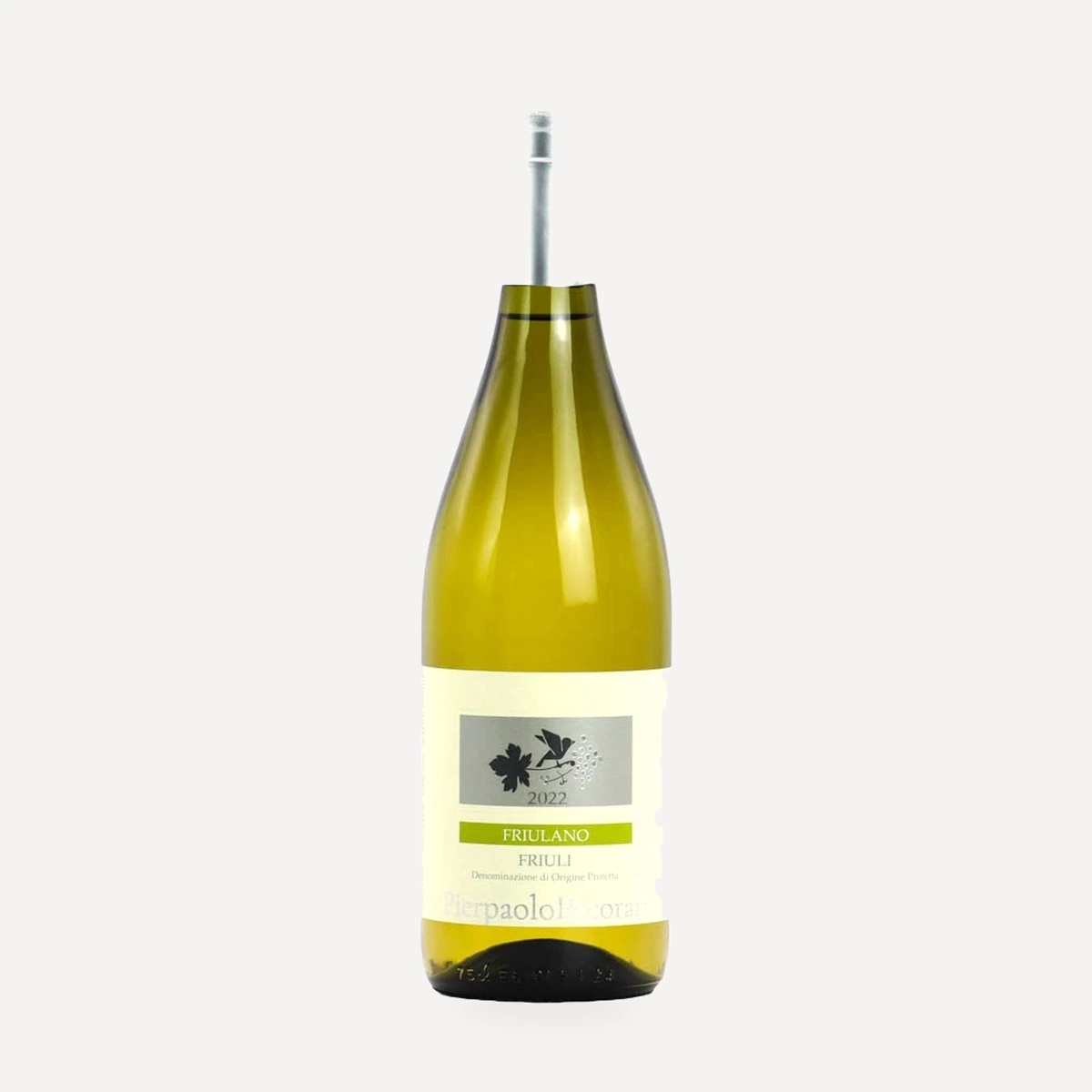
Friulano
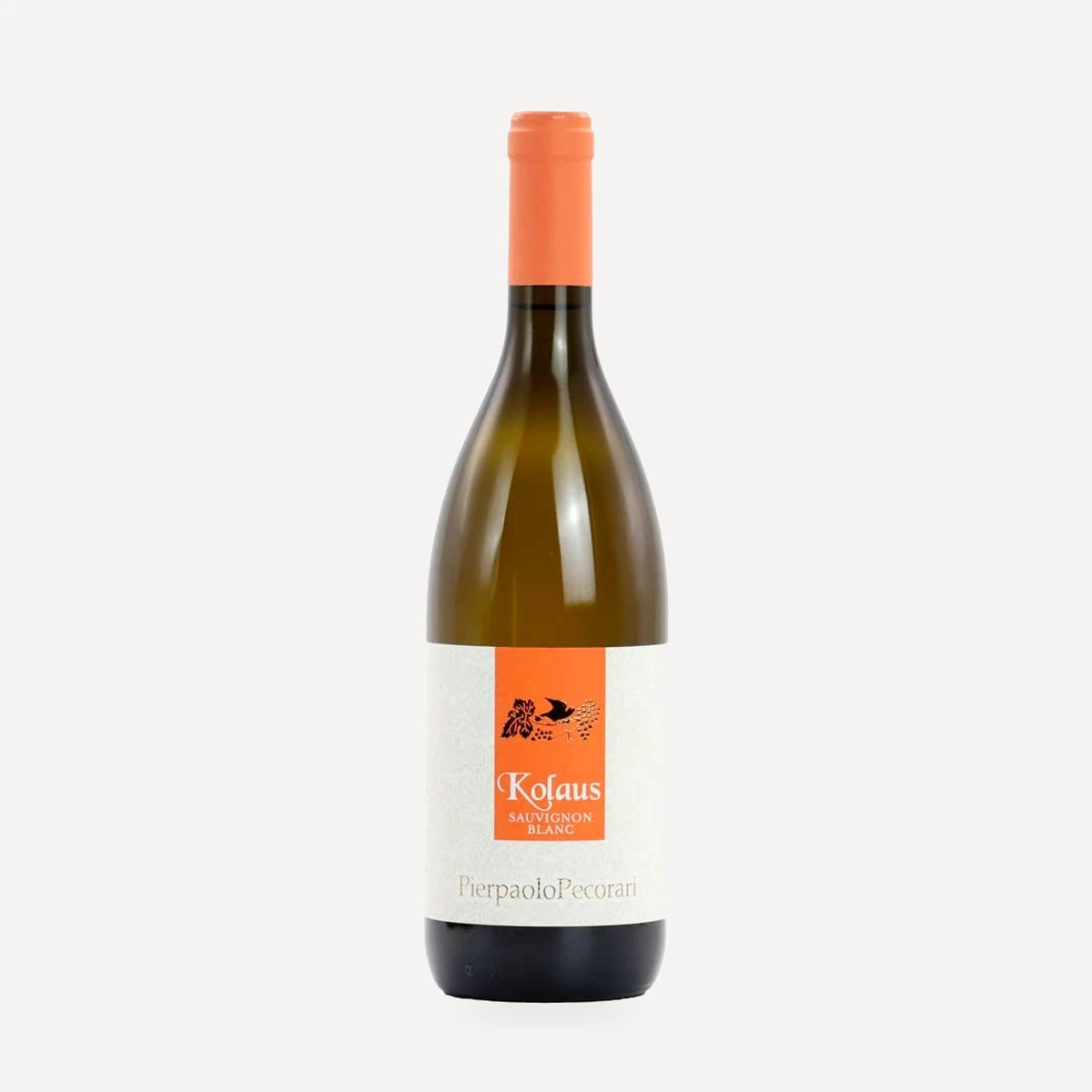
Kolaus Sauvignon
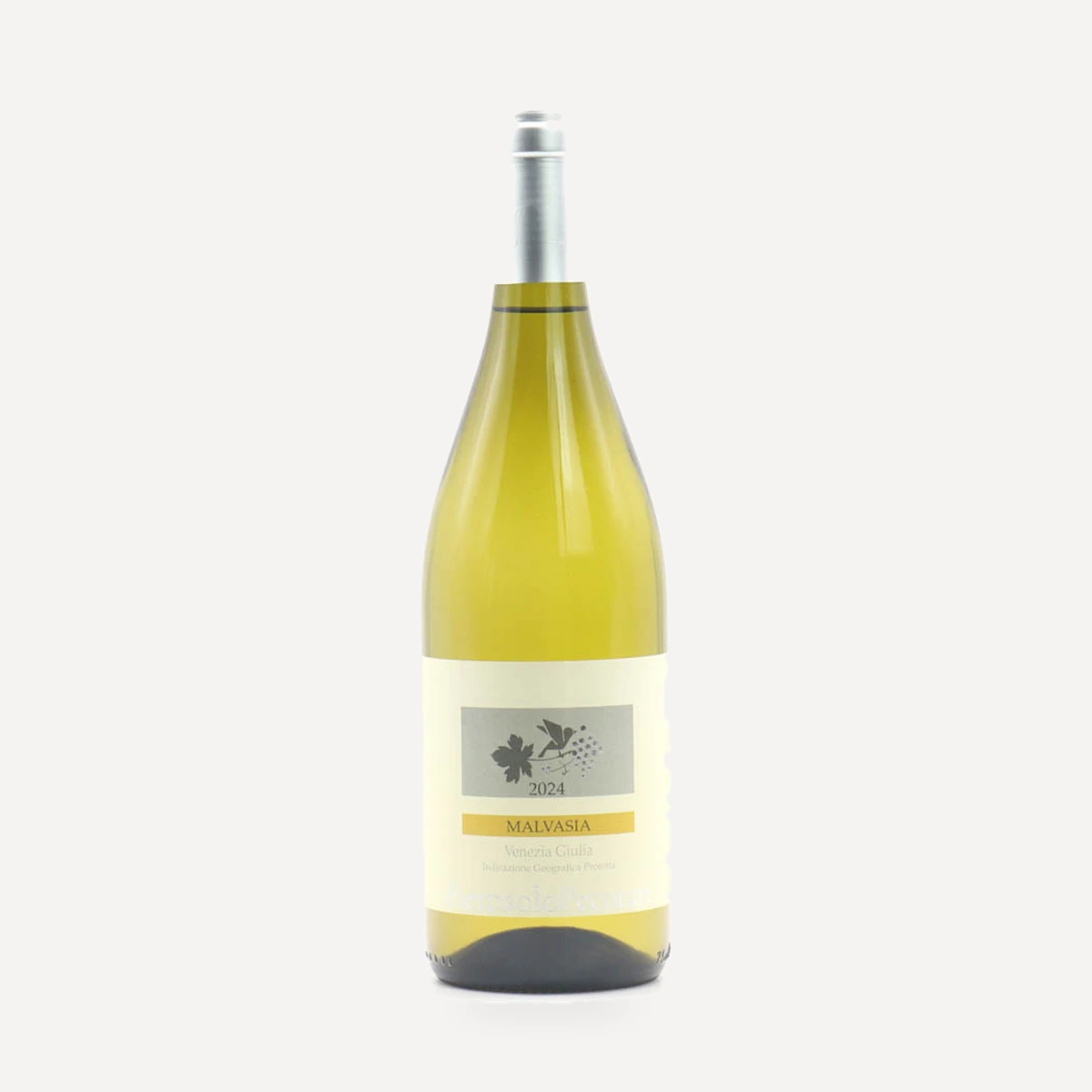
Malvasia
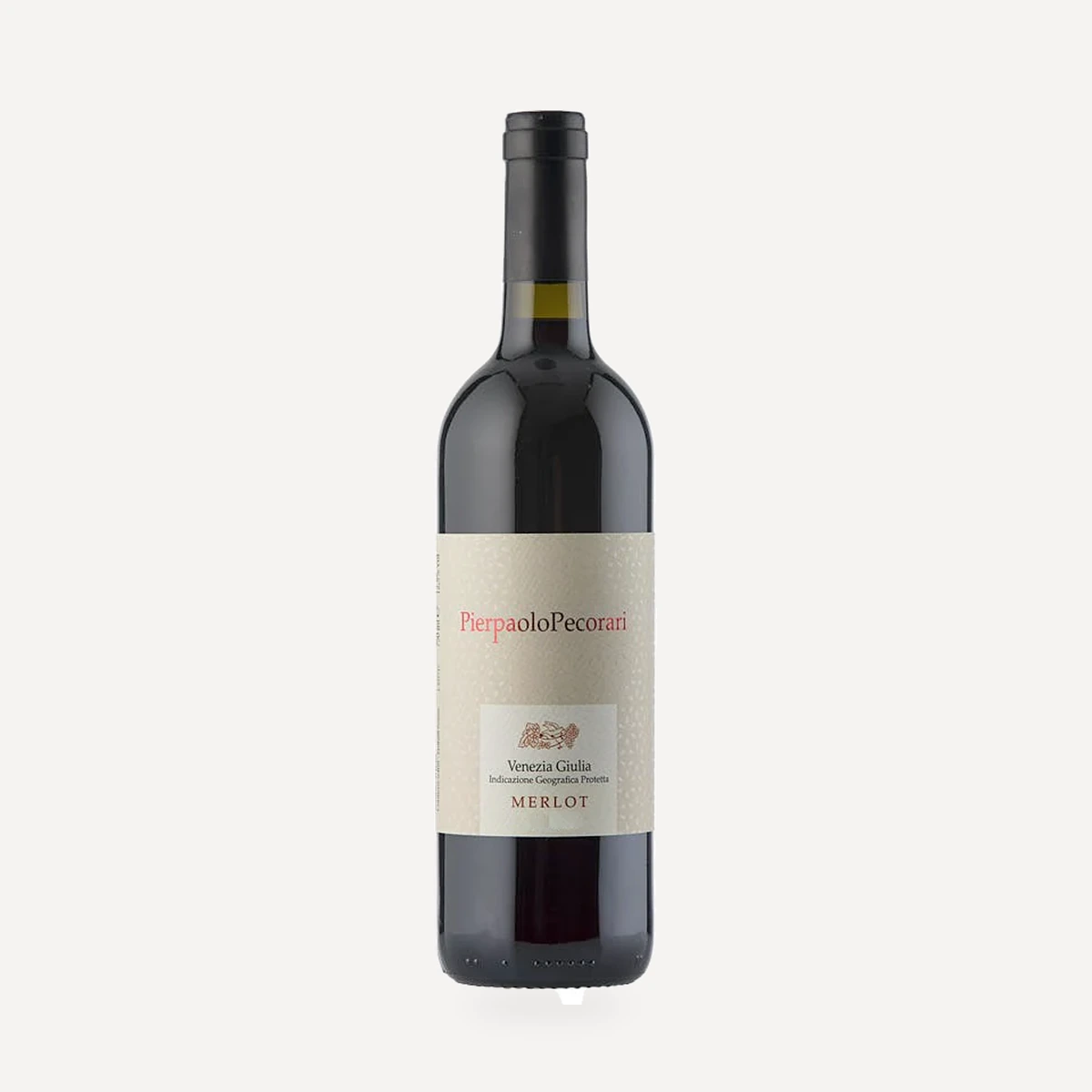
Merlot
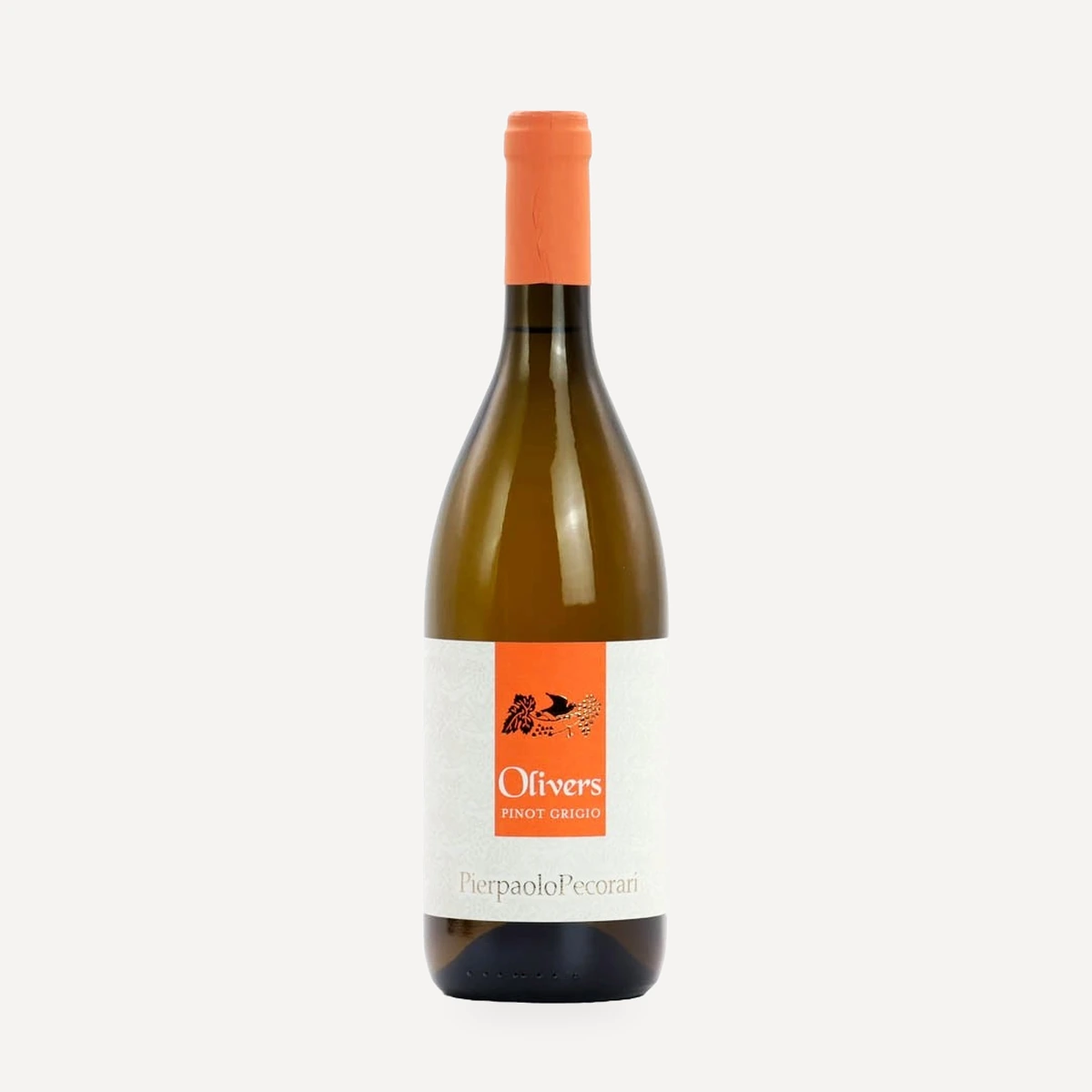
Olivers Pinot Grigio
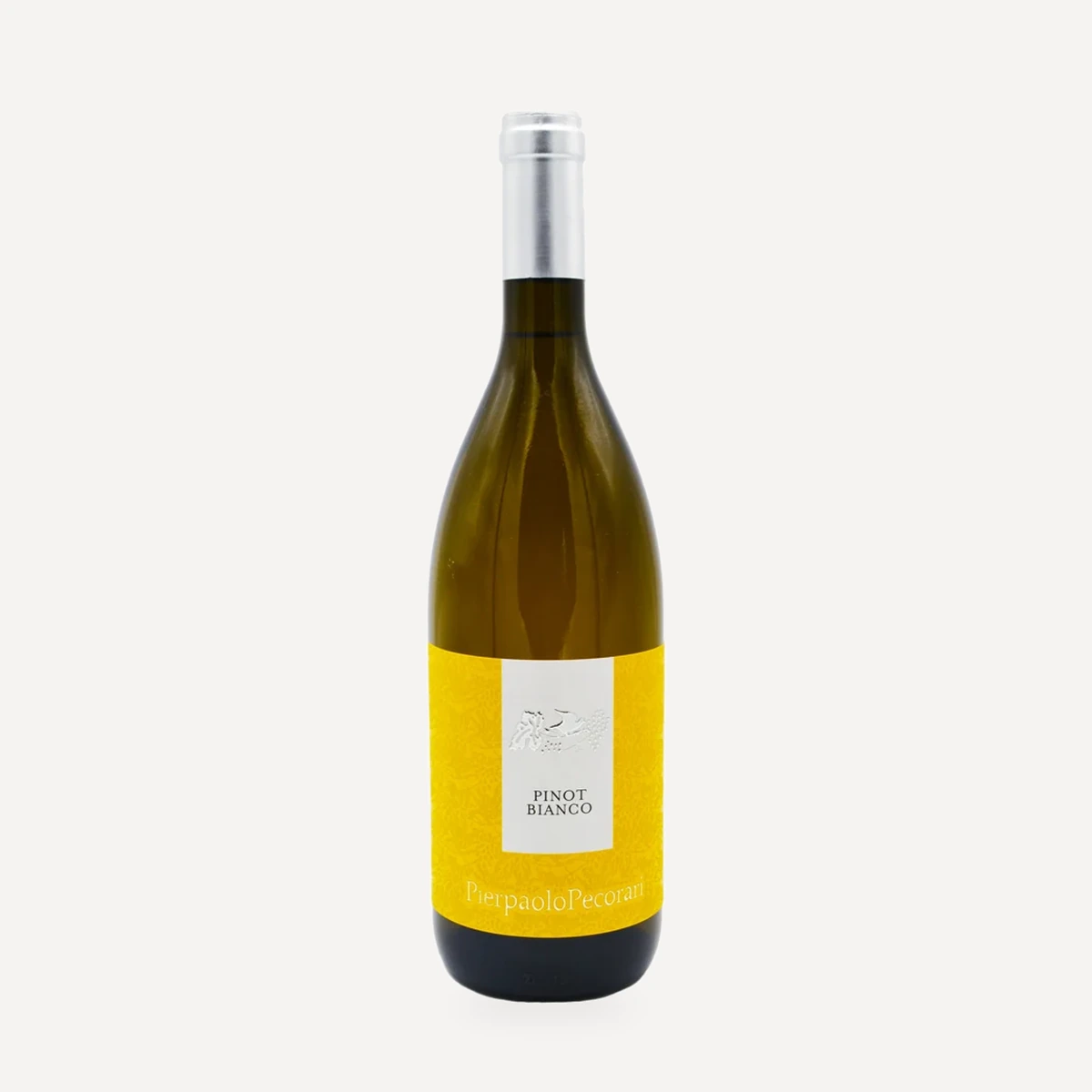
Pinot Bianco
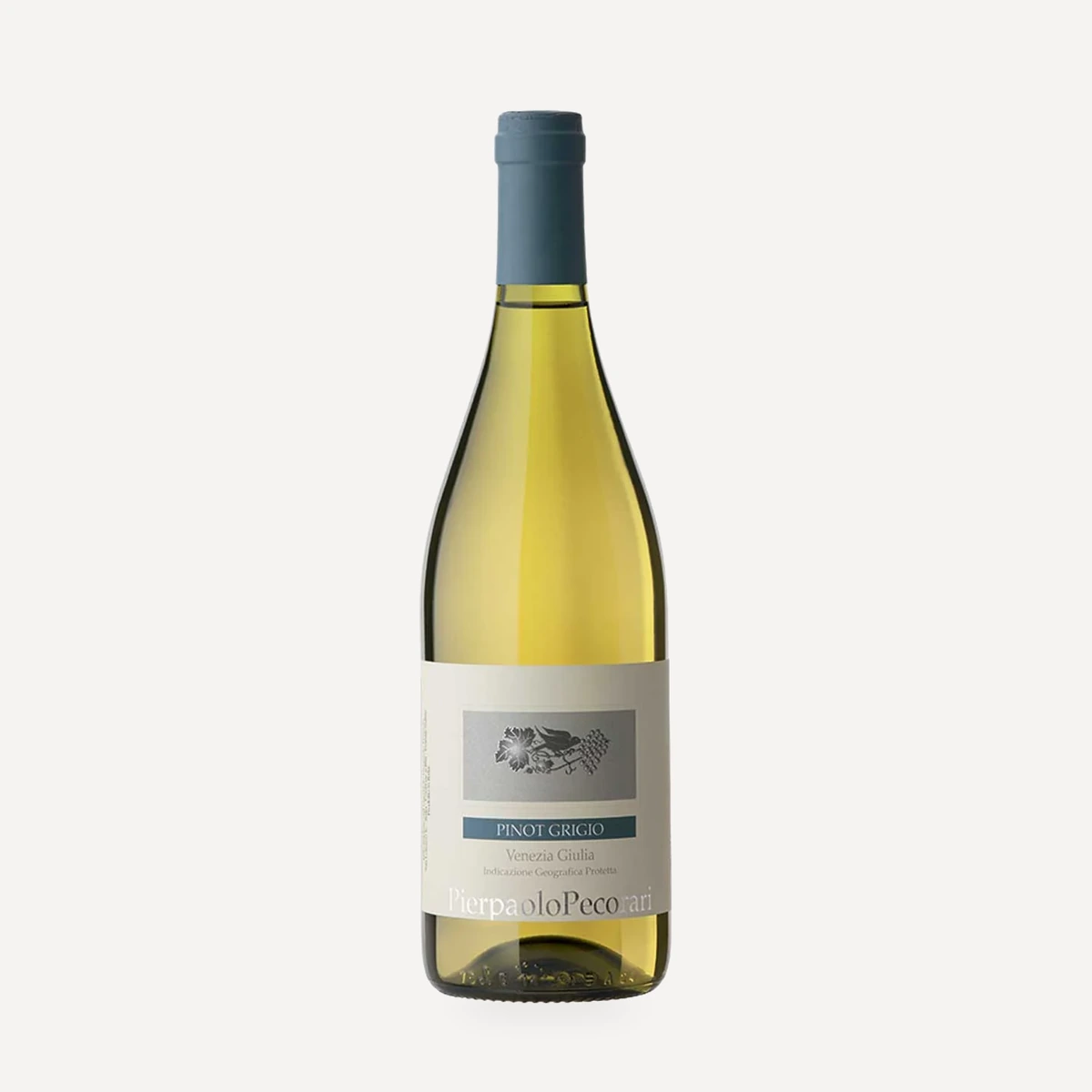
Pinot Grigio
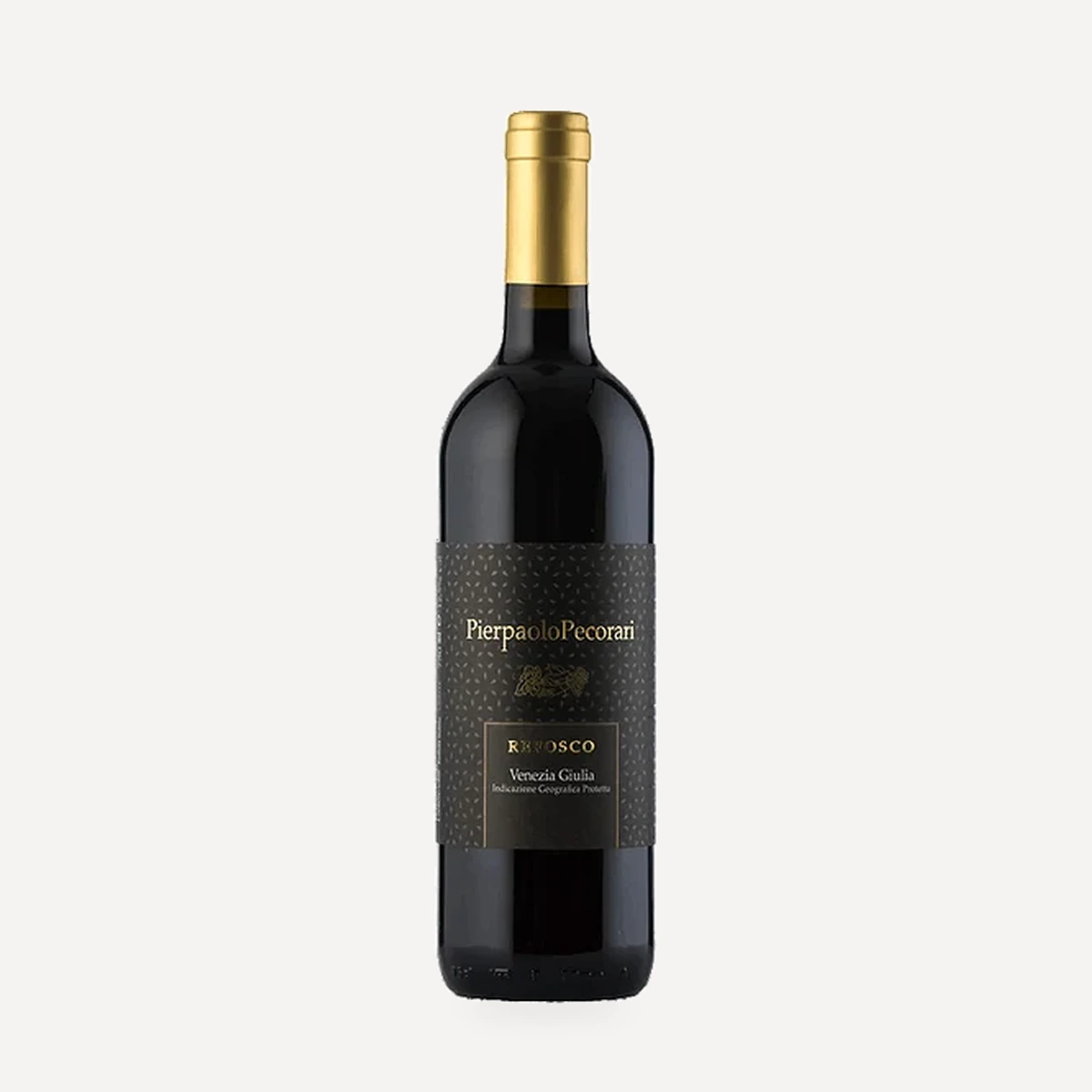
Refosco
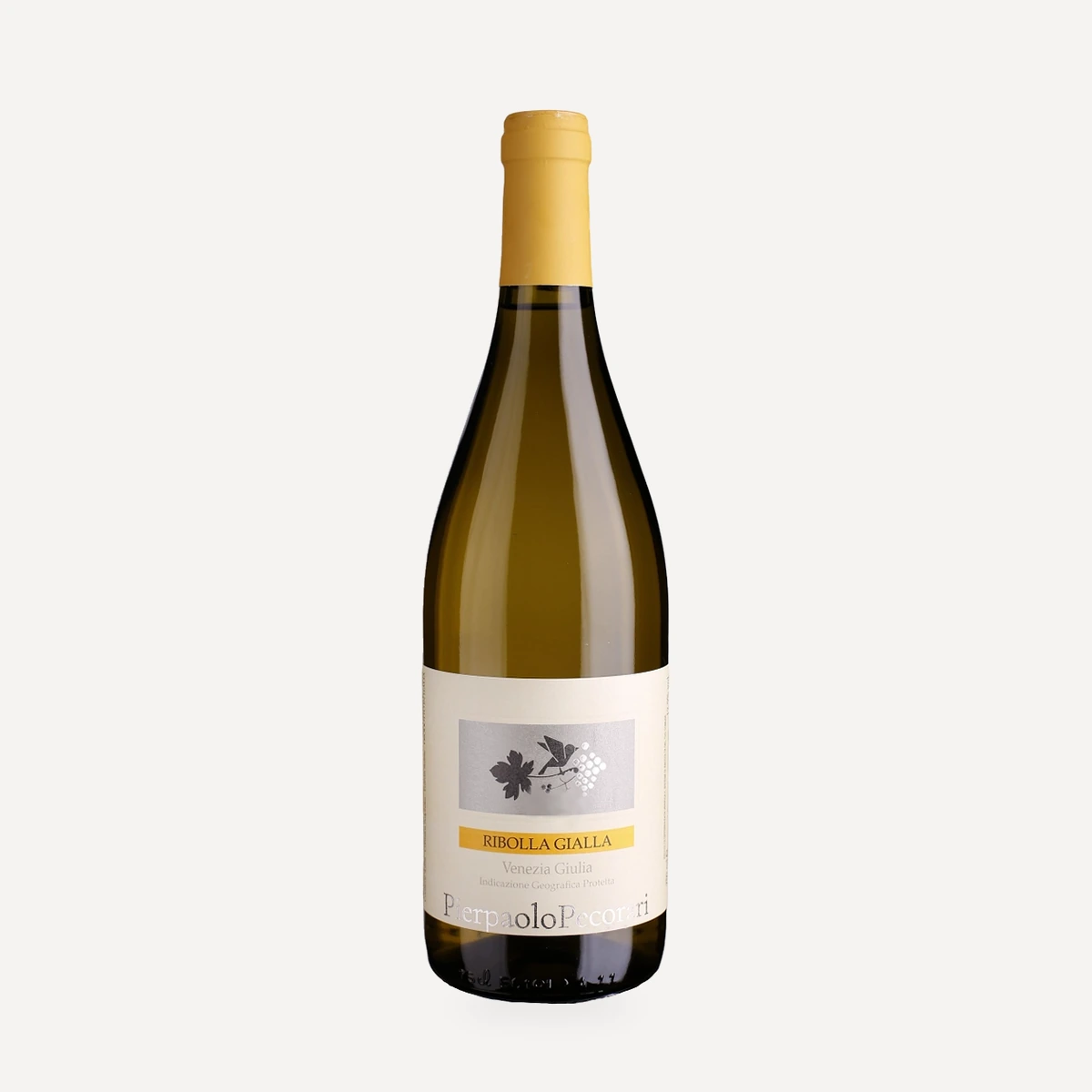
Ribolla Gialla
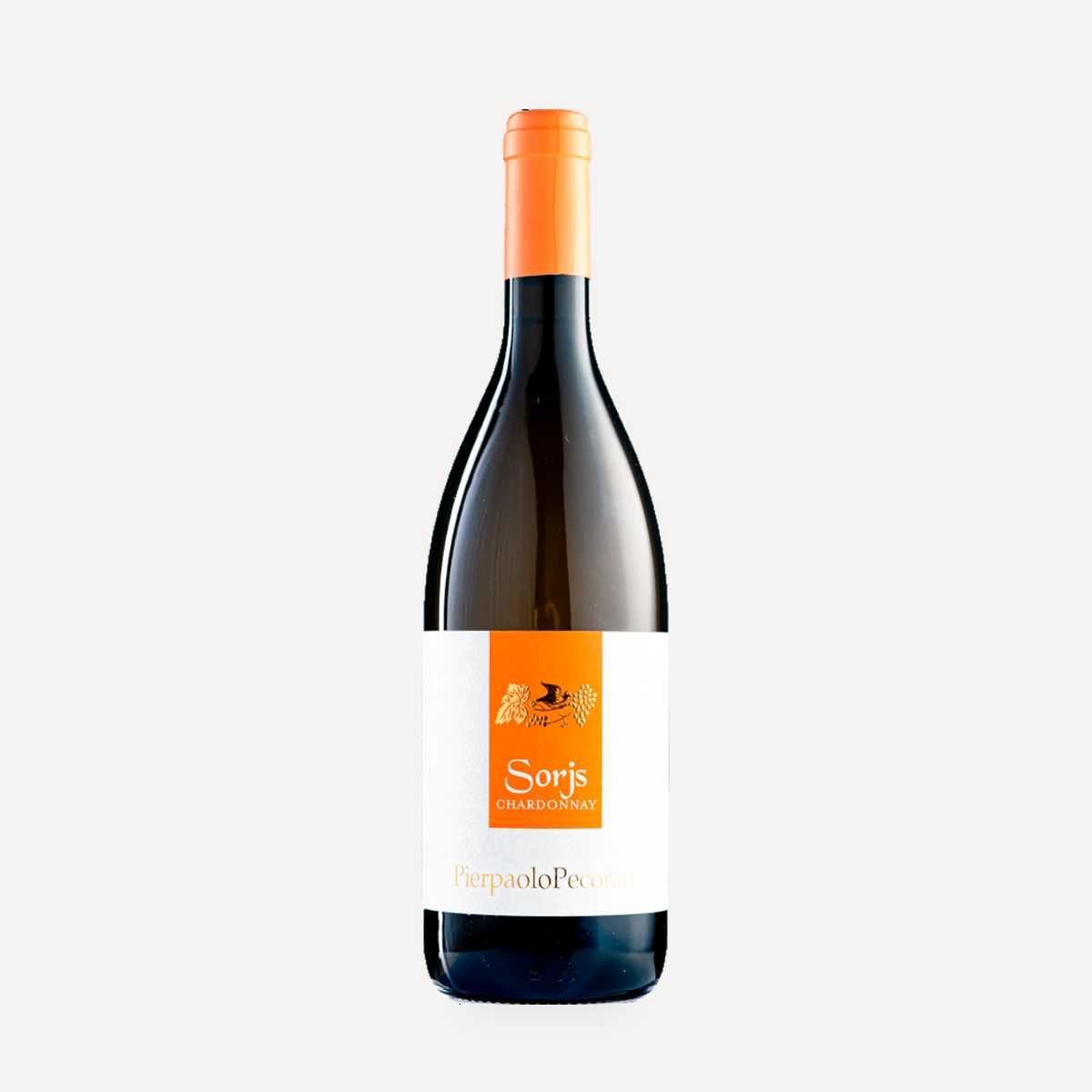
Sorjs Chardonnay
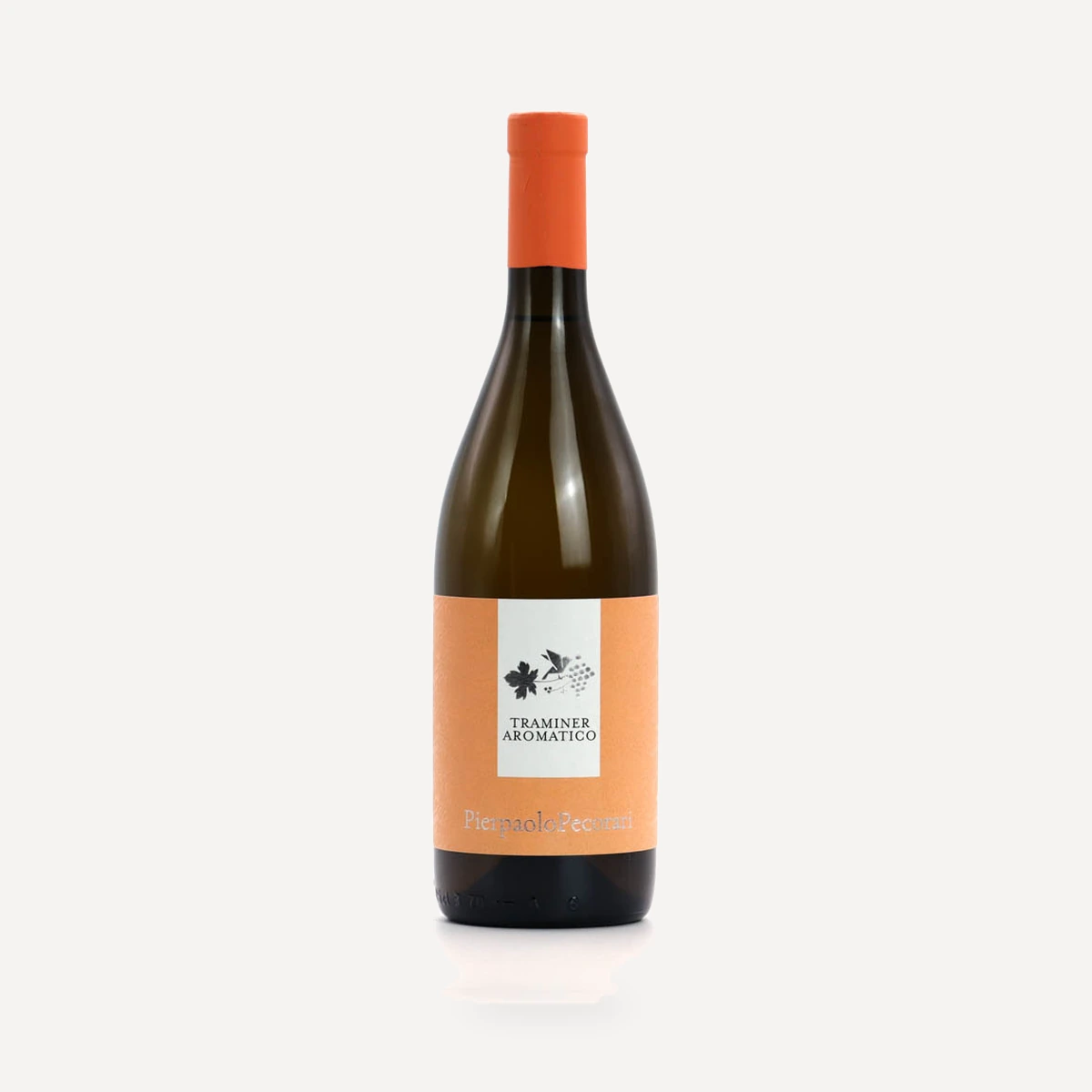
Traminer Aromatico
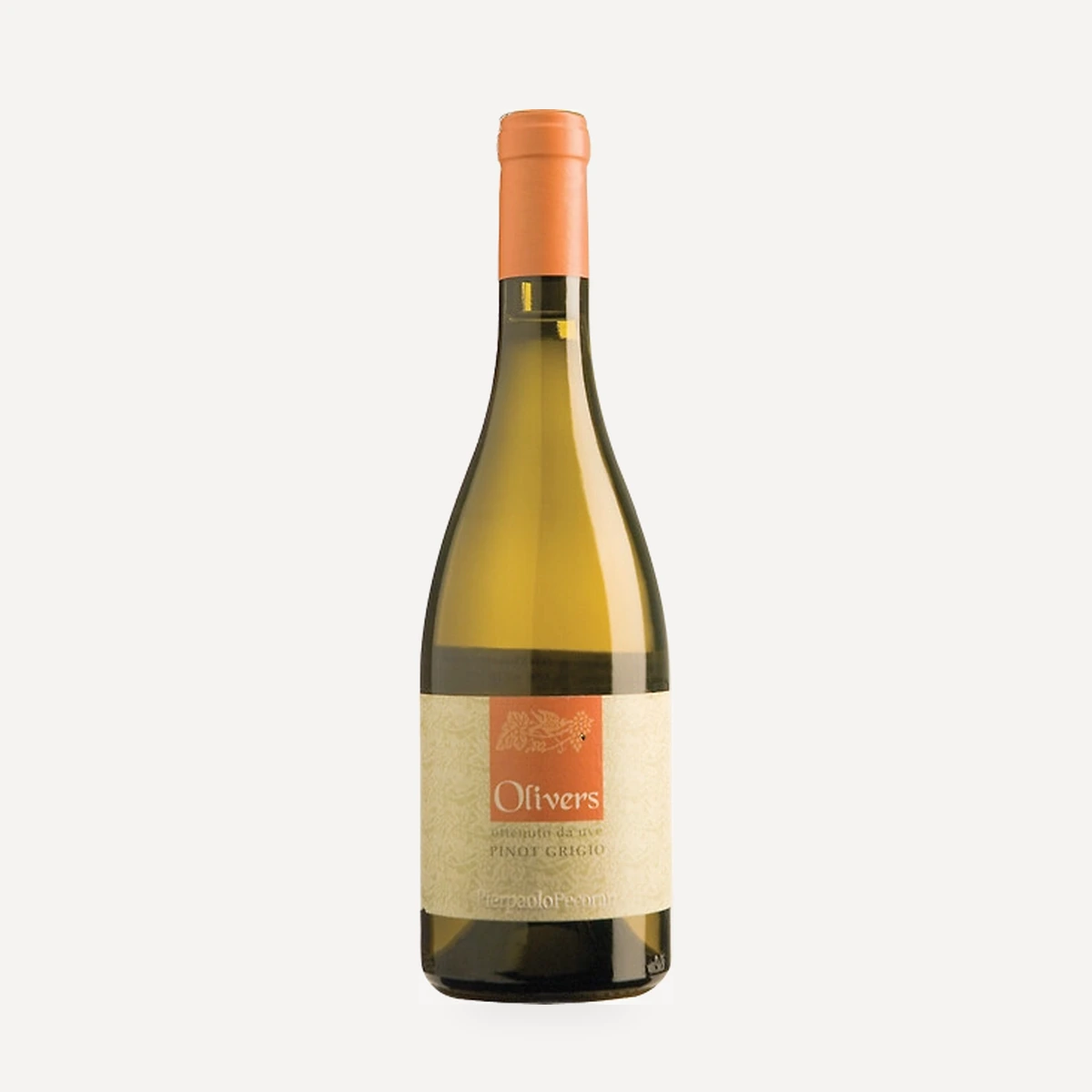
Olivers Venezia-Giulia IGT