Storia
Origins and move to Tuscany
Marta Sierota grew up between Poland and France. One of her formative childhood memories is running through her uncle’s vineyard in France. She later studied philosophy, earned a PhD and taught at university. Her preparation for winegrowing included studies in wine-business management and courses in winemaking, tasting and biodynamic agriculture.
In 2008 Marta moved with her family to Tuscany. Their home was an old Tuscan farmhouse that had been renovated, surrounded by beautiful but abandoned vineyards. That year marked the beginning of the effort to recover the vineyards and establish a form of farming consistent with her understanding of nature, wine and terroir.
Recovery of the vineyards
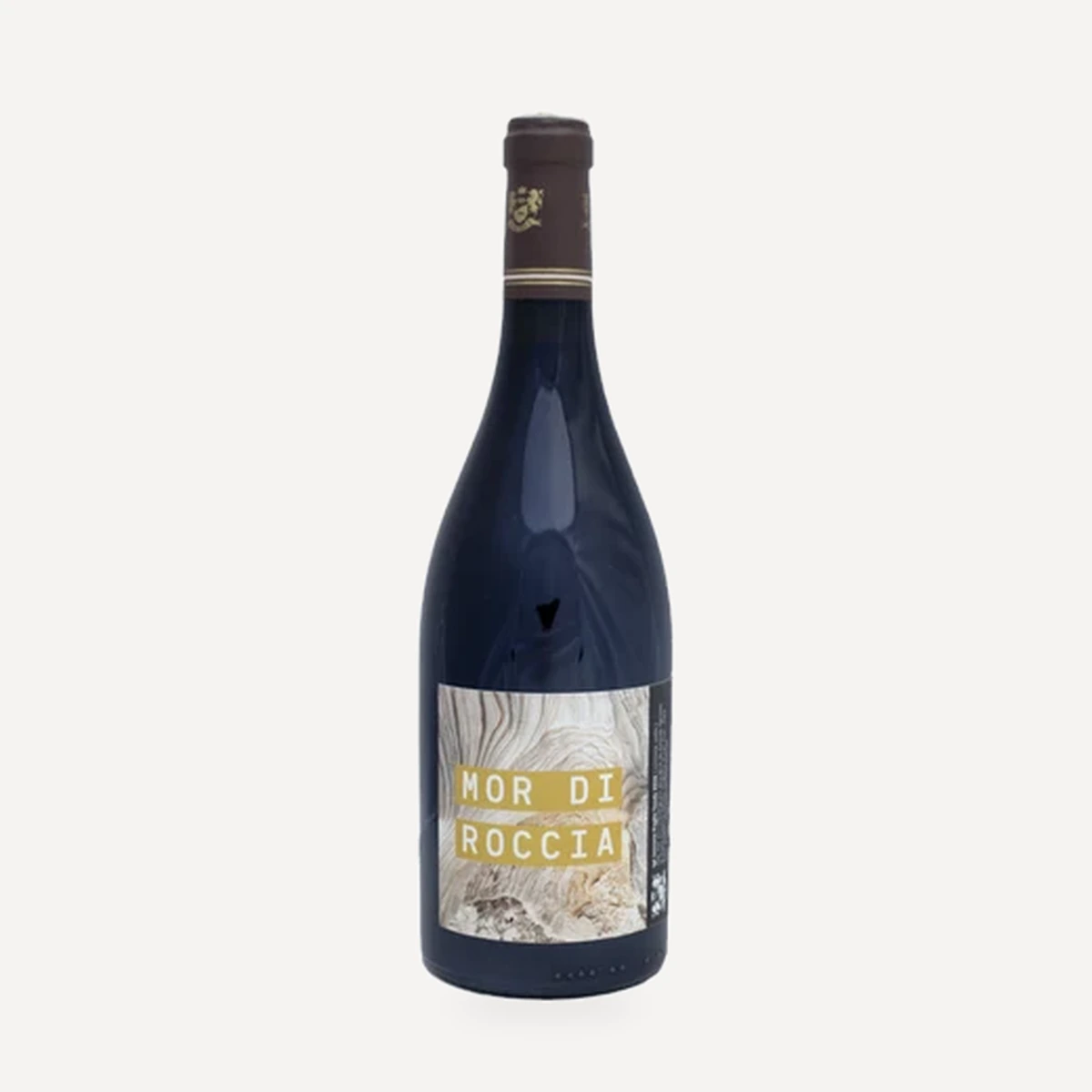
The first vineyard recovered from abandonment was the small 0.6-hectare Foglia Tonda parcel, subsequently associated with Mor di Roccia. Its plant material was restored through massal selection, and the parcel was managed biodynamically from the outset. The project expanded to include Pugnitello and Colorino del Valdarno in the Due Venti vineyard, followed by Canaiolo, Ciliegiolo, Sauvignon Blanc and a Cabernet Franc parcel described in 2017 as approximately 50 years old.
Early accounts recorded 4 hectares of vineyards within the 17-hectare property. The later estate description gives a total of 6 hectares under vine: the 0.6-hectare Foglia Tonda parcel, the 3-hectare Due Venti cru and approximately 3 hectares of hill vineyards devoted to other varieties.
Marta chose two defining principles for the project: biodynamic cultivation and separate vinification of individual grape varieties. The purpose of monovarietal production was to expose each grape’s relationship with its climate, soil and site without relying on blends.
First labels and expansion
By 2017, Mor di Roccia from Foglia Tonda and 2 Venti from Pugnitello had been on the market, and a monovarietal Colorino del Valdarno was scheduled for release in September. A 2017 account described these as the estate’s first three monovarietal labels after six years of work with the vineyards.
In February 2017, the second vintage of the sparkling rosé Follia à Deux, the 2016 vintage, was bottled in a run of 300 bottles. During the 2017 harvest, the estate produced first vintages from Canaiolo, Ciliegiolo, Sauvignon Blanc and Cabernet Franc. April frost and summer drought reduced the crop by 25%, and harvest began approximately three weeks earlier than usual, at the end of August. Canaiolo, Ciliegiolo and Sauvignon Blanc were intended for an accessible monovarietal range, while the role of the wine from the approximately 50-year-old Cabernet Franc vineyard had not yet been decided.
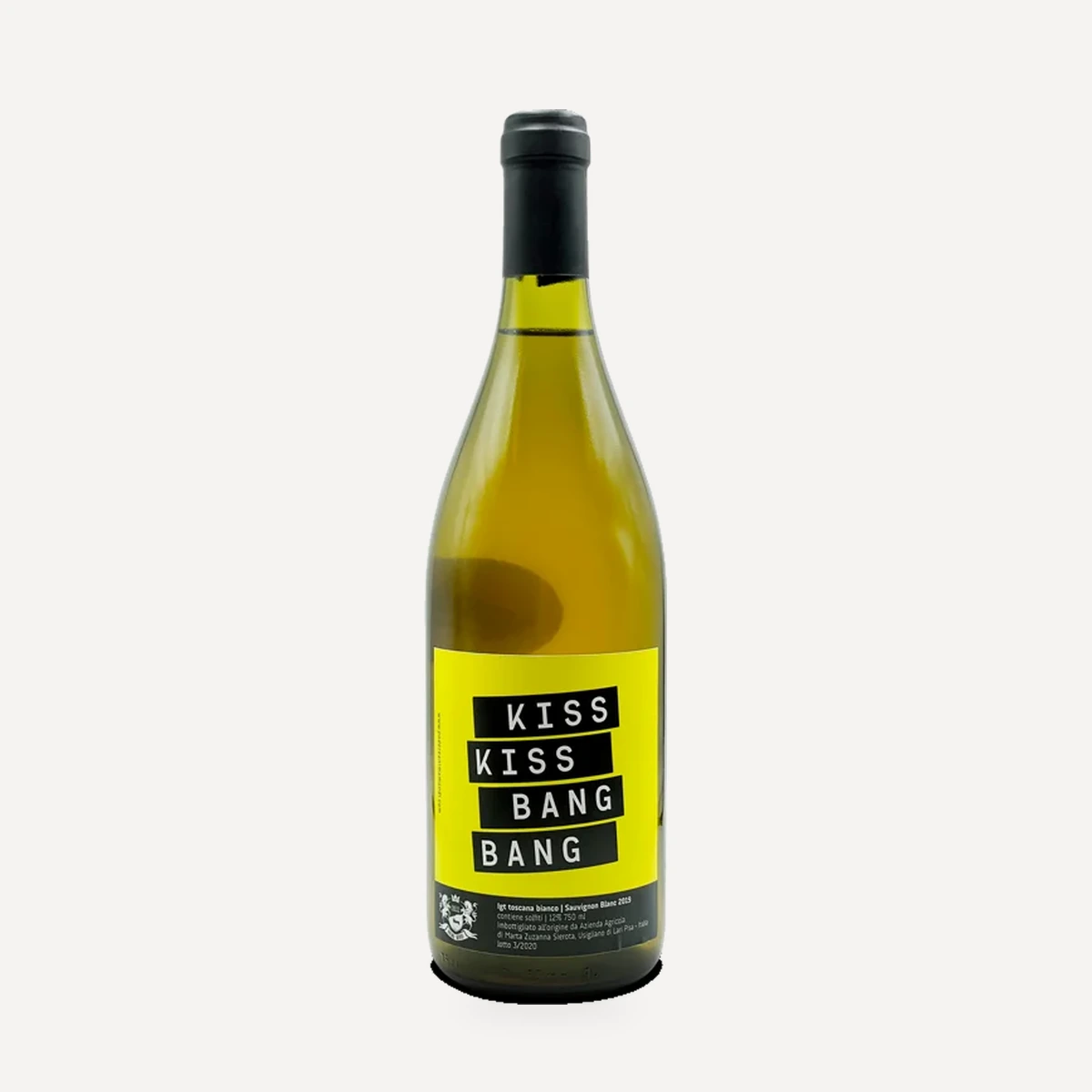
In July 2018, Colpo di Dadi, a monovarietal Canaiolo, and Kiss Kiss Bang Bang, a monovarietal Sauvignon Blanc, were presented as new releases. Production comprised 2,200 bottles of Colpo di Dadi and about 700 bottles of Kiss Kiss Bang Bang. The published estate range later comprised Mor di Roccia, 2 Venti, Colpo di Dadi, Ironista, Follia à Deux and Kiss Kiss Bang Bang, with availability varying because of the small production.
Associations and recognition of the varieties
Podere Anima Mundi joined VinNatur in January 2018 after the association’s tasting, analytical and farming-practice checks. Organic certification was expected in July of that year. The estate subsequently participated as a VinNatur member at Villa Favorita in April 2018.
In February 2019, Podere Anima Mundi was one of nine estates taking part in a Tuscany-wide meeting devoted to Foglia Tonda. Eighteen producers of the variety had been identified. The meeting brought growers together with journalists, tasters and representatives of AIS, ONAV and FISAR to compare different sites and approaches to this uncommon Tuscan grape.
Terroir
Podere Anima Mundi lies at Usigliano in the hills of Lari, a Tuscan village a few kilometres from Pisa. The area is positioned between the Pisan mountains and the sea. Salty maritime air meets air descending from the hills, while both the sea and the mountains influence the local microclimate. Summer maritime influence produces marked temperature changes that support grape ripening.
Mor di Roccia / Foglia Tonda
The 0.6-hectare Foglia Tonda parcel stands on a hill at 185 metres, facing southwest. Its name Mor di Roccia refers to a large subterranean rock that once occupied the site. The soil is sandy and of Pliocene origin, with yellowish sand, gravel and pebbles. Its permeability provides resistance to erosion. A later description characterises it more specifically as predominantly sandy-calcareous and relatively poor, conditions considered useful for moderating Foglia Tonda’s natural vigour.
The parcel is isolated and surrounded by woodland and Mediterranean vegetation. Numerous bees contribute to its biological balance, while maritime air brings saline influence and summer temperature variation.
Due Venti
Due Venti means “two winds.” The vineyard is exposed to both the tramontana from the north and the south-westerly libeccio, bringing mountain and maritime influences. It is well ventilated despite the nearby forest. An early description placed its Pugnitello section at approximately 160 metres and described its orientation as south–north.
The soil is sandy loam, containing sand, silt and clay but dominated by sand, with a consistent presence of calcium. The vineyard is planted to Pugnitello and Colorino del Valdarno.
Wider setting
The vineyards are isolated from other cultivated fields. This separation helps protect the biological balance pursued through biodynamic work and limits outside agricultural influence. The remaining Canaiolo, Ciliegiolo and Sauvignon Blanc vineyards occupy approximately 3 hectares on a hill.
Vinificazione
The entire vineyard programme follows biodynamic principles. Work is organised around observation of the soil, seasonal cycles and the natural relationship between soil and plants. The objective is to restore and preserve the individual balance of each vineyard rather than treat the estate as a uniform agricultural surface.
Biodynamic preparations include preparation 500, made with cow-horn manure, and—specified in the Italian vineyard description—preparation 501, horn silica. Compost and a preparation-500 “tea” are used for fertility, together with animal manure and green manure. Chemical fertilisers are excluded, and copper use is kept low.
The vineyards’ isolation from neighbouring cultivated fields is considered important to maintaining the integrity of this work. Biodiversity is taken into account when choosing each planting site. Woodland, Mediterranean vegetation and a substantial bee population are identified as components of the biological balance around the Foglia Tonda parcel.
Foglia Tonda was recovered through massal selection. Because the variety tends toward high vigour and crop levels, its relatively poor, sandy-calcareous site and modified pruning are used to control its growth and improve the fruit. Pugnitello is spur-trained with short pruning. Vine and row spacing are arranged to avoid shade and balance quality against production, although no numerical planting density is given.
Harvesting is manual. Pugnitello is normally picked in the second half of September, although the difficult 2017 season began approximately three weeks early following an April frost and summer drought that eliminated 25% of the crop.
Cellar work is intended to preserve the results of the vineyard and produce wines defined by purity and elegance. Each label is based on a single grape variety rather than a blend.
Grapes are pressed either by foot or with an old wine press. Fermentation relies exclusively on indigenous yeasts present on the grape skins and takes place spontaneously in concrete tanks. A starter culture prepared from the estate’s own fermenting must is used for Pugnitello to establish fermentation. Fermentation proceeds without temperature control.
Some wines mature in used French barriques or French durmast-oak barrels. The broader cellar description does not impose wood ageing on every wine. Gravity replaces filtration, and the wines are bottled without filtration.
Sulphur additions are either omitted or kept very low. Red wines receive no more than 25 mg/l of added sulphites, while the white wine is made without added sulphites. Bottle maturation follows barrel ageing for wines that receive wood treatment.
Filosofia
Marta Sierota regards wine as the joint product of nature and human work. Her approach was shaped by her background in philosophy, her childhood connection to a French vineyard and the importance placed on terroir in French wine culture.
“Purity” is the central idea. At Podere Anima Mundi it means natural cultivation, respect for the site and separate vinification of each grape variety. Marta considers monovarietal wine the clearest way to show how a grape responds to its climate, soil, air and viticulture. Because blending cannot conceal any characteristic, every stage must be followed carefully from vineyard to bottle.
The estate’s environmental philosophy follows natural rhythms: seasons, weather and the balance between plants and soil. Biodynamic work is intended to renew the grower’s relationship with the land and maintain the fertility, health and vitality of the farm as a whole.
Within natural wine, Marta rejects extremism and explicitly distances the project from faults such as Brettanomyces. Her objective is wine that remains elegant, enjoyable and emotionally memorable. The redevelopment of abandoned vineyards and renewed attention to Pugnitello, Foglia Tonda, Colorino del Valdarno, Canaiolo and Ciliegiolo form part of a broader aim to restore value to the viticultural landscape around Lari.
Vini
Kiss Kiss Bang Bang